Importance of Videography in Commercial Real Estate
In the competitive landscape of commercial real estate, professional videography has become an essential tool for property owners and brokers aiming to elevate their market presence. High-quality videos serve as a dynamic visual portfolio that significantly enhances a property's visibility across various platforms. They enable potential investors and tenants to experience a comprehensive view of the space, showcasing its unique features and layout with clarity and appeal that static images often cannot achieve.
Effective videography acts as a catalyst in attracting serious buyers and tenants by providing an immersive experience, which can increase engagement and interest. By presenting properties with polished, well-produced videos, stakeholders can reach a wider audience, including international markets, without geographical boundaries. This leads to faster lease agreements and sales, reducing the time that properties remain on the market. Moreover, visual content helps establish trust and credibility, demonstrating professionalism and attention to detail that reflect positively on the listing agent or property manager.
In addition to aiding in marketing, commercial real estate videos streamline the transaction process. Prospective clients can conduct initial evaluations remotely, saving time and resources for all parties involved. When combined with precise property descriptions and strategic distribution, professional videography becomes a vital element in the decision-making process. As a result, the market has seen an increased reliance on high-quality video content to secure competitive advantages and accelerate property turnover.
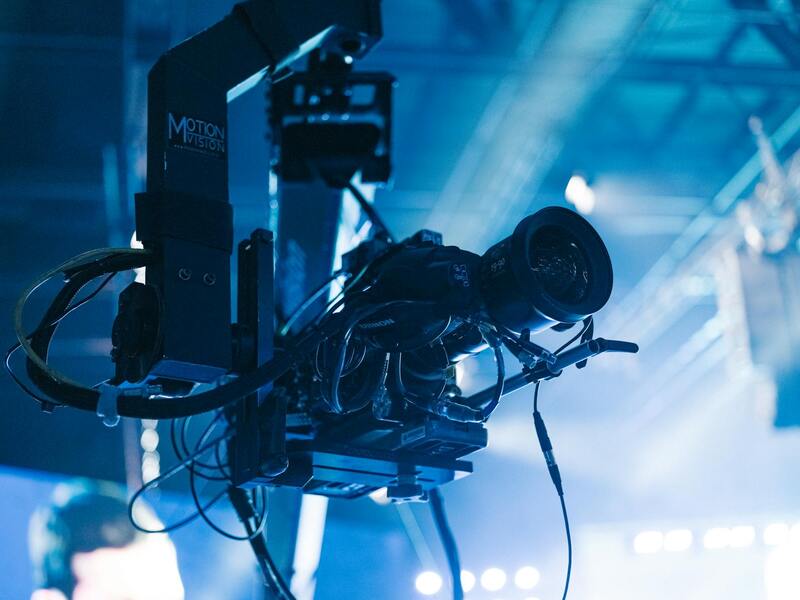
Investing in professional videography not only elevates the presentation but also demonstrates a commitment to quality and transparency. This approach inspires confidence among investors, tenants, and partners, ultimately making the property more appealing. With the rapid advancements in digital marketing strategies, the use of compelling videos will continue to be a pivotal factor in the success of commercial real estate ventures.
Types of Commercial Real Estate Videography
To effectively showcase diverse commercial properties, various videography styles are employed, each tailored to highlight specific features and meet strategic marketing goals. These include walk-through videos, aerial drone footage, 3D virtual tours, and detailed site inspection videos. Understanding these types helps in selecting the right approach for each property, ensuring maximum visual impact and engagement.
- Walk-Through Videos: Often referred to as virtual property tours, these videos provide a comprehensive, room-by-room walkthrough that allows viewers to explore interior layouts, finishes, and spatial flow. They are particularly useful for retail spaces, office complexes, and industrial facilities where interior features are integral to the property's appeal.
- Aerial Drone Footage: Utilizing unmanned aerial vehicles, these videos capture sweeping exterior views, site surroundings, and overall property scale. Aerial shots are especially effective in showcasing large parcels of land, development sites, or properties with scenic surroundings, helping investors and tenants visualize the property's position within its environment.
- 3D Virtual Tours: Interactive, computer-generated models give clients an immersive experience, allowing them to navigate through the property at their own pace. This technology enhances remote evaluations and attracts international buyers or tenants seeking detailed insights before physical visits.
- Site Inspection and Construction Progress Videos: Documenting ongoing developments or renovations, these videos keep stakeholders informed and engaged with real-time updates. They also serve as valuable promotional tools post-completion, highlighting the property's features and quality workmanship.
Best Practices for Shooting Commercial Real Estate Videos
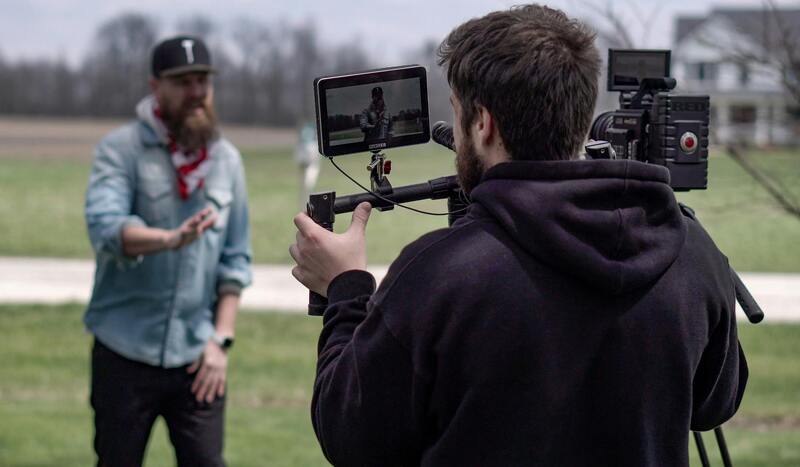
Effective commercial real estate videography requires meticulous planning and execution. The goal is to produce high-quality content that accurately represents the property's potential while engaging viewers. Below are key practices to ensure professional outcomes:
- Pre-Production Planning: Define clear objectives for the video, identify the target audience, and develop a shot list. This preparation includes scheduling optimal times for shooting, considering natural lighting, and coordinating with property owners or managers.
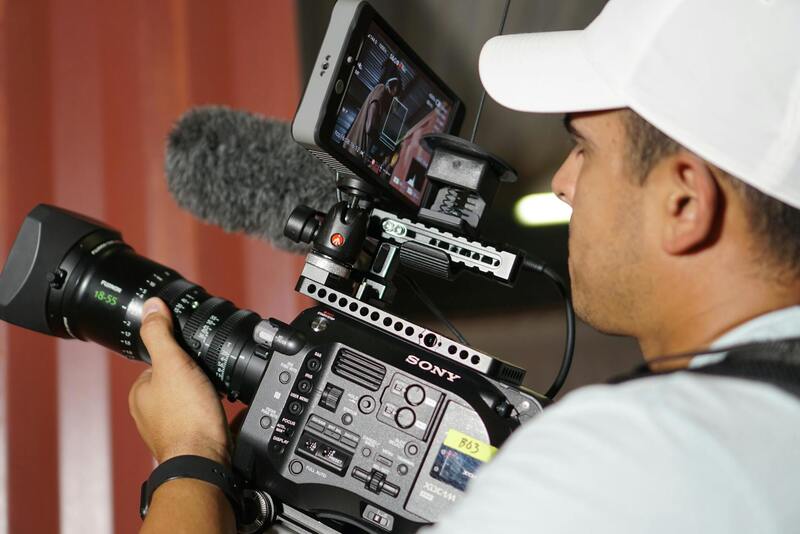
- Use of Professional Equipment: High-resolution cameras, stabilizers, and aerial drones are essential for capturing crisp visuals. Employing professional-grade equipment minimizes distortion and ensures consistency across shots.
- Lighting and Staging: Proper lighting enhances the property's features and avoids shadows that obscure details. Staging areas to appear clean, inviting, and well-maintained further boosts visual appeal.
- Consistent Framing and Composition: Applying principles such as the rule of thirds and level horizons results in visually balanced shots. Smooth camera movements and steady footage contribute to a polished presentation.
- Audio Quality: Clear narration or background music should complement the visuals without overpowering them. When narration is used, professional voiceovers help convey key property information effectively.
Editing and Post-Production Techniques
Proper editing transforms raw footage into compelling visual stories. Key post-production techniques include color correction, stabilization, and seamless transitions. Incorporating text overlays, polygons highlighting specific areas, and animated maps can enhance understanding. Additionally, music selection should match the property's tone, whether emphasizing the sophistication of an office building or the vibrancy of a retail space. Optimizing videos for various platforms ensures they load quickly and display correctly, maintaining visual quality across desktops, tablets, and smartphones. An effective edit balances aesthetic appeal with informative content, guiding viewers through the property's most attractive features efficiently.
Legal and Ethical Considerations in Commercial Real Estate Videography
When producing commercial real estate videos, adhering to established guidelines ensures the content is accurate, respectful of privacy, and legally compliant. Filming in public spaces requires awareness of property permissions and relevant regulations to avoid encroachments. It is essential to obtain necessary clearances, especially when capturing drone footage or private areas within commercial properties, to maintain transparency and trust with clients and stakeholders.
Respecting the privacy of individuals during filming is paramount. This involves avoiding the capture of identifiable people without consent, particularly in scenes that take place within or around the property. For example, if filming includes tenants or employees, obtaining their permission helps uphold ethical standards while preventing potential disputes or misunderstandings.
In addition to respecting individual privacy, ensuring the accurate representation of the property is critical. Avoiding misleading visuals or misrepresenting the condition signifies integrity and reinforces the professionalism of the videographer. Special attention should be paid to highlight the property’s true features and avoid exaggerations that could mislead viewers.
Furthermore, intellectual property rights, such as music, logos, and proprietary visuals, should be carefully managed. Using licensed or royalty-free music enhances the video's appeal without infringing on copyrights. When incorporating graphics or branding elements, proper attribution and permissions prevent potential legal issues and uphold ethical standards in marketing.
Complying with local regulations related to drone operations, filming permits, and zoning laws is indispensable. This includes securing necessary permissions from property owners or managers before initiating shoots, especially for large-scale or commercial-scale productions. These steps help align the videography process with official protocols, fostering a transparent relationship with both clients and regulatory bodies.
 igure>
Advanced Techniques in Commercial Real Estate Videography
To deliver impactful visual content, professional videographers utilize a range of advanced techniques that enhance the viewer's experience and accurately showcase the property's features. High dynamic range (HDR) filming is often employed to balance bright and dark areas within a shot, ensuring details in both shadows and highlights are visible. This technique is particularly effective for properties with large glass facades or interior spaces with varying lighting conditions.
Drone footage has become an essential element in commercial real estate videography, providing breathtaking aerial views that capture the property's layout within its surrounding environment. These shots are invaluable for conveying property size, proximity to key infrastructure, and the overall context of the location. To maximize safety and quality, piloting drones requires specialized training and certification, along with adherence to aviation standards.
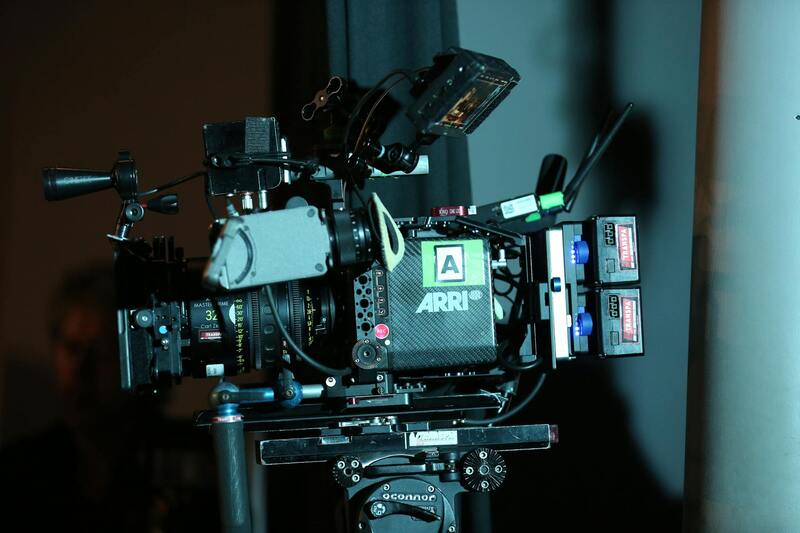
Inside the editing suite, color grading is used to enhance the visual appeal and consistency of the video. This process corrects color imbalances and adds mood-specific tones to align with marketing objectives. Additionally, stabilization software ensures smooth footage, especially when utilizing handheld or moving shots, which helps maintain professionalism and viewer engagement.
Utilizing Virtual Tours and 3D Visualization
Beyond traditional videography, virtual tours have gained prominence as an effective tool for immersive property presentation. Combining high-quality video footage with 360-degree panoramic views allows prospective clients to explore interiors remotely, facilitating quicker decision-making processes. Furthermore, 3D modeling and visualization software can be integrated into videos to highlight renovation potential, layout modifications, or spatial relationships, providing a comprehensive understanding of the property's value.
These innovative approaches require skilled deployment of software tools and an understanding of architectural design, ensuring that virtual representations maintain precision and clarity. As a result, such techniques not only boost engagement but also position the property more competitively within the market.
Legal and Ethical Considerations in Commercial Real Estate Videography
Effective commercial real estate videography relies on adhering to established standards and practices that ensure all content is accurate, respectful, and professionally presented. This includes obtaining necessary permissions for property access, ensuring that all footage accurately represents the property without misrepresentation, and maintaining transparency with clients regarding the scope and goals of the video project.
When capturing drone footage, it’s essential to operate in accordance with aviation guidelines, which dictate flight zones, altitude limits, and privacy considerations. These stipulations are designed to safeguard public interest and uphold safety standards, and compliance should be maintained at all times.
Respecting Privacy and Property Rights
Respect for privacy is a core principle in commercial real estate videography. Filming should be conducted with explicit consent from property owners or authorized representatives. During shoot preparations, clear agreements should outline restrictions and permissions regarding specific footage, especially when capturing neighboring properties or public spaces.
In addition, it’s vital to ensure that sensitive information or features that could compromise security are not unintentionally disclosed in the final video. This includes avoiding the recording of confidential areas or operations that may impact the property's perceived safety or value.
Accuracy and Ethical Representation
Integrity in visual presentation is crucial. The videos must authentically showcase the property's features without exaggeration or omission of relevant details. Overly polished edits or manipulations should not distort the actual condition or attributes of the property.
It's also important for videographers to clearly communicate the scope of the project, including any virtual enhancements or post-production adjustments. Clear accountability fosters trust with clients and ensures that marketing efforts accurately reflect what prospective tenants or buyers can expect.
Compliance with Brand and Marketing Standards
Commercial real estate videography should align with the branding guidelines and marketing strategies of the property owner or agency. This alignment guarantees consistency across promotional materials and reinforces the property's positioning in the marketplace.
Legal and Ethical Considerations
When producing commercial real estate videos, it is essential to follow a set of structured practices that respect property rights, privacy, and local regulations. This involves obtaining explicit permissions prior to filming, especially when integrating footage of neighboring properties, public areas, or other identifiable entities. Documented agreements should specify the scope of filming, permissible use of footage, and any restrictions to prevent misunderstandings or disputes later in the process.
Privacy concerns are particularly significant in urban settings or properties with sensitive operational areas. Videographers must avoid capturing confidential zones such as security rooms, private offices, or other restricted areas unless explicit authorization is given. This not only preserves operational security but also upholds ethical standards in visual documentation.
Compliance with local regulations extends beyond permissions. It encompasses adhering to city ordinances regarding drone flights, noise levels during filming, and restrictions on filming in certain public spaces or private neighborhoods. Videographers should consult relevant authorities or maintain a thorough understanding of regional laws that govern their shooting locations to prevent inadvertent violations.
Respecting the rights of individuals and property owners during production is imperative. This can involve informing residents and employees about filming schedules and their rights, as well as ensuring that any footage including identifiable individuals complies with expectations for consent and privacy. Employing sign-in procedures at filming sites or using notice signage can facilitate transparency with all stakeholders involved.
Maintaining an ethical stance also involves honest representation of the property. Post-production editing should enhance visual appeal without altering or falsifying the property's condition or features. Authenticity sustains trust and avoids misleading potential tenants or buyers, ultimately reinforcing the credibility of the marketing efforts.
To ensure adherence to these standards, it is beneficial for both videographers and clients to develop comprehensive contracts that define filming parameters, rights, and responsibilities. This proactive approach minimizes the risk of misunderstandings and establishes a professional foundation for successful video projects.
Overall, maintaining an unwavering commitment to legal guidelines and ethical principles in commercial real estate videography augments the reputation of the production team and enhances the effectiveness of property marketing strategies. It fosters trust among clients, property owners, and viewers, ultimately supporting the competitive positioning of the listed properties in a dynamic market.
Legal and Ethical Considerations in Commercial Real Estate Videography
Executing commercial real estate videography involves meticulous attention to legal and ethical standards that uphold professionalism and foster trust among all stakeholders. It is essential for videographers to secure explicit permissions from property owners and managers before filming, ensuring that contractual agreements clearly specify the scope, purpose, and duration of video production. These agreements should also outline the rights concerning the footage, including usage rights and distribution channels, to prevent misunderstandings or disputes later in the process.
When capturing footage, particular care must be taken to respect the privacy rights of individuals who may be present on the property. This includes staff, prospective clients, or visitors. Filming schedules should be coordinated with property management to minimize disruption and accommodate the privacy of individuals. If footage includes identifiable persons, obtaining consent through signed release forms is a best practice that solidifies ethical standards and prevents potential complications.
Maintaining authenticity in presenting properties is a cornerstone of ethical videography. Post-production editing should aim to highlight the property's best features without misleading viewers about its condition or available amenities. Over-enhancing footage or omitting unfavorable aspects can compromise the integrity of the marketing efforts and damage long-term credibility.
Transparency extends beyond consent and editing. Clear signage indicating ongoing filming activities can notify visitors and employees, ensuring an understanding of the filming schedule. Transparency also involves honest representation of the property's features, avoiding exaggeration or misrepresentation that could mislead potential buyers or tenants.
Developing comprehensive documentation, including detailed contracts and consent forms, enhances professionalism and provides a clear framework for all parties involved. These documents should specify the rights, responsibilities, and expectations related to filming, editing, and distribution. Such proactive measures help mitigate risks associated with miscommunication or unauthorized use of footage.
Respecting legal frameworks and ethical principles in commercial real estate videography not only sustains a positive reputation for production teams but also strengthens relationships with clients and property owners. Professional integrity in video production contributes to effective marketing strategies, fostering trust and credibility that support the overall success of commercial property campaigns.
Legal and Ethical Considerations in Commercial Real Estate Videography
Engaging in commercial real estate videography requires adherence to a range of policies and standards that uphold professional integrity and foster trust with all stakeholders. While these measures do not explicitly involve legal pronouncements, implementing best practices ensures the imagery accurately portrays the property and respects the interests of property owners, investors, and potential tenants.
Securing Proper Permissions and Documentation
Before commencing filming, it is essential to obtain clear, written consent from property owners or authorized representatives. This documentation should specify the scope of filming, expected duration, and how the footage will be used and distributed. Such agreements help prevent misunderstandings and ensure all parties are aligned on the production process. Additionally, securing permissions for shooting within restricted areas, such as private offices or sensitive zones, safeguards against inadvertent privacy violations.
Maintaining Honest Representation
Authenticity forms the core of credible commercial real estate videos. This entails accurately showcasing the property's features, layout, and condition without embellishment or omission that might mislead viewers. When editing footage, practitioners should avoid artificially enhancing visuals or misrepresenting spaces through techniques like exaggerated color correction or selective framing.
Respecting Privacy and Confidentiality
Respect for tenant privacy and confidential information is paramount. For properties with existing tenants or sensitive infrastructure, prior notification and consent are crucial. Respectful filming practices include avoiding capturing personal belongings, private areas, or confidential data, and ensuring that footage does not infringe on individual privacy rights.
Implementing Safe and Responsible Filming Practices
Safety considerations are integral to ethical videography. Proper planning minimizes risks associated with equipment setup, drone operations, and pedestrian or vehicle movement around the site. Employing trained personnel ensures filming activities proceed smoothly without causing disruptions or hazards. This responsible approach extends to respecting property security protocols.
Transparency in Marketing
Clear communication about the purpose and scope of marketing content helps uphold transparency. When shared publicly, real estate videos should reflect accurate property details, avoiding exaggerations that could distort perception. Verifying that all representations are current and factual adds to the viewer's trust and supports effective marketing.
Understanding Industry Standards and Best Practices
Practitioners should stay informed about emerging standards, technological advancements, and evolving best practices within the commercial real estate videography sector. Participating in relevant training, workshops, or industry associations fosters continual improvement in maintaining high standards and ethical conduct.
Summary
Adherence to these practices promotes a professional reputation, enhances stakeholder trust, and ensures the creation of impactful, truthful commercial real estate videos. Maintaining integrity in every phase—from planning and permissions to filming and editing—reinforces responsible marketing strategies and supports sustainable business relationships.