Defining the Purpose of a Drone Photography Portfolio
A drone photography portfolio serves as a comprehensive showcase of a photographer's skills, style, and technical expertise in capturing aerial imagery. It acts as a visual resume that communicates a professional's capabilities to potential clients, agencies, and collaborators. When developing a drone photography portfolio, clarity about its primary purpose—whether to attract commercial projects, artistic assignments, or real estate clients—is crucial. A well-crafted portfolio not only highlights technical proficiency but also demonstrates a creative vision that sets a photographer apart in a competitive market.
Beyond individual project display, a drone photography portfolio guides viewers through a curated journey that emphasizes breadth and depth of skills. It offers an organized presentation of aerial perspectives, including panoramas, detailed close-ups, and expansive landscape shots. This structure helps establish credibility and professionalism, illustrating a consistent quality level and an understanding of advanced techniques such as image stabilization, precise framing, and effective use of lighting from high altitudes.
Creating an impactful drone photography portfolio involves intentionally selecting imagery that resonates with target audiences—whether those are real estate developers, event organizers, or environmental conservation agencies. The portfolio becomes a strategic tool for demonstrating technical mastery, creative expression, and an understanding of industry standards. Such clarity in purpose ensures potential clients recognize the value of the photographer’s aerial work, fostering trust and opening pathways for collaboration.
This approach underscores the importance of not just showcasing diverse drone photography projects, but also aligning them with the photographer's professional goals. Whether emphasizing architectural surveys, landscape art, or event coverage, the portfolio should serve as a tactical asset that underscores the photographer’s expertise and suitability for specific client needs. In doing so, it maximizes opportunities for engagement and project acquisition in a competitive aerial imagery landscape.
Selecting the Right Drone Photography Projects
When constructing a drone photography portfolio, the selection of projects plays a pivotal role in highlighting a photographer’s technical expertise, creative vision, and versatility across various applications. Each project should be chosen with careful consideration of its ability to demonstrate high-quality imagery, technical proficiency, and uniqueness that appeals to specific industry demands.
High-caliber drone projects often encompass diverse subject matter, such as architectural structures, natural landscapes, construction progress, agricultural fields, and public events. These categories serve as benchmarks for showcasing different skills, including panoramic capturing, close-up detail, and dynamic motion shots. Including a diverse range of subjects not only displays adaptive flying skills but also reflects a comprehensive understanding of how drone imagery can meet varied client needs.
It is critical to emphasize images that exemplify advanced composition techniques, such as framing from high altitudes, balancing light and shadow, and utilizing natural elements to add depth. For instance, aerial shots of construction sites can demonstrate precision in capturing progress documentation, while landscape images reveal an artist’s ability to leverage natural light and atmospheric conditions.
Furthermore, integrating projects that highlight creative viewpoints—such as unusual angles or motion sequences—can set a portfolio apart. Projects that successfully communicate a narrative or showcase innovative use of flight paths resonate strongly with potential clients seeking fresh perspectives. It’s essential to include work that reflects consistent technical quality, with sharp focus, optimal lighting, and well-managed exposure.
In addition to aesthetic considerations, the selected projects should underline important industry-specific competencies. For example, real estate visuals should feature clear, detailed images that showcase the property’s scope and surrounding environment, while agricultural imagery needs to emphasize crop health and field layouts. These distinctions underscore the photographer’s understanding of industry standards and project objectives.
In essence, the projects incorporated into a drone photography portfolio should be meticulously curated, representing the highest standards of quality and versatility. This strategic selection not only elevates the portfolio’s professional appeal but also acts as a persuasive tool for attracting future clients. By balancing artistic vision with functional excellence, drone photographers can craft a compelling narrative that demonstrates their capability to deliver exceptional results across multiple sectors.
Curating User-Friendly and Professionally Presented Content
When developing a drone photography portfolio, the presentation plays a critical role in communicating professionalism and attracting potential clients or collaborators. A well-structured portfolio should prioritize visual coherence and accessibility, ensuring visitors can easily navigate and appreciate your work. Prioritize high-resolution images that reveal intricate details and vibrant colors, demonstrating your technical competence and attention to quality.
Careful arrangement of visuals enhances the viewer experience. Group similar project types together, such as real estate, landscape, or commercial work, to create a logical flow. Employ consistent formatting for image sizing and aspect ratios to establish a cohesive aesthetic. Including concise descriptions for each project enhances understanding of the context and your role in capturing each shot.
Adopting a clean, professional layout helps in emphasizing the quality of your work without unnecessary distractions. Use ample whitespace to allow each image to stand out and support easy reading of accompanying information. Organizing content into sections or categories ensures that clients seeking specific services can find relevant examples swiftly.
Furthermore, utilizing intuitive navigation features, such as clearly labeled menus or filters by project type or industry vertical, enables visitors to explore your portfolio efficiently. Mobile responsiveness is equally important; ensure that your website adapts seamlessly across different devices, maintaining image clarity and usability.
By consistently maintaining high-quality visuals and a user-friendly interface, your drone photography portfolio becomes a powerful tool for establishing credibility and enticing prospective clients. An intuitive and professional presentation underscores your commitment to excellence and facilitates meaningful connections within your target industries.
Highlighting Unique Skills and Specializations
To distinguish a drone photography portfolio in a competitive market such as Miami, showcasing niche expertise and specialized techniques is essential. Clients are attracted to professionals who demonstrate mastery in areas like advanced aerial cinematography, 3D mapping, thermal imaging, or night drone photography. These specialized skills not only illustrate technical prowess but also prepare the portfolio to appeal to diverse industry needs, from real estate to infrastructure inspections.
Detailing the specific methodologies used in capturing challenging shots can significantly enhance the perception of your expertise. For instance, describing the use of high-dynamic-range (HDR) imaging in landscape projects or the application of panoramic stitching for expansive vistas provides a comprehensive view of your capabilities. Incorporating case studies or behind-the-scenes insights into your workflow further emphasizes your dedication to technical excellence.
Additionally, emphasizing any certifications or advanced training completed in drone operation or aerial imaging reinforces your credibility. Clients prefer professionals who not only have artistic vision but also adhere to rigorous safety and operational standards. Incorporate descriptions of your proficiency with various drone models, camera equipment, and stabilization techniques, aligning your skills with the expectations of high-end clients.
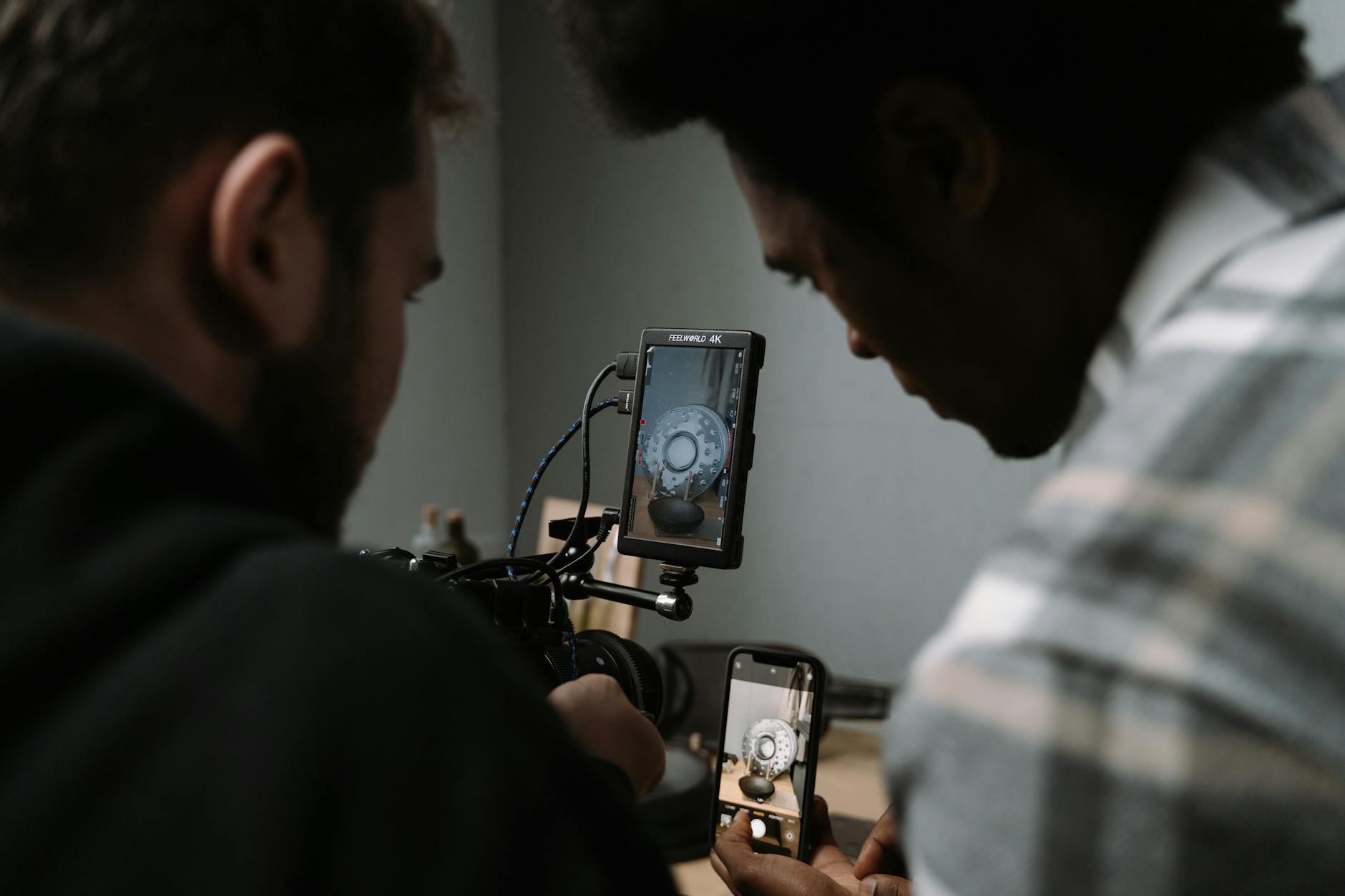
Highlighting these technical elements within your portfolio provides potential clients with confidence that your work is of the highest standard. Precise explanations of how your unique skills solve specific visual challenges or fulfill project objectives can set your portfolio apart from others in the industry. It is crucial to document successful project outcomes that demonstrate your competency in applying specialized techniques effectively.
Incorporating Relevant Industry and Location Focus
Aligning your drone photography portfolio with specific industries and regional characteristics can greatly enhance its relevance and appeal. For Miami, a vibrant hub for real estate, tourism, commercial development, and maritime activities, tailoring your projects to these fields demonstrates your understanding of market demand and your capacity to deliver industry-specific visual narratives.
Including projects that highlight Miami’s distinctive coastal landscapes, urban skyline, and recreational spaces can illustrate your familiarity with local scenery and logistical intricacies. When your portfolio reflects regional expertise, it indicates to clients that you comprehend the nuances of shooting in Miami’s dynamic environment, from navigating busy cityscapes to capturing the essence of waterfront properties.
Furthermore, categorizing your portfolio projects under regional or industry-specific sections allows potential clients to quickly access relevant examples. For instance, dedicated sections for real estate aerials, tourist attractions, or commercial infrastructure showcase your targeted experience and streamline the decision-making process.
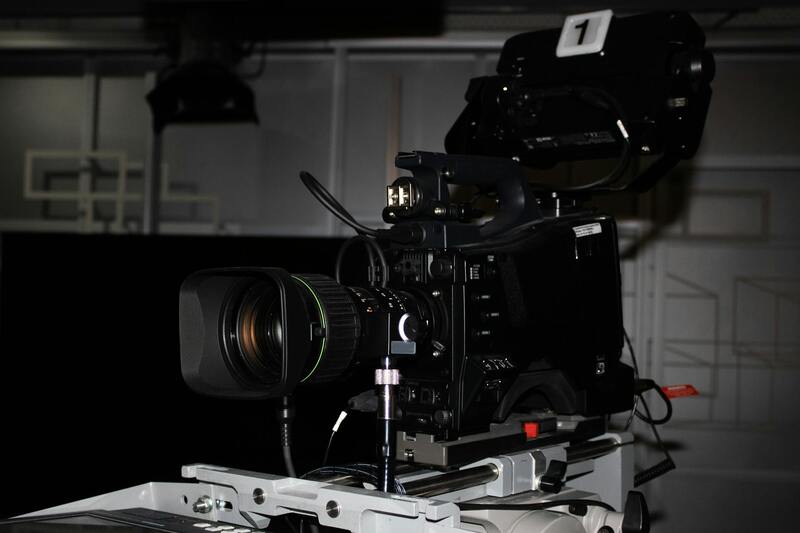
This strategic alignment with local market needs positions your portfolio as a valuable resource for regional clients seeking reliable drone photography services. Highlighting your familiarity with Miami’s unique environment and industry trends demonstrates your professionalism and capability to deliver tailored, high-impact imagery.
Highlighting Unique Skills and Specializations
To elevate a drone photography portfolio, it is essential to distinctly showcase specialized skills that set a photographer apart in a competitive market. Demonstrating expertise in specific niches such as real estate, wildlife, architectural visualization, or event coverage provides potential clients with clear insights into your capabilities and industry focus.
Including detailed project descriptions that specify the techniques utilized and the challenges overcome offers depth to your portfolio. For example, showcasing the ability to capture high-dynamic-range (HDR) aerial shots in complex lighting conditions underscores technical proficiency. Likewise, illustrating experience with advanced flight maneuvers, such as precise orbit shots or dynamic tracking during motion, highlights professional expertise.
Specializations can also extend to the use of certain drone specifications, like utilizing high-resolution cameras for detailed imaging or employing drones with obstacle avoidance systems to ensure safety and precision in complex environments. These technical capabilities build confidence in your ability to handle diverse scenarios with reliability.
Additionally, certifications or training in specialized areas, such as aerial cinematography or photogrammetry, should be prominently featured. These credentials affirm a commitment to ongoing professional development and adherence to industry standards.
By clearly articulating your unique skills and area of expertise within your portfolio, you attract targeted clients seeking specific aerial solutions. This strategic emphasis not only differentiates your work but also demonstrates a comprehensive understanding of industry demands and technical mastery, ultimately positioning your drone photography services as both reliable and innovative.
Utilizing Digital Platforms to Showcase the Portfolio
Effectively displaying a drone photography portfolio requires strategic use of various digital channels to maximize visibility and reach targeted audiences. A dedicated website provides a centralized platform where visitors can explore high-resolution images, project descriptions, and technical insights. Ensuring the website has an intuitive layout, fast load times, and mobile responsiveness enhances user experience, encouraging potential clients to engage further.
Beyond a personal website, social media platforms serve as powerful tools for sharing content, building brand awareness, and connecting with industry professionals. Platforms such as Instagram, Facebook, and LinkedIn allow for regular updates of new work, behind-the-scenes glimpses, and testimonials from satisfied clients. These channels support targeted engagement through hashtags, geotags, and paid advertising, helping to attract specific audience segments.
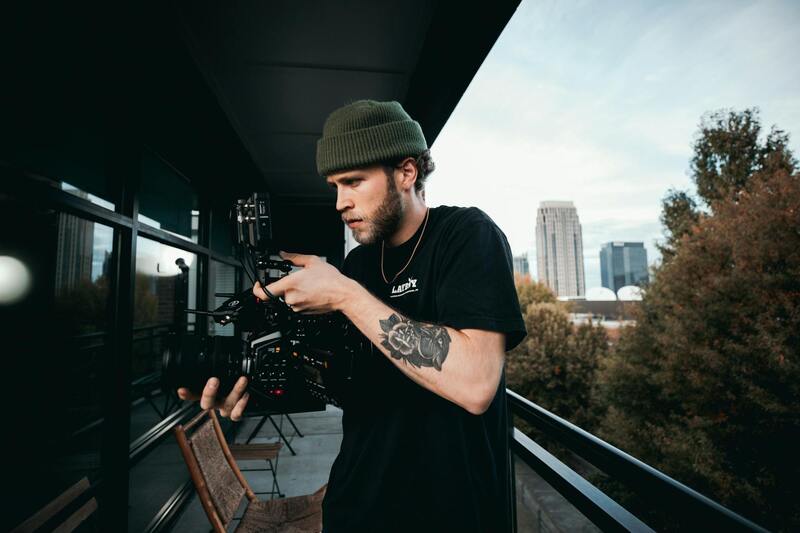
Professional networks and online communities dedicated to aerial photography and videography also provide avenues for portfolio exposure. Participating in industry forums, online galleries, and drone-specific marketplaces can lead to valuable collaborations and direct inquiries from clients seeking specialized aerial imaging services.
In addition, leveraging professional portfolios on platforms like Behance or Vimeo offers a broader display of your projects, especially those involving cinematography or complex post-processing. Incorporating client testimonials and detailed case studies within these platforms can establish credibility and demonstrate your expertise.
Maintaining and Updating the Portfolio
Regularly updating your drone photography portfolio ensures it reflects your latest skills, projects, and technological advancements. Incorporate recent work that showcases new techniques, equipment, or unique environments to demonstrate ongoing professional growth. Review older content periodically to remove outdated images or projects that no longer align with your current focus or standards.
Organize your portfolio in clearly defined categories based on project type, location, or client industry. This structure helps visitors quickly find relevant examples and understand your specialization areas. Consistent branding and professional presentation across all sections reinforce your credibility.
Maintain high standards for image quality and ensure all content aligns with current industry trends and client expectations. Consider soliciting feedback from peers or mentors to identify areas for improvement and to refine your display strategy.
Leveraging a Drone Photography Portfolio for Professional Growth
A well-curated portfolio acts as a dynamic showcase of your capabilities, opening pathways to new opportunities and collaborations. Use it as a core component in proposals, pitches, and negotiations to demonstrate your technical skills, creative vision, and reliability.
As your professional experience expands, incorporate case studies and testimonials that validate your expertise. This evidence-based approach builds trust with prospective clients and sets a foundation for long-term partnerships.
Moreover, a comprehensive portfolio can serve as a valuable resource for mentorship or training opportunities, positioning you as an industry leader and an advocate for responsible, innovative drone use.
Highlighting Your Technical Proficiencies and Equipment Choices
Demonstrating a comprehensive understanding of drone technology through your portfolio enhances credibility and invites trust from prospective clients. Clearly detail the types of drones used for each project, emphasizing capabilities such as high-resolution imaging, stabilization features, flight endurance, and camera adaptability. Including information about equipment choices can illustrate your commitment to quality and precision, reinforcing your image as a skilled professional.
Showcase your adeptness in operating various drone models, which reflects versatility and technical expertise. This can be supplemented with descriptions of the specific camera setups, lenses, and accessories employed to achieve desired visual outcomes. Highlighting these aspects not only emphasizes your technical proficiency but also educates viewers about the level of sophistication behind your work.
Incorporate visual elements that detail your setup process, such as behind-the-scenes images or diagrams of your drone configuration. Such content can differentiate your portfolio by providing insight into your meticulous preparation and attention to detail, which are critical factors in conducting successful drone shoots.
Further, including descriptions of safety procedures, flight protocols, or maintenance routines underscores your adherence to best practices. These elements convey professionalism and a conscientious approach, reassuring potential clients of your reliability and responsibility. By systematically demonstrating your technical skills and the advanced equipment at your disposal, your drone photography portfolio positions you as a well-equipped, knowledgeable expert capable of delivering exceptional aerial imagery for diverse project requirements.
Maintaining and Updating the Portfolio
An effective drone photography portfolio requires ongoing attention to ensure it remains relevant and illustrative of your current skills and equipment. Regular updates reflect your commitment to growth and adaptation to new techniques, technologies, and industry standards. Incorporating fresh projects demonstrates your ability to handle diverse environments and client needs, fostering confidence in potential clients and collaborators.
Scheduled reviews of your portfolio enable the removal of outdated or less representative works, making room for newer, higher-quality content. This practice ensures that your portfolio showcases your best work, aligning with evolving aesthetic trends and technical advancements. It's also an opportunity to add detailed descriptions that highlight the challenges overcome or innovative techniques applied, giving a comprehensive view of your capabilities.
Stay informed about emerging drone imaging technologies, software enhancements, and aerial photography practices. As you adopt new tools or methods, reflect these changes in your portfolio. For instance, if you integrate advanced stabilization techniques or new camera types, include examples that clearly demonstrate these improvements. Such updates signal your dedication to staying at the forefront of the industry.
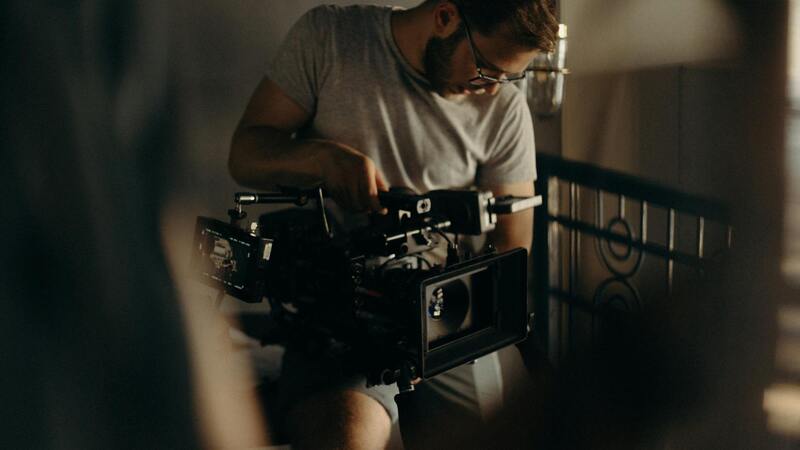
Consider organizing your portfolio into thematic sections or project categories, such as commercial, real estate, events, or scenic landscapes. This organization allows prospective clients to quickly assess your expertise relevant to their needs. Moreover, providing context for each project—such as client objectives, location challenges, or specific features captured—adds depth and demonstrates your strategic approach.
Utilize digital tools that allow for seamless updates and easy navigation—such as cloud galleries or professional website platforms—ensuring your portfolio is accessible, responsive, and visually compelling across devices. Incorporating client testimonials and case studies can further strengthen the credibility of your work, especially when paired with recent visuals.
Finally, establish a consistent branding approach—such as uniform formatting, logo placement, and color schemes—to reinforce your professional image. When visitors revisit your site or view new additions, this consistency fosters familiarity and trust, positioning you as a reliable provider of high-quality aerial imagery.