Importance of Professional Real Estate Photography
In Miami's highly competitive real estate market, the quality of property images plays a pivotal role in attracting potential buyers and closing sales efficiently. High-quality real estate photography not only showcases the property's best features but also creates a favorable first impression that encourages viewers to explore further. Effective images can make a listing stand out among numerous others, increasing online views and engagement. As many homebuyers begin their property search online, the visual appeal of images becomes the primary factor influencing their decision to visit in person.
Professional real estate photography captures the property's true potential by highlighting spacious rooms, appealing lighting, and unique architectural details. This comprehensive visual representation allows prospective buyers to envision themselves living in the space, fostering emotional connections that often lead to quicker sales. Moreover, compelling imagery can elevate a property's perceived value, enabling sellers to command higher offers. In Miami's diverse neighborhoods, tailored photography helps emphasize geographic and lifestyle advantages, catering to specific buyer interests.
Studies consistently demonstrate that listings with professional photographs sell more rapidly than those with amateur images. The investment in expert photography is justified by the tangible benefits of increased visibility, enhanced marketability, and a higher likelihood of closing deals at desirable prices. For real estate agents and sellers aiming to maximize their property's appeal, prioritizing good real estate photography is a strategic choice that significantly impacts overall sales success and buyer engagement.
Essential Equipment and Camera Settings
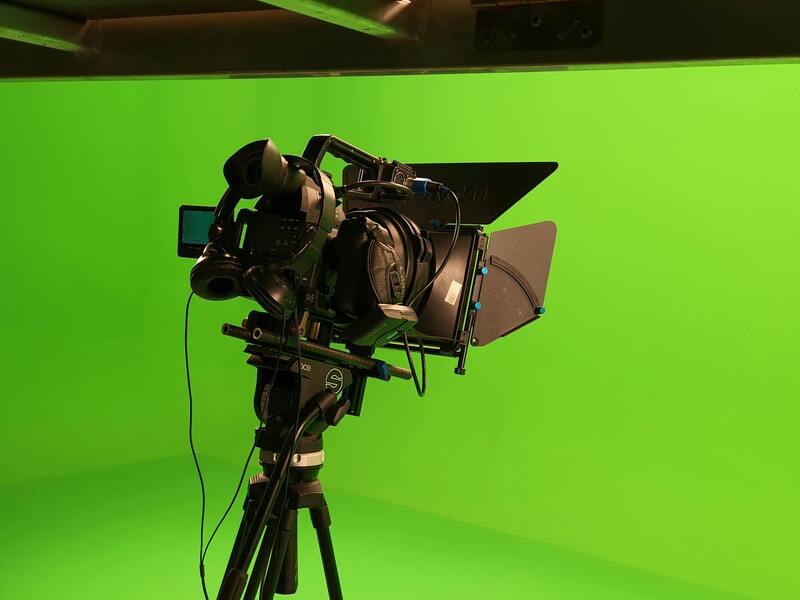
Achieving outstanding real estate images begins with the right tools and technical knowledge. A professional-grade DSLR or mirrorless camera is typically preferred for their superior image quality and flexibility. Wide-angle lenses are indispensable as they capture more of each room, making spaces look larger and more inviting. Tripods provide stability, ensuring sharp images and consistent framing, especially in low-light conditions.
In addition to equipment, understanding optimal camera settings enhances the quality of photographs. Shooting in RAW format retains maximum image data for precise editing. An aperture setting between f/8 and f/11 is ideal for maintaining focus throughout the scene — especially important in interior shots where depth of field influences clarity. ISO settings should be kept low (around 100-200) to prevent graininess, and proper exposure balancing reduces shadows and highlights, resulting in well-lit, vibrant images.
Mastering these technical aspects allows photographers to produce images that accurately reflect the property's features. Correct white balance, for example, ensures colors appear natural and appealing, contributing to an overall professional look. Properly configuring these settings is essential to deliver consistent, high-quality photos that can be optimized further during post-processing.
Technical Aspects of Capturing High-Quality Real Estate Images
Achieving visually compelling photos of properties hinges on an understanding of key technical elements. Proper exposure is critical; balancing ISO, shutter speed, and aperture ensures images are bright yet not overexposed or underexposed. Utilizing a tripod stabilizes the camera, especially in lower-light interior settings, allowing for longer exposure times without introducing blur. When settings are optimized, the resulting images capture vivid colors and fine details, underscoring the property's features.
The utilization of advanced camera settings further enhances image quality. Shooting in RAW format captures all image data, offering ample flexibility during editing to perfect color balance, contrast, and sharpness. A narrow aperture, generally between f/8 and f/11, maintains clarity throughout the scene, preventing focus fall-off or blurred backgrounds in wide interiors. Adjustment of white balance is essential to correct color cast and render natural-looking images that accurately depict the property's true hues.
In addition to technical proficiency, understanding the importance of image composition is paramount. This involves framing shots to showcase the property's most appealing features while minimizing distractions. Vertical lines should be kept straight, and wide-angle lenses must be used judiciously to avoid distortion that can misrepresent spaces. Leveling the camera and selecting angles that highlight room dimensions and natural light sources help create images that are both attractive and accurate.
Optimizing Lighting for Real Estate Photography
Lighting plays a critical role in transforming a property's image from ordinary to exceptional. Natural light is often preferred for its ability to produce vibrant, true-to-life colors and a welcoming atmosphere. When shooting during daylight hours, opening curtains and blinds maximizes available sunlight, reducing the dependence on artificial lighting. Overcast days can be advantageous as diffuse light softens shadows, resulting in more evenly lit images.
In indoor settings, supplementary lighting, such as softboxes or portable LED lights, can help balance out uneven light sources and eliminate dark corners. Strategic placement of artificial lights ensures uniform illumination, highlighting architectural details without producing harsh shadows or glare. Properly lit photographs not only emphasize the property's features but also create an inviting ambiance that appeals to potential buyers.
Achieving consistent lighting throughout a shoot entails controlling ambient and artificial light sources thoroughly. Using reflectors can bounce light into shaded areas, while diffusers reduce harshness from direct light, ensuring a balanced and natural representation of the property. These techniques depend on a keen eye for detail and appropriate equipment, fostering images that are both professional and compelling.
Staging and Composition Tips
Effective staging and composition are fundamental to capturing compelling real estate images that resonate with potential buyers. Proper staging involves decluttering spaces, arranging furniture to showcase the room’s dimensions, and highlighting unique architectural features. Even minimal enhancements like adding fresh flowers or strategic accent pieces can make spaces appear more inviting and lively.
In terms of composition, adhering to established photography principles such as the rule of thirds, leading lines, and framing can drastically improve the visual appeal of images. Positioning the camera to maximize natural light while capturing key focal points ensures that rooms look spacious and well-balanced. Incorporating wide-angle lenses can also help encompass more of a room within a single shot, emphasizing openness and flow.
Furthermore, paying attention to vertical and horizontal lines to prevent distortion makes a significant difference in presenting a property accurately and professionally. Employing a tripod ensures stability, particularly in low-light conditions, and maintains consistency across multiple shots in a sequence. Overall, a meticulous approach to staging and thoughtful composition significantly contribute to producing high-quality images that attract discerning buyers.
Post-Processing and Photo Editing
Post-processing is a critical component of producing polished real estate images. Professional editing involves adjusting exposure, contrast, and color balance to accurately represent the property's appearance. Enhancing details in shadows and highlights can also add depth and clarity, making the photographs more engaging.
Careful blurring of minor imperfections or distractions, like minor blemishes or extraneous objects, further refines the images without altering the authenticity of the scene. Additionally, strategic use of sharpness and clarity tools can emphasize architectural details and textures, creating a vivid visual experience.
It is essential that edits enhance the image naturally, avoiding over-processed or unrealistic results. Maintaining a consistent style across a property portfolio reinforces professionalism and helps potential buyers visualize a cohesive property presentation. Employing high-resolution, well-edited images optimizes online listings, social media promotions, and marketing campaigns to maximize reach and engagement.
Effective Techniques for Wide-Angle and Drone Photography
In the realm of good real estate photography, harnessing the power of wide-angle lenses is essential for capturing expansive interior spaces and showcasing properties in their entirety. These lenses allow photographers to include more of a room within a single frame, providing prospective buyers with a comprehensive view that enhances spatial perception. Proper use of wide-angle optics requires an understanding of distortion; maintaining straight lines and avoiding exaggerated perspectives ensures images remain realistic and appealing.
Removing distracting elements within the frame is a crucial step to maintain focus on the property’s key features. Cluttering objects, personal items, or minor imperfections can detract from the overall impression; careful editing excises these distractions without compromising authenticity.
Maintaining Consistency and Branding Through Editing
Implementing a standardized workflow ensures that all images across a property or portfolio reflect a cohesive style. Using presets or templates accelerates the editing process while maintaining uniformity, which reinforces the professional branding of your real estate marketing efforts.
Consistent editing styles communicate professionalism and reliability to clients and prospective buyers. When every listing projects a polished, high-quality image standard, it builds trust and enhances the property's perceived value. This consistency also simplifies marketing, as buyers come to associate specific visual qualities with your brand or agency, making your listings more recognizable and memorable.
Furthermore, efficient editing workflows free up time for other essential tasks such as client consultations or property staging, while still delivering high-quality visuals. Attention to detail in post-processing directly impacts the attraction rate of online listings, increases engagement, and contributes to faster property turnover.
Legal and Ethical Considerations in Real Estate Photography
Maintaining ethical standards in real estate photography is fundamental to establishing trust with clients and prospective buyers. This involves capturing images that truthfully represent the property without exaggeration or manipulation that could mislead viewers. All photographs should accurately depict the current state of the property, including its condition, size, and unique features, to facilitate informed decision-making.
Respecting privacy is another critical aspect. Photographers must ensure that personal or sensitive information or belongings are appropriately excluded or blurred when necessary. Securing proper permissions before photographing and publishing images of the property, especially for private residences, upholds professional integrity and fosters positive relationships with clients.
Transparency in post-processing practices is equally important. If images are edited to enhance lighting or fix imperfections, this should be done in a way that preserves realism. Overly manipulated photos can lead to dissatisfaction and distrust, which can damage reputation and client relationships. Clear communication about editing standards helps set correct expectations from the outset.
For photographers working within the Miami real estate market, adhering to these ethical principles promotes a reputation of reliability and professionalism. It also supports the overall reputation of the industry by ensuring that property listings are honest, authentic, and respectful of both clients and future homeowners.

Legal and Ethical Considerations in Real Estate Photography
Adhering to strict professional standards in real estate photography involves more than just capturing high-quality images; it encompasses a wide range of ethical practices that uphold the integrity of the listing process. Photographers must recognize the importance of accurately representing a property's features without exaggeration, ensuring that prospective buyers receive an honest visual portrayal. This accuracy builds trust and fosters transparency between agents, clients, and potential buyers, laying the groundwork for successful transactions.
One of the core principles involves respecting the privacy of current occupants and neighbors. Photographers should obtain explicit permission before photographing private residences, especially in densely populated areas like Miami, where neighborhoods can be close-knit. When photographing interiors, care must be taken to exclude or obscure personal belongings, sensitive information, or confidential areas that could compromise privacy or security.
Another ethical aspect revolves around post-processing and image editing. While editing software can be instrumental in correcting lighting issues or minor imperfections, it is imperative that such edits do not distort the true appearance of the property. Overly manipulated images can mislead viewers, leading to disappointment if the actual property does not match the listing photos. Transparency about any adjustments made ensures clarity and maintains credibility with clients and prospective buyers.
Moreover, photographers should be familiar with local regulations regarding drone photography, photography permits, and property restrictions. Securing necessary permissions avoids potential legal complications and demonstrates professionalism. Respecting these boundaries not only aligns with best practices but also reinforces the reputation of the real estate agent and photographer as ethical practitioners committed to integrity.
Establishing clear communication with clients about what to expect from a photography session, including how images will be edited or altered, is essential. This dialogue prevents misunderstandings and provides clients with confidence that their listing will be represented truthfully. Ethical photography practices ultimately support a positive reputation within the Miami real estate market, fostering long-term relationships built on trust and professionalism.
Prioritizing these integrity-driven approaches in real estate photography not only complies with industry standards but also enhances the overall market perception of property listings. Authentic visuals attract serious buyers, reduce the likelihood of disputes or miscommunications, and establish a brand of reliability for real estate professionals operating within competitive markets like Miami.