Understanding HD Real Estate Photography
High-definition (HD) real estate photography has become an essential component in the dynamic landscape of property marketing. At its core, HD real estate photography involves capturing images of properties with superior clarity, detail, and color accuracy, ensuring that potential buyers can view the property as if they were physically present. This is achieved through advanced cameras, dedicated lenses, and professional shooting techniques that emphasize the property's best features.
The importance of HD photography in current property marketing strategies cannot be overstated. In an age where online listings significantly influence buyer decisions, high-quality images serve as the first impression and play a crucial role in attracting interest. High-definition photos allow real estate professionals to showcase properties more effectively, highlighting architectural details, interior layouts, and exterior features with exceptional precision. When potential buyers view sharp, vibrant images, their perception of the property elevates, often resulting in increased inquiries and faster sales.

Moreover, HD images enable prospective buyers to assess the property remotely, helping them make more informed decisions during their initial browsing phase. This reduces the need for preliminary viewings, saving time and resources for both sellers and agents. In the competitive Miami real estate market, leveraging high-definition photography distinguishes listings from countless others and positions property listings as professional and trustworthy.
Utilizing HD real estate photography also complements other digital marketing tools such as virtual tours, drone footage, and 3D walkthroughs. When combined, these elements create a compelling online presence that resonates with today’s digitally-savvy buyers. Recognizing the significance of high-quality visuals underscores the necessity for property listings to incorporate advanced imaging techniques that leverage the latest in photography technology.
Key Equipment and Techniques
Achieving professional-grade HD real estate photography necessitates a combination of advanced equipment and refined techniques. The core of high-quality imagery begins with selecting the appropriate camera and lens. DSLR and mirrorless cameras with full-frame sensors are preferred due to their superior image quality, dynamic range, and low-light performance. A wide-angle lens, typically ranging from 14mm to 24mm, is essential to capture expansive interior spaces and exterior facades effectively. These lenses allow for a broader field of view, reducing distortion and ensuring that rooms appear spacious and inviting.
Proper lighting is another critical component. While natural light often suffices during daytime shoots, supplemental lighting—such as softboxes or diffusers—can eliminate shadows and create an even, flattering illumination. This is particularly important in rooms with limited natural light or complex lighting conditions. The utilization of tripod stabilization ensures sharp, blur-free images, especially in low-light situations where longer exposure times are necessary.
Post-processing techniques significantly enhance the final output. High dynamic range (HDR) imaging involves capturing multiple exposures of the same scene, then merging them to retain detail in both shadows and highlights. Adjustments to brightness, contrast, and color balance can correct any inconsistencies, while perspective correction ensures architectural lines remain straight, enhancing realism.
Equipment Calibration and Maintenance for Optimal Results
Maintaining precision in equipment calibration is vital for consistent, high-quality images in HD real estate photography. Cameras, lenses, and lighting setups should be regularly calibrated to ensure color accuracy, focus, and exposure are maintained at optimal levels. This process minimizes color cast issues and ensures that images reflect the true appearance of the property, which is essential for genuine online representations.
Routine maintenance of camera gear involves cleaning sensor surfaces, lenses, and light sources to prevent dust, smudges, or other debris from degrading image quality. Proper storage in dust-free environments and regular checks for firmware updates can also enhance functionality and image processing capabilities.
Additionally, employing high-quality, versatile tripods and stabilization rigs is crucial. Especially in capturing multiple exposures or HDR images, stability ensures alignment fidelity across shots. These practices, combined with precise calibration, significantly contribute to producing sharp, vibrant images that capture every architectural detail and interior nuance.
Advanced Techniques in HD Real Estate Photography
High-definition real estate photography in Miami often utilizes advanced techniques to capture properties with exceptional clarity and detail. Techniques such as High Dynamic Range (HDR) imaging enable photographers to balance exposure levels across various parts of a shot, ensuring that both bright windows and shadowed interiors are visible and well-defined. This approach is particularly effective in Miami's diverse lighting conditions, where the intensity of sunlight can vary dramatically between indoor and outdoor spaces.
Panoramic stitching further enhances property visuals by creating wide-angle or 360-degree images that provide viewers with a comprehensive view of the property. These images are especially suitable for showcasing spacious Miami penthouses or sprawling estates, giving potential buyers an immersive experience that traditional photos may not offer. When executed with precision, panoramic images can significantly elevate a property listing, making it stand out in competitive markets.
Proper use of lighting is essential to maximize the impact of HD imagery. Photographers often employ natural light to highlight the property’s best features, but they also use professional lighting equipment to control ambiance and avoid unwanted shadows. Reflectors and diffusers are used to soften light in interior shots, creating inviting and balanced visuals that appeal to prospective buyers.
Color accuracy plays a critical role in HD real estate photography. Accurate color reproduction ensures that the property's interior and exterior colors are true to life, avoiding misleading images that could deter serious buyers. Government-setting calibration tools, such as color checkers, help maintain consistent color profiles across multiple shoots, particularly in Miami’s vibrant neighborhoods where color plays a significant role in property appeal.
Ensuring Image Consistency and Quality Control
In the context of high-quality real estate visuals, consistency across images and projects is crucial. Photographers should establish standardized workflows, including regular calibration schedules for their cameras and monitors. This ensures uniformity in color, exposure, and overall image quality, regardless of the photographer or time of day.
In addition, meticulous attention to detail during the shooting process—such as leveling the camera, framing the shot correctly, and maintaining sharp focus—is vital. These practices guarantee that all images within a listing present a cohesive, professional appearance. Moreover, employing in-depth post-processing techniques like noise reduction, perspective correction, and color grading further refines the images, ensuring they meet high standards required in Miami’s demanding real estate market.
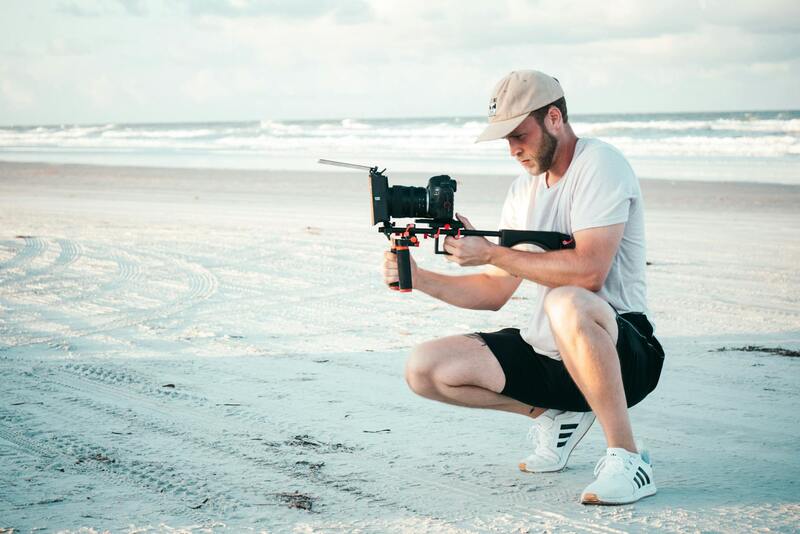
Investing in high-end equipment and adhering to rigorous quality control protocols enhances the overall presentation of property images. For Miami real estate professionals, this commitment to excellence directly translates into more engaging listings, attracting a broader pool of serious buyers and significantly reducing time on the market.
Optimal Techniques for Capturing High-Quality HD Real Estate Photos in Miami
To achieve stunning HD real estate photographs that truly showcase Miami properties, professionals must employ a series of carefully executed techniques that emphasize clarity, depth, and accurate representation of space. Meticulous attention to detail starts with selecting the right camera settings, including appropriate aperture, ISO, and shutter speed, to capture images with optimal exposure and minimal noise. Utilizing a tripod ensures stability during shots, preventing blurriness and enabling precise framing, especially in low-light conditions typical of indoor environments.
Lighting plays a pivotal role in HD real estate photography. Natural light should be maximized by shooting during the day when sunlight floods the interiors through large windows, revealing true color and enhancing the spatial perception. Supplementation with professional lighting tools, such as diffused flashes or LED panels, helps eliminate shadows and evenly illuminate darker areas, ensuring consistent brightness across all images.
In Miami’s vibrant neighborhoods, capturing the essence of a property involves more than just accurate lighting—it requires attention to color accuracy. Using color checkers and custom white balance procedures ensures that hues, especially vibrant outdoor scenery and interior accents, are faithfully reproduced. Leveling the camera correctly and framing shots to highlight key architectural features and property highlights enhance visual storytelling.
Post-processing also plays an essential role in elevating HD real estate photos. Adjustments for precise exposure, contrast, and color correction refine images, making them more appealing without misrepresenting the property's appearance. Perspective correction ensures walls and structural elements are aligned properly, creating a professional and polished look that accurately depicts the property.
In the competitive Miami market, high-quality visuals can be the decisive factor for potential buyers. As such, integrating these technical practices into a consistent workflow guarantees that each property listing stands out through sharp, vibrant, and true-to-life images capable of attracting serious interest from viewers globally.
Capturing Miami Properties with Precision and Artistry
To achieve the highest quality in HD real estate photography, especially within the vibrant Miami market, employing official, proven techniques combined with proper equipment is essential. This approach guarantees that each image effectively highlights a property's best features, accurately represents its interior and exterior spaces, and appeals to prospective buyers and investors.
Utilizing Correct Camera Techniques
The foundation of professional real estate imagery lies in the correct application of camera settings and positioning. Maintaining a consistent exposure setting across all shots ensures uniform brightness, which is vital for a cohesive property listing. Aperture choices should prioritize a deep depth of field—usually between f/8 and f/11—to keep the entire image in focus, from foreground details to backgrounds.
Moreover, employing a tripod increases stability, preventing motion blur, especially in low-light conditions or when using longer exposures to capture more light without sacrificing clarity. Precise camera leveling helps produce images free of distortion, avoiding skewed walls and uneven horizons, which can distract viewers and detract from the property’s appeal.
Advanced Composition and Framing
Careful composition is key to emphasizing architectural features and spatial flow. Use natural lines—such as doorways, hallways, or window frames—to lead the viewer’s eye through the space dynamically. Incorporating vertical lines during framing ensures walls and structural elements remain true, enhancing the professionalism of the images.

Optimal Use of Equipment
The selection of lenses significantly influences image quality. Wide-angle lenses, typically between 14mm and 24mm for full-frame sensors, allow capture of expansive interior and exterior views, creating an immersive experience for viewers. When used correctly, these lenses help convey the true scale of the property without distortion, provided that distortion correction is applied during post-processing.
Lighting remains a central element in high-quality real estate photos. Natural light should be harnessed as much as possible—in the case of Miami properties with abundant sunlight, shooting during the golden hours of early morning or late afternoon optimizes light quality. Supplementing with off-camera flashes or continuous lighting sources can fill shadowed areas, especially indoors, ensuring even illumination without overexposing bright spots.
Employing Post-Processing for a Flawless Finish
Post-processing techniques are dedicated to refining the captured images for maximum visual impact. Adjustments to brightness, contrast, and color balance enhance overall clarity and vibrancy while maintaining accurate representation of the property. Perspective correction tools help align vertical and horizontal lines, rectifying any distortion caused by wide-angle lenses or camera tilt, resulting in images that closely mimic what the eye perceives.
Color correction is particularly important in Miami’s lush outdoor settings and vibrant interiors. Utilizing color checkers during shoot sessions enables the calibration of colors in post-production, ensuring consistency across all images. Sharpening filters further enhance details—especially in key focal areas—ensuring the property looks sharp and inviting.
Maintaining a Consistent Workflow
A structured approach to shooting and post-processing minimizes errors and guarantees uniform quality across multiple listings. After each shoot, organizing images systematically and using calibrated monitors for editing ensures color accuracy and consistent results. Regularly updating skills and equipment, along with adhering to established photographic standards, reinforces a reputation for delivering reliable, high-caliber imagery tailored to the Miami property market.
Understanding HD Real Estate Photography
HD real estate photography involves capturing highly detailed and visually stunning images that showcase a property's best features. By employing advanced camera equipment, such as professional-grade DSLR or mirrorless cameras with wide-angle lenses, photographers can produce images that exhibit the space's full scale and layout. Proper composition, optimal lighting, and precise focus are essential to emphasize the property's key selling points.
The goal is to produce images that evoke an emotional response from prospective buyers, making them feel as if they are physically experiencing the space. This visual storytelling requires a combination of technical expertise and an artistic eye, ensuring each shot highlights the ambiance, cleanliness, and unique characteristics that set a property apart.
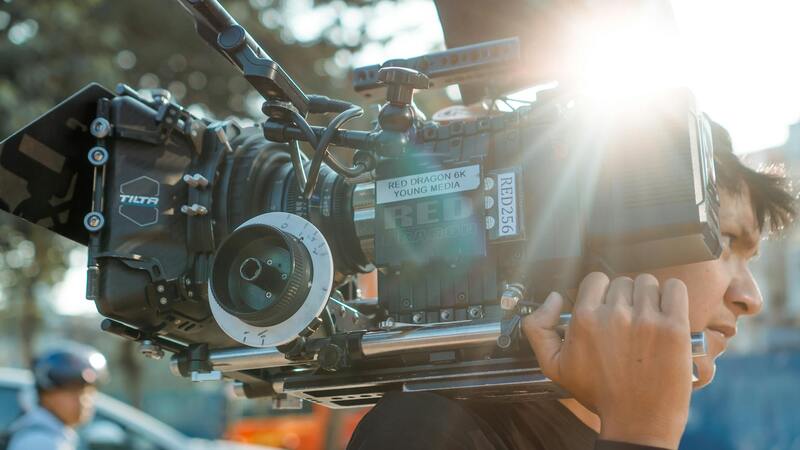
Achieving high-definition photography extends beyond simply using high-resolution cameras; it involves careful planning and execution. Techniques such as shooting during optimal lighting conditions, utilizing multiple exposures, and employing camera stabilization tools like tripods or gimbals contribute to crisp, clear images. Neutral or diffuse lighting helps prevent harsh shadows and highlights, which can distort the property’s appearance. When used effectively, these methods create a comprehensive and true-to-life visual experience that accurately represents the property’s true ambiance and spatial qualities.
Key Equipment and Techniques
Critical for producing HD real estate images are quality wide-angle lenses, which allow photographers to capture more of a room in a single shot, creating an expansive feeling that appeals to viewers. Tripods ensure stability during long exposure shots, especially in low-light interiors, maintaining sharpness and consistency. Drones and aerial cameras are increasingly popular for capturing rooftop views and neighborhood surroundings, providing buyers with context about the property's location.
- High-resolution cameras with full-frame sensors
- Wide-angle lenses for spaciousness
- Tripods for stability and clarity
- Lighting equipment or reflectors to optimize indoor illumination
- Drones for aerial photography
Techniques such as HDR (High Dynamic Range) imaging combine multiple shots taken at different exposures, resulting in well-balanced images that reveal details in both shadows and highlights. This method is particularly helpful for properties with diverse lighting conditions or large windows where exterior and interior light balance is challenging.
Benefits of HD Photography for Property Listings
Using HD photography significantly enhances the visual appeal of property listings, making them stand out in a competitive Miami real estate market. High-quality images can increase viewer engagement, leading to more inquiries and higher likelihood of showings.
Clear, sharp photographs convey professionalism and credibility, reassuring buyers about the quality and care invested in the property. They also provide a more accurate depiction of the property’s layout and features, reducing misunderstandings and increasing the likelihood of serious inquiries. The impact of detailed images extends to online platforms, where they influence search rankings and user experience, ultimately amplifying the property's visibility.
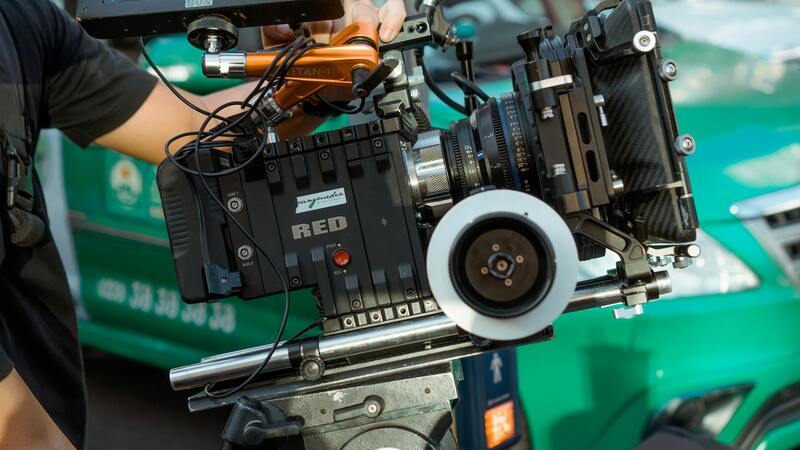
Furthermore, the use of HD images supports various marketing channels—from online listings and social media to email campaigns—creating a cohesive and compelling visual narrative that drives prospective buyers to take action.
Effective Methods to Capture HD Real Estate Photography in Miami
Achieving stunning high-definition images of Miami's diverse properties involves a combination of precise techniques and professional equipment. Ensuring that each shot accurately represents the property’s features requires a strategic approach rooted in industry standards. One primary method involves the use of wide-angle lenses, which allow real estate photographers to include more of a room or exterior in a single frame, thereby creating a more inviting and spacious impression. These lenses, coupled with stabilizers like tripods or gimbals, produce sharp, distortion-free images even in complex lighting conditions.
Proper lighting remains crucial in high-quality real estate photography. Photographers often employ natural light when possible, capturing images during the golden hours—shortly after sunrise or before sunset—to harness soft, warm light that highlights interior spaces and exterior facades. When natural light isn’t sufficient, professional lighting tools such as strobe lights and reflectors help manage interior illumination, accentuate key features, and minimize shadows. Reflectors, strategically positioned, bounce light into darker corners, resulting in more balanced images.
One advanced technique gaining prominence is High Dynamic Range (HDR) imaging. This process involves taking multiple shots at different exposures and blending them into a single image that preserves detail across shadows and highlights. Applying HDR is particularly effective in properties with large windows or contrasting lighting, common in Miami's modern homes. The seamless balance achieved through HDR enhances the visual depth and realism of photos, making them more enticing for viewers.
In addition to still images, drone photography plays a vital role in capturing the expansive and scenic aspects of Miami properties. Aerial shots showcase property surroundings and establish context that ground-level images cannot, offering prospective buyers a comprehensive view of the estate and its environment.
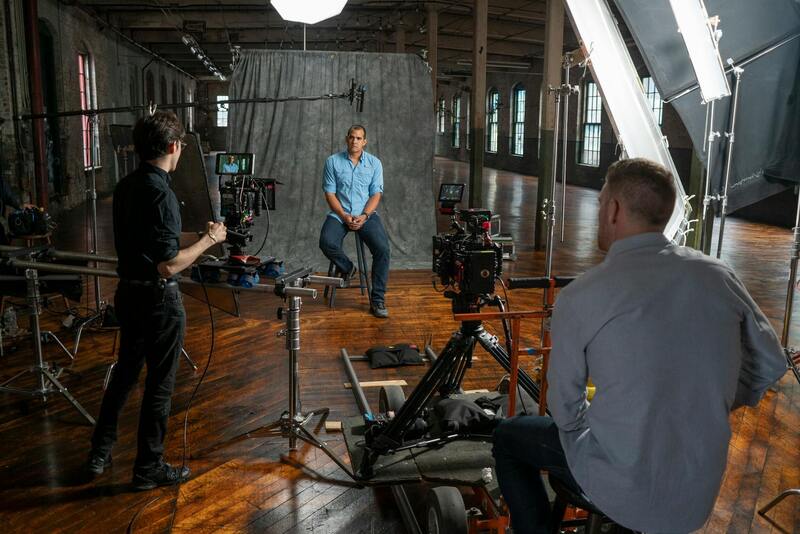
Another important aspect of HD property photography involves meticulous staging and cleaning. Ensuring that all spaces are clutter-free and decor is neutral helps the photographer’s work shine, allowing potential buyers to focus on the property’s features without distractions. Combining these positioning and staging techniques with the right camera settings results in compelling images that truly represent the property.
Post-Processing and Optimization of Real Estate Photos
Post-processing is an integral phase for refining HD images and ensuring they meet high standards. Professionals use editing software to correct color balance, straighten images, and remove any imperfections or distractions that may detract from the visual experience. Adjustments to contrast and sharpness highlight architectural details and textures, making the images more vibrant and appealing.
One key consideration is maintaining a natural look; over-editing can distort the true appearance of a property and mislead viewers. Skillful editing preserves authenticity while enhancing visual clarity. Additionally, optimizing images for online platforms involves resizing files appropriately for fast loading times—this contributes to higher search rankings and improved user experience.
Leveraging HD Photography for Effective Miami Real Estate Marketing
High-quality images are essential assets in real estate marketing strategies. Investing in professional HD photography ensures properties stand out in crowded online listings, social media channels, and digital advertising campaigns. When used consistently across marketing platforms, these images create a cohesive visual story that attracts serious buyers.
These images also support virtual tours and 3D walkthroughs, enabling remote viewers to explore properties in detail. This technological advantage is particularly relevant in Miami’s dynamic real estate market, where accessibility and immediate visual impact influence purchasing decisions.