Importance of Professional Photos for Property Listings
In the dynamic and competitive Miami real estate market, capturing the attention of prospective buyers requires more than just a compelling property description. High-quality, professionally taken photos serve as the initial visual touchpoint that can determine whether a potential buyer will schedule a viewing or scroll past the listing. Superior visuals not only highlight the unique features of a property but also convey a sense of quality and care that buyers associate with the home.
Real estate photography is a powerful marketing tool that dramatically impacts online engagement. Listings with professional photos tend to garner more views, generate higher interest, and often sell faster compared to those with amateur images. This increased visibility translates into a broader pool of prospective buyers, vital in Miami's vibrant and fast-moving housing market.
Moreover, high-resolution images with proper composition can emphasize spaciousness, natural light, and attractive interior and exterior details. This is especially crucial in Miami, where luxurious homes, vibrant outdoor living spaces, and scenic views are key selling points. Well-executed photos create an immersive experience for viewers, making them feel as if they are walking through the property.
Beyond attracting attention, professional photography builds trust and credibility. A polished presentation reassures potential buyers of the property's value and the seriousness of the listing agent. It signals that the property is well-maintained and worth consideration, helping to distinguish it in a crowded marketplace.
Investing in professional photography is an essential step in the selling process, providing a competitive edge and ensuring the property stands out in online listings and marketing campaigns. As the digital landscape continues to evolve, the importance of high-quality imagery remains a cornerstone of successful property sales in Miami.
Strategies for Capturing High-Quality Property Photos
In Miami’s real estate market, utilizing appropriate equipment and techniques is crucial for capturing compelling house for sale photos that stand out online. Employing professional-grade cameras with high-resolution capabilities ensures clarity and detail, making each space appear inviting and true to life. Lenses with wide-angle functionality help encompass more of a room within a single frame, effectively showcasing spacious interiors and exterior environments. This approach is particularly beneficial when highlighting expansive living areas, lush outdoor patios, or scenic waterfront views typical of Miami properties.
Natural lighting remains one of the most effective tools in real estate photography. Shooting during daylight hours when sunlight filters through windows enhances the warmth and vibrancy of indoor spaces. It also minimizes harsh shadows and uneven exposures. In cases where natural light is limited, supplementary lighting equipment such as diffusers and reflectors can fill in shadows and balance overall illumination. For exterior shots, shooting during the golden hour—shortly after sunrise or before sunset—adds a soft, warm glow that enhances the property’s curb appeal and aesthetic allure.
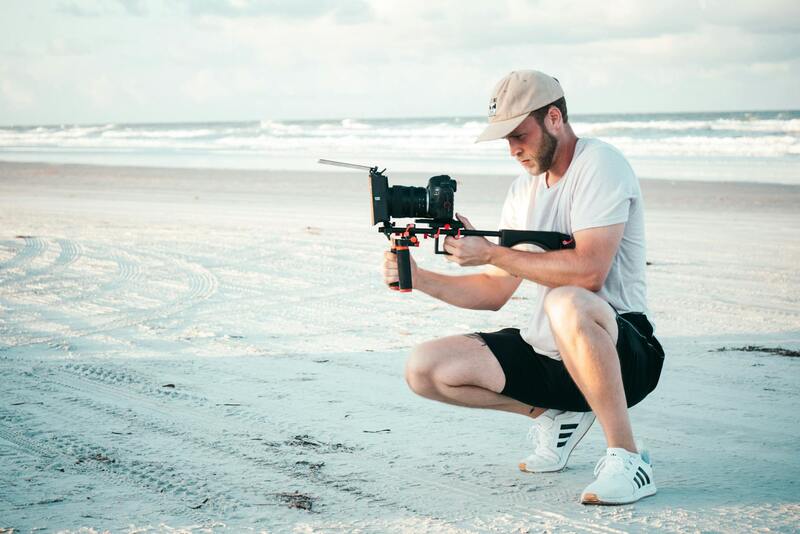
Proper stabilization is equally important to prevent blurry images, especially in low-light conditions or when showcasing large spaces. Tripods or stabilization rigs ensure sharpness and consistency across multiple shot angles. Additionally, techniques such as bracketing—taking multiple shots at different exposures—allow for high-dynamic-range (HDR) processing. HDR combines these exposures to produce well-balanced images that retain detail in both shadows and highlights, resulting in vibrant, true-to-life photos perfect for online listings.
Implementing Effective Composition in Real Estate Photography
Composition is a key factor in emphasizing a property’s strengths. Following fundamental principles such as the rule of thirds, leading lines, and symmetry can harness the visual flow of images, guiding viewers’ eyes toward focal points such as a fireplace, panoramic windows, or a luxurious pool. When capturing interiors, shooting from corners or doorways provides depth and context, making rooms appear more spacious. Including elements like tastefully arranged furniture, decorative accents, and natural scenery can add visual interest without overwhelming the viewer.
Consistency across images in terms of perspective, lighting, and style creates a cohesive look for the listing. This uniformity enhances professionalism and assures potential buyers of the property's quality. While highlighting key aspects, avoid overcrowding shots with too many objects; instead, focus on maintaining clarity and balance. Utilizing different angles for exterior shots—front, side, aerial—adds variety and showcases the property's setting from multiple perspectives, appealing to different buyer preferences.
Leveraging External and Aerial Photography to Showcase Unique Miami Properties
External photographs form the first impression of the property, capturing its curb appeal and surrounding environment. Wide-angle shots that include landscaping, driveway, and outdoor amenities give viewers a comprehensive understanding of the property’s exterior appeal. For properties with scenic views, such as oceanfront homes or high-rise condominiums, incorporating panoramic shots accentuates the vistas and creates an immersive experience.
Aerial photography, obtained via drones, provides a strategic advantage by offering a bird’s-eye view of the property and its immediate surroundings. This technique is highly effective in Miami’s landscape, where waterfront properties, large estates, and landscaped yards are prominent selling points. Aerial shots can reveal property boundaries, outdoor features, and neighborhood context, helping potential buyers visualize living in such scenic environments. When integrating drone footage, ensure aircraft operation adheres to local regulations and safety standards, maintaining a professional and responsible approach.

These strategic visual components—precise equipment use, thoughtful composition, optimal lighting, and diverse perspectives—collectively enhance the visual storytelling of a house for sale, making it more appealing and memorable for prospective buyers. Properly executed imagery works synergistically with other marketing elements, reinforcing the property's attractions and encouraging engagement across digital platforms.
Importance of Professional Photos for Property Listings
High-quality images serve as the first impression for potential buyers browsing real estate listings online. They provide a clear, detailed view of the property's interior and exterior, highlighting its unique features and aesthetic appeal. Professionally captured photos can evoke emotional responses, encouraging viewers to envision themselves living in the space. This emotional connection is vital in motivating inquiries and enabling quicker sales. Furthermore, polished images reduce ambiguities and misrepresentations, fostering trust and transparency in the transaction process. For Miami's competitive real estate market, professional photographs are essential to stand out amidst numerous listings, helping properties gain maximum visibility and attract serious buyers who rely heavily on visual impressions.

Investing in professional photography ensures the property’s value is maximized by showcasing its most attractive aspects in the best light. Properly crafted images can communicate the property’s size, layout, and condition more effectively than standard smartphone shots, making it easier for buyers to assess the property’s suitability. Additionally, eye-catching visuals are more likely to be shared across social media platforms, expanding the property's reach and attracting a broader pool of prospective buyers. In Miami's vibrant real estate landscape, where waterfronts, luxury estates, and modern condos vie for attention, compelling imagery is a critical component to achieving successful sales outcomes.
Key Benefits of High-Quality Property Photos
- Enhanced online visibility and engagement
- Faster sale process by attracting interested buyers
- Accurate portrayal of property features and condition
- Elevated perception of property value
- Increased likelihood of premium offers
Legitimate Methods to Capture Effective Property Photos
To ensure images meet professional standards, property owners and agents should emphasize legitimate techniques that guarantee quality and authenticity. Hiring certified real estate photographers with experience in Miami’s unique landscapes ensures the use of advanced equipment and proper composition. These experts utilize high-resolution cameras, wide-angle lenses, and lighting setups to produce clear, attractive images across all seasons and times of day. Additionally, employing drone photography for external shots provides a comprehensive perspective that static images cannot achieve. This method is particularly beneficial for showcasing expansive estates, waterfront properties, or outdoor amenities, giving potential buyers a comprehensive understanding of the property's scale and environment.
Choosing reputable photography services that adhere to industry standards is crucial — these professionals often have access to the latest equipment and are knowledgeable about best practices in real estate imagery. Such expertise ensures each photograph captures the property's essence, accentuates its strengths, and appeals to the target market effectively.
Enhancing Listing Impact with Consistent and High-Quality Images
Consistency in image quality across all listing photos amplifies the professional appearance of property advertisements. Property owners should focus on regular updates and seasonal shots to keep listings current and engaging. High-resolution images should be optimized for web use to prevent slow loading times, which can deter potential viewers. Proper framing, lighting, and editing further refine the photos, highlighting natural features without over-processing. Ultimately, polished visuals function as a persuasive tool, helping properties stand out in the crowded Miami real estate scene and securing quicker, more lucrative deals.
Best Angles and Composition Tips
Capturing compelling images of a property hinges on selecting the right angles and maintaining effective composition. When photographing interiors, it’s essential to shoot from corners, which provides a broader perspective and accentuates the room's space and layout. These angles help potential buyers visualize the room's dimensions and how furnishings can be arranged. For exterior shots, positioning the camera to include both the front facade and inviting outdoor features such as gardens, patios, or pool areas can significantly enhance the visual appeal. Utilize a slight tilt upward to showcase the property’s height or features like elegant architectural details. Proper composition involves balancing elements within the frame, adhering to principles like the rule of thirds to naturally draw the viewer’s eye. Incorporate leading lines, such as pathways or fences, to guide attention toward focal points. Ensuring the horizon is level in landscape shots maintains professionalism and visual stability. Attention to details such as decluttering spaces, arranging furniture to highlight the room’s potential, and removing personal items can further improve image quality. These adjustments subtly influence how viewers perceive the property's potential and overall desirability. Utilizing tilt-shift lenses or wide-angle lenses can also enhance perspective and ensure comprehensive coverage of various spaces without distortion. When combined, these techniques can create a cohesive visual story that appeals directly to prospective buyers, making the listing more engaging and effective in capturing attention.

Techniques for Proper Editing and Post-Processing of Property Photos
After capturing high-quality images of the property, the editing process plays a crucial role in enhancing visual appeal and ensuring consistency across listings. Effective post-processing involves refining color balance, adjusting exposure, and sharpening details to produce images that accurately represent the property's features. It is essential to maintain a natural look, avoiding over-editing that can mislead viewers or diminish trust.
Color correction is fundamental to ensure the hues in the images mirror real-life tones. Proper white balance adjustments prevent images from appearing too warm or too cool, which could alter perceptions of the space. Brightness and contrast should be fine-tuned to highlight architectural details while preserving image depth.
Another key aspect is retouching to remove minor imperfections such as dust spots, reflections, or distracting items like clutter or personal belongings. This process helps create a clean, inviting aesthetic that draws the viewer's eye to key features.
Image editing software can also be used to correct distortion, especially when wide-angle lenses are involved, ensuring straight lines and proper proportions. Techniques like perspective correction and perspective blending contribute to a more polished look.
Furthermore, adding subtle light enhancements can stimulate visual interest. Brightening shadows or softening highlights can significantly improve overall image quality, making spaces appear more spacious and welcoming.
Finally, consistency across a portfolio of images reinforces a professional and cohesive presentation. Standardized editing settings help maintain uniform tone and style, making online listings more attractive and trustworthy to potential buyers.

Standing Out with External and Aerial Shots
Capturing high-quality exterior and aerial images is a critical component of a compelling property listing. These shots offer a comprehensive view of the home's architecture, landscaping, and surrounding environment, which are often the first aspects prospective buyers notice when browsing online. Properly executed external photos can evoke an emotional response, highlighting the property's curb appeal and setting a positive tone for the entire listing.
When photographing the exterior, attention to lighting conditions is paramount. Shooting during the golden hour—shortly after sunrise or before sunset—can produce warm, inviting images with soft shadows that accentuate architectural features. Overcast days can also be advantageous, providing diffuse light that minimizes harsh shadows and evenly illuminates the façade.
Furthermore, establishing the optimal vantage point is essential. Elevating the camera angle slightly above eye level can capture the property's full front yard, driveway, and entryway, presenting a balanced and attractive composition. Incorporating elements such as well-maintained landscaping, clean driveways, and unobstructed views of notable architectural elements enhances the overall aesthetic.

In addition to ground-level images, aerial photography through drone technology provides unique perspectives that distinguish a property from competitors. Aerial shots reveal property boundaries, outdoor amenities like pools, gardens, or patios, and the overall scale relative to neighboring homes. Clear, high-resolution drone imagery can showcase the home's expansive lot size and landscape features that might be obscured from ground-level views.
To maximize the impact of aerial photos, pilots should choose optimal flight paths that encompass key features of the property and surrounding area. Clear, unobstructed shots with balanced composition—placing the home centrally or according to the rule of thirds—can create dramatic visuals that captivate potential buyers.
Additional Tips for External and Aerial Photography
- Use Polarizing Filters: To reduce glare from windows and reflective surfaces, thereby revealing more detail.
- Maintain High Image Resolution: Ensures clarity when zoomed in or viewed on large screens.
- Utilize a Tripod: For ground shots to ensure sharpness and stability.
- Sync Drone Flights with Optimal Weather Conditions: Typical clear, windless days produce the best aerial images.
Implementing these strategies results in striking external visuals that attract viewers' attention immediately, enticing them further into the property's interior. A cohesive approach, combining ground-level exterior images with dynamic aerial shots, offers a holistic portrayal that appeals to a broader audience and increases inquiries.
Effective Strategies for Post-Processing and Editing of Real Estate Photos
Once the initial capture of property images is complete, the editing and post-processing stage becomes critical to enhancing the visual appeal of each shot. While the photos should accurately represent the property, subtle adjustments can significantly improve their impact, helping listings stand out in a competitive market.
Utilizing Professional Editing Software
High-quality photo editing requires advanced software such as Adobe Lightroom or Photoshop. These platforms allow for precise control over various elements of the images, including exposure, contrast, color balance, and sharpness. Proper adjustments ensure that the photos are bright, inviting, and accurately reflect the property's features without overprocessing, which could mislead viewers.
Color Correction and White Balance
Achieving accurate color representation is essential in real estate photography. Adjusting white balance during post-processing corrects color casts caused by lighting conditions, resulting in natural-looking images. Enhance warm tones to highlight inviting spaces or cool tones to emphasize modern aesthetics, always maintaining a balance that preserves authenticity.

Removing Distractions and Imperfections
In the editing process, small distractions such as stray objects, electrical cords, or minor blemishes can be discreetly removed. Eliminating these distractions helps viewers focus on the home's best features. Care should be taken to retain the natural feel of the space, avoiding overly manipulated images that could misrepresent the property.
Enhancing Lighting and Shadows
Proper lighting effects can be accentuated during post-production to create a welcoming atmosphere. Brightening shadowed areas and subtly boosting highlights can illuminate interior details that might otherwise go unnoticed. Techniques such as dodging and burning can add depth and dimension, making rooms appear more spacious and inviting.
Consistency Across Image Sets
Maintaining a consistent style and tone across all property photos ensures a cohesive visual narrative. This uniformity can strengthen brand identity and present the property professionally. Standardized editing practices, like uniform color correction and similar contrast settings, contribute to a polished final gallery that appeals to prospective buyers.
Final Quality Checks and Exporting
Before publishing, images should undergo thorough quality checks to verify resolution, color accuracy, and overall appearance. Exporting images in high-resolution formats guarantees clarity on various devices and screen sizes, while also minimizing compression artifacts that could diminish quality.
By applying meticulous editing techniques, real estate professionals can elevate property images, making listings more compelling and easier for potential buyers to envision themselves in the space. The goal is to balance enhancement with authenticity, creating inviting visuals that captivate the audience and accelerate the sales process.
Effective Methods to Capture and Showcase Your Miami Property
Utilizing Official Platforms for Showcasing Property Photos
When aiming to present a property to prospective buyers, leveraging reputable online real estate portals and official listing platforms is essential. These platforms provide structured, quality-controlled environments where high-resolution images are displayed prominently, ensuring optimal visibility. Including your professionally shot house for sale photo on these sites allows potential buyers to access detailed views of the property, encouraging engagement and inquiries. Additionally, ensuring that photos are uploaded in the proper formats and resolutions enhances their clarity across various devices, from desktops to mobile screens, fostering a seamless viewing experience.

Implementing Strategic Image Placement and Marketing Techniques
Effective presentation goes beyond just high-quality photography; it involves strategic placement within your marketing framework. Integrate your house for sale photos into virtual tours, social media campaigns, and email marketing to maximize reach. Consistent branding and professional image editing can create a cohesive visual story, compelling viewers to explore further and consider purchasing. Regularly updating your listing with fresh, high-resolution photos that highlight different aspects of the property—such as renovated interiors or landscaped gardens—can significantly enhance interest and drive faster sales.
Leveraging Virtual and Augmented Reality with Property Photos
Emerging technologies like virtual tours and augmented reality (AR) are increasingly integrated with high-quality property images. These tools allow prospective buyers to virtually walk through the property or visualize modifications directly via their devices. To effectively utilize this technology, ensure that your house for sale photo set includes comprehensive, well-lit images taken from multiple angles to create immersive experiences. Accurate and detailed photos serve as a foundation for realistic virtual tours, making the listings more engaging and accessible for remote buyers.
Ensuring Compliant and Consistent Image Standards
Maintaining uniformity and clarity across all property photos is vital to establishing trust and professionalism. Use consistent color correction, exposure adjustments, and perspective alignment to produce a unified set that accurately represents the property. Clear, well-composed images not only showcase the home’s best features but also help meet platform standards, preventing images from appearing distorted or pixelated on different screens. Standardized editing helps maintain quality control, ensuring that every photo contributes positively to the overall listing presentation.
Measuring the Impact and Refining Your Visual Strategy
Regular analysis of engagement metrics on different platforms can reveal which images and presentation styles resonate most with your target audience. Pay attention to click-through rates, time spent viewing each photo, and inquiry volumes to identify the most effective visual elements. Use this data to refine your photography approach, experimenting with different angles, lighting, and post-processing techniques to optimize your property presentations continually.