Importance of Professional House Sale Photography
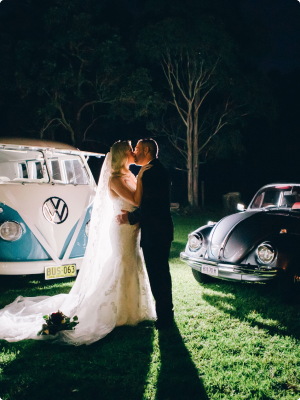
In the competitive Miami real estate market, high-quality house sale photography serves as a crucial element in attracting prospective buyers and maximizing property value. Professional photographs create a compelling visual narrative that highlights a home's best features, generating interest and prompting quicker sales. When potential buyers browse online listings, the first impression often hinges on the quality of images accompanying the property description. Clear, well-composed photos convey transparency, attention to detail, and a level of professionalism that fosters trust and confidence in the listing.
Studies indicate that listings featuring high-quality images can receive significantly more views and inquiries compared to those with amateur or low-resolution photos. In today’s digital age, most buyers begin their property search online, making the visual presentation paramount. For Miami homeowners and real estate professionals, investing in professional house sale photography can translate to increased competition, shorter time on the market, and potentially higher sale prices. Moreover, exceptional images help showcase the unique lifestyle aspects of Miami living, such as waterfront views, luxurious interiors, and vibrant neighborhoods, enticing a wider audience of motivated buyers.
Furthermore, premium photography shows a property in its best light, emphasizing spaciousness, natural light, and craftsmanship. It creates emotional appeal and helps buyers envision themselves living in the space. As the market evolves, property listings that leverage top-tier photography demonstrate a commitment to quality and professionalism, distinguishing them in a crowded marketplace. Given Miami’s dynamic and diverse real estate scene, employing expert house sale photography is not just an enhancement but an essential component of a successful sales strategy.
Preparing a Property for Photography
Effective preparation of a property is fundamental to capturing images that truly reflect its appeal and potential. The process begins with a thorough decluttering of all spaces to eliminate personal items and clutter that can distract viewers or make the space appear smaller. Deep cleaning is essential to ensure surfaces shine, and carpets or floors are spotless, creating an inviting atmosphere. Windows should be cleaned to maximize natural light, which is a critical component in real estate photography.
Staging plays a vital role in enhancing visual appeal. This involves arranging furniture to highlight the room’s functionality and size, adding fresh linens, artwork, and tasteful décor to evoke a comfortable and welcoming environment. Every detail, from the placement of throw pillows to the arrangement of accessories, should be thoughtfully considered to accentuate the property's best features.
Lighting is also a key factor. Scheduling photography during times of optimal natural light — typically early morning or late afternoon — can significantly enhance the warmth and openness of the images. In spaces where natural light is limited, professional lighting equipment can be used to balance and illuminate the interior evenly.
Outdoors, landscaping should be tidy, with freshly cut grass, pruned bushes, and clean walkways to boost curb appeal. Outdoor furniture and accessories can be strategically placed to create inviting scenes that illustrate the lifestyle potential of the property.
Finally, it is crucial to communicate with the photographer about specific features or areas that should be highlighted. Proper preparation ensures that the photographer can focus on capturing the property's essence, optimizing every shot for maximum impact.
Best Equipment and Techniques for Real Estate Photography
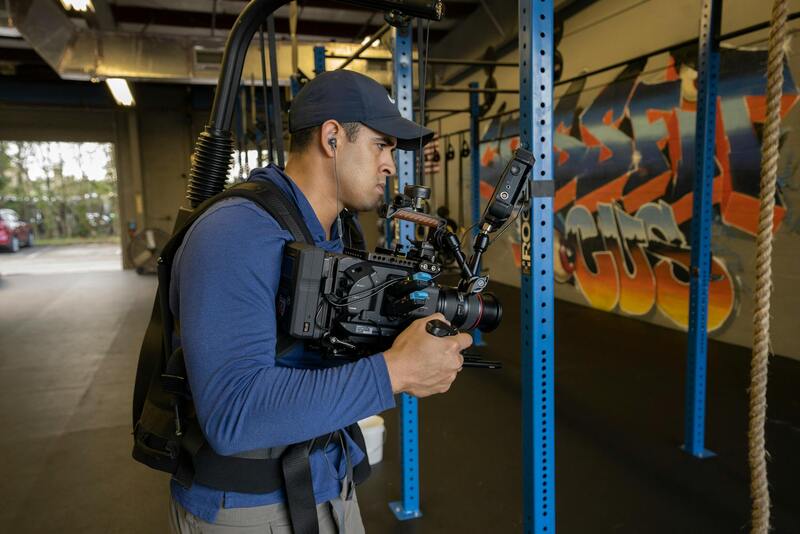
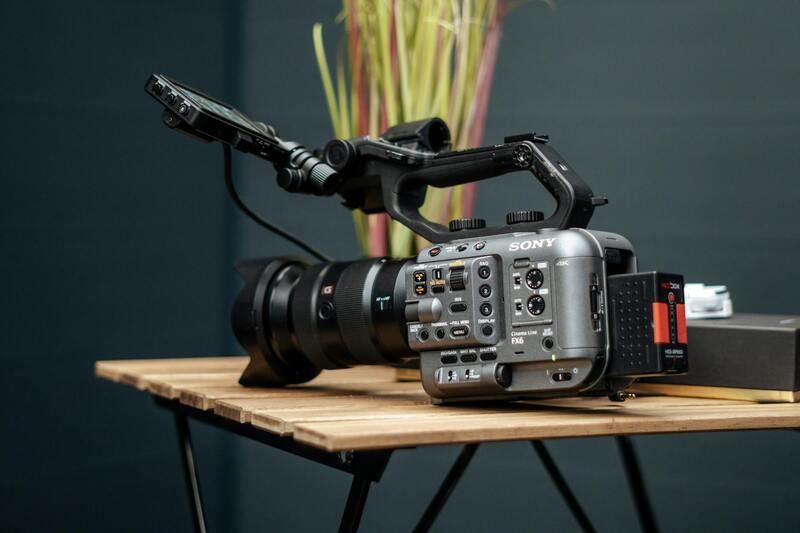
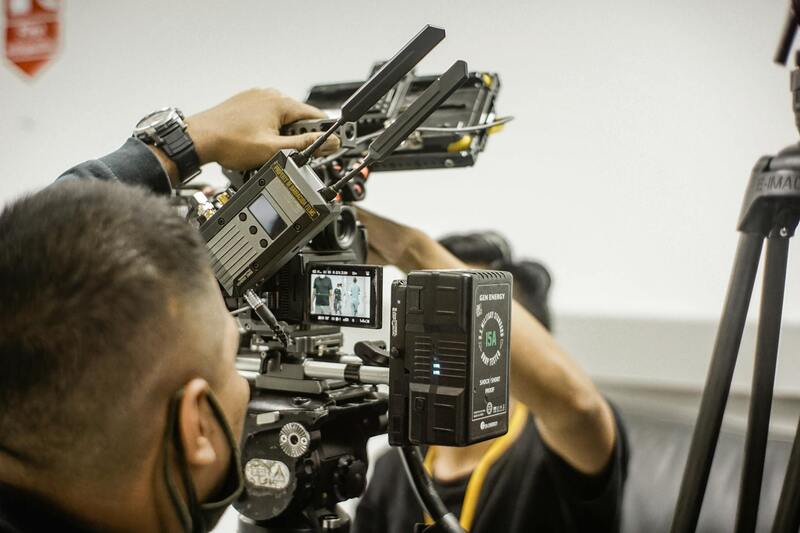
Utilizing the right equipment and techniques elevates house sale photography, producing images that truly resonate with prospective buyers. A high-resolution DSLR or mirrorless camera with a wide-angle lens is standard, allowing for expansive views of interior spaces without distortion. A tripod is indispensable for stability, especially in low-light conditions, enabling long exposure shots that capture natural light more effectively.
Drones are increasingly used to add dynamic exterior shots, showcasing the property's location, surrounding neighborhood, and unique outdoor features from aerial perspectives. These images can provide a comprehensive view that static ground-level photos cannot replicate.
For indoor photography, techniques such as HDR (High Dynamic Range) imaging combine multiple exposures to ensure proper exposure across bright and dark areas, capturing the full detail of both interior lighting and shadowed corners. Proper use of perspective by shooting at eye level and angling the camera to emphasize room size can create compelling images.
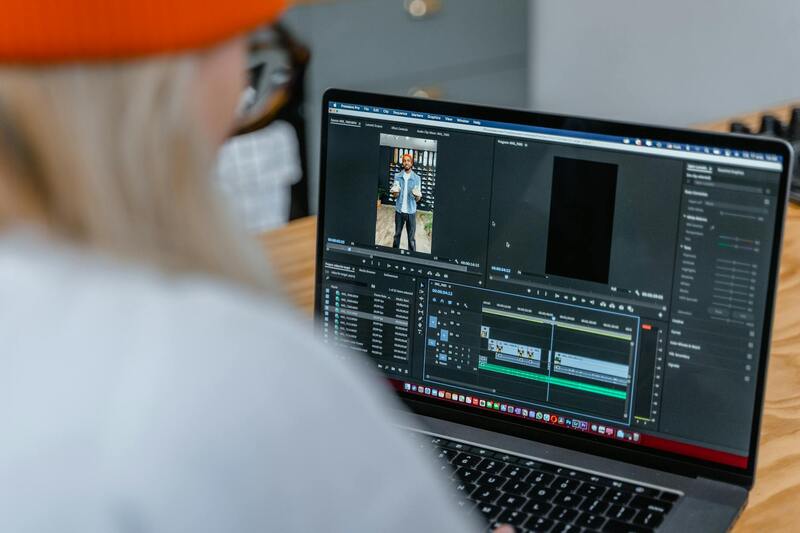
Post-processing software like Adobe Lightroom or Photoshop is essential for editing images—adjusting brightness, contrast, and color balance to produce vibrant, true-to-life visuals. Image stacking and perspective correction tools help fine-tune angles, ensuring walls are straight and distortions are minimized.
Including a variety of shot types—wide-angle shots, detail images highlighting craftsmanship or unique features, and outdoor panoramas—provides a comprehensive visual story of the property.
Editing and Post-Processing of Property Images
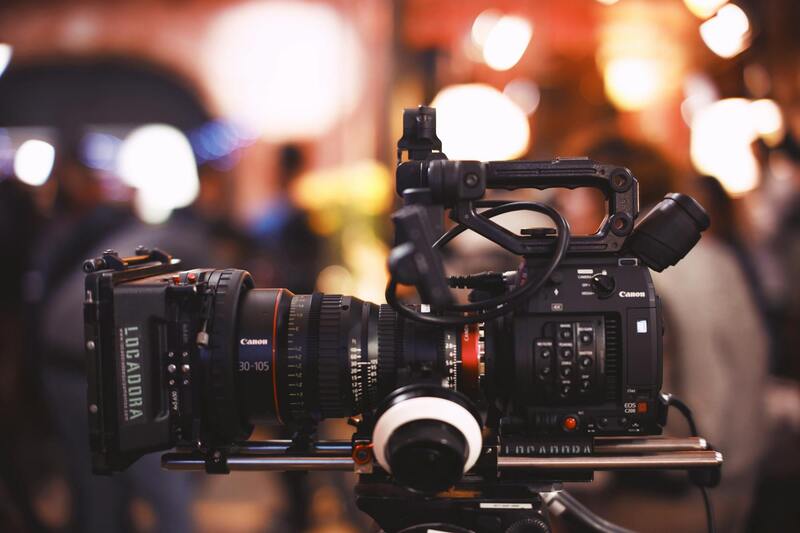
Post-processing is a critical stage in crafting compelling real estate visuals. After capturing the initial shots, professional editing enhances the images to accurately reflect the property's beauty while ensuring consistency across all photos.
Color correction involves adjusting white balance and saturation to achieve natural, vibrant hues that appeal to viewers. Correcting exposure ensures that no areas are overexposed or underexposed, balancing the image so that details are visible in every part of the photo.
Retouching may include removing minor imperfections such as reflections, uneven flooring, or distracting objects. Window glare can be minimized, and any flaws in the interior or exterior can be seamlessly corrected, creating an aspirational yet authentic portrayal.
Perspective adjustments are often needed to straighten lines or correct distortions caused by wide-angle lenses, ensuring the spatial relationships within rooms are true to life.
Additionally, adding subtle enhancements like increasing clarity and sharpness helps emphasize textures and architectural details.
All edits should aim to enhance the property's appeal without misleading potential buyers about the actual condition of the space. Fresh, crisp images, processed professionally, can significantly accelerate the sales process by captivating online viewers.
Best Equipment and Techniques for Real Estate Photography
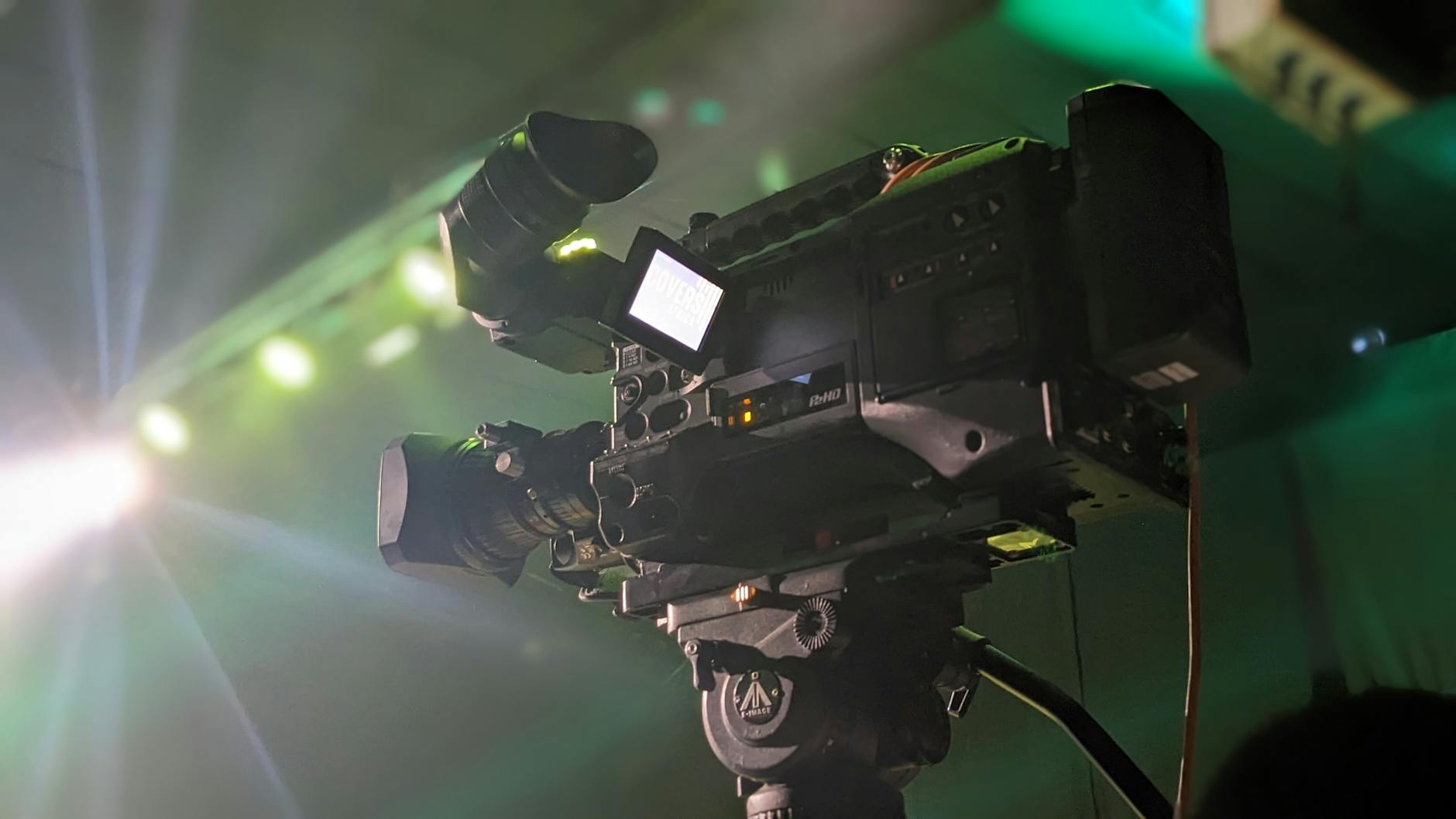
Achieving high-quality house sale photography hinges on the right equipment and methods. Using a DSLR or mirrorless camera with a wide-angle lens (typically between 10-24mm) allows for capturing expansive room views that make spaces appear larger and more inviting. A sturdy tripod is essential to ensure image stability, especially in low-light conditions or when employing longer exposures to capture the full breadth of interior scenes.
Lighting plays a crucial role in real estate photography. Natural light should be maximized by shooting during the day when sunlight illuminates the space effectively. For interiors with limited natural light, additional lighting equipment such as external flashes, softboxes, or LED panels can be used to brighten dark corners evenly, avoiding harsh shadows or uneven exposure.
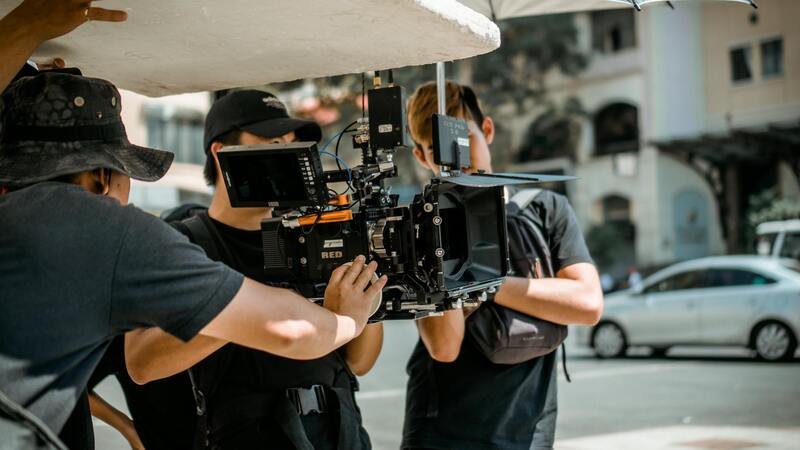
Proper camera settings are vital for capturing true-to-life images. A small aperture (f/8 to f/16) increases depth of field, ensuring both foreground and background elements are in focus. ISO settings should be kept low (ISO 100-400) to reduce noise, and shutter speed must be adjusted based on lighting conditions to achieve correctly exposed images.
Active perspective control methods, such as tilt-shift lenses or digital correction in post-processing, help maintain straight lines and accurate proportions, preventing the distorted appearances common with wide-angle shots. Using HDR techniques — bracketing multiple exposures and blending them — allows for balanced images in challenging lighting environments with bright windows and shadowed interiors.
To elevate the quality, drone photography is increasingly utilized for capturing exterior shots. Aerial views provide potential buyers with a comprehensive understanding of a property's surroundings, layout, and neighborhood context. Employing the latest camera stabilization technology ensures smooth footage and sharp images even in windy conditions.
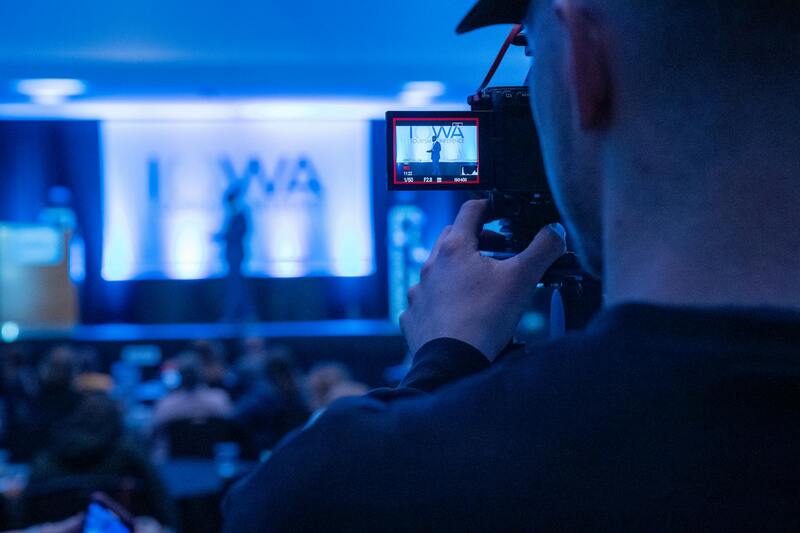
By combining professional-grade gear with refined shooting techniques, real estate photographers can produce compelling visuals that dramatically enhance property listings. This meticulous approach not only increases online engagement but also helps in establishing a credible and trustworthy presentation that appeals to discerning buyers.
Enhancing Visual Appeal through Proper Composition and Lighting
Achieving compelling house sale photography hinges on meticulous composition and lighting techniques. Proper framing ensures that each shot accentuates the property's best features while maintaining a balanced perspective that draws the eye naturally through the space. Utilizing the rule of thirds can aid in positioning key elements effectively within each image, making rooms appear larger and more inviting.
Natural light plays a pivotal role in real estate imagery. Scheduling shoots during daylight hours—preferably when rooms are brightly illuminated by sunlight—minimizes the need for extensive artificial lighting. Open blinds and curtains beforehand to fill interiors with soft, even light that showcases the space without harsh shadows or overexposed areas. When artificial light is necessary, high-quality strobes or LED panels can be used to create balanced illumination that highlights architectural details and textures.
Utilizing Advanced Techniques for Superior Results
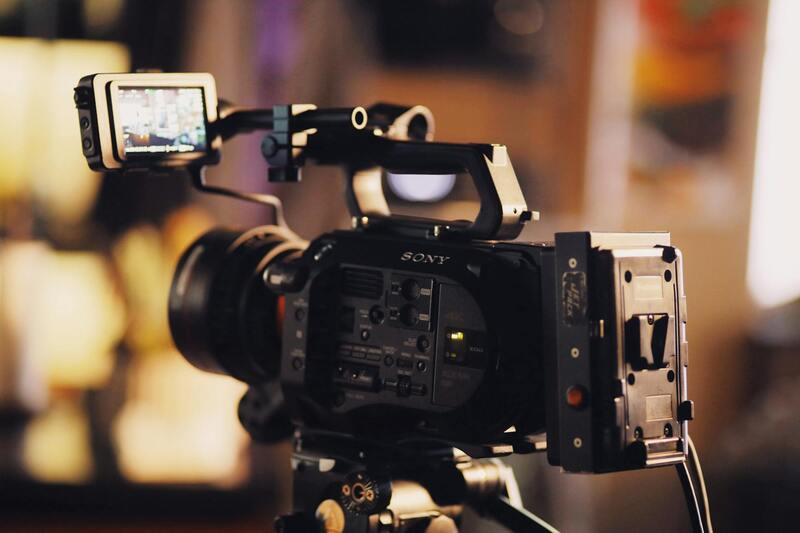
Incorporating advanced photographic strategies enhances the overall quality and appeal of real estate images. HDR (High Dynamic Range) imaging, by capturing multiple exposures and blending them, ensures that interior scenes are well-exposed, with details preserved in both shadows and highlights. This is particularly beneficial when shooting rooms with large windows or complex lighting conditions.
Wide-angle lenses are fundamental in house sale photography, allowing for expansive views of interior spaces within a single shot. They help in creating an illusion of spaciousness, making rooms appear larger than their actual dimensions. However, it's crucial to employ distortion correction techniques, especially with extreme wide angles, to maintain natural proportions and straight lines.
For exterior shots, golden hour photography—taken shortly after sunrise or before sunset—produces warm, inviting tones that enhance curb appeal. Combining these techniques with drone footage offers potential buyers a comprehensive perspective of the property's surroundings, providing context for its size, location, and nearby amenities.
Maintaining Consistency Across Listings
Consistency in style, lighting, and composition across all listing photos helps establish a professional and recognizable brand identity. This uniformity reassures prospective buyers of the quality and reliability of the sales process. Establishing a shot list and a standardized shooting protocol ensures that every property receives a comprehensive, high-quality presentation.
Furthermore, meticulous post-processing to correct color balance, straighten horizons, and enhance minor imperfections can refine images without altering their authenticity. High-resolution images should be exported in formats optimized for online viewing, ensuring quick load times while retaining clarity and detail.
The Role of Equipment and Techniques in Achieving Standout Photography
The use of top-tier cameras and lenses, alongside stabilizers and drones, elevates the presence of property images in a competitive market. Regularly updating equipment to incorporate the latest technological advancements ensures consistency in image quality. Employing techniques such as focus stacking—combining multiple images focused at different points—can also improve depth of field, especially in complex interior shots.
Enhancing Photos Through Editing and Post-Processing
Effective editing and post-processing techniques are crucial in transforming raw property images into compelling visual narratives that attract potential buyers. These practices focus on refining the natural qualities of the photographs while maintaining authenticity.
Adjusting brightness and contrast enhances the visibility of details, ensuring interior and exterior spaces appear inviting and well-lit. Color correction is vital to accurately represent the property's hues, from the warm tones of wooden floors to the crisp whiteness of freshly painted walls. Minor retouching, such as removing distracting imperfections or reflections, helps present a polished image without altering the genuine appearance of the property.
Employing advanced editing tools allows for the correction of perspective distortions, straightening lines that may appear skewed due to lens optics or camera angles. Softening or sharpening specific areas directs the viewer's eye to focal points like a fireplace or scenic window views, emphasizing key selling features. To preserve image quality when sharing online, export settings should be optimized for quick load times, with high-resolution outputs that retain clarity and fine details—crucial for appealing on listing platforms and websites.
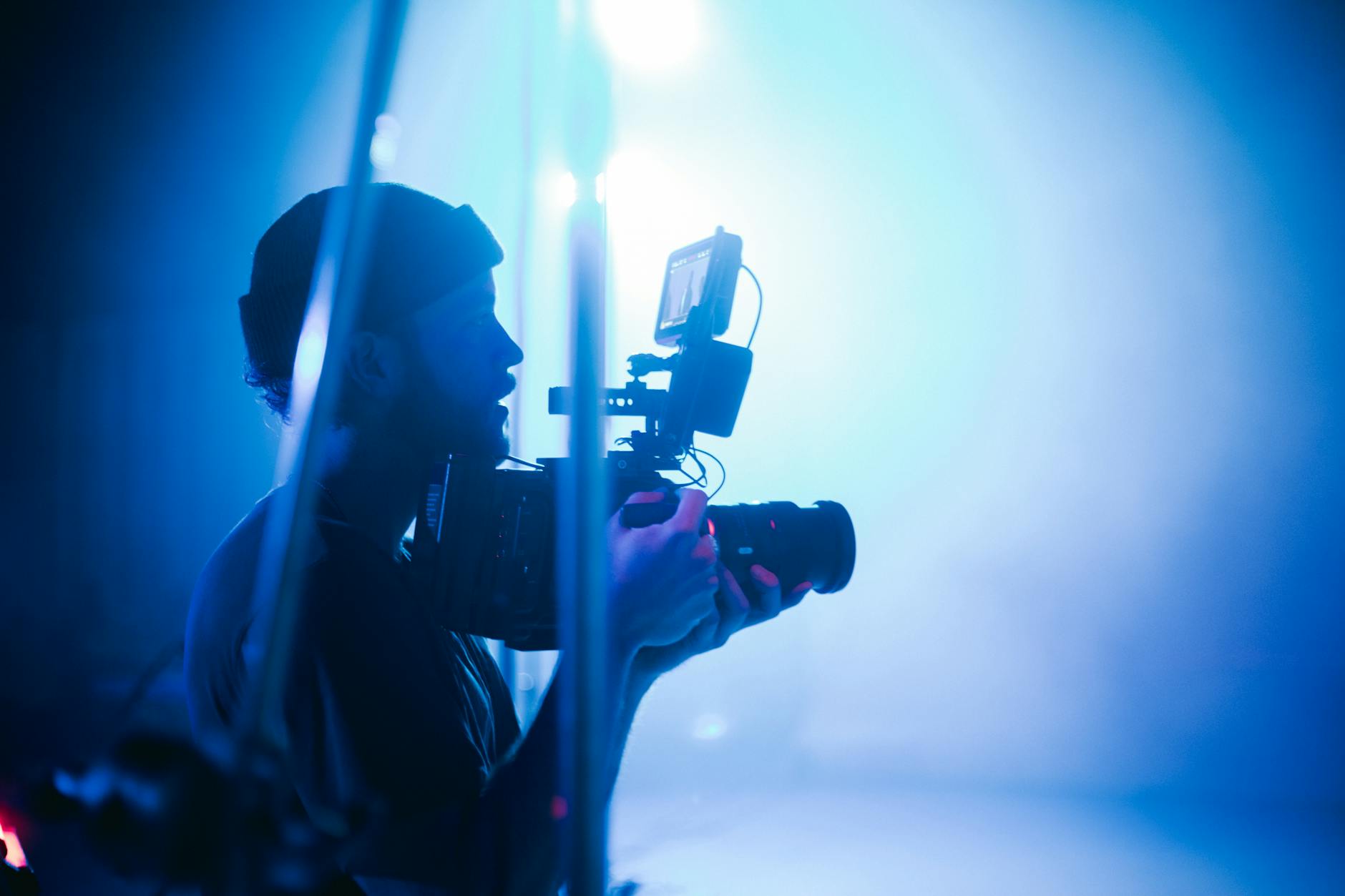
Applying consistent editing standards across all images ensures a cohesive presentation, reinforcing professionalism and brand recognition. Technicians often use presets or templates designed for real estate photography, speeding up the process while maintaining quality. Ultimately, meticulous editing elevates the overall perception of the property, helping listings stand out in a competitive market and attracting motivated buyers.
Legal and Ethical Considerations in Real Estate Photography
When engaging in house sale photography, it is essential to adhere to established guidelines that respect privacy, property rights, and truthful representation. Photographers must obtain explicit permission from property owners before entering and photographing a residence. This step not only demonstrates professionalism but also ensures that all rights pertaining to the property's image are respected. Consent forms can be useful documentation, especially when working with multiple stakeholders or during open house events.
Accurate depiction of a property is fundamental. Photographers should avoid enhancements or alterations that could mislead potential buyers about the property's features, size, or condition. The goal is to create an authentic visual presentation that aligns with the property's actual appearance. This includes accurately capturing room dimensions, layout, and notable features without exaggeration or omission.
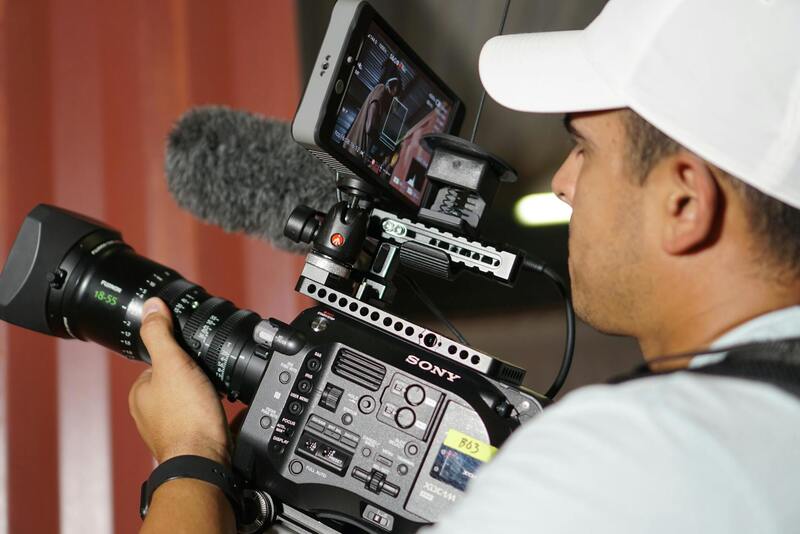
Respect for confidentiality is equally important. Sensitive areas, personal belongings, or private spaces should be either excluded or blurred to prevent privacy breaches. When photographing shared or common areas within multifamily complexes, permissions from property management or relevant authorities may be necessary. Additionally, using drone images should comply with local regulations pertaining to aerial photography, ensuring safety and privacy are maintained at all times.
It is prudent to disclose any minor alterations made during post-processing, such as image enhancements or edits to remove distractions. Transparency about editing practices helps uphold trust with clients and prospective buyers. Moreover, photographers should stay informed about emerging standards and best practices within the industry to continuously refine ethical guidelines.
Maintaining professionalism in all aspects of house sale photography – from obtaining proper permissions to presenting truthful images – cultivates credibility and long-term relationships with real estate agents, property owners, and prospective buyers alike. This ethical foundation ultimately enhances the reputation of the service provider and fosters confidence in the visual marketing of a property.
Legal and Ethical Considerations in Real Estate Photography
When engaging in house sale photography, adhering to established standards of professionalism and integrity is essential. This involves strictly following official guidelines governing photography practices to ensure that all visuals accurately represent the property's condition, features, and spatial layout. Certified photographers should possess a comprehensive understanding of the rules regarding the use of equipment, privacy, and consent, which helps safeguard the interests of property owners, agents, and prospective buyers.
One core aspect is obtaining appropriate permissions before photographing any property. This includes securing consent from the property owner or authorized representative, as well as informing tenants or residents if applicable. Clear communication regarding the scope of the shoot, usage rights, and any constraints ensures transparency and mutual understanding. Respect for personal privacy is paramount—images should exclude or obscure areas containing private belongings or sensitive information, especially in shared spaces or occupied homes.
Using drones or aerial photography introduces additional responsibilities. Photographers must familiarize themselves with local regulations governing aerial images, including restrictions on altitude and privacy concerns. Compliance with these guidelines not only prevents legal complications but also demonstrates ethical standards that reinforce trust with clients and the community.
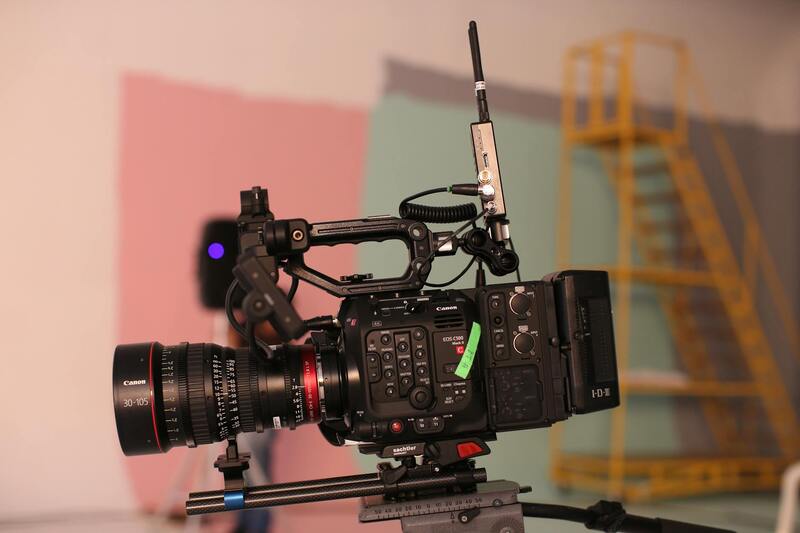
Post-processing practices should be transparent as well. Alterations such as image enhancements or edits to reduce distractions should be documented and disclosed to maintain honesty about what prospective buyers are viewing. This commitment to authenticity builds confidence in your visual marketing and encourages ethical relationships with all stakeholders involved.
Staying updated on evolving best practices within the industry and local regulations demonstrates professionalism and a dedication to high standards. In doing so, photographers can avoid misrepresentations and uphold the reputation of their services, thereby supporting a trustworthy real estate marketing process that benefits property owners, agents, and buyers alike.
Legal and Ethical Considerations in Real Estate Photography
When engaging in house sale photography, it is crucial to follow a set of standards that maintain the integrity of the marketing process and respect all parties involved. High-quality imagery can significantly influence a property's marketability, but it must be presented responsibly to foster trust and ensure transparency. This involves understanding and adhering to specific practices related to privacy, licensing, and ethical conduct.
Respecting Privacy and Personal Property
Photographers have a duty to protect the privacy of current occupants and neighbors. This means avoiding capturing private areas such as bedrooms, bathrooms, or personal belongings unless prior consent is obtained. In shared or occupied spaces, it is essential to stage the home carefully, ensuring personal items are concealed or removed to present a neutral and welcoming environment. Additionally, care should be taken to exclude or obscure any private information visible in the images, such as address plaques, mail, or personal identification documents.
Utilizing Licensing and Usage Rights Appropriately
Official photography should be accompanied by clear licensing agreements that specify ownership and permissible use of images. This is vital to prevent misunderstandings about image rights, ensuring that photographs are used solely for the agreed-upon purpose within marketing channels. Property owners and agents should be provided with detailed information on how images can be shared, reproduced, or altered. This clarity supports a transparent relationship, protecting both the photographer's work and the client's interests.
Adhering to Ethical Practices in Image Capture and Editing
Photographers must avoid misrepresenting properties through manipulative editing or deceptive angles. While enhancements can improve visual appeal, modifications should not alter the true appearance of the house. Adjustments like brightening or sharpening images are acceptable when used responsibly, but features that distort perspective or conceal significant flaws compromise trust. It is advisable to document significant edits or enhancements to maintain honesty in the visual marketing process.
Staying Informed on Industry Standards and Local Guidelines
Continuously updating knowledge about best practices and regional regulations ensures responsible conduct. This includes understanding restrictions related to drone or aerial photography, where adherence to altitude limits and privacy laws is necessary. By keeping current, real estate photographers demonstrate professionalism and uphold reputation, fostering confidence among clients and prospective buyers.
Implementing Ethical Marketing Strategies
Ethical house sale photography emphasizes transparency, honesty, and respect. Accurate representations ensure buyers develop realistic expectations, reducing dissatisfaction or disputes after purchase. Additionally, responsible marketing practices foster a positive image within the community, endorsing a standard of integrity that benefits all stakeholders.