Importance of Quality Photography in Real Estate
In the competitive market of real estate, high-quality visual content plays a crucial role in capturing prospective buyers' attention and driving faster sales. Today’s buyers increasingly rely on online listings to find their ideal property, making the presentation of each property paramount. Exceptional photography not only highlights a home’s best features but also creates an emotional connection with potential buyers, encouraging them to schedule viewings and make offers.
Studies have shown that listings with professional images receive significantly more views and inquiries compared to those with amateur photography. Clear, well-composed images help buyers visualize living in the space, fostering confidence and interest. As such, the importance of investing in professional real estate photography cannot be overstated.
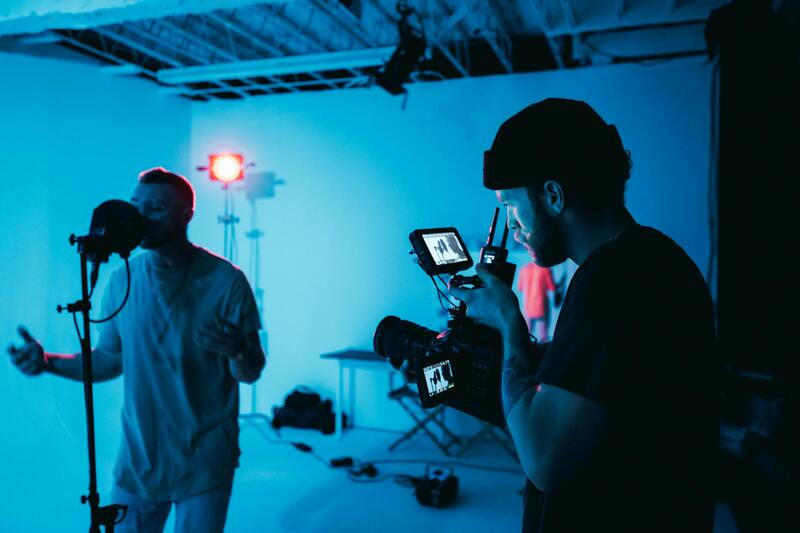
Moreover, professional photography extends beyond simply capturing the space. It involves showcasing each property in the best possible light, emphasizing layout, natural light, and unique features. Properties with compelling images tend to sell faster, with a higher likelihood of closing at or above the asking price. This makes quality photography an indispensable element of a successful real estate sales strategy, especially in markets like Miami where vibrant listings can stand out with immaculate visuals.
Role of a Professional Photographer for Real Estate Agents
A professional photographer specializes in capturing properties in ways that maximize their appeal. Their expertise includes understanding camera equipment, lighting, and composition techniques tailored specifically for real estate. Such professionals are equipped to handle different property types and environments, ensuring each image accurately reflects the property’s ambiance.
Working with an experienced real estate photographer can lead to a cohesive visual narrative for a listing, which is essential for building trust and credibility. Their ability to highlight a property’s unique qualities – from architectural details to expansive views – turns ordinary listings into compelling visual stories that resonate with prospective buyers.
Types of Photos Included in Real Estate Photography
- Exterior Shots: Showcases the property’s façade, landscaping, and curb appeal from various angles.
- Interior Shots: Captures living rooms, kitchens, bedrooms, bathrooms, and other key areas with an emphasis on space and light.
- Wide-Angle Photography: Provides a broader perspective of rooms, making spaces feel larger and more inviting.
- Aerial Photography: Uses drones to display the property in context with its surroundings, especially beneficial for large estates or commercial properties.
- Special Features: Focuses on unique architectural elements or upgrades that increase property value.

Best Practices for Staging and Shooting Properties
Proper staging is integral to creating visually appealing images. This process involves decluttering spaces, arranging furniture to highlight room size and functionality, and optimizing lighting conditions. Shooting during the optimal time of day, especially when natural light is abundant, helps produce bright and inviting photos.
Photographers often utilize sophisticated equipment and techniques, such as wide-angle lenses and HDR (High Dynamic Range) imaging, to capture dynamic lighting contrasts and ensure the property looks its best in every shot. Attention to detail, such as the arrangement of accessories and the cleanliness of each space, enhances the overall visual quality, directly influencing the perception of potential buyers.
Editing and Post-Production Techniques
Post-production is a critical step in real estate photography, involving color correction, exposure adjustments, and image retouching to ensure the photos are vibrant and true to life. Skilled editors work to eliminate distractions, correct distortions caused by wide-angle lenses, and enhance overall image clarity.
Effective editing results in images that are both captivating and accurate representations of the property, fostering trust with prospective buyers and reducing the likelihood of dissatisfaction during showings. Professional photographers often use advanced software to deliver high-resolution images suitable for online listings, print materials, and virtual tours.
Role of a Professional Photographer for Real Estate Agents
In the competitive Miami real estate market, the expertise of a professional photographer becomes indispensable for agents looking to present properties in their best light. These specialists possess a combination of technical skills and artistic sensibility, enabling them to capture the unique features of each property while highlighting its strengths effectively.
Professional photographers utilize advanced equipment such as high-resolution DSLR or mirrorless cameras, wide-angle and tilt-shift lenses, and specialized lighting setups. This array of tools allows them to create images that are not only vivid and detailed but also accurately represent the property's spatial dimensions. Such precision ensures that prospective buyers gain a clear understanding of the property's layout and ambiance, increasing the likelihood of engagement.
Beyond the equipment, a professional photographer for real estate relies on an extensive skill set that includes understanding the nuances of composition, lighting, and perspective. They know how to manipulate natural and artificial light to produce bright, inviting images that accentuate architectural features and interior design elements. Additionally, they are adept at creating a sense of space, making rooms appear larger and more appealing to potential buyers.
Furthermore, these photographers are familiar with the specific needs of online listings and marketing materials. They deliver images in the required formats and resolutions that optimize load times and visual quality across various platforms. Their expertise also extends to virtual tours and 3D walkthroughs, which have become increasingly vital in remote property viewing scenarios, especially in Miami’s dynamic real estate landscape.
Engaging a seasoned professional ensures that every aspect of the photography process— from initial consultation through post-production— aligns with the agent’s marketing objectives. They work closely with real estate agents to understand the target audience, the property’s distinctive features, and the best times for shooting to maximize natural lighting conditions. This collaborative approach fosters consistency and excellence in visual presentation, ultimately leading to faster sales and higher property values.
In Miami’s vibrant real estate environment, leveraging the skills of a certified real estate photographer can make a significant difference in standing out amidst a multitude of listings. Their ability to produce compelling imagery that resonates with buyers establishes an emotional connection, facilitating quicker decisions and fostering trust. As digital presence becomes increasingly crucial, the value of professional photography as a cornerstone of effective property marketing continues to grow.
Types of Photos Included in Real Estate Photography
High-quality real estate photography encompasses a variety of images that collectively create a comprehensive visual story of the property. These images serve to capture key aspects of a listing, enticing prospective buyers and providing a realistic sense of the space and ambiance. The main types of photos include exterior shots, interior views, and detail highlights, each playing a crucial role in the marketing process.
Exterior Shots
Exterior photographs set the first impression, showcasing the property's curb appeal and overall facade. These images often include wide-angle shots that highlight the property's architecture, landscaping, driveway, and outdoor living spaces. Dusk or dawn shots can add an inviting atmosphere, emphasizing lighting and the home's presence within its neighborhood. Properly capturing the exterior involves attention to lighting, weather conditions, and the optimal angles that best frame the property, often requiring professional equipment and techniques.
Interior Views
The interior shots are the core of real estate photography, providing a peek into the living spaces, bedrooms, kitchens, bathrooms, and any unique areas such as home offices or entertainment rooms. Wide-angle lenses are frequently used to depict spaciousness and flow, while lighting adjustments ensure rooms appear bright and welcoming. Highlighting features like modern appliances, open floor plans, or custom finishes can significantly influence a buyer’s perception of value. Careful staging combined with expert photography helps convey the lifestyle potential and the comfort the home offers.
Detail Highlights
Close-up images focusing on distinctive or high-end features—including hardware, fixtures, appliances, millwork, or outdoor amenities—serve to accentuate the property’s unique qualities. These shots draw attention to craftsmanship and premium touches, adding depth to the visual narrative. Effective use of detail photography can differentiate a listing in a saturated market, making it more memorable and appealing to serious buyers seeking quality and character.
Additional Composition Strategies
- Virtual staging visuals: Post-processed images that demonstrate the potential of empty spaces with virtual furniture and decor to enhance appeal.
- Drone photography: Aerial images that reveal the full extent of the property, landscaping, and surrounding neighborhood, especially valuable in large estates or properties with scenic surroundings.
- Night shots: Evening photographs that showcase outdoor lighting and exterior ambiance, creating an inviting mood that appeals to prospective buyers viewing in low-light conditions.
 igure>
Professional Photography Techniques Tailored for Real Estate Agents
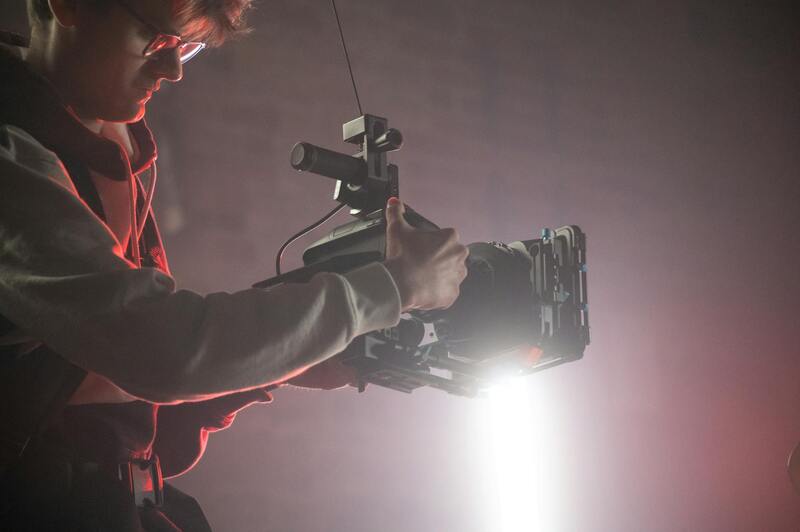
To maximize the visual impact of real estate listings, professional photographers employ a variety of advanced techniques that highlight the property’s best features while ensuring an authentic representation. Wide-angle lenses are a staple tool, allowing for expansive shots that make rooms appear larger and more inviting. These lenses help capture the entirety of furnished spaces within a single frame, providing viewers with a comprehensive view that can influence their interest in scheduling a visit.
Proper lighting is crucial in real estate photography. Skilled photographers use natural light effectively—timing shoots during optimal daylight hours—and supplement with professional lighting equipment when necessary. This approach eliminates shadows, enhances colors, and ensures each space appears bright and welcoming. Reflectors and diffusers are also used strategically to soften harsh sunlight and evenly distribute light across interior surfaces.
Post-processing plays an essential role in refining images without distorting the accurate appearance of the property. Color correction ensures that each photograph matches real-life hues, while exposure adjustments compensate for uneven lighting conditions. Retouching techniques remove minor imperfections such as dust, smudges, or distractions like personal clutter, allowing the property’s architectural features and finishes to stand out.
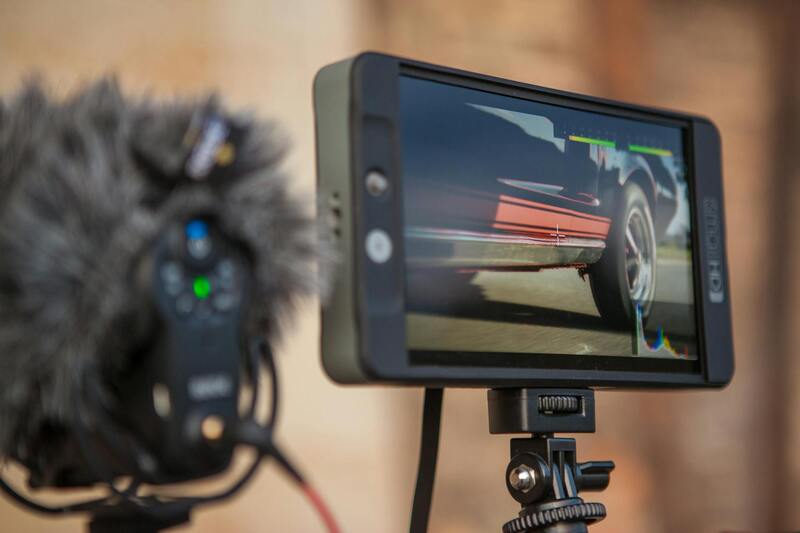
Color grading is employed to create a consistent aesthetic across all images, contributing to a cohesive look in marketing materials. This process can subtly enhance warmth or coolness to evoke specific moods that align with the property's style. Additionally, advanced HDR (High Dynamic Range) photography combines multiple exposures to capture details in both bright and dark areas, ensuring that neither shadows nor highlights are overly harsh or washed out.
Using drone technology further elevates property presentations by providing aerial perspectives that highlight large estates, scenic landscapes, or unique outdoor amenities. Night photography captures the allure of outdoor lighting and creates a sense of warmth and approachability, especially useful in evening viewings or for properties emphasizing outdoor entertainment spaces.
In the competitive Miami real estate market, these professional techniques ensure listings stand out, drawing more potential buyers and increasing the likelihood of quicker sales at favorable prices.
Advanced Editing and Post-Production Methods in Real Estate Photography
In the realm of real estate marketing, the significance of meticulous editing and post-production work cannot be overstated. After capturing high-quality images on location, professional photographers utilize sophisticated editing techniques to refine and enhance photos, ensuring they meet the highest industry standards and appeal to target audiences.
Precise cropping and straightening are fundamental to achieving balanced compositions that naturally draw viewers’ attention to key features of the property. Adjustments to contrast, brightness, and color saturation are carefully calibrated to create vivid images that accurately represent the property’s true essence without appearing exaggerated or artificial.
Retouching minor imperfections, such as blemishes, dust, or personal clutter, eliminates distractions from the final image. These subtle enhancements highlight the property's architectural details, interior finishes, and outdoor landscapes, contributing to a polished and inviting presentation. When necessary, professionals employ techniques like frequency separation and skin smoothing to retain natural textures while removing minor flaws, ensuring authenticity alongside visual appeal.
Color grading further refines the visual story, allowing photographers to infuse images with warmth or cool tones that resonate with the property's style and target market. This process ensures a consistent aesthetic across the entire set of marketing images, reinforcing branding and stylistic coherence.
High Dynamic Range (HDR) processing plays a vital role in real estate photography by blending multiple exposures to accurately depict both interior and exterior details. This technique prevents highlights from washing out and shadows from becoming overly dark, resulting in evenly balanced images that convey true-to-life perspectives of the property.
Additionally, layered editing techniques are applied to showcase outdoor spaces, landscaping, and architectural features effectively. When integrated with strategic light retouching, these methods produce compelling visuals that appeal to buyers and property investors alike.
Post-production does not end with static images. Video editing, including virtual tours and aerial footage, relies heavily on professional post-processing to ensure smooth transitions, color consistency, and compelling storytelling. Enhanced visuals ultimately serve to attract more prospective buyers, accelerate the sales process, and maximize property value.
Comprehensive Equipment and Techniques Utilized by Skilled Photographers
Professional photographers specializing in real estate rely on a suite of advanced equipment and tested techniques to produce high-quality images that accurately represent a property’s best features. Key to this process is the use of high-resolution DSLR or mirrorless cameras capable of capturing fine details and broad dynamic ranges. These cameras allow for capturing images with exceptional clarity, even in challenging lighting conditions, which are common in interior spaces with windows or mixed lighting sources.
Lens selection plays a critical role, with wide-angle lenses being the preferred choice for real estate photography. They enable the photographer to encompass more of a room or exterior view within a single shot, creating a sense of space and grandeur that appeals to prospective buyers. The use of tilt-shift lenses may also be incorporated to correct perspective distortions, particularly in exterior shots, ensuring architectural features are accurately rendered.
Lighting setup is equally vital. Experienced photographers utilize natural light whenever possible to achieve bright, inviting images. When supplementary lighting is necessary, professional strobes and diffusers are employed to eliminate harsh shadows and evenly illuminate interiors. Mastery of the interplay between natural and artificial light ensures the images are vibrant and appealing, without appearing artificially enhanced.
Showcasing Exterior and Aerial Photography for Enhanced Property Presentation
In addition to traditional interior and exterior shots, aerial photography has become a fundamental aspect of real estate marketing. Utilizing drones equipped with high-resolution cameras allows photographers to capture stunning overhead views that highlight the property’s size, landscaping, proximity to amenities, and neighborhood features. These images provide a unique perspective that ground-level photography cannot replicate and are particularly effective for large estates, commercial properties, or properties with extensive outdoor assets.
Drone footage can also be incorporated into virtual tours, offering dynamic walkthroughs that engage potential buyers. Skilled professionals ensure drone operation complies with local regulations, and they possess the expertise to capture cinematic-quality footage with smooth movements and appropriate framing.
Advanced Shooting Techniques to Maximize Property Appeal
Beyond equipment, skilled real estate photographers apply a range of techniques to optimize the presentation of each property:
- Vertical and Horizontal Composition: Strategic framing emphasizes a space’s height and width, creating a balanced visual narrative that demonstrates the property’s proportions.
- Time of Day Scheduling: Scheduling shoots during optimal lighting conditions, such as golden hour, enhances the warmth and natural glow of images, making spaces feel more inviting.
- Multiple Exposure Bracketing: Capturing several images at different exposures ensures the final composite accurately depicts both interior and exterior lighting balance, especially in high contrast settings.
- Perspective Control: Altering camera angles and heights provides a variety of visual perspectives, highlighting different architectural features and optimizing each room’s appeal.
Professional Post-Processing for Final Image Refinement
Post-production is an essential phase where photographers refine images to highlight their best features while maintaining authenticity. Using sophisticated software like Adobe Photoshop and Lightroom, professionals perform targeted adjustments:
- Exposure and Brightness: Fine-tuning overall illumination to ensure clarity and vibrancy.
- Color Correction: Adjusting white balance and saturation to match actual property colors, making spaces appear natural and appealing.
- Sharpness and Clarity: Enhancing details without introducing noise or artifacts that can distract viewers.
- Perspective Correction: Straightening lines and correcting distortions to portray architecture accurately.
- HDR Merging: Combining multiple exposures to produce images that retain details in both highlights and shadows, providing a balanced and realistic portrayal of property features.
Techniques for Capturing High-Quality Real Estate Images
Achieving exceptional property photos requires adherence to established techniques that emphasize clarity, perspective, and lighting. Critical to this process is the use of appropriate camera settings, such as a wide-angle lens, which allows for capturing more of the room in a single shot, giving potential buyers a comprehensive view of the space. An aperture setting that balances depth of field ensures everything from foreground to background remains sharp, enhancing the overall realism of the images.
Moreover, natural lighting should be utilized whenever possible. Photographers often schedule shoots during times of day when sunlight floods the interiors, resulting in brighter, more inviting images. Supplementing natural light with professional lighting equipment ensures consistent illumination and minimizes unwanted shadows, especially in areas that lack sufficient natural light.
Another vital element is the appropriate use of tripod stabilization to prevent camera shake, which can compromise image sharpness. Composing shots thoughtfully involves removing clutter and personal items to highlight the property's best features, as well as adjusting camera angles to accentuate architectural details and spatial dimensions. To maximize property appeal, capturing multiple perspectives within each room offers viewers a comprehensive visual experience.
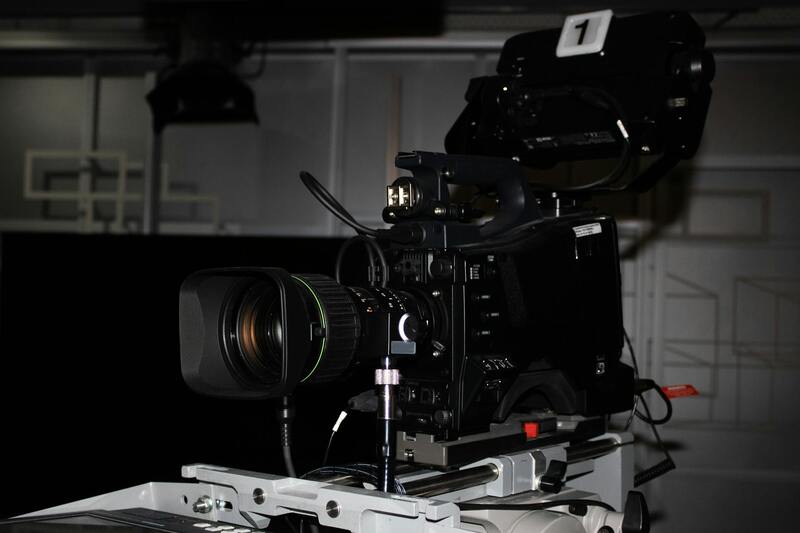
Investing in these professional shooting practices ensures that each image reflects the true potential of the property, providing a compelling visual narrative that appeals to discerning viewers. Precise control over exposure, white balance, and perspective correction transforms ordinary shots into persuasive marketing tools, setting properties apart in a competitive market.
Impact of Professional Photography on Marketing and Sales
In today’s competitive real estate landscape, the strategic use of high-quality images can significantly influence a property's market performance. Professional photography elevates the visual appeal of listings, making properties stand out among numerous options. When real estate agents incorporate visually compelling imagery into their marketing campaigns, they attract more attention from potential buyers and investors eager to explore visually engaging content.
Effective real estate photography acts as a catalyst for increased online visibility. Listings with professionally captured photos are more likely to appear at the top of search results on popular real estate platforms and social media channels. This heightened visibility translates into higher web traffic and greater lead generation, ultimately accelerating the sale process.
Moreover, professionally shot images provide a realistic and immersive experience for viewers. High-resolution photos with accurate color reproduction and balanced lighting help prospective buyers better understand the property's layout, condition, and unique features without the need for physical visits. This is especially advantageous for remote buyers or investors seeking quick, reliable information. The sense of authenticity fostered by quality images builds trust and confidence, encouraging inquiries and viewings.

Furthermore, professional photos are essential for creating cohesive branding for real estate agencies. When agents consistently present properties with high-quality images, they reinforce their reputation for professionalism and attention to detail. This consistency can influence prospective clients' perception of the agency’s reliability and commitment to excellence, fostering long-term client relationships.
In addition to boosting online presence, professional photography also plays a critical role in print marketing materials, virtual tours, and social media advertising. Visual content shared across multiple channels ensures a unified and impactful marketing message, increasing engagement and driving more client interactions.
Ultimately, integrating high-caliber visual content into a comprehensive marketing strategy helps real estate agents achieve faster sales, better client engagement, and a stronger market presence. The investment in professional photography translates directly into tangible business benefits, making it an indispensable component of modern real estate marketing efforts in Miami, FL, and beyond.