Understanding the Importance of Professional Home Photography
In the competitive real estate market, the visual presentation of a property can significantly influence prospective buyers. High-quality home photography serves as a vital marketing tool that captures the essence of a residence, showcasing its best features in an appealing manner. Superior images not only attract more attention online but also generate greater interest and engagement from potential buyers, leading to faster sales and often higher offers.
Professional home photography emphasizes clarity, composition, and lighting to create compelling visuals that convey the true character of a property. These images help potential buyers visualize living in the space, making the property more memorable and irresistible. In a digital era where most property searches commence online, the importance of capturing stunning, accurate images cannot be overstated; they are often the first interaction a buyer has with the property, making them a crucial element in real estate marketing strategies.
Effective home photography involves an understanding of the architectural features, interior design, and the story that the home conveys. When executed correctly, it highlights the unique aspects of a residence, such as spaciousness, natural light, and carefully curated decor. Such visual storytelling enhances a property's appeal and fosters emotional connections with prospective buyers, ultimately increasing the likelihood of a successful sale.

Furthermore, professionally taken photographs stand out in listings, elevating the property's profile among numerous similar listings. This can lead to increased viewings and more engagement from real estate agents and prospective buyers. Ensuring that each image is aligned with best practices in photography ensures consistency, enhances credibility, and reinforces the property's value proposition to viewers, making high-quality home photos a fundamental element in successful real estate marketing campaigns.
Investment in professional home photography ultimately results in better market positioning, faster sales, and a higher perceived value of the property. In an environment where first impressions are everything, the power of visually compelling, accurate images cannot be underestimated.
Choosing the Right Equipment and Techniques
Utilizing professional-grade equipment is fundamental to producing striking home photographs that resonate with potential buyers. High-resolution cameras capable of capturing fine details and broad dynamic ranges are essential for showcasing both interior and exterior features effectively. Wide-angle lenses are particularly advantageous for emphasizing spaciousness and architecture, enabling the photographer to encompass more of a room within a single frame without distortion. Such lenses help to create an inviting atmosphere that highlights the home's best features while maintaining accurate proportions.
r>r>
Tripods are indispensable for ensuring stability and sharpness, especially in low-light conditions or when long exposures are necessary. Image stabilization technology, whether in the camera or lens, further enhances clarity. For interior shots, a tripod allows for precise framing and consistent positioning, which is critical when creating a cohesive visual presentation of the property.
r>r>
Additionally, employing advanced techniques like HDR photography can be highly effective. High Dynamic Range (HDR) imaging involves capturing multiple exposures and combining them to balance interior lighting with daylight outside, resulting in well-lit, vibrant images that accurately depict the property's lighting conditions.
r>r>
In recent years, drone photography has become an invaluable asset for real estate marketing. Aerial shots provide comprehensive views of the property's exterior, surrounding landscape, and neighborhood context. This perspective can significantly enhance online listings by offering prospective buyers a broader understanding of the property's setting.
r>r>
To complement equipment, foundational skills in composition are critical. Following principles such as the rule of thirds, leading lines, and symmetry guides the viewer’s eye through the image naturally and emphasizes focal points effectively. Ensuring that vertical lines are straight and horizons are level prevents visual distortion, which can undermine the professional quality of the images.
Mastering camera settings, including aperture, shutter speed, and ISO, allows photographers to adapt to various lighting conditions and achieve consistent results. Techniques such as shooting during the golden hours—shortly after sunrise or before sunset—maximize natural light, creating warm, inviting images that highlight the home's best features.
Choosing the Right Equipment and Techniques
Utilizing appropriate equipment is fundamental to producing high-quality images that showcase a home's finest features. Professional-grade DSLR or mirrorless cameras equipped with wide-angle lenses are highly recommended for capturing expansive interior scenes and exterior views. These lenses allow for a broader field of view, making spaces appear larger and more inviting.
Lighting equipment, such as portable flash units and softboxes, can significantly improve image quality when natural light is insufficient or inconsistent. Proper lighting helps eliminate shadows and highlights architectural details with clarity. Reflectors can also be employed to bounce light into darker corners, ensuring even illumination across every room.
In addition to physical gear, mastering specific photography techniques enhances the overall presentation. Techniques like bracketing and exposure blending are crucial for capturing scenes with a high dynamic range. This involves taking multiple shots at different exposure levels and combining them to produce an image with balanced brightness, detailed shadows, and vivid highlights.
Applying proper camera settings is key to consistent results. Adjusting aperture settings to maintain sharp focus throughout the room while controlling depth of field, setting appropriate shutter speeds to prevent motion blur, and selecting ISO values that minimize noise are standard practices. Shooting in RAW format preserves all image data, providing greater flexibility for post-processing.
To accentuate the home’s features, photographers should pay close attention to composition. Techniques like the rule of thirds help position focal points effectively within the frame. Leading lines can guide viewers’ eyes through an image, emphasizing architectural elements or room layouts. Ensuring vertical lines are straight and horizons are level avoids distortions that could detract from the image’s professionalism.
Timing is also critical. Shooting during the golden hours, shortly after sunrise or before sunset, produces warm, natural lighting that complements interior colors and textures. For exterior shots, early morning or late afternoon light reduces harsh shadows and glare, resulting in more appealing visuals.
Advanced Techniques for Capturing Homes
To achieve stunning real estate imagery, employing advanced photographic techniques is essential. High dynamic range (HDR) photography plays a critical role in balancing exposure across various parts of a property. By capturing multiple images at different exposure levels and merging them, photographers can create photos with rich details in both shadowed and illuminated areas, ensuring that interior colors and textures are represented true to life.
Utilizing tilt-shift lenses can help correct perspective distortions, especially when photographing exteriors or large rooms with tall ceilings. This technique ensures vertical lines remain straight, preventing the typical converging lines often seen in wide-angle shots. Additionally, focus stacking can be employed to achieve sharpness throughout complex scenes, such as kitchens or living rooms with foreground and background elements at different distances.
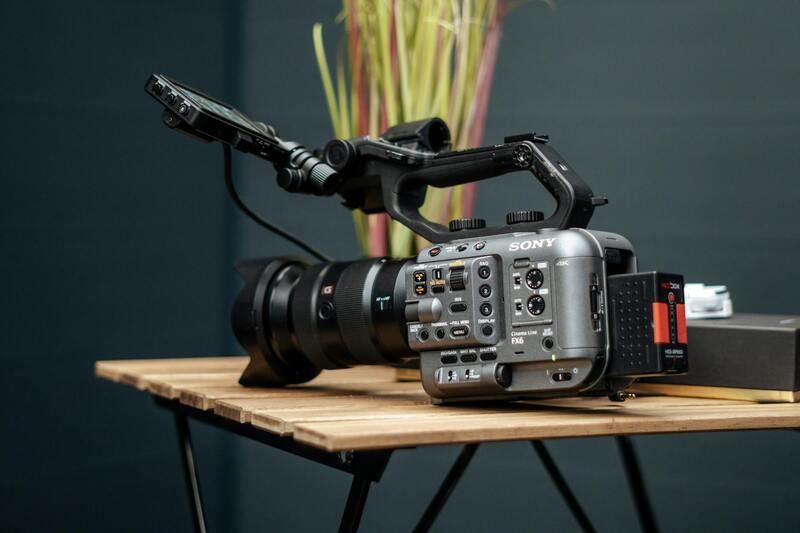
Light modifiers such as diffusers, softboxes, and reflectors are invaluable for controlling light during indoor shoots. When natural light is insufficient or inconsistent, supplemental lighting can enhance certain areas without creating unnatural shadows. Careful placement of these tools ensures even illumination that accentuates features like textured walls, fixtures, and architectural details.
The strategic use of drone photography is becoming increasingly popular for capturing homes from aerial perspectives. Drones provide an expansive view of property boundaries, landscaping, and surrounding areas, giving potential buyers a comprehensive understanding of the home's setting. Proper piloting and adherence to safety guidelines are paramount to obtain clear, steady shots that enhance property listings.
Utilizing Equipment for Professional Results
Choosing the right gear is pivotal. Wide-angle lenses—typically ranging from 14mm to 24mm—allow for expansive shots that showcase entire rooms within a single frame. When working in tight spaces, a lens with a larger aperture (such as f/1.8 or f/2.8) can help achieve brighter images with a pleasing depth of field.
Tripods are essential for stability, especially during long exposure shots in low-light conditions or HDR photography. Remote triggers and timers minimize camera shake, ensuring sharp images. Advanced photographers often use calibrated light meters to measure scene lighting accurately, allowing for precise adjustments to camera settings for consistent results across different rooms and properties.
Post-Processing and Fine-Tuning
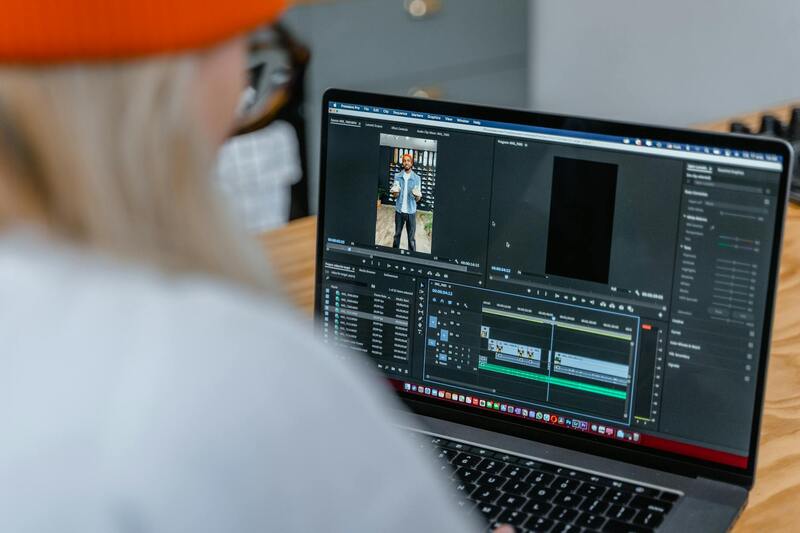
Post-processing is a critical step in transforming raw captures into compelling images. Software like Adobe Lightroom and Photoshop provides tools for adjusting brightness, contrast, and color balance, ensuring photos are vibrant without appearing artificial. Correcting minor distortions and straightening vertical lines enhances the professional look of the images.
Selective editing can emphasize features such as a fireplace, built-in shelving, or views through windows. Removing distractions like small objects or clutter helps keep the focus on the home's architectural qualities. Maintaining natural skin tones and color consistency across images ensures a cohesive portfolio that accurately reflects the property’s character.
Utilizing Automated and Manual Techniques to Enhance Photo Quality
After capturing high-quality images of the home, the next step involves employing both automated and manual methods to optimize the photo quality further. Automated tools, such as software presets and batch processing functions, can expedite adjustments to exposure, clarity, and color balance across multiple images, maintaining consistency in the visual presentation. These tools are especially beneficial when dealing with large portfolios, ensuring that each photo adheres to a uniform aesthetic standard.
However, manual fine-tuning remains essential to achieve the desired level of detail and accuracy. Skilled editors meticulously adjust specific elements—such as shadow recovery, highlight preservation, and color correction—to highlight architectural features and create a welcoming atmosphere. This nuanced approach allows for subtle enhancements that elevate the visual appeal without compromising authenticity.
Furthermore, advanced editing techniques, such as perspective correction, help rectify distortions caused by wide-angle lenses, ensuring walls and structural lines appear straight and true to life. Correcting vertical distortions is particularly critical in real estate photography, as crooked lines can distract viewers and diminish credibility. Employing software tools specialized in perspective control guarantees images that are both engaging and trustworthy.

Ensuring Consistency and Authenticity in Post-Processing
Maintaining consistency across a property’s photo set is vital for creating a professional portfolio that accurately reflects the home's characteristics. Establishing a standard workflow and color profile ensures that each image aligns seamlessly with the others. Consistent white balance, exposure, and color saturation contribute to a cohesive visual story that resonates with prospective buyers or renters.
While enhancement is crucial, it is equally important to preserve natural realism. Over-editing can distort the true appearance of a space, leading to mismatched expectations. Subtle adjustments that improve lighting, highlight key features, and reduce distractions help maintain an honest representation of the property, fostering trust with viewers.
Finally, attention to detail during post-processing, such as straightening horizon lines or correcting minor lens distortions, ensures that the final images meet the highest standards of professionalism and authenticity.
Refining Home Photos Through Expert Post-Processing Techniques
Post-processing plays a pivotal role in transforming raw images into compelling visual narratives that accurately represent a home's character. Skilled editors utilize a combination of software tools to address common issues such as perspective distortions, color imbalances, and unnatural lighting. Ensuring that walls and structural lines are true to life involves meticulous perspective correction, which rectifies any skewed angles caused by wide-angle lenses. This process not only enhances the aesthetic appeal but also maintains the architectural integrity of the property, boosting viewer confidence in the images. Maintaining consistency across all photos in a listing requires establishing a standardized workflow, including calibrated color profiles and exposure settings, that uphold the property’s authentic look. Image editing extends beyond correction; it also involves subtle enhancements to highlight a home's best features. Brightening shadowed areas, accentuating natural light, and balancing colors help evoke an inviting atmosphere without exaggerating or misrepresenting the space. Furthermore, careful attention to detail—such as straightening horizon lines, removing distractions, and ensuring uniformity in perspective—ensures each image aligns seamlessly with the overall visual narrative.
Utilizing advanced editing techniques, professional photographers can emphasize the architectural details and lifestyle appeal of a home. These improvements aim to create an emotional connection with prospective buyers, encouraging them to envision themselves in the space. Equally important is the preservation of authenticity; over-editing or unrealistic enhancements can mislead viewers, which is detrimental to the integrity of the marketing effort. Skilled post-processing strikes a balance, enhancing visual appeal while retaining truthful representations.
Optimizing Images for Digital Platforms
Following the editing phase, optimizing photos for online use is essential to ensure they load efficiently across various digital channels without sacrificing quality. Resizing images to conform with platform-specific dimensions prevents distortion and maintains clarity. Compressing images reduces file size, enabling faster loading times, which enhances user experience and search engine rankings.
- Resizing images according to platform specifications—such as square formats for social media or wide aspect ratios for property listings—ensures optimal display.
- Choosing the appropriate file formats, like JPEG or PNG, based on the image type and platform requirements, preserves quality while minimizing load times.
- Applying consistent branding elements, such as watermarks or logo placement, while keeping the images unobtrusive, maintains professionalism.
Effective image optimization not only improves the visual impact but also increases engagement and attracts potential buyers or renters, transforming online listings into powerful marketing tools.
Capturing Optimal Lighting and Angles
Effective real estate photography hinges on the careful management of lighting and the strategic selection of camera angles. Achieving a natural and inviting atmosphere requires an understanding of how light interacts with different surfaces and spaces within the home. For interior shots, utilizing natural daylight as much as possible enhances the authenticity of the space. Open curtains, turn on all lights, and avoid shadows or dark corners that diminish the visual appeal. The goal is to illuminate every room evenly, emphasizing its true size and features.
When artificial lighting is necessary, employing soft, diffused light sources helps eliminate harsh shadows and creates a warm, welcoming environment. Multiple light sources or reflectors can be used to fill in shadows, ensuring all areas are visible and appealing.
Camera angles play a critical role in presenting homes effectively. Low-angle shots can make rooms appear more spacious, while high-angle images provide a comprehensive view of the layout. Pay close attention to the composition—straight lines and balanced perspectives avoid distortion and ensure the images accurately reflect the property's structure. Wide-angle lenses are popular for capturing entire rooms, but it’s essential to avoid excessive distortion that can mislead viewers.
Utilize a tripod to stabilize your camera, which allows for consistent, sharp images even in lower light conditions. Experiment with different vantage points to highlight key features, such as architectural details, decorative elements, or outdoor views. Every shot should contribute to a cohesive narrative that showcases the home’s best aspects without exaggeration.
Legal and Ethical Considerations
Adhering to established standards and best practices in home photography is crucial for maintaining integrity and fostering trust with clients and viewers. Professional home photographers prioritize transparency by accurately representing every aspect of the property, ensuring that images depict the home’s true condition, features, and spatial relationships. This commitment involves meticulous planning and execution, from selecting appropriate angles to managing lighting conditions that reflect the property's natural ambiance. Photographers also avoid manipulative techniques that could distort perceptions of space, such as excessive use of wide-angle lenses or overly retouched images that might mislead prospective buyers or renters. Respect for the property's privacy and compliance with relevant property rights are fundamental during the photographic process. Photographers must obtain necessary permissions, particularly when photographing interior spaces with sensitive or personal items, and ensure that residences are presented in a respectful manner. This includes avoiding intrusive shots or photography that could compromise the security or privacy of current residents. Furthermore, accurate descriptions and representations in digital listings complement high-quality images, reinforcing honesty and building credibility. Authentic images also help set realistic expectations for potential buyers or tenants, contributing to smoother transactions and fostering positive relationships. Maintaining ethical standards in home photography involves continuous education about industry guidelines and best practices. This proactive approach ensures that all visual content aligns with the overarching goal of providing truthful, compelling, and professional portrayals of residential properties. Overall, quality home photography grounded in ethical practices enhances the credibility of property listings and supports a trustworthy real estate market, benefitting agents, homeowners, and prospective clients alike.