Understanding the Importance of House Photography
In the competitive Miami real estate market, the quality of visual presentation plays a pivotal role in attracting potential buyers. Professional house photography has become a cornerstone of effective property marketing, offering a compelling way to showcase a home's best features and create an inviting first impression. High-resolution images can significantly enhance online listings, making properties stand out amidst numerous options and increasing the likelihood of in-person visits.
Beyond mere aesthetics, well-executed house photography can influence buyer perceptions of value and lifestyle. Prospective buyers often rely heavily on visual cues when evaluating properties remotely; striking images can succinctly communicate a home's ambiance, depth, and flow. This is especially pertinent in Miami's vibrant market, where diverse architectural styles and luxurious amenities demand a photographer's expertise to capture their full potential.

Engaging photographs serve as a crucial marketing tool, helping sellers reach a broader audience and increasing online visibility. They contribute to higher click-through rates and generate more inquiries, ultimately resulting in quicker transactions. For real estate agents and property owners in Miami, investing in professional house photography translates into tangible benefits—enhanced market presence, competitive edge, and better return on investment.
Moreover, the visual appeal of high-quality images can reflect the home's true character, highlighting key features such as spacious living areas, modern finishes, scenic views, and outdoor amenities. The ability to accurately portray a property's ambiance fosters trust among prospective buyers, encouraging them to schedule viewings and make confident decisions.
In a dynamic market like Miami, where properties often boast distinctive architecture and luxurious finishes, capturing each aspect effectively requires a keen eye for detail and mastery of photographic techniques. Skilled photographers understand how to utilize composition, lighting, and equipment to produce images that resonate with viewers and drive successful sales.
Choosing the Right Equipment for House Photography
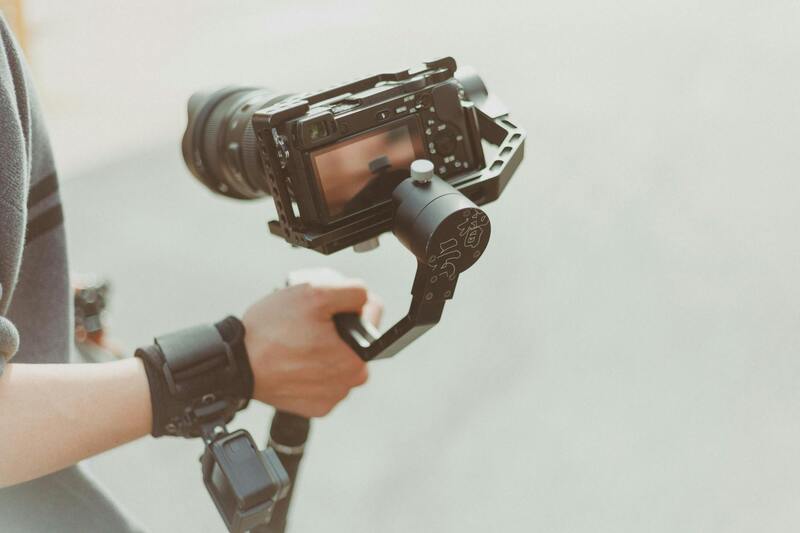
Investing in the appropriate equipment is fundamental to producing high-quality house photographs that captivate potential buyers and accurately showcase a property’s features. Professional-grade cameras with full-frame sensors are preferred for real estate photography, as they capture detailed, vibrant images even in challenging lighting conditions. This level of detail helps convey the true essence of the property, from spacious interiors to intricate architectural elements.
Wide-angle lenses are essential tools, allowing photographers to capture more of a room in a single shot, which is particularly beneficial for highlighting the size and layout of living spaces. These lenses help create a sense of openness and make interiors appear more inviting. Tripods are also vital, providing stability to avoid camera shake and ensuring crisp, sharp images—especially important when working in low-light settings.
Beyond cameras and lenses, professional lighting equipment can significantly enhance image quality. Portable, continuous lighting setups or external flashes with diffusers help illuminate dim areas, balance shadows, and produce evenly lit photographs that reflect real-life conditions. Drone technology has increasingly become a valuable asset for exterior shots, especially when capturing properties with expansive grounds, scenic vistas, or architectural features that benefit from aerial perspectives.
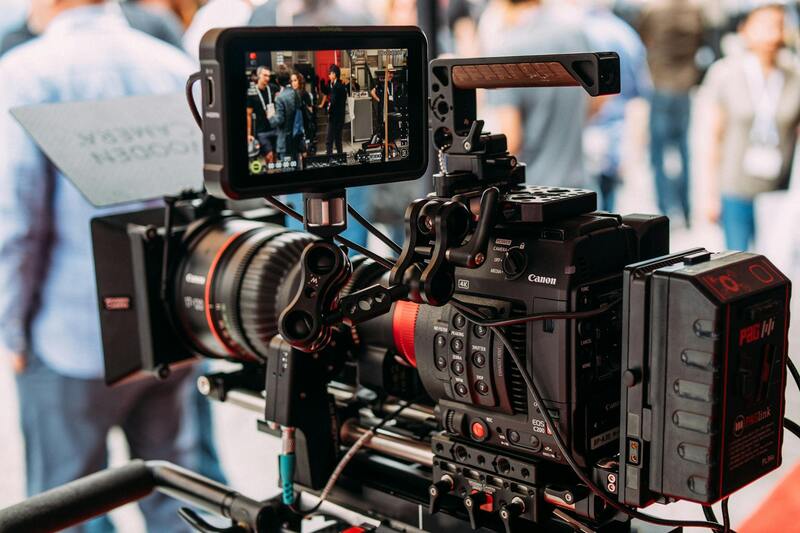
photographers should also utilize high-resolution memory cards and image stabilization tools to ensure seamless shooting sessions and maintain image clarity. Proper calibration of camera settings in line with natural lighting conditions maximizes image quality, enhancing both brightness and color accuracy. When selecting equipment, it’s essential to tailor tools to specific property features and the lighting environments typical of the Miami real estate market, ensuring images truly represent the property’s unique appeal.
Having the right gear not only streamlines the shooting process but also increases the likelihood of capturing professional-standard images that can set a property apart in a competitive market. For real estate professionals and property owners aiming to elevate their listings, partnering with experienced photographers equipped with state-of-the-art technology guarantees that every photograph maximizes visual impact.
Utilizing Official and Recognized Methods for House Photography
To achieve the highest quality in photographing houses, professionals rely on established techniques that have been refined through industry standards and best practices. These methods include meticulous planning, precise equipment use, and disciplined shooting strategies, all essential for capturing visually appealing and accurate representations of properties. When employing these official approaches, photographers focus on creating images that convey the true character of a home, appealing to prospective buyers and elevating marketing efforts.
One of the fundamental professional practices involves detailed planning prior to a shoot. This includes reviewing property layouts, understanding key features, and selecting the optimal times of day for natural lighting conditions. Photographers often walk through the property to identify vantage points that best showcase each room’s size, layout, and ambiance. This preparative step ensures that each shot is intentional and highlights the distinctive qualities of the house.
Equipment choice plays a significant role in combining professionalism with efficiency. Using high-resolution cameras with wide-angle lenses allows capturing both expansive interiors and detailed architectural elements. Tripods and stabilizers are standard to prevent blur and enhance image sharpness, especially in low-light settings. For exterior shots, drone photography offers an aerial perspective that can highlight property surroundings, landscaping, and proximity to amenities, all captured within legal flight parameters typically specified by local regulations.
Post-processing is equally important within professional guidelines, involving precise editing to correct lighting imbalances, enhance color accuracy, and ensure consistency across image sets. These adjustments are performed using recognized software tools, adhering to ethical standards that prevent alterations from misrepresenting the property's true appearance. This integrity maintains trust with clients and complies with the industry's established code of conduct.
Understanding and implementing these recognized methods ensures that house photography not only looks appealing but also maintains transparency and respect for all parties involved. By following time-tested techniques, real estate professionals and property owners can present their listings in a way that is both attractive and credible, reinforcing reputation and attracting serious buyers.
Legal and Ethical Considerations in House Photography
When engaging in house photography, it is essential to uphold principles that respect privacy, property rights, and truthful representation. To prevent misunderstandings or misrepresentations, photographers should obtain proper permissions before capturing images of private residences, especially in cases involving gated communities or private estates. Clearly communicating intentions and securing consent from property owners before a shoot ensures transparency and fosters trust. r>r> Photographers must also adhere to standard practices that preserve the integrity of the images. This includes refraining from manipulating photos in ways that alter the property's true appearance or conceal defects. Ethical editing involves adjustments that enhance lighting, color balance, and clarity without embellishing or concealing features to mislead viewers. r>r> Respect for privacy extends beyond the property itself. When photographing neighborhoods or surroundings, it is important to avoid capturing images that infringe on individuals' privacy or depict sensitive areas inadvertently. Using well-defined boundaries and respecting restricted zones helps maintain professional standards and fosters positive relationships within the community. r>r> For drone photography, complying with local flight regulations and respecting airspace restrictions are crucial. Ensuring that drone flights are conducted within permitted areas and altitudes minimizes disruptions and maintains safety protocols. r>r> Adherence to ethical standards in house photography not only safeguards the rights of property owners but also bolsters the credibility of real estate marketing efforts. This commitment to integrity assures potential clients and buyers that listings are an honest portrayal of the property's features, supporting transparency and fostering confidence in the transaction process.

Strategies for Capturing Accurate and Appealing Exterior Shots
For exterior house photography, achieving a balance between technical precision and aesthetic appeal is essential. Start with scouting the property at different times of the day to find optimal lighting conditions—usually during the golden hours just after sunrise or before sunset, when natural light provides a warm, inviting glow that highlights architectural details and landscape features.
Use wide-angle lenses to encompass the full scope of the property, including landscaping, driveway, and outdoor amenities. Proper framing is critical: ensure that the house is centered, with no distracting elements in the foreground or background. Pay attention to the horizon line and vertical lines, ensuring they are straight to avoid a skewed appearance that can diminish the viewer’s perception of the property’s stature.
When capturing exterior images, consider seasonal landscaping and potential day-to-day variations that could impact visual consistency. Stabilize the camera with a tripod to achieve sharp images, especially in lower light conditions or when using longer exposures. Bracketing exposures—taking multiple shots at different exposure levels—can also be beneficial for later blending in post-processing, ensuring all elements of the scene are properly exposed.
Employing Effective Interior Photography Techniques
Interior shots require meticulous planning to showcase the property's best features while maintaining a truthful representation. First, declutter the space to eliminate distractions, ensuring furniture and decor items are appealing but do not overshadow the architecture. Use natural light whenever possible, opening blinds and curtains to maximize sunlight ingress, which helps create a bright and welcoming atmosphere.
Artificial lighting can supplement natural light, especially in rooms with limited windows or during overcast days. Using softbox lights or LED panels can soften shadows and balance the light distribution, making interior spaces appear larger and more inviting. Shooting from multiple angles allows potential buyers to get a comprehensive view of each room, emphasizing spaciousness and flow.

Focus on vertical lines to avoid distortion, especially when using wide-angle lenses, and maintain consistent white balance settings to preserve true colors. Shooting in RAW format provides greater flexibility for post-processing adjustments, enhancing the overall quality and accuracy of the images. When possible, shoot using a tripod to maintain sharpness throughout the series of images and to enable seamless panoramas for expansive interior views.
Understanding the Impact of Composition and Perspective
Strong composition is paramount in house photography. Use the rule of thirds to place key architectural features and points of interest within the frame, guiding the viewer’s eye naturally across the image. Employ leading lines—such as pathways, fences, or interior architectural elements—to draw focus toward the property’s main features.
Different perspectives can significantly influence the perception of space and scale. Shooting from eye level provides a realistic view, while elevated angles—such as from a drone or ladder—can reveal more context or showcase outdoor surroundings comprehensively. Avoid exaggerated angles that can distort the property's true proportions or mislead viewers.
Enhancing Images with Proper Aperture and Focus
Utilize a narrow aperture (high f-number) to achieve a deep depth of field, ensuring that the entire scene—from foreground to background—is in sharp focus. This technique is especially useful in interior photography, where multiple elements need to be in clear view. Focus stacking, where multiple images are combined to extend focus, can also be employed for complex shots requiring maximum clarity.
Maintaining a consistent focal point across images helps create a cohesive visual narrative of the property. For exterior shots, focus on prominent features such as doorways, windows, or distinctive architectural details. In interior photography, focus on key areas like the kitchen island, fireplace, or panoramic windows to highlight the property’s main attractions.
Legal and Ethical Considerations in House Photography
Adhering to established standards and respect for privacy is essential when engaging in house photography for real estate purposes. Ensuring transparency with homeowners about the scope and purpose of the shoot fosters mutual trust. It is important to obtain explicit consent from property owners before capturing images, especially when photographing interior spaces that may contain personal belongings or private areas.
Respect for privacy extends to avoiding the inclusion of sensitive or personal items in photographs. When framing shots, consider angles that highlight the property's features without intruding on occupants' privacy. If neighbors or adjacent properties are visible, their privacy should be protected through careful composition or post-processing, where appropriate.
In addition to respecting personal privacy, adhering to local regulations related to drone photography is vital. Using drone equipment responsibly involves following guidelines that prevent unauthorized flights over private property or restricted airspace. This approach minimizes risks associated with aerial imaging and ensures compliance with regional standards.
When editing house images, there is an ethical responsibility to accurately represent the property. Avoid excessive retouching that might mislead potential buyers or clients regarding the property's true condition or features. Transparency in post-processing preserves the credibility and reputation of the photographer.
Professional conduct also includes maintaining proper documentation of permissions and approvals received prior to the shoot. This documentation can be valuable if questions arise concerning the scope of work or image usage rights, establishing a clear record of compliance.
Ensuring Accurate and Ethical Representation in Post-Processing
Post-processing plays a vital role in presenting a property at its best, yet it requires a careful balance to maintain authenticity. Photographers should focus on subtle enhancements that emphasize a home's strengths without creating misleading impressions. This includes adjusting brightness, contrast, color balance, and sharpness to accurately reflect the property's appearance. Over-editing, such as removing structural imperfections or significantly altering features, can compromise the integrity of the images and mislead potential clients.
Maintaining transparency through consistent editing styles helps build trust and ensures that prospective buyers receive a truthful depiction of the property. Photographers can utilize high-quality editing software to correct distortions and improve image clarity while adhering to a commitment to honesty in visual representation.
Best Practices for Image Consistency and Quality
- Use color correction and exposure adjustments uniformly across all photos to maintain a cohesive visual narrative.
- Avoid excessive HDR or over-sharpening, which can produce unnatural effects that detract from the property's true appearance.
- Employ perspective correction tools to ensure that vertical lines, such as walls and doorframes, remain straight and true.
- Crop images thoughtfully to eliminate distractions, emphasizing key features such as spacious rooms, unique architectural details, or scenic outdoor views.
- Ensure that images are high-resolution for detailed viewing, especially for online listings where potential buyers scrutinize every detail.
Storing and Managing Image Files
Organized digital asset management ensures that images are easily retrievable and consistent in application across marketing platforms. Properly labeled files and metadata enhance workflow efficiency, particularly when working with multiple listings. Standardized formats and resolutions help maintain quality when images are uploaded to various channels, from websites to print brochures.
Legal and Ethical Responsibility in Image Usage
Beyond editing, the ethical use of images involves respecting intellectual property rights, especially when incorporating elements such as branded content or copyrighted designs. Clear agreements and permissions should be in place regarding the usage rights of photographs, particularly if images are to be shared across multiple platforms or used in promotional campaigns. Ensuring compliance with these standards not only demonstrates professionalism but also helps foster trust with clients and stakeholders.
Finally, digital watermarks or other identification marks can be utilized to protect the ownership of high-quality images, thereby discouraging unauthorized use. The goal is to maintain a reputable portfolio rooted in truthful, respectful, and legally sound practices at every stage of the post-processing journey.
Ensuring Proper Use and Distribution of House Images
When it comes to showcasing residential properties through photographs, deploying images responsibly is paramount. High-quality photos serve as vital tools in captivating potential buyers and facilitating a swift sale. To maximize the impact, photographs should be consistently utilized across a variety of official marketing channels, including property listing websites, social media platforms, and printed brochures. This consistent application fosters brand recognition and reinforces the property's appeal.
Unlawful or inappropriate dissemination of images can undermine the trust and professionalism established. It is crucial to streamline workflows by establishing clear, formal agreements outlining the rights of usage for all visual content. These agreements should specify how images can be shared, modified, and repurposed, ensuring alignment with intended marketing strategies.
To safeguard the photographs, digital watermarks can be incorporated into the images. These serve as visual markers of ownership, deterring unauthorized use and ensuring that credit is appropriately attributed. Watermarking also helps differentiate authentic listings from potential imitations or unauthorized reproductions, maintaining the integrity of the property’s presentation.
When editing and enhancing photos, maintaining a balance between visual appeal and authenticity is essential. Over-editing can mislead viewers, potentially leading to dissatisfaction or disputes post-sale. The emphasis should be on preserving the true appearance of the house while accentuating its best features through subtle adjustments.
Furthermore, when sharing images across multiple platforms, it is important to adhere to technical specifications such as resolution, aspect ratios, and file formats. This ensures that the quality remains high and that images appear professional regardless of the viewing device or platform. Proper file management, including accurate metadata tagging and categorization, enhances searchability and facilitates efficient updates or revisions.
In the Miami real estate market, leveraging these legitimate and responsible methods for image use strengthens client relationships, builds trust, and positions real estate professionals as ethical, credible entities. It also minimizes the risk of conflicts related to image ownership while cultivating a reputable portfolio that clients and prospects can rely on.