Importance of Professional Real Estate Photography
In the competitive Miami real estate market, the presentation of a property can significantly influence its sale potential. High-quality real estate photography serves as the visual gateway that attracts potential buyers, making a compelling first impression that often determines whether an inquiry turns into a showing or an offer. In today’s digital-driven landscape, most buyers initiate their property search online, and listings with professional images tend to garner more attention, generate higher engagement, and result in quicker sales.
Investing in professional real estate photography ensures that each property’s unique features are showcased effectively. Expert photographers have the skills to highlight interior layouts, accentuate natural lighting, and capture appealing curb appeal, creating a real and enticing visual narrative. This type of imagery helps to elevate a property’s perceived value, encourages more visits, and ultimately improves the likelihood of closing a deal at optimal market value.
Furthermore, high-quality photography enhances credibility and trust with prospective buyers. Listings featuring clear, sharp, and well-composed images reflect a professional approach and attention to detail, crucial in establishing a positive perception in Miami’s dynamic real estate environment. As the market continues to evolve, leveraging superior images has become not just an aesthetic choice but a strategic necessity to stand out among numerous competing listings.
In essence, professional real estate photography acts as a vital marketing tool that enhances visibility, captures interests swiftly, and facilitates faster transactions. In the highly vibrant and diverse Miami market, where visual appeal directly influences sales performance, optimizing property imagery is an essential step to maximize listing effectiveness and reach the right audience more efficiently.

Key Elements of Real Estate Photography
To achieve impactful photography for real estate, certain elements must be prioritized. A well-balanced composition, optimal lighting, accurate color rendering, and strategic angles form the foundation of successful property imagery. Each of these aspects works together to present the space truthfully while highlighting its most appealing features.
Maintaining consistency across listings is also crucial, creating a cohesive visual branding for real estate agents and agencies. This consistency helps build trust and recognition among potential clients. Ultimately, mastering these key elements ensures that property images are compelling, professional, and aligned with market expectations, giving real estate professionals a competitive edge in Miami’s bustling real estate scene.
Choosing the Right Photography Equipment
Equipping oneself with professional-grade cameras and accessories is fundamental to capturing high-quality real estate images. DSLR and mirrorless cameras with full-frame sensors are preferred for their superior image resolution and low-light performance. These cameras allow photographers to produce detailed, vibrant photos that accurately showcase a property’s unique features.
In addition to camera bodies, selecting the appropriate lenses is critical. Wide-angle lenses, typically ranging from 14mm to 24mm, are ideal for interior shots, enabling photographers to capture entire rooms while maintaining an inviting perspective. Tilt-shift lenses can also be employed to correct distortion, ensuring straight lines and true proportions within images.

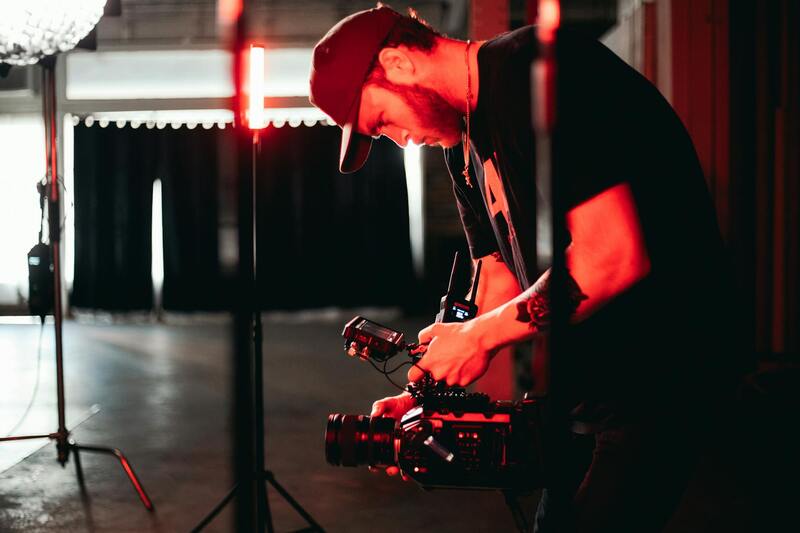
Stability is vital for crisp images, making the use of tripods an essential investment. Tripods help achieve steady framing, especially in low-light conditions, resulting in sharper images free of blurriness. Additionally, external flash units and reflectors can be used to control lighting, fill shadows, and enhance the visual appeal of both interiors and exteriors.
Lighting and Accessories
Proper lighting equipment, including portable light stands and LED panels, enhances both natural and artificial light sources. Strategic use of lighting ensures consistent brightness and color accuracy across all images, reducing the need for extensive post-processing.
Wireless remote controls and timers facilitate hands-free operation, allowing photographers to position themselves outside of the frame for perfect shots. The right equipment ensures that every angle and space is captured in its best light, delivering professional-quality imagery tailored to the specific needs of real estate marketing.
Best Practices for Shooting Property Interiors
Interior photography demands a systematic approach that emphasizes clarity, balance, and perspective. Preparing the space by decluttering and ensuring cleanliness creates a more welcoming environment in photos. Appliances and fixtures should be polished and positioned to reflect light optimally.
Using natural light whenever possible enhances the ambiance, but when required, supplemental lighting helps illuminate darker areas uniformly. Shooting during times of day when sunlight floods the space—such as late morning or early afternoon—can significantly improve image quality.
To achieve a balanced composition, photographers should employ the rule of thirds and pay close attention to vertical and horizontal lines, ensuring they remain straight to avoid a distorted appearance. Experimenting with different angles can reveal the most flattering views of each room, emphasizing spaciousness and architectural appeal.
Staging for Success
Strategic staging transforms empty spaces into inviting living areas. Neutral colors, minimal decor, and thoughtfully arranged furniture help showcase the size and potential of each room. Proper staging directs the viewer’s attention to the property’s key features, increasing its visual appeal.
Choosing the Right Photography Equipment
Investing in professional-grade cameras and lenses is essential for capturing the true essence of a property. DSLR or mirrorless cameras with high megapixel counts enable detailed, high-resolution images that highlight every feature of a home or commercial space. Prime lenses with focal lengths between 14mm and 24mm are popular choices for interior shots, as they allow wide-angle captures that make rooms appear more spacious without distortion.
In addition to cameras and lenses, the use of tripod stabilizers is crucial to maintain image sharpness and correct framing during shooting sessions. Remote shutter releases or timer functions minimize camera shake, ensuring crisp images essential for marketing materials. For exterior shots, drone photography equipment can also be effective in capturing expansive property boundaries and the surrounding neighborhood, adding a distinctive perspective to listings.

Best Practices for Shooting Property Interiors
An efficient approach to interior photography involves meticulous preparation and technical considerations. Begin by thoroughly decluttering spaces to eliminate distractions or visual clutter that could detract from the property’s features. Ensuring the space is clean and well-maintained naturally enhances the appeal of the images.
Lighting plays a vital role in interior photography. Natural light should be maximized by shooting during the day when sunlight floods the rooms, typically late morning or early afternoon. When natural light is insufficient, supplemental lighting—such as softbox lights or LED panels—can be used to evenly illuminate dark corners and eliminate harsh shadows.
Framing and composition are equally important. Use the rule of thirds to create visually engaging images, positioning key features along the grid lines. Maintaining vertical and horizontal lines straight is crucial to prevent distortion, especially in architectural features.
Experimenting with different vantage points can showcase the spaciousness and architectural details. For example, shooting from a corner angle can reveal the depth of a room, while elevated shots can emphasize ceiling height and design elements.

Capturing Exteriors and Curb Appeal
Exterior photography focuses on showcasing the property’s façade and surrounding landscape to create a strong first impression. Optimal lighting conditions are early in the morning or late afternoon when sunlight casts warm tones and long shadows, adding depth and texture to the images.
Wide-angle lenses capture the full scope of the property’s exterior, including driveways, gardens, and architectural details. Ensuring the shot is level and free from obstructions such as parked cars or utility poles is fundamental. Including elements like well-manicured lawns or blooming trees can enhance the property's curb appeal.
Utilizing drone photography augments traditional exterior shots, providing aerial views that display property size, fencing, fencing, and nearby amenities. Aerial images help potential buyers visualize the surrounding neighborhood and highlights of the property that ground-level shots may miss.
Post-Processing and Image Enhancement
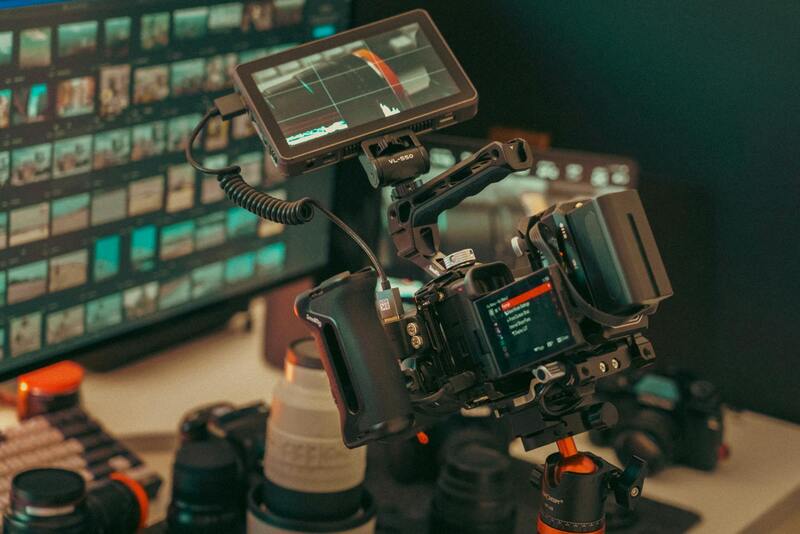
After capturing images, post-processing techniques refine the visual presentation. Adjustments to brightness, contrast, and color balance ensure the photos accurately represent the property's true appearance. Slight sharpening can enhance details, making interior features pop and exteriors appear vibrant.
Real estate photographers often employ techniques such as HDR (High Dynamic Range) imaging to balance exposure levels between darker and lighter areas, revealing details in shadows and highlights simultaneously. Correcting perspective distortions and straightening lines in editing software is also common to maintain architectural integrity.
Enhancing images with subtle touches—like removing minor distractions or adjusting the saturation—can make listings more appealing without misrepresenting the property. Consistent color grading across a series of images helps maintain a cohesive look for marketing materials.
Optimal Techniques for Shooting Property Exteriors and Enhancing Curb Appeal
Capturing compelling exterior shots requires a strategic approach that emphasizes the property's best features and highlights its unique character. Proper timing, lighting, and composition are essential to create images that resonate with potential buyers and convey the true essence of the property. During the golden hours—shortly after sunrise or before sunset—architectural details and landscaping can be illuminated with warm, natural light, adding depth and visual interest to the photographs.
When photographing exteriors, choosing the right angles is crucial. Wide-angle lenses can encompass the entire façade, driveway, or garden, providing a comprehensive view that captures the property's scale and landscaping. Positioning the camera at a height that showcases the property's key features—such as a landscaped front yard, inviting entryway, or outdoor living spaces—can significantly improve visual appeal.

Lighting conditions influence the mood and clarity of exterior images. Overcast days can provide soft, even light that reduces harsh shadows or reflections, whereas shooting during the early morning or late afternoon brings a warm glow that enhances the property's façade. Ensuring the lens is clean and correctly focused, combined with the proper exposure settings, results in sharp, vibrant images that accurately represent the property.
Exterior shots should also include surrounding features such as fencing, driveway, and nearby amenities to give buyers context about the property's location. Incorporating seasonal elements—like blooming landscaping or lush greenery—can further enhance visual interest and help prospective buyers envision living there year-round.
Applying Post-Processing Techniques for a Polished Look
Post-processing is a vital step in real estate photography, augmenting the original captures to create visually appealing images that entice viewers. Basic adjustments to brightness and contrast help to balance exposure, making details in both shadows and highlights more discernible. Correcting perspective distortions—common when using wide-angle lenses—ensures horizontal lines such as walls and fences appear straight, maintaining architectural integrity.
Color correction and saturation adjustments prevent images from looking overly processed while still boosting vibrancy to make homes appear warm and inviting. Removing minor distractions, like power lines or parked vehicles, in editing software allows the property to be presented in the best possible light without misrepresentation. Consistent color grading across a series of images creates a cohesive visual narrative, reinforcing branding and marketing efforts.
Maximizing Photography in Property Marketing and Listing Strategies
High-quality images serve as the cornerstone of effective property marketing. They are the first visual point of contact for prospective buyers browsing online listings. To maximize their impact, images should be optimized for different platforms, ensuring quick loading times and clear visuals across devices. Incorporating a diverse set of images—interior, exterior, aerial, and detail shots—provides a comprehensive view of the property, catering to varied buyer interests.
Additionally, strategic use of compelling visuals can enhance virtual tours, social media posts, and print marketing materials, creating a persuasive narrative around each property. Investing in professional real estate photography not only elevates the quality of listings but also establishes credibility and trust with potential clients.
Choosing a Miami-Based Real Estate Photography Service
When seeking expert assistance, selecting a Miami-based photography service ensures access to professionals familiar with local real estate trends and conditions. Local photographers are adept at capturing properties in ways that resonate with regional buyers and understand the nuances of Miami’s vibrant real estate market. Engaging a reputable service can lead to faster turnover times, increased online engagement, and higher sale prices, making it a valuable investment for real estate professionals looking to stand out in a competitive environment.
Utilizing Lighting and Composition Techniques to Enhance Property Images
Effective real estate photography relies heavily on mastering lighting and composition. Proper lighting ensures the property’s features are clearly visible and appear inviting to potential buyers. Utilizing natural light during the day, especially during the golden hour, can produce warm, appealing images that highlight a property's best features. For interior shots, supplementing with professional lighting equipment such as softboxes or strobe lights can eliminate shadows and provide even illumination, making interior spaces look more spacious and attractive.
In terms of composition, the rule of thirds remains a fundamental principle. Positioning key features along the gridlines guides the viewer’s eye across the image naturally. Leading lines, such as pathways or architectural lines, can draw attention to focal points, creating a sense of depth and perspective. Ensuring that the horizon is level and framing shots to exclude distracting elements enhances visual harmony and professionalism.
Implementing Post-Processing Techniques for Premium Visuals
Post-processing plays a vital role in elevating real estate images from good to exceptional. Advanced editing software allows professionals to correct color balance, adjust brightness and contrast, and remove imperfections such as dust spots or reflections. It’s important to maintain a natural look that accurately represents the property, avoiding over-editing that can create mistrust or false expectations.
High dynamic range (HDR) editing techniques can combine multiple exposures, ensuring details are visible both in the shadows and highlights. This is especially useful for capturing interior spaces with windows, where fiancial lighting can vary significantly. Additionally, subtle enhancements to sharpness and clarity can make images stand out in online listings, social media posts, and promotional materials.
Establishing Consistency Across Your Portfolio
Consistency in style and quality across all property images reinforces brand professionalism. Developing a standardized shooting and editing approach ensures that every listing reflects a cohesive visual identity, which builds trust with clients and buyers alike. This includes adhering to specific color correction standards, framing techniques, and lighting protocols tailored to the Miami real estate market.
Investing in ongoing training for photographers or partnering with a dedicated real estate photography service in Miami can streamline this process. Ensuring uniformity not only enhances marketing efforts but also simplifies the management of large property portfolios, facilitating a more efficient workflow and quicker turnaround times.
Effective Post-Processing Techniques to Enhance Real Estate Images
Once a property has been captured through high-quality photography, the post-processing phase becomes essential in optimizing images to attract potential buyers. This stage entails meticulous editing that enhances visual appeal while preserving the authentic look of the property, thereby fostering trust and transparency with viewers.
Color correction is a fundamental step, ensuring that the hues in the images accurately reflect the real environment. Subtle adjustments to white balance help neutralize unwanted color casts caused by artificial lighting or camera settings, resulting in images that truly represent the property's aesthetic. Brightness and contrast adjustments further improve visibility of details, especially in areas that may appear underexposed or overexposed during the shoot.
Sharpness and clarity enhancements, such as refining edges and accentuating textures, contribute to the crispness of images, making interior and exterior spaces more enticing. When applying these edits, it’s crucial to avoid overprocessing, which can lead to unnatural results and mislead viewers about the property's true condition. Properly balanced editing reinforces the property's best features without compromising its authenticity.
Another valuable technique involves the use of high dynamic range (HDR) processing. Combining multiple exposures allows details to be visible in both shadowed and brightly lit areas, producing balanced images that mirror how the eye perceives the space. This is particularly effective for interiors with large windows or contrasting lighting conditions within a single scene.
Furthermore, perspective corrections and lens distortion adjustments can rectify skewed lines and shapes, especially prevalent in wide-angle lens usage. These corrections contribute to professional-looking images that accurately portray the property's proportions and spatial relationships.
Consistent application of these post-processing techniques across a property’s image portfolio not only enhances individual listings but also reinforces a cohesive visual brand. This consistency is key to establishing credibility and attracting discerning clients seeking integrity in property presentation.
Using Photography Insights to Drive Marketing Strategies
High-quality real estate images serve as powerful marketing tools, elevating online listings and promotional materials. When submitted to MLS platforms, social media channels, or personal real estate websites, professionally processed photos can significantly improve engagement metrics, such as click-through rates and inquiry volumes. Visuals that highlight a property’s unique features attract qualified buyers and reduce the time a listing remains active.
Data-driven marketing also involves analyzing the performance of photos to identify which styles and angles resonate most with target audiences. This feedback loop informs future shooting and editing approaches, allowing real estate professionals to refine their presentation techniques continually.

Enhancing Property Appeal Through Strategic Photography
Capturing compelling images that highlight a property’s strengths is essential for engaging potential buyers. When photographing a property, it is important to consider lighting, angle, and composition to create visually appealing images that evoke a sense of space and comfort. Utilizing natural light during daytime hours helps to produce brighter, more inviting visuals, while supplementary lighting can be employed to eliminate shadows and evenly illuminate interiors.
Furthermore, adopting a systematic approach to framing each shot ensures that each image tells a coherent story about the property. Shooting from optimal vantage points allows for the display of key features, such as an elegant kitchen, spacious living areas, or scenic outdoor views. Including wide-angle shots can help accentuate the size of rooms, making spaces appear larger and more attractive to prospective buyers.
To effectively market properties, integrating a diverse set of images—covering interior details, exterior views, and neighborhood amenities—creates a well-rounded presentation. A balanced mix of wide shots and detailed close-ups can help convey the property's full potential, enabling viewers to envision living in the space and understanding its unique characteristics.
Understanding the Role of Viewpoint and Composition
- Viewpoint selection: Experimenting with different angles can uncover the most flattering perspective for each room and exterior aspect.
- Rule of thirds: Applying this compositional principle enhances visual interest and directs attention to key features.
- Leading lines: Utilizing architectural elements such as hallways, staircases, or outdoor pathways guides viewers’ eyes deeper into the image.
Investment in high-quality photography not only showcases a property effectively but also demonstrates professionalism and attention to detail. When images accurately reflect the property’s condition and features, it builds trust with prospective buyers, reducing the likelihood of misunderstandings or mismatched expectations.
Utilizing Advanced Equipment for Superior Results
Employing specialized gear, such as drone cameras and panoramic rigs, can expand the scope of property presentation. Drones provide striking aerial views of the exterior and surrounding environment, offering perspectives that ground photography cannot capture. Panoramic and 360-degree cameras facilitate virtual tours, immersing potential buyers in the property remotely and boosting interaction rates.

Maintaining high standards in equipment and technique ensures consistency in image quality, reinforcing the professionalism of your real estate marketing efforts. Properly processed photos, which are crisp, well-lit, and color-accurate, attract more inquiries and foster faster sales cycles. Adopting such practices demonstrates a commitment to excellence that appeals to discerning clients seeking reliable and attractive property presentations.
Effective Strategies for Showcasing a Property’s Exterior and Curb Appeal
Highlighting exterior features and enhancing curb appeal is essential in real estate photography. First, opt for optimal lighting conditions, preferably during the golden hour—shortly after sunrise or before sunset—when natural light is warm and soft, reducing harsh shadows and creating inviting imagery. This approach accentuates the property’s best features and makes the environment more appealing to potential buyers.
Positioning the camera at strategic angles is crucial. A slightly elevated vantage point often provides a comprehensive view of the front yard, driveway, and house façade. Emphasize unique architectural details, landscaping elements, and outdoor amenities like patios, decks, or pools. Including well-maintained pathways and lush greenery can significantly boost the visual attractiveness of the property.
Post-Processing and Image Enhancement
Refined post-processing techniques are instrumental in delivering polished and compelling property images. Adjustments should include correcting exposure for balanced brightness, enhancing contrast to deepen visual impact, and refining color saturation to ensure the property’s hues are true to life. It’s vital to retain natural lighting and avoid over-editing, which can mislead viewers and diminish trust.
Removing distracting elements, such as debris or clutter within the frame, improves focal clarity. Correcting lens distortions ensures architectural lines remain straight, preserving spatial accuracy. Incorporating subtle retouching to enhance textures and details can make images more vibrant without compromising authenticity.
Consistency across all photos used in listings fosters a professional appearance, reinforcing the property’s appeal. High-quality, well-edited images can significantly increase engagement rates on online platforms, accelerating the sales process.
Leveraging Photography for Effective Marketing and Listing Optimization
Professional property images serve as the cornerstone of compelling marketing campaigns. They should be strategically incorporated across various channels—MLS listings, social media, and real estate websites—to attract targeted buyer interests. Well-composed photographs capture emotional appeal, evoke a sense of home, and draw viewers into the property’s narrative.
Complementing images with detailed descriptions and virtual tours elevates prospective buyers’ experience, providing a holistic view of the property. High-resolution visuals establish credibility, demonstrate professionalism, and set your listings apart in competitive markets like Miami.
Furthermore, integrating aerial shots and 3D walkthroughs into your marketing strategy can maximize visibility and engagement. A consistent visual identity across all marketing material strengthens brand recognition and reassures clients of your commitment to excellence in real estate representation.