Importance of High-Quality Real Estate Photos
In the competitive Miami real estate market, the visual presentation of a property significantly influences its appeal and perceived value. High-quality professional photography serves as the primary tool in showcasing a property’s best features, capturing the attention of potential buyers instantly. When images are clear, well-lit, and expertly composed, they create a compelling narrative that encourages viewers to explore further.
Effective real estate photographs not only attract more inquiries but also foster greater engagement online, where most property searches begin. Buyers often form their initial impressions based solely on the photos they see in listings. Poorly taken images, by contrast, can discourage interest, regardless of a property's true potential. Conversely, professional photos convey a sense of quality and trustworthiness, making the listing stand out in a crowded marketplace.
By emphasizing the property's unique attributes—such as spacious interiors, desirable outdoor living spaces, scenic views, or modern upgrades—professional photography can significantly enhance perceived value. The impact of high-caliber images extends beyond initial interest, influencing buyer confidence and their willingness to negotiate. Moreover, listings with professional photos tend to receive more views and higher engagement rates, which often translate into quicker sales and better sale prices.
In the intertwining worlds of digital marketing and real estate sales, images act as the first point of contact. They set the tone for the entire selling process and can ultimately determine the success of a property sale. For Miami property owners and agents seeking to maximize their selling potential, investing in professional photography is a strategic choice that offers measurable advantages.

Key Elements of Effective Real Estate Photography
Achieving compelling property images requires a meticulous approach that incorporates several fundamental elements. These elements work synergistically to highlight a property's strengths and create an inviting, accurate representation for potential buyers. Among the most critical aspects are lighting, composition, and staging, each playing a vital role in crafting high-impact visuals.
Optimal Lighting Techniques
Lighting is the foundation of striking real estate photos. Professional photographers employ natural light whenever possible, scheduling shoots during times of day that maximize daylight and minimize shadows. In interior spaces, they often use supplemental lighting—such as diffused flash or continuous lights—to evenly illuminate rooms, reduce dark spots, and accentuate architectural features. Proper lighting ensures the true colors of a property are captured accurately, which helps prospective buyers develop a realistic expectation of the space.
Strategic Composition
Effective composition guides the viewer’s eye through the images and emphasizes the property’s best features. Photographers utilize techniques like the rule of thirds, leading lines, and framing to create balanced and engaging images. Wide-angle lenses are commonly used to showcase room dimensions, giving a sense of spaciousness that might not be as apparent in narrower shots. Proper perspective and careful framing ensure that each photo provides a comprehensive understanding of the property's layout and flow.
Staging and Decluttering
Staging plays a significant role in enhancing visual appeal. High-quality photographs often feature well-arranged furniture, tasteful décor, and clutter-free environments that allow potential buyers to envision themselves living in the space. While professional photographers focus on capturing the space as it is, they also work with real estate agents and homeowners to suggest minor improvements or staging adjustments that can make a notable difference in photographs.

Additional Considerations
Beyond fundamental elements, attention to detail—such as ensuring windows are clean, avoiding items that distract from the main focus, and capturing multiple angles—is essential for creating a comprehensive set of images. Each shot should be purposefully chosen to showcase the property's most appealing aspects without misleading viewers.
Technical Precision
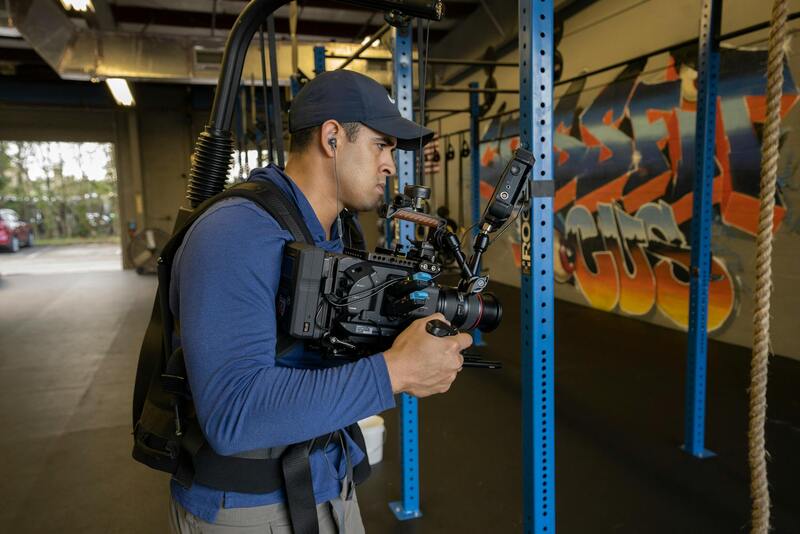
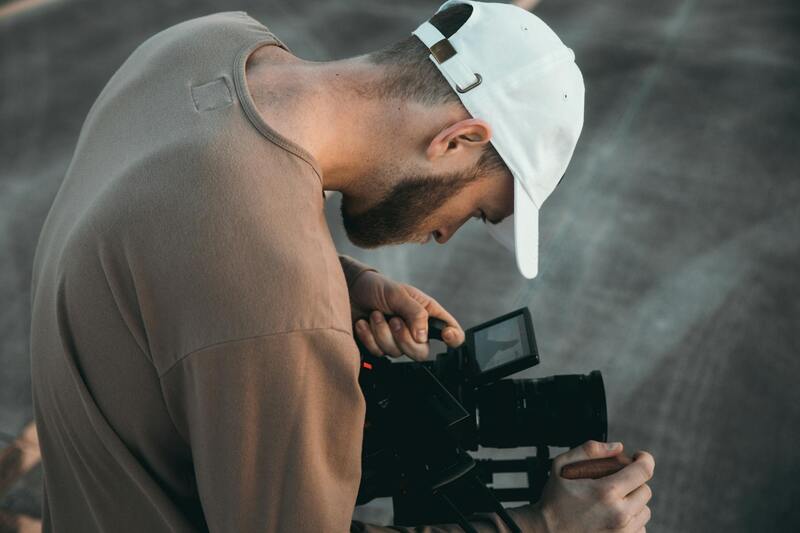
Professionals also invest in high-quality equipment, including DSLR or mirrorless cameras, wide-angle lenses, and stability gear such as tripods. Post-processing techniques, including color correction and minor retouching, are used to enhance images further without altering the authentic appearance of the property. This blend of technical mastery and artistic sensibility ensures that every photo enhances the property's appeal while maintaining honesty in representation.
Techniques and Equipment for Real Estate Photography
Executing high-quality real estate photography demands a combination of advanced techniques and specialized equipment. Professional photographers utilize equipment such as DSLR or mirrorless cameras equipped with high-resolution sensors to capture detailed images that accurately represent the property's features. Wide-angle lenses are essential in this genre, allowing for the inclusion of more space within a single frame and creating a sense of openness that appeals to potential buyers.
Tripods are vital for maintaining stability during shots, especially in interior spaces where natural light may be limited or in low-light conditions. To ensure crisp, clear images, photographers often shoot in RAW format, which preserves maximum image detail and allows for extensive post-editing. Proper camera settings—such as optimal aperture for depth of field, balanced ISO to prevent noise, and appropriate shutter speeds—are carefully calibrated to yield striking images without introducing distortion.
Lighting plays a pivotal role in this process. While natural light is preferable, professional photographers often supplement it with portable lighting equipment, including strobes or softboxes, to evenly illuminate darker areas and eliminate harsh shadows. Reflectors are also used to bounce light into shadowed corners, softening the overall look and emphasizing space and features effectively.
Post-processing remains an integral step in the professional real estate photography workflow. Skilled editing includes color correction to reproduce true-to-life hues, perspective adjustments to maintain accurate room dimensions, and minor retouching to remove distractions or imperfections. These enhancements serve to present the property in its best light without compromising honesty or authenticity.
Optimizing Photos for Online Listings
Once high-quality images are captured, the next step involves optimizing them for online platforms. This process extends beyond simple resizing; it requires strategic adjustments to ensure images load quickly without sacrificing visual fidelity. Techniques such as compressing files while maintaining resolution are standard practices to improve website performance.
Images should be tailored for various devices, ensuring they appear sharp and inviting on both desktops and mobile screens. Implementing a consistent style across all photos helps establish a professional and cohesive listing presentation. Incorporating targeted metadata, such as descriptive file names and alt text, can further enhance search engine visibility, making it easier for potential buyers to discover the listings.
Quality images early in the listing process significantly influence user engagement. Bright, well-composed photos that highlight key features—like spacious living areas, modern kitchens, or scenic views—capture attention quickly and foster a greater desire to explore the property further.
Legal and Ethical Considerations in Real Estate Photography
In the competitive real estate market of Miami, presenting a property through compelling visuals requires adherence to established guidelines that respect both ethical standards and industry best practices. Professionals committed to showcasing homes accurately understand the importance of honest representation, ensuring that all photographs reflect the property's true features without distortion or exaggeration. This commitment fosters trust between sellers and potential buyers, facilitating smoother transactions and safeguarding the integrity of listings.
One vital aspect involves avoiding deceptive practices such as altering images in a way that misleads viewers about the property's size, layout, or condition. While enhancements like color correction and retouching are common for aesthetic improvement, they should never distort the actual characteristics of the property. Clear distinctions between original and edited images serve to maintain transparency, allowing prospective buyers to make informed decisions based on truthful visuals.
The ethical approach extends to obtaining necessary permissions before photographing certain elements within a property, especially in cases involving shared spaces or personal items that may have privacy implications. Respecting privacy rights and obtaining homeowner consent prevent misunderstandings and uphold professionalism throughout the process.
Moreover, professionals should be meticulous about representing fixtures, furnishings, and outdoor features accurately, ensuring that the images align with the property's actual state. This practice minimizes the risk of lowering buyer expectations and helps avoid disputes or disappointments after viewing the property.
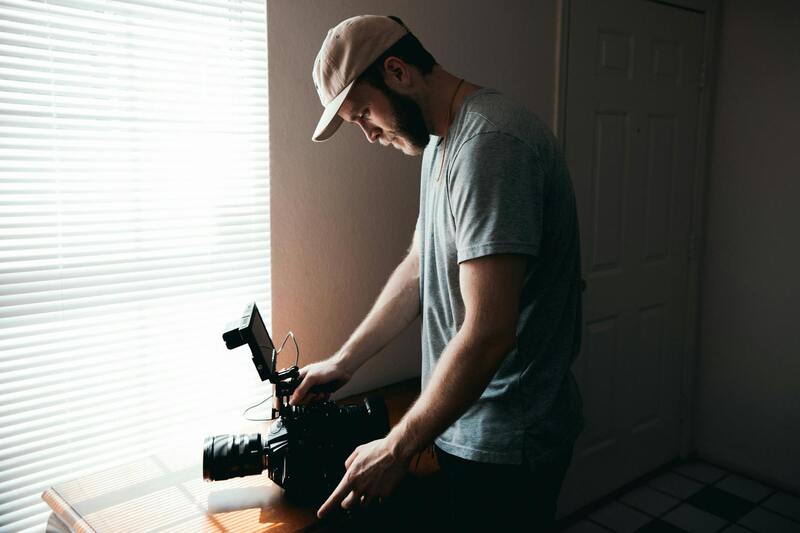
In Miami’s dynamic environment, leveraging ethical photography practices not only boosts a property's appeal but also reinforces the reputation of the listing agents and photography professionals involved. The integration of accurate, high-quality visuals combined with ethical standards ensures a seamless and trustworthy experience for all parties, ultimately contributing to more successful and satisfying property transactions.
Legal and Ethical Considerations in Real Estate Photography
When engaging in professional photography for selling a house, adherence to established guidelines and respectful practices is essential to maintain integrity and foster trust with prospective buyers. Photographers must ensure that all images genuinely reflect the property's current condition, avoiding any alterations that could mislead viewers. This commitment to accuracy preserves transparency and supports informed decision-making by potential purchasers.
Obtaining explicit permission before photographing spaces or elements that might involve personal or shared areas respects privacy rights and illustrates professionalism. Clear communication with homeowners about the scope of the shoot, including the areas to be captured and the intended use of the photographs, helps prevent misunderstandings and potential conflicts. Both photographers and agents should document consent, especially when photographing interior details or personal belongings.

Photographers also bear the responsibility of representing fixtures, furnishings, and outdoor features accurately. This includes depicting the property in its true condition, avoiding exaggerated angles or post-processing that could alter the image's reality. Such honesty not only builds credibility but also reduces the risk of buyer dissatisfaction after a viewing.
In Miami’s competitive real estate market, where first impressions are vital, employing truthful, high-quality visuals demonstrates professionalism and fosters buyer confidence. Ethical practices in photography serve as a cornerstone for maintaining industry standards and ensuring fair transactions. They can significantly influence the trustworthiness of listing agents and photographers, ultimately promoting sustainable business relationships and successful sales outcomes.
Legal and Ethical Considerations in Real Estate Photography
When engaging in professional photography for selling a house, adherence to established guidelines and respectful practices is essential to uphold the integrity of the listing process. Proper protocols not only ensure that property owners feel comfortable during the photography session but also maintain a trustworthy relationship between all parties involved. This involves securing appropriate permissions before capturing images, especially when photographs include private areas, personal belongings, or shared communal spaces. Clear and transparent communication about the intent and scope of the photography helps set expectations and prevents misunderstandings.
Photographers must also accurately represent the property’s features without resorting to misleading angles, lighting enhancements, or post-processing techniques that could distort reality. A truthful portrayal ensures buyers receive a genuine impression of what to expect, thus fostering transparency and trust. It is also crucial to respect the rights of tenants or residents, particularly in rental properties or multi-unit buildings, by obtaining consent prior to shooting. Respect for privacy continues after the shoot, with careful handling of images, especially when they depict sensitive details or personal items.
In Miami’s vibrant and competitive market, employing images that honestly reflect a property’s condition enhances credibility and strengthens the reputation of listing agents and photographers. This approach encourages prospective buyers to make informed decisions, reducing the chances of dissatisfaction or dispute post-sale. When photos are created with integrity, they serve as a foundation for a professional and respectful real estate business environment—one that values transparency and complies with industry norms designed for fair and successful transactions.
Having a clear understanding of property rights, privacy concerns, and professional standards ensures that the photography process aligns with the expectations of homeowners and potential buyers alike. Implementing these practices enhances the overall quality of the listing and promotes a sustainable, positive relationship with clients. Moreover, consistency in upholding these principles helps elevate the industry standard, setting a benchmark for ethical real estate marketing across Miami.
Strategies for Promoting High-Quality Property Images
Maximizing the impact of professional real estate photography involves integrating these images seamlessly into a comprehensive marketing plan. This ensures that the high-quality visuals reach the target audience effectively and generate the desired interest in the property. A strategic approach includes several key tactics:
- Consistent Branding: Incorporate branding elements, such as logos or brand colors, into online listings and promotional materials to build recognition and trust. Well-branded images help distinguish your listings from competitors and reinforce your reputation for professionalism.
- Optimized Listing Presentation: Use high-resolution images as the primary visual component in online property listings. Pair these images with compelling descriptions and accurate property details to create a persuasive narrative that encourages inquiries and viewings.
- Social Media Campaigns: Leverage platforms such as Instagram, Facebook, and LinkedIn to showcase the property's best images. Targeted advertising can further enhance reach, attracting local and international buyers interested in South Florida real estate.
- Virtual Tours and 3D Video: Incorporate professional photos into immersive virtual tours or 3D walkthroughs. These innovative tools allow potential buyers to experience the property remotely, increasing engagement and reducing time spent on physical viewings.
- Email Marketing: Send targeted email campaigns featuring striking images to prospective buyers, real estate investors, and previous clients. Well-crafted emails with high-quality visuals can boost response rates and generate leads.
- Print Marketing Materials: Utilize professional photos in brochures, postcards, and flyers for open houses and direct mail campaigns. Tangible marketing materials capture attention and provide a lasting visual impression.
Measuring Success and Adjusting Strategies
To assess the effectiveness of your marketing efforts, track key metrics such as online engagement, inquiry rates, and the speed at which listings sell. Analyzing data enables real estate professionals to refine their strategies continually, emphasizing tactics that result in higher visibility and faster sales. Regularly updating visuals, especially when property features change or improvements are made, keeps listings fresh and appealing.

Legal and Ethical Considerations in Real Estate Photography
When utilizing professional photography to market real estate, adherence to established standards ensures a transparent and trustworthy presentation of the property. It is essential to obtain proper permissions from property owners or stakeholders before capturing images, especially when photographing interior spaces that may contain personal or proprietary information. Ensuring accurate representation of the property, without altering or enhancing images in a way that misleads potential buyers, maintains integrity within marketing efforts.
Employing techniques such as avoiding over-staging or excessive digital enhancements guarantees that images reflect the actual condition of the property. Photographers should be knowledgeable about industry best practices regarding lighting, angles, and editing to produce compelling yet authentic visuals. Moreover, disclosing any digital modifications, such as photo editing or retouching, fosters credibility and aligns with ethical standards.
Maintaining Consistency and Transparency in Visual Content
- Use consistent shooting angles and lighting conditions across all images to provide a clear, cohesive view of the property.
- Highlight key features accurately to avoid misleading potential buyers about the property's size, layout, or condition.
- Update images promptly when significant changes occur, such as renovations or repairs, ensuring prospective buyers see current visuals.
Respecting Privacy and Confidentiality
Professional real estate photography should always respect the privacy of current occupants and neighbors. This involves avoiding capturing identifiable information, personal items, or private areas unless explicitly permitted. When photographing shared spaces or exterior views that include neighboring properties, careful consideration should be given to avoid infringing on others' privacy rights.
Adherence to Regional Regulations and Standards
Different municipalities or housing authorities may have specific policies regarding photography and marketing. Familiarity with local guidelines ensures compliance and prevents potential disputes or misunderstandings. This includes respecting signage laws, drone usage regulations for aerial shots, and restrictions on photographing certain properties or sensitive areas.