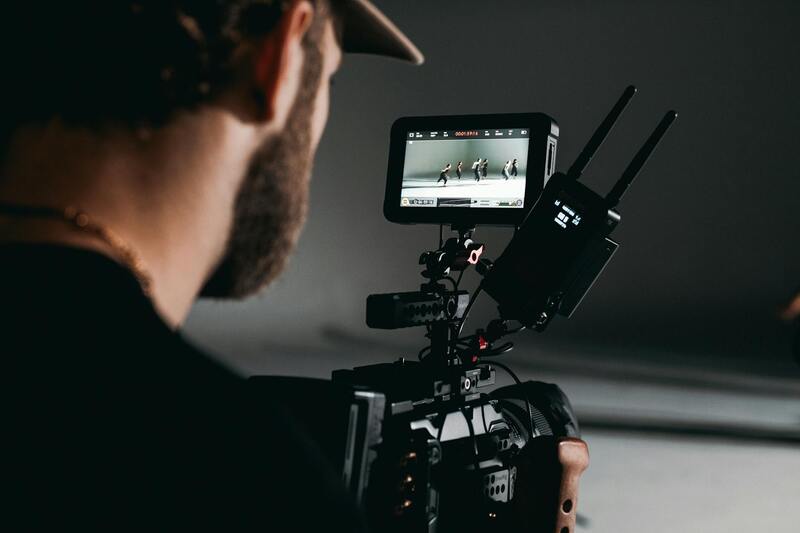
Importance of High-Quality Photography in Real Estate
In the competitive Miami real estate market, the visual presentation of a property significantly influences buyer interest and engagement. High-quality photography serves as the foundation for compelling property listings, enabling potential buyers to appreciate both the aesthetic appeal and key features of a home without physically visiting the site. Professional images communicate trustworthiness and attention to detail, setting listings apart in an overcrowded marketplace. When prospective buyers browse online platforms, first impressions are driven largely by visuals; therefore, clear, well-composed, and vibrant photographs enhance a property’s perceived value and entice viewers to explore further.
The effectiveness of real estate photography extends beyond mere aesthetics. It impacts how quickly properties sell, often reducing the time on the market. Listings with superior images tend to generate more inquiries, demonstrate professionalism of the agent, and facilitate a faster transaction process. This is especially relevant in Miami, where diverse architectural styles and vibrant neighborhoods require images that accurately reflect the unique character of each property. High-resolution images capture intricate details, showcasing craftsmanship, interior design, and exterior landscaping that appeal to prospective buyers’ desires and expectations. Ultimately, investing in professional photography translates into increased visibility, credibility, and sales success for real estate agents.
Why Professional Photography Is Indispensable for Real Estate Success
- Creates a strong first impression that captures attention among numerous listings.
- Highlights the property’s best features and eliminating unappealing angles or distractions.
- Reinforces the professionalism and reliability of the real estate agent.
- Enhances online visibility through optimized images that perform well across various platforms.
- Facilitates a storytelling approach by showcasing a property’s unique lifestyle opportunities.
In essence, stunning images function as a strategic marketing tool that distinguishes a property, attracts serious buyers, and ultimately shortens the sales cycle. For Miami real estate professionals, where aesthetics and location synergize, investing in expert photography is a crucial step toward success in property promotion.
Key Features of Effective Real Estate Photos
Establishing standout real estate photography begins with understanding the key elements that contribute to compelling images. These components work together to showcase the property’s best attributes while capturing the attention of potential buyers in a competitive market.
- Lighting: Natural light is paramount in producing bright, inviting images. Utilizing optimal lighting conditions enhances the visibility of space, highlights architectural features, and accurately depicts colors. Professionals often employ reflectors and diffusers to manage shadows and ensure even illumination, especially in spaces where natural light is inadequate.
- Angles: Choosing the right camera angles can dramatically influence a property’s perceived size and appeal. Wide-angle lenses are instrumental in capturing more of a room in a single shot, making spaces appear larger and more open. Strategic positioning minimizes distortions and emphasizes the most attractive aspects of each area.
- Staging: Proper staging involves arranging furniture, decor, and accessories to highlight a property’s potential and create a welcoming atmosphere. Professional photographers coordinate with stagers or property managers to ensure each space appears tidy, balanced, and appealing from various perspectives.
- Composition: Attention to composition aligns elements within the frame to guide the viewer’s eye through the image. This involves balancing foreground and background elements, ensuring lines lead toward focal points, and avoiding clutter that detracts from the main features.
- Post-processing: Skilled editing enhances images without overdoing it. Adjustments focus on color correction, contrast, and sharpness to produce polished photos that accurately reflect the property while maintaining authenticity.
Select the Right Photography Style and Equipment
The choice of style and gear significantly impacts the effectiveness of real estate images. Contemporary styles often favor bright, clean visuals that emphasize spaciousness and modern finishes. For historic or unique properties, a more cinematic or detailed approach might better capture character and craftsmanship.
Professional photographers utilize advanced equipment such as high-resolution DSLR or mirrorless cameras, wide-angle lenses, and drone technology for aerial shots. These tools enable capturing high-detail images and dynamic perspectives that elevate a property’s visual storytelling.
The Role of Interior and Exterior Photos in Marketing
Interior photos serve as the centerpiece of real estate marketing, illustrating the flow, design, and functionality of each space. High-quality interior images help buyers visualize living experience, fostering emotional connections with the property. Exterior shots, on the other hand, emphasize curb appeal, landscaping, and the property’s relationship with its surroundings.
Compelling exterior images often include well-timed shots during golden hour, capturing warm lighting and scenic backgrounds. Meanwhile, interior photos should highlight key rooms such as the living area, kitchen, master bedroom, and bathrooms, ensuring each shot reflects the property in the best possible light.
Effective marketing combines both interior and exterior visuals to present a comprehensive view of the property, guiding potential buyers through an engaging virtual tour that encourages further inquiry.
Choosing the Appropriate Style and Equipment for Real Estate Photography
When selecting the style of real estate photography, it is essential to consider both the property’s unique features and the target audience. A clean, modern aesthetic with bright, balanced lighting tends to appeal broadly, highlighting the space's openness and workflow. For luxury properties or historical homes, a more refined and detailed approach may be optimal, utilizing techniques that emphasize craftsmanship and distinctive architectural elements. An artistically lit image can evoke emotion, while a straightforward shot prioritizes clarity and honest representation.
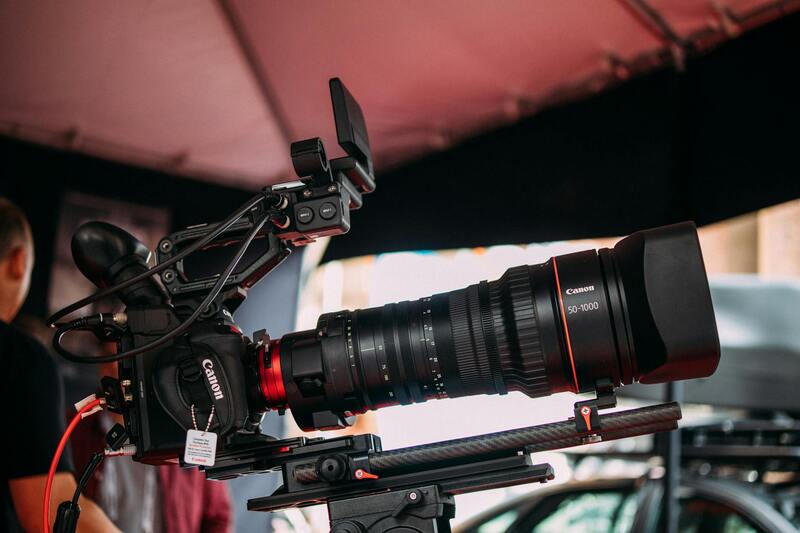
To achieve superior results, professional real estate photographers rely on specialized equipment that ensures high-quality images under various conditions. The cornerstone is a high-resolution DSLR or mirrorless camera capable of capturing intricate details. Wide-angle lenses are indispensable for interior shots, allowing viewers to appreciate the full scope of a room without distortion. When photographing exteriors, particularly expansive landscapes or intricate landscaping features, telephoto lenses can provide compelling perspectives.
Drone technology plays a significant role in capturing striking aerial views, illustrating property size, layout, and surrounding area that ground-level shots cannot reach. These elevated perspectives enhance the listing’s appeal by offering a comprehensive understanding of the property’s context within its neighborhood.
Lighting equipment also contributes heavily to the final quality. Professional photographers often employ external flashes, reflectors, and diffusers to ensure evenly lit spaces, eliminating shadows and highlighting architectural details. In exterior photography, timing shots during golden hour—shortly after sunrise or before sunset—can significantly improve the ambiance, casting warm, inviting light over the property.
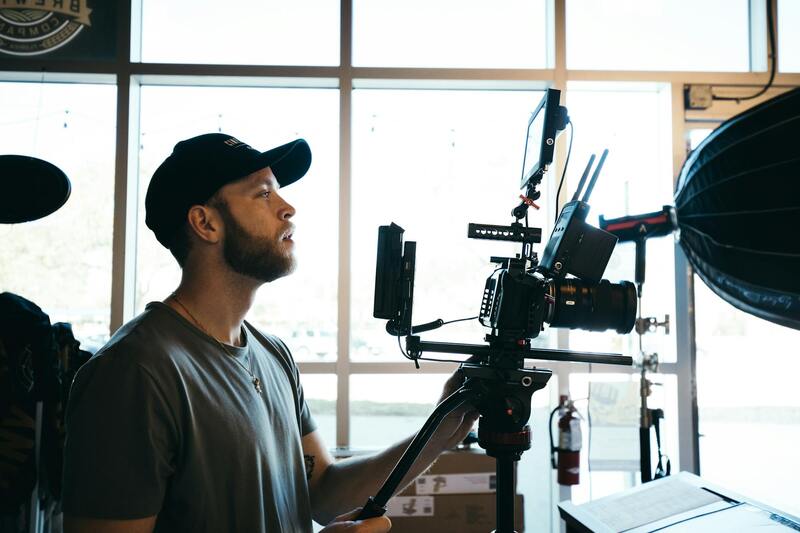
Importance of High-Quality Photography in Real Estate
In the competitive landscape of real estate, the visual presentation of a property can significantly influence potential buyers' perceptions and decisions. High-quality photography acts as an essential communication tool that effectively showcases the property's best features and creates an emotional connection with viewers. Clear, sharp, and professionally composed images can highlight intricate architectural details, spacious interiors, and well-maintained exteriors, making listings stand out in crowded marketplaces.
When prospective clients browse online listings, their initial impression is often based solely on the quality of photos. Well-executed images reduce doubts and increase confidence in the property’s value, encouraging viewers to schedule physical visits. Moreover, professional photos foster trust in the real estate agent or agency, reinforcing their commitment to presenting properties accurately and attractively. This trust translates into faster sales cycles, higher closing prices, and an overall reputation for excellence within the market.
In addition to attracting more interest, high-quality real estate images optimize the impact across various digital channels, including social media, email marketing campaigns, and property portals. Consistency in visual quality also aids in building a recognizable brand identity that appeals to discerning clients seeking premium services. Ultimately, investing in impressive photography is a strategic move to differentiate listings, elevate a property’s market value, and achieve a more favorable return on investment.

Key Features of Effective Real Estate Photos
Achieving impactful real estate imagery requires attention to specific features that resonate with viewers and accurately represent the property. The primary attributes of effective real estate photography include proper lighting, composition, and perspective.
- Lighting: Adequate lighting ensures spaces appear bright, inviting, and true to life. It combines natural light during the day with professional lighting equipment to eliminate shadows and highlight architectural details.
- Wide-Angle Lenses: These lenses allow photographers to capture more of a room in a single shot, emphasizing space and flow. They should be used judiciously to avoid distortion that can mislead viewers about room dimensions.
- Composition: Proper framing involves positioning the camera to emphasize the property's best features while avoiding clutter or distractions. Symmetry and leading lines guide viewers’ eyes toward focal points.
- Perspective: Shooting from eye level provides a natural view, while exterior shots benefit from elevated angles that reveal landscape and neighborhood context. Consistent perspective across images maintains visual coherence.
- Post-Processing: Subtle adjustments to brightness, contrast, and color balance can enhance images without misleading potential buyers. Over-editing should be avoided to preserve authenticity.

Selecting the Right Photography Style and Equipment
Choosing the appropriate photography style depends on the property's unique characteristics as well as the target market. A classic, straightforward approach emphasizing clarity and detail works well for most residential properties. Conversely, a more artistic or stylized approach can be suitable for luxury listings or properties with distinctive architectural elements.
Equipped with professional-grade cameras, lenses, and auxiliary tools, photographers can capture comprehensive visuals that meet high standards of quality. Standard equipment includes DSLR or mirrorless cameras with full-frame sensors, wide-angle lenses for interiors, telephoto lenses for landscape features, and drones for aerial shots. Employing advanced stabilization gear ensures sharp images even in challenging lighting conditions.
The selection of equipment should align with each property's specifics. For example, complex multi-level homes benefit from a mix of interior and exterior shots taken with various lens types to accurately convey layout and space. For expansive properties or land, drone photography offers compelling perspectives that ground-level photos cannot achieve.
Professional lighting gear such as external flashes, diffusers, and reflectors helps to create evenly-lit scenes, while the timing of outdoor shots during the golden hour enhances warmth and attractiveness. Ultimately, the combination of refined stylistic choices and high-grade tools results in images that captivate viewers and support effective marketing efforts.
Utilizing Proper Editing Techniques to Enhance Real Estate Images
Post-processing plays a vital role in transforming raw real estate photographs into compelling visuals that attract potential buyers. High-quality editing ensures that images are free from distracting flaws, color inconsistencies, or lighting issues while maintaining a true representation of the property.
Professional photographers employ advanced editing software to adjust exposure, contrast, and sharpness, thereby emphasizing the property's best features. Correcting perspective distortions, especially with wide-angle lenses, ensures that rooms appear proportionate and inviting. Additionally, techniques such as color correction and white balance adjustments help reproduce accurate hues, making spaces look more appealing and realistic.
Retouching may involve removing minor imperfections such as dust spots, reflections, or clutter that can detract from the overall image quality. However, it is crucial that editing remains subtle and does not alter the authentic appearance of the property, as transparency fosters trust with prospective buyers.

Moreover, strategic image cropping and framing can focus viewers’ attention on the most attractive aspects of each space. Consistent editing styles across all photos in a listing create a cohesive visual experience, which is critical for branding and professional presentation.
To ensure images are optimized for various platforms, photographers often export photos at multiple resolutions and formats suited for online listings, social media, and print marketing. This multi-faceted approach maximizes visibility and engagement across different media channels, ensuring listings stand out in a competitive market.
Investing in skilled editing is essential for maintaining high standards in real estate marketing. Well-edited photos not only reflect the property’s true appeal but also demonstrate a professional level of presentation that can influence a buyer’s decision and accelerate the sales process.
Local Considerations for Miami Real Estate Photography
When capturing high-quality images for Miami's vibrant real estate market, understanding the unique regional characteristics is essential. Miami's tropical climate presents a distinct set of lighting conditions that influence how properties should be photographed. Bright, natural sunlight can enhance the appeal of exterior shots, casting vivid shadows and highlighting architectural features. Conversely, overcast days may require adjustments in exposure to prevent images from appearing dull, ensuring each property is showcased in the best light possible.
Given Miami’s diverse architectural landscape—from modern high-rises to historic Art Deco buildings—photographers must adapt their techniques accordingly. For modern condos, wide-angle shots that emphasize space and city views are crucial. In contrast, capturing the intricate details of historic structures demands a focus on textures and design elements.
The target demographic also plays a vital role in guiding the photography approach. Miami attracts both international and local buyers, often seeking properties with luxurious amenities, scenic vistas, or beachfront access. Highlighting these features through professional photography can significantly influence buyer interest and engagement. Additionally, considering typical buyer preferences related to outdoor living spaces, pool areas, and landscaped gardens can help tailor images that resonate strongly with prospective clients.

Location-specific factors such as Miami’s high-rise skyline and beachfront neighborhoods offer unique marketing opportunities. Capturing aerial drone shots of waterfront properties can create compelling visuals that showcase the property's surroundings and proximity to desirable amenities. Sunset or twilight photos can also enhance the allure of properties, emphasizing their scenic views and creating emotionally engaging images that appeal to buyers seeking the Miami lifestyle.
City regulations and HOA policies may influence the scope of photography sessions, particularly regarding drone use or access to certain private areas. It’s important for photographers and agents to coordinate effectively, ensuring adherence to local guidelines while maximizing creative flexibility.

Ultimately, understanding the local real estate landscape ensures that images not only meet technical standards but also align with what prospective buyers find appealing. Tailoring the photographic approach to Miami's distinctive market conditions enhances the visual storytelling of each property, making listings more attractive and competitive in this dynamic environment.
Effective Techniques for Capturing Professional Real Estate Pictures
Achieving captivating images that resonate with prospective buyers requires a strategic approach grounded in proven photography techniques. One of the most essential considerations is understanding the importance of lighting, composition, and perspective. Proper lighting ensures that the property appears inviting and vibrant; natural light during the day highlights the home's features without creating harsh shadows, while supplemental lighting can be used to brighten darker spaces. Compositionally, framing shots to emphasize key architectural elements and creating a sense of depth can make spaces appear more spacious and appealing.
Utilizing the right camera settings is critical to capturing images with sharpness, accurate color rendition, and dynamic range. Wide-angle lenses are often preferred in real estate photography as they allow for broader views that can showcase entire rooms or exterior panoramas in a single shot. Additionally, employing a tripod stabilizes the camera, reducing blur and maintaining consistency across images. Post-processing should be undertaken with subtle adjustments—enhancing brightness, contrast, and color vibrancy without over-editing—to preserve authenticity and appeal.
For exterior shots, the choice of timing can significantly impact the quality and mood of the images. Shooting during golden hour—shortly after sunrise or before sunset—injects warm tones and flattering light, making properties look even more attractive. For interior photographs, wide-angle shots captured from strategic vantage points can delineate space effectively, while also highlighting unique features and layouts.

Enhancing Image Quality Through Strategic Post-Processing and Platform Optimization
Once high-caliber photographs have been captured, the next crucial step involves refining these images to ensure they are optimized for various online platforms. Proper post-processing not only enhances visual appeal but also maintains the authenticity of the property, helping potential buyers form accurate first impressions.
Post-Processing Best Practices
- Maintain Natural Colors: Adjust brightness, contrast, and saturation carefully to reflect the true ambiance of the property.
- Sharpen Details: Enhance clarity around focal points, such as architectural features or unique interior elements, to draw viewer focus.
- Correct Distortions: Use perspective correction tools to eliminate lens distortions, especially in wide-angle shots, ensuring straight lines and proportionate spaces.
- Remove Distractions: Subtle edits to remove minor imperfections, such as glare, shadows, or clutter, can significantly improve image appeal without misrepresenting the property.
- Consistent Style: Apply a uniform editing style across all images to present a cohesive visual story that aligns with branding and marketing efforts.
Optimal Image Sizing and Formatting
Adapting images to various platforms involves selecting the appropriate resolution and aspect ratios. High-resolution images are essential for websites and virtual tours but should be resized for faster loading times on mobile devices and social media. Common formats like JPEG and PNG are widely supported, with JPEG preferred for photographic images due to its balance of quality and compression.
Maximizing Visibility on Digital Platforms
- Utilize high-quality thumbnails to catch the eye in search results and social media feeds.
- Include descriptive, keyword-rich file names and alt text to improve discoverability in search engine rankings.
- Ensure all images are mobile-friendly, accommodating the increasing number of users browsing home listings on smartphones and tablets.
- Leverage virtual tours and 3D walkthroughs that integrate seamlessly with high-resolution photos, offering immersive experiences that attract serious buyers.
- Regularly update listings with fresh images to maintain engagement and demonstrate a proactive marketing approach.