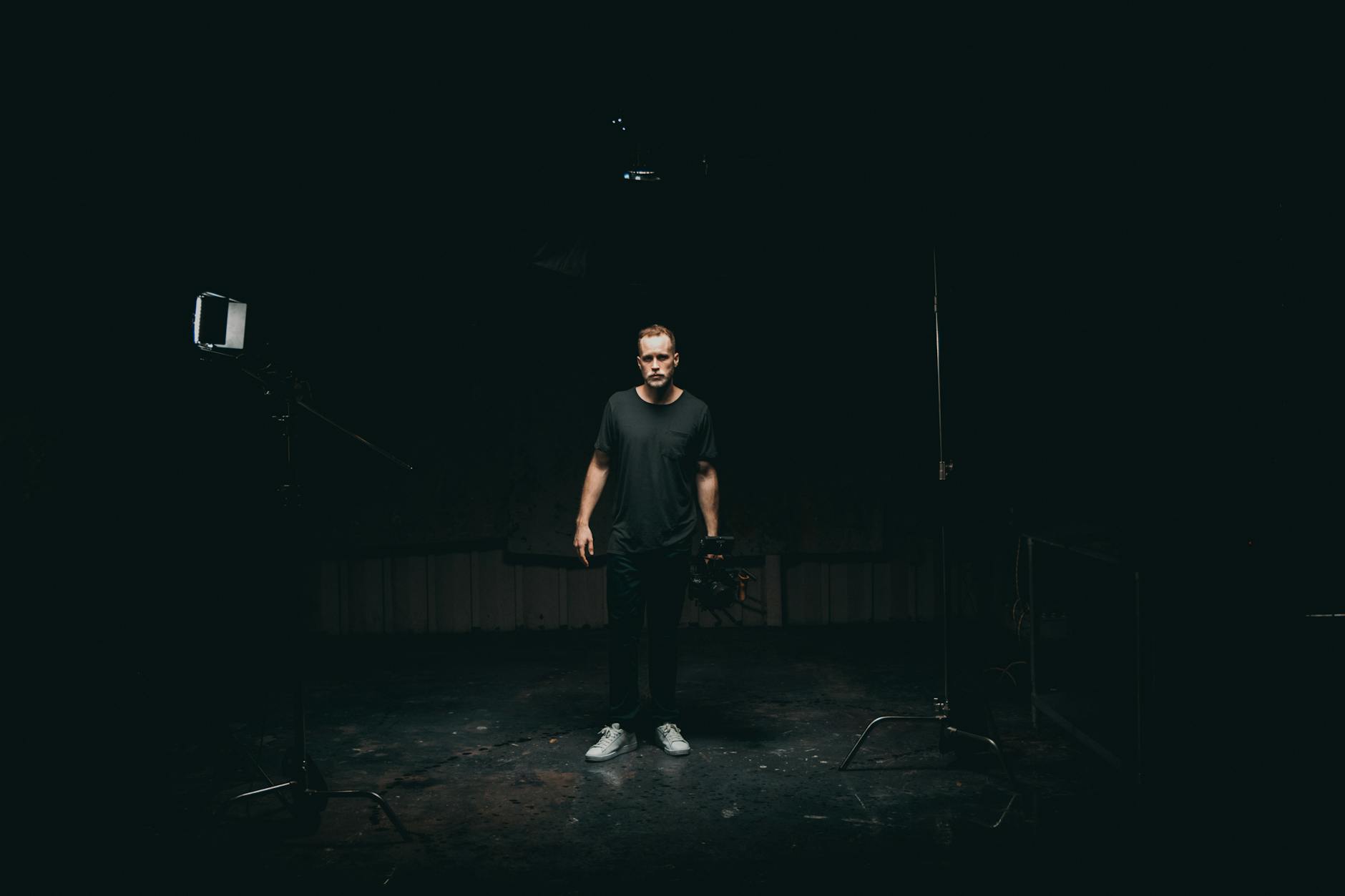
Importance of Professional Property Photography in Miami Real Estate
In the competitive Miami real estate market, the way a property is presented online can significantly influence its marketability. High-quality professional property photography has become an essential element in attracting potential buyers and renters, allowing listings to stand out amidst numerous competitors. Sharp, visually appealing images not only capture the unique features of each property but also evoke emotional responses that can accelerate the decision-making process.
Property photography that accurately depicts the property's true essence, layout, and ambiance enhances buyer confidence and trust. In a city known for its vibrant lifestyle, luxury condos, sprawling estates, and commercial spaces require imagery that communicates their value effectively. Utilizing professional photographers ensures that each shot highlights the property’s best aspects, from natural lighting and spacious interiors to stylistic details.
Moreover, recent studies indicate that properties with high-quality images tend to generate more online engagement, including increased click-through rates and viewings. These engagements often translate into faster sales and better offers, making professional photography an invaluable investment for Miami real estate professionals.
Miami's diverse architecture and scenic views demand an expert eye capable of optimizing every angle. By employing the latest techniques and equipment, professional photographers can create compelling visual narratives that resonate with prospective buyers and investors alike. Ultimately, integrating professional property imagery into marketing strategies elevates listings, enhances brand reputation, and accelerates sales cycles in the dynamic Miami property market.
Impact on Marketing and Buyer Engagement
Effective property imagery serves as a cornerstone for successful online marketing campaigns. Well-crafted photographs showcase a property's best attributes, making listings more appealing and informative for potential buyers or tenants. The visual appeal of a property influences the initial perception, which can be the decisive factor in whether a prospect schedules a viewing or moves on. In Miami, where property buyers often come from diverse backgrounds and prefer high-end living spaces, professionally captured images communicate luxury, comfort, and lifestyle. This not only draws relevant audiences but also enhances the credibility of the listing. As a result, real estate agents and property owners benefit from increased viewings, higher offer negotiations, and quicker closings. Investing in professional photography is, therefore, a strategic move that amplifies marketing reach and effectiveness. It also fosters greater trust and interest through polished, consistent visual branding that resonates with Miami's real estate standards.
Enhancing Online and Offline Viewing Experiences
While digital platforms dominate property marketing, physical showings remain crucial. High-quality images serve as an anticipatory guide, setting accurate expectations and enticing prospective buyers to visit in person. The clarity, lighting, and composition of professional photos help viewers imagine themselves living or working in the space, making them more likely to commit. Properly executed photography also complements virtual tours and 3D walkthroughs, providing a comprehensive view that experiential marketing techniques capitalize on. When seamless and compelling visual content is prioritized, properties are more likely to stand out in Miami’s vibrant real estate scene, attracting serious inquiries and facilitating faster transactions.
Equipment and Technology Used in Property Photography
Mastering the art of professional property photography in Miami relies heavily on the use of advanced equipment and cutting-edge technology. High-resolution digital cameras are essential, capable of capturing every intricate detail with stunning clarity and color accuracy. These cameras often feature wide-angle lenses, which are particularly vital for showcasing the full scope of spacious interiors and impressive exteriors, making rooms appear larger and more inviting.
In addition to cameras, professional photographers employ specialized lighting equipment to achieve optimal brightness, contrast, and color balance. Natural lighting is often maximized through techniques such as diffuser panels and reflectors, but supplementary artificial lighting ensures consistency across all shots, especially in spaces with limited natural light or challenging lighting conditions.
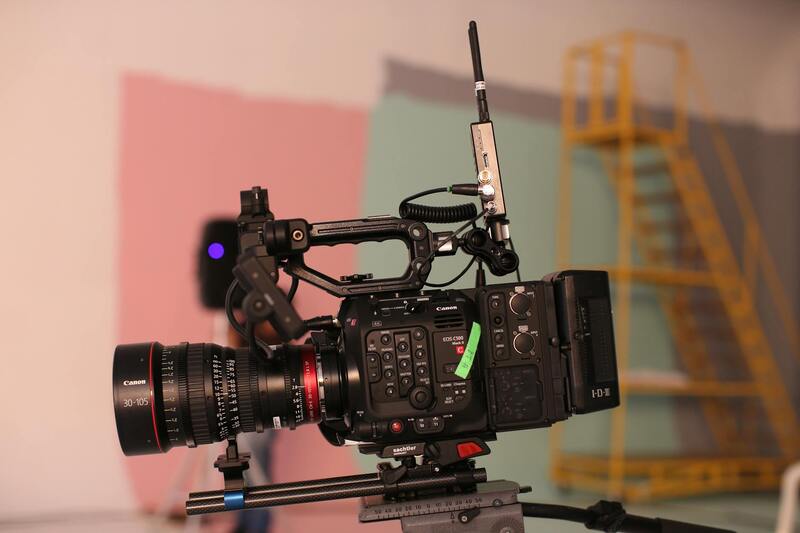
Drone technology has become increasingly prevalent in Miami’s property photography, offering aerial perspectives that highlight large estates, waterfront views, and unique architectural features. Drones equipped with stabilized mounts ensure steady footage and high-definition imagery, adding a dynamic element to property marketing.
Software tools such as high-dynamic-range (HDR) imaging enable photographers to combine multiple exposures, balancing shadows and highlights for a more accurate depiction of complex lighting situations. Additionally, tripod stabilizers, remote shutters, and other accessories support precision and efficiency during shoots, ensuring every shot aligns with the highest professional standards.
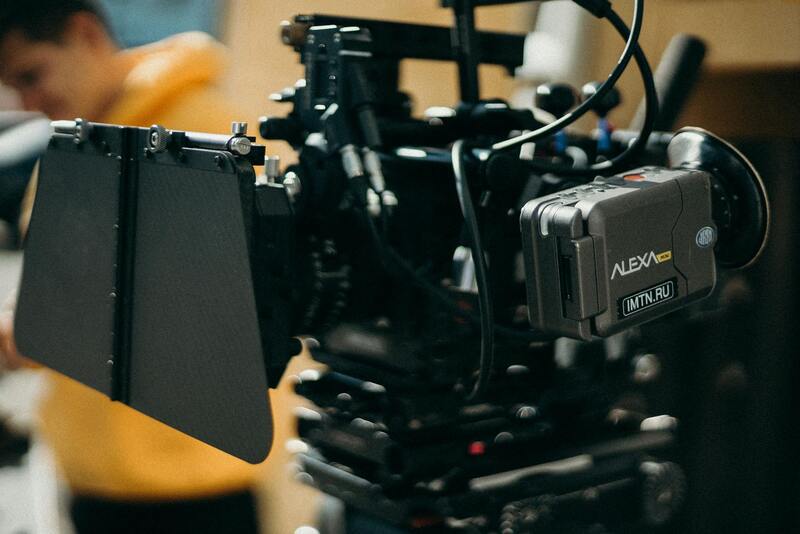
Utilizing the latest technological advancements not only improves image quality but also enhances workflow efficiency. This allows for quicker turnaround times and more refined visual outcomes, which are essential in the fast-paced Miami real estate market. When these tools are combined with skilled technique, the resulting images truly stand out, projecting a polished, appealing impression of the property to prospective buyers and investors alike.
Equipment and Technology Used in Property Photography
Achieving stunning images for Miami real estate listings hinges on the use of advanced equipment and innovative technology. High-quality cameras, particularly full-frame digital single-lens reflex (DSLR) or mirrorless models, form the foundation for capturing crisp, vibrant visuals that accurately represent the property's features. These professional-grade cameras come with high-resolution sensors that produce detailed images, allowing potential buyers to explore every corner of the property with clarity. Lenses play a critical role in framing each shot effectively. Wide-angle lenses, typically ranging from 14mm to 24mm, are favored for their ability to incorporate more of the interior space, making rooms appear spacious and inviting in photographs. Specialty lenses, such as tilt-shift or fisheye lenses, are also utilized to address specific architectural needs or creative aspirations. Lighting equipment, including portable flash units, continuous LED lights, and diffusers, helps to illuminate darker spaces and balance interior lighting conditions. Proper lighting not only reduces shadows but also highlights the architectural details and textures, creating a visually appealing image. Software tools such as high-dynamic-range (HDR) imaging are instrumental in refining property photos. HDR combines multiple exposures to resolve scenes with high contrast, ensuring that both interior shadows and bright window views are properly exposed. This technology is especially beneficial in spaces with large windows or complex lighting scenarios. Drone technology enhances property photography by capturing expansive aerial views. Equipped with stabilized mounts and high-definition cameras, drones enable real estate professionals to showcase large estates, waterfront properties, and panoramic views from impressive vantage points. These images provide prospective buyers with a comprehensive perspective that ground-level shots cannot deliver. In addition to cameras and drones, accessories such as remote shutters and tripod stabilizers contribute to sharp, precisely composed images. Remote triggers minimize camera shake during long exposures, ensuring clarity, while tripods provide the stability necessary for HDR shoots or low-light conditions. The integration of these technological advancements not only improves the quality of property images but also streamlines the shooting process. Efficient workflows result in quicker turnaround times, enabling real estate agents and marketers to promptly update listings with compelling visuals that attract interest and drive engagement.
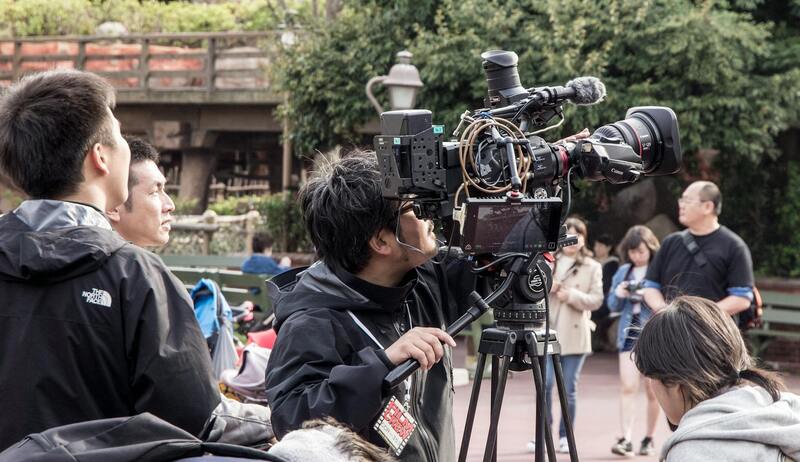
Strategies for Highlighting Unique Features of Miami Properties
For real estate professionals aiming to attract discerning buyers, showcasing the distinctive qualities of each property is crucial. Professional property photographers employ targeted techniques to highlight key architectural elements, luxurious finishes, and unique amenities that set Miami listings apart. This involves careful selection of angles that accentuate spaciousness, natural light, and design details. When photographing waterfront homes, capturing the breathtaking views and outdoor living spaces offers potential buyers a vivid sense of lifestyle and environment.
It is also essential to utilize lighting techniques that emphasize the ambiance and mood of each property. Strategic use of ambient lighting, along with supplementary equipment like reflectors and diffusers, ensures that interiors appear warm, inviting, and true to life. For exterior shots, scheduling photography during the golden hour—shortly after sunrise or before sunset—provides a soft, flattering light that enhances the property's curb appeal.
Moreover, incorporating lifestyle elements through staged furniture or outdoor setups can help buyers envision their future living space. Proper staging combined with professional photography creates a narrative that resonates emotionally, increasing engagement and interest. High-quality visuals of key features, such as custom pools, rooftop decks, or landscaped gardens, serve as compelling focal points that attract serious buyers.
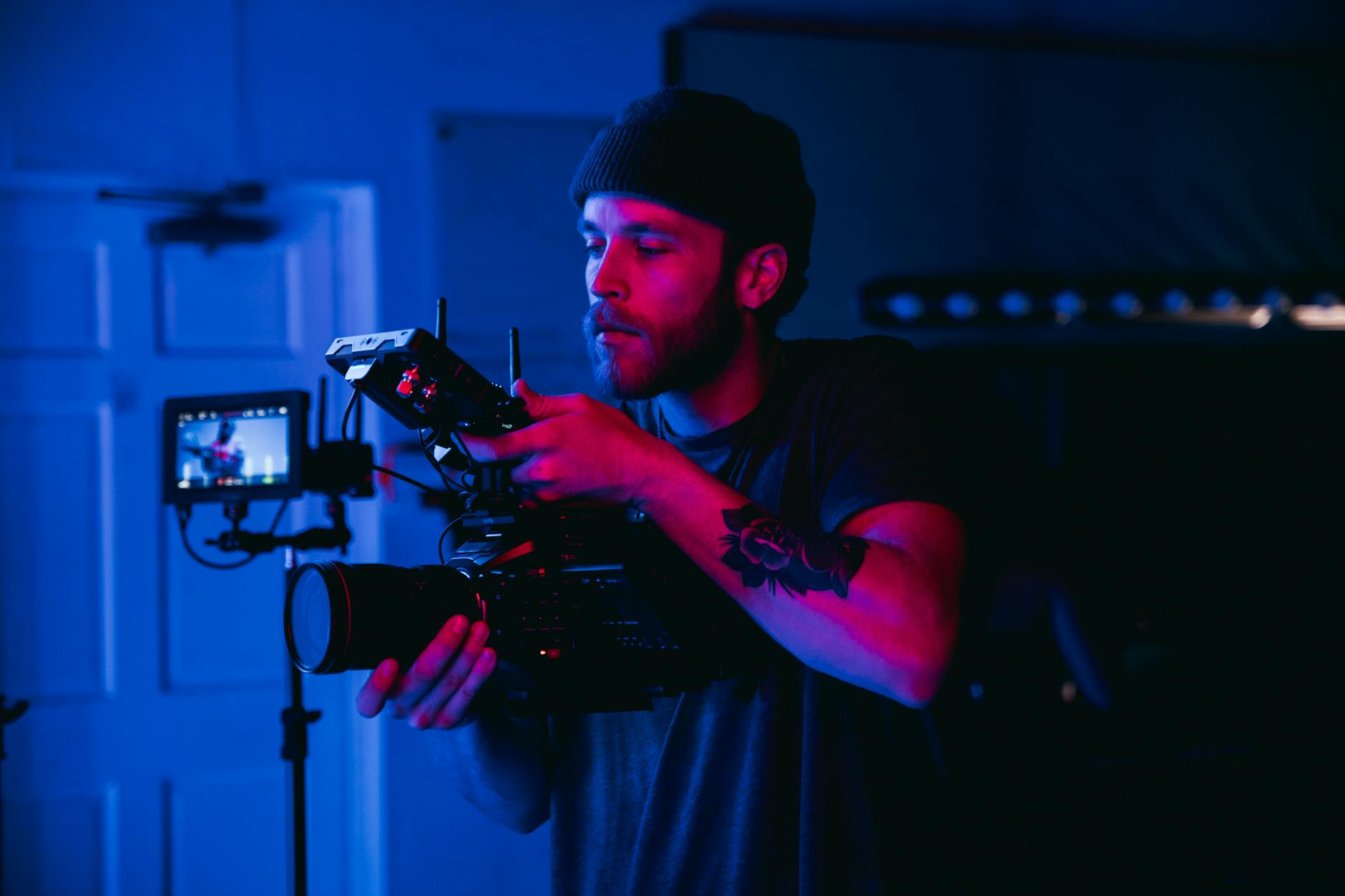
Post-Processing Techniques for Property Photos
After capturing high-resolution images on-site, the next critical step involves post-processing to optimize visual appeal while maintaining authenticity. Effective editing enhances lighting, corrects color imbalances, and refines details to present each property in its best light. Techniques such as exposure adjustment help brighten interiors and exteriors, ensuring shadows are balanced and no detail is lost in dark or overly bright areas. Color correction enhances the vibrancy of features like lush landscaping, polished floors, and stylish fixtures, making the images more compelling and true to life.
Advanced photo editing also involves perspective correction, where skewed lines or lens distortions are rectified, creating a clean and professional final image. Clarity and sharpness adjustments highlight architectural details, textures, and finishes that are key selling points. However, it’s essential that edits remain subtle, preserving the natural feel of the property to avoid misleading potential buyers. Overly saturated or exaggerated images can undermine trust and reduce overall listing effectiveness.
Selective editing allows specific areas of an image to be enhanced without affecting the entire shot. For example, brightening a dimly lit interior or making the outdoor landscape pop can draw attention to the property's most attractive features. When executed thoughtfully, post-processing transforms raw images into polished promotional tools that capture the attention of prospective buyers and real estate agents alike.
Moreover, consistent post-processing standards across property listings foster brand recognition and a professional appearance on multiple marketing channels. This consistency reassures clients of your attention to detail and commitment to quality. Ultimately, meticulous editing contributes significantly to the overall impact of property visuals in Miami's competitive real estate market, ensuring listings stand out and attract serious inquiries.
Equipment and Technology Used in Property Photography
High-quality property photography relies heavily on the right equipment and advanced technology to capture images that meet professional standards. The backbone of effective real estate visuals is a professional-grade DSLR or mirrorless camera, equipped with high-resolution sensors that can capture fine details and vibrant colors. These cameras allow photographers to achieve sharp, clear images even in challenging lighting conditions, ensuring that the property’s best features are prominently displayed.
Alongside cameras, the use of wide-angle lenses is indispensable for real estate photography. These lenses provide an expansive view, making rooms appear larger and more inviting, which is critical for both residential and commercial property listings. A tilt-shift lens can further enhance perspective correction, minimizing distortion and ensuring straight lines in architectural shots.

Sturdy tripods are essential for stabilizing cameras during shoots, especially in low-light conditions or when using slow shutter speeds to gather sufficient light. Modern tripods often come with leveling heads that facilitate precise framing and composition. Additionally, remote shutter releases or camera timers prevent vibrations that can compromise image sharpness.
Proper lighting equipment is another critical element. While natural light is preferred for its authenticity and soft qualities, supplementary lighting fixtures such as portable flashes, softboxes, or LED panels are often employed to fill shadows or illuminate darker areas, ensuring an even and appealing exposure across all spaces. High Dynamic Range (HDR) imaging techniques often combine multiple exposures—bright, medium, and dark—to create a balanced, true-to-life image that accurately reflects the scene’s brightness levels.
Post-production software plays a significant role in refining images. Industry-leading editing tools like Adobe Lightroom and Photoshop enable photographers to enhance colors, correct exposure discrepancies, and perform perspective corrections with precision. These technologies enable the creation of visually striking images that highlight architectural details and textures without overdoing the enhancements, maintaining the authenticity of the property.
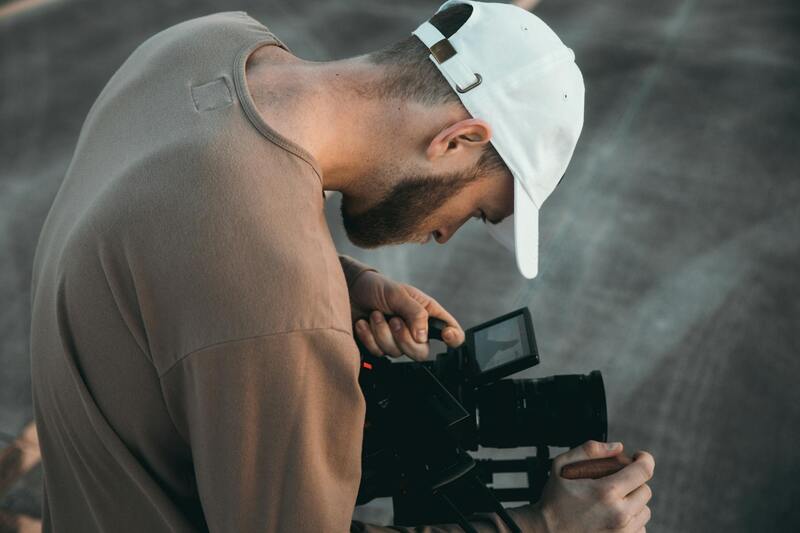
In the competitive Miami real estate market, leveraging the latest equipment and technology ensures listings stand out. It’s the combination of quality gear, lighting controls, and post-processing tools that transforms ordinary photographs into compelling visual narratives that attract buyers and elevate a property’s market presence.
Ensuring Consistency and Professional Integrity in Property Photography
Maintaining consistency across property images is essential for establishing a strong visual identity for each listing. Consistent use of framing, lighting style, and color calibration helps create a cohesive presentation that reinforces the property's best features. High-quality images should reflect the true appearance of the property, avoiding over-editing or manipulations that could mislead potential buyers. This integrity not only fosters trust but also emphasizes the professionalism of the real estate agency or property owner.
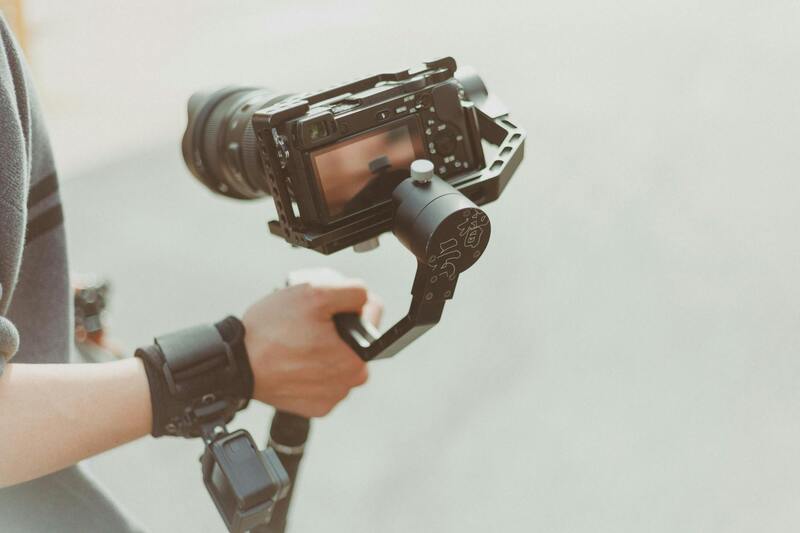
In addition to visual consistency, incorporating detailed images of unique architectural elements, upgraded features, and specific amenities can significantly influence a potential buyer’s decision-making process. Specialized shots, such as close-ups of intricate moldings or high-end appliances, should be carefully composed to highlight quality craftsmanship and luxury touches.
Adhering to Ethical Photography Standards
Ethical standards in property photography involve presenting a realistic, truthful depiction of the space. This includes accurate representations of room dimensions, lighting conditions, and available features. Photographers must avoid overly retouched images that may exaggerate the property's appeal or hide imperfections. Respecting honesty in imagery ensures that buyers have a clear understanding of what to expect, leading to more satisfied transactions and fewer disappointments during viewings.
Importance of Regular Updates and Image Refreshes
Legitimate property listings benefit from periodic updates to ensure that images remain current. If renovations or improvements are made, new photographs should be scheduled to reflect these changes. Fresh images also maintain a property's visibility on various platforms, keeping the listing competitive and engaging to prospective buyers who are frequently browsing updated content.
Leveraging Advanced Techniques for Standout Listings
While authenticity is crucial, employing advanced photographic techniques can elevate property presentation. Wide-angle lenses, drone photography for aerial views, and virtual staging tools can provide comprehensive perspectives and create more compelling visual stories. These methods, when used ethically and professionally, significantly enhance the property's appeal without misrepresenting the space.
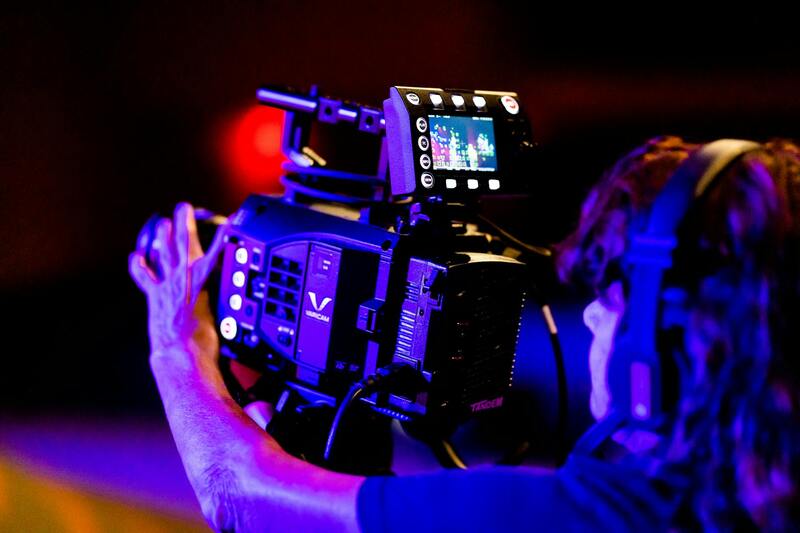
Achieving high standards in property photography involves a combination of technical skill, ethical responsibility, and ongoing commitment to quality. When these principles are upheld, real estate professionals can leverage powerful visuals that resonate with buyers, facilitate quicker sales, and establish a reputable brand presence in the Miami market.
Maximizing the Impact of Professional Photography in Miami Real Estate Marketing
Utilizing high-quality, professional property photography is essential for creating compelling listings that attract serious buyers and renters in Miami's competitive market. To maximize effectiveness, property images should be integrated thoughtfully across various marketing channels, including online listings, social media platforms, and promotional materials. Consistent visual branding through professional photography establishes a recognizable and trustworthy presence, helping properties stand out amidst numerous competing listings. It also ensures that potential clients receive a uniform impression of the property’s value and appeal, reinforcing your reputation as a credible real estate professional.
Strategies for Effective Integration of Property Photos
- Optimize Listings for Search Visibility: Ensure that high-resolution images are properly formatted and compressed for quick loading times without sacrificing quality. Use relevant keywords in accompanying descriptions and alt text to enhance search engine optimization (SEO). When potential buyers search for Miami properties, optimized images can improve your listing's ranking and visibility.
- Leverage Multiple Platforms: Distribute professional photographs across various digital channels, including Multiple Listing Services (MLS), social media accounts, and real estate websites. Tailoring images to fit each platform while maintaining consistency enhances engagement and reach.
- Use Drone and Aerial Photography: Incorporate aerial shots to showcase property surroundings, neighborhood amenities, and landscape features. This perspective provides a comprehensive view that ground-level images cannot capture, appealing to buyers seeking a full understanding of the property's context.
- Include Virtual Tours and 3D Walkthroughs: Pair high-quality images with virtual tours to allow prospective buyers to explore the property remotely. This approach reduces unnecessary foot traffic and filters out unqualified leads, saving time and resources.
- Maintain Updated Visual Content: Regularly refresh images to reflect recent renovations or improvements, keeping listings current and engaging. Outdated photographs can lead to missed opportunities or disappointments during viewings.
Enhancing Buyer Engagement Through Visual Storytelling
Professional property photography extends beyond simple documentation; it tells a story about the property’s lifestyle and unique features. Strategic staging, professional lighting, and the inclusion of seasonal or time-of-day variations can evoke emotional responses from viewers and inspire action. This visual storytelling should highlight the property’s best features while maintaining an authentic representation, fostering trust and encouraging inquiries.