Importance of Quality Property Photos
In the competitive Miami real estate market, the visual presentation of a property can significantly influence buyer interest and perception. High-quality property photos serve as a crucial first impression, often determining whether potential buyers will pursue further engagement. Clear, well-lit images reveal the property's true value, highlight its unique features, and create an emotional connection that can inspire action.
Real estate professionals and homeowners alike recognize that listings with professional photographs tend to attract more views, generate increased inquiries, and achieve quicker sales. In Miami’s vibrant market, where a diverse array of properties compete for attention, compelling imagery becomes a pivotal tool for standing out. Moreover, recent studies indicate that properties showcased with professionally captured photos are more likely to garner higher offers and favorable sale terms. This underscores the importance of investing in high-quality visual content as part of the overall marketing strategy.
Understanding the influence of visual representation extends beyond aesthetic appeal. It encompasses the ability to accurately convey the scale, layout, and ambiance of a space. Accurate and engaging photos not only attract potential buyers but also set realistic expectations, reducing the likelihood of dissatisfaction or surprises during property visits. In essence, professional property photography is an indispensable element in capturing attention, building credibility, and accelerating the sales process.
Key Elements of Professional Property Photography
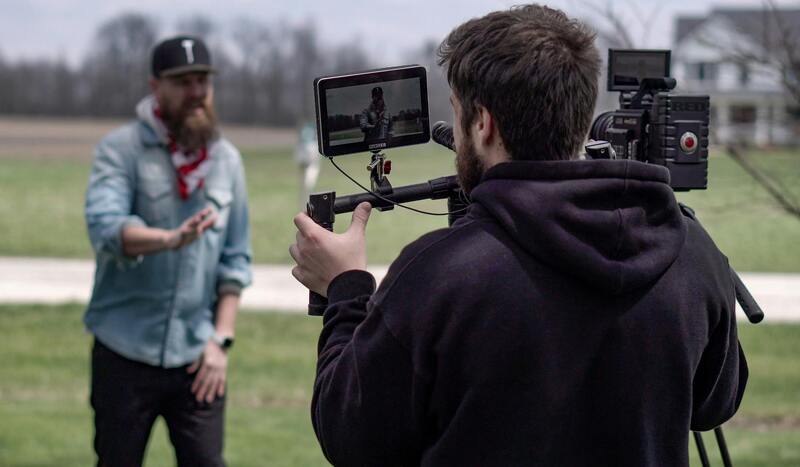
Achieving captivating and effective property images hinges on a combination of technical skill, artistic sensibility, and strategic planning. Each element plays a crucial role in ensuring that the photographs not only showcase the property's features but also evoke the desired emotional response from potential buyers. Mastering these components is essential for any real estate professional aiming to stand out in Miami’s competitive property market.
Mastering Lighting Techniques
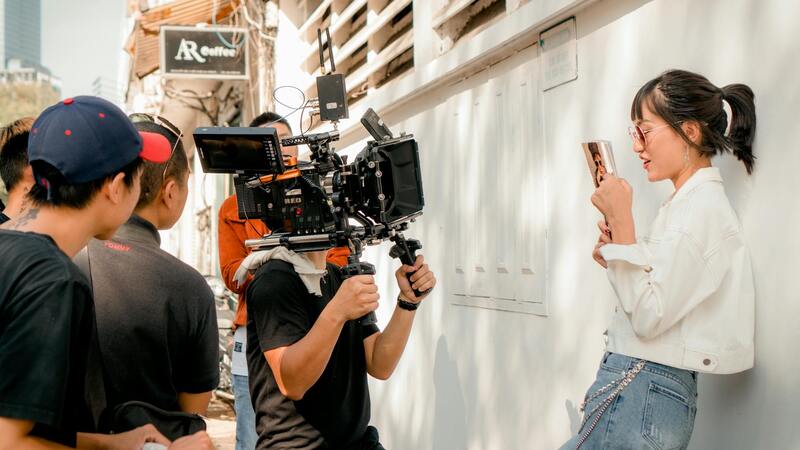
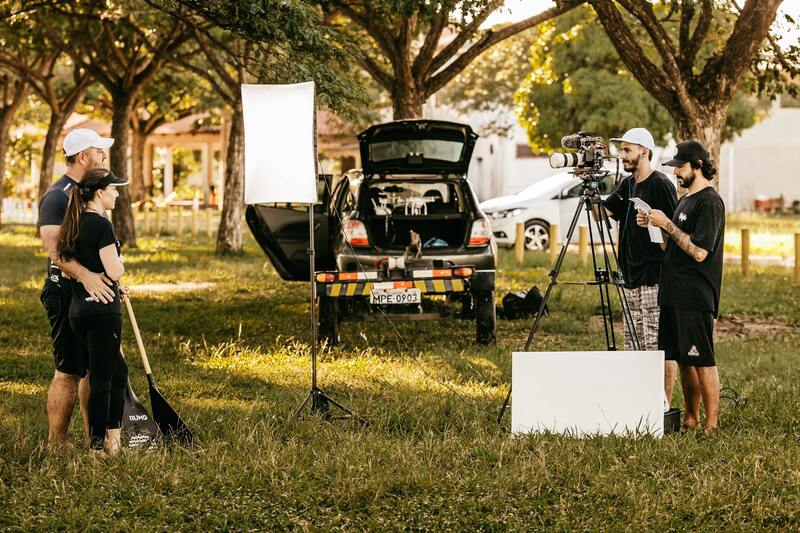
Lighting is arguably the most critical aspect of professional property photography. Natural light, when utilized effectively, can dramatically enhance the vibrancy and appeal of a space. Photographers often plan shoots around optimal times of the day to maximize sunlight and avoid unflattering shadows. In situations where natural light is insufficient, artificial lighting solutions are employed to create uniform illumination that highlights key features without overexposing any part of the scene.
Strategic Use of Angles and Composition
Choosing the right angles and composition is fundamental to presenting a space in its best light. Wide-angle lenses are commonly used to capture more of a room within a single frame, giving a sense of spaciousness. Photographers focus on effective framing, ensuring that focal points such as fireplaces, views, or architectural features are prominently displayed. Proper composition directs the viewer’s eye, creating a visually balanced image that emphasizes the property's strengths.
Staging and Decluttering
Staging plays a vital role in allowing prospective buyers to visualize themselves in the space. Professional property photos benefit from meticulously curated staging—arranging furnishings, decor, and accessories to highlight the property's potential. Decluttering is equally important; removing personal items and excess clutter ensures the space appears open, inviting, and easier to conceptualize as a future home.
Equipment and Technical Tools
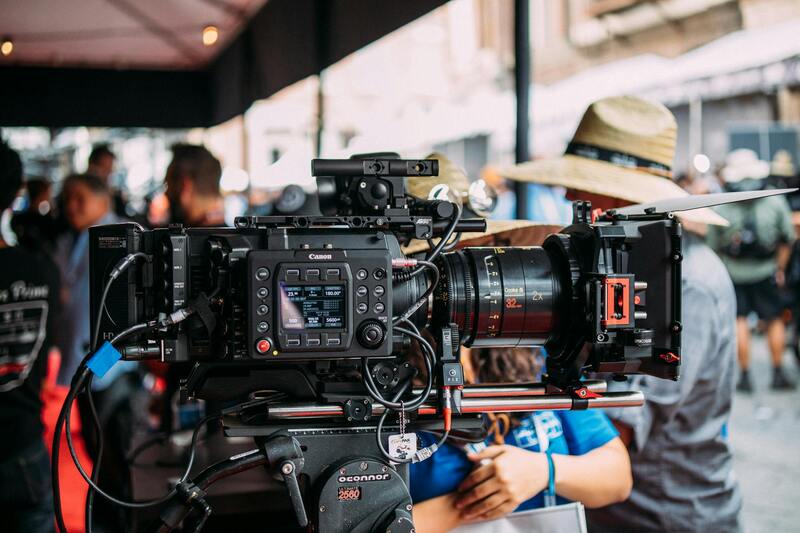
High-quality cameras, wide-angle lenses, and stabilizers are standard tools for professional property photographers. Advanced editing software further refines images, enhancing brightness, contrast, and color accuracy to produce vibrant, appealing results. The proper use of tripod stabilizers ensures sharpness, especially in lower light conditions, while lens filters can optimize color rendition and reduce glare or reflections.
The Importance of Consistency and Style
Maintaining a consistent visual style across all property listings reinforces professional branding and builds trust with prospective clients. This includes a standard approach to lighting, angles, and editing practices that reflect the overall quality and aesthetic of the marketing campaign. Consistency helps create a recognizable and reliable presentation that potential buyers can associate with high standards.
In a highly visual industry like real estate, the careful attention to these elements significantly elevates the impact of property photographs. Skilled execution of lighting, composition, staging, and equipment utilization results in images that not only attract more views but also provide an authentic and appealing representation of the property, ultimately influencing buyer interest and engagement.
Choosing a Professional Photographer in Miami
When seeking to elevate a property listing through high-quality imagery, selecting the right professional photographer in Miami is crucial. The local real estate market demands a nuanced understanding of the area's unique styles and client expectations, making local expertise valuable. An experienced photographer should have a comprehensive portfolio demonstrating versatility across various property types, from luxurious waterfront estates to urban condos. Additionally, a reputable professional must be familiar with current real estate photography trends and industry standards, ensuring that images resonate with prospective buyers.
Assessing a photographer’s credentials involves reviewing their work samples, client testimonials, and industry affiliations. An emphasis on consistency, attention to detail, and technical proficiency indicates a higher level of professionalism. It's equally important to confirm their familiarity with the latest equipment, such as high-resolution cameras, drone technology for aerial views, and advanced editing tools. Personal consultation allows clients to gauge the photographer’s understanding of their specific property and ask about their process—from preparation and staging to post-production editing.
Furthermore, a Miami-based photographer with extensive local knowledge can better capture the nuances of each neighborhood, employing lighting and angles that best showcase the property's context and surroundings. This expertise often translates into images that tell a compelling story, engaging viewers and fostering a stronger emotional connection to the property. Transparently discussing turnaround times, licensing, and usage rights helps establish clear expectations and fosters a smooth collaboration, ensuring that the final images align with marketing needs and deadlines.

Technical Aspects of Property Photography
Exceptional property photos rely heavily on advanced technical techniques that highlight the property’s best features. Photographers utilize wide-angle lenses to capture expansive interior spaces and exterior views, creating an immersive experience for viewers. Proper lighting, whether natural or supplemental, is essential in revealing textures and color accuracy, avoiding overexposure or deep shadows. Skilled use of lighting enhances the property's aesthetic appeal and accentuates architectural details.
Staging plays a vital role in presenting a home at its best. Professionals often advise on decluttering, rearranging furniture, and adding tasteful accessories to create an inviting atmosphere. Precise composition and framing focus attention on key selling points, while maintaining a balanced perspective that invites viewers to explore the space visually.
Post-production editing fine-tunes images, correcting color balance, adjusting brightness and contrast, and removing minor imperfections. Using advanced software ensures images accurately reflect the property’s true appearance while maintaining aesthetic appeal. When executed correctly, these enhancements make the property more enticing without misrepresenting its features, which is crucial for building trust with potential buyers.
Choosing a Professional Photographer in Miami
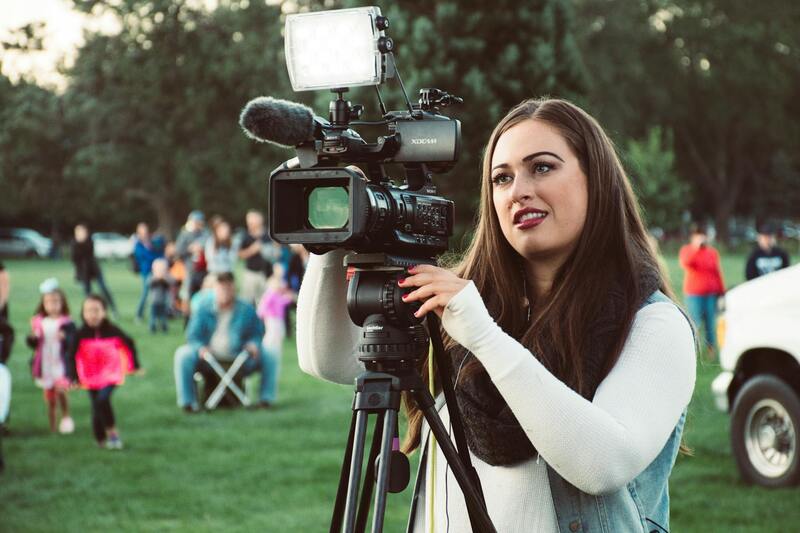
Selecting the right photographer for capturing property images in Miami requires careful assessment of experience, technical skill, and portfolio quality. Professional photographers specializing in real estate possess a deep understanding of lighting, composition, and the nuances that make a property stand out. They should have a diverse portfolio showcasing a variety of properties, from luxury condos to single-family homes, demonstrating versatility and expertise.
When evaluating potential photographers, consider their familiarity with the Miami real estate market, including local architectural styles and popular features. This regional knowledge ensures the photographer can highlight elements that resonate with buyers in the area, such as waterfront views or modern interior finishes.
Clear communication about expectations is essential. A seasoned professional will discuss the property's unique selling points and suggest ways to enhance visual appeal. They should also be transparent about their workflow, turnaround times, and post-production processes.
Investing in a qualified property photographer often yields significantly higher engagement online, leading to quicker sales and better offers. It’s advisable to review client testimonials, request sample images, and inquire about their equipment and editing practices to ensure their methods align with your marketing objectives.
Given Miami’s vibrant real estate environment, working with a photographer who understands current market trends and technological advancements can make a notable difference in the property's presentation. The right professional will not only deliver stunning images but also contribute to a cohesive branding strategy that elevates your listings above competitors.
Cost and Investment in Professional Property Photos
Allocating resources toward high-quality property photography represents a strategic investment in real estate marketing. While the expense of hiring a professional photographer might initially seem significant, the return on investment is evident through faster sales cycles and increased buyer interest. Well-composed, visually appealing images capture attention in competitive markets, ensuring a property stands out among hundreds of listings.
Pricing for professional property photos can vary depending on several factors, including the complexity of the property, the experience of the photographer, and the scope of coverage required. Typically, packages include a set number of high-resolution images, and additional shots or specialized features like twilight photography or drone footage may incur extra charges. It’s vital to view this expenditure not as a cost but as a tool to enhance the property's market presence and perceived value.
Effective property marketing often involves a combination of investment in staging, professional photography, and digital advertising. The immediate benefit is the increased likelihood of attracting qualified buyers or tenants who are compelled by compelling visuals. Over time, this can translate to quicker closing times, reduced vacancy rates, and potentially higher sale prices. Therefore, choosing a reputable photography service that offers consistent quality and adheres to industry standards is an essential component of a comprehensive marketing strategy.

Investors and property owners should also consider the broader benefits, such as enhanced online presence and improved branding. High-caliber images contribute to establishing a professional image, fostering trust with potential buyers, and positioning the property effectively within competitive listings. By viewing this expenditure as an investment in future success, stakeholders can make informed decisions that maximize their marketing budget and outcomes.
Legal and Ethical Considerations
When securing professional property photos, adhering to legal and ethical standards is paramount to ensure the integrity of your marketing efforts and to maintain trust with viewers and potential clients. This involves utilizing legally obtained images, respecting intellectual property rights, and ensuring transparency in representations. For instance, if a photographer employs copyrighted tools or proprietary editing techniques, proper licensing or permissions should be secured. This not only safeguards against potential disputes but also upholds professional standards within the real estate industry.
Ethically, accuracy in property depiction is crucial. Photographers should present properties truthfully, avoiding over-editing or deceptive enhancements that could mislead potential buyers or tenants. Real estate professionals must oversee that the images reflect the actual condition and features of the property, preserving transparency and fostering trust. Misrepresentation, whether intentional or accidental, can lead to reputational damage and potential legal repercussions, emphasizing the importance of integrity in the visual portrayal of real estate assets.
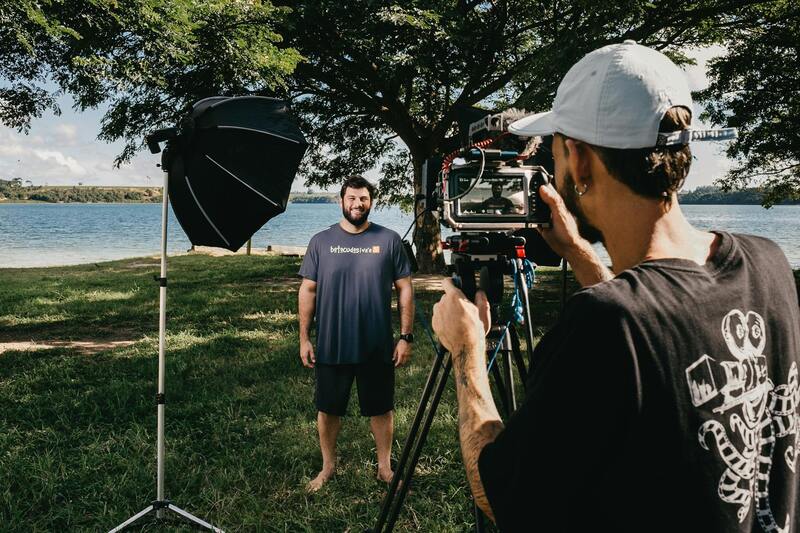
Additionally, always obtain proper permissions when photographing private or restricted areas within a property. This includes consent from current occupants or owners to avoid privacy violations. For properties within gated communities or with specific restrictions, working closely with authorities or management ensures that all photography activities are compliant with local regulations.
Regulatory Compliance and Best Practices
- Secure necessary permissions before conducting photo shoots, especially in private or sensitive areas.
- Use only legally acquired images and editing tools to avoid intellectual property issues.
- Maintain transparency by accurately representing property features and conditions.
- Avoid manipulative alterations that could mislead potential buyers.
- Document consent and permissions to provide clear records of compliance.
Upholding these standards not only fortifies your professionalism but also aligns your marketing practices with industry best practices, ensuring your property listings are both attractive and trustworthy to prospective clients.
Legal and Ethical Considerations in Property Photography
In the realm of real estate marketing, adhering to principles of ownership rights and respecting individual privacy are fundamental. When capturing images of a property, it is imperative to secure explicit permissions from property owners or tenants before entering the premises or photographing within. This ensures that all visual content is obtained ethically and contributes to maintaining trust with clients and potential buyers. Respect for privacy extends to areas within the property that might be designated as private or confidential, such as personal bedrooms, private offices, or restricted outdoor spaces.
Similarly, when photographing surrounding areas, such as neighboring properties, streets, or private communities, understanding local regulations and obtaining necessary consents prevent misunderstandings and potential disputes. Working with property managers or homeowners’ associations allows photographers to operate within established guidelines, ensuring that all images are compliant and appropriately represent the property without infringing on the rights of others.
Ethical practices also involve the accurate portrayal of the property, avoiding any form of image manipulation that could deceive viewers. Visual deception can damage credibility and undermine consumer confidence. Photographers should focus on capturing honest representations that reflect the true condition and features of the property, including any existing flaws or damages. Transparency in visual storytelling plays a crucial role in fostering an informed decision-making process among prospective buyers.
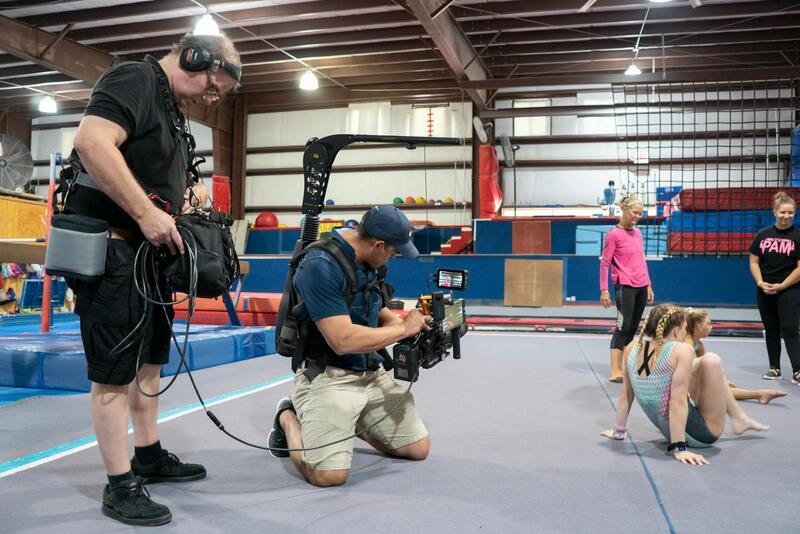
Maintaining detailed records of permissions and agreements related to property photography ensures accountability and protects all parties involved. These records serve as proof of compliance and help streamline the marketing process, especially when dealing with multiple stakeholders or properties in complex ownership arrangements.
In the competitive Miami real estate landscape, upholding ethical photographic standards enhances brand reputation and assures clients that their property listings will be handled with integrity and professionalism. As a result, consistent adherence to ethical practices sets a firm foundation for successful property marketing endeavors that are both reputable and effective.
Legal and Ethical Considerations in Professional Property Photography
Maintaining high standards in property photography involves adherence to established directives that govern the capturing and presentation of home visuals. These guidelines serve to ensure that images accurately depict the property's true state, thereby fostering transparency and trust with prospective buyers. It is essential for photographers to obtain proper permissions before entering a property, respecting the privacy and rights of the owners and occupants. This process includes clear agreements on the scope of photography, usage rights, and any restrictions that might apply.
Another critical aspect involves honest representation through high-quality imagery. The use of digital enhancements should be carefully managed to avoid exaggerating features or obscuring imperfections. Such practices not only uphold ethical standards but also prevent misleading potential clients, thereby safeguarding the reputation of the real estate agent and photographer alike.
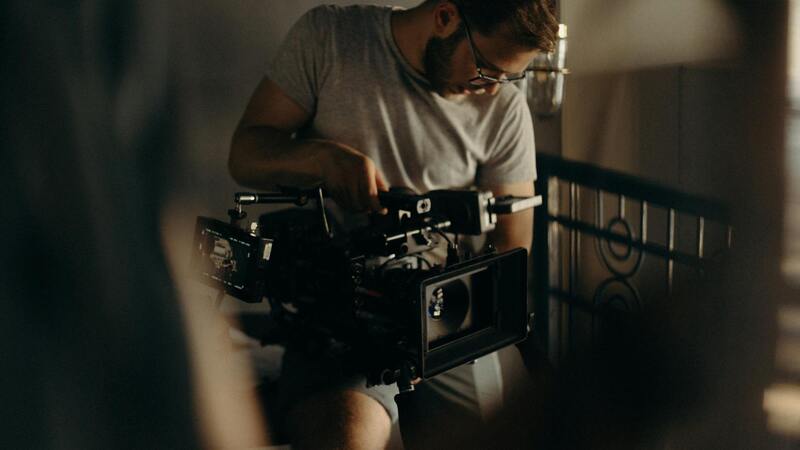
Proper record-keeping of all permissions, agreements, and permissions related to the photography process is vital. These documents act as proof of compliance and ensure accountability, especially in situations involving multiple stakeholders or complex property ownership structures. Documentation can include signed release forms, agreements on image usage, and detailed checklists of the property's conditions at the time of shooting.
In the competitive Miami real estate market, upholding ethical photographic practices enhances a company's reputation for honesty and professionalism. By focusing on creating truthful and compelling visual narratives, property professionals can attract serious buyers and establish long-term trust, fostering a fair and transparent market environment.