Importance of High-Quality Real Estate Photography
In the competitive Miami real estate market, the visual presentation of a property plays a pivotal role in attracting prospective buyers and closing sales efficiently. Professional real estate pictures serve as the digital first impression, capturing the essence of the property and showcasing its best features with clarity and impact. High-resolution images not only highlight interior and exterior details but also convey a sense of trustworthiness and professionalism that can influence a potential buyer’s initial decision.
In an era where online property listings dominate the market, compelling visuals can significantly elevate a property's visibility. Well-crafted images entice more clicks, increase engagement, and elevate the overall interest in the property. For Miami's vibrant and diverse real estate landscape, investing in high-quality photography can set listings apart from competitors, facilitating quicker sales and often commanding higher offers.
The influence of professional photography extends beyond mere aesthetics; it directly impacts perceived value and trust. Buyers tend to prioritize listings with clear, bright, and well-composed images, perceiving these as more credible and appealing. A property presented with subpar photos risks being overlooked, regardless of its intrinsic value, underscoring the importance of showcasing properties in their best light.
Moreover, high-quality images are essential for multi-channel marketing strategies. They ensure consistency across websites, social media platforms, virtual tours, and print materials, maintaining a professional appearance that aligns with the property's true potential. In Miami's high-stakes real estate environment, where presentation can influence sale speed and price, investing in professional real estate photography becomes a strategic tool for maximizing property appeal.
Choosing the Right Equipment and Techniques
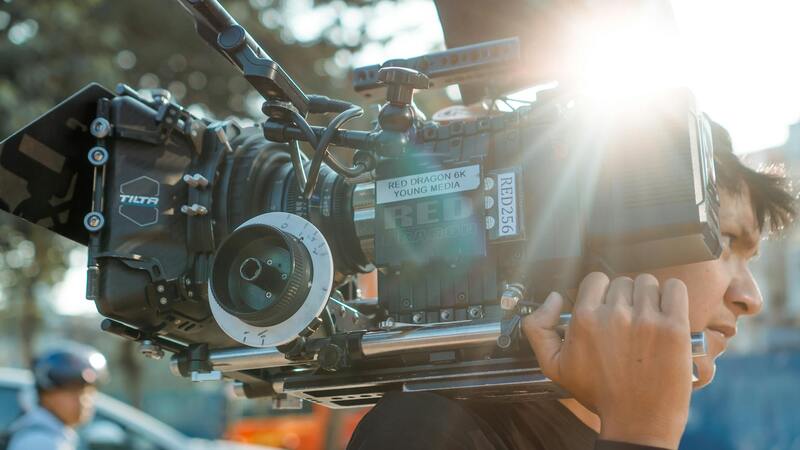
To produce captivating real estate images, the selection of appropriate equipment and application of effective techniques are crucial. Professional-grade cameras with high resolution capabilities ensure sharp, detailed photos that accurately depict the property's spaces. Wide-angle lenses are frequently employed to capture expansive interior shots, providing viewers with a comprehensive view of each room without distortion. Skilled photographers understand the importance of depth of field and aperture settings, which help highlight key features and create a sense of dimension within the shots.
Lighting is another critical factor. Natural light, when harnessed correctly, enhances the warm, inviting atmosphere of a home, reducing the need for excessive post-production editing. Photographers often time their shoots during optimal daylight hours and employ supplemental lighting or reflectors when necessary to eliminate shadows and ensure even illumination. Proper exposure settings prevent overexposed surfaces or underexposed interiors, preserving accurate color representation.
Techniques such as strategic framing, decluttering spaces, and camera positioning can dramatically improve the visual appeal of real estate images. Professional photographers meticulously plan each shot to emphasize architectural features, spaciousness, and unique selling points. The deliberate use of vertical and horizontal lines enhances perspective, guiding viewers' eyes through the property seamlessly. High-quality images are characterized by consistency and attention to detail, creating a cohesive and visually enticing presentation that draws potential buyers.
Importance of Professional Photography Services
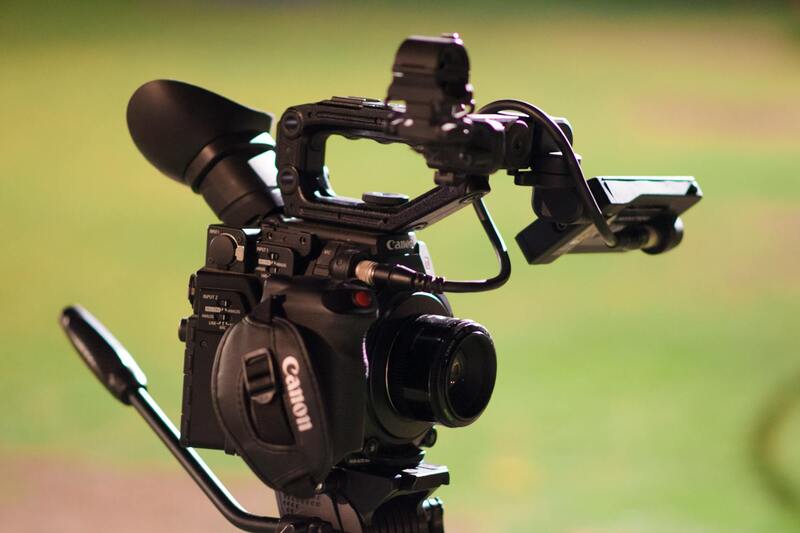
Engaging professional real estate photography services ensures that listings are presented in their most appealing form. Experienced photographers possess the technical expertise to handle complex lighting conditions, interior spaces, and architectural elements. They bring an artistic perspective that elevates ordinary spaces into visually compelling narratives, fostering emotional connections with prospective buyers.
Utilizing professional services reduces the risk of subpar images that may fail to showcase the property effectively. These experts are adept at staging photographs to align with current market trends, making properties more attractive in a competitive landscape. Additionally, professional photographers utilize advanced editing tools to correct color, straighten horizons, and enhance key features while maintaining authenticity.
Another significant advantage is the time efficiency gained. Professional services streamline the shoot process, minimizing disruptions and ensuring that the property's best attributes are captured in a limited timeframe. This efficiency translates into a prompt turnaround, allowing real estate agents to list properties quickly and capitalize on market opportunities with high-quality visuals that resonate across multiple platforms and marketing channels.
Editing and Post-Production Practices
Post-production editing is a vital step in refining real estate images to meet high standards of quality and clarity. Skilled editing involves enhancing lighting, contrast, and color balance to produce vibrant, true-to-life visuals. This process corrects any distortions caused by wide-angle lenses and adjusts for brightness inconsistencies, ensuring each image accurately reflects the property's appearance.
Selective enhancements, such as decluttering or removing minor imperfections, help present spaces in an optimal manner without misrepresentation. Maintaining authenticity through subtle edits is essential to foster trust and set accurate expectations for prospective buyers. Consistency in editing style across all listing photos also contributes to a professional and cohesive marketing presentation.
Advanced techniques, like HDR (High Dynamic Range) imaging, enable capturing details in both bright and dark areas simultaneously, which is particularly beneficial in spaces with complex lighting. Final images should be optimized for online viewing, ensuring fast load times without compromising quality. This attention to post-production detail enhances the overall attractiveness of property listings, increasing the likelihood of engagement and inquiry from interested buyers.
Choosing the Right Equipment and Techniques
Capturing high-quality real estate images begins with selecting the appropriate equipment and employing precise shooting techniques. Professional photographers rely on advanced camera gear, such as full-frame DSLR or mirrorless cameras, which offer superior resolution, dynamic range, and low-light performance. These cameras enable the capture of intricate details and accurate color reproduction, essential for making properties look their best.
Utilizing wide-angle lenses, typically ranging from 14mm to 24mm, allows photographers to encompass more of a room within a single shot. This provides a comprehensive view of spaces, creating an inviting and spacious feel that appeals to potential buyers. Proper lens selection also minimizes distortion, ensuring that proportions and dimensions appear natural and honest.
Camera settings are critical in achieving optimal results. Photographers often shoot in manual mode, adjusting aperture, shutter speed, and ISO to control exposure and depth of field. An aperture setting between f/8 and f/11 generally offers the sharpness needed across the entire image. Shoot in RAW format for maximum flexibility during post-processing, allowing for detailed adjustments to brightness, contrast, and color balance without sacrificing image quality.
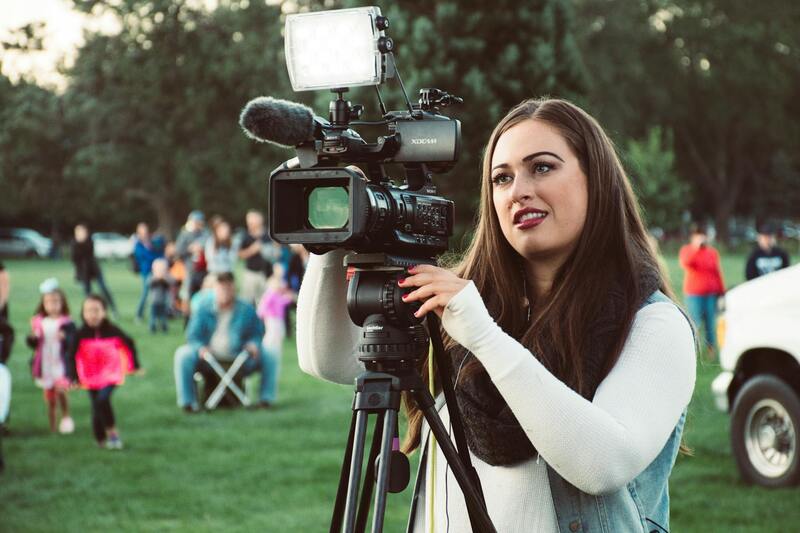
Lighting plays a pivotal role in real estate photography. Natural light is often the first choice; however, professional photographers supplement it with external flashes, strobes, or continuous lighting to ensure consistent illumination across all areas of a property. Proper lighting not only highlights the property's features but also minimizes shadows and enhances the visual appeal of each room.
Advanced shooting techniques, such as bracketed exposures combined through HDR imaging, enable capturing a range of brightness levels within a single scene. This approach ensures that both bright and shadowed areas retain detail, which is particularly useful in spaces with large windows or complex lighting conditions. Additionally, shooting during the golden hour—shortly after sunrise or before sunset—can add a warm, inviting glow to exterior shots, making properties more attractive.
Well-executed composition and framing are equally important. Photographers should focus on decluttering spaces before shooting and choosing angles that emphasize the room's size and functionality. Using a tripod ensures stability and consistency across shots, especially when multiple exposures or HDR techniques are involved.
Choosing the Right Equipment and Techniques
Having the proper tools and employing advanced techniques are instrumental in capturing professional real estate pictures that elevate property listings. Utilizing high-quality cameras equipped with wide-angle lenses allows photographers to encompass more of a space in each shot, providing potential buyers with a comprehensive view of rooms and architectural features. This equipment choice helps in highlighting the true scale of interior areas, making spaces appear larger and more inviting.
Camera settings are equally crucial. Shooting at a low ISO reduces graininess, ensuring crisp and clear images. Aperture adjustments allow for optimal focus throughout a scene, capturing both foreground and background with sharp detail. A moderate to narrow aperture (like f/8 to f/11) typically offers the depth of field necessary to keep entire rooms in focus, instantly improving the quality of the photographs.
Tripods are essential accessories for creating stable images, especially when shooting in low-light conditions or when employing HDR techniques. Steady camera placement prevents blurring and maintains consistency across multiple shots. Additionally, tripod-mounted shots facilitate precise framing and composition, reducing the need for extensive post-production adjustments.
Employing techniques like High Dynamic Range (HDR) imaging is vital for balancing light in challenging scenes. By capturing multiple exposures—under, correctly exposed, and overexposed—the photographer can blend these images to produce a balanced final shot that reveals details in both shadows and highlights. This approach is particularly effective for properties with substantial windows or areas where lighting combinations can create stark contrasts.
Timing also impacts the quality of real estate photography. Scheduling shoots during periodsof natural light, such as late morning or early afternoon, enhances the warmth and vibrancy of exterior and interior photos. Shooting during the golden hour can cast a warm glow over exterior scenes, making properties appear more appealing and enhancing overall visual impact.
Post-Processing and Editing Practices
Once images are captured, meticulous editing refines their visual appeal while maintaining authenticity. Color correction ensures that the images accurately represent the property's true hues, which is essential for setting correct buyer expectations. Adjustments for brightness, contrast, and sharpness can accentuate key features without overdoing it, preserving the natural look of the space.
Selective use of image retouching can remove minor distractions, such as clutter, reflections, or minor imperfections, which enhance the overall presentation. However, it remains critical to avoid excessive manipulation that could mislead viewers or give a false impression of the property, as this could undermine trust and credibility.

Legal and Ethical Considerations
When it comes to presenting real estate properties through photography, adhering to ethical standards ensures transparency and builds trust with prospective buyers. Accurate representation of the property's features is fundamental, which means avoiding manipulations that could mislead viewers. This includes refraining from excessive use of filters or digital enhancements that alter the true appearance of spaces. Buyers rely heavily on photographs to make informed decisions, so any embellishments should be kept within realistic boundaries.
Respect for privacy is equally important. Photographers should obtain permission before capturing images of private outdoor areas or interiors that are not publicly accessible. This consideration extends to avoiding images that might infringe on the privacy of current occupants or neighbors, especially in densely populated neighborhoods.
Furthermore, the timing and frequency of photoshoots should respect the property's owners and neighbors. Scheduling sessions at reasonable hours and minimizing disruption helps maintain good community relations and demonstrates professionalism.
Integrating Photos into Listings and Marketing
High-quality images are integral to effective property listings across various channels. When images accurately showcase the property's best features, they increase the likelihood of attracting serious inquiries. Consistency in image style and quality also enhances the branding of the listing, presenting a cohesive and professional appearance.
Real estate professionals should coordinate with photography providers to ensure that images are formatted correctly for different marketing platforms. Whether for online listings, printed brochures, or social media campaigns, optimizing image resolution, aspect ratios, and file sizes ensures visual appeal without compromising loading times or clarity.
Incorporating virtual tours and 3D imagery alongside professional photos can significantly enhance marketing effectiveness. These advanced visual tools allow potential buyers to explore the property remotely, fostering deeper engagement and interest.
Trends and Innovations in Real Estate Photography
Staying ahead of industry trends enhances the impact of property presentation. Recent innovations include the use of aerial drone photography, which offers stunning perspectives of large properties and their surroundings. This approach helps highlight features like landscaping, pools, or proximity to amenities.
HDR imaging and high dynamic range techniques are increasingly popular for capturing well-balanced photos that reveal details regardless of lighting conditions. This technology ensures that both interior and exterior shots appear vibrant and true to life.
Virtual staging is another notable trend, allowing potential buyers to visualize fully furnished spaces without physical staging costs. This innovative approach provides a realistic preview of the property's potential, making listings more compelling.
Legal and Ethical Considerations in Real Estate Photography
Capturing compelling real estate images involves more than just technical skill; adherence to legal and ethical standards is essential to maintain integrity and trustworthiness in marketing practices. Professional photographers operating within this industry must navigate a variety of considerations that protect the rights of property owners, individuals, and other stakeholders.
Respect for Privacy and Permissions
Before photographing a property, securing explicit permission from the property owner or authorized manager is fundamental. This ensures transparency and prevents misunderstandings regarding the use of images. When the property includes private areas or consists of occupied spaces, it's necessary to obtain consent to avoid infringing on personal privacy.
In instances where photos feature residents or personal belongings, obtaining consent is also crucial. Respectful practices involve informing individuals about how their images may be used in marketing campaigns, digital platforms, or print advertisements.
Intellectual Property Rights and Image Licensing
Professionals must ensure that they hold the appropriate rights to the images captured. This involves clear agreements that specify licensing rights, usage scope, and duration. Clarifying these elements prevents disputes and guarantees that images are employed strictly within agreed parameters.
Honest and Accurate Representation
Authenticity remains a pillar of trustworthy real estate marketing. Techniques such as photo manipulation or enhancement must be used appropriately to accurately represent the property. Over-editing or digital alterations that mislead potential buyers undermine credibility and could lead to reputational damage.
Including images that showcase the property accurately, with attention to lighting, perspective, and detail, helps maintain transparency. When certain features are emphasized or highlighted through editing, disclosure of these adjustments supports ethical standards.
Professional Conduct and Industry Standards
Adhering to industry best practices and codes of conduct ensures responsible behavior. Professionals should avoid practices like misrepresenting a property's features or creating images that exaggerate conditions. Upholding honesty and integrity in all marketing materials sustains consumer confidence and fosters long-term relationships.
Summary
Integrating legal and ethical considerations into real estate photography creates a foundation of trust and professionalism. Proper permissions, licensing, truthful representation, and adherence to industry guidelines collectively contribute to a reputable and responsible marketing approach. This commitment not only benefits the clients and the photographer but also enhances the overall standards of the industry.
Legal and Ethical Considerations in Professional Real Estate Photography
Maintaining high standards of integrity in real estate photography is essential for fostering trust between sellers, agents, and potential buyers. Photographers must prioritize transparency and accuracy to prevent misrepresentation of property features. This involves only capturing images that truly reflect the property's current state, without misleading enhancements or distortions that could deceive viewers.
It is crucial to obtain proper permissions before photographing private property areas, ensuring compliance with all applicable regulations regarding property access and privacy. Clear communication with property owners about the scope of the shoot, the intended use of images, and the editing process helps establish mutual understanding and trust.
Respecting intellectual property rights is another important aspect. Professional photographers should ensure that they hold the necessary licenses for any equipment, software, and third-party content used during the photography and editing process. Using licensed stock images or overlays, when appropriate, further demonstrates adherence to best practices.
Disclosing any post-production modifications is an ethical responsibility. If images have been digitally adjusted, such as enhancing lighting, removing clutter, or adjusting colors, these alterations should be disclosed to uphold transparency. This approach preserves the credibility of marketing materials, ensuring clients and prospective buyers receive an honest portrayal of the property.
Adherence to industry standards is reinforced through continuous education and certification. Many professional associations provide guidelines that define ethical practices, emphasizing responsible representation, respect for privacy, and fair marketing strategies. Participating in such organizations demonstrates a commitment to maintaining high ethical standards.
Furthermore, professional conduct extends to respectful interactions and transparent communication with clients and other industry stakeholders. Ensuring that all representations are factual and avoiding exaggerations contribute to a reputable and sustainable business model.
Legal and Ethical Considerations in Real Estate Photography
Adherence to established standards and practices is paramount in the realm of professional real estate photography. Ensuring all images accurately reflect the property's true condition fosters trust among clients and prospects, paving the way for sustainable relationships and successful transactions.
Photographers must prioritize transparency when it comes to post-production processes. Disclosing any digital enhancements—such as adjustments to lighting, color correction, or object removal—is essential. Clear communication about the extent of editing not only preserves credibility but also upholds the integrity of the marketing process.
Respecting the privacy of homeowners and tenants is another critical aspect. Photographers should secure permission prior to capturing images of private spaces or sensitive areas. Respectful conduct during shoots, including maintaining a professional demeanor and ensuring that the property’s privacy is preserved, reinforces ethical standards.
Industry organizations often provide guidelines and certifications aimed at elevating photographic practices. Participating in these programs demonstrates a commitment to ongoing professional development and adherence to industry best practices. Such engagement emphasizes a dedication to responsible marketing and informed representation of properties.
Integrating Photos into Listings and Marketing Strategies
Effective integration of professional images into property listings enhances visibility and appeal. Optimizing image sizes for various platforms ensures quick load times and high-quality display, which can significantly influence prospective buyers' impressions. Including a selection of images that highlight the key selling points of a property aids in creating a compelling narrative that resonates with target audiences.
Consistent branding across photographs and marketing content reinforces professionalism and recognition in the competitive Miami real estate market. Additionally, each image should be accompanied by informative captions or descriptions that provide context, detail specific features, and guide viewers through the property’s unique aspects.
Utilizing targeted marketing avenues, such as social media, customized email campaigns, and virtual tours, can maximize the reach of professional imagery. High-resolution photos are not only instrumental in digital marketing but also serve as valuable assets for print materials, signage, and open house presentations, ensuring a consistent, high-caliber visual narrative across all channels.
Implementing a strategic approach to photo usage guarantees that the images reach the right audience with the intended impact. In doing so, real estate professionals can elevate their marketing efforts, attract qualified buyers, and secure faster sales — all driven by the power of professionally crafted visuals.