Importance of High-Quality Real Estate Photos
In the competitive Miami real estate market, the visual presentation of a property can significantly influence its success. High-quality realtor photos serve as a critical marketing tool that can determine whether a potential buyer stops to explore a listing or scroll past it. When prospective buyers browse online listings, their initial impression hinges heavily on the visual appeal of the images presented.
Professional photographs bring out the true essence of a property, highlighting its unique features and aesthetic appeal. They help showcase spaces in their best light, emphasizing architectural details, interior design elements, and the overall ambiance. Given the diversity and vibrancy of Miami’s real estate scene—from luxury waterfront condos to suburban family homes—images that effectively capture a property’s character are essential.
Research indicates that listings with professional realtor photos tend to receive higher engagement—more clicks, longer viewing times, and increased inquiries. These visual enhancements can translate into quicker sales and better offers, making professional photography an investment that yields tangible results. Additionally, high-quality images contribute to building trust between sellers and buyers, conveying transparency and professionalism.
For Miami real estate professionals, understanding the importance of high-quality imagery is vital. Professional realtor photos elevate a property’s online presence and help differentiate listings from the numerous competitors in the area. When executed with precision and expertise, these images not only enhance visual appeal but also serve as a solid foundation for a successful sales strategy.
Benefits of Hiring a Professional Photography Service
Engaging a professional photography service for real estate listings offers numerous advantages that significantly enhance the property's market appeal. Skilled photographers possess sophisticated equipment and an expert understanding of lighting, composition, and staging, ensuring each property is showcased in the best possible light. They have the ability to capture both interior and exterior spaces to highlight architectural features and design elements effectively.
Superior image quality is paramount in attracting prospective buyers. Professionals use high-resolution cameras and advanced techniques to produce sharp, vibrant images that clearly depict space and detail. This level of clarity not only draws more initial interest but also encourages viewers to spend more time exploring the listing, increasing the likelihood of inquiries.
Additionally, professional photographers excel in staging and framing shots to present properties attractively. They advise on optimal angles and lighting conditions, which can make a room appear more spacious, inviting, and visually appealing. This meticulous attention to detail ensures that each image accurately reflects the property's best features, elevating its overall presentation.
Consistency in branding is another key benefit. Professional services often include editing and retouching that align with a realtor’s branding style, creating a cohesive visual identity across multiple listings. This uniformity builds trust and recognition among potential clients and reinforces the professionalism of the real estate agency.
Moreover, choosing a reputable Miami-based production agency ensures local expertise. Professionals on the ground understand the unique charms and market preferences of Miami neighborhoods, allowing them to tailor images that resonate with target buyers effectively. Their familiarity with lighting conditions, weather patterns, and popular property styles enables the creation of images that stand out in the competitive Miami real estate landscape.
Ultimately, investing in a professional photography service translates into higher engagement rates on listings, faster sales cycles, and better offers. These visual assets serve as a powerful marketing tool, capturing the essence of each property with precision and style—an indispensable element for success in Miami’s dynamic real estate market.
Key Elements of Effective Realtor Photos
Creating compelling real estate images requires a precise balance of technical skill and aesthetic judgment. High-quality realtor photos should emphasize the property's strongest features while maintaining clarity, depth, and authenticity. Several key elements contribute to this effectiveness:
- Lighting: Proper illumination is essential to showcase a space clearly and attractively. Natural light should be maximized whenever possible, with additional supplemental lighting used to eliminate shadows and highlight architectural details. Well-lit images make rooms appear larger and more welcoming.
- Composition: Framing each shot thoughtfully ensures that key features are positioned to draw viewers' eyes naturally. Symmetry, balanced proportions, and unobstructed views create a sense of harmony that appeals to potential buyers.
- Angles: Shooting from strategic vantage points reveals the space effectively. Wide-angle lenses are commonly used to capture more of a room in a single shot, but they should be employed carefully to avoid distortion. Eye-level or slightly elevated perspectives often yield the most natural and inviting images.
- Staging: Proper staging of rooms—removing clutter, arranging furniture tastefully, and adding subtle decor—helps potential buyers visualize themselves in the space. Staged scenes look more appealing and professional, enhancing the overall perception of the property.
- Focus and Clarity: Ensuring sharp focus and high resolution in every photograph guarantees that details are crisp and discernible. Blurry or pixelated images diminish credibility and reduce interest.

Beyond technical aspects, effective realtor photos reflect the true character of the property. Authentic images that accurately represent the space help establish trust with potential buyers. Incorporating these elements consistently across listings enhances the overall presentation, making properties more attractive and memorable in a competitive market.
Best Practices for Real Estate Photo Shoots
Executing a successful photo session involves strategic planning and attention to detail. The following practices are essential for capturing high-quality images that resonate with prospective buyers:
- Preparation: Ensure the property is clean, decluttered, and well-staged before the shoot. Open curtains to maximize natural light and remove personal items that may distract viewers.
- Timing: Schedule shoots during times of optimal natural lighting, often mornings or late afternoons, to achieve warm, inviting tones. Avoid harsh midday sun to prevent overexposure and shadows.
- Camera Settings: Use appropriate aperture, ISO, and shutter speed to capture well-exposed images with depth of field. Professional cameras or high-quality smartphones with proper settings can achieve this.
- Multiple Shots: Take numerous photos from different angles and focal lengths to ensure selection of the best images for each space. Overlapping shots provide options in post-production and marketing.
- Consistent Style: Maintain a uniform editing and color correction style across images to create a cohesive look for all listings. This uniformity strengthens branding and recognition.
Types of Photos to Include in Listings
Effective real estate listings employ a variety of images that give a comprehensive view of the property:
- Exterior Front Shots: Showcases curb appeal and first impressions.
- Living Areas: Spacious, well-lit images of the living room, dining area, and any notable architectural features.
- Kitchen: Close-up and wide-angle images highlighting appliances, layout, and modern updates.
- Bedrooms: Clear, inviting shots that emphasize comfort and space.
- Bathrooms: Clean, well-lit images that showcase fixtures and design elements.
- Special Features: Highlight unique elements such as pools, outdoor living spaces, or upgraded amenities.
- Floor Plans and Aerial Shots: Provide additional perspectives that aid understanding of space and layout.

Editing and Enhancing Realtor Photos
Post-production is a crucial phase that elevates raw images into compelling marketing assets. Professional editing ensures that colors are balanced, brightness and contrast are optimized, and distortions are corrected. Common enhancements include:
- Color Correction: Adjusting white balance and saturation for true-to-life hues.
- Exposure Adjustment: Correcting underexposed or overexposed areas to reveal details.
- Sky Replacement: Replacing dull skies with vibrant or cloudy skies to create more engaging exterior shots.
- Retouching: Removing minor imperfections, such as reflections, shadows, or clutter, to present a polished image.
- Consistency: Applying uniform edits across all images to maintain a cohesive look that reinforces branding and professionalism.
Investing in high-quality editing enhances visual appeal, ultimately attracting more interest and increasing engagement. It’s vital that enhancements stay true to the property's real appearance, allowing prospective buyers to form accurate expectations based on the images they view online.
Best Practices for Real Estate Photo Shoots
Achieving stunning realtor photos requires meticulous preparation and strategic planning. Prior to the shoot, ensure the property is thoroughly cleaned and decluttered, as clutter can detract from the visual appeal of the images. Consider staging the property to highlight its full potential, including arranging furniture and decor to complement the space’s architectural features. Proper staging not only makes the property more attractive but also helps prospective buyers visualize living there.
Timing plays a crucial role in capturing high-quality images. Schedule shoots during the golden hours of early morning or late afternoon when natural light is soft, warm, and evenly distributed. Overcast days are also ideal, providing diffuse lighting that minimizes harsh shadows and highlights. Avoid shooting during midday when sunlight can create unintended glare, shadowy areas, or overexposed spots, complicating post-processing efforts.
Directing clients effectively is fundamental for optimal results. Guide homeowners and residents on how to position themselves within the space, encouraging natural poses that showcase the flow and usability of rooms. Communicate clearly about the areas to focus on during the shoot, emphasizing features you'd like to highlight such as fireplaces, panoramic views, or custom fixtures. This collaboration ensures that each shot captures the property's best angles and defining characteristics.
Types of Photos to Include in Listings
- Exterior Shots: Wide-angle images capturing the front facade, backyard, and surrounding landscape establish curb appeal and provide context for prospective buyers.
- Living Spaces: Showcase living rooms, kitchens, and dining areas with a focus on space, layout, and design details that appeal to buyers’ lifestyles.
- Bedrooms: Highlight room size, natural light, and storage options to entice potential residents.
- Bathrooms: Feature modern fixtures, spaciousness, and any unique elements such as spa tubs or updated vanities.
- Unique Features: Emphasize special amenities, such as pools, outdoor kitchens, or scenic views, to distinguish the property from others in the market.
Enhancing Realtor Photos for Maximum Impact
Post-production editing is essential in transforming ordinary images into compelling visual tools. It allows photographers to refine the aesthetic quality, ensuring that each photograph accurately reflects the property's true allure. Well-executed edits help remove imperfections and enhance features without misleading viewers.
Common editing techniques include color correction to ensure hues are vibrant but realistic, exposure adjustments for well-lit images, and perspective corrections that straighten skewed lines. Sky replacement can add drama or mood to the exterior shots, making the property more inviting. Additionally, retouching minimizes distracting elements like shadows, reflections, or minor blemishes, resulting in a polished presentation that reinforces professionalism and trust.
Consistency across all images is vital for establishing a cohesive online listing. A uniform editing style helps reinforce branding and presents the property in a unified manner, making the listing more appealing and easier for viewers to navigate. When editing, aim to maintain the true essence of the property, ensuring potential buyers receive an accurate preview that matches the real-life experience.
Key Elements of Effective Realtor Photos
Capturing high-quality real estate images requires an understanding of the core components that make listings stand out. First and foremost, well-composed shots emphasize the space’s dimensions, ensuring viewers can envision the property’s size and layout. Proper framing highlights the most appealing aspects of each room, utilizing natural light to create warm, inviting atmospheres. The inclusion of multiple perspectives within each area allows prospective buyers to appreciate the property's flow and connectivity.
Lighting and Composition
Natural light plays a pivotal role in enhancing realtor photos. Photographers often schedule shoots during peak daylight hours to ensure spaces are bathed in warm, even light, which minimizes shadows and highlights the property’s true colors. The strategic placement of shots from angles that showcase architectural details and unique features can significantly elevate visual appeal. Composition techniques such as the rule of thirds direct attention to focal points, creating a balanced and engaging image.
Clarity and Color Accuracy
High-resolution images with sharp focus are essential, as they allow viewers to see every detail clearly. Accurate color representation further contributes to authenticity, giving potential buyers a truthful impression of the space. Skilled photographers employ appropriate settings and post-processing methods to maintain color consistency and vibrancy across all images in the listing.
Highlighting Unique Amenities
Special features such as stunning views, outdoor kitchens, pools, or updated kitchens should be prominently showcased. These elements serve as key selling points that differentiate the property from competitors. Including wide-angle shots of these amenities ensures viewers can appreciate the full scope and appeal of personal or community enhancements.

Professional Editing and Consistency
Post-shoot editing refines raw images, ensuring they meet the highest standards of quality. Techniques such as color correction, exposure balancing, and perspective correction help produce cohesive visuals that accurately reflect the real property. Maintaining a consistent editing style across the entire collection of images establishes a professional presentation, fostering trust and reinforcing branding efforts. Well-edited photos evoke stronger emotional responses, encouraging potential buyers to view the property in person.
Visual Storytelling Through Sequenced Shots
Creating a logical flow with images that tell the story of the property is vital for engaging viewers. Starting with curb appeal exterior shots sets the foundation, followed by interior images that highlight living spaces, bedrooms, and bathrooms. Including contextual shots of communal areas and outdoor spaces paints a comprehensive picture, inviting viewers to imagine themselves living in the home. An effective sequence guides viewers naturally through the property, increasing the likelihood of inquiries and visits.
Editing and Enhancing Realtor Photos
Achieving visually compelling real estate images involves meticulous post-production work that enhances the original photographs without compromising authenticity. Professional editing is crucial in correcting lighting imbalances, refining color accuracy, and sharpening details to create a polished, inviting appearance that resonates with prospective buyers. This step ensures that each image captures the true essence of the property, presenting it in the best possible light while maintaining realistic portrayals that set accurate expectations.
Advanced editing techniques focus on balancing exposure to prevent overly dark or washed-out areas, which can distract or mislead viewers. Color correction adjustments provide vibrancy to interior and exterior shots, emphasizing the property's best features such as natural sunlight, rich textures, and color-coordinated decor. Perspective correction helps straighten lines and correct lens distortions common in wide-angle shots, resulting in professional, visually appealing images.
In addition to technical adjustments, professionals employ subtle enhancements like removing minor imperfections, enhancing prominent architectural details, and ensuring consistency across all images. Maintaining a uniform style of editing throughout a listing creates a cohesive visual narrative, reinforcing the property’s appeal and fostering trust among viewers. Importantly, the goal is to create images that elevate the property's attractiveness without giving a misleading impression, thereby aligning visual presentation with honest marketing strategies.
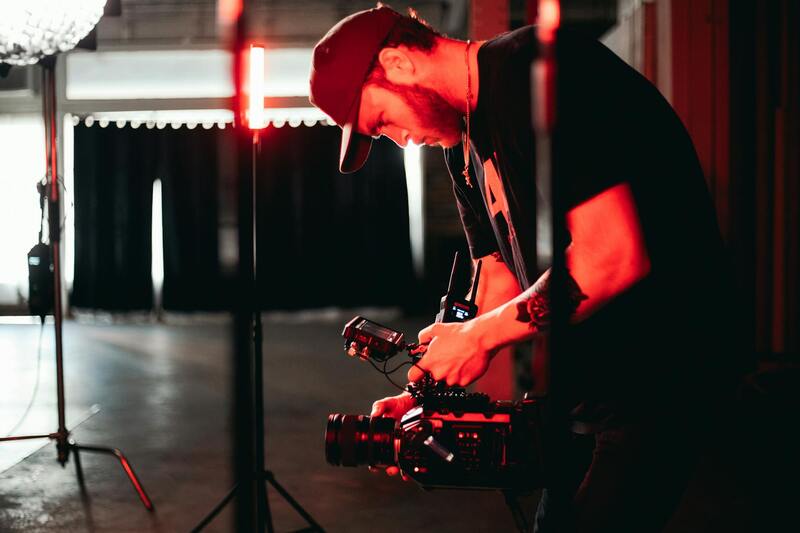
Utilizing high-quality editing tools and software, expert photographers can transform raw files into vibrant, professional-grade images suited for online listing platforms. These images are more likely to grab attention, evoke emotional responses, and motivate potential buyers to schedule viewings.
Best Practices for Real Estate Photo Shoots
Achieving compelling realtor photos begins long before the camera is clicked. Implementing best practices during the shooting process ensures that the images captured are not only visually appealing but also accurately represent the property's strengths. Proper planning is essential — this involves scheduling shoots during optimal lighting conditions, typically late morning or late afternoon when natural light enhances interior and exterior features without creating harsh shadows.
Preparation of the property is equally important. Decluttering clutter, staging furniture to highlight the space's potential, and ensuring windows and surfaces are clean can dramatically improve the overall aesthetic. When staging, professional real estate photographers often recommend accentuating key areas such as the living room, master bedroom, kitchen, and outdoor spaces, which are crucial for capturing the property's essence.
During the shoot, attention to detail, such as camera angles and lens choice, plays a critical role. Wide-angle lenses are commonly used to make spaces appear larger and more inviting. However, they must be handled carefully to avoid distortion that can mislead viewers about the room's dimensions. A steady tripod stabilizes the camera, allowing for precise framing and consistent perspective. It's also advantageous to shoot photos at different heights to capture the space from multiple perspectives, offering a comprehensive view to potential buyers.

Furthermore, ensuring proper lighting within each shot is fundamental. This may involve supplementing natural light with professional lighting equipment or reflectors to illuminate shadowed areas evenly. Avoiding overexposure or underexposure ensures that the images accurately depict the property's true colors and textures. Attention to detail extends to capturing high-quality images without motion blur, which is achieved through appropriate shutter speeds and camera settings.
Post-shoot protocols include reviewing the images to select the best shots that effectively showcase the property's unique features. Multiple variations should be considered to identify the ones that best communicate the property's appeal. Finally, organizing the photo sequence logically — from the exterior to key interior rooms — helps potential buyers navigate the listing more intuitively, fostering a greater emotional connection and increasing the likelihood of inquiries.
Strategies for Legitimized Realtor Photography Engagement
Securing professional realtor photos through reputable channels involves a combination of careful research, adherence to industry standards, and a clear understanding of the available legitimate options. This process ensures that property listings are showcased with authenticity and high visual impact, attracting serious buyers and elevating the overall market presence of the property. Here are some effective methods to acquire verified, high-quality realtor images:
- Partner with Certified Real Estate Photography Companies: Working with established photography firms that specialize in real estate ensures access to skilled professionals who utilize approved equipment and techniques. These companies often hold industry certifications and follow best practices, guaranteeing the images meet professional standards.
- Utilize Local Real Estate Media Services: Local service providers with a track record of real estate photography are familiar with market nuances and client expectations. Engaging with such providers through well-known directories or referral networks helps maintain transparency and trustworthiness in the process.
- Leverage Industry Associations and Accreditation: Many professional associations offer directories of accredited real estate photographers who adhere to strict codes of conduct. Selecting a member of such an organization ensures the service provider complies with industry-specific standards and ethical practices.
- Request Portfolio Reviews and Testimonials: Before formal engagement, review portfolios and request testimonials from previous clients. This approach verifies the provider’s proficiency, consistency, and integrity in delivering quality real estate visuals.
- Verify Contractual Agreements and Service Details: A clear, detailed contract outlining deliverables, usage rights, and confidentiality clauses protects all parties involved. Formal agreements prevent unauthorized use of images and assure that the services rendered meet established standards.

By adhering to recognized methods and engaging with verified providers, real estate professionals can ensure that their property listings are accompanied by authentic, compelling photos. This not only enhances the property's appeal but also fosters a trustworthy relationship between sellers, buyers, and listing agents. The emphasis on official avenues for obtaining realtor images underscores the importance of integrity and quality in real estate marketing efforts.