Understanding the Role of Property Photographers
Property photographers specialize in capturing high-quality images of residential and commercial real estate for marketing purposes. Their primary goal is to showcase the property's best features, highlighting its unique architectural elements, interior design, and overall ambiance to attract potential buyers or tenants. In Miami's competitive real estate market, compelling visual content is essential for standing out among numerous listings. Property photographers work closely with real estate agents, developers, and property owners to produce images that not only accurately represent the property but also evoke an emotional response that motivates viewers to take the next step towards a purchase or lease.
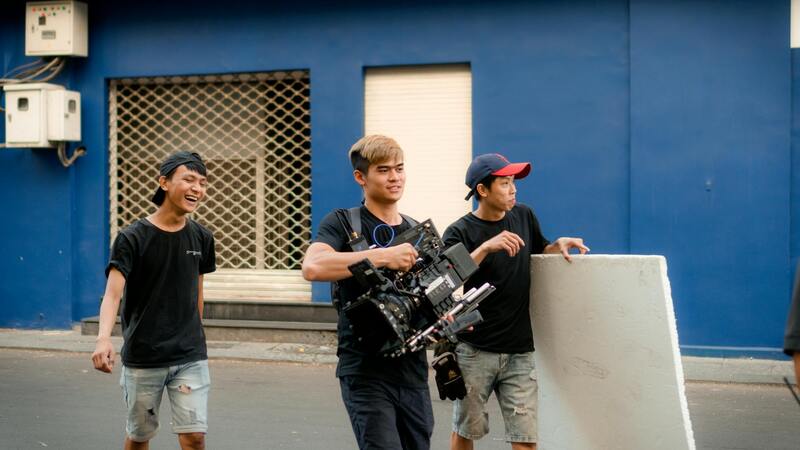
Property photographers employ a combination of artistic vision and technical skill to produce images that are both appealing and informative. They understand how to utilize natural light, camera angles, and composition techniques to make spaces appear more spacious, inviting, and aesthetically pleasing. With Miami's diverse architectural styles—from modern waterfront condos to historic single-family homes—these specialists adapt their approach to best suit each property, ensuring that the images resonate with target audiences.
Furthermore, property photographers often utilize advanced equipment such as high-resolution cameras, drones, and wide-angle lenses. Drones, in particular, provide breathtaking aerial shots that can highlight property size, surrounding amenities, and neighborhood views. The integration of these tools ensures comprehensive visual coverage that appeals to a broad spectrum of potential buyers and renters, ultimately enhancing the property's marketability and reducing time on the market.

Choosing a property photographer who understands Miami’s real estate dynamics and possesses a versatile skill set can significantly influence the success of marketing efforts. By investing in professional photography, property owners and agents ensure a compelling presentation that meets the high standards of today’s digital-first real estate environment. High-quality images not only attract more viewers but also foster trust and confidence among potential clients, positioning the property as a desirable and valuable asset in a competitive market.
Elements of Effective Property Photography
Achieving captivating property images requires attention to several key elements that define effective real estate photography. These elements not only enhance visual appeal but also ensure that the property’s best features are highlighted, making the listing stand out in a crowded market.
Lighting
Proper lighting is fundamental to successful property photography. Natural light, when used appropriately, can create warm, inviting images that emphasize the space and ambiance of a property. Photographers often schedule shoots during the daytime to capitalize on sunlight, avoiding suboptimal lighting conditions that can cast unflattering shadows or obscure details. Additionally, supplementary lighting equipment may be employed to brighten dim areas or create balanced illumination, ensuring each room appears welcoming and spacious.
Composition
Composition techniques, such as the rule of thirds, leading lines, and framing, are integral to producing visually appealing images. Effective composition guides viewers' eyes through the photograph, highlighting the property’s architectural features and interior layout. A well-composed shot helps to establish a sense of harmony and proportion, making spaces feel more inviting and larger than they are.
Staging and Decluttering
Staging is an often overlooked yet crucial aspect of property photography. It involves arranging furniture and decor to accentuate the space’s potential without cluttering it. Removing personal items and excess belongings allows prospective buyers or renters to envision themselves living in the property. Professional photographers frequently collaborate with stagers or provide guidance on creating a neutral, appealing environment that enhances the property’s visual narrative.
Technical Quality
High-resolution cameras, wide-angle lenses, and image stabilization technology are standard tools that contribute to sharp, distortion-free images. Post-processing adjustments, such as color correction and brightness enhancement, are applied judiciously to present an accurate yet striking depiction of the property. It is essential that photographs accurately represent the space to build trust with potential clients and facilitate smoother transactions.
Highlighting Unique Features
Effective property photography emphasizes the property's unique features, such as custom finishes, scenic views, or recent upgrades. Close-up shots of notable details, as well as wide-angle images that capture entire rooms or exteriors, create a comprehensive visual story. These images serve to differentiate the property in a competitive market, attracting more viewers and generating increased interest.
Incorporating Aerial Shots
Given Miami’s sprawling neighborhoods and scenic waterfronts, aerial photography offers an exceptional perspective. Drones can capture expansive views of the property and its surroundings—highlighting size, landscaping, and neighborhood context—that ground-level photos cannot easily convey. Aerial images can significantly boost a listing's appeal by showcasing amenities, proximity to popular locations, and overall neighborhood character.
Utilizing Post-Processing Techniques
Post-processing is the finishing touch that ensures images are polished yet true to reality. Adjustments to contrast, color balance, and sharpness help to make the property look its best. However, care is taken to maintain realistic representations, avoiding over-editing, which could undermine the credibility of the images and affect viewer trust.
Elements of Effective Property Photography
Creating compelling property images requires a strategic approach that balances technical skill with a keen eye for aesthetics. High-quality images should accurately represent the property's features while highlighting its appeal. Key elements include strategic lighting, optimal composition, and proper staging to ensure each photograph resonates with potential buyers or renters.
- Lighting: Proper lighting is essential to showcase a property's true color and ambiance. Natural light, combined with professional lighting equipment, minimizes shadows and enhances the space's inviting feel.
- Composition: Thoughtful framing directs attention to focal points within each room or exterior shot. Using techniques like the rule of thirds and leading lines guides viewers through the image naturally.
- Staging: Well-staged interiors present the property at its best, emphasizing functionality and style. Removing clutter and arranging furniture creates a welcoming environment that appeals to prospective clients.
- Technical Precision: Use of high-resolution cameras, appropriate lenses, and stable tripods ensures crisp, clear images. Each photo must be sharp with accurate color reproduction to reflect the actual space convincingly.
Choosing a Property Photographer in Miami
Selecting the right professional for property photography in Miami involves evaluating their portfolio, experience, and understanding of the local market. A seasoned photographer will have a diverse portfolio demonstrating proficiency across various property types. They should also possess a solid understanding of what makes Miami real estate unique, such as waterfront views and vibrant neighborhood character. Reliable property photographers often offer previews of their works or client testimonials, illustrating their ability to deliver consistent quality that aligns with marketing goals.
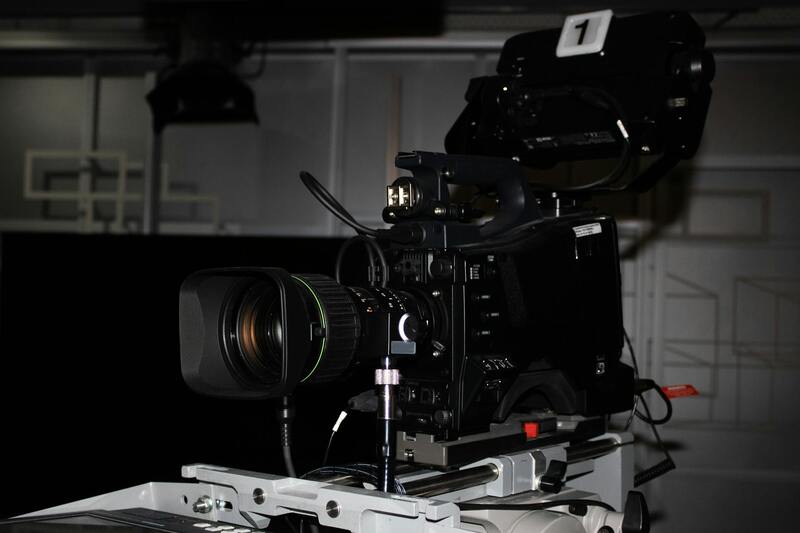
Clients should also consider the photographer’s familiarity with the latest equipment and post-processing techniques. An expert in this field combines technical mastery with artistic sensibility, ensuring the final images effectively attract viewers' attention in a competitive market.
Understanding the Role of Property Photographers
Property photographers specialize in capturing residential and commercial spaces through carefully composed images that highlight the property's best features. Their primary goal is to create visual narratives that resonate with prospective buyers or tenants, ultimately facilitating quicker sales and better rental outcomes. These professionals understand how to use lighting, composition, and perspective to make spaces appear more inviting, spacious, and desirable.
In the context of real estate marketing, property photographers serve as visual storytellers. They employ a keen eye for detail to showcase architectural nuances, interior designs, and outdoor landscapes. This role requires a blend of artistic talent and technical expertise, enabling photographers to transform ordinary spaces into compelling visual assets. Their work not only garners attention online but also impacts the perception of the property’s value, making their skills a vital component in the marketing strategy for real estate professionals.
Importance of Professional Real Estate Photography
In the highly competitive real estate market of Miami, captivating images are essential for attracting serious prospective buyers. High-quality property photographs serve as the first impression for online listings, which are often the initial point of contact between the property and potential clients. Listings featuring professional photography consistently outperform those with amateur images, receiving more clicks, inquiries, and scheduled viewings.
Beyond aesthetics, professional photography ensures consistency in branding and presentation. It helps uphold a standard of quality that reflects the professionalism of the listing agent and the property’s value. When viewers see well-lit, clear, and thoughtfully composed images, their perception of the property shifts positively, increasing the likelihood of a swift transaction.
Key Skills and Equipment Used by Property Photographers
- Technical proficiency: Mastery of camera settings, lens choices, and post-processing techniques to produce vivid, accurate images.
- Lighting expertise: Utilization of natural and artificial lighting to eliminate shadows and enhance the property’s sharpness and depth.
- Staging input: Collaborating with stagers or clients to arrange furniture and decor to maximize visual appeal.
- Perspective and composition: Applying composition rules such as the rule of thirds and leading lines to guide viewers’ eyes through the image.
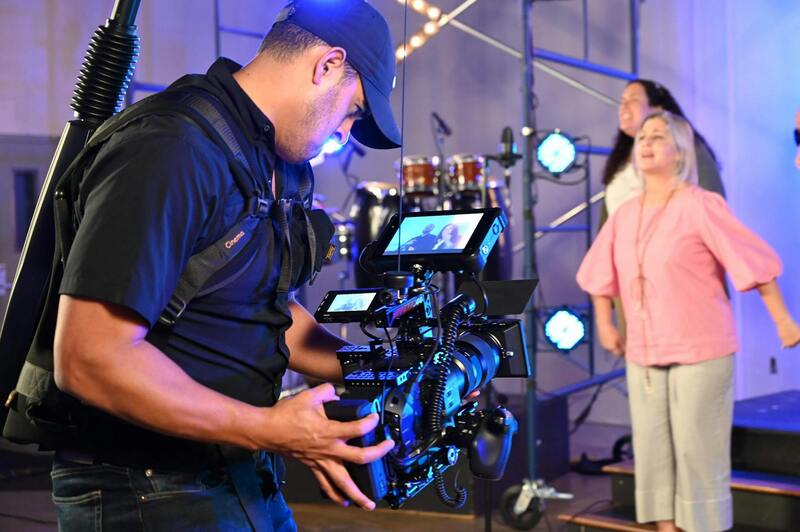
- Equipment: Use of high-resolution digital cameras, wide-angle lenses, drone photography for exterior shots, and stabilization gear such as tripods ensures consistency and quality.
Professionals in this field are also often proficient in advanced editing software, allowing them to correct colors, adjust lighting, and remove imperfections, all while maintaining the authentic look of the space. This technical and creative synergy ensures the final images are both captivating and true to life.
In Miami's vibrant real estate market, where waterfront and skyline views can significantly influence property appeal, the ability to capture these features using specialized equipment like drone cameras adds a critical dimension to marketing efforts. The skillful use of such tools distinguishes top property photographers from others, providing clients with superior visual content that stands out in online listings.
Elements of Effective Property Photography
Creating compelling property images requires a blend of technical expertise, artistic ability, and strategic planning. Each shot should aim to showcase the property in its best light, emphasizing its unique features and maximizing visual appeal to attract potential buyers or tenants.
One of the fundamental elements is lighting. Proper illumination involves balancing natural sunlight with artificial sources to eliminate shadows and highlight architectural details. Photographers often schedule shoots during optimal times of day to utilize the best natural light, but they are also skilled in supplementing this with high-quality lighting equipment when necessary. This approach ensures that rooms appear bright, inviting, and true to life.
Perspective and composition are equally crucial. Using principles like the rule of thirds helps create balanced images that lead the viewer’s eye naturally across the space. Wide-angle lenses are a staple, allowing photographs to capture more of a room or exterior in a single shot, giving viewers a sense of space and proportion. Drone photography also plays a vital role in exterior shots, particularly for waterfront properties or those with expansive grounds, by providing aerial views that highlight landscape and surrounding amenities.
Staging remains a critical aspect of effective property photography. Property photographers often collaborate with professional stagers or offer advice on arrangement to ensure each space looks its best. Properly styled rooms with thoughtful placement of furniture, decor, and accessories evoke emotional responses and help potential buyers envision living there.
Post-Processing and Image Optimization
Post-processing is an essential step in the property photography workflow. Skilled editors use advanced software to enhance colors, correct lighting imbalances, and remove minor imperfections without compromising authenticity. This subtle touch-up ensures images are vibrant and engaging, yet true to the actual space, fostering trust with prospective clients.
In Miami’s competitive real estate environment, high-resolution images that load quickly and display accurately across devices are crucial. Photographers carefully optimize images for online listings, balancing quality and file size to ensure fast website performance and clear visibility on smartphones, tablets, and desktops.
Overall, the combination of technical skill, artistic judgment, and attention to detail in post-processing results in property photographs capable of making a strong impression. These images serve as powerful marketing tools that can significantly influence the speed with which a property sells or leases.
Legal and Ethical Considerations
When engaging in property photography, adherence to established guidelines ensures professionals maintain integrity and foster trust with clients. Respecting privacy boundaries involves obtaining explicit permission before photographing private spaces or capturing identifiable individuals within the property. This step safeguards the rights of occupants and aligns with industry standards.
Professional property photographers must also avoid misrepresentation, ensuring that the images portray the property accurately without deceptive enhancements. Transparency regarding post-processing techniques is vital; clients should be informed if specific adjustments are applied that alter the visual perception of a space.
Additionally, photographers are responsible for safeguarding client information and sensitive property details. Confidentiality agreements prevent unauthorized sharing of images or proprietary property data, which is especially critical in high-stakes real estate transactions.
By consistently applying ethical practices, property photographers contribute to a trustworthy real estate marketing ecosystem. Fair representation of properties, respectful interactions with homeowners and agents, and diligent attention to privacy concerns uphold the professional standards that benefit all stakeholders involved.
Legal and Ethical Considerations
Property photographers operating within the Miami real estate market must adhere to high standards concerning rights, image usage, and consent issues. These considerations are integral to maintaining professionalism and fostering trust among clients, agents, and property owners.
Securing Proper Permissions
Before capturing images of private residences or commercial spaces, obtaining explicit permission from property owners or authorized representatives is essential. This process not only respects the privacy of individuals but also ensures that the photographer has the appropriate authorization to enter and photograph the property. Documentation of permissions should be clear and preserved for reference.
Managing Image Rights and Usage
Determining how images will be used prior to a shoot is fundamental. Clients should specify whether photographs are for online listings, print promotional materials, or other marketing channels. Photographers must understand and agree on usage rights, ensuring that images are not repurposed beyond the scope initially agreed upon. Transparent communication about the extent of image licensing helps prevent future disputes.
Consent and Model Releases
If individuals are visible within property photographs, their consent is necessary. This is especially pertinent when people are identifiable in professional or residential settings. Obtaining signed model releases or consent forms safeguards the rights of all parties and is a vital step in the photography process.
Privacy and Confidentiality
Protecting client information and sensitive property details is paramount. Photographers should incorporate confidentiality clauses into service agreements and ensure that images shared publicly do not inadvertently reveal proprietary or private information. This approach maintains client trust and aligns with best practices in the industry.
Documenting Ethical Practices
Keeping thorough records of permissions, consent forms, and usage agreements contributes to a transparent workflow. It also provides a clear reference point in case questions or disputes arise later about image rights or confidentiality.
Continuing Professional Development
Staying informed about evolving standards and best practices in property photography enhances a photographer's ability to operate ethically. Regular training, workshops, and industry updates are ways to keep abreast of new guidelines and ensure compliance with best practices.
Understanding the Role of Property Photographers
Property photographers specialize in capturing high-quality images of real estate to showcase properties in the best possible light. Their work involves a combination of technical skill, artistic vision, and comprehensive knowledge of how to highlight architectural details, interior design, and the overall ambiance of a space. In Miami’s vibrant real estate market, these professionals play a crucial role in helping sellers, agents, and property managers attract potential buyers and tenants through visually compelling imagery.
Importance of Professional Real Estate Photography
Investing in professional real estate photography significantly impacts a property’s marketability. High-resolution, well-composed images create an immediate visual appeal and evoke an emotional response from viewers. This can translate into faster sales, higher offers, and increased online engagement. In competitive neighborhoods like Miami, where properties can sell quickly, professional images often set listings apart from others in the market.
Moreover, quality photography extends beyond aesthetics—it conveys a sense of trustworthiness and professionalism. When potential buyers see polished, accurate representations of a property, they are more likely to consider making an inquiry or scheduling a viewing. This demonstrates the vital role property photographers play in establishing a strong online presence and a successful sales strategy.
Key Skills and Equipment Used by Property Photographers
- Mastery of wide-angle lenses to capture expansive interior spaces.
- Use of image stabilization and tripod setups for sharp, blur-free shots.
- Proficiency in lighting techniques to balance natural and artificial light sources.
- Post-processing skills for color correction, exposure balancing, and minor retouching.
- Advanced equipment such as drone cameras for aerial shots and 3D imaging tools for virtual walkthroughs.
Elements of Effective Property Photography
Successful property images emphasize key features and create a welcoming atmosphere. Elements include strategic staging, optimal lighting, and careful composition to showcase spatial flow and design details. Bright, well-lit images with balanced shadows and highlights help mimic the look of natural daylight, making interiors appear more inviting.
Furthermore, emphasizing unique architectural accents or desirable amenities can help listings stand out. Incorporating exterior shots that highlight the property’s curb appeal and surrounding environment also plays an essential role in compelling visual storytelling.
Choosing a Property Photographer in Miami
Selecting the right property photographer involves evaluating their portfolio, experience with Miami’s diverse real estate landscape, and their familiarity with digital marketing tools. Local professionals often possess an understanding of popular architectural styles and neighborhood nuances, allowing them to tailor their approach for each property.
Prospective clients should consider reviews, sample work, and the range of services offered when making their selection. An effective property photographer not only captures images but also provides insights into staging, angles, and lighting techniques that maximize property appeal.
Pricing and Service Packages
Property photography rates vary based on the scope of work, property size, and added features like drone footage or virtual tours. Pricing structures typically include flat fees or package deals that combine various services, ensuring comprehensive marketing assets. Clients should clarify what is included—such as editing, multiple shots, or walkthrough videos—and confirm turnaround times to align with listing schedules.
Legal and Ethical Considerations
Adherence to legal and ethical standards is fundamental in property photography. This includes obtaining necessary permissions when featuring individuals, respecting property boundaries, and avoiding misrepresentation of the property’s condition. Ethical practices extend to honesty in depiction, avoiding alterations that could mislead potential buyers, and respecting client confidentiality.
Property photographers should always maintain clear documentation of agreements, consent forms, and licensing rights to prevent misunderstandings. Transparency in these matters upholds the integrity of the profession and fosters trust among clients and viewers alike.