Importance of Quality Property Photography
In the competitive real estate market, high-quality property photography serves as a fundamental element in attracting potential buyers and renters. Exceptional images can significantly enhance online listings, making properties stand out amidst numerous options. When prospective clients browse available properties, compelling visuals immediately convey the space's ambiance, layout, and unique features, influencing their decision to schedule a viewing. Effective property photography extends beyond mere image capture; it impacts the perceived value of a property. Well-composed photos can create a sense of openness and highlight a property's best aspects, encouraging faster sales and higher price offers. As digital platforms dominate property marketing, professional images ensure listings garner maximum visibility and engagement, ultimately accelerating the sale process. Real estate professionals and property owners recognize that investing in quality photography is an essential component of a comprehensive marketing strategy. By utilizing expert techniques and equipment, they present their listings in the most appealing light, reaching a broader audience and generating more inquiries. The significance of high-caliber property photography cannot be underestimated in today’s fast-paced market, where first impressions are often formed online. Properly executed photography also supports consistent branding and professional appeal. It fosters trust and confidence among prospective buyers by showcasing the property accurately and attractively. This approach minimizes misunderstandings and fosters smooth transactions, saving time and resources for all parties involved. In summary, the role of professional property photography extends beyond aesthetics; it is a vital tool that influences listing visibility, buyer engagement, and the overall speed of real estate transactions. Investing in quality imagery ensures a property reaches its full market potential, making it a critical aspect of successful property marketing efforts.
Key Elements of Effective Property Photos
Successful property photography hinges on several fundamental elements. Clear, well-lit images that accurately represent the space are essential. Wide-angle lenses are often used to capture more of a room, creating a sense of openness and depth. It’s important to showcase each room’s purpose and layout, highlighting unique features such as architectural details, modern appliances, or spacious interiors. Composition and framing also play crucial roles. Properly framing shots to eliminate clutter and focus on the main features helps craft visually appealing images. Symmetry and balanced lighting contribute to aesthetic harmony and draw viewers’ eyes naturally through the space. Additionally, attention to detail—such as decluttering, tidying up, and ensuring that all elements are in their best condition—can dramatically elevate the quality of the photos. Using a consistent editing style that enhances natural light without over-processing maintains authenticity and builds trust with viewers. Ultimately, effective property photos are those that not only show the property accurately but also evoke an emotional response, inspiring viewers to take the next step in their real estate journey.
Photography Equipment and Techniques
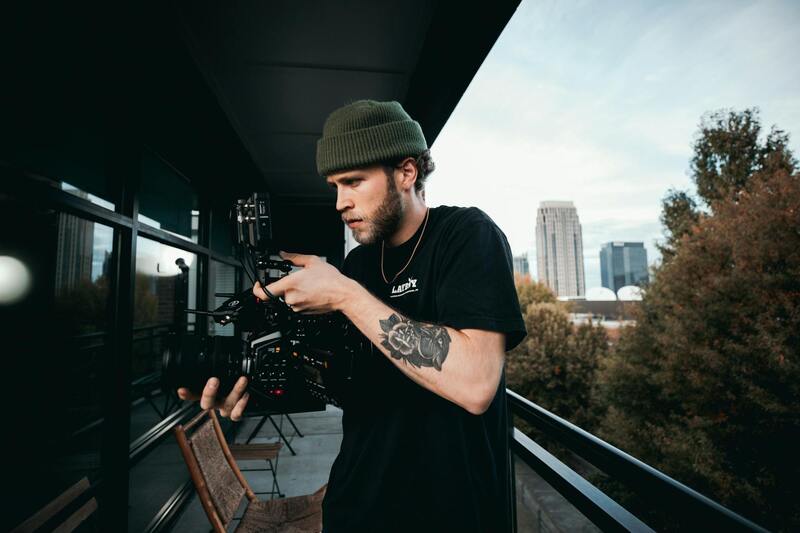
To achieve professional-grade property photos, the use of appropriate equipment and techniques is vital. High-resolution digital cameras with full-frame sensors are preferred as they capture more detail and handle dynamic lighting conditions effectively. A wide-angle lens, typically in the range of 14mm to 24mm, is essential for capturing expansive interior spaces without distortion, providing viewers with a realistic sense of scale. Tripods are indispensable tools, ensuring stability and consistent framing, especially in lower light environments where longer exposure times are required. Utilizing remote release shutters or timer functions minimizes camera shake, further enhancing image clarity. Long exposure techniques can be employed to brighten dark areas or enhance natural light, but should be used judiciously to avoid unnatural effects. Bracketing multiple exposures and stacking them allows for high dynamic range (HDR) imaging, balancing bright windows and shadowed corners for well-exposed photos. Post-processing software, such as Adobe Lightroom or Photoshop, enables refinement of images through adjustments in brightness, contrast, color balance, and perspective correction. Maintaining a natural look while enhancing overall appeal is critical, so over-editing should be avoided. Practicing proper camera settings, including aperture, ISO, and shutter speed, equips photographers to adapt to various lighting conditions and interior layouts, ensuring each shot highlights the property's best features without distortion or loss of detail.
Staging and Preparation for Photography
Effective staging and meticulous preparation are crucial for maximizing the impact of property photography. Prior to the shoot, properties should undergo a thorough decluttering process, removing personal items, excess furniture, and any visual distractions. This creates a clean, inviting environment that allows viewers to envision themselves in the space. Pay particular attention to details such as aligning furniture, fluffing cushions, and ensuring beds are neatly made. A fresh coat of neutral-colored paint can brighten walls, while minor repairs should be addressed to eliminate imperfections. Enhancing curb appeal through landscaping, exterior cleaning, and minor repairs adds to the overall attractiveness, which can be crucial for exterior shots. Inside, organizing each room to highlight its purpose and unique features helps tell a compelling story about the property. Consider incorporating subtle decorative elements like fresh flowers, tasteful artwork, or decorative pillows to add warmth and personality. Well-planned staging that aligns with current market trends can significantly increase interest and perceived value. By investing time in proper staging and preparation, photographers ensure that the property's best attributes are emphasized, producing images that captivate potential buyers and facilitate engagement across marketing channels.
Understanding the Impact of Lighting on Property Photography
Lighting plays a pivotal role in capturing compelling property images that highlight the space’s best features and create an inviting atmosphere. Proper lighting ensures that interiors appear bright, welcoming, and true to life, which enhances viewer engagement and helps potential buyers envision themselves within the property.
Natural light, when available, should be maximized during the shoot. Shooting during the daytime, especially when sunlight streams through windows, can dramatically improve image quality. Opening curtains and blinds allows natural light to flood the space, reducing shadows and adding warmth to the photographs.
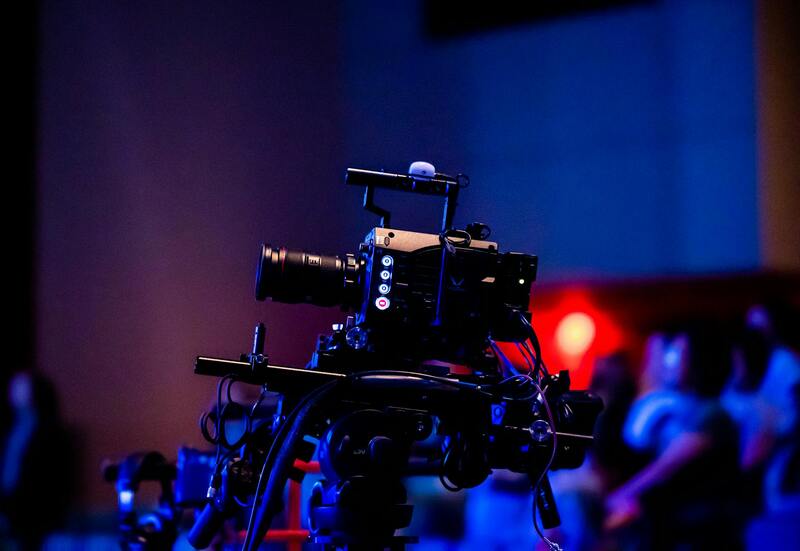
Supplementing natural light with professional lighting equipment is often necessary to achieve consistent and balanced illumination. Diffused flash units or softboxes can fill shadows without creating harsh glares, especially in darker corners or rooms.
Adjusting camera settings such as ISO, aperture, and shutter speed ensures images are sharp and correctly exposed. A wider aperture can create a sense of depth, while a lower ISO minimizes grain and noise. Bracketing exposures and merging multiple shots in post-processing further enhance lighting dynamic range, capturing both interior brightness and exterior views simultaneously.
Effective use of lighting not only depicts the property's true appearance but also helps evoke emotional responses, making spaces appear more appealing and larger than they are. Properly lit images can transform ordinary spaces into captivating visuals that resonate with prospective buyers, drawing their attention across multiple marketing platforms.
Effective Composition and Angles
Within professional property photography, composition plays a vital role in presenting spaces in the most appealing way. The use of proper angles can accentuate room dimensions, showcase architectural features, and create an inviting atmosphere. Vertical lines should be kept straight to prevent distortion, and wide-angle lenses are commonly employed to capture more of the space in a single shot, making rooms appear larger and more open. However, caution must be taken to avoid excessive distortion, which can mislead viewers or detract from the image's authenticity.
Optimum camera positioning involves shooting from eye level or slightly elevated angles to give viewers a comprehensive perspective of the space. When photographing interior rooms, a common approach is to position the camera near doorways or corners, allowing the viewer to glimpse multiple areas within a single frame. This technique guides the eye naturally through the property and creates a sense of flow. Additionally, capturing multiple shots from various angles provides a diverse gallery of images, allowing potential buyers to explore the property virtually with confidence.
Post-Processing Enhancements
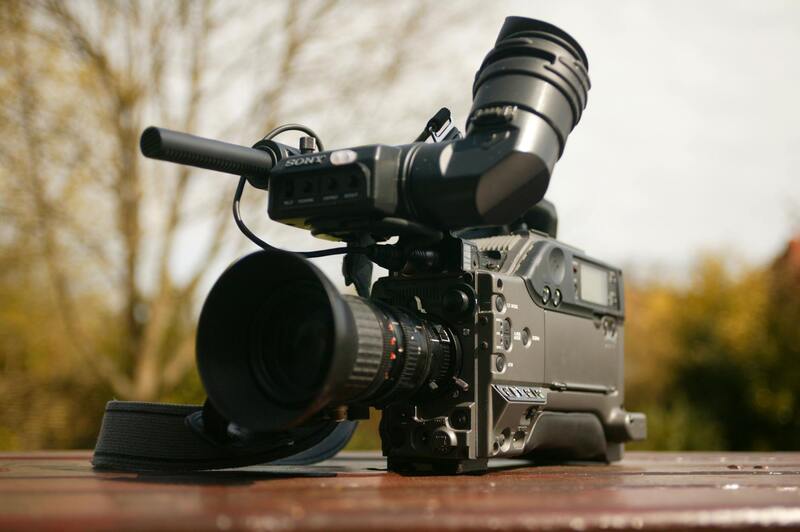
After capturing images, post-processing becomes crucial in refining their impact. Adjusting brightness, contrast, and color balance enhances the images' vibrancy and true-to-life appearance while maintaining authenticity. Correcting lens distortion and straightening images ensures symmetry and proportionality, particularly in architectural shots. Techniques like HDR (High Dynamic Range) processing can seamlessly blend multiple exposures, balancing interior brightness with exterior views, which is particularly beneficial in properties with large windows or contrasting lighting conditions.
While post-processing enhances the visual appeal, it must be executed responsibly to preserve the integrity of the property depiction. Over-editing can lead to misleading representations, so maintaining a natural, honest portrayal remains essential in building trust with prospective clients.
Legal and Ethical Considerations
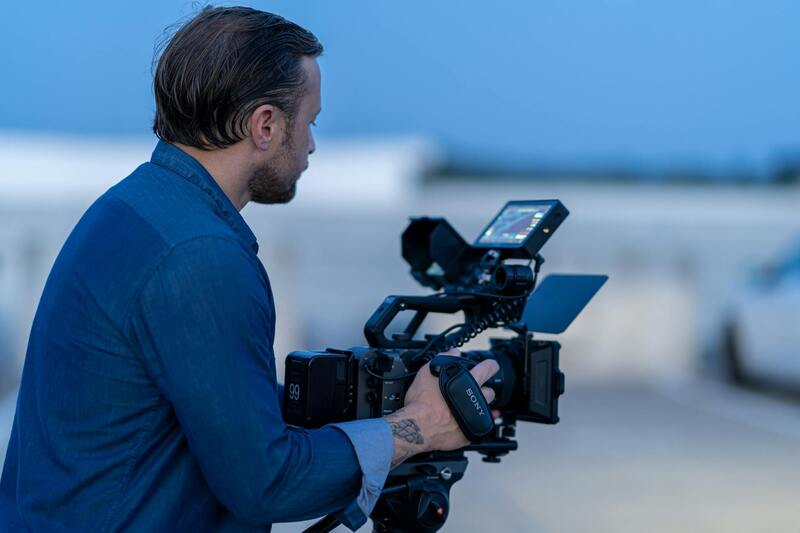
In the realm of property photography, adhering to established guidelines and standards ensures the integrity and professionalism of the visual content produced. When capturing images of real estate, it is essential to respect the privacy and rights of property owners and occupants. Obtaining consent before photographing private spaces or residents not only aligns with best practices but also fosters trust and transparency in the marketing process.
Additionally, accuracy in representation is a cornerstone of effective property photography. It is vital to showcase the property realistically, avoiding techniques or edits that could alter perceptions substantially. This includes refraining from overly housing enhancements or selective framing that may mislead prospective buyers or renters about the true appearance or condition of a property.
Photographers should familiarize themselves with the specific regulations and standards related to property marketing within their operational jurisdiction. This includes understanding any rules about drone photography, especially in residential areas or restricted zones. Properly managing and storing images also safeguards the rights of clients and prevents unauthorized use or distribution of sensitive visuals.
Furthermore, transparency about the capabilities and limitations of property photography services is fundamental. Be clear with clients regarding what can be achieved visually and set realistic expectations, especially when using advanced techniques or equipment. This honesty not only upholds a professional standard but also contributes to a more informed and satisfied client base.
When employing aerial drone photography, it is crucial to use licensed operators and follow applicable flight regulations. This ensures images are captured safely and responsibly, protecting everyone involved and upholding the quality standards of the marketing effort.
Using Property Photography for Marketing
High-quality property images are the backbone of effective online listings, brochures, and social media campaigns. Well-composed visuals attract viewers' attention and generate interest, making it critical to incorporate a diverse set of images that showcase the property's best features from multiple perspectives.
In digital marketing, images should be optimized for fast loading while maintaining high resolution and clarity, ensuring they appear crisp across all devices. Strategic placement of key images in online listings increases engagement and can significantly impact the speed of property sales or rentals.
In addition to traditional listing platforms, integrating captivating visual content into virtual tours, 3D walkthroughs, and augmented reality experiences provides an immersive property exploration that appeals to modern buyers and renters. These advanced mediums rely heavily on stellar photography to create compelling, realistic environments that enable viewers to envision themselves within the space.
To maximize marketing impact, it is crucial to maintain consistency in style and quality across all images, establishing a recognizable visual identity for the property and the agency. This consistency helps reinforce brand trust and professionalism, ultimately enhancing the property's marketability.
Choosing a Property Photography Service in Miami
Selecting the right service involves evaluating technical expertise, equipment quality, and experience within the Miami real estate market. A reputable property photography provider should demonstrate a portfolio reflecting a wide range of property types, from luxury residences to commercial spaces, highlighting their versatility and proficiency.
Client testimonials and case studies offer valuable insights into the photographer's ability to deliver consistent, high-quality results. Communication is essential; a responsive, knowledgeable team can understand your specific needs and recommend tailored solutions, including specialized techniques like drone photography or twilight shoots.
Finally, consider the value-add services offered, such as virtual staging, 360-degree virtual tours, and post-production enhancements. These supplementary offerings can significantly elevate your marketing strategy by providing comprehensive visual content designed to attract and retain potential clients.
Advanced Techniques in Property Photography
To elevate property images beyond basic captures, professionals utilize a range of advanced techniques that enhance visual appeal and accurately represent the property’s features. High Dynamic Range (HDR) photography is frequently employed to balance exposure levels, ensuring that both shadowed and brightly lit areas are visible. This approach is particularly beneficial in spaces with large windows or complex lighting conditions, allowing potential buyers to see the full depth and detail of each scene.
Another valuable technique is the use of tilt-shift or panoramic photography, which provides expansive views of larger properties or scenic surroundings. Panoramic shots create an immersive experience, giving viewers a comprehensive understanding of the property's layout and context within its environment. These are especially useful for showcasing outdoor areas, gardens, or views from high-rise apartments.
Drone photography has revolutionized the way properties are presented, especially for expansive estates, commercial properties, or properties with unique landscapes. Aerial shots offer a bird’s-eye perspective, highlighting features that are not easily captured from the ground, such as property boundaries, landscaping, amenities, and overall scale. The integration of drone footage into property listings can significantly boost engagement and provide a competitive edge.
Lighting remains a central aspect of professional property photography. Techniques such as using external flashes, reflectors, and diffusers help manage natural light, minimizing shadows and glare. The goal is to produce images that appear vibrant and inviting while maintaining a true-to-life representation of the space.
Enhancing Post-Production and Editing
Post-production plays a vital role in perfecting property images. Skilled editing corrects minor color imbalances, sharpens details, and removes distracting elements that could detract from the overall presentation. However, it is crucial that edits remain subtle, preserving the authenticity of the property. Over-editing can mislead viewers and undermine the integrity of the listing.
Color correction and brightness adjustments ensure consistency across all images, which reinforces professionalism in your marketing materials. Additionally, virtual staging can be employed to visualize the full potential of vacant spaces, helping buyers imagine living or working in the property with modern, furnished interiors.
Utilizing high-definition resolution for all images guarantees clarity across various viewing platforms, including smartphones, tablets, and desktops. Properly optimized images load quickly, reducing bounce rates and improving user experience—factors that contribute to higher engagement rates and increased inquiries.
Legal and Ethical Considerations in Property Photography
Adhering to established standards and principles in property photography ensures transparency and trustworthiness in real estate listings. It is essential for photographers and agents to accurately represent the property’s features without misleading potential buyers or tenants. This involves avoiding techniques that could alter the true appearance of spaces, such as excessive photo editing or staging that significantly changes the natural look of the property.
Respecting the privacy of current occupants and neighbors is another fundamental aspect. Prior to capturing images, obtaining proper permissions and informing those affected by the photography process helps maintain a respectful and professional relationship. This practice also prevents misunderstandings that could arise from unintentional inclusion of private areas or individuals in photographs.
Using only authorized access to properties for photography aligns with ethical standards. Ensuring that the photography process does not interfere with the everyday routines within the property or disrupt its current use respects the rights of property owners and tenants alike.

Furthermore, honest depiction involves providing an accurate representation of the property’s condition. Skepticism from prospective clients increases when images clearly illustrate the space without misleading enhancements or omissions. Combining high-quality imagery with factual descriptions builds credibility, fostering a trustworthy relationship between the realtor and the client.
Documentation and proper record-keeping of agreements related to property photography sessions help maintain clarity throughout the process. This includes signed permissions, agreements on image usage, and understanding of any staging or editing practices involved. Such measures also protect all parties involved from potential disputes.

In today’s digital real estate environment, compliance with industry standards and best practices in property photography not only enhances the visual appeal of listings but also upholds the integrity of marketing efforts. A transparent approach to capturing and presenting property images encourages buyer confidence and reinforces a professional image for agents and photographers alike.
Legal and Ethical Considerations in Property Photography
Adhering to proper legal and ethical standards is essential to ensure the integrity of property photography and to foster trust with clients. This involves obtaining permission from property owners or tenants prior to capturing images, especially when photographing interior spaces that may contain personal belongings or confidential information. Clear communication regarding the scope of the shoot, the intended use of images, and consent helps prevent misunderstandings and establishes a professional relationship based on mutual respect.
Respecting privacy is paramount; photographers should be vigilant to avoid capturing images of private areas or personal items that are not meant for public viewing. If certain areas or items are off-limits, these restrictions must be communicated and respected. Additionally, securing appropriate permissions when photographing occupied properties is crucial, particularly in multifamily buildings or rental units, to ensure compliance with privacy expectations.
Honest depiction of a property's condition also contributes to ethical standards. This means avoiding the use of image editing techniques that may distort or exaggerate features of the property. While staging and minor enhancements to improve lighting or remove clutter are acceptable, intentional misrepresentation—such as digitally adding features or removing flaws—can mislead buyers and damage reputation. Transparency about any modifications made to images maintains credibility and supports a trustworthy marketing process.

Proper documentation is also a key component of ethical property photography. Signatures on permission forms, clear agreements on how images will be used, and record-keeping of the photography session details help protect all parties and ensure accountability. These practices not only safeguard the interests of property owners but also reinforce a professional approach within the industry.
Organizing a process rooted in honesty and integrity enhances the reputation of photographers and real estate professionals alike. Maintaining transparent processes aligns with industry standards and promotes a reputation for reliability and professionalism in the competitive Miami real estate market.
Using Property Photography for Marketing
High-quality property images serve as a cornerstone of effective marketing strategies. They attract prospective buyers or tenants by providing them with a genuine visual representation of the property’s best features. When images accurately reflect the space, potential clients develop a clearer understanding of the property’s layout and condition, which minimizes surprises during viewings or inspections.
Visual content should be complemented with detailed descriptions and relevant property details to create compelling listings. Effective property photography involves a systematic approach: capturing the property at its best, highlighting its unique features, and presenting a clean, clutter-free environment that appeals to target audiences.
Additionally, utilizing a variety of high-quality images—exterior shots, interior views, special features, and amenities—across multiple platforms amplifies reach and engagement. Such comprehensive imagery allows real estate listings to stand out in digital channels, print media, and social networks.
Choosing a Property Photography Service in Miami
For clients seeking optimal results, selecting a skilled local photographer or agency experienced specifically with Miami’s real estate market is vital. Local professionals possess knowledge about the area's architectural styles, lighting conditions, and the preferences of Miami’s diverse clientele. This familiarity enables them to deliver images that resonate with potential buyers and accurately showcase the property’s appeal.
When evaluating photography services, consider their portfolio, technical expertise, and understanding of current real estate marketing trends. A dedicated service offers tailored solutions, prompt delivery, and a collaborative approach, ensuring the final images align with marketing objectives and industry standards.