Importance of High-Quality Property Photos
In the competitive Miami real estate landscape, the visual presentation of a property can significantly impact its market performance. High-quality property photos serve as the initial point of contact for potential buyers, making them crucial in attracting interest and encouraging further inquiry. Well-composed, professional images highlight the property's best features, creating a compelling narrative that can differentiate listings from the multitude of options available to buyers today.
Evidence shows that listings with superior photographs tend to generate more online views, increase engagement, and often result in quicker sales. This correlation underscores the importance of investing in professional photography services when marketing properties. The right visuals not only provide an accurate representation of the property but also evoke emotional responses that motivate prospective buyers to arrange viewings.
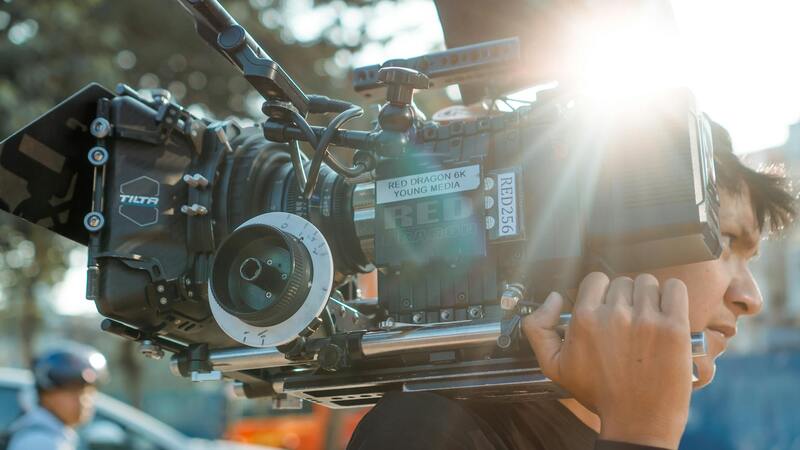
Additionally, high-quality images help establish credibility and professionalism for real estate agents and property owners. They demonstrate a commitment to quality that reassures clients and buyers alike. In a city like Miami, where luxury and aesthetic appeal are highly valued, investing in expert property photos can be the decisive factor that prompts a viewer to take the next step in their buying journey.
Key Elements of Attractive Property Photos
Effective property photos incorporate several vital elements that maximize visual appeal and give an authentic glimpse of the property. These include:
- Lighting: Proper lighting showcases the property's architecture and decor, creating a welcoming atmosphere.
- Framing and Composition: Strategic framing emphasizes the property's space and flow, guiding the viewer's eye naturally across the image.
- Clutter-Free Spaces: Removing personal items and clutter allows potential buyers to envision themselves in the home.
- Highlighting Unique Features: Focusing on standout elements like views, architectural details, or premium finishes adds value.
- Consistency: A coherent style across all images maintains professionalism and enhances listing cohesion.
Choosing the Right Equipment and Techniques
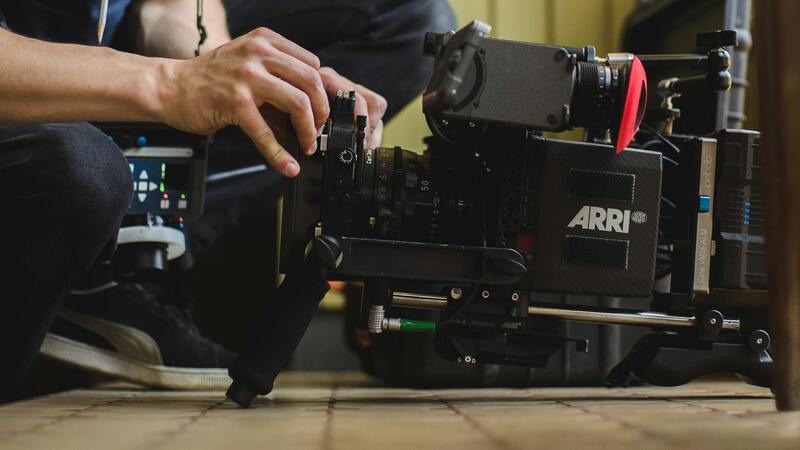
Achieving professional-quality property photos begins with selecting appropriate equipment and employing proven techniques. High-resolution digital cameras equipped with wide-angle lenses are standard in capturing expansive views and detailed interior shots. Tripods are essential for maintaining stability and consistency across images, especially in low-light settings.
Additionally, employing techniques such as HDR (High Dynamic Range) imaging allows for balanced exposure, ensuring both interior and exterior elements are visible and vibrant. Using proper focal lengths minimizes distortion and preserves the natural proportions of spaces, making rooms appear more inviting.
Best Practices for Shooting Property Photos
To produce compelling images, photographers should follow established best practices, including:
- Scheduling shoots at times when natural light is abundant, usually mid-morning or late afternoon.
- Using wide-angle lenses responsibly to avoid distortions that could misrepresent spaces.
- Capturing multiple angles of each room, including key features and perspectives.
- Ensuring the property is clean, tidy, and well-staged before the shoot.
- Applying appropriate camera settings—such as aperture and ISO—to optimize image clarity.
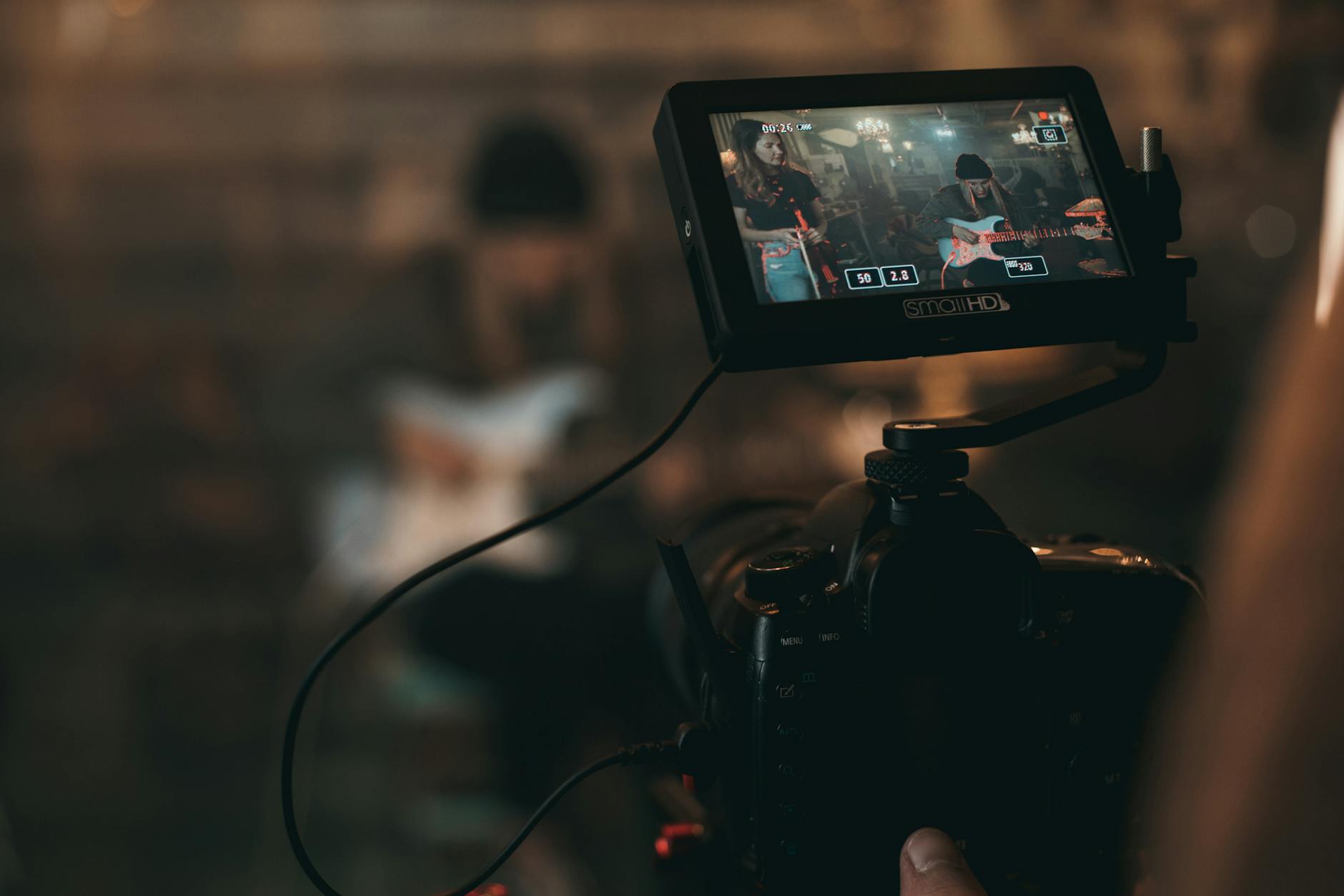
Key Elements of Attractive Property Photos
Compelling property images hinge on capturing specific elements that resonate with potential buyers. Lighting plays a pivotal role; natural light enhances the vibrancy and warmth of interior spaces, while well-utilized artificial lighting can eliminate shadows and highlight architectural features. A balanced exposure ensures that details in both bright and shadowed areas are visible, creating an inviting atmosphere.
Composition is equally crucial. Framing shots to emphasize the openness and flow of a space helps viewers envision themselves living there. Horizontal lines should be level, and vertical elements aligned to keep the perspective natural. Including wide views of rooms and key features allows viewers to appreciate the spatial layout.
Staging complements photography by presenting the property at its best. Simple enhancements such as decluttering, adding fresh flowers, and arranging furniture to maximize space can make interiors appear more appealing and spacious. Ensuring that outdoor areas are tidy and well-maintained also contributes to an overall positive impression.
Angles matter. Capturing multiple perspectives from different corners provides a comprehensive understanding of the property's layout. Overhead shots or shots taken from higher vantage points can showcase large open areas or yard spaces effectively.
Choosing the Right Equipment and Techniques
Selecting appropriate equipment is fundamental to producing high-quality property images. High-resolution digital cameras with wide-angle lenses enable capturing expansive interior and exterior views without distortion. This ensures images are crisp and detailed, portraying the property accurately.
Tripods are indispensable for maintaining stability, especially in lower light conditions or when shooting interior spaces. They allow for consistent framing and minimize blurriness caused by hand movement.
Professional techniques such as HDR photography help blend multiple exposures to achieve balanced images that faithfully represent both interior brightness and exterior views. Proper focal lengths help control perspective, avoiding fish-eye effects or exaggerated distortions.
Additional considerations include setting the correct ISO, aperture, and shutter speed to optimize clarity and depth of field. Using remote triggers or timers can prevent camera shake during exposure.
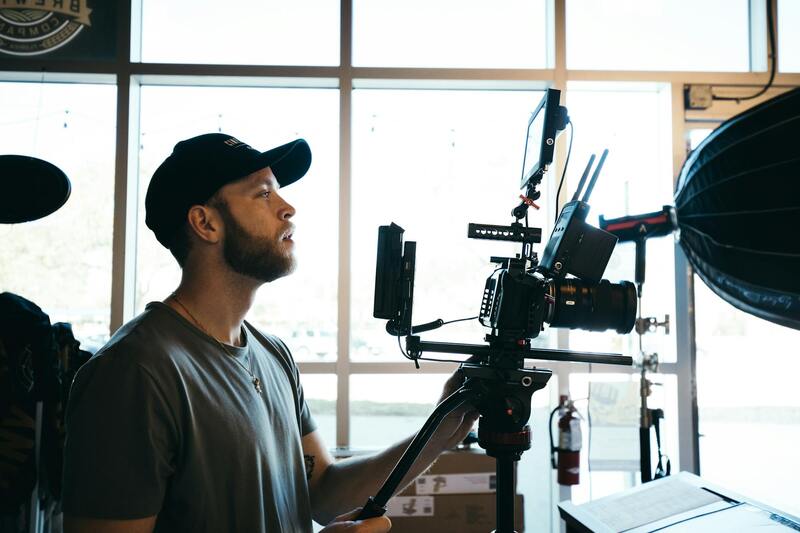
Best Practices for Shooting Property Photos
Maximizing natural light is imperative; scheduling shoots during daylight hours when sunlight is abundant ensures rooms are bright and inviting. Aiming for mid-morning or late afternoon can help avoid harsh shadows.
Employ wide-angle lenses judiciously, avoiding excessive distortion that can mislead potential buyers. Shooting from eye level or slightly higher can prevent exaggerated perspectives of ceilings or floors.
Aiming to capture multiple angles of each room provides a comprehensive view, helping buyers better understand the spatial arrangement. Focus on key features like fireplaces, kitchens, and bathrooms to highlight the property's unique selling points.
Preparation is key: the property should be clean, decluttered, and staged appropriately before shooting. Small details, such as aligned furniture and fresh flowers, can significantly impact the image's appeal.
Camera settings should be adjusted for optimal clarity—using a narrow aperture for depth of field, appropriate ISO to prevent noise, and a suitable shutter speed to avoid motion blur.
Choosing the Right Equipment and Techniques
Achieving stunning property photos requires strategic selection of both equipment and shooting methods. Digital single-lens reflex (DSLR) cameras and mirrorless models are preferred for real estate photography due to their versatility and superior image quality. These camera types allow for manual control over settings such as aperture, shutter speed, and ISO, enabling precise adjustments to match lighting conditions and desired depth of field.
Utilizing wide-angle lenses, typically between 14mm and 24mm, facilitates capturing expansive interior spaces in a single shot, minimizing the need for multiple images. This lens type helps showcase the full scope of rooms while maintaining clarity and detail. When combined with a tripod, these lenses assist in stabilizing the camera, ensuring sharpness especially in low-light environments or when longer exposures are necessary.
Shooting techniques should prioritize a systematic approach. Start by preparing the space through thorough cleaning and decluttering to eliminate distractions. Precise framing ensures the room’s proportions are accurately represented, avoiding overly tilted angles that can distort perspective. To achieve consistent results, set your white balance beforehand to match indoor or outdoor lighting conditions.
Timing is crucial; shooting during natural daylight minimizes the need for extensive editing and creates bright, inviting images. Adjust camera settings to optimize exposure and sharpness—use a narrow aperture (f/8 to f/11) for depth of field, and set ISO values low enough to prevent graininess, barring low-light scenarios where slight ISO increases are acceptable. A remote trigger or timer eliminates the risk of camera shake, producing crisp images.
Another critical technique involves capturing multiple angles of key rooms—such as the living area, kitchen, master bedroom, and bathrooms—to provide potential buyers with a comprehensive understanding of the property's layout. Focus on highlighting attractive features like fireplaces, built-in shelving, or modern appliances that enhance the property's appeal.
In addition, understanding light direction and shadows can dramatically improve photo quality. Shooting during mid-morning or late afternoon when sunlight is softer helps avoid harsh shadows, while balancing interior and exterior lighting ensures the photos are well-exposed. Post-shoot review of images allows for selecting the best shots, with some minor adjustments made to correct brightness, contrast, and color tones in editing software.
Best Practices for Shooting Property Photos
Capturing high-quality property photos requires meticulous planning and attention to detail, as well as a clear understanding of effective staging, optimal lighting, and camera angles. Proper staging plays a crucial role in transforming a space to showcase its full potential. Remove clutter, depersonalize the environment, and arrange furniture to create an inviting atmosphere that highlights the property's strengths. Using neutral colors and simple decor helps potential buyers envision themselves living in the space without distractions.
Lighting is one of the most significant factors influencing the quality of property photographs. Whenever possible, aim to shoot during times of day when natural light is abundant, such as mid-morning or late afternoon. This natural lighting reduces the need for excessive artificial lighting and minimizes shadows that can obscure details. When capturing interiors, turn on all available lights and consider using additional soft light sources to evenly illuminate darker areas.
Angles and composition are essential for portraying the property accurately while making spaces appear larger and more appealing. Wide-angle lenses are often preferred to encompass more of each room, but it is vital to avoid fisheye distortion that can misrepresent proportions. Shooting from doorways or corners offers depth and perspective, allowing viewers to grasp the spatial relationships between rooms. Additionally, varying camera heights—usually at approximately chest level—results in natural and flattering images.
Incorporating the right techniques ensures that property photos are both visually appealing and truthful. Pay particular attention to aligning the camera level and avoiding tilted shots. Use a tripod to maintain stability, especially in low-light conditions where longer exposure times are necessary. Experiment with framing to highlight attractive features such as modern kitchens, cozy living rooms, or scenic outdoor areas. Diligent consideration of angles and lighting—even before beginning the shoot—sets the stage for compelling images that showcase the property's best aspects.
Choosing the Right Equipment and Techniques
To capture property photos that truly highlight the best features of a home, selecting appropriate equipment and employing effective techniques are essential. High-quality images significantly influence potential buyers' impressions and can accelerate the sale process. As such, investing in reliable gear and mastering key photographic methods can make all the difference.
Essential Equipment for Property Photography
- Digital Single-Lens Reflex (DSLR) or Mirrorless Cameras: These cameras offer superior image quality, manual control over settings, and the flexibility to adapt to various lighting conditions. They are preferred over smartphones for professional property shoots.
- Wide-Angle Lenses: Typically ranging from 14mm to 24mm, wide-angle lenses enable the photographer to capture more of the room in a single shot. This makes spaces appear larger and more inviting. Care must be taken to avoid fisheye distortion, which can misrepresent proportions.
- Tripods: Stability is crucial, especially in low-light environments where longer exposures are needed. Tripods ensure sharpness and allow for consistent framing across multiple shots.
- Lighting Equipment: External flashes, softboxes, and reflectors help in evenly illuminating interiors, reducing shadows, and highlighting architectural details. Proper lighting enhances the natural appeal of the property without overpowering the scene.
- Color Calibration Tools: Ensuring accurate color reproduction is vital for realistic images. Using calibration tools helps maintain consistency across different shooting sessions.
Techniques to Enhance Property Photos
- Proper Composition: Frame the property to emphasize its strongest features. Use the rule of thirds, leading lines, and symmetry to create visually appealing images. Shooting from doorways or corners can add depth and perspective for a more immersive view.
- Optimal Angle Selection: Position the camera at an appropriate height—usually around chest level—to prevent distorted perspectives. Avoid shooting from the ceiling or too low, which can warp the perception of the space.
- Lighting Balance: Turn on all available lights when photographing interiors. Incorporate additional light sources to fill dark areas, ensuring even illumination. Utilize natural light during dawn or late afternoon for softer, more appealing tones.
- Posture and Framing: Keep the camera level to prevent tilted images. Employ a tripod for precise framing and consistency. Be attentive to distortions caused by wide-angle lenses and correct them if necessary, either during the shoot or through editing.
Mastering these equipment choices and techniques results in high-quality images that authentically showcase the property's best features. Precise framing, balanced lighting, and sharp focus contribute to a compelling visual narrative that attracts more prospective buyers and enhances the property's online presence.
Importance of High-Quality Property Photos
In the competitive real estate market, first impressions are crucial, and high-quality property photos play a pivotal role in capturing the attention of potential buyers. Well-composed images that accurately depict a property's features can significantly influence a visitor’s decision to schedule a viewing or move forward with an offer. They serve as the visual gateway that draws viewers into the property’s unique ambiance, layout, and finishes, providing an immersive experience even before they step inside.
Effective property photos do more than just showcase space; they build trust and credibility. Authentic, clear images set realistic expectations and demonstrate professionalism, which enhances the listing's overall appeal. When combined with strategic staging and proper lighting, these images can highlight the property's strengths, minimize flaws, and create an emotional connection with prospective buyers. This is particularly important in the digital age where online listings are often the first—and sometimes only—exposure a buyer has to a property.

Key Elements of Attractive Property Photos
Achieving captivating property photographs involves focusing on several fundamental elements that emphasize the space’s best features. Composition is vital: framing the shot to maximize the sense of space and flow creates a welcoming visual narrative. The rule of thirds, leading lines, and symmetry guide the viewer’s eye naturally through the image, making the space appear more inviting.
Lighting is another critical factor. Utilizing natural light during the golden hours—early morning or late afternoon—can soften shadows and add warmth to the image. In interior shots, turning on all available lights and supplementing with external lighting if needed helps ensure an evenly lit scene that accurately portrays the space. Avoiding shadows and overexposure is essential for clarity and detail.
Camera positioning impacts the perception of the property's size and layout. Shooting from eye level—roughly chest height—prevents distortions common with tilted or overly wide-angle perspectives. Using a tripod guarantees stability and consistent framing, especially when capturing multiple images for a listing. Additionally, paying attention to details such as clutter removal and arranging furniture to highlight functionality can improve the overall appeal of the photos.
Choosing the Right Equipment and Techniques
High-quality property photography hinges on selecting appropriate equipment. A DSLR or mirrorless camera with a wide-angle lens is preferred for capturing expansive spaces without sacrificing detail. Tripods offer stability and enable precise framing, particularly in low-light conditions. Remote shutter releases or camera timers reduce shake and ensure sharpness.
Employing correct techniques enhances image quality. Employing bracketing and HDR (High Dynamic Range) photography helps manage varying lighting conditions, preserving details in both shadows and highlights. Proper aperture settings—usually between f/8 and f/11—ensure sufficient depth of field, keeping entire rooms in sharp focus. Consistent white balance settings across images maintain color accuracy, which is crucial when editing or comparing photos.
Best Practices for Shooting Property Photos
To produce compelling property images, adherence to proven best practices is essential. Start each session by thoroughly preparing the space: declutter, stage furniture to highlight key features, and ensure access to natural light. During the shoot, shoot from multiple angles and heights to provide comprehensive views of each room. Avoid fisheye or distorted perspectives that can mislead viewers; instead, use wide-angle lenses carefully to balance coverage and realism.
Maintain uniformity across all images by following a consistent style and framing. Ensure each shot is level, well-lit, and free of distractions or reflections. For exterior shots, consider the time of day; dawn or late afternoon light usually offers a softer, more flattering tone. Capturing multiple images at different times and conditions can also showcase how the property looks under various lighting scenarios, further enhancing appeal.
Editing and Post-Processing of Property Photos
Post-processing is an integral part of professional property photography. Basic adjustments such as exposure, contrast, and color correction help present the property in the best light. Slight cropping and straightening can improve composition and eliminate distractions that may detract from the main focus.
It is crucial to maintain authenticity by avoiding over-editing or manipulations that misrepresent the property’s actual condition. Utilizing software such as Adobe Lightroom or Photoshop allows detailed refinement, including straightening lines, correcting lens distortions, and enhancing brightness. Consistent editing styles across all images create a cohesive visual narrative, making the listing more professional and appealing.
Finally, resizing and compressing images optimizes them for online use without sacrificing quality. Properly optimized photos load faster, enhancing user experience and positively impacting search engine visibility. Ensuring that images are correctly tagged with descriptive, keyword-rich filenames further improves discovery when prospective buyers search for properties online.
Best Practices for Shooting Property Photos
Implementing effective strategies during the photoshoot phase is crucial to capturing compelling property images that resonate with potential buyers. To achieve optimal results, photographers should prioritize meticulous preparation, an understanding of the property's features, and mastery of technical skills.
Pre-Shoot Planning
Before stepping onto the property, assess the space thoroughly. This includes identifying the most attractive angles, discerning lighting conditions at different times of the day, and preparing necessary equipment. Creating a shot list ensures coverage of all essential areas, from key living spaces to unique architectural details.
Maximizing Lighting Conditions
Natural light significantly enhances the appearance of interiors and exteriors. Schedule shoots during times when sunlight naturally illuminates the spaces, such as early mornings or late afternoons. Use diffusers or reflectors to soften shadows and evenly distribute light, reducing harsh contrasts and ensuring the space looks inviting.
Utilizing the Right Shooting Techniques
- Use Tripods: Stabilize the camera to ensure sharp images, especially in low-light conditions or interior shots with longer exposures.
- Employ Wide-Angle Lenses: Capture more of the space in a single shot, making rooms appear larger and more open.
- Mind the Perspective: Keep horizons level, and avoid exaggerated angles that can distort space perception. Maintain consistency across images for a cohesive presentation.
- Apply Proper Framing: Include key features and avoid cluttered backgrounds. Highlight architectural details or unique design elements that set the property apart.
Controlling Composition
Effective composition directs viewers' attention and emphasizes the property's strengths. Use the rule of thirds, leading lines, and symmetry to create balanced and visually interesting images. Ensure windows, doors, and furnishings are aligned correctly, avoiding tilted horizons or skewed perspectives.
Legal and Ethical Considerations
Ensuring the authenticity and accuracy of property photos is a cornerstone of reputable real estate marketing. When preparing images for listing, it is essential to represent the property truthfully, avoiding manipulations that could mislead viewers. This includes accurately portraying the size, layout, and condition of interior and exterior spaces without distorting perspectives or over-enhancing features. Use professional editing techniques that enhance the visual appeal without altering the genuine qualities of the property. Adjust brightness, contrast, and color balance to reflect real-life conditions and ensure consistency across all images. Avoid adding or removing elements that could give a false impression of the property's state or features. Respect privacy and security protocols by obtaining necessary permissions before capturing images, especially in sensitive areas or when photographing occupied properties. Be mindful of neighbors' privacy, avoiding capturing private zones or personal belongings that could infringe on their rights. Furthermore, maintain transparency in your marketing by clearly indicating scenarios such as staged furniture or virtual staging where applicable. This practice upholds a professional standard and contributes to trustworthiness among potential buyers and clients. By adhering to these principles, real estate professionals reinforce credibility and foster a transparent, responsible approach to property presentation. High-quality images serve not only to attract prospects but also to ensure a fair and ethical process throughout the transaction lifecycle.