Importance of Professional Property Photoshoots
In the competitive real estate market of Miami, showcasing a property through high-quality images is an essential strategy for attracting potential buyers. Buyers often begin their property search online, and the visual presentation becomes their first impression. Professional property photoshoots ensure that each listing stands out by capturing the property’s best features and creating an inviting, accurate representation of the space.
High-resolution and expertly composed images can significantly influence a buyer’s decision, expanding interest beyond local markets and elevating the property's perceived value. Well-lit, sharp photographs highlight the property’s unique architecture, interior layouts, and outdoor amenities, often leading to faster sales and better offers. Additionally, professional photos can enhance a property’s online visibility by aligning with digital marketing algorithms, ultimately drawing more traffic to real estate listings.
Effective property photography also benefits sellers by reducing the number of showings needed to find a serious buyer, as the images generate genuine excitement and pre-qualify potential buyers before physical visits. This efficiency can shorten the sales cycle and boost confidence in the property's market worth. For real estate agents and property managers, investing in professional photos is not merely about aesthetics—it's a strategic move that creates a competitive edge in Miami’s vibrant property market.
Moreover, a comprehensive property photoshoot covers various aspects of the property, from interior spaces to exterior landscapes, dissolving potential uncertainties and offering an immersive experience for prospective buyers. Whether it's an elegant condo, a family home, or a luxurious estate, professional photography emphasizes each detail with clarity and finesse. Such attention to detail ensures that all angles and features are showcased appropriately, helping buyers visualize living in the space and fostering emotional connections that drive sales.
To maximize the benefits of a property photoshoot, it is crucial to understand that the quality of images directly correlates with the effectiveness of marketing efforts. Adequate lighting, proper framing, and a well-planned shoot itinerary contribute to capturing stunning visuals that capture the property's true essence. A professional photoshoot also adapts to different lighting conditions and utilizes equipment such as wide-angle lenses and drones to provide comprehensive perspectives.
Ultimately, high-quality property images serve as powerful tools in a holistic marketing strategy, boosting online presence and reinforcing the property's appeal to a broad audience. The value of a professional property photoshoot extends beyond aesthetics—it impacts decision-making, marketing efficiency, and ultimately, the success of property sales in the Miami real estate landscape.
Preparing a Property for a Photoshoot
Ensuring the property is staged effectively and maintained meticulously prior to the shoot greatly enhances the visual appeal of the images. This involves several key steps:
- Deep Cleaning: An immaculate interior and exterior demonstrate pride of ownership and make the property more inviting. Pay attention to surfaces, windows, fixtures, and outdoor spaces to remove dust, stains, and clutter.
- Decluttering: Remove personal items, excess furniture, and visual distractions. A clutter-free environment allows viewers to focus on the space itself and envision their own belongings in the setting.
- Staging: Strategically position furniture and decorative elements to highlight the property's best features. Use neutral tones and modern accessories to appeal to a broad audience while accentuating spaciousness and functionality.
- Lighting: Open curtains and blinds to maximize natural light, which enhances the atmosphere and highlights architectural details. Consider adding lamps or additional lighting in darker areas to create a warm, welcoming ambiance.
- Exterior Optimization: Mow lawns, trim bushes, and clean walkways to present a well-maintained exterior. Add seasonal plants or outdoor furniture to create appealing curbside photos.
Addressing these elements comprehensively helps to create an environment that photographs beautifully. It also reduces the need for extensive editing later on, ensuring the images remain true to life and accurately represent the property’s appeal. When preparing a property for a professional photoshoot, clarity, cleanliness, and strategic staging serve as foundational pillars that significantly influence the results.
Key Elements of Effective Property Photos
Capturing compelling property images requires attention to several essential elements that enhance visual storytelling and appeal:
- Lighting: Use natural light whenever possible, and supplement with artificial lighting to eliminate shadows. Proper lighting reveals texture, color, and space accurately.
- Angles and Composition: Shoot from multiple vantage points, including wide angles that encompass entire rooms. Maintain a consistent perspective that highlights spatial relationships and architectural features.
- Focus and Clarity: Ensure all images are sharp, well-focused, and free of motion blur. High-resolution photos allow for detailed viewing and professional presentation.
- Highlight Unique Features: Emphasize any distinctive architectural details, modern upgrades, or scenic outdoor views to differentiate the property in a competitive market.
- Balanced Framing: Keep the horizon level, avoid clutter within the frame, and utilize symmetrical compositions to create visually pleasing images.
These elements collectively contribute to powerful visuals that attract and engage potential buyers, making the property stand out in digital listings and promotional materials.
Optimal Techniques for Capturing Stunning Property Photos
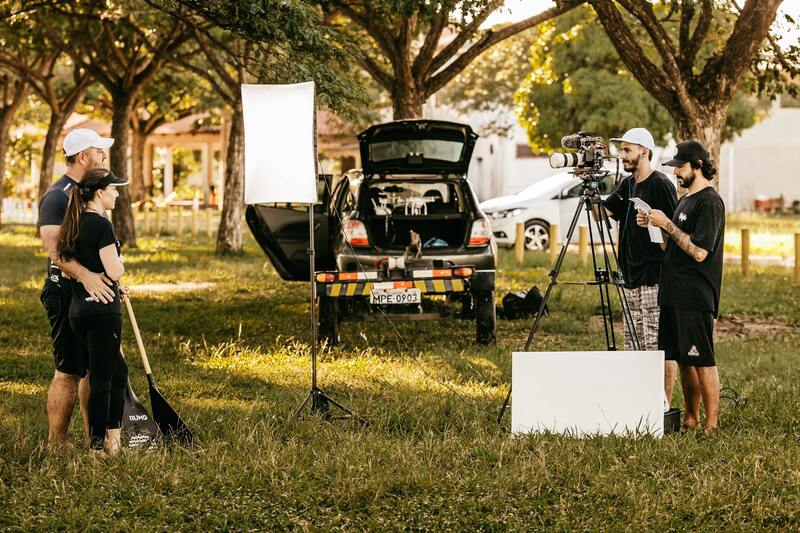
To truly elevate the visual presence of a property, professional photographers leverage a variety of advanced techniques that focus on enhancing the property's best features while maintaining authenticity. Employing strategic lighting setups is fundamental, with an emphasis on maximizing natural light during daylight hours, which creates inviting, airy atmospheres. Artificial lighting, such as softboxes or diffused flash, is carefully used to eliminate shadows and highlight textures, ensuring every detail is crisply rendered.
Angles and composition play a pivotal role in visual storytelling. Photographers select vantage points that showcase the most spacious and architecturally appealing aspects of each room. Wide-angle lenses are typically used to convey a sense of openness, especially in smaller spaces, without distorting proportions. Consistency in perspective across images allows viewers to easily navigate the property's layout, fostering an intuitive understanding of spatial relationships.

Careful focus and clarity are crucial; each shot is meticulously checked for sharpness, with high-resolution equipment capturing intricate details such as textured surfaces or decorative features. This approach ensures a professional presentation that can be used across various promotional platforms.
Highlighting Unique Features and Using Strategic Framing
Effective property photos emphasize distinctive architectural elements, recent upgrades, or picturesque outdoor views. These features are often accentuated through framing that draws attention, such as positioning a feature in the foreground or using leading lines to guide the viewer’s eye.
Balanced framing avoids clutter and emphasizes symmetry, creating a clean, organized look. Horizon levels are carefully maintained to prevent visual dissonance, while symmetry adds harmony and aesthetic appeal to each composition.
Enhancing Visual Impact through Post-Processing
Post-processing techniques refine the images further. Adjustments to brightness, contrast, and color saturation enhance visual appeal while maintaining a true representation of the property. Professional editing also involves correcting minor distortions or imperfections, ensuring consistency across the entire collection of photos.
Once editing is complete, high-resolution images are prepared for delivery, ready to be integrated into digital listings, brochures, and online marketing campaigns, maximizing their outreach impact.
Effective Strategies for Conducting a Property Photoshoot
Executing a successful property photoshoot involves meticulous planning and execution to ensure that each shot captures the property’s best features while appealing to prospective buyers and renters. The process begins with selecting the appropriate equipment, including high-resolution cameras, wide-angle lenses, and, when necessary, drone technology to showcase expansive exteriors and aerial views. The right gear allows for capturing intricate architectural details, bright, inviting interior spaces, and vibrant outdoor landscapes with clarity and depth.

Lighting plays a pivotal role during a property photoshoot. Natural light is preferred to create warm, inviting atmospheres, so scheduling shoots during the day when sunlight fills the rooms is ideal. When natural lighting is insufficient, professional lighting setups, including softboxes and reflectors, help eliminate shadows and ensure uniform brightness. Proper lighting accentuates the property's textures and colors, making spaces appear larger and more appealing.
Setting up each shot carefully involves decluttering spaces to create an organized, harmonious environment. Removing personal items, excess furniture, and any distracting elements results in a clean aesthetic that allows potential clients to visualize themselves in the space. Arranging furniture to foster a sense of flow and openness enhances the spatial perception, which can be further amplified through strategic camera angles and perspectives.

Mastering Composition and Framing Techniques
Composition is central to creating compelling real estate images. When framing shots, photographers focus on highlighting key features, such as an inviting kitchen, spacious bedrooms, or unique architectural details. Using the rule of thirds, lines, and symmetry guides the viewer’s eye naturally through the image, emphasizing the property’s strengths.
Strategic use of leading lines, like hallways or window frames, draws attention toward focal points. Symmetry, especially in rooms with balanced features, creates harmonious images that exude orderliness. Vertical and horizontal horizon levels are meticulously checked to avoid crooked appearances that can distract viewers or diminish the professional look of the images.
Incorporating External and Aerial Perspectives
External shots should portray the property's curb appeal and surrounding landscape. Wide-angle shots of the entire property, combined with detailed images of noteworthy features such as patios, gardens, or pools, create an engaging presentation. Drone photography adds a dynamic dimension, capturing aerial views that showcase the property's scale, neighborhood context, and unique outdoor features from angles inaccessible by ground-based photography.
" alt="Aerial view of a property showcasing surrounding landscape">

Post-Processing: Refining Your Images for Maximum Impact
Post-processing is a critical phase that transforms raw images into polished marketing assets. Advanced editing software corrects exposure issues, enhances colors, and sharpens details while maintaining a true-to-life representation of the property. Minor distortions caused by wide-angle lenses are corrected to produce realistic scenes that match what prospective buyers will see in person.
Consistency across images is essential for professional presentation. Batch editing ensures uniform brightness, contrast, and color saturation, creating a cohesive visual experience. High-resolution images, optimized for different platforms, are then exported for utilization across online listings, printed brochures, virtual tours, and social media campaigns.
Properly edited images significantly improve viewer engagement, demonstrating the property's best features with clarity and appeal. This step ensures the visual content aligns with the property's branding and marketing strategy, providing a competitive edge in the real estate market.
Optimizing Property Photos for Marketing Success
High-quality property photos serve as an essential foundation for effective marketing strategies in the real estate sector. When photos are professionally captured and meticulously curated, they significantly enhance online listings, brochures, and social media campaigns. To maximize their impact, images should be optimized for various distribution channels, ensuring they load quickly without compromising visual fidelity.
It is crucial to adhere to technical specifications across platforms, such as resolution, aspect ratio, and file size, to maintain clarity and professionalism. For online listings, images should be sharp, well-lit, and color-balanced to showcase the property authentically. When used in digital advertisements or social media promotions, images must be tailored to the specific requirements of each platform, highlighting the property's most appealing features to catch the eye of potential buyers.
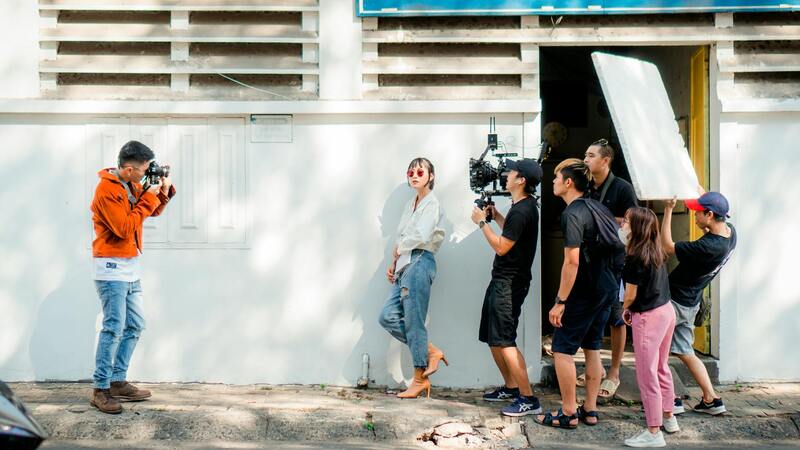
Additionally, integrating a variety of photo types—such as exterior shots, interior panoramas, and detailed feature images—creates a comprehensive visual story that engages viewers and provides comprehensive insights into the property’s value. Captivating visuals paired with compelling descriptions can elevate online listings, generating more leads and speeding up the sales process.
Real estate professionals should also consider implementing virtual tours and interactive media—such as 3D walkthroughs—supplemented by high-resolution images. These elements provide an immersive experience that complements traditional photos, appealing to tech-savvy buyers and remote clients. Properly edited and well-curated images not only improve the aesthetic appeal but also build trust and credibility among prospective buyers.
In summary, the strategic use of professionally captured property photos, optimized for various marketing channels, directly influences engagement and conversion rates. Ensuring images are technically refined and visually compelling is essential for standing out in a competitive real estate market.
Timing and Scheduling of Photoshoots
Maximizing the visual appeal of property photos hinges significantly on the timing and scheduling of the photoshoot. Optimal lighting conditions can dramatically influence the quality of images, making them more inviting and visually striking. Typically, shooting during the golden hour—shortly after sunrise or before sunset—provides soft, warm light that enhances architectural features and creates inviting ambiance. The natural light during these periods minimizes harsh shadows and bright spots, ensuring that interiors and exteriors are captured with clarity and vibrancy. Equally important is considering the property's individual characteristics and local weather conditions. Overcast days can diffuse light evenly, reducing glare and shadows, which works well for interior shots and exterior shots during bright conditions. Clear, sunny days are suitable for showcasing landscaping details and outdoor features, but managing reflections and shadows is crucial to avoid overly contrasted images. Scheduling also involves coordinating with the property owner or occupants to ensure access during the most favorable times. Establishing a well-planned timeline minimizes disruptions and allows sufficient time for setup, multiple shots, and adjustments, ultimately leading to higher-quality results. Additionally, considering the time of week and year can influence the property's appearance; for instance, spring or summer images can highlight lush greenery and blooming flowers, whereas winter shots emphasize seasonal landscape features. Proper planning for the shoot involves examining the property's orientation and leveraging natural light sources to enhance key features. Whether capturing expansive exterior views or detailed interior spaces, aligning the schedule with optimal lighting conditions elevates the overall aesthetic and appeal of the property, making it more attractive to potential buyers or renters.
Ensuring High-Quality Results through Post-Processing and Delivery
After a successful property photoshoot, the next critical phase involves post-processing, where raw images undergo meticulous editing to meet professional standards and highlight the property's best features. Skilled editors employ a suite of techniques to enhance lighting, correct color balance, and refine details, ensuring each photograph accurately and attractively represents the property. This process includes removing minor imperfections, adjusting brightness and contrast, and emphasizing key architectural elements without altering the authenticity of the scene.
Quality assurance remains a priority throughout post-processing. Edited images are evaluated to guarantee consistency across the gallery, maintaining a cohesive visual narrative that aligns with the marketing objectives. High-resolution images are prepared for various platforms, including MLS listings, social media, and print brochures, ensuring versatility and optimal display quality in all marketing channels.

Once editing is complete, the delivery phase involves providing the property owner or listing agent with the finalized images in the preferred formats. Timeliness is crucial in real estate marketing, as prompt delivery allows for immediate use in campaigns, maximizing exposure and potential buyer interest. Digital delivery is typically facilitated through secure online platforms, ensuring easy access and download options. Additionally, some agencies offer backup copies to prevent loss of valuable content.
Consistent communication between the photography team and stakeholders throughout this process helps clarify expectations and guarantees satisfaction with the final product. Whether the images are utilized for online listings, virtual tours, or printed brochures, professionally processed photographs significantly elevate the property's presentation, making it stand out in a competitive market.
Effective Utilization of Property Photos for Enhanced Marketing Impact
Implementing a strategic approach to marketing with high-quality property images maximizes exposure and attracts potential buyers effectively. Professional photos serve as a cornerstone of digital and print marketing campaigns, making it essential to utilize them across various platforms with tailored strategies to reach a broader audience.
Optimizing Listings on Real Estate Platforms
High-resolution images significantly influence a potential buyer’s decision-making process. When uploading property photos to multiple listing services (MLS) and real estate portals, it's crucial to adhere to platform specifications and best practices. This includes ensuring each photo is optimized for fast loading times without sacrificing quality, highlighting key features of the property, and arranging images in a logical sequence that guides viewers through the property’s layout. Utilizing a consistent style and high-quality visuals helps create a cohesive and appealing listing that stands out among competitors.
Enhancing Social Media Campaigns
Social media platforms offer unparalleled opportunities to reach specific demographics and local markets. Sharing professionally captured property photos across platforms such as Facebook, Instagram, and Pinterest involves more than just uploading images. It requires engaging captions, strategic hashtag use, and targeted advertising to maximize reach. Regularly updating content with new images and virtual tours encourages ongoing viewer engagement and broadens the property's visibility. Additionally, leveraging social media stories and reels for quick, captivating virtual glimpses can generate increased interest and inquiries.
Designing Digital and Print Advertising
Custom-tailored marketing materials like digital banner ads, email newsletters, and print brochures benefit immensely from professionally styled property photos. High-quality images create compelling visual narratives, prompting viewers to take action. For print advertising, ensuring images are in the correct resolution and color profile guarantees optimal print quality. Digital ads should be optimized for various screen sizes and resolutions, enabling seamless viewing on desktops, tablets, and smartphones. Incorporating image carousels, virtual tour thumbnails, or interactive media further enhances engagement and provides viewers with a comprehensive understanding of the property’s features.
Utilizing Virtual Tours and 3D Renderings
In addition to static images, immersive virtual tours and 3D renderings derived from professional property photos enable prospective buyers to explore the property remotely. This not only increases the property’s exposure but also attracts serious inquiries from motivated buyers who appreciate in-depth virtual experiences. Well-produced visual content, such as 360-degree tours or walkthrough videos, should be integrated into online listings and shared across digital channels to maximize reach and engagement.