Importance of Professional Photography for Real Estate Agents
In the highly competitive real estate market, visual presentation plays a pivotal role in capturing potential buyers' attention. High-quality, professionally produced images can significantly elevate a property’s appeal by showcasing its best features in the most attractive manner. When prospective buyers view listings with crisp, well-composed photos, they are more likely to develop an emotional connection that encourages scheduling a viewing or making an offer. This not only accelerates the sales process but also often results in higher offers, reflecting the property's perceived value.
For real estate agents, investing in a professional real estate agent photo shoot demonstrates a commitment to quality and professionalism. It sends a message that the agent values presentation and is dedicated to providing clients with top-tier service. Well-crafted images enhance the agent’s brand image, positioning them as credible and reliable experts in their field. This reputation can translate into increased trust among clients and a wider reach within the marketplace.
The impact of expert photography extends beyond individual listings. Enhanced visuals contribute to a broader marketing strategy, making property advertisements more engaging across digital platforms, social media channels, and printed materials. As a result, properties gain greater visibility, attracting a wider pool of potential buyers, including international prospects.
Moreover, a consistent approach to professional photography helps build brand recognition and distinguishes an agent from competitors. Listings with captivating photos often generate more online engagement, such as clicks, shares, and inquiries, ultimately leading to more closed deals. As technology advances, the importance of high-quality visual content is expected to increase further, making professional real estate agent photo shoots an essential component in the modern real estate toolkit.

Choosing the Right Location and Setting
For a successful real estate agent photo shoot, carefully selecting the location is paramount. Both indoor and outdoor environments should be chosen to showcase the agent’s professionalism while complementing the property’s features. Indoor spaces like well-lit offices, stylish conference rooms, or inviting lounge areas serve as ideal settings that portray confidence and approachability. These backgrounds should be free of clutter, well-organized, and reflect a polished aesthetic to reinforce the agent’s credibility.
Outdoor settings also play a vital role in conveying a trustworthy image. In Miami, scenic urban landscapes, lush gardens, or waterfront views can serve as compelling backdrops that resonate with the local market. Natural light, vibrant surroundings, and a clean, orderly environment help create visually engaging images that draw attention. It is crucial to ensure that the chosen setting aligns with the image the agent aims to project—whether it’s approachable, luxurious, or professional.
Optimizing the setting involves considering elements like background distractions, weather conditions, and time of day. Scheduling photos during the golden hour, when natural light is soft and flattering, enhances overall image quality. Additionally, paying attention to details such as tidy surroundings, well-maintained landscaping, and relevant props can elevate the visual impact of the shoot, ensuring each shot supports the agent’s brand and appeals to prospective clients.
Preparing the Agent and Property for Photos
Preparation is a crucial step that influences the final outcome of a professional photo shoot. Agents should appear polished and approachable; wardrobe choices should reflect professionalism and align with the target market. Neutral colors and simple patterns often work best to avoid distractions and to maintain consistency across all images.
For the property, a preparatory cleaning regimen is essential. Decluttering spaces, depersonalizing the environment by removing personal items, and ensuring that furniture and decor are in excellent condition help to create a neutral, inviting atmosphere. Proper staging can accentuate property features and make spaces appear larger and more attractive in photos. Attention to minor details, such as fixing light fixtures, arranging furnishings to maximize space, and adding touches like fresh flowers or artwork, can significantly enhance image appeal.
Overall, meticulous preparation ensures that both the agent and property are presented in the best possible manner, reflecting the high standards required for impactful real estate marketing. This diligence not only improves the quality of the resulting images but also affirms the agent’s commitment to excellence in every aspect of their service, thereby appealing to discerning clients and strengthening their market position.
Optimizing Photo Composition and Angles for Maximum Appeal
Effective real estate photography hinges on choosing the right composition and angles to highlight a property's strengths. Agents should aim to capture images that evoke a sense of space, light, and flow throughout the home. Utilizing wide-angle lenses can help in showcasing larger rooms, making them appear more spacious and inviting. It is essential to identify key focal points within each space—such as a scenic view, a unique architectural feature, or an updated kitchen—and position the camera to emphasize these elements.
Angles should be selected to minimize distortions and present rooms in the most flattering perspective. Shooting from a corner can provide depth and dimension, creating an immersive experience for potential buyers. Also, consistent eye-level shots keep the images realistic and relatable. Vertical and horizontal lines should be straight, avoiding crooked horizons that can distract viewers and diminish professionalism.
In outdoor shots, consider capturing the property at a time when natural light enhances curb appeal—early mornings or late afternoons often offer warm, soft lighting that highlights exterior features. Framing should include the home's facade, landscaping, and any notable features such as pools or patios to give a comprehensive view of the property's exterior assets.
Maximizing Lighting Techniques
Lighting remains one of the most critical elements in creating compelling real estate images. Proper use of natural light can dramatically improve photo quality, making interiors appear brighter and more spacious. Agents should schedule shoots during times when daylight is abundant, and windows can be used to flood rooms with light. Opening curtains and blinds before shooting helps ensure rooms are filled with natural brightness. Augmenting natural light with artificial lighting is often necessary, especially in darker spaces or rooms with limited windows. Professional photographers typically use strobes, softboxes, or LED panels to uniformly light the space, avoiding harsh shadows or uneven illumination. When employing artificial lights, positioning them strategically ensures consistent exposure, bringing out color accuracy and detail. It is also important to consider color temperature. Warm lighting can evoke a cozy, welcoming feeling, while cool tones are better suited for modern, sleek environments. Balancing ambient light with supplementary lighting ensures the true character of each space is accurately represented. Good lighting not only enhances the visual appeal but also helps in creating an emotional connection with potential buyers, encouraging them to envision living in the space.
Optimal Equipment and Technical Settings for Real Estate Photography
Achieving high-quality images requires a well-chosen set of equipment and proper camera settings. Professional real estate photographers typically employ digital single-lens reflex (DSLR) or mirrorless cameras with full-frame sensors to capture detailed, vibrant photos. These cameras provide the flexibility needed for capturing both wide-angle shots and intricate interior details.
Using a wide-angle lens—generally between 14mm and 24mm—helps to encompass more of the space in a single shot, making rooms appear larger and more inviting. However, it’s essential to avoid excessive distortion; maintaining a balance prevents unwanted visual warping of walls and furniture.
When setting up the camera, shooting in RAW format is highly recommended. RAW files retain all image data, allowing for extensive post-processing without sacrificing quality. This flexibility ensures that exposure, white balance, and color correction can be fine-tuned accurately.
Adjusting aperture settings to around f/8 to f/11 provides sufficient depth of field, ensuring that most of the scene remains in sharp focus. A tripod is vital for stability, especially in interior shots with lower light levels, preventing blurring caused by hand movement.
Proper shutter speed—typically between 1/60 and 1/125 seconds—along with the right ISO setting (usually between 100 and 400) ensures well-exposed images with minimal noise. Using external flashes or continuous LED lighting can further enhance brightness and color accuracy, especially in spaces with uneven lighting conditions.
In addition to camera gear, professional photographers invest in stabilization devices and reflection tools such as diffusers and reflectors to manage light and shadow effectively. This combination of equipment and settings enables the creation of clear, attractive images that accurately reflect the property's appeal.
Post-Processing and Editing Tips
After capturing high-quality images during a real estate photo shoot, the next critical phase involves meticulous post-processing to enhance visual appeal while preserving authenticity. Proper editing not only brightens the property’s features but also ensures uniformity across all marketing materials.
Begin by importing your RAW images into a professional editing software that allows extensive control over exposure, contrast, and color balance. Adjust exposure levels carefully to ensure rooms are well-lit without overexposing highlights or losing shadow details. Maintaining natural tones is vital to accurately represent the property and meet client expectations.
White balance adjustments should be subtle yet effective, ensuring that whites appear true and colors remain vibrant without looking artificially enhanced. Correcting perspective distortions caused by wide-angle lenses is essential—tools like lens correction filters help straighten lines and improve spatial accuracy.
Clarity and sharpness enhancements bring out fine details such as fixtures, furniture, and architectural features that might otherwise be overlooked. Use localized adjustments, such as brush tools, to refine specific areas or correct minor flaws.
Color correction ensures that each room’s hues—whether the warmth of a living room or the cool tones of a kitchen—are accurately represented, creating a welcoming and truthful depiction of the property. Noise reduction is also crucial in images taken with higher ISO settings, which is common in low-light interior shots.
Throughout the editing process, it’s vital to maintain a natural look. Over-editing can lead to images that appear overly processed, which could mislead potential buyers and harm the trustworthiness of your listings. Strive for a polished yet authentic appearance, focusing on highlighting the property’s best features.
Ensuring Consistency and Quality Control in Property Photos
Maintaining consistency across your real estate images is vital for establishing professional credibility and creating a cohesive visual portfolio. Implementing standardized guidelines for photo capture, including camera settings, angles, and staging, helps ensure that each listing aligns with your brand’s standards. Consistency in lighting, color tones, and perspectives not only enhances the overall aesthetic but also reassures potential clients of your attention to detail and reliability. r>r> Quality control processes should be established to review images before they are used in listings. This involves verifying that images are sharp, properly exposed, and accurately represent the property without distortions or misleading enhancements. Employing a dedicated team or using checklists for quality assurance ensures each photo meets the same high standards, minimizing the risk of subpar visuals impacting your reputation.

Utilizing Proper Equipment for Optimal Results
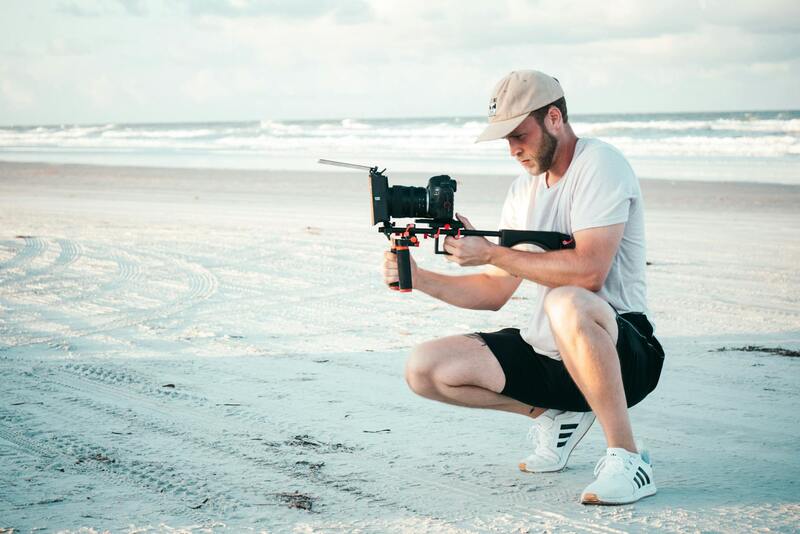
Investing in high-caliber photographic equipment significantly elevates the quality of real estate images. A DSLR or mirrorless camera with a wide-angle lens allows for capturing expansive room views without distortion. A sturdy tripod is essential for stability, especially in low-light conditions, ensuring sharp images with minimal blur. Additionally, supplemental lighting tools such as portable flashes or LED panels can help improve interior illumination, enabling the capture of well-lit, inviting scenes even in challenging environments. r>r> While post-processing can enhance images, relying on superior equipment from the outset minimizes the need for extensive editing. This approach produces authentic visuals that accurately convey the property's true appearance, fostering trust with prospective buyers.
Strategies for Efficient Photo Capture Workflow
Establishing a streamlined workflow optimizes the efficiency of your real estate photo shoot while maintaining quality. Preparation begins with scouting the property beforehand to identify the best angles and lighting conditions. Creating a shot list prevents missing critical spaces and ensures a comprehensive visual presentation.
- Arrive early to take advantage of natural lighting, especially during the golden hour for warm, inviting tones.
- Start with exterior shots to set the scene and showcase curb appeal.
- Proceed through each interior room systematically, capturing multiple angles for versatility in marketing.
- Adjust camera settings for each environment, emphasizing correct exposure and focus.
- Utilize panoramic or HDR techniques when necessary to manage challenging lighting scenarios.
This organized approach minimizes re-shoots and reduces post-processing time, ensuring a timely delivery of high-quality images to listing platforms.
Enhancing Visual Appeal with Complementary Techniques
Beyond basic photography, incorporating auxiliary techniques can significantly boost the visual allure of the property. Wide-angle shots provide a sense of spaciousness, making rooms appear larger and more inviting. Incorporating lifestyle images, such as staged living areas or exterior landscaping, helps potential buyers envision themselves in the space, creating an emotional connection.
Vertical framing, when used correctly, emphasizes ceiling heights and architectural details, adding depth and interest. The strategic use of props or minimal staging can accentuate a property's strengths without overwhelming the space. Consistent styling and color schemes across images also contribute to a polished, professional appearance.
Effective Distribution of Professional Real Estate Photos
Once high-quality images are captured and properly edited, strategic distribution across various channels is essential for maximizing their impact. Real estate agents should prioritize listing platforms that have broad reach and high engagement, ensuring that every property image receives maximum visibility. High-resolution photos should be optimized for web use to ensure fast loading times without sacrificing quality.
Utilizing consistent branding across all visual materials fosters recognition and trust among prospective buyers. Incorporation of professional images into social media campaigns, email newsletters, and virtual tours enhances the overall presentation and attracts targeted audiences. Additionally, implementing a structured schedule for photo updates and refreshes keeps the listing current and maintains market interest.
Agents should also consider the timing of photo releases; releasing new images during peak online activity hours can boost engagement and inquiries. Proper tagging, captions, and descriptions accompanying images optimize search engine visibility, allowing potential clients to discover listings more easily.

Leveraging Professional Photography in Marketing Strategies
Integration of high-quality property images into broader marketing campaigns is crucial. Professional photos serve as the foundation for compelling promotional materials, whether in digital advertisements, print brochures, or virtual open houses. Bright, well-composed images attract attention, generate interest, and encourage quick responses from potential buyers.
Furthermore, employing consistent visual themes and style guides across all marketing channels reinforces brand identity and enhances the perceived value of the property. This consistency assures clients of professionalism and attention to detail.
By investing in a meticulous photo shoot process, real estate agents can significantly distinguish their listings in competitive markets. Durable, visually appealing images facilitate a quicker sale process, as they create an authentic, engaging narrative around the property.

Maximizing the Impact of Professional Photography in Real Estate Marketing
Once high-quality images are obtained through a dedicated real estate agent photo shoot, their effective utilization becomes critical in capturing the interest of prospective buyers. Authentic, compelling visuals serve as the primary hook that draws attention in a crowded digital marketplace.
To ensure these images serve their purpose, agents must incorporate them strategically across various promotional and listing platforms. Precise placement, consistent branding, and clear messaging built around these photos can significantly elevate a property's market visibility.
Enhancing Online Listings with Professional Photos
The foundation of any successful online listing is the visual appeal. High-resolution photos taken during a professional real estate photo shoot immediately communicate quality and care. Property images should be optimized for different digital formats, ensuring quick loading times without sacrificing clarity.
Careful attention should be given to the arrangement of images in a logical flow, from exterior shots to detailed interior photographs. This approach guides potential buyers through a virtual walkthrough, fostering a stronger emotional connection with the property.
Optimizing Images for Search and Visibility
- Use descriptive, keyword-rich file names appropriately aligned with the listing’s location and features.
- Apply relevant image alt texts that reflect the content and context, enhancing accessibility and search engine recognition.
- Employ geotagging when possible, to increase visibility in local searches.
- Share the images across social media channels, real estate portals, and email campaigns to broaden reach.
Creating a Consistent Brand Image
Beyond individual listings, professional property photos contribute to establishing a cohesive branding strategy. Consistency in style, color grading, and presentation fosters recognition and trust among clients.
Using a specific color palette or stylistic tone across all visual content reinforces the agent’s professional identity and creates a memorable market impression. This consistency reassures clients about the agent’s attention to detail and commitment to quality.
Utilizing Photos for Virtual Tours and Interactive Content
In today’s digital environment, integrating high-quality images into virtual tours, 3D walkthroughs, and interactive floor plans enhances user engagement. These immersive experiences allow potential buyers to explore the property remotely, increasing their likelihood of scheduling an in-person visit.
Quality imagery forms the backbone of these virtual tools, providing the clarity and detail necessary for a realistic representation of the space. Properly shadowed, well-lit photos translate seamlessly into virtual environments, offering a compelling preview that can accelerate the decision-making process.
Investing in Professional Product Photography Enriches Online Strategies
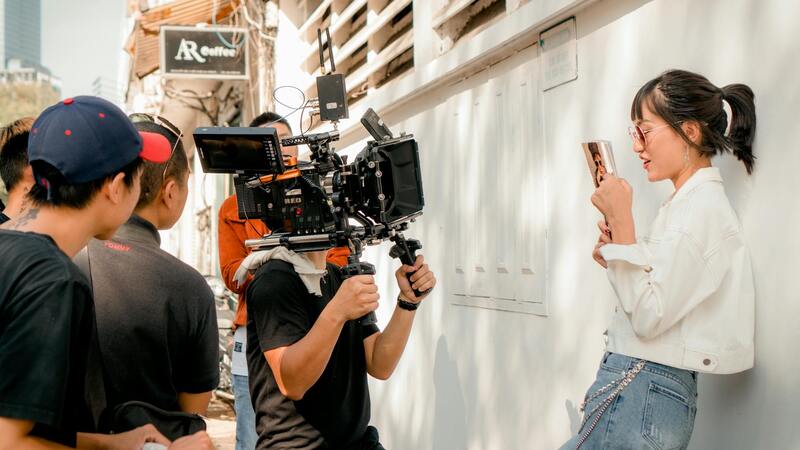
The importance of professional photography extends beyond mere aesthetics; it directly influences the perception of value, trustworthiness, and professionalism. This investment in visual storytelling can streamline sales cycles, foster stronger client relationships, and ultimately, lead to faster and more profitable transactions.