Importance of High-Quality Real Estate Images
In the competitive Miami real estate market, the visual presentation of a property can significantly influence potential buyers and investors. High-quality real estate pictures serve as an essential tool for capturing attention and conveying a property’s true potential. Professionally crafted images create immediate visual appeal, allowing viewers to envision themselves in the space, which can lead to faster sales and higher offers.
The impact of compelling images extends beyond initial interest. They play a critical role in shaping perceptions of property value, emphasizing unique features and architectural details that set a listing apart from the competition. Moreover, high-resolution photographs that showcase a property’s best attributes foster trust and credibility, signaling that the seller values quality and professionalism.
Effective real estate images also enhance the overall online presence of a listing. Since most prospective buyers begin their property search online, the quality of images directly correlates with engagement rates. Listings with professional photos tend to generate more clicks, longer viewing times, and ultimately, more inquiries. This is particularly pertinent in Miami, where vibrant neighborhoods and luxurious amenities demand visuals that match the lifestyle they promise.
Furthermore, professionally captured images provide a cohesive visual story that can be used across multiple marketing channels. Whether displayed on real estate portals, social media, or property brochures, consistent, high-level imagery reinforces branding and attracts high-caliber clients. For sellers and agents in Miami, investing in exceptional property photography is a vital step towards maximizing visibility and closing deals more effectively.
Key Elements of Effective Real Estate Photos
Creating impactful real estate images involves a combination of technical skill and an understanding of what appeals to viewers. While specific styles and compositions may vary, certain elements remain fundamental:
- Lighting: Natural light enhances the colors and highlights the room's features, making spaces appear larger and more inviting.
- Composition: Proper framing and strategic angles create a balanced view, emphasizing the property's best aspects.
- Focus: Sharp images with clear focus ensure every detail is visible, crafting a professional appearance.
- Staging: Well-maintained and staged interiors eliminate clutter, helping potential buyers visualize themselves in the space.
- Editing: Subtle post-processing can correct minor flaws, enhance brightness, and improve overall image quality without misrepresentation.

Choosing the Right Photography Style
Selecting an appropriate photographic style depends on the property type, target audience, and marketing objectives. Wide-angle shots are popular for showing entire rooms and creating a sense of space, especially in smaller or densely furnished homes. Conversely, high dynamic range (HDR) photography combines multiple exposures to reveal details in both bright and dark areas, perfect for properties with large windows or complex lighting conditions.
For luxury Miami estates, emphasizing grandeur through aerial drone shots or panoramas can effectively showcase expansive outdoor areas or unique vantage points. Stylish interior shots with a focus on modern decor or architectural details attract discerning buyers interested in upscale living experiences.
Preparing Properties for Photography
Proper preparation significantly influences the quality of real estate images. Cleaning and decluttering are fundamental steps to ensure spaces look tidy and appealing. Removing personal items or excessive decor allows viewers to focus on the space itself. Consider rearranging furniture to maximize flow and create inviting atmospheres.
Enhancing curb appeal through landscaping, exterior cleaning, and strategic lighting can improve the first impression. Additionally, brightening interiors by opening curtains and turning on lights ensures rooms are well-lit and visually appealing. Planning photography sessions during the day, when natural light is abundant, yields the best results.
Key Elements of Effective Real Estate Photos
Creating impactful real estate images hinges on several fundamental components that draw potential buyers and communicate the property's best features. Proper lighting is crucial; natural light enhances the space's ambiance and highlights architectural details, making rooms appear more inviting. Strategic use of artificial lighting complements daylight, ensuring uniform brightness and eliminating shadows that can obscure features.
Composition plays a pivotal role in presenting spaces effectively. The use of the rule of thirds, leading lines, and balanced framing guides viewers' eyes through the image, making rooms seem more spacious and harmonious. Attention to angles can accentuate a property's strengths—corner shots can showcase room size, while lower vantage points can emphasize ceiling height or architectural details.
Timing is another critical element. Capturing images during optimal lighting conditions—preferably late morning or early afternoon—results in vibrant, well-lit photos. Overcast days can soften shadows and prevent harsh contrasts, delivering consistent lighting that accurately represents the property's appearance.
Additionally, maintaining cleanliness and clarity in images is vital. High-resolution cameras and proper editing ensure details are sharp and colors are true to life. This attention to detail not only attracts viewers but also builds trust in the property's presentation.
Choosing the Right Photography Style
Selecting an appropriate style tailored to the property and target market amplifies the property's appeal. Wide-angle lenses are indispensable for showcasing spacious interiors without distortion, while HDR techniques reveal the full depth of bright and shadowed areas, ensuring no detail is lost in complex lighting conditions.
For luxury Miami estates, compelling aerial shots captured by drones can highlight expansive outdoor amenities and scenic surroundings. Interior styles should reflect the property's character—modern, minimalist, or classic—by emphasizing architectural features and decor that resonate with prospective buyers.
Overall, the strategic integration of these elements—lighting, composition, timing, and style—culminates in high-quality visuals that make a strong impression, ultimately increasing interest and accelerating the property selling process. Maintaining consistency across listings also helps reinforce a professional brand and fosters buyer confidence in the property marketing efforts.
Preparing Properties for Photography
Achieving outstanding real estate images begins long before the camera starts clicking. Proper preparation of the property ensures that each photograph accurately and attractively represents the space, maximizing its visual appeal. This process encompasses several key steps, including decluttering, cleaning, staging, and scheduling photography at optimal times.
- Decluttering and Cleaning: Clear away personal items, excessive furnishings, and clutter that may distract viewers. A tidy, organized space allows potential buyers to envision themselves living there. Deep cleaning surfaces, floors, windows, and fixtures enhances the overall appearance and helps eliminate any distracting imperfections.
- Staging the Property: Properly staged homes highlight the property's best features and create welcoming atmospheres. This could involve arranging furniture to showcase space utilization, incorporating neutral decor, and adding subtle decorative touches to evoke warmth and style.
- Lighting and Timing: Schedule shoots during daylight hours when natural light fills the rooms. Bright, evenly lit interiors boost visual clarity and authenticity. Overcast days can be ideal for interior shots to prevent harsh shadows, while golden hour lighting can add a warm, inviting tone to exterior images.

Hiring Professional Real Estate Photographers in Miami
The caliber of real estate images directly correlates to the skills and equipment used during the shoot. Professional photographers specializing in real estate in Miami bring an eye for detail, advanced editing skills, and access to premium tools—such as high-resolution cameras and drone technology—that can vastly improve the quality of property visuals.
When selecting a photographer, consider their portfolio, experience with similar property types, and familiarity with the Miami market. Their ability to understand the target audience and adapt photographic techniques accordingly results in images that resonate effectively with potential buyers.
A professional photographer also ensures consistency across listings, which reinforces branding and creates a portfolio of high-standard visuals. Moreover, their expertise extends beyond photography to include strategic advice on staging, lighting, and post-production enhancements—contributing to a more compelling online presentation.

Optimizing Real Estate Images for Online Listings
Quality images are essential, but their effectiveness is amplified through proper optimization for digital platforms. High-resolution photos must be resized and formatted correctly to ensure quick load times without compromising clarity. A balance between visual quality and website performance is crucial to maintain viewer engagement.
Implementing descriptive, keyword-rich file names and alt text helps improve search engine visibility, making properties easier for prospective buyers to find. Additionally, incorporating a variety of shots—including exterior, interior, and special features—provides a comprehensive view of the property, encouraging viewers to explore further.
Next, optimizing images involves strategic placement within listings. Use high-quality images prominently at the top to catch interest immediately. For mobile views, ensure images scale correctly and maintain visual integrity. Employing a consistent editing style across all photos fosters a polished, professional appearance that enhances credibility and attracts serious inquiries.
Strategies for Capturing Optimal Shots
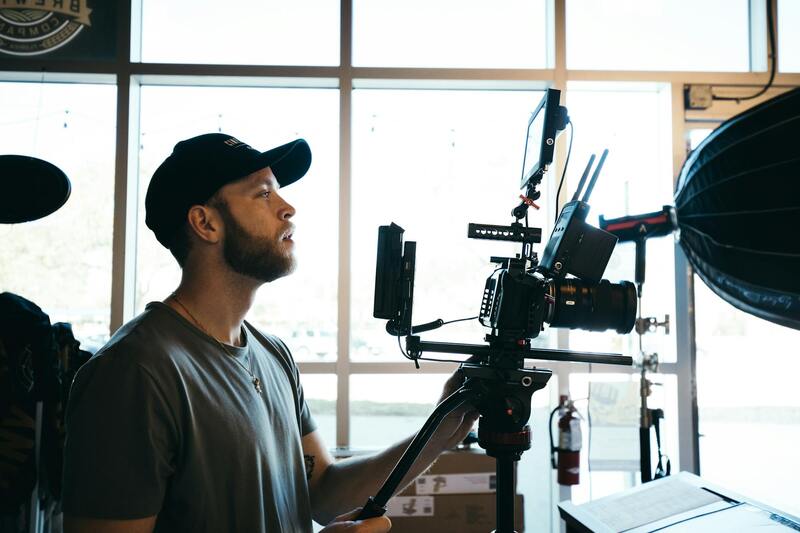
To maximize the visual appeal of properties, it is vital to use professional-grade equipment combined with expert techniques. High-resolution cameras equipped with wide-angle lenses help capture expansive spaces and intricate architectural details, providing a comprehensive view of the property. Utilizing proper lighting, whether natural or supplemental, ensures that spaces appear bright, inviting, and true to life. Photographers should aim to shoot during the day when natural light is abundant, and choose angles that showcase key features of rooms and exterior aspects effectively.
Additionally, it is essential to inspect the property prior to the shoot to identify potential factors that could affect image quality. This includes removing clutter, staging rooms to look their best, and ensuring windows and mirrors are clean to prevent unwanted reflections or obstructions. The timing of photographs should align with optimal lighting conditions, typically during the golden hour, to add warmth and depth to images. Proper framing and composition help guide the viewer’s eye through the space, emphasizing unique characteristics that make the property stand out.
Post-Processing for Enhanced Visual Appeal
The editing process plays a critical role in transforming raw images into captivating visual assets for real estate listings. Post-processing involves adjusting brightness, contrast, and white balance to produce vibrant, accurately colored photos. Correcting distortions caused by wide-angle lenses ensures that rooms and exteriors appear proportionate and realistic. Additionally, removing minor imperfections such as stains, clutter, and distractions enhances overall image quality without misleading viewers.
Advanced editing techniques may include sky replacements to add drama or clarity, especially for exterior shots taken during overcast days. Maintaining consistency in editing style across all images creates a cohesive look for the listing, which boosts professionalism and appeal. It is important to strike a balance between enhancement and authenticity to foster trust with prospective buyers.
Utilizing Advanced Imaging Technologies
Emerging imaging technologies further enhance real estate visuals, making listings more competitive. Drone photography offers aerial perspectives that showcase larger properties, nearby amenities, and unique architectural elements from above. This perspective helps buyers visualize the property in its context and understand its surroundings better.
360-degree virtual tours and panoramic images allow prospective buyers to explore interiors interactively, providing a more immersive experience. These tools are especially beneficial for remote viewings, reducing the need for physical visits and accelerating the decision-making process. Combining high-quality images with these modern techniques results in a dynamic and engaging listing that stands out in a crowded market.
Maintaining Consistency in Visual Presentation
Consistency across all listing images contributes significantly to a professional image for the real estate business. Establishing a standardized photography style—including color grading, lighting preferences, and framing—helps build brand recognition and trust with clients. When buyers see uniform, high-quality images, it reinforces a sense of credibility and reliability.
Furthermore, ensuring that images are captured and edited with a uniform approach facilitates easier updates and modifications. Consistency also streamlines the marketing process, whether images are used online or in print, making the entire promotion more efficient and visually coherent. This disciplined approach to visual presentation can elevate the perceived value of the property and, by extension, the reputation of the real estate agency.
Legal and Ethical Considerations
When showcasing real estate properties through high-quality images, adhering to established guidelines ensures a smooth and trustworthy marketing process. It is essential to obtain proper permissions before capturing and publishing images, especially when private or restricted areas are involved. Respect for the property’s privacy and safety protocols must be maintained, particularly when photographing interiors or sensitive features.
Use of drone photography necessitates compliance with airspace regulations, which may include obtaining necessary permits or clearances. Ensuring that drone operations are conducted responsibly prevents infringements on privacy and air traffic rules.
Photographers and agents should also be vigilant against misrepresentation. Accurate depiction of property features—such as ensuring that images reflect the current state of the property without alterations that could mislead buyers—is critical to maintaining credibility. This includes avoiding the use of misleading filters, over-editing, or selectively cropping images to hide flaws.
It's equally important to provide a transparent portrayal of property dimensions, layout, and condition. Including factual descriptions in tandem with visual content fosters trust and aligns customer expectations with reality. When legal and ethical standards are upheld throughout the photography process, it enhances the professional reputation of the real estate enterprise and facilitates a positive viewing or purchasing experience.

Legal and Ethical Considerations
Maintaining transparency and authenticity in real estate imagery is essential in fostering trust with potential buyers. High-quality images should always accurately reflect the property's current condition, avoiding any form of misrepresentation that could mislead viewers. Ensuring that images are unaltered beyond general enhancements like color correction or brightness adjustments preserves the integrity of the visual content.
Property owners and agents should secure explicit permissions before capturing images, especially when photographing private spaces or areas with restricted access. Respect for privacy extends to avoiding the inclusion of identifiable individuals without consent and ensuring that sensitive details are not inadvertently disclosed through imagery.
When utilizing drone photography, adherence to airspace regulations and obtaining any required permissions or permits demonstrate responsible practice. This not only aligns with regulatory standards but also upholds ethical commitments to respecting airspace privacy and safety protocols.
Additionally, ethical marketing requires transparency about property features, dimensions, and condition. Providing factual descriptions alongside images encourages informed decision-making and reduces the likelihood of future disputes. Properly representing the property's true characteristics mitigates misunderstandings and enhances the reputation of your real estate brand.
All visual marketing efforts should strive to meet the highest standards of honesty and professionalism. This approach not only complies with ethical standards but also supports sustainable success in competitive Miami’s real estate market.

Importance of High-Quality Real Estate Images
In the competitive Miami real estate market, compelling visual content is vital for capturing prospective buyers’ attention. High-quality real estate images serve as the first impression of a property, significantly influencing online engagement and visitor interest. They showcase the property's best features, highlight unique architectural elements, and provide a clear representation of the space, helping prospective buyers envision themselves living there. Consistently, properties with professionally captured images tend to sell faster and at better prices, making investment in quality imagery a strategic move for agents and owners aiming to maximize their return.
Key Elements of Effective Real Estate Photos
- Lighting: Proper lighting accentuates the property’s features, eliminates shadows, and creates a welcoming atmosphere. Natural light is preferable, typically captured during daylight hours, with additional supplementary lighting used if necessary.
- Composition: Framing the subject correctly, using symmetry, and highlighting focal points ensures the property appears appealing. A clutter-free space with well-organized rooms enhances the viewer’s experience.
- Clarity and Resolution: High-resolution images ensure details are sharp and clear, which is crucial for online viewers. Blurry or pixelated photos diminish credibility and reduce engagement.
- Angles and Perspectives: Shooting from optimal angles, such as eye level or slightly elevated viewpoints, provides depth and context. Wide-angle lenses help capture entire rooms or exteriors, making spaces look larger and more inviting.
- Post-Processing: Minimal editing for color correction, straightening lines, and retouching minor flaws enhances visual appeal while preserving authenticity.
Choosing the Right Photography Style
Selecting an appropriate style for real estate images depends on the property type, target audience, and market trends. Conventional photography emphasizes clarity and accurate representation, ensuring potential buyers can assess the property’s true condition. Lifestyle or staging photography introduces appealing furniture arrangements and decor, creating an aspirational ambiance that evokes emotional connections. Wide-angle shots are particularly effective for showcasing spacious interiors and exteriors, providing a comprehensive perspective that appeals to online viewers. Consistency in style across listings fosters brand recognition and professionalism.
Preparing Properties for Photography
Effective property preparation is crucial to achieve outstanding real estate images. Clean and declutter all spaces to create an inviting environment. Remove personal items and unnecessary furniture that may obstruct views or give a cluttered appearance. Enhance curb appeal by tidying landscaping, adding fresh plants or flowers, and ensuring that exteriors are well-maintained.
Interior staging can be employed to showcase the property's potential, emphasizing its functionality and flow. Proper lighting, including opening blinds and turning on lights, ensures rooms appear bright and airy. Carefully inspect for any repairs or damages that could detract from the images, and address these issues before shooting. When all elements are optimized for visual appeal, the final photos will better attract interest and convey the property’s true value.
Hiring Professional Real Estate Photographers in Miami
Partnering with experienced real estate photographers in Miami guarantees high-caliber images that stand out in a crowded market. Professionals have access to advanced camera equipment, lighting tools, and editing software, enabling them to produce superior visuals. Their expertise in capturing the spatial dynamics, optimal angles, and lighting conditions ensures the property's best features are highlighted effectively.
Local photographers familiar with Miami's unique architectural styles and neighborhood characteristics can tailor their approach to meet market expectations. Additionally, professional photographers understand the importance of scaling and perspective, ensuring every photograph accurately represents the property size and layout. This accuracy helps build trust with prospective buyers and reduces potential misunderstandings.
Optimizing Real Estate Images for Online Listings
Once captured, images must be optimized to perform effectively across digital platforms. Resizing images for faster loading times improves user experience and SEO rankings, especially on mobile devices. Incorporating descriptive, keyword-rich file names and alt text boosts discoverability in search engine results, leading more potential buyers to the listing.
Applying consistent color profiles and minor enhancements in brightness, contrast, or sharpness ensures uniformity across all images, creating a cohesive and professional listing appearance. It is also important to select the most compelling images for thumbnails and feature displays, as these will be the first visual elements viewers encounter. By prioritizing visual quality and optimization, real estate professionals can significantly increase online engagement and inquiries, translating into faster sales cycles and better transaction outcomes.
Legal and Ethical Considerations
In the realm of real estate marketing, maintaining integrity through genuine and compliant imagery is paramount. When capturing and presenting property visuals, it is essential to adhere to standards that promote transparency and trust among prospective buyers. Accurate representation of the property's features, avoiding any form of image manipulation that could mislead viewers, reinforces credibility and fosters positive relationships with clients.
Photographers and agents must ensure that all images portray the property as it exists without exaggeration or alteration that might distort the viewer's perception. This includes avoiding selective lighting or angles that could conceal issues or distort proportions. Additionally, obtaining proper authorization before photographing private properties, particularly for showcasing interiors, is crucial to respect privacy rights and maintain ethical standards.
Furthermore, using images that clearly depict the current condition of a property ensures that expectations are met and reduces the likelihood of disputes or dissatisfaction post-sale. By prioritizing authenticity and transparency in visual content, real estate professionals uphold a trustworthy reputation that benefits both their clients and their business longevity.