Factors Influencing Drone Footage Costs
When it comes to acquiring high-quality drone footage for real estate purposes, several key elements significantly influence the overall cost. Understanding these factors can help clients and real estate professionals make informed decisions and budget effectively for their visual marketing campaigns.
Project Size and Scope
The extent of the drone filming project is a primary determinant of the cost. Larger properties or those requiring comprehensive coverage, including multiple aerial angles, detailed walkthroughs, and panoramic shots, naturally demand more flight hours and editing time. For instance, a spacious estate with expansive outdoor amenities will typically incur higher fees compared to a small residential home.
Location of the Property
The geographic location directly affects operational costs. Drone operators working in metropolitan areas like Miami may face higher expenses due to airspace regulations, nearby infrastructure, and population density. Additionally, remote or hard-to-access locations can increase logistics costs, such as travel time, permits, and transportation of equipment.
Equipment and Technology Requirements
The type of drone and camera equipment used influences the pricing. High-end drones equipped with 4K or 8K cameras, gimbals, and stabilization systems deliver superior image quality but come with increased rental or ownership costs. Special features such as thermal imaging or sunrise/sunset shooting capabilities may also add to expenses, especially if specialized gear or additional training is necessary.

Beyond equipment, the experience level of the drone pilot is critical. Seasoned operators proficient in capturing cinematic shots and adhering to safety standards may command higher fees but often ensure more professional results. The complexity of the project, including the need for multiple shoot sessions or post-production efforts, further influences the overall costs involved.
Pricing Models and Packages
Real estate drone footage services in Miami typically offer a variety of pricing models to accommodate different project scopes and client needs. The most common structures include hourly rates, flat fees per property, and bundled packages. These models provide transparency and flexibility, enabling clients to select services that best fit their marketing goals.
Hourly rates are common when the scope of filming extends beyond a single shoot, such as multiple angles, aerial tours, or extensive editing. Rates can vary based on the pilot’s expertise, the equipment used, and the specific location. Flat fees are often preferred for straightforward projects, such as capturing a standard property listing, where the provider sets a fixed cost for a predetermined set of shots and editing services.
Bundled packages offer comprehensive solutions that include pre-production planning, aerial footage, post-production editing, and delivery. These packages are particularly advantageous for real estate professionals seeking a consistent branding approach, as they often come at a discounted rate compared to individual services. Additionally, some providers may customize packages based on property size, desired footage complexity, or marketing campaigns.
Understanding these models helps agents and developers allocate their budgets efficiently, ensuring high-quality footage without overspending. It's essential to clarify whether the quoted price includes post-production editing, special features, or additional flights, as these variables can significantly influence overall costs.
Additional Costs and Optional Services
Beyond the base fee, several optional expenses might be involved depending on the project's complexity. These include:
- Advanced Editing: Enhancing footage with color correction, stabilization, or special effects.
- Voice-Over and Narration: Adding professional voice-overs to highlight property features.
- 3D Mapping and Panoramas: Integrating advanced visualizations for immersive experiences.
- Rush Delivery: Expedited editing and delivery to meet tight marketing deadlines.
- Extended Flight Time: Additional flight hours for larger or more complex properties.
These extras contribute to the final cost but can significantly enhance the appeal and effectiveness of the promotional content.
Factors That Can Raise or Lower Costs
Several key elements influence the overall pricing beyond the initial quote. High property complexity, such as buildings with intricate architecture or hard-to-access terrains, may demand additional time and specialized equipment, increasing costs. Conversely, standard-sized properties in accessible locations often benefit from lower rates due to shorter flight times and straightforward shooting conditions.
Weather conditions also impact pricing; poor weather can delay shoots, leading to additional scheduling and costs. Additionally, the need for multiple visits or revisits, such as for seasonal changes or renovation updates, can add to expenses. Recognizing these variables allows clients to plan more accurately and allocate their budgets wisely.
Choosing the Right Drone Service in Miami
When selecting a drone service, it’s crucial to evaluate the provider’s experience, equipment quality, and portfolio of past work. Professionals with extensive experience in real estate marketing can deliver footage that highlights property features compellingly and within the desired timeframe. Ensure that the service provider adheres to all relevant operational standards and has appropriate certifications to ensure safe and efficient performance.
Additionally, transparent pricing with detailed breakdowns will help prevent unexpected charges. Consult with multiple providers to compare packages, discuss specific needs, and request samples of prior work. The right choice combines quality, reliability, and cost-effectiveness to maximize the property's promotional impact.
Factors That Can Raise or Lower Costs
Several elements influence the overall expense of real estate drone footage beyond basic service fees. One primary consideration is the complexity of the property. Properties with extensive landscapes, multi-story structures, or hard-to-access areas may require advanced maneuvers, additional flight time, or specialized equipment, thus increasing the cost. For instance, capturing detailed shots of sprawling estates or difficult terrains might necessitate multiple drone setups or the use of higher-end stabilization gimbals, which contribute to elevated expenses.
Location is another significant factor. Urban environments with tight spaces, obstructions, or restricted airspace require more precise flying techniques and sometimes additional permissions, affecting pricing. Conversely, rural or open areas tend to facilitate easier and quicker flights, often resulting in more economical rates. Additionally, accessibility of the site plays a role—properties situated on challenging terrain or with limited entry points might incur extra charges for preparatory work or special equipment.
Weather conditions are also pivotal. Unfavorable weather patterns, like high winds or rain, can delay shoots or require rescheduling, leading to additional fees. During seasons with frequent weather disruptions, providers might charge premiums to cover potential delays. Similarly, the need for multiple visits—such as seasonal updates or renovation showcases—can accumulate costs over time. These ongoing requirements necessitate clear communication and planning to manage expenses effectively.
Equipment needs directly impact the pricing structure. High-resolution camera systems, thermal imaging, or specialized lenses can enhance the quality of footage but also increase rental or operational costs. Moreover, services that include editing, color correction, or drone flight planning as part of the package will naturally be priced higher to account for added professional input and post-production work.
In summary, while straightforward property shoots may be relatively economical, intricate projects demanding advanced technology or challenging conditions will generally incur higher charges. Understanding these influencing factors enables clients to anticipate potential extra costs and tailor their budgets accordingly, ensuring a smooth and effective utilization of drone footage services in Miami.
Understanding the Components of Drone Footage Pricing in Miami
When evaluating the cost of real estate drone footage, it's essential to recognize the multiple factors that contribute to the overall price structure. Miami's diverse real estate market demands tailored drone services, which can influence pricing significantly. These components include the scope of the project, the complexity of shots needed, and the technology involved.
For straightforward property shoots, where basic aerial footage and minimal editing are sufficient, costs tend to be lower. Conversely, high-end campaigns requiring cinematic shots, 4K resolution, or stabilized gimbals will incur higher fees. Additionally, properties in challenging locations—such as high-rise condominiums or properties on expansive estates—may involve additional safety measures or specialized equipment, adding to the total expense.
Weather plays a pivotal role as well. Miami’s subtropical climate means that shoots might need scheduling around unpredictable weather patterns. Excessive rain, strong winds, or storms can cause delays, prompting rescheduling and extra fees. Seasonal variations, particularly during hurricane season or periods of high humidity, can further influence these costs. Providers often include contingency fees or premiums during high-risk periods to account for potential rescheduling.
Operational Complexity and Equipment Choices
The technical demands of a project directly impact pricing. Implementing advanced features like thermal imaging or wide-angle lenses enhances footage quality but often requires specialized gear and trained operators, which increases costs. Moreover, certain services include professional editing, color grading, or aerial mapping as part of their packages, adding further value and expense.
Operational considerations such as the need for multiple revisits—for instance, capturing seasonal changes or renovation progress—can accumulate costs over the duration of a project. Proper planning and communication with the drone service provider help manage expenses by establishing clear expectations from the outset.
Summary of Cost Factors
Overall, individual property shoots with basic requirements might be achieved at a modest price point, while comprehensive marketing campaigns utilizing cutting-edge technology and tailored solutions can significantly elevate costs. Clients should work closely with service providers to understand what’s included in different packages and identify any potential extras that may influence the total cost of their project.
Factors Influencing Drone Footage Costs
When determining the cost of real estate drone footage, several key factors come into play, each contributing uniquely to the final pricing structure. Understanding these elements allows clients to make informed decisions and select services that best align with their budget and project objectives.
Property Size and Location
The size of the property significantly impacts drone footage costs. Larger estate grounds necessitate extended flight times and more complex maneuvering, which can escalate operational expenses. Additionally, properties situated in remote or hard-to-access locations may require additional logistical planning and permits, further influencing costs.
Project Scope and Complexity
Basic aerial shots of a single property are typically less costly than comprehensive visual marketing campaigns that involve multiple angles, dynamic videography, or specialized equipment. Enhanced features such as 4K resolution, panoramic or 360-degree views, and the inclusion of high-definition footage contribute to increased costs through the need for advanced drone technology and skilled operators.
Operational Environment
Environmental factors, including weather conditions, air traffic, and restricted airspace, can impact drone operations. Fluctuations in weather, particularly high winds or rain, may require rescheduling or additional safety measures, which can elevate the overall pricing. Moreover, navigating crowded airspace in urban or congested areas might necessitate special flight permissions or permits, adding to the expense.
Equipment and Technology
The choice of equipment also plays a critical role in pricing. Drones equipped with high-end stabilization systems, thermal imaging capabilities, or ultra-wide lenses demand higher investments. Use of such specialized gear often requires operators with advanced certification, thereby influencing the cost structure.
Post-Production and Editing
Enhanced post-production services, including professional editing, color grading, and the creation of immersive virtual tours or aerial maps, add considerable value but also elevate the overall cost. Clients seeking polished, ready-to-market footage should anticipate additional fees for these tailored services.
Permitting and Regulatory Considerations
To operate legally in certain regions or urban areas, drone operators may need specific flight permits or licenses. The process of obtaining these authorizations can involve administrative costs, time investments, or service fees, contributing to variances in project pricing.
Average Price Range for Real Estate Drone Footage
Pricing for drone footage in the Miami real estate market generally falls within a range tailored to property size, complexity, and service quality. Basic packages can start at around $150 to $300 for simple aerial shots of small properties. For more comprehensive shoots involving higher-resolution footage, multiple angles, and latest drone technology, prices typically range between $500 and $1,500.
Luxury or large-scale properties, which demand advanced filming techniques, extended flight times, and detailed editing, often command rates exceeding $2,000. The regional market, including Miami’s competitive real estate landscape, also influences the median costs, with high-demand periods prompting adjustments in pricing structures.
Pricing Models and Packages
Drone service providers typically offer various pricing models to accommodate different client needs, including hourly rates, flat fees, or tiered packages.
Hourly Rates
Most operators charge between $150 and $300 per hour, with the actual flight time often being the primary cost driver. Hourly billing is suitable for short, straightforward shoots with minimal editing requirements.
Flat-Rate Packages
Many providers present preset packages that bundle specific services, such as a set number of aerial shots, basic editing, and delivery timelines. These packages often range from $300 for basic single-property shoots to upwards of $2,000 for extensive campaigns including drone mapping, 3D modeling, and multiple re-shoots.
Custom Quotation Projects
For complex or large-scale real estate marketing efforts, customized quotes are common. Clients can request tailored services, combining photography, videography, editing, and post-production, with costs calculated based on individual project requirements.
Additional Charges and Optional Add-Ons
Optional services such as expedited delivery, enhanced editing, or licensed music overlays often come with extra fees. Clients should clarify the scope of included services upfront to avoid unexpected charges and ensure the final product aligns with their marketing goals.
Additional Costs and Optional Services
Besides the core footage, there are several optional services that clients can consider to augment their marketing efforts. These include:
- Post-Production Enhancement: Advanced editing, color correction, and special effects to create engaging visual narratives.
- Virtual Tours and 3D Modeling: Building interactive representations of properties for online listings.
- Aerial Mapping and Surveying: Precise geographical data collection for land assessments or development planning.
- Expedited Delivery: Priority editing and delivery to meet tight marketing deadlines.
Each of these services incurs additional costs, typically calculated based on scope and complexity, but they provide significant added value in competitive property markets like Miami. Discussing these options beforehand ensures alignment with marketing strategies and budget considerations.
Factors That Can Raise or Lower Costs
Several elements influence the overall expense of real estate drone footage, impacting both the base price and potential additional fees. Understanding these factors helps clients anticipate costs more accurately and select services aligned with their marketing goals.
- Property Size and Complexity: Larger properties or those with intricate layouts often demand more extensive flight plans and longer filming durations, which can increase costs. Complex terrains, multiple structures, or unique architectural features may also require specialized equipment or techniques.
- Flight Permissions and Airspace Regulations: In urban areas like Miami, obtaining necessary flight authorizations for drone operations can add to costs, especially if specific permits or coordination with authorities are needed. These processes ensure safe and compliant flights, which may involve additional administrative fees or extended planning time.
- Duration of the Shoot: Shorter shoots tend to be more cost-effective, while extended sessions covering multiple angles, high-resolution shots, or detailed walkthroughs can elevate expenses. The scope of coverage should be clearly defined beforehand to prevent unforeseen billings.
- Equipment Quality and Technology: High-end drones with advanced stabilization, 4K or higher resolution cameras, and specialized lenses enhance the quality of footage but come at a premium. Investment in the latest technology ensures crisp, professional visuals that can significantly boost property appeal.
- Post-Production and Editing Complexity: The extent of editing, color correction, motion graphics, and other enhancements directly impacts pricing. Sophisticated post-production work requires skilled editors and additional hours, contributing to overall costs.
- Travel and Site Accessibility: If the property is located in hard-to-reach or remote areas within Miami, additional travel expenses and logistical planning may be factored into the total cost. Accessibility concerns can also influence the choice of drone equipment suitable for certain terrains or conditions.
 igure>
In addition to these core factors, clients should consider the potential need for specialized services such as twilight shots, 3D virtual tours, or aerial mapping, which can further influence the investment required. By comprehensively evaluating their project requirements and discussing these elements with service providers, real estate professionals can ensure a clear understanding of costs and a final product that meets their marketing expectations.
Factors Influencing Drone Footage Costs
When considering the investment in professional drone footage for real estate marketing in Miami, understanding the various factors that influence pricing is essential. Several elements contribute to the final cost, and being aware of these can help clients make informed decisions aligned with their budget and property showcasing goals.
Scope of the Project
The extent of the shoot directly impacts the overall cost. A single quick shot of the property may be less expensive than a comprehensive aerial tour, which requires more flight time, angles, and coverage. Larger properties or multiple outdoor features also necessitate additional footage, increasing labor and drone operation hours.
Equipment and Technology
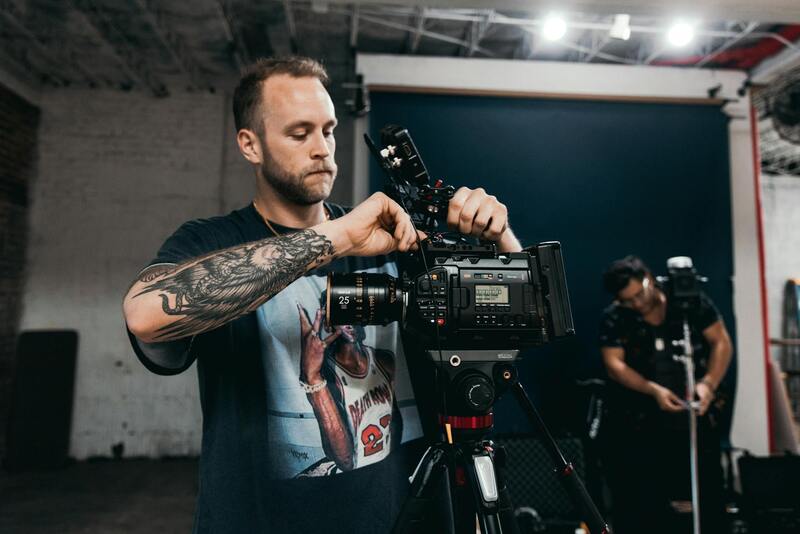
High-quality footage hinges on the use of advanced drones equipped with stabilization technology, 4K or higher resolution cameras, and specialized lenses. Such equipment ensures high-definition visuals and smooth shots, but the sophisticated technology entails higher operational costs and potentially more expensive rental or purchase considerations.
Post-Production Requirements
The editing process can significantly influence total expenses. Simple cuts and color adjustments are less costly, whereas complex editing involving motion graphics, layered effects, or virtual staging will add to the budget. Skilled editors' expertise and the time required for polished results are factors that service providers account for in their pricing.
Accessibility and Location
Remote or hard-to-access property locations within Miami may require additional logistical planning, travel time, or specialized equipment suited for challenging terrains or conditions. These factors can lead to increased costs, especially if multiple visits or extended flight hours are needed.
Duration of the Shoot
The length of time the drone operator needs to be on-site influences costs. Brief shoots focused on specific angles are less expensive than longer sessions that encompass extensive coverage or multiple time-of-day shots, such as twilight or sunset captures.
Additional Services and Special Shots
Clients seeking specialty footage, such as twilight shots, 3D virtual tours, or aerial mapping, should anticipate higher costs due to the specialized equipment and additional post-processing involved. These options can enhance a property’s marketing appeal but require careful budgeting and early discussion with service providers to align expectations with costs.
Average Price Range for Real Estate Drone Footage
In Miami, the typical pricing for professional real estate drone footage varies depending on the service provider, scope, and package selected. On average, clients can expect to pay between $150 and $500 per property. Basic packages with limited coverage, focusing on essential exterior shots, tend to be at the lower end of this spectrum, whereas comprehensive tours equipped with high-definition footage and post-production enhancements are priced higher.
Pricing Models and Packages
Drone service providers often offer different pricing structures to accommodate diverse client needs:
- Flat-Rate Packages: These include a predefined set of footage and services, ideal for straightforward projects like exterior property shots.
- Hourly Rates: Charges are based on the actual time spent flying and editing, suitable for complex projects requiring flexible coverage.
- Customized Quotes: Tailored services considering specific property features, additional shots, or advanced editing requirements, providing a comprehensive pricing estimate based on unique needs.
Additional Costs and Optional Services
Beyond the base fee, clients should be aware of potential extra costs, which may include:
- Travel and accommodation expenses for out-of-town or remote locations within Miami.
- Permitting fees for certain high-profile or restricted airspace zones.
- Specialized shots such as twilight or night-time footage.
- Advanced editing services, including virtual staging or interactive tours.
Factors That Can Raise or Lower Costs
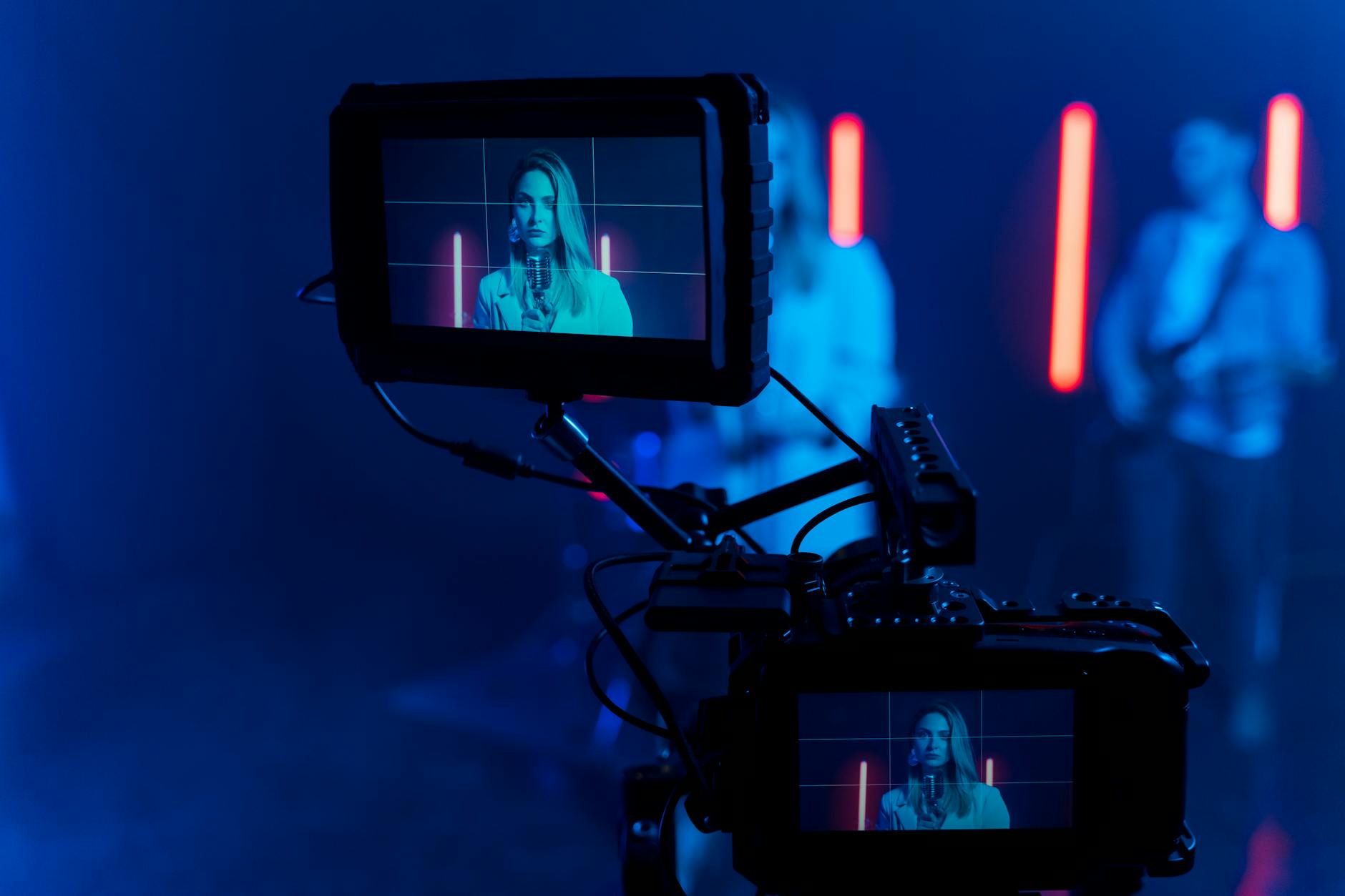
The overall expense can vary based on several conditions. For instance, if a property is easily accessible and requires minimal equipment or editing, costs tend to be lower. Conversely, properties situated in difficult-to-reach areas, needing extensive coverage, or requesting highly specialized footage can lead to higher costs. Weather conditions, flight restrictions, and the need for multiple shoot sessions also influence pricing, often increasing expenses if delays or rescheduling become necessary.
Factors Influencing Drone Footage Costs
Determining the cost of real estate drone footage involves evaluating a variety of key factors that reflect the complexity and scope of each project. The size and location of the property play a significant role, as larger estates or properties in hard-to-access areas demand more flight time, specialized equipment, and logistical planning. Urban or densely populated areas, such as Miami's prime neighborhoods, may impose additional restrictions or require permits, thus influencing the overall fee. The specific requirements of the shoot, including the type of footage, angle variety, and drone technology used, also impact pricing.
Factors such as the intricacy of the shots—whether they include aerial panoramas, interior walkthroughs combined with exterior footage, or cinematic spirals—require different levels of technical expertise and post-production work. Additionally, the choice between simple exterior shots and comprehensive packages that feature twilight or night-time footage will alter the costs. Weather conditions are another consideration; unanticipated delays due to weather can extend shoot days, increasing labor and equipment rental expenses.
Understanding Cost Components
The cost of drone footage is often broken down into fundamental components, primarily labor, equipment, and post-production expenses. Skilled pilots charge based on hourly rates or project-specific fees, especially for complex shots requiring meticulous planning or multiple drone flights. State-of-the-art drone systems capable of capturing high-resolution images or specialized shots come with additional hardware costs, which may be reflected in the overall quote. The editing process—ranging from basic color correction to cinematic stabilization—can significantly influence the final price, particularly for high-end marketing material.
Equipment and Technology
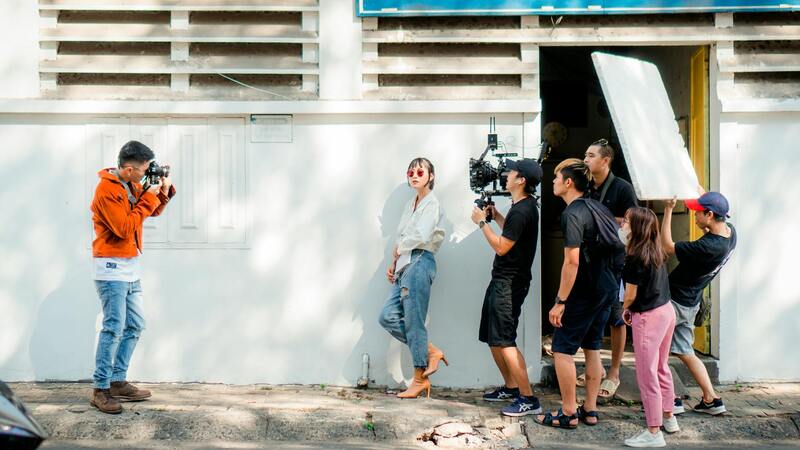
- Standard 4K drones for high-quality imagery
- Advanced stabilization and gimbal technology
- Night vision or infrared capabilities for specialized shots
- Long-range transmission systems for large properties
Labor and Expertise
- Certified drone pilots with real estate experience
- Filming crew for multi-angle coverage
- Post-processing specialists for editing and effects
Additional Costs and Optional Services
Clients seeking to maximize their property’s visual appeal can opt for supplementary services that, while not included in the base fee, add to the overall expenditure. These include transportation and accommodations for drone operators working in remote or less accessible Miami neighborhoods. Permitting fees are often necessary for aerial shots in restricted airspace, especially in Miami’s urban core or near sensitive areas.
Specialized footage, such as dawn or dusk shots, twilight photography, or night-time captures, require additional scheduling and equipment considerations. Virtual tours, 3D mapping, or interactive media integrations constitute advanced editing services that command higher prices, especially when tailored to distinctive property features. The inclusion of these extras can significantly enhance marketing effectiveness but should be factored into the project’s budget.
Factors That Can Raise or Lower Costs
Variability in drone footage expenses hinges on several dynamic factors. Accessibility remains a primary consideration; properties located in congested or restricted zones may require additional permissions, time, and specialized equipment, all of which elevate costs. Conversely, properties with easy access and minimal complexity—such as single-family homes in open areas—tend to incur lower fees.
Environmental factors, such as high winds, rain, or unstable weather conditions, can delay shoots and necessitate rescheduling, resulting in additional charges. The scope of the project—whether it involves a quick exterior capture or a comprehensive multimedia package—directly impacts pricing. Multiple filming sessions, extended editing timelines, and post-production revisions can also add to the overall expense, especially for premium marketing materials that demand high-production standards.
Choosing the Right Drone Service in Miami
Locating a reputable drone service provider in Miami requires careful evaluation of their experience, equipment quality, and portfolio of previous projects. Reliable providers will deliver transparent quotes based on detailed project requirements, avoiding unexpected charges. Clients should seek companies that comply with relevant operating standards and possess a track record of producing high-quality real estate footage. Verifying references and reviewing sample work can offer insights into the provider’s professionalism and technical capabilities.
Opting for a provider with in-depth local knowledge ensures familiarity with Miami’s unique neighborhood characteristics, airspace regulations, and environmental conditions. This local expertise translates into smoother shoots and cost-effective solutions, as the provider can recommend approaches tailored to specific property types and locations.
Cost-Saving Tips for Real Estate Agents
Real estate agents looking to optimize their marketing budgets can employ several strategies. Booking drone services during off-peak times or planning multi-property shoots in a single day can reduce overall costs. Combining aerial footage with existing marketing materials minimizes the need for multiple, separate projects. Establishing ongoing relationships with trusted service providers may also lead to negotiated rates and package discounts.
Clear communication about project scope and expectations ensures no unnecessary extras are requested, keeping projects on budget. Additionally, providing detailed property information upfront helps operators plan efficient flight paths, reducing idle time and maximizing productivity. Leveraging standard packages for basic exterior shots allows for affordable, effective promotional content while reserving premium services for key listings that benefit most from high-end visual enhancements.