Importance of Professional Real Estate Photography
In the competitive real estate market, the visual presentation of a property can make a significant difference in attracting potential buyers. High-quality real estate photos serve as a primary marketing tool that showcases a home's best features and creates a strong first impression. Well-crafted photographs not only highlight the property’s appeal but also communicate professionalism, trustworthiness, and attention to detail to prospective buyers and agents alike. In an era where online property listings dominate, compelling images can drastically increase the number of showings and inquiries a property receives, thereby accelerating the sales process.
Effective real estate photography transcends merely capturing high-resolution images; it involves strategic composition, proper lighting, and an understanding of what aspects of a home should be emphasized. A beautifully staged and expertly shot photo can evoke emotional responses and help buyers envision living in the space. Conversely, poor-quality images may deter interest and reduce a property’s visibility on listing platforms. For real estate professionals, investing in professional photography is an essential step toward enhancing marketing efforts, maximizing exposure, and achieving quicker sales at optimal prices.
Beyond attracting interest, captivating property images provide a competitive edge in listings. The digital impression conveyed through quality photographs influences consumer trust and can elevate a property above others competing within the same market. It's also worth noting that many buyers make initial decisions based solely on online viewing; thus, the importance of professionally captured images shines through in the early stages of the purchasing process.
In addition to visual appeal, well-produced photos contribute to a consistent branding message for real estate agents or agencies. They reflect a commitment to quality and professionalism, building credibility within the local market. Strategically curated images that accurately represent the property's features also help manage buyer expectations, reducing the likelihood of disappointment later in the sales process.
To maximize these benefits, real estate professionals should collaborate with experienced photographers who understand the nuances of property photography, lighting techniques, and post-production editing. Such partnerships ensure every listing is presented in the best possible light, enabling it to stand out amidst a crowded marketplace and facilitating faster, more profitable transactions.
Preparing a Home for Photo Shoots
To achieve impeccable real estate photographs, meticulous preparation of the property is essential. Clear surfaces, well-maintained landscaping, and a clutter-free interior contribute significantly to the visual appeal. Cleaning windows thoroughly allows natural light to flood the space, creating a more inviting atmosphere. Additionally, opening curtains and blinds prior to the shoot enhances natural illumination, reducing the need for extensive post-processing adjustments.
Staging the home to highlight its best features is equally important. Arranging furniture to maximize space, ensuring the rooms appear spacious and accessible, and removing personal items help potential buyers envision themselves in the property. Strategic placement of accent pieces, such as a fresh bouquet or tasteful art, can add warmth and character to otherwise neutral settings.
Outdoor areas should be landscaped or tidied up to showcase the property's exterior appeal. Mowing lawns, trimming bushes, and removing any debris from walkways ensure a welcoming exterior. Properly positioning outdoor furniture can also accentuate a property's livability.
Lighting plays a crucial role in photography. Using supplemental lighting and ensuring that there are no harsh shadows can dramatically improve image quality. It is advisable to schedule shoots during daylight hours to capitalize on natural light, which creates a balanced and appealing tone in photographs.
Choosing the Right Time for Photos
The timing of a photo session impacts the quality of images and the overall impression of the property. The best time to photograph a home is during the golden hour—shortly after sunrise or before sunset—when natural light is soft and warm. This enhances the property’s features without creating unflattering shadows or overly bright highlights.
For properties in Miami, capturing exterior shots during clear, sunny days ensures vibrant and inviting images that reflect the locale’s appealing weather. Conversely, interior photography benefits from shooting on days with optimal daylight to evoke a sense of openness and freshness.

Professional photographers often recommend scheduling shoots when the property is at its best natural state—after a thorough clean, with fresh flowers or minimal clutter. Coordinating shooting times with the availability of key spaces ensures the entire home is showcased under ideal conditions.
Key Elements of Effective Real Estate Photos
- Proper lighting, highlighting the property’s best features
- Clean and well-staged spaces that create an inviting atmosphere
- Accurate representation to set correct expectations
- Multiple angles and perspectives to capture the full scope of each room
- Emphasis on outdoor living areas to enhance curb appeal
In addition to technical considerations, framing and composition matter. Using wide-angle lenses can help depict the space accurately, making rooms appear larger without distortion. Horizontal lines should be kept straight to preserve proportion and perspective, ensuring a professional and appealing presentation.
Using Advanced Photography Techniques
Employing techniques such as HDR (High Dynamic Range) imaging allows real estate photographers to achieve balanced exposures across a range of lighting conditions within a single shot. This is particularly beneficial for interiors where windows may create a high contrast between light and shadow.
Vertical and horizontal leveling, strategic perspective choices, and the use of drone photography for aerial views further enhance a listing’s visual storytelling. These methods provide a comprehensive view of the property, appealing to a broader audience.

Proper use of these technologies ensures that photographs display the property in the best possible light, enabling viewers to appreciate both interior and exterior spaces fully.
Editing and Post-Production for Real Estate Photos
Post-processing enhances raw images, refining colors, correcting distortions, and removing minor imperfections without altering the authenticity of the property’s appearance. Professional editing software allows for subtle adjustments to contrast, brightness, and sharpness, creating images that are both vibrant and true to real life.
Careful editing avoids over-enhancement, which can mislead prospective buyers and detract from trust. Instead, it should serve to present the property as attractively and accurately as possible.
Consistent editing standards across a listing ensure a unified appearance that reflects a high degree of professionalism. Color grading and tone adjustments should match real-world conditions, providing a realistic preview that aligns with physical features.
Key Elements of Effective Real Estate Photos
Capturing compelling real estate images requires a keen eye for detail and an understanding of what makes a property stand out visually. The foremost element is lighting, which can dramatically influence the mood and clarity of the photos. Properly lit images reveal the true colors and textures of interior and exterior spaces, making the property more inviting to potential buyers. Natural light is ideal, especially during the golden hours of early morning and late afternoon, when sunlight is softer and warmer. Overcast days are also favorable, as diffuse light minimizes harsh shadows and highlights, producing evenly lit images.
Framing and composition are equally crucial. A well-composed photograph guides the viewer’s eye through the space, highlighting the property’s best features. Techniques such as the rule of thirds can position key elements optimally within the frame. Using wide-angle lenses allows capturing entire rooms or expansive exterior views, though it’s important to avoid distortion, which can misrepresent room sizes or property features.
Decluttering and staging are vital to ensure that spaces appear inviting and well-maintained. Removing personal items, excessive furniture, and cluttered décor helps create a neutral environment that potential buyers can envision themselves in. Adding tasteful accents, such as fresh flowers or subtle decorative elements, can enhance visual appeal without overwhelming the space.
Externally, capturing the property's curb appeal involves focusing on well-manicured lawns, appealing entryways, and unique architectural features. Shots should be taken from strategic angles to showcase the property's size and surroundings. Including external features such as patios, decks, or landscaped gardens can add value and context to the listing.
Overall, integrating natural light, thoughtful framing, intelligent staging, and attention to architectural details ensures that each photograph effectively communicates the property's strengths, encouraging viewer engagement and fostering interest in the listing.
Leveraging Drone Photography and Aerial Shots
To elevate real estate visuals beyond traditional indoor and outdoor shots, incorporating drone photography and aerial images has become increasingly important. These high-altitude perspectives provide a comprehensive view of the property’s surroundings, showcasing neighborhood context, proximity to amenities, and landscape features that are not easily captured from the ground. Drone images can effectively highlight expansive yards, water features, private gardens, and unique architectural elements that might otherwise go unnoticed.
Utilizing drone technology allows for dynamic visuals that can set a property listing apart. Aerial shots captured during different times of the day, especially with natural lighting, emphasize curb appeal and give potential buyers a sense of scale and spatial relationships. For larger properties or those with exceptional outdoor amenities, drone photography is instrumental in illustrating the full scope of the property’s footprint.
To ensure these images are impactful, professional drone operators employ advanced techniques such as precise flight planning, smooth camera movements, and high-resolution captures. Post-production editing enhances color grading and sharpness, ensuring the aerial imagery aligns with the overall aesthetic of the property’s visual presentation. Combining ground-level photographs with aerial shots creates a cohesive visual narrative that enhances the listing’s appeal.
Focus on Seasonal Photography and Weather Conditions
Timing photography sessions to coincide with optimal weather conditions and seasonal factors can significantly impact the visual appeal of real estate images. Bright, clear days with minimal cloud cover and soft natural light provide the best conditions for capturing vibrant, inviting photos. Conversely, overcast days can help diffuse harsh shadows, resulting in evenly lit interiors and exteriors.
Adjusting the timing according to seasonal changes also helps showcase the property's landscaping and outdoor features at their best. Spring and summer images highlight lush green lawns, blooming flowers, and outdoor entertainment areas, while fall captures warm foliage and cozy outdoor spaces. Winter photos, where applicable, showcase snow-dusted rooftops and holiday-ready landscapes, invoking a sense of seasonal charm.
Scheduling photo shoots during periods of stable weather avoids disruptions caused by rain, fog, or strong winds, which can diminish image quality. It’s beneficial to monitor weather forecasts diligently to plan for sunlit, unobstructed shots. Additionally, capturing images during the golden hours—the hour after sunrise and before sunset—can produce warm, attractive lighting that enhances textures and depth.
Ultimately, careful consideration of the timing and conditions for real estate photography ensures that each image authentically represents the property’s best features and appeals to prospective buyers.

Utilizing Proper Equipment and Techniques for Authentic Representation
Achieving high-quality real estate home photos that effectively showcase a property's features requires the use of appropriate tools and expert techniques. Professional photographers leverage high-resolution cameras with wide-angle lenses to capture expansive and detailed images that accurately portray both interior and exterior spaces. The use of wide-angle lenses is particularly advantageous as it allows for capturing more of a room within a single shot, creating an inviting and spacious feel for viewers.
Lighting plays a pivotal role in producing compelling images. Photographers often combine natural light with supplementary lighting equipment, such as flash or continuous lighting, to ensure that both bright and shadowed areas are evenly lit. This balancing act avoids overexposure or underexposure, ensuring that the true colors and textures of a property are preserved. When shooting outdoors, professional techniques like bracketing and HDR (High Dynamic Range) photography are employed to merge multiple exposures into a single image that balances bright and dark areas seamlessly.
Advanced photography methods contribute significantly to the creation of engaging visuals:
- HDR Photography: Combines multiple exposures to highlight details in both shadows and highlights, resulting in balanced, vibrant images that reveal the property's true character.
- Drone Photography: Offers aerial perspectives, providing sweeping views of the property and its surroundings, which is especially valuable for showcasing larger estates, outdoor amenities, and the overall neighborhood context.
- Daylight Shooting: Capitalizes on natural sunlight during optimal hours to produce warm, inviting images that resonate with prospective buyers.

Enhancing Authenticity Through Strategic Editing and Post-Production
While the primary focus is on capturing true representations, post-production editing further refines real estate home photos to ensure clarity, color accuracy, and overall visual appeal. Skilled editing involves adjusting brightness, contrast, and sharpness to highlight the property's best features without altering its fundamental appearance. Subtle corrections to straighten images, eliminate distracting elements, and enhance lighting conditions contribute to a polished final product.
Color grading is often employed to ensure that colors reflect real-life conditions, avoiding overly saturated or artificially enhanced hues that might misrepresent the property. Additionally, perspective corrections help align images properly, creating a cohesive visual story across multiple photographs. The goal of post-production is to produce images that are both captivating and truthful, providing prospective buyers with a reliable visual account of the property.
Using Advanced Photography Techniques
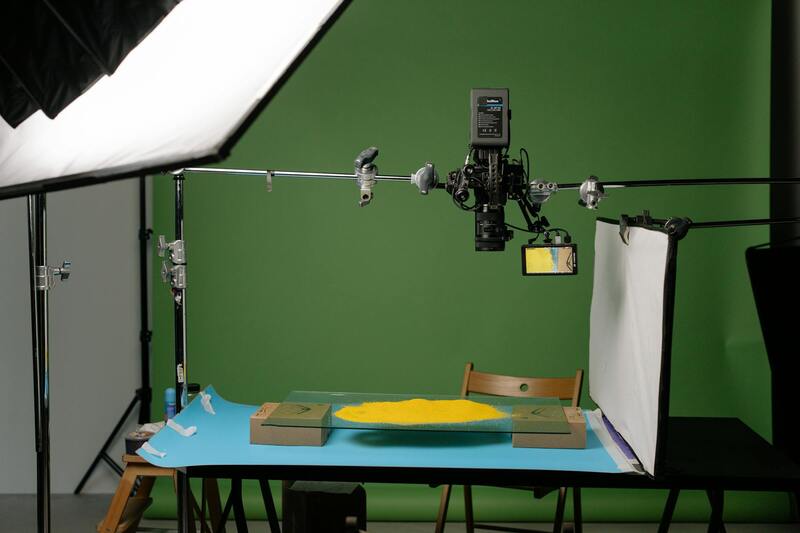
Leveraging cutting-edge photography methods is essential to produce compelling real estate home photos that capture the property's true essence and attract potential buyers effectively. One of the most impactful techniques involves the use of high-resolution wide-angle lenses, which allow for comprehensive interior shots that make rooms appear more spacious and inviting. This approach is particularly beneficial in showcasing open floor plans, expansive living areas, and unique architectural features, creating an immersive experience for viewers.
Another advanced technique is the strategic use of lighting. Professional photographers often utilize natural light during optimal times, such as early morning or late afternoon, to enhance warm tones and create inviting atmospheres. For properties with limited natural light, supplemental lighting setups, including softboxes and reflectors, help eliminate shadows and evenly illuminate spaces, ensuring that every detail is visible and aesthetically pleasing.
In exterior photography, drone imagery provides a comprehensive perspective of the property and its surroundings. Aerial shots highlight landscaping, outdoor amenities, and the property's position within the neighborhood, adding depth and context to the marketing effort. These panoramic views often appeal to prospective buyers seeking a complete understanding of the property's scope and environment.
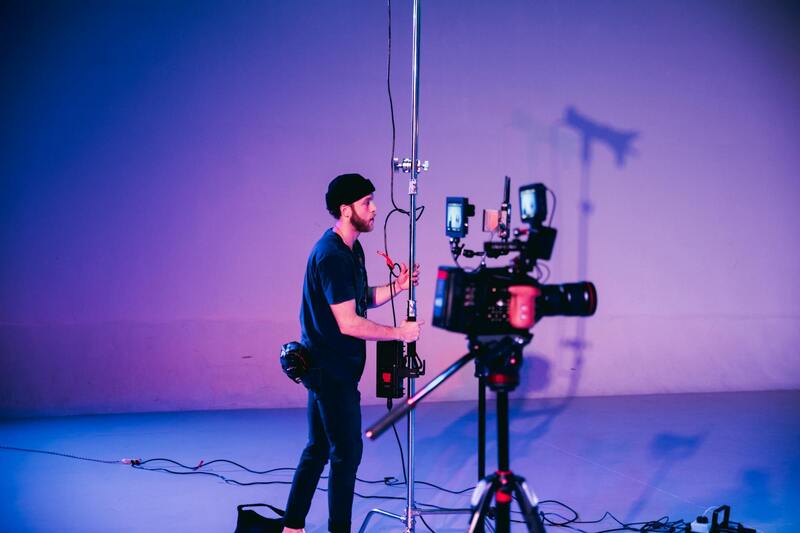
For properties that feature outdoor living spaces, advanced techniques such as HDR (High Dynamic Range) imaging blend multiple exposures to balance brightness and detail, capturing both shadowed and sunlit areas seamlessly. This approach ensures that patios, gardens, pools, and other external features look vivid and true to life, increasing their visual appeal.
In addition to photography, virtual staging has become an increasingly popular method to enhance property presentation without physical alterations. By digitally adding furniture and decor, agents can demonstrate the potential of each space, helping prospective buyers visualize living in the home. These images are crafted using specialized software that maintains realistic proportions and textures, ensuring they complement the photographs naturally and convincingly. This integration of technology results in a more comprehensive and engaging visual story that appeals to today's digital-savvy audiences.

Employing these advanced photography techniques ensures that each property is presented in the best possible light, maximizing viewer engagement and supporting effective marketing strategies. The combination of technical skill, innovative tools, and artistic vision creates images that are both aesthetically captivating and accurately representative, ultimately facilitating quicker and more desirable property transactions.
Key Elements of Effective Real Estate Photos
Capturing compelling and engaging real estate photos goes beyond merely documenting a space. It requires a strategic approach to lighting, composition, and perspective that highlights the property's best features. High-quality images are essential in attracting potential buyers and creating a memorable visual impression. Each photograph should tell a story about the home, emphasizing both its functionality and aesthetic appeal.
Lighting and Composition
Optimal lighting is fundamental to high-quality real estate photography. Natural light, in particular, can dramatically enhance the atmosphere of a space, making rooms appear more inviting and spacious. Photographers often schedule shoots during times when sunlight is abundant, such as late morning or early afternoon, to maximize brightness and warmth.
Composition also plays a crucial role. Properly framing shot angles to capture the full extent of a room helps create a sense of space. Using wide-angle lenses can provide a comprehensive view, but it’s important to avoid distortion that can mislead prospective buyers. Carefully arranging furniture and removing clutter during the shoot ensures every space appears tidy and appealing.
Key Features and Focus Points
Highlighting unique architectural details, updated fixtures, and desirable amenities can set a property apart. For example, emphasizing high ceilings, modern kitchens, or outdoor living areas can captivate viewers and generate interest. Additionally, focusing on clarity and sharpness ensures that viewers can see details that influence their buying decision.
Staging and Furniture Arrangement
Proper staging enhances the visual narrative of a property, helping potential buyers envision themselves living there. Arrangement of furniture should foster a sense of flow and openness, avoiding overcrowding that could detract from the space’s potential. Employing neutral decor allows the images to appeal to a broader audience.
Use of Natural and Artificial Light
Combining natural sunlight with well-placed artificial lighting can eliminate shadows and highlight key features more effectively. Strategically placed ceiling lights, lamps, or accent lighting can add depth and dimension to the photos, making the spaces look both inviting and professionally presented.
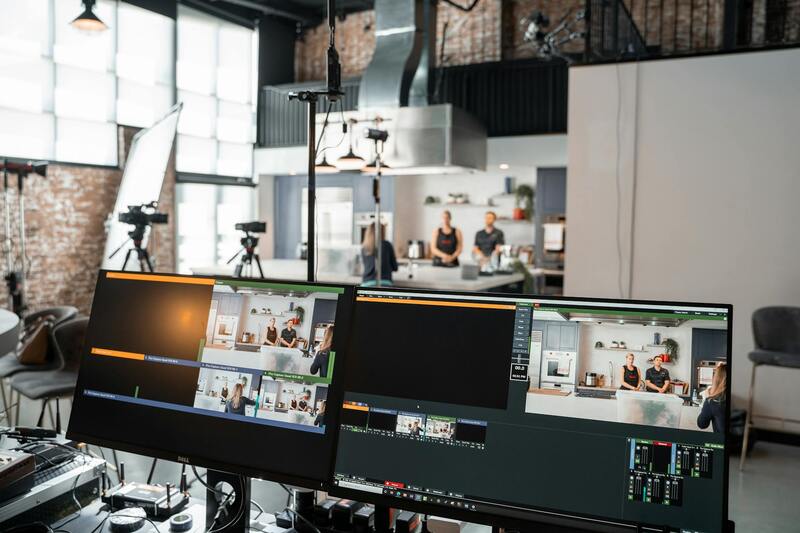
Mastering these key elements ensures every photo not only captures the home’s physical features but also conveys its unique character, increasing engagement and interest from prospective buyers.
Ensuring Officiated and Trusted Use of Real Estate Home Photos
In the competitive real estate landscape, sourcing high-quality photos that are compliant with official standards and appropriate usage rights is crucial. Real estate professionals and homeowners should utilize reputable photo providers who adhere to strict licensing agreements and intellectual property protections. This guarantees that the images used in listings or promotional materials are legitimately obtained, preventing any legal complications that could arise from unauthorized use.
Engaging professional photography services that operate transparently, with clear contracts and licensing rights, secures access to images that can be confidently embedded across multiple marketing channels. These images are often produced by certified photographers with access to state-of-the-art equipment, further elevating the quality and adherence to industry standards. This approach not only adds credibility but also safeguards the integrity of your property listings.
Such official methods include multiple avenues for acquiring compliant real estate photos:
- Collaborating with Licensed Photography Agencies: Partner with established firms specializing in real estate photography, which ensures images are taken, processed, and distributed legally and responsibly.
- Utilizing Stock Image Libraries: For aspects like lifestyle shots or neighborhood scenes, licensed stock images provide a legal and professional option, provided proper attribution and licensing are observed.
- Employing Professional Photographers with Portfolio Verification: Verify that photographers possess valid credentials, portfolios, and experience specific to real estate, ensuring they follow authorized practices in producing and sharing images.
In addition to securing images from legitimate sources, careful attention should be given to rights management. This includes verifying usage rights for each image, understanding restrictions on sharing or modifying photos, and maintaining documented proof of licensing agreements. Such diligence guarantees that the deployment of property visuals aligns with official protocols and mitigates risks associated with unauthorized use.
Employing official methods of acquiring real estate home photos contributes significantly to establishing a trustworthy listing, boosting buyer confidence, and fostering transparency. It ensures that every visual representation is not only compelling but also compliant with industry standards, reinforcing credibility throughout your marketing efforts.