Importance of Professional Photography in Real Estate Listings
In the competitive Miami real estate market, the quality of listing presentation can significantly influence a property's success. High-caliber real estate listing photography serves as the first impression for prospective buyers, capturing attention and igniting interest even before a potential visit. In a vibrant city like Miami, where luxury, beachfront views, and unique properties are common, professional photography helps highlight these features effectively, making listings stand out in a crowded marketplace.
Professional photos not only enhance visual appeal but also facilitate a faster sale process. Properties with professionally captured images tend to attract more online views, resulting in increased showings and offer opportunities. This heightened engagement often shortens the time a property spends on the market, reducing the overall selling cycle.
Moreover, high-quality images foster a sense of trust and credibility. Buyers are more likely to take listings seriously when they see polished, clear visuals that accurately represent the property's condition and features. This reduces misconceptions and ensures that inquiries are genuinely interested parties, streamlining negotiations and closing procedures.

In Miami, where luxe properties and scenic views define the market, the role of professional photography becomes even more prominent. The city's diverse architecture, vibrant neighborhoods, and beachfront landscapes demand visual storytelling that captures their essence convincingly. Therefore, investing in expert photography can be a crucial differentiator, ensuring that each listing communicates its unique appeal to an international audience.
Ultimately, well-executed real estate listing photography is an essential component in modern marketing strategies. It not only elevates the property’s presentation but also maximizes exposure across digital platforms, making it a cornerstone of successful real estate transactions in Miami and beyond.
Key Elements of Successful Real Estate Listing Photos
- High resolution and clarity
- Proper lighting to showcase space and features
- Accurate color representation
- Wide-angle shots for spaciousness
- Strategic composition to highlight focal points
- Consistent style across all images
Preparing a Property for Photography
Effective preparation is fundamental to capturing compelling real estate images that resonate with potential buyers. Prior to the shoot, it is essential to declutter living spaces, ensuring an organized and inviting environment. Clearing surfaces, removing personal items, and tidying up storage areas create a clean aesthetic that emphasizes the property's features rather than distractions. Windows should be clean to allow maximum natural light, which plays a pivotal role in enhancing the authenticity and vibrancy of the images.
Staging the space appropriately can significantly influence how the property is perceived. Strategic placement of furnishings to showcase the room's size and functionality, along with subtle decor enhancements, can make a substantial difference. Natural light should be maximized by scheduling shoots during optimal times of day. For properties with limited natural light, additional lighting fixtures or reflectors can be employed to brighten darker areas and achieve a balanced exposure across the scene.
Exterior preparation is equally important. Landscaping should be well-maintained, and outdoor furniture or decor should be arranged to create an appealing focal point. Ensuring pathways are clear and driveways are tidy contributes to first impressions. In the case of properties with pools, gardens, or other features, these elements should be cleaned and presented in their best light. Overall, meticulous preparation facilitates a smooth photoshoot process and results in images that accurately reflect the property’s true appeal.

Techniques and Equipment for Real Estate Photography
Utilizing the right techniques and equipment is key to producing high-quality real estate photographs that stand out in competitive markets like Miami. Professional-grade DSLR or mirrorless cameras are preferred for their superior image quality, especially when paired with wide-angle lenses. These lenses enable photographers to capture expansive interior and exterior shots that convey spaciousness and depth, essential for enticing viewers.
In addition to equipment, specific techniques significantly improve image quality. Bracketing exposures and combining HDR (High Dynamic Range) images helps balance bright windows and darker interior areas, preventing overexposure or underexposure. Incorporating a tripod ensures stability during shooting, resulting in sharp and clear images, particularly in low-light conditions or interior spaces with limited natural light.
Lighting setup is integral. While natural light is preferable, supplementary lighting such as softboxes or reflectors can help fill shadows and highlight architectural details. For outdoor shots, the golden hour—shortly after sunrise or before sunset—provides warm, natural light that enhances the property’s aesthetic appeal. Advanced drone photography can also capture stunning aerial views, illustrating property size and neighborhood context more comprehensively.
Post-Processing and Editing of Listing Photos
Post-processing is an essential step in delivering polished real estate images that meet industry standards and effectively market the property. Image editing software such as Adobe Photoshop or Lightroom allows for adjustments in brightness, contrast, and color balance, ensuring accurate representation of the property’s true appearance. These edits can correct minor lens distortions, straighten skewed lines, and enhance details to make the images more compelling.
Care should be taken to maintain authenticity; over-editing can lead to misrepresentations that eliminate trust. Techniques like selective sharpening and subtle touch-ups on reflections or minor imperfections can improve visual appeal without compromising accuracy. Consistency across all images is crucial, providing a cohesive look that reinforces professionalism in marketing materials.
When properly executed, post-processing accentuates the property’s best features—whether it is the spacious living room, scenic views, or modern kitchen—drawing viewers’ attention and encouraging them to explore further. Ultimately, high-quality editing transforms raw photographs into persuasive visual narratives that resonate with prospective buyers and support effective selling strategies.
Key Elements of Successful Real Estate Listing Photos
Achieving compelling real estate photos requires attention to specific elements that highlight the property's strengths and create an inviting visual narrative. High-quality images serve as digital doorways, enticing prospective buyers to view the property in person. To maximize the impact of listing photos, several key factors must be meticulously addressed:
- Lighting: Proper lighting is the foundation of attractive real estate images. Utilizing natural light during peak daylight hours can illuminate rooms evenly, reducing shadows and highlighting the space's openness. When natural light isn’t sufficient or available, professional lighting tools—such as strobe lights or diffusers—can be employed to achieve a balanced and appealing brightness. Proper lighting ensures accurate color representation and creates a warm, welcoming ambiance that appeals to buyers.
- Composition: Thoughtful framing and positioning emphasize the property’s best features. Wide-angle lenses are often used to capture more of a room in a single shot, making spaces appear larger and more inviting. The rule of thirds, along with clean lines and unobstructed views, can guide composition choices that showcase spatial relationships and focal points effectively.
- Staging: Arranging furniture and décor to create an inviting atmosphere can enhance a space’s appeal. Minimal clutter, strategic placement of accent pieces, and neutral color schemes help potential buyers envision living in the property. Staged homes appear more lived-in yet tidy, which can significantly increase interest.
- Angles and Perspectives: Choosing the right camera angles showcases the property's flow and layout. Eye-level shots provide natural views, while elevated perspectives can display the entire room’s dimensions. Incorporating multiple angles grants viewers a comprehensive understanding of the space, reducing the need for multiple viewings and speeding up the decision-making process.
- Detail Shots: Focusing on architectural features, modern appliances, and unique details helps differentiate the property from competitors. Close-up images of high-end fixtures, finishes, and appealing exterior elements provide added layers of visual interest and evidence of quality craftsmanship.
 igure>
Role of Equipment and Techniques
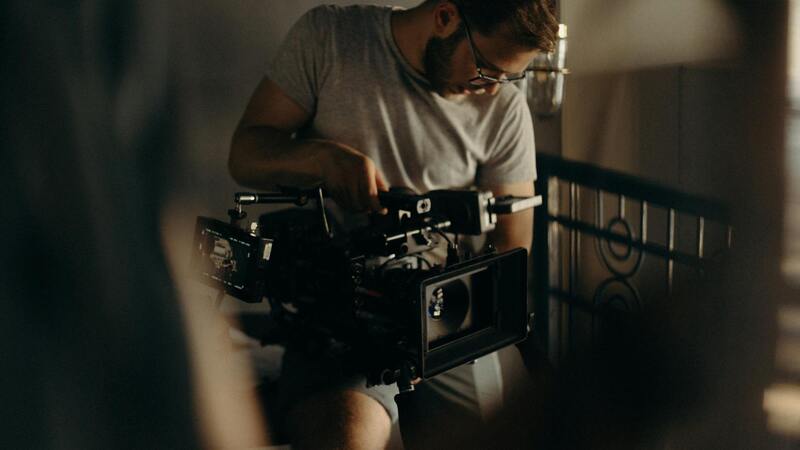
Utilizing advanced equipment and refined techniques is essential for producing images that meet industry standards. Digital cameras with full-frame sensors and high-resolution capabilities allow for capturing detailed images with rich color depth. Wide-angle lenses facilitate broad views of interiors, providing a sense of space. Tripods ensure stability, preventing blurriness, especially in low-light conditions. Drones may be employed to capture striking aerial shots, highlighting extensive property grounds or scenic surroundings.
Bracketing exposures and HDR imaging can help merge multiple images into a single balanced photograph, ensuring both indoor lighting and exterior scenery are clearly visible. Moreover, tilt-shift lenses can correct perspective distortions, ensuring vertical lines such as walls and doorframes stay true to reality. The combination of precision equipment and skillful application of techniques results in images that are both visually appealing and faithful representations of the property.
 igure>
Techniques and Equipment for Real Estate Photography
Capturing high-quality images for property listings requires more than just a good camera. It involves a strategic combination of professional-grade equipment and skilled techniques to ensure each shot accurately represents the property and appeals to potential buyers. Utilizing the right tools and methods helps in producing visually compelling photos that stand out in a competitive market.
Professional Camera Gear
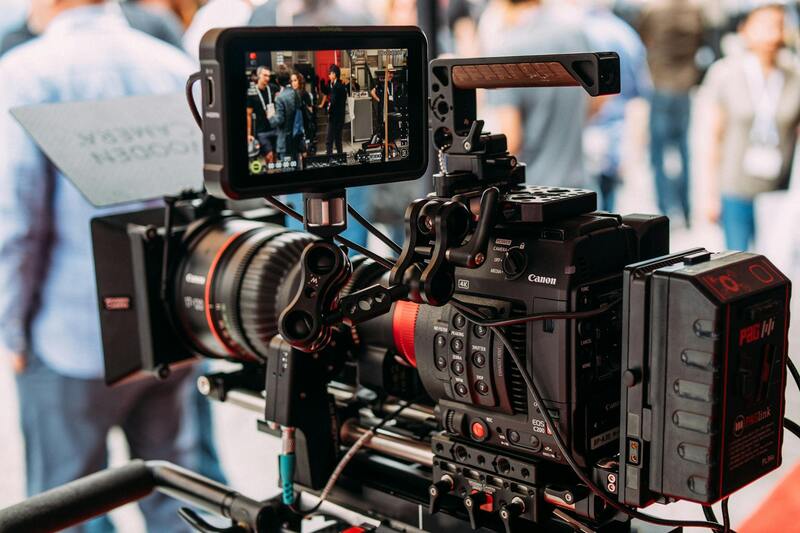
High-resolution digital cameras with full-frame sensors are standard in professional real estate photography. These cameras offer superior image quality and greater control over exposure, ISO, and shutter speed, enabling photographers to capture detailed and vibrant images under various lighting conditions. This level of detail is vital for showcasing a property’s features in a way that appeals to the discerning eye of prospective buyers.
Wide-Angle Lenses
Wide-angle lenses are indispensable for real estate listing photography because they allow photographers to capture expansive interior spaces within a limited frame. This creates a sense of depth and spaciousness, making rooms appear larger and more inviting. Typically ranging from 14mm to 24mm, these lenses minimize distortion while maximizing the field of view, offering a comprehensive perspective of each room.
Lighting Setups
Lighting plays a crucial role in producing clear and attractive property images. Natural light is often preferred for its warmth and authenticity, but supplementary artificial lighting helps balance interior brightness, especially in low-light conditions or houses with small windows. Professional photographers may employ softboxes, diffusers, and reflectors to evenly distribute light and reduce harsh shadows, ensuring each photograph appears natural and inviting.
Additional Equipment for Enhanced Results
- Drones: Aerial shots provide sweeping views of the property and surrounding environment, highlighting features such as large acreage, landscaping, or scenic views.
- Tripods: Stability is essential for sharp images, particularly in low-light situations or when using slow shutter speeds.
- Tilt-Shift Lenses: These lenses correct perspective distortions, keeping vertical lines true and maintaining a realistic representation of interior and exterior elements.
- HDR Technology: Bracketing multiple exposures and merging them help capture both interior details and exterior views, preventing overexposure or underexposure in complex lighting conditions.
Refined Shooting Techniques
Achieving professional-quality images also depends significantly on technique. Properly composing shots with attention to symmetry, leading lines, and focal points guides viewers’ eyes through the space. Shooting from a corner angle can maximize the perception of space, while ensuring windows and light sources are included helps illustrate the property’s natural lighting. Maintaining a level horizon and consistent camera height across images creates a cohesive visual narrative that enhances the listing’s appeal.
Summary
The combination of advanced equipment and skilled techniques ensures real estate listings are presented in their best light, attracting more interest and enabling faster sales. A knowledgeable photographer knows when to utilize each piece of gear and how to apply various techniques to produce images that not only look stunning but also provide a truthful representation of the property’s attributes.
Legal and Ethical Considerations in Real Estate Photography
In the competitive market of Miami real estate, maintaining high standards in photography not only enhances the visual appeal of listings but also upholds professional integrity. Authentic representation is the cornerstone of effective property marketing, which involves capturing images that truthfully portray the property's features and condition. Misleading photographs, whether through excessive editing or deliberate omission of flaws, can lead to misaligned expectations and diminish trust with prospective buyers.
Adhering to established practices ensures that the visual content complies with ethical standards and avoids potential disputes. This includes obtaining the necessary permissions for commercial photography of private properties, respecting the privacy of residents, and refraining from staging that significantly alters the property's appearance beyond routine enhancements. For example, digitally removing furniture or light fixtures should be done judiciously, maintaining the authenticity of the space.
Furthermore, photographers and real estate professionals should clearly disclose any post-production adjustments made to images. This transparency not only aligns with ethical marketing but also fosters credibility among clients and viewers. Ethical photography practices extend to respecting property rights, securing consent from homeowners prior to photographing their residence, and ensuring that no detail alters the true character of the property.
In Miami's dynamic real estate arena, showcasing properties with integrity supports sustainable business growth. Professionals committed to ethical standards differentiate themselves by providing truthful, high-quality images, fostering long-term relationships with clients, and reinforcing the credibility of their branding efforts.
Legal and Ethical Considerations in Real Estate Photography
Maintaining high standards in real estate listing photography requires strict adherence to ethical practices that protect both the property owner’s rights and the integrity of the marketing process. Respect for privacy is paramount; photographers must secure explicit consent from homeowners or authorized representatives before capturing images of a property. This ensures that visual content aligns with the expectations of all parties involved and fosters trust in the professional relationship.
Obtaining proper permissions extends beyond general consent. If the property is occupied, photographers should inform residents of the intended shoot, the scope of images captured, and how these images will be used. This helps prevent misunderstandings and emphasizes respect for residents' privacy and comfort. When photographing common areas or private spaces, clear communication about the purpose and distribution of the images promotes transparency and preserves goodwill.
Another critical ethical aspect involves accurately representing a property’s features. Photographers are responsible for avoiding the creation of misleading visuals that could distort a potential buyer’s perception. This entails realistic portrayals without excessive digital manipulation or staging that significantly alters the property's appearance. For example, digitally enhancing lighting without creating an unrealistic ambiance or removing clutter in a manner that still accurately reflects the space is essential.
Misleading imagery can lead to mismatched expectations, which diminish buyer trust and can damage reputation. Ethically produced images serve as honest representations that align with actual property conditions, thereby facilitating smoother transactions and fostering transparency in the real estate market.
 igure>
Moreover, photographers should refrain from digitally altering images in a way that misrepresents features or minimises flaws. Subtle post-processing to enhance color, correct lighting, or remove minor distractions is acceptable, but altering structures, major furniture, or spatial layouts crosses ethical boundaries. Disclosing any post-production adjustments in listing descriptions or captions enhances transparency and helps viewers evaluate properties based on truthful visuals.
Respect for property rights and adherence to ethical standards in real estate photography lay the groundwork for ethical marketing practices. These practices foster long-term relationships with clients, bolster professional credibility, and support sustainable growth within competitive markets like Miami. By prioritizing honesty, transparency, and respect, real estate professionals ensure their visual content contributes positively to their brand reputation and the overall integrity of the housing market.
Legal and Ethical Considerations in Real Estate Photography
Maintaining integrity in real estate listing photography is crucial for establishing trust with prospective buyers and safeguarding the reputation of real estate professionals. Authentic visual representation involves carefully capturing the property's true appearance without exaggeration or misrepresentation. Photographers should focus on showcasing the property's strengths while accurately depicting its condition, layout, and features.
One essential aspect is transparency regarding any post-processing adjustments made to the images. Subtle enhancements such as color correction, exposure adjustment, or minor removal of distracting elements are generally acceptable, provided they do not alter the property's true appearance. Clear disclosure of such edits helps maintain honesty and allows buyers to make informed decisions.
Consequently, digital alterations that significantly modify the property's features—such as changing the size or layout of rooms, removing structural flaws, or adding objects not present at the property—are considered unethical. These actions can deceive viewers and create false expectations, ultimately damaging trust and complicating transaction processes.
Respecting property rights and privacy is equally important. Photographers should obtain necessary permissions before photographing private spaces and ensure no proprietary or sensitive content is inadvertently revealed. Adhering to these ethical standards demonstrates professionalism and reinforces positive industry reputation.
By integrating these practices into their workflow, real estate professionals and photographers contribute to a trustworthy market environment. This approach not only supports successful sales but also nurtures long-term client relationships based on honesty and respect.
Legal and Ethical Considerations in Real Estate Photography
Adherence to legal and ethical standards in real estate photography is essential for maintaining trust and integrity within the property market. Photographers and real estate agents must understand the importance of respecting property rights and ensuring that all visual representations are accurate, transparent, and fair. This foundation not only enhances credibility but also prevents potential disputes and misunderstandings.
One of the primary considerations is obtaining explicit permission from property owners or authorized representatives prior to capturing images. This step ensures that all photography activities are conducted with proper consent, respecting individuals’ privacy and property rights. Additionally, photographers should be mindful of sensitive areas or proprietary information that should not be disclosed, including private spaces or secured zones, which could reveal confidential details if photographed inadvertently.
Maintaining honesty in listing images is paramount. While minor enhancements such as adjusting brightness or correcting lens distortion are generally acceptable, manipulating images to showcase features that do not exist or to conceal flaws crosses ethical boundaries. For example, digitally enlarging spaces, removing structural damages, or adding elements not present in the actual property can mislead potential buyers, ultimately undermining trust. Clear disclosure about any post-processing adjustments is a standard practice that promotes transparency and helps buyers make informed decisions.

Another crucial aspect involves respecting the privacy rights of individuals. Photographers should avoid capturing or disseminating images that could compromise personal privacy or violate agreements. Properly managing image permissions and securely handling sensitive content can prevent legal complications and uphold professional standards.
In the digital age, where images are easily shared and manipulated, establishing and following a comprehensive code of conduct is vital. This code should emphasize honesty, respect for property rights, and transparency regarding any image modifications. Such practices contribute significantly to building a reputable and trustworthy real estate market that values integrity above all.