Importance of High-Quality Listing Photos
In the competitive real estate market of Miami, capturing the attention of potential buyers or renters requires more than just a well-maintained property. High-quality listing photos serve as the first impression and play a crucial role in determining whether a property will garner interest. Professionally taken images highlight the property's strengths, showcase its unique features, and create an inviting atmosphere that encourages viewers to learn more.
Effective real estate photography can significantly boost a listing’s visibility across online platforms, where most prospective clients begin their property search. Eye-catching photos increase engagement rates, leading to more inquiries and scheduled viewings. They also help filter out less serious prospects by presenting the property in the best possible light, which can streamline the sales process.
Furthermore, high-quality images contribute to building trust and credibility. When potential buyers see polished, accurate representations of a property, they are more likely to perceive the listing as reliable. This trust can translate into quicker transactions and better offers, ultimately benefiting both sellers and agents.
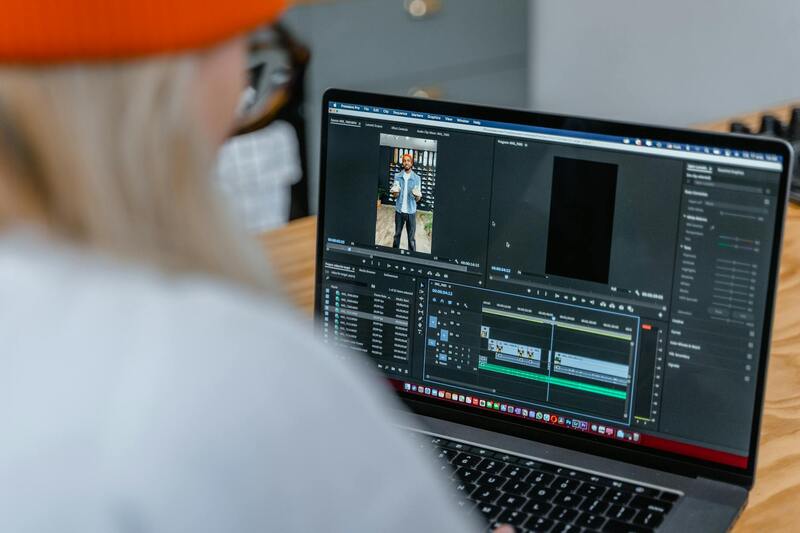
Beyond just capturing a property's aesthetic appeal, professional photos ensure that architectural details, spaciousness, and natural lighting are adequately showcased. Clear, vibrant images can make even modest properties appear more inviting, while expertly composed shots highlight key features that can differentiate a listing in a crowded market.
In summary, investing in high-quality listing photos is a strategic move that enhances overall marketing efforts, accelerates the sale or rental process, and establishes a strong visual presence in Miami’s vibrant real estate scene. The right images build interest and trust, paving the way for successful property transactions.
Choosing the Right Photography Equipment and Techniques
Attaining high-quality real estate listing photos hinges on using appropriate photographic tools and adopting effective techniques. Professional cameras with high resolution capabilities are fundamental, as they capture fine details and vibrant colors essential for illustrating a property’s appeal. Additionally, wide-angle lenses are preferred because they can encompass more of a room within a single shot, giving potential buyers a comprehensive view of the space without distortion.
Tripods are indispensable for achieving sharp images, especially in interior shots where longer exposure times are needed due to lower light levels. They help maintain stability, preventing camera shake that can compromise image clarity. Remote shutter releases or timers further bolster stability by eliminating camera movement during the shot.
Lighting is a core component of successful real estate photography. Natural light accentuates a property's best features and creates inviting atmospheres. Photographers often schedule shoots during daylight hours, utilizing sunlight to illuminate rooms evenly. Supplementing with professional lighting equipment, such as softboxes and reflectors, ensures balanced illumination, reducing shadows and highlighting architectural details.
Applying consistent techniques for framing and composition is also crucial. The rule of thirds, leading lines, and symmetry guide the viewer’s eye and emphasize focal points within each room. Properly aligned horizons and verticals prevent distortions, especially when capturing exterior shots. Using panoramic techniques can also be beneficial for showcasing broad views of outdoor spaces or expansive interiors.
Staging and Preparing Properties for Photography
Effective staging and preparation are critical to translating the property's potential into compelling visuals. Clear, clutter-free spaces allow the property’s features to stand out and prevent distractions in photographs. Simple adjustments such as rearranging furniture, decluttering, and ensuring surfaces are clean and shiny can dramatically enhance visual appeal.
Adding subtle decorative elements, like fresh flowers or well-placed artwork, can help evoke a warm and inviting atmosphere. Ensuring that all lights are functioning and have optimal bulbs installed produces a well-lit environment, which is essential for capturing bright, vibrant images.
It is also important to address any minor repairs or aesthetic flaws before photography sessions. Fixing peeling paint, replacing worn fixtures, or tidying up outdoor landscaping presents the property at its best, making the images more appealing and trustworthy to prospective buyers.
Choosing the Right Photography Equipment and Techniques
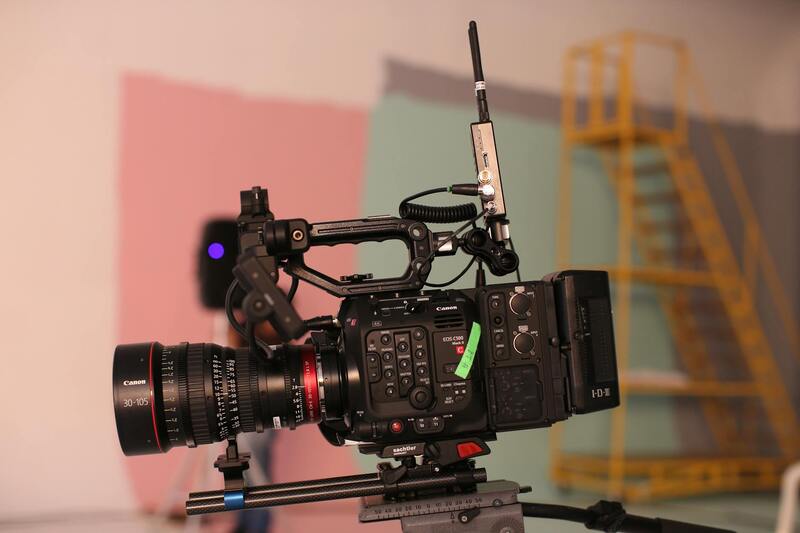
To achieve remarkable real estate listing photos, selecting appropriate equipment and employing proper techniques is essential. High-quality cameras with excellent resolution and wide dynamic range capabilities are fundamental for capturing detailed and vibrant images that showcase the property’s best features. Utilizing lenses specifically designed for interior photography, such as wide-angle lenses, allows for capturing expansive spaces while maintaining proportion and clarity.
Adjusting camera settings tailored to the environment enhances image quality. Techniques such as shooting in high dynamic range (HDR) mode ensure that both the shadows and highlights are accurately rendered, preventing overly dark or washed-out areas. Proper exposure, aperture, and ISO settings contribute to crisp, well-lit images that depict rooms authentically.
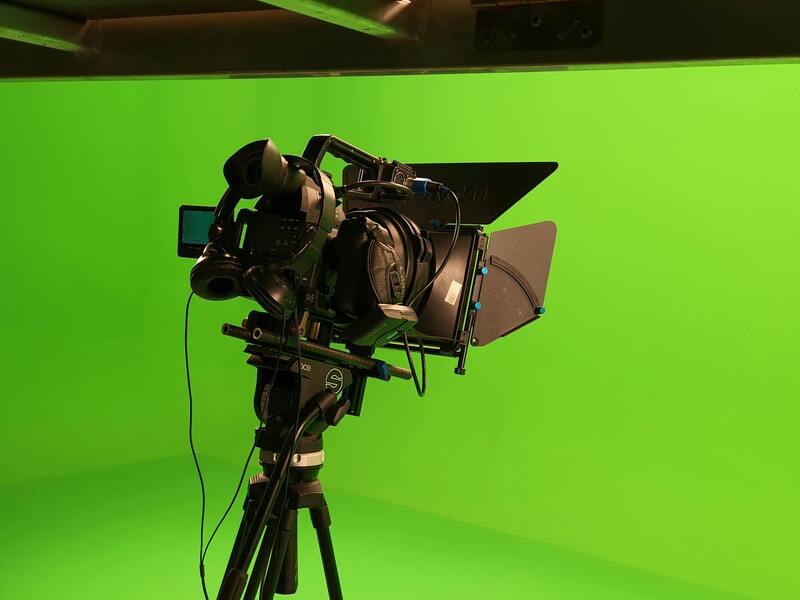
In addition to equipment, mastering advanced shooting techniques can significantly improve visual appeal. For instance, employing tripod stabilization minimizes blur and allows for precise composition, especially in low-light conditions. Incorporating panoramic or multi-exposure shots can also provide a comprehensive view of larger spaces or unique architectural features.
Utilizing Proper Lighting
Lighting plays a pivotal role in real estate photography. Natural light, when appropriately harnessed, can produce soft, inviting images. Shooting during the day when windows let in ample sunlight often results in brighter and more appealing photos. Supplementing natural light with professional-grade artificial lighting helps eliminate shadows and highlights the property's interior details. Using softboxes or ring lights ensures that light is evenly distributed across the room, avoiding harsh spots or unflattering shadows.
Applying Composition and Angles Effectively
Composition techniques like the rule of thirds, leading lines, and symmetry draw viewers’ eyes into the space effectively. Shooting from a corner or doorway provides depth and context, making rooms appear larger. Experimenting with different angles can reveal the property's most attractive features and highlight its flow. Consistent eye-level shots create a cohesive look for the entire listing, while aerial or elevated perspectives can showcase landscaping or outdoor amenities from a fresh vantage point.
Every element, from selecting the right equipment to executing precise techniques and compositions, contributes to producing professional-grade listing photos that elevate a property's market presence.
Choosing the Right Photography Equipment and Techniques
To capture high-quality real estate listing photos that resonate with potential buyers, selecting the appropriate equipment is essential. Professional-grade cameras equipped with wide-angle lenses are ideal for showcasing spacious interiors and capturing more of each room in a single shot. These lenses reduce distortion at the edges, ensuring that rooms appear proportionate and inviting. Tripods are indispensable for maintaining camera stability, especially in interior settings with variable lighting conditions, which helps produce sharp, blur-free images.
Beyond hardware, mastering specific photographic techniques elevates the quality of listing photos. Using a tripod allows for precise framing and exposure adjustments, particularly when shooting in dimly lit environments. Employing techniques such as HDR (High Dynamic Range) imaging, where multiple exposures are blended, compensates for challenging lighting contrasts between bright windows and darker interior areas. This process ensures that details are visible throughout the entire image, from shadowed corners to bright window views.
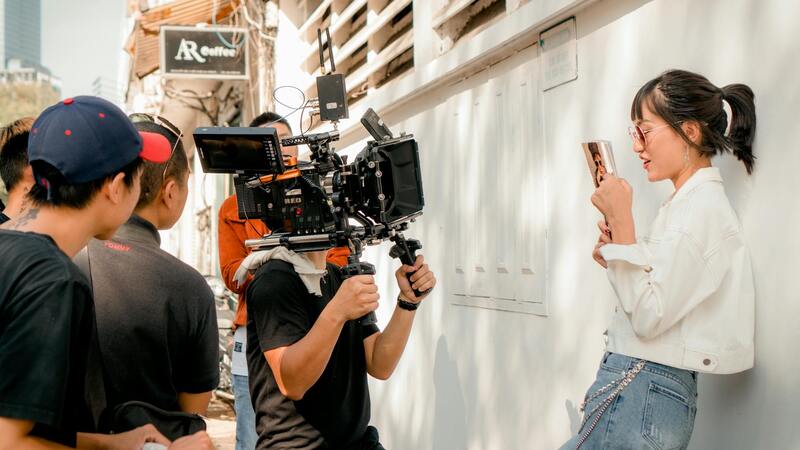
Integrating drone photography expands the perspective of our listing visuals. Aerial shots provide panoramic views of the property and surrounding neighborhood, emphasizing outdoor amenities such as gardens, pools, or scenic landscapes. Proper drone operation, including stable flight controls and high-resolution cameras, results in stunning visuals that highlight a property's unique features from an advantageous vantage point.
Utilizing Proper Lighting for Outstanding Results
Effective lighting is a cornerstone of compelling real estate photos. Natural sunlight, when harnessed appropriately, creates a warm, welcoming atmosphere. Deciding to shoot during peak daylight hours, typically mid-morning or late afternoon, maximizes ambient light and minimizes harsh shadows. Opening curtains and blinds beforehand allows maximum natural light infiltration, transforming dull spaces into vibrant visuals.
Artificial lighting complements natural sources, especially in rooms with insufficient daylight or during cloudy days. Using softbox lighting or ring lights provides evenly diffused illumination that highlights interior features without creating unwanted glare or shadows. Adjusting light angles and intensities ensures each room is evenly lit, making spaces appear larger and more attractive. Properly illuminated images help potential buyers envision their own lives within these spaces, driving higher engagement.
Incorporating the right equipment and techniques, along with optimized lighting strategies, results in visually stunning property images that resonate with online viewers. These elements work synergistically to produce authentic, high-quality representations that effectively promote the property’s best features, increase online engagement, and accelerate the sale process.
Post-Processing and Editing of Listing Photos
Following the capture of high-quality images, the post-processing stage is essential to refine photos and ensure they accurately represent the property’s appeal. Professional editing involves adjusting lighting levels, enhancing color balance, and correcting distortions to produce clear, vibrant images that stand out online. The goal is to highlight the property’s best features without misrepresenting its condition or appearance.
Color correction plays a vital role in maintaining true-to-life visuals. Overexposed images or those with unnecessary color casts can distort the viewer’s perception. Skilled editing ensures that colors are natural and appealing, conveying an inviting atmosphere. Additionally, brightness and contrast adjustments help to brighten dimly lit areas, making spaces look more welcoming and spacious.
While enhancements are beneficial, moderation is key to preserve authenticity. Over-editing can lead to unrealistic representations that may disappoint potential buyers during viewings. Maintaining a balance between visual appeal and accurate depiction requires a keen eye for detail and professional expertise.
Retouching techniques, such as removing minor imperfections and clutter, can further elevate the visual quality. Cropping and straightening images ensure compositions are balanced and aligned precisely. When executed correctly, post-processing enhances the overall professionalism and impact of real estate photos, ultimately attracting more interest from prospective buyers and speeding up sales.
Incorporating Aerial and 3D Photos
Expanding the visual narrative with aerial and three-dimensional images provides potential buyers with comprehensive perspectives of the property. Aerial photography, typically obtained via drone, captures expansive views of the property’s exterior, surrounding landscape, neighborhood amenities, and overall lot layout. Such images are particularly valuable for large estates, waterfront properties, or homes with significant outdoor features.
High-quality aerial shots can highlight unique property features that ground-level photography might miss. They also help potential buyers understand spatial relationships between structures and landscaping, reinforcing the property’s allure from multiple angles.
3D virtual tours and images add depth to online listings, enabling viewers to explore interior spaces interactively. These immersive representations allow prospective buyers to virtually walk through rooms, observe layouts, and gauge proportions without physical visits. Integrating 3D scans enhances engagement and provides a realistic sense of space, which can be a decisive factor in the decision-making process.
Both aerial and 3D imagery demand skilled execution and specialized equipment. Collaborating with experienced professionals ensures these visuals are impactful, accurate, and synchronized with the overall marketing strategy. When combined with high-quality ground-level photos, they create a comprehensive visual portfolio that elevates the property's online presence and appeals to modern digital audiences.
Post-Processing and Editing of Listing Photos
After capturing the initial images, meticulous post-processing is essential to ensure that each photograph effectively conveys the property's best features. This stage involves a combination of technical adjustments and aesthetic enhancements that help your listing stand out in competitive online markets.
Color correction is vital to accurately represent the property's interior and exterior. Proper white balance adjustments and contrast enhancements bring vibrancy to rooms and landscapes, making spaces appear inviting and well-maintained. Similarly, correcting exposure issues—such as overly dark shadows or blown-out highlights—ensures the images are visually balanced and true to life.
Sky replacement and greenery enhancement are common techniques used to create an appealing atmosphere. These edits can correct weather inconsistencies or overcast skies, adding a bright and welcoming feel to exterior shots. Adjustments to shadows and highlights also help in emphasizing architectural details without losing depth or realism.
Image sharpness and clarity are crucial for engaging potential buyers. Selective sharpening during editing makes key features more defined, while noise reduction ensures a clean, professional look, especially in low-light conditions. Cropping is then employed to improve framing—eliminating distractions and focusing on the property's most attractive aspects.
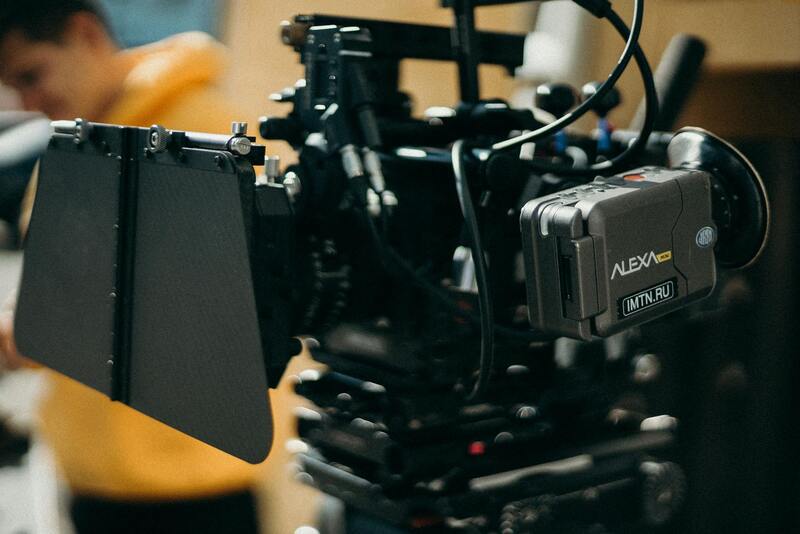
Advanced editing software enables real estate photographers to adjust perspective distortions caused by wide-angle lenses. Correcting these distortions ensures architectural lines appear straight and true, which is crucial for delivering an accurate representation of the property’s structure.
Moreover, consistent editing styles across all photos help maintain a cohesive visual narrative. This consistency reassures prospective buyers that the listing is professional and trustworthy. Careful attention to detail during this process can significantly influence the viewer’s perception, often translating into higher engagement and interest in scheduling viewings.
While editing enhances the visual appeal, it is imperative that the enhancements reflect the actual condition of the property. Overly manipulated images can mislead viewers and ultimately damage credibility. Striking a balance between aesthetic appeal and authenticity ensures that potential buyers receive a truthful preview, fostering confidence and facilitating informed decisions.
Enhancing Listing Photos with Aerial and 3D Visuals
Incorporating aerial and 3D images into real estate listings elevates the visual experience, providing prospective buyers with a comprehensive view of the property’s layout and surroundings. Drones equipped with high-resolution cameras capture stunning aerial shots that showcase the property’s exterior, landscape, and proximity to amenities, offering a perspective that ground-level photos cannot achieve. This aerial imagery is particularly effective for properties with extensive land, unique architecture, or scenic views, as it enables viewers to appreciate the full scope of the property in a single glance.
3D tours and virtual walkthroughs complement static images by allowing potential buyers to explore the property interactively. These immersive experiences simulate walking through the space, highlighting room flows, architectural details, and spatial relationships. High-quality 3D renders also assist out-of-town or international buyers in making informed decisions without the need for physical visits, thus expanding the property's reach.
When integrating aerial and 3D visuals, it is essential to maintain consistency with other listing images to reinforce a professional and cohesive presentation. Properly optimized images with accurate color grading, lighting adjustments, and minimal distortions ensure that these advanced visuals are as impactful as standard photographs. Furthermore, including detailed captions and annotations can enhance understanding, guiding viewers through key features and unique aspects of the property and its surroundings.
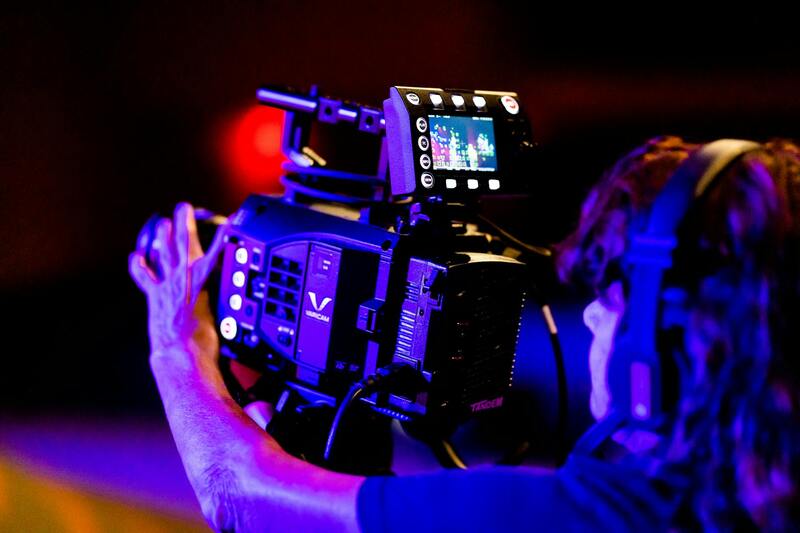
Effective use of aerial and 3D imagery can significantly increase engagement rates, providing a competitive edge in the crowded real estate market. Well-executed visuals not only attract more interest but also foster a stronger emotional connection by conveying the property's story visually. To maximize impact, it is advisable to work with experienced media professionals who understand the nuances of capturing and editing these sophisticated visuals, ensuring they align seamlessly with the overall listing presentation.
Working with Professional Miami Photography Agencies
Collaborating with seasoned real estate photography professionals based in Miami offers numerous advantages that directly impact the effectiveness of property listings. Local agencies possess an in-depth understanding of the Miami market, neighborhood characteristics, and the unique features that make each property stand out. Their familiarity with the area enables them to capture visuals that not only highlight the property’s physical attributes but also convey the lifestyle and community atmosphere to potential buyers.
Professional agencies utilize top-tier equipment and cutting-edge techniques to produce stunning images that meet the highest standards of quality. They are adept at selecting optimal lighting conditions, angles, and framing to accentuate the property's best features. Their expertise ensures that the images are balanced, well-lit, and visually appealing, which plays a crucial role in attracting online viewers and converting them into interested buyers.
Another key benefit of partnering with local Miami agencies is the comprehensive suite of services they can provide. Beyond traditional photography, many offer drone footage, 3D virtual tours, twilight photography, and high-resolution panoramic shots. These advanced visual tools help create a compelling online presentation and give properties a competitive edge in a saturated market.
Moreover, professional agencies are familiar with the latest trends and best practices in digital real estate marketing. They understand how to optimize images for various platforms, ensuring fast load times, proper aspect ratios, and compatibility with multiple devices. Their training and experience also allow them to deliver quick turnaround times, keeping listings fresh and ready for promotion without delay.
Engaging with authorized Miami-based real estate photography agencies ultimately enhances the property's visual storytelling, increases viewer engagement, and boosts online visibility. By leveraging local expertise and professional-grade equipment, sellers and agents alike can confidently present the property in the most appealing and accurate manner possible, translating into faster sales and higher transaction value.