Importance of Professional Real Estate Photos
In Miami’s highly competitive real estate landscape, high-quality photographs serve as a crucial tool for capturing the attention of prospective buyers. Professionally shot images elevate a property's visual appeal, creating an immediate connection with viewers and providing a compelling reason to schedule a showing. Such photographs reveal the true potential of a property by showcasing its best features, emphasizing spaciousness, natural lighting, and unique architectural details. When listings are accompanied by stunning visuals, they stand out amidst a sea of similar offerings, increasing both interest and the likelihood of inquiries.
Moreover, professional real estate photos build trust and credibility. Buyers often make snap judgments based on visual presentation; subpar images can deter interest regardless of a property's intrinsic value. Conversely, polished photos suggest meticulous attention to detail and professionalism, which can reassure buyers about the quality of the property and the services of the listing agent. This visual first impression greatly influences the decision-making process and can dramatically reduce the time a property spends on the market.
Key Elements of Attractive Real Estate Photography
- Lighting: Proper lighting, both natural and supplemental, illuminates the space and highlights its features.
- Composition: Balanced framing and strategic angles draw attention to key areas and create a sense of flow.
- Clarity and Focus: Sharp, clear images that accurately represent the property are essential.
- Staging: Well-staged interiors complement the photography and help buyers envision living in the space.
- Consistency: Maintaining a consistent style across all images reinforces branding and professionalism.
Choosing the Right Photography Style and Techniques
Selecting an appropriate style depends on the property type, target audience, and marketing goals. Wide-angle shots are widely used to capture the full scope of rooms, making spaces appear larger and more inviting. Aerial drone photography can showcase property exteriors, landscapes, and proximity to Miami’s vibrant surroundings. Additionally, HDR (High Dynamic Range) imaging combines multiple exposures to produce well-lit images that accurately reflect interior lighting conditions.
Employing techniques such as tilt-shift or panoramic photography can further elevate the visual presentation, especially for luxury homes or unique architectural features. The goal is to produce images that not only look aesthetically pleasing but also convey truthful representations of the property to foster trust and interest among viewers.
Preparing Properties for Photography
Before capturing images, thorough preparation is essential to ensure the property looks its best. This includes decluttering living spaces, organizing furniture, and removing personal items that may distract or detract from the property’s features. Enhancing curb appeal through landscaping, exterior cleaning, and proper lighting can significantly influence initial impressions. Additionally, highlighting the property's key selling points—be it a beautiful view, high-end finishes, or spacious layouts—requires thoughtful staging and arrangement.
Coordination with the photography team to access all areas comfortably and at optimal times of day for natural lighting can profoundly impact the quality of the images. Proper preparation ensures that each shot captures the property’s true potential and aligns with modern marketing standards.
Choosing the Right Photography Style and Techniques
Selecting an appropriate photography style is crucial for effectively showcasing a property’s unique features and appeal. Consistent with high standards, real estate photographers often employ techniques that balance artistic vision with accurate depiction. For example, wide-angle lenses are essential for capturing entire rooms in a single shot, accentuating space and layout, which attracts potential buyers who want to visualize living in the property.
Another popular technique involves the use of natural lighting to enhance the warmth and liveliness of interiors. Photographers often schedule shoots during the day when sunlight filters through windows, creating inviting and authentic images. When natural light is insufficient, professional lighting equipment ensures uniform brightness and highlights architectural details without causing harsh shadows or overexposure.
In addition to basic approaches, specialized methods such as HDR imaging can be employed to capture high-contrast scenes with both interior and exterior elements visible. This technique combines multiple exposures to produce images that reflect real-world lighting conditions, making the photos more striking yet true to the actual property. When photographing outdoor spaces, techniques like aerial drone photography and panoramic shots provide comprehensive perspectives, highlighting lush landscapes, outdoor amenities, and proximity to key Miami attractions.
For luxury homes or architecturally distinctive properties, including tilt-shift photography or 3D virtual tours can significantly increase engagement. These methods allow prospective buyers to explore the space virtually and gain a deeper understanding of the property’s layout and scale. Implementing a variety of these techniques ensures that each listing is presented in the most appealing and informative way, fostering greater interest and confidence among potential buyers.
Preparing Properties for Photography
Thorough preparation of a property prior to photo sessions is necessary to achieve high-quality results. Decluttering interiors, staging furniture thoughtfully, and removing personal or distracting items help present the home at its best. Landscape maintenance, exterior cleaning, and strategic lighting also play vital roles in establishing first impressions that impress online viewers. Highlighting standout features—such as a beautiful view, modern finishes, or spacious layouts—can be optimized through well-planned staging and careful positioning of furniture and accessories.
Collaboration with the photography team ensures all areas are accessible and photographed during optimal times of natural lighting. This careful coordination guarantees that each shot reflects the property's true potential while aligning with contemporary marketing standards. Proper preparation not only enhances visual appeal but also contributes to a more efficient and effective marketing process, leading to increased interest and quicker sales.

Effective Composition and Technical Precision in Real Estate Photography
Achieving compelling real estate marketing photos hinges on meticulous composition and technical mastery. A balanced composition draws the viewer’s eye to the property's most appealing features, creating an inviting visual narrative. This involves strategic framing to emphasize key elements like a fireplace, spacious kitchen, or scenic views, ensuring they become focal points within each shot. In addition, the rule of thirds can be employed to create dynamic and aesthetically pleasing images, guiding the viewer's attention naturally across the scene.
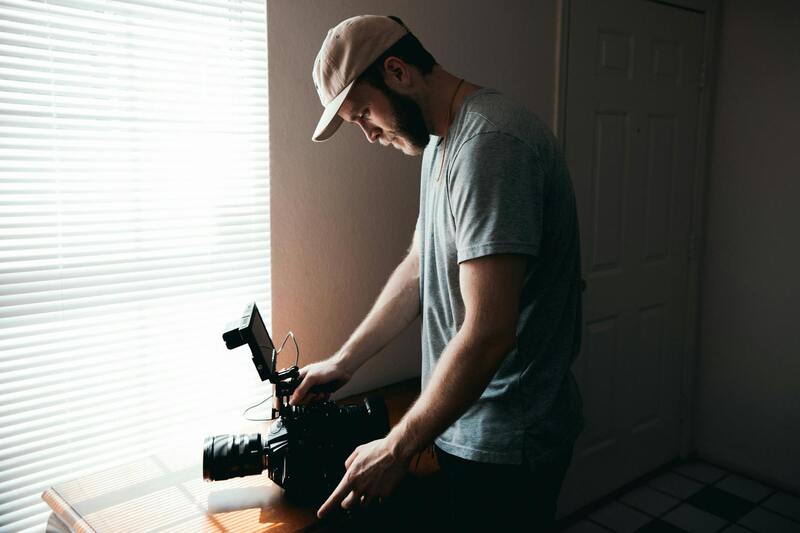
Technical proficiency is equally vital. Optimal camera settings, appropriate aperture choices, and correct exposure ensure clarity and vividness. Proper lighting—either natural or supplemental—eliminates shadows and highlights the property's best features without distortions. A well-lit interior, for example, reveals authentic colors and textures, making spaces feel warm and inviting. Additionally, a tripod stabilizes the camera, preventing blurriness and ensuring sharp images that reflect the property's true details.
Environmental and Lighting Considerations
Environmental conditions significantly influence the quality of real estate photos. Shooting during times of optimal natural light—such as late morning or early evening—can enhance the appeal of the property. Overexposed or poorly lit images diminish visual impact, so understanding the best lighting conditions is crucial. During interiors, balancing window light with supplemental fixtures prevents harsh shadows, delivering a consistent and professional appearance across images. The choice of weather can also influence exterior shots; a clear, sunny day typically produces vibrant and inviting photos that attract more viewers.
Use of Equipment to Enhance Photo Quality
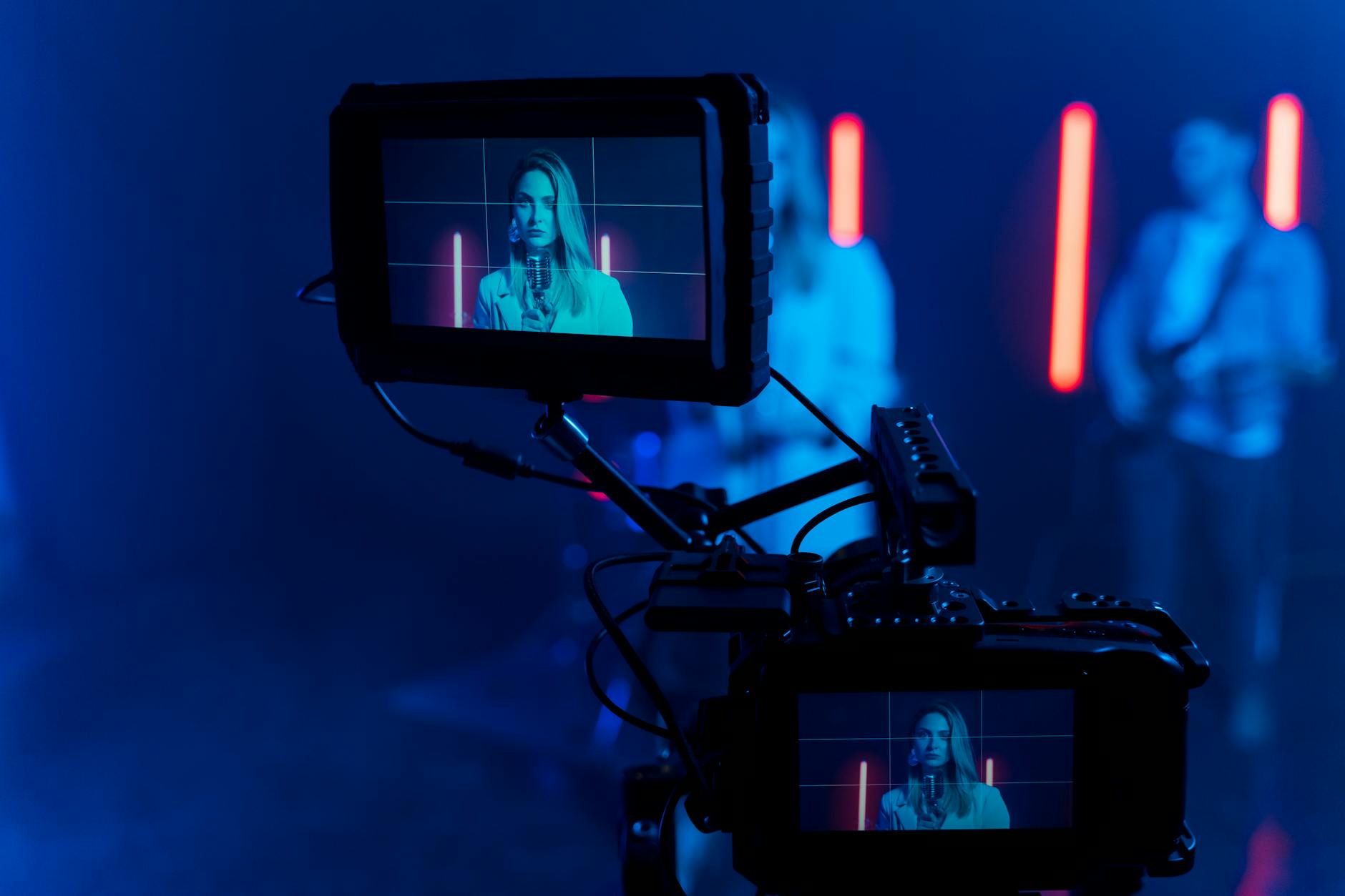
Utilizing high-quality equipment is essential for capturing the finer details of a property. Mirrorless or DSLR cameras with wide-angle lenses allow for expansive views of interiors and exteriors, providing comprehensive perspectives that complement online listings. Additionally, drone photography offers aerial shots that showcase a property’s exterior surroundings, land features, or neighborhood amenities—adding a dynamic dimension to marketing efforts. Professional-grade equipment paired with skilled operation guarantees that images are not only high in resolution but also professionally polished, thereby improving the property's marketability.
Leveraging Professional Techniques for Standout Properties
Implementing advanced photographic techniques—such as HDR (High Dynamic Range) imaging—helps manage challenging lighting scenarios, capturing a wide spectrum of light within a single shot. This technique is particularly beneficial for properties with large windows or mixed lighting conditions, ensuring an evenly exposed image. Panoramic stitching can also be used to create wide-angle shots of open living spaces or expansive landscapes, providing viewers with a comprehensive view of the property layout.
Avoiding common pitfalls—such as distortion from wide-angle lenses or unflattering angles—requires trained expertise. Professional photographers understand how to correct lens distortions in post-production and choose the most flattering angles to portray each space optimally. Additionally, consistent color balancing across all images maintains a cohesive and polished visual presentation, reinforcing the property's appeal in online listings.
Legal and Ethical Considerations
When capturing and utilizing real estate photographs, adhering to established legal and ethical procedures is paramount to ensure transparency and respect for all parties involved. Proper permissions must be obtained before photographing private properties, especially when photographing interiors or neighboring properties. This typically involves securing approval from property owners or managers, which helps prevent misunderstandings or potential disputes about image use.
Respecting privacy rights is essential—images should not unintentionally include private or sensitive information, such as personal belongings or confidential areas. Photographers and real estate agents need to carefully frame shots to avoid capturing intrusive details, which could compromise the privacy of current residents or neighbors.
Furthermore, all images should accurately represent the property without stockpiling or image manipulation that could mislead potential buyers or renters. Authenticity in real estate photos builds trust and maintains the integrity of the marketing process. Manipulation should be limited to adjustments for color correction, cropping, or minor enhancements that reflect the true appearance of the property.

It’s also advisable for professionals to develop clear policies regarding the use and distribution of images, especially in digital platforms. This includes respecting copyrights and intellectual property rights related to the photographs. Proper attribution and consent are critical, especially if images are shared across multiple marketing channels or used in promotional materials.
Adhering to these guidelines not only enhances the credibility of the listing but also fosters a positive reputation for the real estate professionals involved. Clear communication, respect for privacy, and truthful representation stand as fundamental pillars of ethical real estate photography practices.
Effective Strategies for Enhancing Real Estate Photos
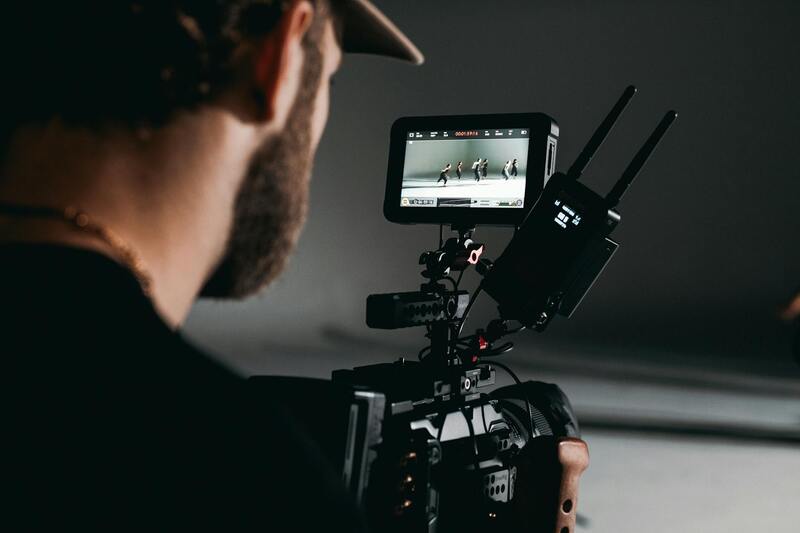
Achieving standout real estate marketing photos involves more than just capturing images with a quality camera. It requires a comprehensive approach that includes meticulous planning, precise execution, and post-shoot refinement. Employing professional techniques and tools can significantly elevate the visual appeal of property images, attracting more potential buyers or tenants.
One crucial strategy is the use of HDR (High Dynamic Range) photography. This technique captures a broader range of light and color, ensuring interior spaces appear bright, warm, and inviting while retaining detail in shadowed or brightly lit areas. Using HDR helps to balance exposure levels across scenes, preventing areas from being washed out or overly dark.
Another essential consideration is the composition of each shot. Proper framing should highlight the property's best features, such as spacious rooms, aesthetic architectural details, or scenic outdoor views. Employing a wide-angle lens allows for more expansive shots, which can make rooms look larger and more open. However, it is vital to avoid distortion that can misrepresent proportions or spatial relationships.
Lighting plays a pivotal role in the quality of real estate photos. Natural light should be maximized by photographing during the day when windows are open and curtains are pulled back. Supplementary lighting, such as softboxes or reflectors, can be used to eliminate shadows and evenly illuminate spaces. Balanced lighting ensures images are not only attractive but also accurate in depicting the property's true appearance.

In addition to technical aspects, consistency across a property’s photos is essential. Maintaining uniform angles, color tones, and lighting conditions creates a cohesive visual narrative that presents the property professionally. This consistency helps potential buyers develop a clear understanding of the property's layout and features.
Finally, incorporating aerial shots or drone photography can provide unique perspectives, showcasing the property's exterior, surrounding landscape, and neighborhood context. Such images can significantly boost interest, especially for larger estates or properties with attractive outdoor amenities.
Integrating Local Miami Elements into Photography
Given the unique appeal of Miami properties, incorporating regional elements into your photography can enhance listing attractiveness. Capturing views of nearby beaches, cityscapes, or vibrant local culture adds an extra layer of allure. Use time-of-day lighting to highlight scenic outdoor spaces or architectural details characteristic of Miami’s distinctive style.
In terms of branding, employing consistent stylistic choices that reflect the luxury, vibrancy, or modernity of Miami can help differentiate listings. For instance, bright, lively tones and panoramic imagery evoke the lively essence of the city and connect potential buyers emotionally to the property.
By following these strategies, real estate professionals can ensure their photos not only attract attention but also convey an honest, compelling portrayal of each property, fostering trust and accelerating the sales process.
Legal and Ethical Considerations in Real Estate Photography
Ensuring transparency and honesty in real estate photography is essential for building trust with potential buyers. Accurate representation of property features, amenities, and conditions helps set realistic expectations and mitigates misunderstandings during the sales process. Photographers should avoid digital alterations that could distort the property's appearance, such as misrepresenting room sizes or omitting significant defects, to maintain integrity and credibility.
Adhering to proper permission protocols is equally important. Before capturing images, it is necessary to obtain authorization from property owners or authorized representatives. This step not only respects privacy rights but also safeguards against potential legal complications related to unauthorized photography.
Furthermore, the use of drone footage or aerial photography should comply with local regulations governing airspace and privacy. Securing appropriate permits and avoiding intrusive shots near private property or restricted zones ensures ethical compliance and helps protect the reputations of both agents and photographers.
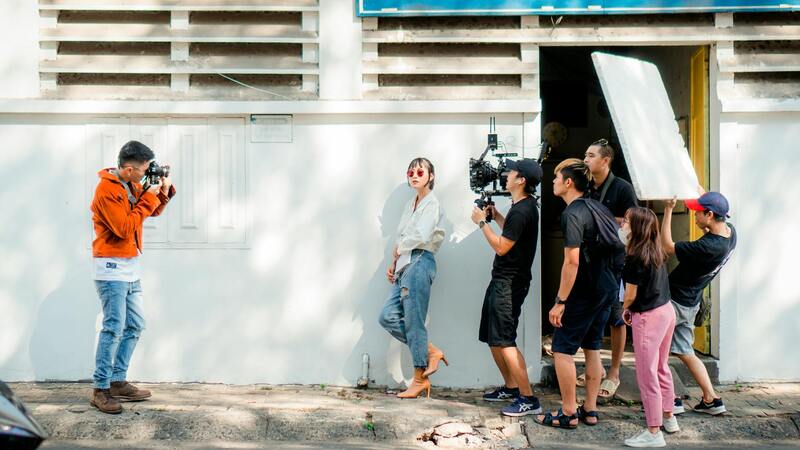
It is also advisable for real estate professionals to include comprehensive descriptions and disclosures alongside high-quality images. Providing detailed, truthful information about the property's features, history, and neighborhood context complements visual marketing efforts and upholds honesty standards.
By responsibly managing the presentation of property images, real estate agents and photographers contribute to a professional environment where buyer confidence is strengthened, and the transaction process is facilitated smoothly. Prioritizing ethical practices in real estate photography not only enhances individual listings but also elevates the overall credibility of the real estate market in Miami and beyond.
Legal and Ethical Considerations in Real Estate Photography
Maintaining high standards in real estate photography involves adhering to established legal and ethical practices that safeguard both the client and the photographer. Clear communication and proper authorization are fundamental steps before executing any photo shoot. Securing explicit permission from property owners or authorized representatives not only respects their rights but also fortifies trust and transparency throughout the marketing process.
Photographers should be thoroughly aware of local regulations regarding drone usage, aerial shots, and capturing images that include neighboring properties or public spaces. Obtaining necessary permits and ensuring shots do not infringe on private privacy or restricted airspace is crucial. Such measures prevent misunderstandings and foster responsible practice, maintaining the integrity of the marketing campaign.
Transparency with clients about what will be captured, the editing processes involved, and the intended use of images builds trust and aligns expectations. This openness helps avoid potential disputes and enhances the reputation of all parties involved. Real estate professionals should also be diligent in disclosing any adjustments made during post-processing to maintain the accuracy and honesty of property representations.
Ethical standards extend beyond permission and disclosure. Photographers and agents must avoid misrepresenting a property's features or editing images in a way that could mislead buyers. Accurate and honest portrayal ensures prospective buyers form realistic expectations about the property, which ultimately supports a smoother transaction process.
Respecting Privacy and Confidentiality
Protecting the privacy of current tenants, neighbors, and surrounding community members is vital. When shooting publicly accessible areas, care should be taken to avoid capturing individuals without consent or infringing on private spaces. This respect for privacy guards against complaints or legal issues and upholds the professionalism of real estate marketing efforts.
Maintaining Professional Standards in Image Usage
Once images are acquired, proper management of their usage is essential. This includes not only ensuring appropriate copyright practices but also using the images solely for their intended purpose. Unauthorized sharing, altering, or misusing property photos undermines credibility and can lead to reputational damage. Professional photographs should be stored securely and used responsibly in all listings and promotional materials.
Ultimately, embracing these legal and ethical considerations reinforces the trustworthiness of real estate brokers and photographers. It contributes to an honest marketplace, where clients can confidently rely on accurate representations of properties, and viewers are assured of integrity in branding. Adherence to these principles is indispensable in fostering long-term success and reputation within the competitive Miami real estate landscape.
Choosing a Miami-Based Production Agency
When it comes to capturing exceptional real estate marketing photos, partnering with a Miami-based production agency offers numerous advantages. Local expertise ensures familiarity with the Miami real estate market, understanding what appeals to potential buyers and how to highlight the unique characteristics of properties within the region. Additionally, a local agency typically has established networks of professional photographers, videographers, and editing specialists who are well-versed in the latest industry standards and regional aesthetics.
Selecting an agency with a strong local presence allows for more flexible scheduling and quicker turnaround times, which are crucial in a competitive real estate environment. Miami agencies often have access to prime equipment and technology tailored to real estate photography, such as high dynamic range (HDR) imaging and drone footage, to create visually compelling property images that stand out online. Furthermore, local agencies understand the importance of adhering to regional regulations and community guidelines, ensuring every shoot complies with regional standards and best practices.
Working with a Miami-based production agency also facilitates personalized consultation and ongoing support. They can advise on strategic staging, optimal photographing times, and the best angles to showcase each property's unique features. This tailored approach enhances the visual storytelling of a property, making listings more engaging and appealing to target audiences.
Moreover, local agencies cultivate relationships with other essential service providers, such as home stagers and virtual tour specialists, enabling comprehensive marketing solutions that integrate seamlessly. These collaborations ensure that each property’s visual content aligns with overarching marketing goals, providing a cohesive and professional presentation that resonates with prospective buyers or tenants.
In today's digital-driven real estate market, high-quality visuals are pivotal in capturing attention and generating interest. A Miami-focused agency understands local audience preferences and market nuances, allowing them to produce images that communicate authenticity and vibrancy. This local insight translates into a stronger marketing impact, whether through captivating photos for online listings, social media campaigns, or virtual tours.
Ultimately, choosing a Miami-based production partner ensures your property is positioned prominently in a competitive marketplace, leveraging regional expertise, advanced technology, and personalized service to craft compelling and professional real estate photos that elevate your marketing efforts and accelerate property sales or rentals.