Importance of High-Quality Real Estate Photos
In the competitive Miami real estate market, the significance of high-quality property photographs cannot be overstated. First impressions are often formed online, and potential buyers typically browse numerous listings before making a decision. Professionally captured, visually appealing images serve as a powerful tool to attract these prospective buyers and generate interest in a property. High-resolution and well-composed images showcase the full potential of each space, emphasizing unique features such as expansive views, upscale finishes, and spacious interiors. They help prospective buyers visualize themselves living in the space, which is a critical step in the sales process.
Effective real estate photography enhances the overall listing presentation by providing a vivid and accurate depiction of a property. It ensures that online listings stand out among a multitude of competitors, capturing the attention of buyers browsing through various options. In addition, such images contribute to building trust and credibility for the listing agent and the agency. When viewers see professionally taken photos that truly represent the property's features, it reinforces the perception of a serious, detail-oriented seller. Ultimately, investment in high-quality real estate pictures results in increased inquiries, faster sales, and higher sale prices.

Key Benefits of High-Quality Real Estate Photos
- Attracts more online traffic and inquiries
- Highlights the property's best features
- Creates a strong first impression
- Reduces time on the market
- Encourages higher offers and sale prices
Top Features to Highlight in Property Photos
Capturing the distinctive qualities of a property is essential to attract interest. Focus on the primary selling points, such as spacious living areas, natural light, attractive architectural details, modern kitchens, and luxurious bathrooms. Emphasizing curb appeal through compelling exterior shots is equally important, including well-maintained landscaping, entryways, and driveway appeal. Remember, the goal is to showcase the property's potential in a way that resonates with prospective buyers and prompts them to schedule viewings.

Professional Photography vs. DIY Photography
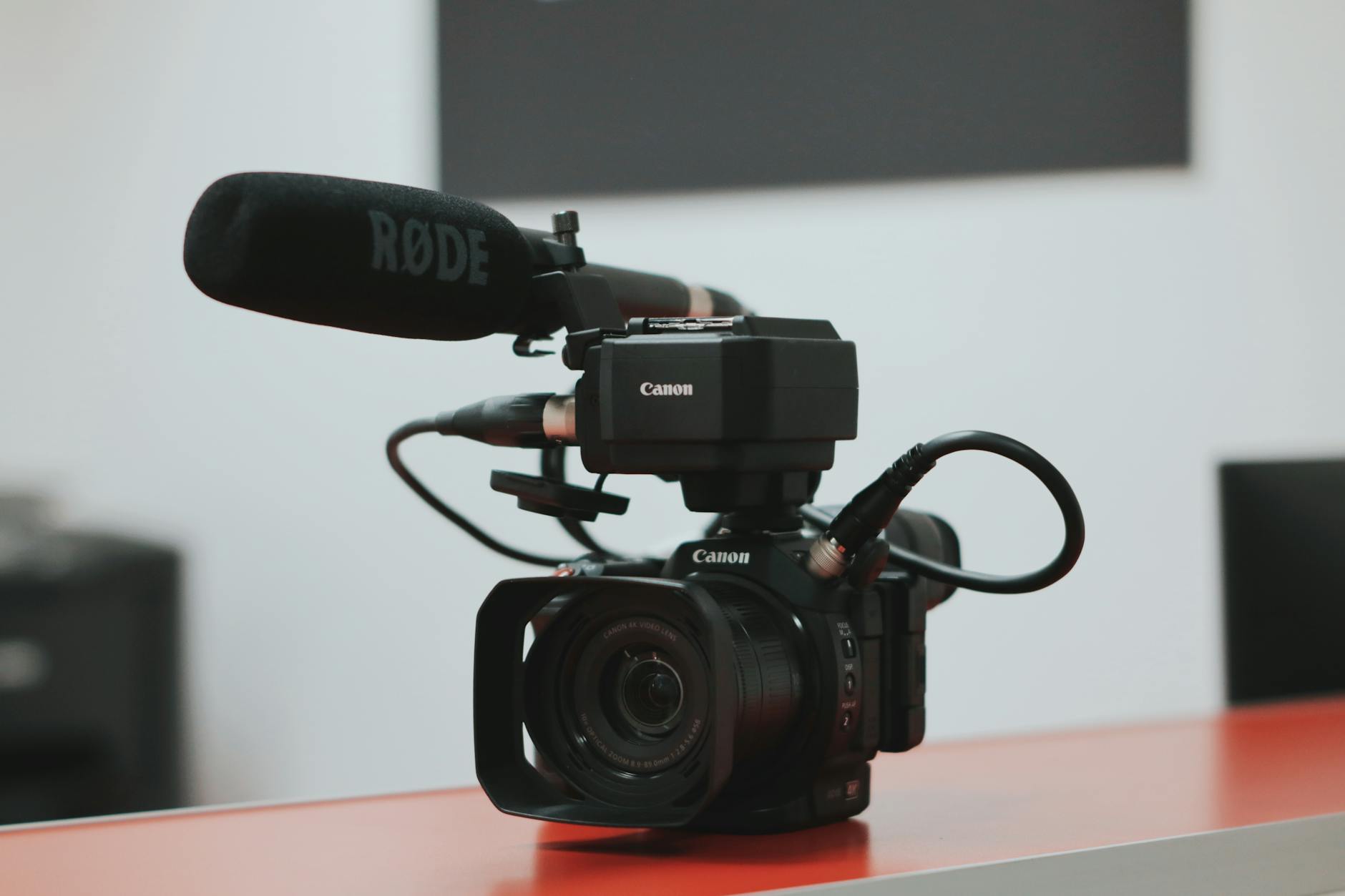
Distinguishing between professional real estate photography and DIY approaches is crucial for optimizing property listings. While do-it-yourself methods may seem cost-effective, they often lack the refinement needed to truly showcase a property's potential. Professional photographers utilize specialized equipment, such as high-end cameras with wide-angle lenses, and employ advanced techniques in lighting, composition, and staging to produce images that are visually compelling. These professionals understand how to manipulate natural and artificial light to highlight architectural features and create inviting atmospheres. Furthermore, professional photographers are trained to identify the optimal angles and perspectives that maximize each room's size, functionality, and aesthetic appeal. They also have expertise in dealing with challenging lighting conditions, such as high contrast between interior and exterior spaces, ensuring uniformly well-exposed images. Post-shoot editing—including color correction, perspective adjustments, and minor retouching—further enhances image quality, making listings more attractive and engaging.

In contrast, DIY photography often results in inconsistent quality, poorly lit images, and awkward angles that do not accurately represent the property's features. These drawbacks can diminish a listing's appeal and potentially reduce buyer interest. In a highly competitive real estate market, the investment in professional photography not only elevates the property's visual appeal but also accelerates the sales process by attracting more qualified inquiries. When high-quality photographs are integrated into the marketing strategy, they serve as a compelling first impression that sets the tone for the entire sales journey.
Staging and Preparing Properties for Photoshoots
Effective staging plays a critical role in enhancing the visual appeal of real estate images. It involves arranging furniture, décor, and accessories to showcase the property's full potential, making spaces appear more inviting and functional. Proper staging highlights architectural features and creates a sense of lifestyle that resonates with prospective buyers.
Before shooting, properties should be thoroughly cleaned and decluttered to ensure a polished appearance. Small details, such as fresh flowers, tasteful artwork, and well-placed lighting fixtures, can significantly elevate the overall look. It's important to remove personal items and excessive decorations that can distract viewers and prevent them from envisioning themselves in the space.
Maximizing natural light is essential. Opening curtains and blinds before a shoot allows the space to be filled with daylight, which enhances clarity and vibrancy. Additionally, adjusting window treatments to control glare and reflections helps produce balanced images. Consideration should be given to minor repairs or touchups, such as fixing creaky cabinets or chipped paint, to prevent any detail from detracting from the property's overall appeal.

Owners and agents can work closely with professional photographers or property stagers to ensure the space is presented at its best. When properties are meticulously prepared, the resulting images communicate a compelling lifestyle that encourages higher engagement and interest.
Best Practices for Shooting Real Estate Photos in Miami
Shooting in a vibrant and diverse city like Miami requires specific strategies to capture the unique appeal of each property. Optimal times for photography are during daylight hours when natural light enhances the property’s features. Overcast days can be advantageous, as diffuse lighting minimizes harsh shadows and uneven exposures.
Using wide-angle lenses is common to encompass more of the space in each shot, illustrating the layout and flow of rooms. However, caution must be exercised to avoid distortion, especially in tight corners. To maintain perspective accuracy, professional photographers often use tripods and leveling equipment to ensure straight lines and prevent skewed images.
Special attention should be given to exterior shots, capturing the property’s curb appeal. This involves shooting from strategic angles that highlight architectural details, landscaping, and outdoor amenities such as pools or patios. Including the surrounding neighborhood can also increase prospective buyers’ contextual understanding of the property’s location.

In hot markets like Miami, editing is crucial for maintaining image quality amidst varying lighting conditions. Techniques such as HDR imaging—where multiple exposures are combined—help in balancing interior and exterior brightness levels. Proper white balancing and color correction ensure that the images accurately represent the property's true appearance, which maintains buyer trust and interest.
Post-Processing and Image Optimization
Post-processing goes beyond basic editing; it involves fine-tuning images to maximize their visual impact. Color adjustments enhance vibrancy without misleading viewers, while perspective corrections ensure the lines of walls, floors, and ceilings appear straight and true. Minor retouching can remove imperfections, such as dust on surfaces or distracting shadows, subtly improving the overall presentation.
Optimizing images for various platforms includes resizing and compressing files to ensure fast loading times for websites, social media, and listing portals. Properly optimized images not only improve user experience but also contribute positively to search engine rankings, increasing the property’s visibility online.
High-quality images significantly influence the perceived value of a property, making post-processing an integral step in the marketing cycle. When executed correctly, it enhances the overall presentation and helps property listings stand out in crowded markets, facilitating quicker sales and better offers.
Legal and Ethical Considerations in Real Estate Photography
When showcasing a property through real estate marketing pictures, adhering to established standards and guidelines is crucial to maintain trust and integrity in the industry. This involves a commitment to authenticity in visual content, ensuring that images accurately reflect the property's true state without misleading potential buyers or tenants. Clear representation helps in setting correct expectations, reducing misunderstandings during transactions.
One of the core practices is obtaining necessary permissions prior to capturing images, especially in properties with restrictions such as homeowner association rules or tenant agreements. Securing this consent not only demonstrates professionalism but also respects privacy and legal boundaries.
Another key aspect involves the truthful depiction of the property's features. This includes avoiding excessive digital enhancements that could distort reality, such as overly manipulated perspectives or color alterations that misrepresent the property's actual condition. It’s important to present images that portray the space as it truly exists, which helps foster transparency and builds credibility with prospective buyers.
Image rights and ownership should be clearly defined, especially when hiring external photographers or using stock images. Having a formal agreement regarding the usage rights of photographs ensures that all parties are aware of how images can be utilized across marketing channels. This practice prevents potential disputes and safeguards the interests of the property owner.

Ethically, it is also essential to respect the privacy of occupants by avoiding intrusive photography that captures personal or sensitive areas not intended for public viewing. Properly framing shots to highlight key features while respecting personal boundaries demonstrates professionalism and ethical responsibility.
Maintaining consistency in the quality and style of images across different listings reinforces a trustworthy brand image. This minimizes the risk of misrepresentation and ensures that potential clients receive a reliable preview of the property, ultimately facilitating a smoother sales process.
By observing these practices, real estate professionals not only comply with industry standards but also foster a positive reputation grounded in honesty and integrity. Well-executed, ethically responsible photography can significantly enhance property visibility and appeal, leading to reduced time on market and higher engagement from prospective buyers.
Post-Processing and Image Optimization
After capturing high-quality real estate photographs, the editing process plays a vital role in enhancing the visual appeal of each image. Post-processing involves adjusting brightness, contrast, saturation, and sharpness to accurately represent the property while making the photos more engaging. Proper color correction ensures that the images reflect real-world tones, avoiding misleading potential buyers. Additionally, removing minor imperfections, such as dust spots or glare, helps maintain a professional appearance.
Optimizing images for online use is equally important. Compressing files reduces load times across websites and digital platforms without sacrificing quality, which contributes to better user experience and improved search engine rankings. Using appropriate resolutions ensures clarity when images are viewed on different devices, from desktops to mobile phones. Including compelling captions and relevant metadata, like descriptive alt text, enhances accessibility and SEO performance by making images more discoverable via search engines.
Consistent editing styles across a portfolio convey professionalism and help establish a cohesive brand identity. This uniformity makes property listings appear more curated and trustworthy, encouraging prospective clients to explore further. When executed thoughtfully, post-processing ensures that high-quality photographs accurately showcase the property's true features, fostering trust and transparency throughout the sales process.
Leveraging Photography for Digital Marketing Platforms
Once the images are refined, utilizing them across various digital marketing channels maximizes visibility and engagement. High-quality photographs are essential for creating compelling online listings on real estate websites, social media platforms, and email campaigns. They help capture the attention of potential buyers quickly, encouraging longer viewing times and increased inquiries.
Result-driven digital advertisements often rely heavily on striking images to animate static listings. Consistently showcasing visually appealing photos of the property’s key features, such as spacious interiors, scenic views, or modern amenities, positively influences buyer perception. Additionally, optimized images improve SEO, making listings more discoverable through relevant search queries. Incorporating high-resolution images with strategic keyword descriptions enhances the overall digital footprint of a property, facilitating better online exposure and engagement.
Legal and Ethical Considerations in Real Estate Photography
Ensuring that real estate photos comply with established standards and ethical practices is vital for maintaining trust and professionalism in property marketing. When capturing images of a property, it’s essential to accurately represent the space without exaggeration, distortions, or omissions that could mislead potential buyers. Transparency in showcasing the property's condition, features, and staging helps foster credibility and confidence among prospective clients.
Additionally, obtaining proper permissions and rights to photograph all areas of a property and any included features or furnishings is fundamental. This includes respecting the privacy of current occupants or tenants and being aware of any restrictions related to certain areas or items within the property.
Proper use of image editing tools is another critical aspect. While post-processing can enhance visual appeal, it should not significantly alter the real appearance of the property. Adjustments should be subtle and focused on correcting lighting issues, color balancing, and removing minor imperfections, rather than creating unrealistic portrayals.
Photographers and real estate professionals should also be aware of copyright considerations, ensuring that all images used in listings are either legally acquired or owned, and that they do not infringe upon the rights of others. Proper attribution and licensing should be maintained when utilizing third-party images or stock photos.
Legal and Ethical Considerations in Real Estate Photography
In the realm of real estate marketing, adhering to all relevant professional standards and ethical guidelines is paramount. Ensuring that every photograph used in property listings complies with established legal frameworks helps maintain integrity and transparency. This involves obtaining proper permissions when photographing private or restricted areas, especially in condominiums or gated communities where access might be limited. It’s necessary to respect the privacy of current occupants or tenants, refraining from capturing images that could reveal sensitive or personal information.
When selecting images for marketing purposes, it is crucial to avoid misleading representations. Overly exaggerated shots or heavily edited photos that distort the true appearance of a property could lead to customer dissatisfaction or disputes. Subtle post-processing, aimed at correcting lighting or minor imperfections, is acceptable, but the core visual information should reflect the actual space as accurately as possible.
Another important aspect involves copyright compliance. The photographs used in property listings should be either originally taken or properly licensed. Utilizing images without appropriate rights can compromise credibility and lead to legal complications. Crediting photographers when required and ensuring licensing agreements are in place support ethical standards.

Maintaining transparency about what is depicted in images helps foster trust with potential clients. Disclosing if certain areas are digitally edited or if some features are staged can preempt misunderstandings. Such practices underscore a professional commitment to honesty, which is vital in establishing long-term reputation in Miami’s competitive market.
Employing official and ethical methods in real estate photography not only respects legal standards but also boosts the effectiveness of property marketing efforts. By focusing on authenticity, privacy, rights management, and honest presentation, real estate professionals can build confidence among buyers and cultivate a reputable brand image through compelling visuals.
Best Practices for Shooting Real Estate Photos in Miami
Capturing compelling real estate images in Miami requires a strategic approach that emphasizes both technical proficiency and an understanding of local market preferences. Photographers should utilize wide-angle lenses to encompass as much of the space as possible, effectively conveying the size and layout of each room. Proper lighting setup is crucial; shooting during the day with abundant natural light often yields vibrant images that highlight the property's features without the need for extensive artificial lighting. When natural light is insufficient, professional lighting equipment should be used judiciously to avoid harsh shadows or uneven illumination.
In Miami's diverse climate, weather conditions can influence the quality of exterior shots. Clear, sunny days are ideal for showcasing properties, providing bright, welcoming imagery that appeals to potential buyers. Overcast days can be advantageous too, reducing glare and reflections, especially in waterfront or pool areas. An important aspect of real estate photography involves capturing multiple angles of each space, including key features such as custom finishes, views, and outdoor amenities, to create a comprehensive visual narrative of the property.
Post-Processing and Image Optimization
After capturing the necessary shots, the editing phase enhances the images while maintaining their true representation. Adjustments to exposure, contrast, and color balance improve overall visual appeal without misrepresenting the space. Resizing images to meet platform-specific requirements ensures quick load times and optimal display across various digital devices. Compression techniques reduce file sizes without sacrificing quality, which is particularly important for online listings, social media, and virtual tours.
It is essential that editing remains subtle; over-editing can distort the property's appearance and mislead prospective buyers. The goal is to produce images that are vivid, inviting, and true to life—images that reflect what buyers will encounter upon visiting the property.
Leveraging Photography for Digital Marketing Platforms
High-quality real estate images serve as the cornerstone of a successful digital marketing strategy in Miami. They should be integrated into multiple online channels, including property listing portals, social media platforms, and dedicated virtual tour websites. Consistent photo quality across these platforms builds brand credibility and reinforces the professional image of the listing agent or agency.
To maximize reach and engagement, contemporary marketing often involves virtual staging, 3D walkthroughs, and immersive virtual reality experiences. These tools complement high-quality photos by providing potential buyers with comprehensive visual engagement, helping them visualize living in the space. Optimizing photos for each platform's specifications ensures they load quickly and display correctly, which encourages more interactions and inquiries from prospective buyers.
Monitoring engagement metrics and adjusting visual content accordingly allows professionals to identify what appeals most to their target audience. This analytical approach ensures marketing efforts are aligned with consumer preferences, ultimately accelerating the sales process and elevating the property's profile in Miami's competitive real estate market.