Understanding the Role of a Real Estate Photographer
In the competitive landscape of Miami's real estate market, high-quality visual representation of properties is paramount. A professional real estate photographer plays a critical role in showcasing the unique features of a property, capturing its best angles, and creating compelling images that attract potential buyers or tenants. These professionals are skilled artists and technicians who combine artistic eye with technical expertise to produce images that highlight the property’s strengths and evoke emotional engagement from viewers.
Effective real estate photography requires a keen understanding of lighting, composition, and post-processing techniques. A well-executed photograph can significantly influence a viewer's first impression, often determining whether a property moves from browsing to serious consideration. Consequently, real estate photographers utilize specialized equipment—including high-resolution digital cameras, wide-angle lenses, drone technology, and advanced editing tools—to ensure images are vibrant, accurate, and appealing.

Beyond photography skills, a proficient real estate photographer must possess a thorough knowledge of property staging and lighting techniques. This ensures that interior spaces appear spacious yet inviting, and exterior shots accurately depict curb appeal. Their ability to adapt to various property types—from luxury homes and condos to commercial buildings—is crucial for capturing the essence of each unique space.
In addition, a specialized photographer in this field understands the significance of consistency and branding in marketing efforts. Their work forms a crucial part of a comprehensive real estate marketing strategy, reinforcing trust and credibility in listings. For real estate professionals and property owners in Miami, hiring a seasoned photographer can be the difference between a property that languishes on the market and one that sells quickly at a desirable price.
Effective collaboration with a real estate photographer involves clear communication about the property’s features, target audience, and marketing goals. This ensures that the imagery aligns with the overall branding and messaging strategy. Moreover, understanding the technical aspects—such as optimal times for capturing exterior lighting or the appropriate resolution needs—helps in producing images that are both visually stunning and suitable for various platforms.

Effective Techniques to Enhance Property Visibility
To attract prospective buyers and showcase properties at their best, real estate photographers employ a variety of advanced techniques that improve the overall visual appeal of listings. Using high-resolution cameras equipped with wide-angle lenses allows capturing expansive interiors and exteriors, providing viewers with an immersive experience. Proper use of lighting, whether utilizing natural sunlight or supplementary artificial sources, accentuates architectural features and highlights the property's best aspects.
Beyond technical skills, understanding the nuances of composition is vital. Photographers apply principles such as the rule of thirds, leading lines, and symmetry to create balanced, engaging images. Strategic framing ensures that key features—like spacious rooms, modern kitchens, scenic outdoor spaces, or striking facades—stand out and resonate with potential buyers.
Post-processing also plays a significant role in enhancing property images. Adjustments to exposure, contrast, and color balance are performed carefully to preserve natural appearance while ensuring the photos are vivid and appealing. These enhancements must align with real estate standards, avoiding any form of image manipulation that might misrepresent the property.
The Importance of Consistent Branding and Marketing Integration
High-quality imagery is a cornerstone of effective real estate marketing, particularly in competitive markets like Miami. Consistency across visual content helps establish a recognizable brand identity for real estate professionals and agencies. Employing a standardized style—such as a specific color grading, filters, or branding overlays—can reinforce the professionalism and trustworthiness of listings.
Furthermore, integrated marketing strategies rely on images that are optimized for various platforms, including online listings, social media, email campaigns, and printed brochures. Properly formatted images—adhering to platform specifications regarding resolution and aspect ratio—ensure that listings appear polished and appealing across all channels.
To maximize impact, photographers often prepare a diverse set of images that highlight key features, property layouts, and unique selling points. These images not only entice potential buyers but also facilitate virtual tours and 3D walkthroughs that are increasingly popular in Miami’s real estate market.
Leveraging Advanced Equipment for Superior Results
Investing in state-of-the-art photography equipment is essential for capturing crisp, detailed images that make a listing stand out. Modern DSLR and mirrorless cameras, combined with professional-grade lenses and stabilization tools, enable photographers to produce sharp visuals with excellent depth of field. Drone photography is also widely used to showcase large estates, commercial properties, or scenic surroundings from aerial perspectives, adding a competitive edge to the listing.
Using calibrated lighting systems and specialized software, photographers can simulate different times of day and weather conditions to create compelling images that evoke desired emotions. This technological advantage is particularly beneficial in Miami’s vibrant real estate landscape, where eye-catching visuals can significantly influence buyer interest.
Questions to Ask When Hiring a Real Estate Photographer
Securing the services of a qualified real estate photographer requires a strategic approach that includes a thorough vetting process. When interviewing potential candidates, it is crucial to inquire about their experience with property photography, especially within the Miami real estate market, which often demands a keen eye for capturing vibrant, high-energy scenes. Clarify whether they have a portfolio showcasing similar property types, such as residential homes, luxury estates, or commercial spaces.
Another essential question pertains to their equipment and technical expertise. Confirm if they utilize professional-grade cameras, drone technology for aerial shots, and advanced lighting tools. A photographer’s proficiency with editing software, such as Lightroom or Photoshop, is equally important to ensure images are color-corrected, retouched, and consistently high-quality.
Effective communication is vital during the process. Ask about their availability for scheduling shoots, especially when timed to highlight properties during optimal lighting conditions, and their flexibility to accommodate urgent requests or last-minute changes.
Understanding their process for post-production and delivery timelines helps manage expectations and coordinate marketing efforts efficiently. Additionally, discuss their experience with virtual tour preparation, 3D walkthroughs, or other digital marketing tools that enhance property visibility.
Cost transparency is another critical aspect. Request clear pricing details, including session fees, image editing charges, and additional options like drone footage or twilight photography. Clarify what is included in their packages and whether there are any extra costs for rapid turnaround times.
It is also advisable to check references or reviews from past clients—preferably within Miami—to gauge their professionalism, reliability, and the quality of their work. Establishing clear communication protocols and a detailed service agreement mitigates misunderstandings and ensures a smooth collaboration.
Effective Strategies for Connecting with Local Professionals
Securing the services of a qualified real estate photographer in Miami requires a combination of targeted outreach and leveraging trusted industry networks. Start by exploring local photography associations or professional directories that list credentialed specialists with proven experience in property visual marketing. These directories often allow for filtering based on location, specialization, and customer reviews, streamlining the process of identifying a suitable candidate.
Networking within the real estate community can also lead to reliable referrals. Real estate agents and property managers frequently work with photographers who understand the nuances of marketing Miami’s diverse properties. Establishing relationships with these professionals can help you gain insights into photographers known for their consistency and quality.
Utilize industry-specific platforms that connect property owners and real estate professionals with freelance photographers. These platforms often feature portfolios, service descriptions, and customer ratings, facilitating informed decision-making. Make sure to verify the credentials and inquire about the photographer’s experience with properties similar to yours to ensure a harmonious collaboration.

Utilizing Online Resources and Local Listings
Online classifieds and local business directories are invaluable resources for locating skilled real estate photographers in Miami. Platforms dedicated to local services provide detailed listings, often including customer reviews, portfolios, and contact information. These enable property owners and real estate professionals to evaluate candidates based on previous work and customer feedback.
Google My Business listings also serve as an effective tool for discovering reputable photographers. By searching with keywords like “Miami real estate photography,” you can review ratings, read customer reviews, and view portfolios directly on the search page. This process helps identify photographers with a solid reputation and proven success in the Miami market.

Assessing Portfolios and Past Work
Before engaging a photographer, it’s crucial to thoroughly review their portfolio to assess their capability to produce compelling real estate images. A diverse portfolio showcasing various property types, lighting conditions, and angles provides insight into their technical skills and creative vision. Pay close attention to detail, clarity, and the ability to capture the property’s unique features that appeal to potential buyers.
Request access to recent projects similar to your property, ideally within Miami or comparable markets. This contextual review helps in evaluating their familiarity with Miami’s distinctive architecture and market trends. Consistency in quality and style indicates a professional who can reliably deliver images that enhance your property’s visual appeal across multiple listings.

Verifying Experience with Digital Marketing Tools
In today’s digital market, visual content is often integrated into virtual tours, 3D walkthroughs, and drone footage. Confirm that the photographer you consider has experience with these digital marketing tools, especially those tailored for the Miami real estate market. Photographers adept at creating immersive virtual tours can significantly influence online engagement, attracting more potential buyers to your listing.
Ask about their proficiency in editing software that enhances property images, such as Photoshop or Lightroom, to ensure that post-production aligns with marketing standards. Additionally, inquire whether they have the capability to deliver optimized images suitable for various online platforms, from MLS listings to social media advertisements.
Ensuring Transparent Agreements and Clear Expectations
When engaging with a professional real estate photographer, establishing a comprehensive contract is a fundamental step. This agreement should detail the scope of work, including the number of images, types of shots (interior, exterior, aerial), and any special requirements such as virtual tours or drone footage. Defining these parameters upfront helps prevent misunderstandings and ensures both parties align on deliverables and deadlines.
An explicit contract should also outline payment terms, cancellation policies, and rights concerning image usage. Clarifying ownership rights and licensing agreements safeguards your ability to utilize the photographs across various marketing channels without restrictions. Additionally, discussing turnaround times ensures prompt delivery, so your property listings remain competitive.
Transparency in these contractual aspects fosters trust and promotes a smooth working relationship. It allows you to manage expectations effectively and provides legal clarity that supports both your interests and the photographer's professional standards.
Evaluating Portfolio and Sample Work
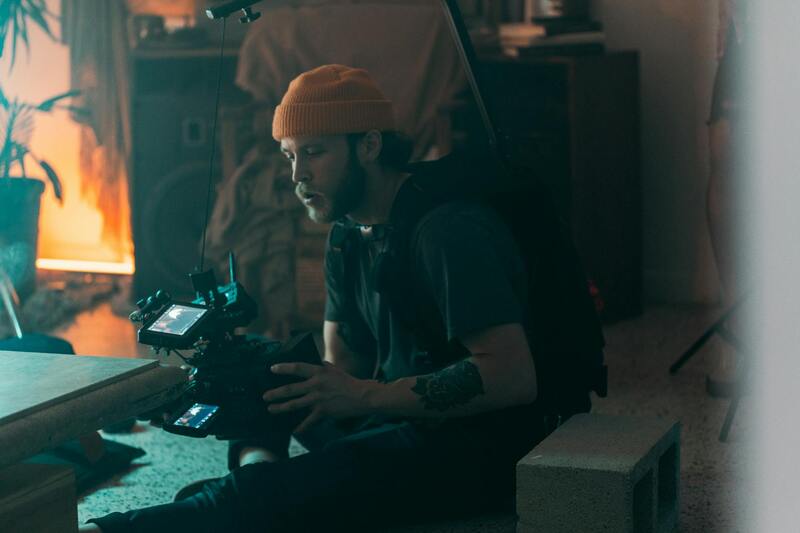
Requesting a comprehensive portfolio is an integral part of the selection process. A professional that consistently produces high-quality images demonstrates an understanding of effective lighting, composition, and staging. Observe their previous work to verify that their style complements the property's unique features and appeals to your target market.
Review sample images to assess clarity, color accuracy, and image sharpness. For properties in Miami, it is advantageous to see examples of different architectural styles and outdoor spaces to ensure familiarity with local aesthetics. Multiple projects showcasing varied property types also indicate versatility and experience.
Moreover, inquire about the photographer’s ability to adapt their style based on different property types and marketing objectives. A diverse portfolio suggests they can cater to specific needs, whether for luxury condominiums, family homes, or commercial spaces.
Gathering Client Testimonials and References
Besides viewing work samples, seeking feedback from previous clients provides deeper insights into a photographer’s professionalism, reliability, and quality. Contactting references allows you to confirm punctuality, communication skills, and overall satisfaction with the delivered images.
Client testimonials can reveal how well the photographer understands the Miami market and their ability to meet tight deadlines, which are common in real estate transactions. Positive reviews often highlight the photographer’s attention to detail, creativity, and consistency, essential qualities for impactful property marketing.
Requesting case studies or before-and-after comparisons can further illustrate their proficiency in enhancing property appeal through post-editing techniques and creative shots.

Effective Collaboration Strategies with Your Real Estate Photographer
Establishing a productive working relationship with your chosen real estate photographer is essential for achieving the best possible results. Clear communication from the outset helps align expectations and ensures that both parties understand the specific requirements of each property. Providing detailed instructions about key features, preferred angles, and any promotional themes can significantly influence the final images.
Regularly sharing relevant property information, such as recent renovations, unique architectural elements, or desirable neighborhood features, allows the photographer to tailor their approach accordingly. This collaboration enables the photographer to capture images that truly highlight the property's strengths, appealing to prospective buyers or renters.
Scheduling and timing are critical components of an effective collaboration. Coordinating shoot times to coincide with optimal lighting conditions—typically early morning or late afternoon—can enhance image quality. Furthermore, flexible scheduling accommodates unforeseen circumstances, such as weather changes or last-minute property access issues, minimizing disruptions to the marketing timeline.
Providing feedback promptly after the initial shots can help refine the artistic direction and capture adjustments. If the images do not meet expectations, constructive feedback ensures modifications or retakes are handled efficiently, saving time and resources. Maintaining a respectful and professional rapport fosters seamless communication, ultimately leading to higher-quality visual content that drives interest in your property.

Legal and Contractual Aspects of Hiring a Real Estate Photographer
Securing the services of a professional real estate photographer involves understanding the contractual elements that establish clear expectations and protect both parties. A comprehensive agreement should outline the scope of work, including the number of images, the style of photography, and additional services such as virtual tours or twilight shots. Clarity at this stage helps prevent misunderstandings and ensures the photographer's deliverables align with your marketing goals.
It's essential to specify timelines for the delivery of images, allowing adequate time for review and re-editing if necessary. Including provisions for revisions ensures that you are able to request adjustments to meet your standards without incurring extra costs or delays. Payment terms should be explicitly detailed, covering deposit requirements, final payments, and any applicable fees for additional services outside the scope of the initial agreement.
Important contractual considerations also involve usage rights for the images. Clarifying whether the photographs can be used across multiple platforms—such as listing websites, social media, and printed marketing materials—secures your ability to maximize the property's exposure while respecting intellectual property rights. Some agreements may also specify exclusivity, outlining whether the photographer can use the images for their portfolio or promotional purposes.
Finally, reviewing the terms for cancellation or rescheduling can help manage unexpected circumstances, providing flexibility while safeguarding your interests. Engaging a legal professional to review or draft the agreement may be advisable to ensure all essential clauses are appropriately addressed, fostering a smooth collaboration and high-quality results.
Legal and Contractual Aspects of Hiring a Real Estate Photographer
Securing a professional real estate photographer involves more than just selecting someone with an appealing portfolio. Establishing clear and comprehensive contractual agreements is vital to protect the interests of both parties and ensure a smooth workflow. A well-drafted contract delineates the scope of work, usage rights, payment terms, and procedures for handling disputes or modifications, creating a transparent foundation for the collaboration.
One critical component of these agreements is the detailed outline of deliverables. This includes specifying the number of images, format, resolution, and any editing or post-production services required. Clear expectations help prevent misunderstandings and guarantee that the final images meet your marketing standards. It is also essential to define the timeline for delivery, providing ample scope for review, feedback, and revisions if necessary.
Usage rights constitute a core aspect of the contractual arrangement. As Miami's real estate market is highly competitive, properties often need extensive exposure across various platforms. The agreement should specify whether the images are for exclusive use or if the photographer reserves the right to use the photographs for promotional purposes in their portfolio or advertisements. Clarifying these rights ensures you retain maximum control over your property’s visual assets while respecting intellectual property considerations.
Payment terms are equally important, covering deposit amounts, final payments, and policies for additional or unforeseen services. A typical practice involves an upfront deposit to secure the booking, with the remaining balance payable upon delivery of the images. Clearly defined payment clauses avoid disputes and facilitate a professional relationship.
Additional Contractual Considerations
- Cancellation and Rescheduling: Including provisions for cancellations or rescheduling can mitigate unexpected circumstances, ensuring flexibility without jeopardizing commitments.
- Liability and Indemnity: Addressing liabilities related to image use or damages during the shoot can protect both parties from unforeseen issues.
- Confidentiality and Non-Disclosure: For exclusive listings, clauses safeguarding confidential information prevent unauthorized disclosure of property details.
- Termination Clauses: Clear terms outlining how either party can terminate the agreement provide legal peace of mind if circumstances change.
Engaging legal professionals to draft or review your contracts guarantees that all critical clauses are comprehensive and enforceable. This initial investment in legal guidance streamlines the relationship with your photographer and ensures that all necessary protections are in place, ultimately facilitating high-quality results aligned with your marketing objectives.