Factors Influencing Real Estate Photography Rates
Understanding the factors that determine real estate photography rates is essential for property owners, real estate professionals, and investors alike. The cost of professional photography varies widely depending on several key elements that influence the overall pricing structure. These determinants influence both the quality of the images produced and the level of service provided, which in turn affects expectations and budgets.
First and foremost, property size plays a significant role in establishing rates. Larger homes or expansive commercial properties require more extensive shoots, additional equipment, and more post-processing time, which naturally increases costs. Smaller residential units usually demand fewer resources and less time, resulting in lower fees. The scope of the property directly impacts the amount of work involved.
Location is another critical factor. Photographers operating in high-demand, competitive markets such as Miami often adjust their rates based on the cost of living, travel expenses, and accessibility. Urban settings with challenging logistics, such as securing permits or navigating traffic, can also influence pricing. Conversely, remote or less populated areas might have different rate structures due to lower operational costs.
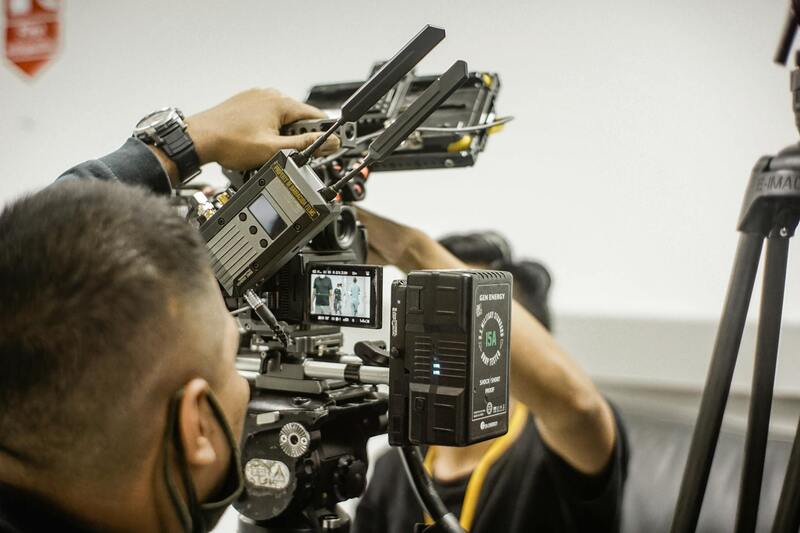
The type of shots required significantly impacts the overall cost. Standard exterior and interior photos are typically included in basic packages, but specialized shots like drone footage, 3D tours, or twilight photography command additional charges. Such enhancements provide a competitive edge in marketing properties, but they also entail more time, skill, and equipment investment from the photographer.
Experience and reputation also play a vital role in pricing. Seasoned, highly-rated photographers with extensive portfolios and technical expertise tend to charge premium rates. Their ability to deliver high-quality images that effectively showcase a property’s best features can lead to faster sales and higher property values. Less experienced photographers or those just starting out may offer more affordable rates to build their clientele, but the quality and consistency of their work should be thoroughly evaluated.
Additional factors include turnaround time—urgent requests for quick delivery often incur additional fees—and the specifics of the client’s requirements, such as staging, editing, and the number of images needed. Understanding these variables enables property owners and real estate professionals to better anticipate costs and select services aligned with their marketing goals and budget constraints.
Pricing Structure and Packages
Real estate photography services in Miami typically offer a range of packages designed to meet diverse property marketing needs. These packages often include a set number of high-resolution images capturing both interior and exterior views, along with optional add-ons such as virtual tours, drone footage, or twilight shots. Standard packages usually provide between 20 to 40 images, ideal for most residential listings. Larger or luxury properties might require customized packages with extended shot lists, multiple angles, and enhanced editing services.
Photographers often structure their offerings into tiered pricing packages, making it easier for clients to select options that align with their marketing strategies and budgets. Basic packages tend to include essential photos for quick listing turnarounds, while premium packages incorporate advanced features aimed at maximizing property appeal. Additionally, some providers may offer à la carte services, allowing flexibility to add specific features without committing to an all-inclusive package.
Factors that Affect Costs Beyond Basic Rates
Numerous elements influence the final cost of real estate photography beyond the advertised base rates. Turnaround time is a significant factor—urgent requests requiring same-day or next-day delivery often involve additional fees to prioritize the project. The scope of editing and post-production work also impacts pricing; extensive editing to enhance images or remove imperfections can extend editing time and raise costs.
Property size and complexity are critical considerations. Larger estates or multi-story homes require more images and varied shots, increasing the shoot duration and editing workload. Likewise, properties with unique architectural features or challenging lighting conditions may demand specialized equipment such as drones or lighting rigs, adding to the overall expense.
The level of experience and reputation of the photographer plays a role as well. Highly recognized professionals with extensive portfolios, awards, or specialized skills tend to charge higher rates, reflecting their proven expertise and the quality assurance they provide. Conversely, newer or less established photographers might offer more competitive pricing to attract clients, but their portfolio should be carefully reviewed to ensure the quality meets expectations.
How to Budget for Real Estate Photography
Establishing an effective budget for real estate photography involves understanding both the typical market rates and the specific demands of the property. First, determine the scale of marketing required—residential properties may need basic images, while commercial or luxury listings may necessitate comprehensive visual presentations, including aerial footage and 3D virtual tours.
Allocate funds considering potential add-ons that could enhance property visibility, such as twilight photography or video walkthroughs. It's advisable to compare multiple service providers, reviewing portfolios and client testimonials to gauge quality and value. Consider the importance of quick turnarounds for time-sensitive listings, and verify if expedited services are available within your budget.
Budgeting thoughtfully ensures you can access high-quality visuals that attract buyers and close sales more efficiently. Setting aside a contingency amount for unexpected costs, such as additional editing or shoot rescheduling, can smooth out the planning process and prevent budget overruns.
Choosing the Right Photographer for Your Budget
Finding a photographer that balances quality and affordability requires a thorough assessment of their portfolio, experience, and service offerings. While lower rates can be appealing, it’s crucial to evaluate the consistency and professionalism demonstrated in their work. A well-curated portfolio showcasing diverse properties and styles indicates versatility, which can translate into more compelling listing images.
Request detailed quotes that outline the scope of services and any additional charges. Clear communication about your specific needs and expectations ensures the photographer can provide an accurate proposal, helping you avoid surprises and ensure value for your investment.
Cost Benefits of Professional Photography in Real Estate Marketing
Investing in professional real estate photography yields significant returns by increasing listing visibility and attracting potential buyers. High-quality images highlight a property’s unique features, improve online engagement, and facilitate quicker sales at better prices. Professional photographers utilize advanced equipment and techniques to produce sharp, well-lit, and visually appealing images that stand out on listing platforms.
Tips for Negotiating Rates and Ensuring Value
Engaging in transparent discussions with photographers can lead to favorable arrangements. Inquire about package options and inquire whether discounts are available for multiple listings or ongoing contracts. Highlighting your frequency of property sales can sometimes secure preferential rates.
Ensure clarity on what is included in the quoted price—such as number of images, editing, and delivery timeline—to assess whether the service provides good value. Building a relationship with a reliable photographer may unlock flexible terms and priority scheduling in future projects. Always prioritize quality and experience over cost alone, as professional imagery is a critical component of an effective real estate marketing strategy.
Factors Influencing Real Estate Photography Rates
Understanding the various elements that drive the pricing of real estate photography is essential for making informed decisions. Several key factors can impact the overall cost, including the scope of work, property size, location, and the experience of the photographer. It is important to consider these elements carefully to ensure that you receive quality images aligned with your marketing objectives.
Scope of Work and Service Offerings
The complexity and extent of the photography session significantly influence rates. Basic packages typically include a set number of photos capturing main rooms and exterior shots. However, additional services such as twilight photography, drone aerial shots, virtual tours, or 3D walkthroughs can increase costs. Photographers often charge extra for these add-ons, which can enhance property visibility but require additional preparation, equipment, and editing time.
Property Size and Layout
The size of the property is a crucial determinant of pricing. Larger homes or properties with complex layouts necessitate more shooting time and effort, resulting in higher rates. Spacious estates, multi-unit buildings, or commercial spaces might also demand specialized equipment and techniques, influencing the final cost. Thoroughly assessing the property’s square footage and features helps in estimating the expected expenses.
Location and Travel Requirements
Location plays a pivotal role in pricing. Photographers based in Miami might charge different rates for properties within the city versus those in remote or less accessible neighborhoods. Additional travel expenses, such as mileage fees or accommodations for distant shoots, can be incorporated into the overall quote. Photographers closer to the property or with flexible schedules may offer more competitive pricing opportunities.
Experience and Equipment
Professional photographers with extensive experience and top-tier equipment tend to command higher rates. Their skill in capturing the property's best features, managing lighting conditions, and producing high-quality images ensures better marketing results. Investment in advanced gear, like high-resolution cameras, drone technology, and editing software, contributes to elevated service costs but enhances photo quality and versatility.
Turnaround Time and Delivery
Fast delivery options or special editing requests can also influence pricing. Some clients require images within a shortened timeframe to meet tight marketing schedules, which may involve off-hours work or priority handling, thereby increasing costs. Clear communication about delivery timelines and expectations helps in aligning budgets effectively.
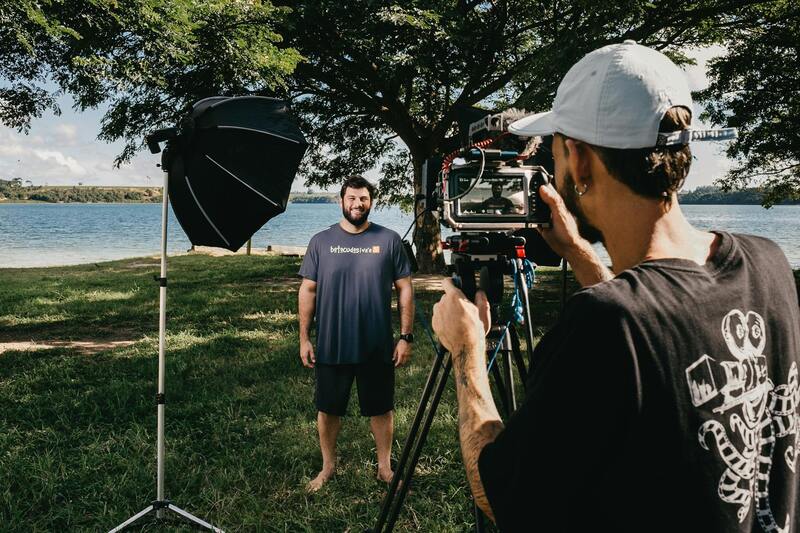
Being aware of these influencing factors allows property owners and agents to better evaluate quotes and select services that provide the best value. Transparency with photographers about your specific needs and expectations fosters a productive partnership and ensures that the final images serve your marketing goals effectively.
Factors Influencing Real Estate Photography Rates
Understanding the key elements that impact the cost of real estate photography is essential for both property owners and real estate professionals seeking to budget effectively. These factors play a significant role in determining not only the final price but also the quality of the images produced and the overall marketing value.
Photographer Experience and Expertise
The level of experience and specialty skills of a photographer directly influence their rates. Seasoned photographers with extensive portfolios and a deep understanding of real estate marketing techniques tend to charge higher fees. Their proficiency ensures that each shot maximizes the property’s appeal, highlights unique features, and presents a cohesive visual narrative that resonates with potential buyers or renters.
Equipment and Technology
Advanced imaging tools, such as high-resolution cameras, wide-angle lenses, drone technology, and professional lighting setups, contribute to higher service costs. These tools enable capturing crisp, detailed images and dynamic aerial shots that enhance property presentation. Investing in post-processing software for editing and retouching also adds to the overall pricing but results in superior image quality that stands out in listings.
Scope of the Project
The number of photos required, complexity of the property, and additional services such as virtual tours or 3D walkthroughs influence the overall rate. Larger properties or those with complex layouts may necessitate more time and equipment, leading to increased costs. Moreover, customized photo shoots that include unique angles or specific marketing needs can also entail additional fees.
Turnaround Time and Delivery Requirements
Urgent delivery requests or time-sensitive projects often incur higher charges. Clients who need images within a short timeframe, especially during weekends or after business hours, will typically pay extra for expedited processing. Clear communication regarding deadlines helps ensure realistic scheduling and pricing adjustments.
Location and Accessibility
Proximity to the photographer’s base and ease of access to the property influence rates. Properties located in remote or hard-to-reach areas might involve additional transportation costs or travel fees. Standout properties in high-demand neighborhoods may also command premium rates due to higher competition among photographers.
Image Placeholder 1
Additional Costs Beyond Basic Rates
Several circumstances can lead to supplementary charges. Examples include rush orders requiring expedited editing, inaccessible or challenging property conditions, and specific customization requests by clients. These variables should be discussed upfront to manage expectations and avoid surprises in billing.
Image Placeholder 2
Factors that Affect Costs Beyond Basic Rates
While standard real estate photography rates provide a baseline, several additional factors can influence the final cost of a photoshoot. Understanding these variables can help clients anticipate potential charges and plan their budgets accordingly. One significant aspect is the scope of the project, which includes the number of properties or rooms requiring coverage. Larger homes with multiple bedrooms, expansive living spaces, or extensive outdoor areas often demand more shooting time, equipment, and post-processing, thereby increasing overall costs.
Another element to consider is the complexity of the property’s layout. Houses with challenging architectural features, unusual angles, or multi-level structures can require specialized techniques or equipment such as drones, wide-angle lenses, or scaffolding. Such requirements may come with additional rental fees or premium service charges.
Customization requests also play a role in the final pricing. Clients seeking specific marketing visuals—such as twilight shots, virtual staging, or HDR photography—may need to pay extra. These advanced editing techniques enhance property appeal but require more time and skill from the photographer.
Moreover, turnaround time significantly impacts costs. Urgent deadlines that demand expedited editing or quick delivery typically involve additional fees. Clients who need high-resolution images within tight timeframes, especially outside of regular business hours, often pay premiums for rushed services. Clear communication about expectations and deadlines ensures that photographers can allocate resources efficiently and provide accurate estimates.
- Accessibility and location of the property: Remote or hard-to-reach sites may incur travel or transportation costs.
- Property condition: Challenging conditions, such as cluttered interiors or difficult lighting, might necessitate extra preparation or post-processing.
- Market demand: High-demand neighborhoods or upcoming prime listings could command higher rates due to increased competition among photographers.
By accounting for these supplementary factors, property owners and agents can better align their expectations with service providers, ensuring a smooth experience and optimal utilization of their marketing budgets. Transparency about potential additional costs upfront helps foster trust and prevents surprises in billing, ultimately leading to more successful real estate marketing campaigns.
Factors Influencing Real Estate Photography Rates
When evaluating the costs associated with hiring a professional real estate photographer, numerous elements come into play beyond the basic service fees. Key factors include the complexity of the property, the experience level of the photographer, and the scope of the project. For instance, properties that require extensive staging, multiple angles, or specialized equipment such as drone footage will generally command higher rates. Additionally, properties situated in challenging locations—such as those that are remote or difficult to access—may incur travel or transportation costs, influencing the overall price.
Experienced photographers with a strong portfolio and a reputation for high-quality images tend to charge premium rates. They often bring advanced editing skills, professional-grade gear, and an ability to effectively showcase the property's best features, all contributing to increased costs. Conversely, less experienced photographers or those offering basic services might provide more budget-friendly options, though this can sometimes impact the final quality of the photos.
The scale and size of the property also influence pricing. Larger properties or those with complex layouts might demand more time for thorough coverage, additional equipment, and multiple vantage points. Furthermore, the specific requirements of the property listing—such as twilight shots, interior videos, or 3D virtual tours—can considerably elevate the expense.
Average Pricing for Real Estate Photography in Miami
In the Miami market, standard real estate photography sessions typically range from $150 to $500 per property. Basic packages often include a set number of high-resolution images, usually between 20 to 30, covering the main living areas, exterior shots, and key features. Mid-tier services might add virtual staging, twilight photos, or digital floor plans, resulting in prices closer to $300–$600. For premium services—such as drone footage, 3D walkthroughs, or HDR images—rates can climb to $700 or more depending on property size and complexity.
Market demand and seasonal fluctuations also influence pricing, with peak times in Miami corresponding to higher rates due to increased competition among photographers. Real estate agents and property owners should consider these factors when planning their marketing budgets.
Pricing Structure and Packages
Photography providers often structure their fees into standard packages to cater to diverse client needs. Typical packages might include:
- Basic Package: 20-30 images, standard editing, and a quick turnaround. Price range: $150–$250.
- Standard Package: Additional images, interior and exterior shots, basic editing, with options for drone or twilight photos. Price range: $300–$500.
- Premium Package: Full-service offerings, including advanced editing, virtual staging, video walkthroughs, and aerial footage. Price range: $600–$1,200.
Clients should evaluate their property's unique features and marketing objectives to select the most appropriate package. Customization options are often available, allowing for tailored solutions at varying price points.
Factors that Affect Costs Beyond Basic Rates
- Turnaround Time: Rush services requiring delivery within 24 hours or less often incur additional fees.
- Property Condition: Cluttered or poorly lit interiors may demand extra staging, lighting adjustments, or retouching, increasing costs.
- Access and Location: Difficult-to-access properties or those in remote areas may incur travel expenses.
- Additional Media: Videos, 3D tours, or drone footage typically add to the overall expense.
- Seasonal Demand: High-demand real estate seasons can lead to premium pricing due to increased competition among service providers.

How to Budget for Real Estate Photography
Establishing an effective budget involves assessing the specific needs of your property and understanding the range of services available within your financial parameters. Prioritize key features of the property that benefit most from professional imagery, and select packages or services that align with your marketing strategy. It is also prudent to allocate funds for potential extras such as drone footage or virtual tours, which can significantly enhance property appeal.
Engaging with multiple service providers to compare pricing and offerings ensures you receive competitive estimates. Clear communication about deadlines, required deliverables, and property conditions facilitates accurate pricing and helps avoid unexpected expenses. Thoughtful budgeting enables you to leverage professional photography as a cost-effective means to attract qualified buyers or tenants, ultimately accelerating the sales or leasing process.
Factors Influencing Real Estate Photography Rates
Understanding the variables that impact the cost of real estate photography is essential for property owners and agents aiming to make informed decisions. Several key elements contribute to the fluctuation of rates, enabling clients to better evaluate proposals and select services aligned with their budget and property needs.
Property Size and Complexity
Large properties or those with intricate layouts often require more extensive photography sessions to capture all relevant features effectively. The number of rooms, exterior shots, and specialized areas like pools or landscaped gardens influence the total shooting time and editing workload, thereby affecting pricing.
Type of Media and Presentation
Basic photography typically involves standard high-resolution images, but including additional media such as drone footage, 3D virtual tours, or cinematic videos increases overall costs. These supplementary formats demand specialized equipment and expertise, which are reflected in the rates.
Time of Day and Lighting Conditions
Photographers must often schedule shoots during optimal natural lighting hours to ensure high-quality images. If a property requires additional lighting setups or post-processing adjustments due to poor lighting conditions, the rates might be adjusted accordingly.
Professional Experience and Equipment
Highly experienced photographers with advanced equipment tend to charge premium rates. Their expertise ensures superior image quality, which can make a significant difference in property presentation and marketing success.
Turnaround Time
Urgent deliverables typically incur higher charges. If clients need images within a shortened timeframe, photographers may apply expedited pricing to prioritize the work.
Location and Travel Requirements
Properties that are remote or hard to access might involve additional travel costs, especially if multiple visits or specialized transportation are necessary. These expenses are factored into the final rates.
 igure>
Average Pricing for Real Estate Photography in Miami
Miami's real estate market exhibits a range of photography rates influenced by local demand and market standards. Basic property shoots generally fall within a specific price spectrum, with variations based on property size and service inclusions.
- Basic Photo Package: Ranges from $150 to $300 per property for a standard set of high-resolution images of interior and exterior shots.
- Enhanced Packages: Between $300 and $500, including additional images, twilight shots, or minor edits to enhance visual appeal.
- Premium Services: $500 and upwards, often incorporating drone footage, virtual staging, or 3D tours, suitable for luxury listings or properties needing standout marketing features.
Prices may fluctuate seasonally, with higher rates during peak real estate seasons or for properties requiring expedited delivery. Understanding these averages provides a benchmark for property owners seeking value within Miami's competitive market.
Pricing Structure and Packages
Real estate photographers in Miami typically offer tiered packages designed to accommodate various marketing needs and budgets. These structures allow clients to select solutions that best match their property's presentation goals.
- Standard Package: Includes around 20-30 high-quality images capturing the primary features of the property. Ideal for online listings and MLS submissions.
- Extended Package: Adds additional images, including corner shots, lifestyle images, or specialized views. Suitable for open houses and marketing brochures.
- Customizable Premium Package: Incorporates advanced media such as drone footage, virtual tours, twilight photography, and professional retouching, often tailored to luxury properties.
Pricing for these packages varies based on the number of images, media types, and property specifics. Many photographers also offer à la carte services to add on features like virtual staging or floor plan creation, which can be included in a comprehensive marketing strategy.
Factors that Affect Costs Beyond Basic Rates
Several additional factors may influence the overall expense of real estate photography services, extending beyond basic rates and packages.
- Property Accessibility: Difficult-to-access locations or properties requiring special equipment (e.g., scaffolding, ladders) can add to labor costs.
- Property Condition: Homes that are unclean or cluttered may require preparatory work or additional editing, impacting price.
- Time Sensitivity: Urgent deadlines necessitate priority scheduling and faster processing, which can be priced higher.
- Seasonal Demand: High-demand periods in Miami's real estate cycle may result in premium rates due to increased competition among photographers.
- Post-Processing Requirements: Advanced editing, retouching, or virtual staging contribute additional charges, especially for high-end listings.
How to Budget for Real Estate Photography
Developing an accurate budget involves a clear assessment of your property's needs and the marketing objectives you aim to achieve. Start by identifying the key features that should be highlighted and which media formats will have the most impact on your target audience.
Consider allocating funds for potential extras that can increase property visibility, such as drone footage or virtual tours. Comparing quotes from multiple service providers enables you to gauge average costs and ensure competitive pricing.
Clear communication with photographers regarding deadlines, property conditions, and desired deliverables minimizes unexpected charges and helps align services with your financial plan. An appropriate budget for professional photography is an investment that can streamline the sale or lease process by attracting motivated buyers or tenants quickly.
Choosing the Right Photographer for Your Budget
Selecting an appropriate photographer involves balancing quality, experience, and cost. Evaluate portfolios to ensure their style aligns with your marketing goals. Discuss package options and additional services to understand precisely what is included and the associated costs.
Negotiation can also play a role; many professionals are open to customizing packages or offering discounts for multiple properties or repeat business. Prioritize photographers with proven expertise in real estate imagery within Miami to leverage their local market knowledge for better results.
Factors Influencing Real Estate Photography Rates
Understanding the variables that impact real estate photographer rates enables property owners and marketers to make informed decisions. Some key factors include the complexity of the property, the level of detail required, and additional services requested. Properties with extensive square footage, unique architectural features, or those situated in prime locations often require more time, equipment, and expertise, which can influence cost.
Photographers’ experience and reputation also play a crucial role. Professionals with a strong portfolio, positive client feedback, and local market expertise tend to command higher rates. Equipment quality, including high-end cameras, drones, and virtual tour technology, further affects pricing. Lastly, the scope of deliverables, such as number of photos, virtual staging, or 3D walkthroughs, can increase the overall expense.
Average Pricing for Real Estate Photography in Miami
In Miami, real estate photography rates can vary based on the above factors. Generally, basic photography packages start at around $150 to $250 for a standard single-family home or condo. Mid-range packages, which include additional images, drone footage, or twilight shoots, typically range from $300 to $600. For large properties or listings requiring comprehensive marketing media, rates can exceed $700 per project.
Developing a clear understanding of local market averages is crucial for setting realistic budgets. Comparing different providers within Miami ensures clients receive competitive pricing without compromising quality. It’s also valuable to consider seasoned professionals who understand the nuances of Miami’s luxury and waterfront property markets, often resulting in higher but more effective visual assets.
Pricing Structure and Packages
Most real estate photographers offer tiered packages to cater to diverse property types and marketing needs. Common structures include:
- Basic Package: Focuses on essential wide-angle shots, usually 20-30 images, suitable for smaller properties or budget-conscious clients.
- Standard Package: Expands coverage with additional angles, drone shots, and twilight images, totaling 40-50 photos.
- Premium Package: Incorporates extensive media including virtual tours, 3D walkthroughs, aerial photography, and video, ideal for high-end listings or properties in competitive markets.
Customized packages can be arranged based on specific marketing goals, allowing clients to select the services that best fit their budget and property profile.
Factors that Affect Costs Beyond Basic Rates
Additional factors influencing costs include:
- Timing and Scheduling: Urgent requests or weekend shoots may incur surcharge premiums.
- Post-processing and Editing: Advanced editing, virtual staging, or architectural adjustments can add to expenses.
- Property Conditions: Cleanliness and preparation of the property affect shoot efficiency and image quality, potentially influencing pricing.
- Travel and Accessibility: Properties located farther from the photographer’s base or difficult-to-access locations may involve travel fees.
- Usage Rights and Licensing: The scope of image rights, whether for exclusive or multiple use, can alter pricing structures.
How to Budget for Real Estate Photography
Effective budgeting begins with assessing the property's specific needs and marketing objectives. Determine how many images and what types of media (photos, videos, virtual tours) will best attract buyers or tenants. Allocate funds for high-impact features such as drone footage or twilight shots, which can enhance property appeal and visibility.
Comparing quotes from MIAMI-based photographers provides insight into standard market rates. Planning ahead and establishing priorities ensures that you invest wisely without overspending. Consider industry benchmarks and seek professional advice to identify the most cost-effective solutions that meet your objectives.
Choosing the Right Photographer for Your Budget
Selecting a suitable photographer requires balancing quality and affordability. Review portfolios to gauge stylistic compatibility with your marketing vision. Clarify package options, additional services, and deliverables upfront to prevent surprises. Negotiation is often productive; many providers are willing to customize packages or offer discounts for multiple properties or repeat engagements.
Prioritize professionals with proven experience in Miami’s real estate market, as their familiarity with local aesthetics and property types can lead to more compelling imagery. A strategic choice ensures your investment maximizes property exposure and attracts qualified buyers or tenants more rapidly.
Cost Benefits of Professional Photography in Real Estate Marketing
Investing in professional photography yields significant benefits by elevating property listings above competitors. High-quality images capture attention across digital platforms, increasing viewership and engagement. Properties presented with professional visuals typically sell faster and often at higher market values, justifying the initial expenditure. Enhanced visuals can also reduce time on market, decrease the need for price reductions, and attract more serious inquiries, ultimately providing a substantial return on investment.