Understanding the Role of a Real Estate Photographer Website
In the competitive realm of real estate, high-quality imagery plays a pivotal role in attracting potential buyers and showcasing property features effectively. A dedicated real estate photographer website functions as a centralized platform where photographers can exhibit their expertise, showcase their portfolio, and connect directly with clients. This online presence not only elevates the photographer's professional profile but also serves as a critical marketing tool that enhances visibility in a crowded marketplace.
Having a well-structured website is essential for establishing credibility. It enables prospects to view a diverse range of previous work, understand the scope of services offered, and gain insight into the photographer’s style and professionalism. Moreover, a website facilitates efficient communication, allowing clients to inquire about services, request quotes, or book appointments seamlessly. This reduces the need for prolonged back-and-forth exchanges via email or phone, providing convenience for both parties.

From a strategic standpoint, a website acts as an anchor for digital marketing efforts. It can serve as a foundation for search engine optimization (SEO), helping the photographer appear prominently in local and industry-specific searches. Additionally, a comprehensive website establishes a solid online footprint, ensuring prospective clients can find and evaluate the photographer’s credentials and offerings with ease.
Importance of a Professional Website for Real Estate Photographers
In the real estate sector, first impressions matter immensely. Investors, real estate agents, and property owners often look for visual proof of skill before engaging a photographer. A professional website demonstrates an understanding of current design standards, visual aesthetics, and user experience principles. This professionalism builds immediate trust and portrays the photographer as a competent, reliable choice.
Furthermore, a dedicated website positions the photographer as an industry authority. It provides space to share insights, tips, and industry news that can resonate with clients, nurturing relationships that encourage repeat business and referrals. A consistent, high-quality digital presence is essential for brand development and positioning as a go-to expert in real estate photography.
Key Features of a Successful Real Estate Photographer Website
- Clear and attractive portfolio display
- User-friendly navigation
- Responsive design for mobile devices
- Fast loading times
- SEO-optimized architecture
- Integrated contact and booking forms
- Client testimonials and reviews
- Blog or news section for insights and updates

A well-designed website that incorporates these features results in a seamless user experience, encourages visitor engagement, and significantly enhances the likelihood of converting visitors into clients. By investing in a professional, visually appealing, and informative online platform, real estate photographers can distinguish themselves in a competitive market, attract more clients, and showcase their expertise with confidence.
Design and Visual Presentation
In the competitive landscape of Miami's real estate market, the visual appeal of a photographer's website is paramount. A professionally designed site not only captures the attention of potential clients but also communicates the photographer’s aesthetic sensibilities and technical expertise. Visual presentation should highlight high-resolution images that exemplify the photographer’s best work, arranged in an intuitive gallery format. An aesthetically pleasing layout with consistent color schemes, clean typography, and well-organized content helps convey professionalism and attention to detail.

Strategic use of whitespace ensures that images stand out without feeling cluttered, while custom branding elements foster brand recognition. Incorporating subtle animations or hover effects can add a modern touch without detracting from the content. The goal is to create a seamless visual journey that guides visitors intuitively toward the call-to-action, whether that’s viewing a portfolio, contacting the photographer, or booking a session.
Design Trends and Visual Presentation
Staying aligned with current design trends enhances the website’s appeal and demonstrates an updated, innovative approach. Minimalist designs are favored for their clarity and focus on visuals, often complemented by large, full-width images. Parallax scrolling effects, hero sliders, and sleek navigation menus contribute to an engaging user experience. Consistency in image style and color palette reinforces the brand identity.
Furthermore, incorporating virtual tours or 360-degree photos through embedded multimedia can elevate the presentation, offering prospective clients an immersive preview of a photographer's capabilities. Conversely, an overly cluttered or outdated look can diminish perceived professionalism, so contemporary, sleek interfaces are best suited for the Miami real estate scene.
Optimizing for Search Engines (SEO)
Effective visual presentation is complemented by an SEO-friendly architecture. Optimizing images with descriptive alt tags, compressed file sizes for faster loading, and structured data markup improves the website’s visibility in search engine results. Clear, keyword-rich page titles, meta descriptions, and headings ensure that the site ranks well for relevant search queries such as “Miami real estate photography” or “luxury property photos Miami.”
Content Strategy and SEO Optimization
A consistent content plan that includes blog posts about local market trends, styling tips for property staging, and case studies of successful projects can support organic search efforts. Incorporating relevant keywords naturally within high-quality, informative content establishes authority and attracts targeted visitors. Internal linking to service pages, portfolio, and testimonials further enhances SEO and improves user navigation.
Showcasing Portfolio and Case Studies
High-quality imagery is the backbone of a compelling real estate photographer website. Each portfolio piece should tell a story of the property, emphasizing the unique features, lighting techniques, and composition skills. Detailed case studies that outline the project scope, challenges, and solutions showcase the photographer’s expertise in various property types, from residential homes to commercial spaces.
Showcasing Neighborhoods and Property Types
Highlighting local neighborhoods and diverse property types enhances relevance for Miami-based clients. Structured sections dedicated to luxury homes, condos, or commercial properties demonstrate specialization. Incorporating neighborhood insights, local attractions, and community highlights contextualizes the properties and appeals to both agents and homeowners seeking a trusted local expert.

Building Credibility and Trust
Clients gauge a photographer’s experience partly based on visual proof and client feedback. Showcasing positive reviews, testimonials, and success stories serves as social proof. Including credentials, awards, and memberships in industry associations further bolsters credibility. Consistent updates with recent work and client acknowledgments demonstrate active engagement and ongoing commitment to quality.
Integrating Contact and Booking Features
Clear, accessible contact options are vital for converting visitors into clients. Embedding contact forms, clickable phone numbers, and email links simplifies communication. Implementing an online scheduling system or booking calendar streamlines the process, reducing friction for potential clients seeking quick replies.
Using Visuals and Testimonials to Build Trust
Visual testimonials, including short video clips or before-and-after property transformations, can enhance trustworthiness. Client testimonials that specify project outcomes, timelines, and professionalism resonate strongly with prospective clients. Showcasing awards or media features further enhances the website’s authority and advocates the photographer’s reputation within Miami’s lucrative real estate scene.
Maintaining the Website and Keeping Content Fresh
An up-to-date website signals professionalism and ongoing engagement in the local market. Regularly updating the portfolio with new projects, publishing recent blog posts, and refreshing testimonials demonstrate active service delivery. Periodic website audits and performance optimization ensure a smooth experience across devices and platforms, maintaining high standards of functionality and aesthetic appeal.
Design and Visual Presentation
For a real estate photographer website, the visual appeal is paramount. The website must serve as a digital portfolio that highlights the photographer's skills in capturing properties in the best light. A clean, modern design with intuitive navigation ensures visitors can easily browse through the offerings. Incorporating large, high-resolution banners or hero images immediately showcases the photographer’s expertise and sets the tone for the quality of work clients can expect.

Leveraging a cohesive color palette, consistent fonts, and balanced whitespace creates a professional appearance that reflects the photographer’s brand identity. The use of dynamic visual elements, such as subtle hover effects or animated galleries, can add sophistication without distracting from the core content. Additionally, ensuring the website design is responsive guarantees that potential clients can view your portfolio seamlessly across desktops, tablets, and smartphones.
Design Trends and Visual Presentation
Staying aligned with current design trends can give a real estate photographer website a fresh, competitive edge. Minimalist layouts, full-screen imagery, and immersive scrolling effects are popular choices that draw visitors into the visual narrative of each property. Incorporating a grid or masonry-style gallery layout helps display multiple images clearly and attractively. Incorporating subtle branding elements like watermarks or logos on images can reinforce professionalism and ownership of work.

Combining these elements with fast-loading pages and optimized image files ensures the website remains smooth and accessible, encouraging visitors to explore your portfolio without frustration. Using high-quality visuals is essential to demonstrate expertise in capturing properties, and the layout should facilitate easy viewing and navigation, guiding visitors toward key areas like portfolio or contact sections seamlessly.
Optimizing for Search Engines (SEO)
Effective SEO strategies are vital for increasing organic visibility and attracting local clients actively searching for real estate photography services. Implementing keyword-rich titles, meta descriptions, image alt tags, and structured data can significantly improve search engine rankings. Focus on local SEO by integrating location-specific keywords such as "Miami real estate photographer" or "Miami property photography" throughout the site content, including headings, descriptions, and image attributes.

Another critical SEO factor involves creating valuable content that responds to common client questions and showcases your expertise, such as blogs on market trends or tips for staging properties for photo shoots. Ensuring your website is technically optimized, with fast load times, mobile friendliness, and secure connections (HTTPS), also contributes to higher search rankings. Regularly updating your website with recent projects, testimonials, and blog posts signals to search engines that your site is active and authoritative in the Miami real estate scene.
Content Strategy and SEO Optimization
A strategic content plan revolves around showcasing your portfolio, providing detailed service descriptions, and sharing industry insights. Using targeted keywords naturally within your content improves visibility while ensuring your messaging remains clear and professional. Incorporating testimonials, case studies, and neighborhood highlights can enhance credibility while enriching your SEO efforts.

Consistently publishing relevant articles or updates related to Miami's real estate market or photographic innovations helps build authority and encourages repeat visits. Monitoring your website’s analytics and adjusting keywords, content focus, and technical factors ensures continuous improvement in performance and search engine visibility, catering to a steady influx of potential clients seeking professional property photography services.
Understanding the Role of a Real Estate Photographer Website
A dedicated real estate photographer website serves as the central hub for showcasing a photographer’s expertise, portfolio, and service offerings. It functions as an online storefront that captures the attention of real estate agents, property owners, and developers seeking professional-quality imagery. An effective site not only displays visual work but also communicates a photographer’s knowledge of the Miami market, the latest photographic techniques, and customer service approach. It acts as a digital ambassador that can turn casual browsers into loyal clients by providing comprehensive information, easy navigation, and seamless communication channels. Additionally, a well-structured website enhances visibility in local search results, making it easier for potential clients to discover and choose your services amidst the competitive Miami real estate landscape.

Importance of a Professional Website for Real Estate Photographers
In the highly visual world of real estate, a professional website establishes credibility and authority. It demonstrates your commitment to quality and attention to detail, which are critical factors for clients when selecting a photographer. A polished website reassures clients that their property will be presented in the best light with high-quality images tailored to attract potential buyers. Moreover, a professional online presence extends your reach, allowing you to attract clients beyond word-of-mouth referrals. It also streamlines inquiries and bookings through integrated contact forms and scheduling tools, making the process more efficient. For Miami-based photographers, localized SEO strategies embedded in your website attract regional clients, increasing your visibility in a competitive market.

Key Features of a Successful Real Estate Photographer Website
- High-resolution image galleries showcasing diverse properties.
- Clear descriptions of services offered, including packages and pricing.
- Responsive design optimized for all devices, especially mobile phones.
- Fast load times to reduce bounce rates and improve user experience.
- Secure connections (HTTPS) to protect client information.
- Integrated contact and booking forms for easy client communication.
- SEO-optimized content with targeted keywords relevant to Miami real estate.
- Client testimonials and case studies to establish credibility.
- Blog section sharing industry insights or market updates tied to Miami real estate trends.
- Information about neighborhoods and property types you specialize in.
Design and Visual Presentation
The aesthetic of your website should reflect professionalism and creativity. Use a clean, modern layout that guides visitors effortlessly through your portfolio and service offerings. Incorporate large, high-quality images to immediately demonstrate your photographic skills. Easy navigation menus help users find information quickly, including contact details, portfolios, and booking options. A cohesive color scheme and typography that complements your branding enhance visual appeal. For Miami-based photographers, incorporating local imagery or themes can resonate with regional clients, strengthening your connection to the market.

Optimizing for Search Engines (SEO)
To maximize online visibility, your real estate photographer website must be optimized for search engines. Incorporate relevant keywords naturally within your content, such as "Miami real estate photography" or "professional property photography in Miami." Use descriptive alt tags for images to improve search engine indexing and accessibility. Local SEO strategies are essential, including location-specific pages and keywords, to target clients in the Miami region. Ensure your website loads quickly and is mobile-friendly, both critical factors for higher search rankings. Regularly updating content with recent projects, blog posts, and client testimonials signals active engagement and authority, encouraging higher SERP placements. Employing structured data markup can also enhance how your site appears in local search results, further attracting regional clients.
Content Strategy and SEO Optimization
A strategic content plan includes showcasing a diverse portfolio, describing each service offering in detail, and sharing industry insights that resonate with Miami’s dynamic real estate market. By integrating targeted keywords seamlessly into your content, you improve organic search visibility while maintaining professionalism. Testimonials from satisfied clients, particularly local real estate agents, add credibility and strengthen trust. Case studies featuring successful property sales driven by your photography highlight your expertise and results. Including neighborhood guides and market insights built around Miami’s diverse communities can also attract regional clients looking for specialized services. Regularly refreshing your blog and portfolio keeps your website relevant and demonstrates ongoing activity, encouraging search engines to rank your site higher.
Showcasing Portfolio and Case Studies
Your portfolio is the foundation of your website, offering visual proof of your skills and style. Organize projects by property type, neighborhood, or client to make browsing intuitive. High-resolution images, before-and-after comparisons, and detailed descriptions help visitors understand your approach. Adding case studies that outline challenges and solutions provides context around your work, lending transparency and credibility. Highlight successes such as quick property sales or increased online visibility for clients, making your portfolio a compelling marketing tool. Incorporating videos that feature walkthroughs or behind-the-scenes glimpses adds depth and appeals to clients seeking comprehensive visual storytelling.

Optimizing for Search Engines (SEO)
Achieving high visibility in search engine results is essential for attracting local clients and expanding your reach as a real estate photographer. A well-optimized website utilizes a strategic combination of technical SEO, on-page content, and off-site practices to enhance search engine rankings. This ensures that prospective clients searching for real estate photography services in Miami can find your portfolio easily and quickly.
Technical SEO Best Practices
- Ensure fast page load times by optimizing image sizes without compromising quality, as slow websites tend to rank lower in search results.
- Implement mobile-responsive design so your site is fully functional and visually appealing across all devices, especially smartphones, which are often used by real estate agents scouting for photographers on the go.
- Use secure hosting with HTTPS to protect user data and improve trustworthiness in search algorithms.
- Maintain a clean website structure with logical navigation, enabling search engines to crawl your content efficiently and index all relevant pages.
- Generate a comprehensive sitemap and submit it to major search engines to facilitate better indexing of your site’s content.
On-Page SEO Techniques
- Use relevant keywords such as "Miami real estate photographer," "property photography Miami," and related terms naturally within your website titles, headings, and meta descriptions.
- Create dedicated pages for different property types, neighborhoods, or services, optimizing each with localized keywords to target specific client needs.
- Incorporate descriptive, keyword-rich alt text for all images to enhance the discoverability of visual content through image searches.
- Regularly update your content with blog posts, guides, or industry insights that include targeted keywords, ensuring your site remains fresh and authoritative.
Off-Site SEO and Local Optimization
- Build high-quality backlinks from authoritative real estate and photography industry websites, local Miami business directories, and community platforms.
- Engage with local online communities and forums where real estate professionals gather, contributing valuable insights and sharing your expertise.
- Ensure consistent NAP (Name, Address, Phone Number) details across all online listings and directories to bolster local search confidence.
- Encourage satisfied clients to leave reviews on Google and other review platforms, as positive feedback enhances credibility and influences search rankings.

Utilizing Off-Page SEO Strategies for Local Visibility
Effective off-page SEO techniques are essential for elevating a real estate photographer website's presence in search engine results, especially within a competitive market like Miami. One of the most impactful methods involves constructing high-quality backlinks from reputable sources. Engaging with authoritative real estate and photography industry websites not only drives referral traffic but also signals trustworthiness to search engines. These backlinks can be secured through guest blogging, partnerships, or collaborations with local Miami real estate firms.
Participating actively in local online communities and forums provides a platform to share expertise and subtly showcase your services. When contributing valuable insights on platforms frequented by real estate professionals, you increase brand awareness and establish authority within the local market. Additionally, ensuring your business details—including your name, physical address, and phone number—are consistent across online directories and listing platforms strengthens local search signals, making it easier for potential clients to find and contact you.

Encouraging clients to leave positive reviews on Google and other review platforms enhances your credibility and can influence search rankings favorably. Authentic feedback from satisfied clients acts as social proof, helping to convert website visitors into paying customers. Moreover, sharing success stories, client testimonials, or case studies on external platforms broadens your reach and reinforces your reputation as a dependable real estate photographer in Miami.
Implementing Local SEO Tactics for Enhanced Outreach
- Conduct keyword research focusing on localized terms like "Miami real estate photography" or "property photography Miami" to target specific search intent.
- Create content that addresses local market needs or highlights neighborhood-specific properties, improving relevance for local searches.
- Ensure that all online profiles and listings adhere to a consistent format, including your business name, address, and contact number, to strengthen local SEO signals.
- Leverage schema markup to highlight your business information directly in search results, making your listing more attractive and informative.
Integrating these off-page strategies complements on-site efforts, ensuring that your website gains visibility both through search engines and within local digital communities. This holistic approach positions your Miami-based real estate photography services as a trusted resource, ultimately leading to increased inquiries and bookings.

Strategies to Enhance Authentic Content and Gather Reliable Social Proof
For a real estate photographer website, establishing trust and demonstrating expertise are fundamental. One effective approach is curating authentic client testimonials and reviews, which serve as credible endorsements of your work. These testimonials should highlight specific details about the properties photographed, the photographer's professionalism, and the impact of high-quality images on property sales or rentals. Displaying diverse success stories across different property types and neighborhoods reinforces your versatility and experience.
In addition to client feedback, sharing comprehensive case studies can significantly boost your credibility. A well-structured case study outlines the project scope, challenges faced, solutions implemented, and measurable results. These narratives provide prospective clients with insights into your problem-solving skills and the tangible benefits of hiring your services. Incorporating before-and-after images or metrics such as increased listing views or faster sale times demonstrates your tangible value as a Miami-based real estate photographer.

To further solidify your reputation, encourage satisfied clients to share their experiences on reputable review platforms. These external references augment your website testimonials, offering additional social proof and enhancing your search engine standing. Always ensure that testimonials are genuine, specific, and relevant to the services provided, as this builds trust with potential clients who are evaluating multiple options.
Integrating visuals such as high-resolution photographs and video tours alongside client feedback creates a compelling narrative that highlights your expertise. Consistency in showcasing recent work and authentic reviews helps maintain an up-to-date and trustworthy online presence. Regularly updating your portfolio with new projects and refreshing testimonial content maintains your site’s relevance and demonstrates ongoing activity in the Miami real estate market.
Utilizing Visual and Multimedia Elements to Strengthen Trust
Visual content remains a cornerstone of an effective real estate photographer website. High-quality images, videos, and virtual tours not only showcase your skills but also serve as visual testimonials of your craftsmanship. Incorporate a variety of property images that cover different styles and environments to reflect your versatility and depth of experience.
Video testimonials or client interviews can be powerful tools to establish credibility. When clients narrate their positive experiences, it adds authenticity and personal connection, making prospects more comfortable in choosing your services. Additionally, behind-the-scenes clips of your shooting process can offer transparency and demonstrate your professionalism and attention to detail.
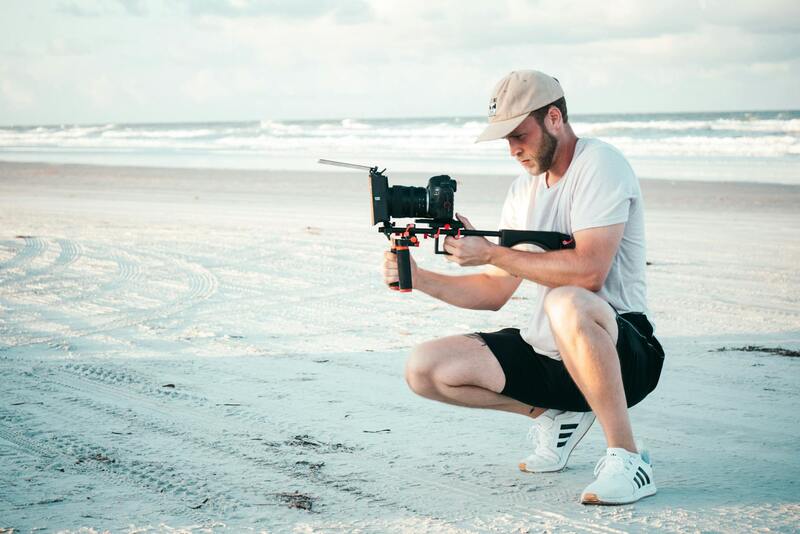
Consistent visual branding across your website further reinforces your professionalism. This includes using a cohesive color palette, font style, and logo placement. A polished and visually appealing website not only captures attention but also subtly indicates the quality of work clients can expect.
Ultimately, the combination of compelling visuals and genuine client testimonials forms a solid foundation to persuade visitors of your expertise, encouraging them to reach out for their real estate photography needs in Miami. Regular updates, transparent sharing of success stories, and a strategic approach to multimedia content are essential for building long-term trust and reputation in this competitive market.
Effective Methods for Enhancing a Real Estate Photographer Website's Reach and Credibility
Establishing and maintaining a reputable online presence requires more than just showcasing high-quality images and engaging content. A strategic approach involves implementing official and well-validated methods to expand visibility, foster trust, and attract clients in competitive markets such as Miami. Here are proven approaches to elevate your real estate photography website effectively.
Implementing Verified Business Listings
Registering your real estate photography services on established online platforms helps authenticate your business identity. Accurate listings on reputable directories such as Google My Business, Bing Places, and industry-specific directories ensure potential clients can find verified contact information and reviews. These platforms allow you to showcase your services, upload your portfolio, and display consistent branding, which reinforces your credibility.
Claims on these profiles should be verified and regularly updated, including your services, operating hours, and physical location if applicable. Encouraging satisfied clients to leave genuine reviews on these platforms not only boosts your reputation but also improves local search rankings, making your website more visible to prospective clients searching for trusted real estate photographers in Miami.
Obtaining Industry Certifications and Accolades
Display certifications, awards, or memberships from recognized professional organizations visibly on your website. These credentials serve as indicators of your commitment to ongoing education, adherence to industry standards, and recognition by peers. Examples include certification programs from photographic associations, real estate marketing groups, or local business chambers.
Showcasing such accomplishments signals to visitors that your work adheres to the highest standards and distinguishes you from less credentialed competitors. Be sure to include official digital badges, certificates, or awards verified by issuing organizations. This tangible evidence of expertise fosters trust and reinforces your authority in the field.
Engaging in Transparent Client Communication
Establishing clear and professional communication channels is paramount. Provide verified contact details, including a dedicated business email, phone number, and possibly a messaging system integrated into your website. Respond promptly to inquiries using official communication methods, ensuring potential clients feel valued and confident in your responsiveness.
Incorporate secure forms for project inquiries, booking requests, or consultations. Explicitly state your process, pricing guidelines, and terms of service, demonstrating transparency. Such straightforward communication reinforces your reliability and reassures prospects that they are engaging with a reputable provider.
Leveraging Secure Payment Systems
Incorporate official payment gateways compliant with industry standards to facilitate secure transactions. Using recognized payment processors (e.g., Stripe, PayPal, or bank transfer options) not only provides ease of payment for clients but also emphasizes your adherence to professional transaction procedures. Clear policies regarding deposits, cancellations, and refunds should be prominently displayed to further establish trust.

Utilizing Authentic Testimonials and Verified Client Feedback
Showcase genuine testimonials from satisfied clients, ideally supported with case studies or project-specific details. Authentic reviews enhance your website’s credibility and provide social proof of your expertise. Incorporate features that allow verified clients to submit feedback directly through your site, possibly linked to your verified business profiles or social media channels.
Video testimonials or detailed written accounts can be particularly compelling, offering insights into your workflow, professionalism, and tangible results. Authentic feedback actively nurtures trust among prospective clients considering your services.
Ensuring Compliance with Industry Standards and Best Practices
Adhere to established industry standards for quality, safety, and customer service. Regularly update your website content to reflect current best practices, legal requirements, and market expectations. Include transparent policies regarding privacy, data protection, and contractual commitments, demonstrating your commitment to client rights and standards.
Maintaining documentation and certificates of compliance where applicable adds an extra layer of credibility and official recognition for your business practices. These measures collectively contribute to a professional, trustworthy online presence that attracts discerning clients looking for legitimate and reputable real estate photography services in Miami.
Understanding the Role of a Real Estate Photographer Website
In the competitive field of real estate photography, establishing a robust online platform is essential for attracting clients and showcasing your expertise. A dedicated real estate photographer website functions as a digital storefront, offering potential clients a seamless way to view your portfolio, understand your services, and initiate contact. The site embodies your brand identity, demonstrating your professionalism through polished visuals, clear service offerings, and streamlined navigation. It serves not only as a portfolio showcase but also as an informational hub where clients can learn about your process, credentials, and commitments to quality. Properly structured, your website becomes an approachable, authoritative source that positions you as a leader in Miami’s real estate imaging industry.

Importance of a Professional Website for Real Estate Photographers
A professionally developed website elevates your profile by demonstrating your commitment to quality and client satisfaction. It acts as a central hub where all relevant information is easily accessible, reducing the need for repetitive inquiries and establishing clear expectations from the outset. A well-designed site conveys credibility, with a cohesive aesthetic and functional features that help clients navigate your offerings effortlessly. Furthermore, it reflects your understanding of current digital marketing standards, positioning you as a knowledgeable and dependable service provider in Miami's dynamic real estate market. This professionalism can significantly influence prospective clients’ confidence in choosing your services over competitors.
Key Features of a Successful Real Estate Photographer Website
- High-quality image galleries and virtual tours
- Clear descriptions of services offered
- Integrated contact forms and booking options
- Testimonials and client reviews
- Detailed portfolio and case studies
- About page highlighting your expertise and credentials
- Responsive design optimized for mobile devices
- Secure and privacy-compliant data handling mechanisms
Design and Visual Presentation
The visual aesthetics of your website strongly influence first impressions. Use clean, professional layouts that highlight your best work without clutter. Employ high-resolution images, intuitive navigation, and balanced use of whitespace to create an inviting user experience. Incorporate your branding elements, such as logos and color schemes, to reinforce brand recognition. Consistency in typography, color palette, and overall style across all pages signals professionalism and attention to detail, encouraging visitors to explore your portfolio and contact you for their property photography needs.
Design Trends and Visual Presentation
Adopt contemporary design principles that resonate with modern audiences. Minimalist layouts, bold imagery, and easy-to-read typography enhance usability. Dynamic elements such as slideshows or lightboxes for image galleries can make browsing more engaging. Use storytelling visuals, including immersive virtual tours or before-and-after images, to convey your capacity for transforming property highlights into compelling listings. Regularly updating visual elements aligns with evolving design trends and showcases your adaptability and commitment to quality.
Optimizing for Search Engines (SEO)
Optimizing your real estate photographer website ensures greater visibility in search engine results, attracting more local clients actively seeking property photography services in Miami. Effective SEO practices include strategic keyword integration, such as “Miami real estate photography,” within titles, headers, and content. Additionally, optimizing image attributes with relevant alt text and descriptions enhances searchability. Creating local content about Miami neighborhoods and property market insights can also bolster your site’s relevance. Fast-loading pages, mobile responsiveness, and a well-structured URL hierarchy further contribute to better rankings, driving organic traffic and expanding your client base.
Content Strategy and SEO Optimization
Develop a content plan that targets specific keywords related to Miami’s real estate market and photography services. Regularly publish blog articles, guides, and project highlights that include location-specific keywords. Incorporate meta descriptions, header tags, and internal links strategically to improve crawlability. Establish a content calendar focused on seasonal trends, property types, and neighborhood features to maintain fresh, relevant content. Ensure all visual assets are optimized for quick load times without sacrificing quality, making the browsing experience seamless across devices.
Showcasing Portfolio and Case Studies
Demonstrating your past work through a detailed portfolio is critical for establishing trust and credibility. Select high-impact images that exhibit a variety of property types, lighting conditions, and stylistic approaches, emphasizing your versatility and expertise. Incorporate case studies that outline your workflow, the challenges faced, and the results achieved, especially if they include measurable outcomes like faster property sales or increased listing visibility. Authentic testimonials from satisfied clients further reinforce your reputation, with verified feedback supporting your claims of professionalism and quality. A dynamic presentation with categorized galleries makes it easier for visitors to find relevant examples that match their property type and aesthetic preferences.
Building Credibility and Trust
Establishing a strong sense of credibility on a real estate photographer website hinges on transparent, verifiable client feedback and professional affiliations. Displaying testimonials from satisfied clients offers firsthand insights into the quality of services delivered, highlighting reliability, punctuality, and the ability to capture the essence of properties effectively. These endorsements reinforce a photographer’s reputation and serve as social proof for prospective clients evaluating their services.
In addition to client reviews, showcasing industry recognitions, awards, or certifications can greatly enhance industry standing. Such accolades demonstrate commitment to excellence and adherence to high standards within the real estate photography landscape. Including logos of professional associations or memberships signals a dedication to ongoing education and professional development, fostering greater confidence among potential clients.
Additionally, a well-curated display of examples demonstrating prior work, especially those with measurable impacts such as increased listing views, shorter time on market, or higher sale prices, helps anchor trust. Incorporating storytelling elements—such as case studies detailing challenges faced, innovative solutions, and successful outcomes—can further reinforce the photographer’s expertise.

Integrating Contact and Booking Features
A seamless connection between potential clients and the photographer is essential for converting website visitors into booked work. Incorporating intuitive contact forms requesting key details such as property type, location, desired services, and preferred scheduling times facilitates quick, effective communication. These forms should be straightforward, mobile-friendly, and include clear calls-to-action that guide users toward submitting inquiries.
Additionally, integrating online booking options directly into the website offers convenience and streamlines the scheduling process. Utilizing simple booking calendars or appointment systems enables clients to view availability and reserve sessions without delay. Effective integration minimizes back-and-forth communications and reduces the likelihood of scheduling conflicts, ultimately leading to higher client satisfaction and repeat business.

Using Visuals and Testimonials to Build Trust
A portfolio rich with high-quality images showcasing diverse property types and styles creates an immediate visual impact. Showing before-and-after comparisons, behind-the-scenes shots of the photography process, and high-resolution images optimized for quick loading across devices demonstrate professionalism and attention to detail.
Complementing visuals with authentic testimonials from satisfied clients enhances credibility. Testimonials should be specific, highlighting how the photographer contributed to the property’s marketability, and include real client names or company affiliations when possible. Featuring video testimonials or case studies can further deepen trust by providing multimedia content that offers insight into the collaborative process and results achieved.
Maintaining and Updating the Website
Consistent maintenance and content updates are vital for sustaining a professional online presence. Regularly adding new project portfolios, blog articles about recent trends, or updates on local real estate developments keeps content fresh and relevant. These updates signal activity and engagement, encouraging visitors to revisit the site and inquire about services.
Performing routine technical checks ensures that all website components function smoothly, including contact forms, booking systems, and image galleries. Keeping software, plugins, and security measures current safeguards against potential vulnerabilities and ensures optimal performance.
Understanding the Role of a Real Estate Photographer Website
In the competitive landscape of real estate marketing, a dedicated real estate photographer website serves as an essential platform for showcasing skills, building credibility, and attracting new clients. Such websites act as an online portfolio, illustrating the photographer's expertise through high-quality images of various property types and styles. They also serve as a central hub where potential clients can learn about services, view previous work, and reach out for bookings or inquiries. With the increasing reliance on digital sources for property transactions, having a well-structured website is crucial for establishing a professional presence that differentiates a photographer in a cluttered market.

Importance of a Professional Website for Real Estate Photographers
A professional website acts as a digital storefront, embodying the quality and reliability a photographer promises. It helps establish authority through polished visuals, detailed service descriptions, and client testimonials. Such a platform also enables real estate photographers to communicate their unique selling points effectively, including specialized skills like twilight photography, drone imagery, or virtual staging. Furthermore, an optimized website increases visibility in local searches, attracting a steady stream of real estate agents, property managers, and developers seeking expert photography services. This online investment ultimately translates into higher conversion rates and a broader client base.
Key Features of a Successful Real Estate Photographer Website
- Clean, intuitive navigation that guides visitors effortlessly to key sections like portfolio, services, and contact information.
- High-resolution galleries that highlight the photographer’s best work, showcasing diversity in property types and styles.
- Clear branding elements, including a professional logo, consistent color schemes, and typography that reinforce brand identity.
- Accessible contact and booking forms designed for ease of use, facilitating quick inquiries and appointment scheduling.
- Mobile responsiveness to ensure seamless viewing across smartphones and tablets.
- Fast-loading pages optimized for user experience and search rankings.

Design and Visual Presentation
The visual appeal of a real estate photographer website is paramount. Since the core offering revolves around captivating imagery, the design must prioritize visual presentation. This includes using striking full-width image displays, minimalistic layouts that avoid clutter, and a balanced use of whitespace to accentuate photos. Effective use of contrasting colors for call-to-action buttons or navigation menus enhances usability. Incorporating visually appealing yet simple animations or transitions can add sophistication without distracting from the images themselves.
Design Trends and Visual Presentation
- Fullscreen hero images with compelling calls-to-action to immediately captivate visitors.
- Grid layouts that organize portfolios neatly, allowing easy browsing of extensive galleries.
- Dark mode options that enhance photo visibility by reducing glare and creating a modern aesthetic.
- Integrating video backgrounds or slideshows to showcase a dynamic range of work styles.
- Consistent branding elements that reinforce recognition and professionalism.

Optimizing for Search Engines (SEO)
Search engine optimization (SEO) is vital for increasing organic traffic to a real estate photographer website. Proper SEO practices involve keyword research tailored to local markets, strategic placement of keywords within page titles, headings, and image alt texts. Optimizing images through compression and descriptive file names ensures fast load times and better indexing. Creating local content, such as blog articles about neighborhood highlights or real estate trends, helps attract targeted visitors. Additionally, implementing structured data markup can improve search result display, making listings more attractive to potential clients. Consistent SEO efforts elevate visibility, bringing in inquiries from high-intent prospects actively seeking professional property photography.
Content Strategy and SEO Optimization
- Integrate relevant keywords naturally into service descriptions, meta titles, and headers.
- Develop high-value blog content on local real estate markets, photography tips, and industry news.
- Utilize geographic-specific keywords to target local clients more effectively.
- Ensure website speed and mobile optimization are prioritized for better rankings.
- Maintain a logically structured website with organized categories and internal linking for easy navigation and indexation.
Showcasing Portfolio and Case Studies
A well-curated portfolio is the cornerstone of a real estate photographer website. It should display a diverse array of property images, illustrating competencies across interior, exterior, aerial, and virtual staging photography. Incorporating case studies provides context around project challenges and solutions, offering potential clients insight into the photographer’s problem-solving and creative process. Including high-resolution images and detailed descriptions of each project demonstrates professionalism and a history of successful collaborations. An interactive gallery or slideshow feature enhances the browsing experience, encouraging visitors to explore more works and gain confidence in the photographer’s capabilities.
Showcasing Neighborhoods and Property Types
- Create dedicated sections for different property types such as residential, commercial, or luxury homes.
- Include neighborhood highlights, emphasizing local features, amenities, and scenery that elevate property appeal.
- Utilize maps, virtual tours, or 360-degree views to deepen engagement and showcase versatility.
- Highlight specific projects that demonstrate expertise in various environments and architectural styles.

Building Credibility and Trust
Establishing credibility on a real estate photographer website requires more than just impressive visuals. Authentic testimonials from satisfied clients reinforce trust and validate the quality of services provided. Including detailed case studies with measurable outcomes, such as quicker sales or higher listing prices attributed to professional photography, adds tangible evidence of expertise. Showcasing industry affiliations, certifications, awards, and media features further solidifies reputation. Offering transparent pricing guides, clear service descriptions, and a straightforward booking process also demonstrates professionalism, making potential clients feel confident in selecting your services.
Strategies to Enhance Your Real Estate Photographer Website's Credibility and Engagement
Building authority and trustworthiness on a real estate photographer website involves implementing methods that showcase professionalism and reliability. One of the most impactful approaches is showcasing a comprehensive portfolio that highlights a diverse range of property types, architectural styles, and neighborhood settings. High-quality images accompanied by detailed descriptions help potential clients understand your expertise and versatility.
Real estate photographers should also include detailed case studies that illustrate successful projects with measurable results. For example, highlighting instances where professional photography contributed to faster property sales or increased listing prices provides tangible evidence of your impact. These case studies should include before-and-after images, project timelines, and client testimonials where applicable, all demonstrating your commitment to quality and client satisfaction.
Utilizing Client Testimonials and Industry Recognitions
Authentic reviews from satisfied clients serve as powerful endorsements of your services. Integrate testimonials strategically across your website, especially on dedicated pages or within your portfolio. Verified testimonials, including the client’s name, company, and project details, lend credibility and help reassure prospective clients of your reliability.
In addition to testimonials, displaying industry certifications, awards, and media features further enhances your reputation. Recognitions from professional organizations or industry publications imply a standard of excellence and commitment to ongoing professional development.
Integrating Transparent Pricing and Clear Service Offerings
Maintaining transparency regarding your services and pricing fosters trust. Include detailed service descriptions for different photography packages, such as basic, premium, and customized options. Clearly outline what clients will receive with each package, including the number of images, virtual tours, or aerial shots.
Offering straightforward pricing guides without hidden fees and providing options for custom quotes ensures that clients feel confident about your offerings. Clear, step-by-step explanations of the booking or inquiry process reduce friction and encourage potential clients to reach out with questions or to secure services.
Implementing Consistent, Professional Branding
Your website should reflect a consistent and professional visual identity, including logo, color scheme, and typography. This consistency reinforces your brand recognition and communicates professionalism. Displaying your branding prominently on each page creates a cohesive experience and leaves a lasting impression in the minds of visitors.
Enhancing User Experience and Engagement
Design elements that facilitate easy navigation—like a well-structured menu, quick access to contact information, and straightforward call-to-actions—make the user experience seamless. Incorporate features such as live chat options or quick inquiry forms to allow potential clients to connect effortlessly.
Regular updates, such as new project showcases, blog posts about industry trends, or tips for property staging, keep your website fresh and engaging. Visitors are more likely to return when they see ongoing activity, which also signals active professionalism and commitment to the industry.
Maintaining Your Website for Security and Performance
Site security and functionality are crucial for credibility. Keep your website's software and plugins updated to prevent vulnerabilities. Optimize loading speeds by compressing images and streamlining code to provide a smooth experience across devices.
Monitoring website analytics helps identify areas for improvement, understand visitor behavior, and adapt your content strategy accordingly. Regular backups and using reputable hosting providers minimize downtime and ensure your site remains accessible at all times.
Enhancing User Engagement through Clear Calls to Action (CTAs)
Effective real estate photographer websites prioritize guiding visitors towards desired actions through well-placed and compelling calls to action (CTAs). These prompts serve as direct invitations for potential clients to initiate contact, view portfolios, or request quotes. Strategically integrating CTAs in prominent locations such as the header, sidebar, or near captivating visuals increases the likelihood of engagement. For example, buttons labeled "Schedule a Photoshoot," "View Portfolio," or "Get a Free Quote" should be visually distinct and easy to find.

The language used in CTAs should be clear, action-oriented, and tailored to inspire confidence. Incorporate persuasive yet authentic wording to minimize hesitation. Additionally, using contrasting colors for CTA buttons helps them stand out against the overall design, drawing the visitor’s eye efficiently and encouraging interaction. Consistent placement of these elements across the site enhances usability and simplifies the conversion process.
Implementing User-Friendly Navigation
Beyond prominent CTAs, a well-designed navigation menu drastically improves user experience. Clear labels such as "Home," "Portfolio," "Services," "About," and "Contact" facilitate quick access to key sections. Incorporate dropdown menus for categories like property types or neighborhood showcases, allowing visitors to explore relevant content effortlessly. Sticky headers that follow users as they scroll ensure that navigation options are always accessible, reducing frustration and streamlining the journey through your website.
Utilizing Interactive Elements for Engagement
Interactive features such as image galleries with zoom-in capabilities, virtual tours, or before-and-after comparisons foster deeper engagement. These tools not only showcase your expertise but also enable visitors to experience properties more immersively. Embedding contact forms within pages related to specific property types or locations provides a seamless transition from browsing to inquiry. Consider integrating simple chatbots or live chat functionalities to address visitor questions instantly, enhancing overall responsiveness and trustworthiness.
Regular Monitoring and Optimization of User Flows
Analytic tools provide insights into how visitors interact with your site. Tracking metrics such as click-through rates on CTAs, page dwell times, and bounce rates helps identify areas where user experience can be improved. Use this data to test different placements, wording, or design elements for your CTAs and navigation menus. Continuous refinement ensures that your website remains effective in converting visitors into clients and adapts to evolving industry standards and user preferences.
Using Visuals and Testimonials to Build Trust
Establishing credibility is vital for a successful real estate photographer website. Rich visuals coupled with genuine testimonials serve as powerful tools to demonstrate professionalism and reliability. High-quality images of properties not only showcase skills but also give potential clients confidence in the photographer's ability to deliver exceptional results. Incorporating visual storytelling through slide shows or virtual tours allows visitors to experience the quality firsthand, fostering a sense of trust in the photographer’s expertise.
Alongside visual content, displaying testimonials from satisfied clients provides social proof that reinforces the photographer’s reputation. Authentic reviews describing positive experiences, punctuality, and the ability to capture property appeal help prospective clients feel more assured about engaging services. Strategically placing these testimonials on key sections of the website, such as landing pages or service descriptions, ensures they are seen by visitors making purchasing decisions.

Implementing a review process that encourages clients to share their experiences after property shoots can also be beneficial. Whether through embedded forms, review plugins, or direct outreach, curated feedback helps maintain a steady stream of fresh testimonials. Additionally, showcasing awards or certifications alongside client feedback enhances credibility, positioning the real estate photographer as a trusted industry professional.
Final Steps: Ensuring Your Real Estate Photographer Website Stays Current and Effective
Maintaining an active and updated website is crucial for keeping your portfolio fresh and relevant, reinforcing your reputation as a reliable and professional real estate photographer. Regular updates can significantly enhance your site's SEO performance, drawing more organic traffic and positioning you as an authority in the industry. Consistent content updates, including new high-quality images, recent project descriptions, and industry insights, keep visitors engaged and encourage repeat visits.

Implementing Regular Content Addition
- Photo Galleries: Continuously update your property galleries with recent work to demonstrate your evolving skill set and versatility across styles and property types.
- Blog Posts: Share insights on trends in real estate photography, tips for clients on preparing properties for shoots, or updates on local market conditions. This positions your website as a valuable resource.
- Case Studies: Develop detailed narratives of challenging projects or unique property features. These stories highlight your problem-solving abilities and range of expertise.
- Industry News: Keep your audience informed about industry developments, new tools, or legal considerations relevant to real estate photography, establishing your site as a comprehensive knowledge base.
Maintaining SEO and User Engagement
To maximize the benefits of regular updates, optimize each new piece of content with relevant keywords, descriptive titles, and metadata. Incorporate keywords naturally to avoid keyword stuffing, ensuring the content remains informative and engaging. Additionally, adding internal links to related pages, such as service descriptions or portfolio sections, enhances site navigation and keeps visitors exploring your offerings.
Encouraging ongoing interaction can be achieved by integrating comment sections or social media sharing buttons, fostering a community around your work. Responding to comments or inquiries promptly not only boosts engagement but also demonstrates your commitment to client satisfaction and professionalism.
Technical Maintenance and Security
Regularly review and update your website’s technical components, including plugins, themes, and software to prevent vulnerabilities. Ensure your hosting environment offers reliable uptime, fast loading speeds, and robust security measures. A secure, fast website improves user experience and search engine rankings, both critical factors in attracting new clients.
Conclusion
A dynamic, regularly refreshed website reflects your dedication to excellence and ongoing professional development. By showcasing new work, sharing valuable insights, and maintaining technical integrity, your real estate photographer website can continue to attract high-quality clients, strengthen your industry presence, and support your long-term business growth.