Importance of Visual Content in Real Estate Marketing
In the competitive Miami real estate market, high-quality visual content plays a pivotal role in attracting potential buyers and closing deals efficiently. With the rise of digital platforms, prospective buyers increasingly rely on online listings to evaluate properties before scheduling viewings. Compelling imagery serves as the first point of interaction, capturing attention and creating a memorable impression that can influence a buyer’s decision-making process.
Proven to significantly increase engagement rates, professional real estate photography ensures that each property is showcased in its best light, emphasizing its unique features and layout. Well-composed, accurate, and visually appealing photographs can convey the property's ambiance and spatial dynamics more effectively than text descriptions alone. This enhances the buyer’s understanding of the property remotely and establishes a trustworthy perception of the listing.
For Miami’s diverse and vibrant market, where waterfront views, luxurious interiors, and scenic surroundings are key selling points, capturing these elements with precision can make a difference in competitive positioning. A property shown through polished, high-resolution images encourages viewers to spend more time exploring the listing, increasing the likelihood of inquiries and visits.
Furthermore, utilizing cutting-edge visuals, including optimized lighting and strategic staging, can turn ordinary spaces into aspirational homes. This not only elevates the property's appeal but also sets a standard for professionalism that resonates with serious buyers.
The integration of high-quality visual content into real estate marketing is now a fundamental aspect of successful campaigns. It drives higher engagement, enhances brand reputation, and ultimately accelerates the sales process in Miami’s dynamic real estate environment.

Utilizing Professional Photography Services
In the competitive Miami real estate landscape, leveraging professional photography services is a strategic move that significantly enhances property presentation. Skilled photographers possess a keen eye for detail, understanding how to optimize each shot through expert use of lighting, angles, and equipment. They are equipped to highlight the unique features of a property while ensuring consistency across all visual content, which establishes a cohesive and polished portfolio for potential buyers.
Professional photographers often employ advanced tools such as wide-angle lenses, drone photography, and high dynamic range (HDR) imaging to capture both interior and exterior spaces with striking clarity and depth. These techniques help in portraying the property's true scale and ambiance, making each listing stand out in online searches. Moreover, professional photographers can guide homeowners and agents on staging to improve visual appeal, turning ordinary rooms into inviting, aspirational spaces.

Benefits of Employing Expert Photographers
- Enhanced visual clarity and color accuracy that accurately represent the property.
- Creative compositions that emphasize space flow and architectural details.
- Consistent image quality suitable for multi-platform marketing campaigns.
- Time-efficient sessions that minimize disruptions to the sales process.
Choosing Reliable Photography Providers in Miami
Property owners and real estate professionals should seek established photography firms with a track record of delivering high-quality visuals tailored to real estate needs. Confirming their expertise in real estate imagery, reviewing sample portfolios, and understanding their editing process are key steps to ensure investment yields optimal results. Industry-specific experience allows photographers to anticipate common challenges and adapt techniques accordingly, producing images that resonate with upscale and luxury property buyers.

Integrating Professional Photography into Your Marketing Strategy
Once a property has been professionally photographed, the next step involves seamless integration into your advertising endeavors. High-resolution images should be prominently displayed across online listings, social media platforms, and digital advertisements. The visual content acts as the initial point of engagement, compelling potential buyers to explore further and schedule property visits.
Maintaining Consistency and Updating Visual Content
Regular updates of visual content ensure listings remain fresh and engaging. This is especially relevant for properties undergoing renovations or staging changes. Consistent imagery also contributes to brand recognition and establishes a professional image for real estate services. In Miami’s vibrant market, where viewer preferences shift rapidly, staying current with high-quality visuals can be the deciding factor in closing deals efficiently.
Importance of Visual Content in Real Estate Marketing
In the competitive landscape of Miami’s real estate market, compelling visual content is essential to capturing the interest of potential buyers and investors. High-quality imagery not only highlights the unique features of a property but also establishes an emotional connection that encourages further engagement. Well-crafted visuals can significantly reduce the time a property spends on the market by attracting serious inquiries early in the listing process.
Effective visual content allows real estate professionals to stand out amidst numerous listings in a saturated market. It provides a clear, attractive representation of a property’s interior and exterior spaces, offering viewers an immersive experience that static descriptions often cannot deliver. As a result, listings with professionally captured images and multimedia tend to generate higher traffic, increased inquiries, and ultimately faster sales.

Furthermore, the consistent use of top-tier visuals across various advertising channels—such as MLS listings, social media, and email marketing—helps reinforce brand identity. This consistency enhances credibility and trust with prospective clients, presenting a professional image that aligns with their expectations of quality and reliability.
Key Elements of Effective Real Estate Photography
- Lighting: Proper illumination showcases a property’s interior details and creates appealing atmospheres. Natural light is optimal, but supplemental lighting may be necessary to avoid shadows and highlight key features.
- Staging: A well-staged home makes spaces appear larger and more inviting. Decluttering and purposeful arrangement emphasize the property’s potential.
- Angles and Composition: Strategic camera angles can accentuate a property’s best features while minimizing undesirable elements. Wide-angle lenses are often used to capture expansive views of rooms and outdoor areas.
- Post-Processing: Editing should enhance the image without misrepresenting the property. Adjustments to brightness, contrast, and color balance help achieve a polished, professional appearance.
- Diverse Perspectives: Incorporating interior, exterior, drone, and twilight shots provides a comprehensive view that appeals to a broader audience and highlights different property aspects.
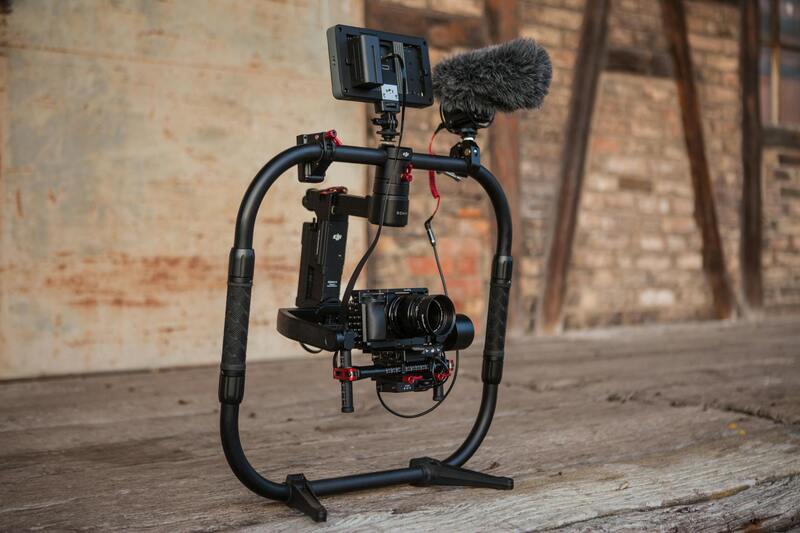
In addition to these elements, leveraging emerging technologies such as aerial drone photography offers a distinct edge. Scenic aerial shots of waterfront or expansive estates elevate the visual narrative, providing buyers with perspectives they cannot obtain through traditional photography alone.
Aligning these visual strategies with targeted advertising initiatives results in a cohesive marketing approach that maximizes exposure and elevates property appeal. Professional, visually appealing content inspires viewer confidence and encourages active engagement, leading to more scheduled viewings and successful transactions.
Optimizing Photography for Digital Platforms
To maximize the impact of real estate images across various online channels, it is crucial to adhere to specific technical standards that enhance visual quality and user experience. High-resolution images ensure clarity and detail, allowing potential buyers to perceive the property as if they were viewing it in person. When preparing photographs for listing websites or social media, maintaining a minimum resolution of 1200 pixels on the shortest side is recommended, enabling clear presentation even on larger screens.

Image format plays a vital role in preserving quality while managing file size for faster loading times. JPEG remains the preferred format for photographs due to its balance between quality and compression, but for images requiring transparency or higher quality, PNG can be advantageous. For aerial or niche shots, RAW files offer the highest quality during editing, but final upload formats should prioritize JPEGs for web use.
Furthermore, image dimensions should be tailored to the specific requirements of each platform. For example, Instagram favors square images (1080x1080 pixels), while Facebook recommends landscape formats (1200x628 pixels). Adjusting image orientation and dimensions ensures the visuals fit seamlessly within each platform’s interface, preventing unnecessary cropping or compression that can diminish quality.
Optimizing images also involves compressing files without compromising visual fidelity. Utilizing modern compression tools, real estate professionals can reduce load times, which positively influences user engagement metrics and search engine rankings. Additionally, implementing descriptive filenames and alt tags improves accessibility and helps search engines understand the content, boosting visibility in relevant searches.

Consistent branding elements, such as watermarks or logo placement, can be subtly integrated during post-processing to reinforce brand recognition without detracting from the property visuals. Overall, attention to these technical details ensures that photos not only look appealing but also perform optimally in digital advertising environments, directly contributing to attracting qualified interest and driving property transactions.
Utilizing Professional Photography Services
Partnering with experienced real estate photographers can markedly enhance the visual appeal and marketing effectiveness of property listings. Skilled professionals possess a keen eye for composition, lighting, and staging, which are critical in showcasing a property's best features. They are equipped with state-of-the-art cameras and lighting equipment that ensure high-resolution images capable of capturing intricate details. This level of quality fosters trust and draws potential buyers by presenting properties in their most appealing light.
Professional photographers are also adept at managing different properties' unique characteristics, tailoring their approach to highlight architectural features, interior spaces, and unique selling points. They understand the intricacies of optimal shot angles and lighting conditions, which can significantly influence how viewers perceive a space. Their expertise extends to post-processing, where they fine-tune images for color balance, exposure, and sharpness, creating compelling visuals that stand out across various digital platforms.
Moreover, employing professional photography services adds consistency across a property portfolio. Consistent visual styles reinforce brand identity for real estate agencies and developers, creating a cohesive and professional appearance that appeals to prospective buyers and investors alike. This consistency also simplifies the process of creating marketing materials, such as brochures, online listings, and advertisements, ensuring all visuals align with the overall campaign strategy.

Investing in top-tier real estate photography is a strategic move that can shorten sales cycles and attract higher-quality leads. The initial investment often yields tangible returns through increased visibility, faster sales, and higher property values. As digital platforms continue to evolve, the demand for visually compelling content will only intensify, making professional photography an essential element of an effective real estate marketing strategy.
Optimizing Photography for Digital Platforms
Once high-quality images are secured, the next critical step involves tailoring them for various digital channels. Proper optimization ensures images load swiftly without sacrificing visual integrity, which is crucial for maintaining the user experience. Techniques such as appropriate file compression and choosing the correct image dimensions for each platform free the potential for pixelation and cropping issues that could jeopardize the visual impact.
Creating visually appealing thumbnails and featured images is essential for platforms like MLS listings, social media, and property websites. For example, square images (1080x1080 pixels) are ideal for Instagram, while Facebook prefers landscape formats (1200x628 pixels). Adjusting the aspect ratio to fit platform specifications helps maintain image quality and ensures that potential buyers view the property as intended.
Additional optimization involves utilizing descriptive filenames and alt tags, which improve accessibility for all users and boost search engine rankings. Optimized images contribute to faster page load times, positively influence engagement metrics, and increase the likelihood of the listing appearing in relevant local and property search results. Incorporating subtle branding elements, such as watermarks or logos, during editing can reinforce brand recognition while ensuring the visuals remain the primary focus for prospective buyers.
Strategic Use of Photography in Advertising Campaigns
Effective real estate photography extends beyond capturing high-quality images; it encompasses strategic deployment across multiple advertising channels to maximize reach and engagement. Leveraging professional images in a targeted manner ensures that promotional efforts resonate with potential buyers, generate interest, and facilitate quicker sales.
For social media platforms, selecting visually striking images that highlight the property’s unique features is essential. Platforms such as Instagram, Facebook, and Pinterest favor vibrant, well-composed photographs that evoke emotional connections. Using carousel ads with multiple images allows viewers to explore different aspects of the property, from expansive living rooms to scenic views, effectively increasing the duration of engagement and the likelihood of inquiries.
In email marketing campaigns, integrating high-resolution images of the property's most appealing angles can make listings stand out in crowded inboxes. Including a compelling image as the email header or within the body of the message can capture attention swiftly, prompting recipients to explore the detailed listings on the website. Additionally, ensuring images are optimized for quick loading prevents potential frustration or disengagement.
Online advertising via targeted pay-per-click (PPC) campaigns or listings on property portals benefits significantly from high-quality imagery. Well-chosen photographs improve ad relevance and click-through rates, translating into increased visibility and prospective inquiries. Banners and display ads with compelling visuals reinforce brand identity and highlight key property features, drawing prospective buyers deeper into the sales funnel.
Print advertising, such as brochures, flyers, and magazine ads, also relies heavily on striking images that communicate the lifestyle benefits of the property. High-resolution, professionally shot photographs ensure that the print material captures attention and leaves a lasting impression. Strategic placement of images—focusing on striking architecture, spacious interiors, or picturesque surroundings—elevates the overall appeal of the marketing piece.
Implementing a consistent visual style, including color balance, lighting, and framing, across all advertising materials helps to establish a cohesive brand presence. This consistency signals professionalism and reinforces trust with potential clients, which can significantly impact conversion rates.
Measuring Success of Photography-Driven Advertising
Assessing the impact of professional photography within advertising efforts involves tracking key performance indicators (KPIs). Metrics such as click-through rates, engagement rates, and conversion numbers provide insight into how visuals influence prospective buyers’ behaviors. Analyzing the performance of different ad formats and channels helps to refine strategies, ensuring that high-quality images deliver optimal results.
Furthermore, feedback from inquiries and viewings can offer qualitative data on the efficacy of photography. If a property consistently generates more inquiries or scheduled visits following a photography update, it indicates a positive correlation between visual content and buyer interest.

By continuously monitoring these metrics and adjusting visual content accordingly, real estate marketers can enhance their advertising effectiveness, ensuring that they attract the right audience and expedite the sales process.
Importance of Visual Content in Real Estate Marketing
In today’s competitive real estate landscape, visual content serves as a cornerstone for attracting potential buyers and enhancing property visibility. High-quality images and videos immediately capture attention, allowing viewers to assess the property’s appeal without physical visits. Effective visual content can highlight a property’s unique features, such as architectural details, spacious layouts, and desirable amenities, creating an emotional connection that motivates prospective buyers to explore further.
Moreover, compelling visual content can elevate a property’s perceived value, making it stand out in crowded online listings. In a market where first impressions are often formed through screens, investing in top-notch photography and videography ensures your listings are memorable and professional, fostering trust and credibility among potential clients.
Additionally, visual content extends beyond static images, encompassing virtual tours and 3D imaging that provide immersive experiences. These tools allow viewers to engage with the property interactively, increasing the likelihood of sustained interest and inquiries. As digital platforms continue to evolve, the integration of visually rich content remains essential for creating compelling, user-centric advertising that drives leads and sales efficiently.

Key Elements of Effective Real Estate Photography
Achieving impactful real estate photography hinges on several core elements. Lighting is paramount; natural light, complemented by professional lighting setups, ensures that spaces appear bright, inviting, and true to their character. Proper composition and framing emphasize the property’s strengths, guiding the viewer’s eye toward focal points such as stunning views or spacious interiors.
Other critical elements include consistent color calibration, which maintains accurate hues that reflect the actual space, and the use of wide-angle lenses to showcase room dimensions effectively. Post-processing should enhance the images without altering the authenticity of the property, thereby providing an honest representation that fosters trust and sets correct expectations.
Incorporating staging—arranging furniture and decor to highlight the potential of a space—can greatly improve visual appeal. Clean, clutter-free environments enable viewers to envision themselves living in the property, establishing an emotional connection that can accelerate the decision-making process.
Utilizing Professional Photography Services
Partnering with experienced photographers who specialize in real estate imagery ensures that properties are showcased at their best. These professionals understand the nuances of lighting, composition, and post-processing tailored specifically to real estate marketing. They possess the necessary equipment, including high-resolution cameras and stabilizers, to produce crisp, detailed images.
Professional photographers also have the expertise to capture exterior facades, interior spaces, and unique architectural features effectively. They can efficiently manage complex shoot schedules, especially for large or multi-unit properties, ensuring timely delivery of high-quality visuals that align with marketing timelines.
Investing in seasoned photography services pays dividends by elevating listing quality, increasing engagement, and boosting the overall perceived value of the property. Their work can also serve as a foundation for expanding digital marketing efforts, including virtual tours and targeted advertisements.

Optimizing Photography for Digital Platforms
Effective real estate photography tailored for online platforms requires more than just high resolution. Optimization involves file size adjustments to ensure fast loading times without sacrificing image quality, thereby reducing bounce rates and enhancing user experience.
SEO strategies include incorporating relevant keywords in image alt text and descriptions, enabling search engines to index visuals and improve listing visibility. Additionally, consistent aspect ratios and formats facilitate seamless integration across various platforms such as websites, MLS listings, and social media channels.
Responsive design considerations ensure that images display correctly on all devices, from desktops to smartphones. Implementing structured data markup associated with images can also enhance search result appearances through rich snippets, drawing more traffic to your listings.

Incorporating Virtual Tours and 3D Imaging
Virtual tours and 3D imaging revolutionize online property showcasing by providing immersive experiences that static photos cannot match. These interactive tools allow prospective buyers to navigate through the property remotely, gaining a realistic sense of space and flow without physical visits.
360-degree virtual tours enable viewers to explore every corner of a property at their own pace, which can significantly increase engagement and interest. 3D renderings and walkthroughs also facilitate better understanding of the layout, especially for larger or complex properties.
Integrating virtual tours into advertising campaigns enhances credibility and professionalism—viewers appreciate the convenience and detail these tools offer. They are particularly effective in reaching out-of-town clients or during times when physical visits are constrained, ensuring continuous property exposure and engagement.
Strategic Use of Photography in Advertising Campaigns
The strategic deployment of professional photography within marketing campaigns maximizes the property’s visual appeal across multiple channels. Compelling images serve as the primary hook in digital ads, email marketing, social media posts, and print materials.
Consistent visual branding, including color schemes and stylistic elements, reinforces brand recognition and credibility. High-quality visuals should be prioritized for listings featured in paid ads, promotional banners, and social media to attract higher click-through rates and engagement metrics.
Split testing different images and formats allows for data-driven decision-making—identifying which visuals resonate most with target audiences. Repeatedly showcasing the property’s best features through professionally crafted visuals ensures sustained interest, encourages sharing, and ultimately accelerates the sales process.

Maximizing the Impact of Real Estate Photography in Advertising Campaigns
In today’s fast-paced real estate market, employing high-caliber photography is crucial for capturing the attention of potential buyers. Strategic integration of professional images into advertising efforts not only elevates the property’s perceived value but also enhances overall engagement levels. When executed properly, real estate photography becomes a powerful tool that synergizes with various marketing channels to facilitate quicker sales and broader reach.
Aligning Photography with Branding and Campaign Goals
Effective real estate photography must align seamlessly with the broader branding and marketing objectives of the property listing. Consistency in visual presentation—from color palettes and stylistic choices to framing and staging—strengthens brand recognition and assures viewers of a professional, trustworthy approach. Thoughtful imagery inherently communicates the property’s unique features, lifestyle potential, and overall appeal, making it a cornerstone of successful advertising campaigns.
Creating High-Impact Visuals for Digital and Print Media
- Employing wide-angle lenses to capture spaciousness and layout
- Utilizing natural light to highlight key architectural features
- Employing strategic staging to showcase the property’s best qualities
- Ensuring images are color-corrected and polished for visual consistency
These visual assets serve as compelling hooks that attract clicks, views, and inquiries across various platforms. When used in digital advertisements, such as social media ads, paid search, and email campaigns, high-quality images create a professional image that encourages engagement and fosters trust among prospective clients.
Enhanced Engagement Through Visual Variations and Testing
Implementing A/B testing of different images and formats enables marketers to identify which visuals resonate most with target audiences. By analyzing click-through rates and interaction metrics, real estate professionals can refine their visual strategy continually. Displaying the property from multiple angles, emphasizing distinctive features, and incorporating lifestyle imagery can generate heightened interest and emotional connection.
Leveraging Photography in Multi-Channel Campaigns
Optimal use of photographs across various advertising channels maximizes outreach and exposure. Digital platforms such as social media, real estate portals, and email marketing benefit from consistently high-quality visuals that cut through the noise. Additionally, printed materials like brochures and banners also require professional imagery to uphold brand standards and attract discerning clients.
Utilizing Visual Content for Storytelling and Emotional Impact
Exceptional photographs can tell a compelling story about the living experience a property offers. Whether it’s highlighting a stunning kitchen, a relaxing outdoor space, or panoramic views, every image should evoke an emotional response that aligns with the target demographic’s aspirations. Such storytelling through visuals encourages sharing, word-of-mouth promotion, and increased inquiries.
Tracking and Measuring Photography Effectiveness in Campaigns
An essential component of an impactful advertising strategy involves monitoring how visual elements influence campaign metrics. Metrics such as click-through rates, time spent on listing pages, and inquiry conversions provide insights into the effectiveness of imagery. Continuous evaluation enables marketers to adjust visual approaches proactively, ensuring sustained interest and optimal return on investment.
Investing in professional real estate photography is a proven approach that bolsters your advertising efficacy. Precise, targeted, and visually engaging imagery enhances every aspect of property marketing, making listings more attractive and easier to sell. When combined with diligent analysis and strategic deployment across channels, stunning visuals become a vital element in securing quicker transactions and satisfied clients.