Understanding Real Estate Photography Cost
Real estate photography plays a vital role in the marketing and sale of properties by showcasing their best features through high-quality images. Determining the cost of professional real estate photography involves assessing multiple variables that influence pricing structures and overall expenses. For property owners, real estate agents, and developers in Miami, gaining clarity on these factors ensures that investments are aligned with expectations and marketing goals. This detailed overview examines the key elements that impact real estate photography costs, providing insight into standard pricing, service options, and factors that can alter expenses.
Factors Influencing Photography Pricing
The pricing for real estate photography services hinges on several critical factors, each contributing to the final quote. Property size remains a primary determinant; larger homes or commercial spaces require more extensive shooting time and post-processing, thereby increasing costs. The property's type and complexity, including architectural features and interior design intricacies, also influence pricing. Additionally, client-specific requirements such as drone imaging, twilight shots, or virtual staging further affect the overall expense. r>r> Moreover, the geographic location within Miami can impact costs due to varying demand levels and operational expenses for photographers. The level of experience and reputation of the photography service provider can also sway prices. Established professionals with extensive portfolios often charge higher rates owing to their expertise and quality assurance. Furthermore, turnaround time—how quickly images are needed—can lead to surcharges if expedited delivery is requested.
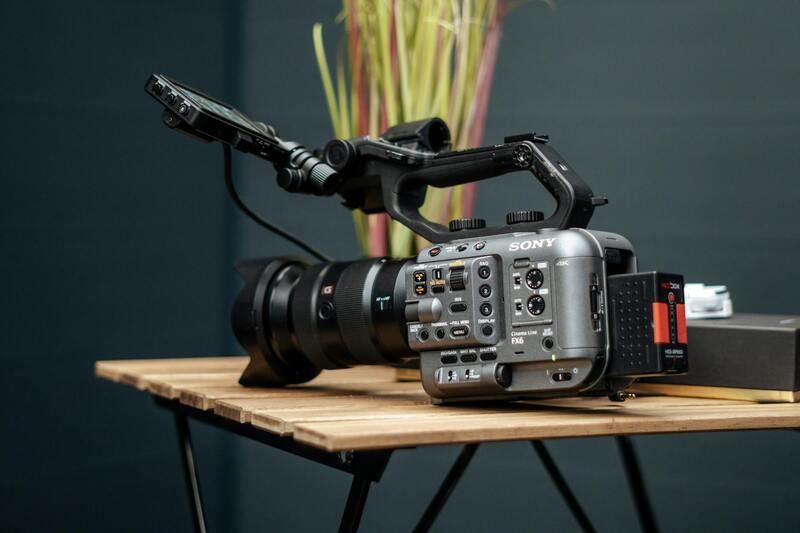 igurecaption> High-quality real estate images that bolster a property's market appeal.
Average Costs for Real Estate Photography in Miami
In Miami, the typical investment for professional real estate photography ranges from $100 to $500 per property. Basic packages, which often include standard interior and exterior shots, tend to be on the lower end of the spectrum. These are suitable for smaller residential homes or properties with straightforward features. Mid-range packages, usually between $200 and $350, may add additional angles, drone photos, or virtual tours. Premium offerings, amounting to $400 and above, are generally reserved for luxury properties or those requiring specialized services such as twilight photography or 3D walkthroughs.
The variation in costs reflects the diversity of property types in Miami, from modest condos to sprawling oceanfront estates. Pricing also depends on the photographer’s credentials and the market demand at the time of service. It is crucial to evaluate the quality of work and included services rather than solely focusing on the price to ensure an optimal return on investment.
 igurecaption> Miami's vibrant real estate market offers diverse options for professional photography services.
Types of Photography Services and Their Costs
- Standard Interior & Exterior Shots: $100–$250
- Virtual Tours & 360-Degree Views: $200–$500
- Drone Photography: $150–$300
- Twilight & Sunset Shots: $200–$400
- 3D Floor Plans & Virtual Staging: $200–$600
Each service type offers specific advantages, enhancing visibility and attractiveness in online listings. The selection of these services should align with the property's features and the marketing strategy to maximize sales potential.
Additional Services That Impact Cost
Beyond basic photography, several supplementary offerings can influence overall expenses. Virtual staging, which digitally furnishes empty spaces, generally costs between $50 and $200 per image. Aerial shots, via drone, might be additional or bundled into comprehensive packages. Twilight photography, capturing properties at sunset or dusk, often commands a premium due to the extra equipment and timing considerations. Finally, expedited delivery services may add a fee if images are required within a narrow timeframe.
Factors That Can Increase or Decrease Costs
Certain variables can lead to adjustments in the standard pricing. Properties with hard-to-reach locations or multiple structures may require more logistical planning and additional time, increasing costs. Conversely, properties that are straightforward to shoot or located in less-demanded areas could enjoy discounted rates. Photographers offering bundled services or seasonal discounts might also provide opportunities for savings. Furthermore, the scope of work, such as multiple revisions or extensive editing, can push costs upward.
Selecting a Real Estate Photography Service in Miami
When choosing a photography provider, consider their portfolio, client testimonials, and experience with property types similar to yours. Ensuring the service has the necessary equipment and skills for your specific needs—whether drone shots or virtual staging—is essential. Comparing packages and detailed quotes helps identify the best value while maintaining quality standards. Local services familiar with Miami's real estate market often bring invaluable insights into what visual elements appeal most to potential buyers.
Budgeting for Real Estate Photography in Marketing Strategies
Investing in professional photography is a strategic decision that can significantly impact property visibility and marketability. Incorporating high-quality images into your marketing budget ensures that listings stand out online, attract more prospective buyers, and potentially accelerate sales. When planning your marketing expenses, allocate resources proportionally to property value and competition in Miami's vibrant market.
Cost-Saving Tips for Real Estate Photography
- Combine multiple properties into a single shoot to reduce overall costs.
- Opt for standard packages with optional add-ons as needed rather than customized solutions.
- Schedule shoots during optimal daylight hours to avoid extra charges for after-hours work.
- Negotiate service packages or discounts with local providers, especially if you have ongoing or multiple listings.
- Prioritize essential services that enhance listing appeal without overextending the budget.
Types of Photography Services and Their Costs
Miami's real estate market demands a variety of visual presentation styles, each with its associated costs. Standard interior and exterior shots form the foundation of most listings and typically fall into the lower to mid-range pricing tier. These images focus on capturing the property's best angles to appeal to prospective buyers. Price points for such basic packages usually range from $150 to $300 per property, depending on the number of photos required and the property's size.
Panoramic and wide-angle shots are common for showcasing larger spaces or unique architectural features, often commanding slightly higher fees, generally between $250 and $400. These services require specialized lenses and technique to ensure high-quality imagery suitable for online listings.
For properties in competitive markets like Miami, high dynamic range (HDR) photography offers a balanced approach, combining multiple exposures to produce stunning, detailed images that reflect real-life lighting conditions. The cost for HDR services often overlaps with standard packages but can increase depending on the number of images or complexity involved.
Virtual staging is an increasingly popular service that digitally enhances empty or cluttered spaces to appear more inviting and ready for showing. This service typically adds to the overall photography cost, with prices ranging from $50 to $150 per image, yet it offers a compelling return by making listings more appealing.
An emerging trend is drone photography, especially useful for luxury properties or homes with expansive outdoor spaces. Aerial shots can add a unique perspective that elevates a listing’s appeal. Drone services usually carry an additional fee of $100 to $300 and require certified operators, contributing to increased costs but delivering highly impactful visual content.
Factors That Can Increase or Decrease Costs
When determining the overall expense of real estate photography, several factors can influence pricing, either elevating or reducing the final amount. A key element is the size and complexity of the property. Larger homes or properties with intricate architectural details demand more shooting time and equipment, which can lead to higher costs. Similarly, properties requiring extensive staging or preparation—such as cleaning or minor repairs—might need additional hours or services, impacting the overall fee.
Lighting conditions also play a role. For instance, capturing twilight images or shooting during specific times of day to achieve the desired ambiance can incur extra charges. These specialized shoots often require additional planning and equipment, increasing the total cost. Conversely, properties located in easily accessible areas reduce travel time and logistical expenses, thereby lowering the total price.
Expertise and experience of the photographer also affect pricing. Seasoned professionals with a strong portfolio or specialized skills, such as drone operation or virtual staging, command higher rates. They often bring advanced editing capabilities that can enhance the property's presentation, justifying additional costs.
Service scope and package details additionally impact costs. Basic packages typically include a set number of standard interior and exterior shots, while comprehensive packages may incorporate multiple angles, twilight images, and aerial shots. Add-on services like virtual staging, 3D walkthroughs, or video tours increase overall expenses but can substantially boost a listing’s visibility.
Moreover, the geographic location within Miami influences prices. Urban areas with high demand for premium marketing may see slightly elevated rates, while more rural or suburban areas might offer more affordable options. Seasonal fluctuations can also affect prices, with high-demand periods in spring and summer sometimes resulting in increased rates due to scheduling competition.
Understanding these factors allows real estate professionals to assess and negotiate service packages effectively, balancing quality with budget considerations to maximize marketing impact without exceeding financial constraints.
Additional Services That Impact Cost
Beyond standard photography sessions, a variety of supplementary services can significantly influence the overall expense of real estate imagery. Virtual tours, for example, have become an essential component of modern property marketing, providing prospective buyers with immersive experiences. These comprehensive visual presentations often command higher fees due to their complexity and the sophisticated equipment required.
Photo editing and post-processing are equally crucial. High-end editing enhances image clarity, adjusts lighting, and removes imperfections, thereby elevating the property’s visual appeal. While some photographers include basic editing in their package, more advanced retouching—such as sky replacements or digital cleanup—may incur additional charges.
Incorporating detailed floor plans offers buyers a clearer understanding of space and flow, facilitating faster decision-making. These diagrams are typically priced separately but can be a worthwhile investment for high-value or unique properties.
Video walkthroughs are increasingly popular, providing dynamic views of the property that static images cannot capture. Producing quality video content involves additional filming, editing, and sometimes voiceovers, which add to the overall cost but greatly enhance marketing efforts.
Factors That Can Increase or Decrease Costs
Several elements can lead to fluctuations in real estate photography pricing. The complexity of the property itself is a primary consideration; larger homes or properties with intricate architecture require more comprehensive coverage, multiple angles, and varied lighting setups, all of which elevate costs.
Location within Miami also plays a role. Properties in highly sought-after neighborhoods or commercial zones might necessitate premium rates due to higher demand or logistical considerations. Conversely, suburban or less dense areas could offer more cost-effective options.
Timing is another influential factor. Scheduling during peak seasons—spring and summer—may involve premium rates as photographers and clients vie for limited availability. Conversely, off-peak periods often see more competitive pricing and greater flexibility in scheduling.
Requirements for specialized services, such as drone photography, virtual staging, or 3D rendering, generally increase the total cost owing to technical complexity and the need for skilled operators and editors. Similarly, the turnaround time for delivering images can affect pricing, with expedited services typically commanding higher fees.
Strategic Service Selection to Optimize Budget
To manage expenses effectively, real estate professionals should prioritize essential services that showcase the property’s best features. For high-end listings, investing in high-quality images, virtual tours, and aerial shots can substantially increase visibility and appeal. For more modest properties, a streamlined package focusing on key interior and exterior shots may suffice.
Personalized packages can also be negotiated based on specific needs. Photographers often offer tiered options, allowing clients to select services that match their marketing goals without overspending. Clear communication of expectations and desired outcomes ensures a balanced approach that maximizes value within budget constraints.
Factors That Can Increase or Decrease Costs
When determining the real estate photography cost, several key aspects can influence the final pricing. These factors often contribute to variability, allowing for tailored solutions that align with property characteristics and client needs. A clear understanding of these elements can help real estate professionals and property owners make informed decisions to maximize their marketing investment.
Property Accessibility and Location
One of the primary considerations is how accessible the property is for the photographer. Homes with straightforward access and minimal logistical hurdles tend to incur lower costs. Conversely, properties located in hard-to-reach areas or with restrictions—such as gated communities, high-rise buildings with security protocols, or properties requiring special permissions—may increase logistical efforts and, consequently, pricing. Additionally, properties in remote or less densely populated neighborhoods might have different rates based on travel time and distance.
Property Size and Layout Complexity
The size of the property plays a significant role in pricing. Larger homes or estates require more time to photograph comprehensively, which can raise costs. Similarly, properties with intricate architectural features, multiple levels, or unique layouts may necessitate additional shot angles, specialized equipment, or multiple sessions to capture all details effectively.
Shoot Complexity and Required Equipment
Complex shoots—such as those involving drone imagery, virtual staging, or 3D virtual tours—inevitably incur higher costs. These services demand advanced equipment, technical expertise, and more extensive editing. For example, drone photography provides aerial views that accentuate property appeal but involves licensing, safety considerations, and specialized flight skills. Virtual staging requires detailed graphic work, which lengthens post-production timelines and increases expenses.
Turnaround Time and Service Urgency
Fast delivery of high-quality images is often a priority in competitive real estate markets. Photographers offering expedited services—such as same-day or next-day delivery—typically charge a premium to accommodate rush workflows. Timelines influence not only the workload but also the scheduling flexibility, further affecting costs.
Environmental and Seasonal Considerations
Weather conditions and seasonal timing can also impact costs. For instance, shooting during peak seasons when schedules are tight might result in higher fees. Conversely, flexible scheduling during off-peak times can reduce costs by offering more availability and negotiating potential discounts.
Factors Influencing Photography Pricing
When assessing the cost of real estate photography, multiple factors come into play that determine the final price charged by professionals. One primary consideration is the scope of the property. Larger homes or commercial spaces typically require more extensive shoots, additional equipment, and more editing time, thereby increasing the overall cost. The complexity of the property layout can also affect pricing; properties with intricate designs, multiple levels, or unique architectural features may necessitate specialized shots to capture their full appeal.
Another crucial element is the photographer’s experience and reputation. Established professionals with extensive portfolios and specialized training often command higher rates due to their proven expertise and consistent workflow quality. These providers are more likely to employ advanced equipment and offer a broader range of services, such as drone footage or virtual staging, which naturally influence pricing.
The geographic location of the property also impacts costs. In metropolitan areas like Miami, where competition among photographers is high, rates can vary based on demand and regional market standards. Proximity to the shoot site may reduce travel fees, which can be factored into the overall pricing structure. Additionally, the time of year can influence costs; peak seasons with a high volume of listings tend to slightly elevate service prices due to increased demand.
Average Costs for Real Estate Photography in Miami
In Miami, the typical cost for professional real estate photography ranges between $150 and $500 per property. The variation depends on several factors, including property size, desired services, and the photographer’s rate. For standard single-family homes or condos, most clients can expect to pay between $150 and $250 for a basic shoot that covers essential interior and exterior shots.
For larger properties or those requiring more detailed photography, the costs tend to increase. Multi-story homes, commercial buildings, and luxury residences can cost $400 or more per session, especially if additional services like twilight photography or aerial shots are included. Package deals or volume discounts may be available for agents managing multiple listings, providing a cost-efficient option for ongoing marketing needs.
Types of Photography Services and Their Costs
Real estate photography encompasses several service types, each with distinct pricing structures based on complexity and equipment used:
- Standard Photography: Encompasses high-resolution interior and exterior images ideal for listing platforms, generally priced between $150 and $250.
- HDR Photography: High Dynamic Range imaging enhances photo clarity and detail across various lighting conditions. This service often adds $50–$100 to the base cost.
- Twilight Photography: Captures properties during dusk or dawn for dramatic visual impact, typically costing $200–$400 depending on property size and shoot duration.
- Aerial Photography: Drone shots provide sweeping views of the landscape and property exterior. These can range from $200 to $500 or more, depending on the number of shots and flight complexity.
- Virtual Tours and 3D Walkthroughs: Interactive virtual experiences are increasingly popular and cost from $300 to over $1,000, offering immersive property exploration for prospective buyers.
Additional Services That Impact Cost
Beyond standard shots, several supplementary offerings can significantly influence the overall photography expense. These include:
- Virtual Staging: Digital enhancement that stages empty or cluttered spaces to look more appealing. Expect to pay $25–$50 per image.
- Video Walkthroughs: Short promotional videos showcasing property features can cost $200–$600, depending on length and production complexity.
- Floor Plans: Accurate floor plan sketches support property marketing at a typical cost of $100–$300.
- Post-Processing and Editing: Advanced editing, retouching, or special effects are billed hourly or as part of package deals, often adding 10–20% to the base photo cost.
- Rush Delivery: Expedited processing to meet tight listing deadlines usually incurs a premium, sometimes 20–50% over standard rates.
Factors Influencing Photography Pricing
The cost of real estate photography in Miami is influenced by several key factors that can affect the overall expense for property owners and agents. These factors include the level of detail, the complexity of the property, the geographic location, and the photographer's experience and reputation.
One of the main determinants is the size and condition of the property. Larger or more intricate spaces require more time and effort to capture effectively, which naturally increases the fee. Similarly, properties that involve extensive shoots, such as multiple vantage points, detailed interior shots, or specialty photography, will incur higher charges.
Location also plays a significant role. Urban areas like Miami with high demand for real estate imagery often see premium pricing, whereas more secluded or less competitive markets might offer more affordable rates. A photographer’s skill set, portfolio, and years of professional experience also weigh heavily on pricing. Highly skilled photographers with advanced equipment and a proven track record tend to command higher fees, reflecting the quality and reliability of the services provided.
Additionally, the time of year can influence costs. Peak seasons in Miami, driven by the real estate cycle, can lead to increased prices due to higher demand. Prompt scheduling, especially during busy periods, may also carry supplemental charges, notably for same-day or rush services.
Average Costs for Real Estate Photography in Miami
In Miami, the typical pricing range for real estate photography varies based on the scope of services. On average, photographers charge between $150 and $500 for standard packages. Entry-level or less experienced professionals may offer rates closer to the lower end, around $150 to $250, while highly sought-after photographers with advanced techniques and equipment often price their services in the $300 to $500 range.
For comprehensive packages that include drone footage, virtual tours, or 3D walkthroughs, costs can escalate to $1,000 or more, reflecting the added technical expertise and equipment requirements. It is common for clients to find flexible packages that cater to different property sizes and marketing needs, ensuring competitive pricing aligned with their specific goals.
Types of Photography Services and Their Costs
Various photography services cater to diverse marketing strategies, each with associated costs. Below are the common service types and their approximate price ranges:
- Standard Interior and Exterior Shots: $150–$300 for a basic set of high-quality photos.
- Aerial Photography and Drone Shots: $200–$500, useful for showcasing large properties or unique landscapes.
- Virtual Tours and 3D Walkthroughs: $300–$1,000+, offering immersive property experiences that enhance online engagement.
- Video Walkthroughs: $200–$600, providing dynamic visual presentations for listings.
Each service type contributes distinct value to a property listing, affecting the overall investment in visual marketing.

Additional Services That Impact Cost
Beyond traditional photography, supplementary services can enhance property presentations but also influence the final cost. These include:
- Virtual Staging: Digitally furnished rooms to improve visual appeal, costing $25–$50 per image.
- Post-Processing and Editing: Advanced retouching and effects charged hourly or per project, often comprising 10–20% of the base fee.
- Floor Plans: Detailed diagrams supporting marketing efforts, typically $100–$300.
- Rush Delivery: Expedited processing to meet urgent deadlines, often incurring premiums of 20–50%.
Incorporating these additional services can significantly elevate a property’s marketing profile, although they come with associated costs.
Factors That Can Increase or Decrease Costs
Several elements can cause fluctuations in the pricing structure for real estate photography. For instance, the presence of tight deadlines or last-minute bookings often necessitates higher fees due to the need for expedited services. Conversely, long-term or bulk contract arrangements might lead to discounted rates, rewarding consistent business.
Property-specific factors, such as challenging lighting conditions, difficult access, or highly intricate interiors, can also push costs upward. On the other hand, properties with straightforward layouts, good lighting, and simple access points are generally less expensive to photograph. Seasonal demand fluctuations in Miami can also influence prices, with peak real estate seasons potentially raising rates due to higher competition among photographers.
Strategic planning around these variables can help property owners and agents optimize their budget without sacrificing the quality of visual presentation.
Factors Influencing Photography Pricing
Real estate photography costs are shaped by a variety of factors that reflect both the scope of services and unique property characteristics. The complexity of a property’s layout, lighting conditions, and accessibility all play pivotal roles in determining the locale-specific expenses. For example, properties with expansive floor plans or intricate interior details often require more time and specialized equipment, translating into higher fees. Similarly, properties that are difficult to access may demand additional logistical planning, driving up overall costs.
Equipment quality and photographer expertise are also major considerations. High-end cameras, drone technology for aerial shots, and advanced editing software elevate the quality of images but come with increased operational costs. Experienced photographers with a proven track record of compelling real estate visuals tend to command premium prices, owing to their ability to capture properties effectively and expedite the delivery process.
Locale-specific factors such as Miami’s vibrant real estate market influence pricing as well. The high demand for visual marketing during peak seasons typically results in more competitive pricing, while off-peak periods might encourage lower rates or promotional deals. Additionally, the scope of the project—whether a single listing or a comprehensive portfolio—can impact the overall pricing structure, with larger orders often benefiting from bulk discounts.
Average Costs for Real Estate Photography in Miami
In Miami, the typical cost for professional real estate photography ranges from approximately $150 to $500 per property. Basic service packages, including a standard set of high-resolution images, tend to fall within the $150–$250 range. For more extensive marketing needs, such as twilight shots, aerial drone photography, or high-end editing, prices can escalate to $300–$500 or more.
Property size plays a central role in cost determination. Small apartments or condos usually require fewer photos, resulting in lower fees, whereas sprawling estate homes demand a greater number of images and possibly multiple shooting sessions. Seasonal demand and market dynamics during peak selling seasons can also influence price fluctuations, with heightened competition among photographers driving rates upward.
Types of Photography Services and Their Costs
- Standard Photography: High-resolution interior and exterior shots, usually costing $150–$250 per session.
- Aerial Drone Photography: Adds a compelling aerial perspective, with additional charges of approximately $100–$200.
- Twilight Photography: Captures properties during dusk for a dramatic effect, typically costing $200–$400.
- Video Tours: Providing virtual walk-throughs can range from $200–$600, depending on length and complexity.
Additional Services That Impact Cost
Several supplementary services can influence the overall pricing. These include virtual staging, which digitally furnishes empty spaces to appeal to potential buyers; floor plans, which provide detailed layouts to enhance marketing; and rush delivery, enabling quick turnaround times when necessary. Each of these options adds value but also increases the total investment.
Factors That Can Increase or Decrease Costs
Several key elements drive fluctuations in real estate photography expenses. Time constraints, such as last-minute booking requests or urgent marketing deadlines, often necessitate premium charges to accommodate expedited services. Conversely, long-term relationships with photographers or bulk contracts for multiple listings typically result in discounted rates, as service providers favor ongoing collaborations.
Property-specific factors, like challenging lighting conditions or difficult access points—such as properties on upper floors without elevator access—may require additional equipment or time, raising costs. Market conditions, particularly seasonal demand peaks in Miami, influence rates, with higher prices during busy months when photographers experience increased workload. Conversely, off-peak times can offer cost advantages due to lower demand. Strategic planning around these variables allows clients to optimize their budgets without compromising visual quality.
Selecting a Real Estate Photography Service in Miami
When choosing a provider, it is crucial to evaluate their portfolio to assess the quality and style of their images. Testimonials and reviews from past clients provide insight into their reliability and professionalism. Cost transparency is equally important—understanding what is included in a package prevents unexpected expenses. Ensuring the service offers tailored solutions for different property types and market needs will facilitate more effective marketing results.
Budgeting for Real Estate Photography in Marketing Strategies
Allocating appropriate funds within a marketing budget is essential for maximizing property visibility without exceeding financial limits. Property owners and agents should consider real estate photography as an investment that directly affects marketability. In competitive markets like Miami, high-quality images can accelerate sales, reduce days on market, and maximize return on investment. Balancing cost with quality involves assessing the scope of the listing and prioritizing services that deliver the most impact, such as drone shots for large or luxury properties or twilight images for premium listings.
Incorporating these costs into larger marketing plans ensures a cohesive and compelling property presentation. It is advisable to establish a consistent visual style across listings, which can be achieved through long-term relationships with trusted photographers and service providers. This consistency fosters brand recognition and attracts more prospective buyers, ultimately making the investment in quality photography a core component of effective real estate marketing strategies.