Importance of Professional Real Estate Photography
In the dynamic and competitive Miami real estate market, the visual presentation of property listings can significantly influence buyer engagement and overall sale success. High-quality real estate photography serves as a powerful marketing tool, capturing the essence of each property to attract a broad audience and generate serious interest. When potential buyers browse online listings, the first impression is often based solely on the quality and appeal of the images presented. Well-executed photos can highlight a property’s best features, make spaces appear more inviting, and convey a sense of lifestyle that resonates with prospective buyers.
In Miami, where the real estate landscape includes luxury condominiums, waterfront estates, and vibrant neighborhoods, professional photography can set a listing apart from the competition. Exceptional images not only increase visibility on real estate portals but also enhance credibility, encouraging viewers to consider scheduling viewings. Real estate professionals understand that the power of compelling imagery extends beyond initial attraction; it influences the perceived value of a property. A listing with crisp, well-lit photos tends to foster trust and professionalism, reinforcing the seller's motivation to showcase their property properly.
Moreover, the importance of professional photography becomes evident when considering virtual tours, social media marketing, and digital advertising. These platforms heavily rely on visual content to capture attention and facilitate sharing, expanding the reach of a listing far beyond traditional methods. Buyers increasingly rely on high-resolution images to narrow down their options before viewing in person, underscoring the impact professional photography has on the overall sales process.
Overall, in Miami’s competitive real estate environment, investing in professional real estate photography is not merely an option but a strategic necessity. It enhances the online presence of properties, builds buyer confidence, and accelerates the sale process—ultimately contributing to more successful transactions and higher property values.
Preparing a Property for Photography
Effective preparation of a property is fundamental to capturing high-quality real estate photographs that showcase the property's best features. This process begins with meticulous cleaning and decluttering, ensuring that each room appears spacious, tidy, and inviting. Removing excess furniture and personal belongings helps create a neutral environment, allowing potential buyers to envision themselves living in the space. Additionally, attention to details such as polishing fixtures, straightening curtains, and organizing countertops contributes significantly to the overall visual appeal.
Lighting plays a crucial role in real estate photos. To maximize natural light, it is advisable to open all curtains and blinds before the shoot, creating a bright and airy ambiance. For properties with limited natural light, professional photographers often use supplementary lighting to eliminate shadows and highlight interior features accurately. Weather considerations should also be accounted for; the best photos are generally taken on clear, sunny days to enhance color vibrancy and ensure consistency across images.
In addition to interior preparation, exterior staging is equally important. Landscaping should be well-maintained, and walkways cleared of debris. Curb appeal significantly influences first impressions, making professional exterior shots vital for online listings. Revisiting the property shortly before the shoot ensures that outdoor areas are tidy, inviting, and ready to be captured in favorable lighting conditions.
Choosing the Right Equipment and Techniques
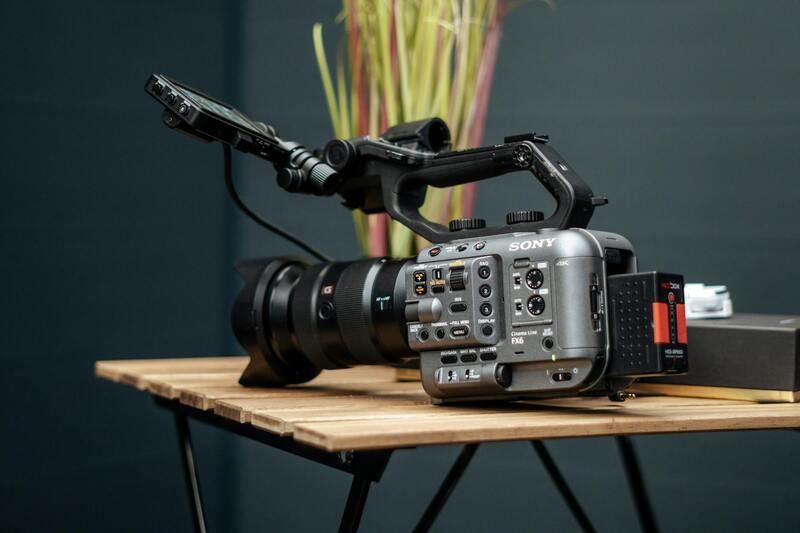
Selecting appropriate equipment is essential for producing crisp, professional-grade real estate photos. Wide-angle lenses are a staple in property photography as they allow for capturing expansive spaces within limited room dimensions, giving viewers a comprehensive view of the layout. Tripods are used to stabilize the camera, ensuring sharp images, especially in low-light conditions. High-resolution digital cameras enable detailed shots that facilitate zooming without loss of quality, an important feature for online viewing platforms.
Incorporating advanced techniques such as HDR (High Dynamic Range) imaging can significantly improve image quality in contrast-rich environments, balancing exposure between bright windows and darker interior corners. Panorama shots and drone photography are emerging trends that provide comprehensive views of larger properties or outdoor amenities. These methods help create visually compelling narratives that attract potential buyers and highlight the property’s unique selling points.
By combining the right gear with refined techniques, real estate professionals can deliver images that not only accurately represent the property but also captivate prospective buyers. This strategic approach ensures that every shot contributes to the overall marketing effort, ultimately driving more engagement and interest.
Effective Post-Processing for Real Estate Photos
Post-processing plays a crucial role in presenting property images that stand out online. After capturing the initial shots, professional editing ensures that each photo accurately reflects the property's appeal while maintaining visual consistency across the listing. High-quality editing includes adjusting brightness, contrast, and sharpness to highlight interior details and exterior aesthetics. Color correction ensures that the tones are true-to-life, which helps potential buyers visualize the actual environment, avoiding any misleading impressions. Additionally, correcting lens distortions common with wide-angle lenses enhances spatial accuracy, making rooms appear proportionate. Removing minor imperfections such as dust spots, shadows, or glare adjacent to windows ensures a clean, polished appearance. Masking techniques can overlay subtle enhancements to specific areas, drawing the viewer’s eye to focal points like a fireplace or an updated kitchen. Overdoing edits, however, can create an artificial look that misleads viewers and undermines trust. Therefore, the goal is to achieve a natural, captivating presentation where the property’s best features are accentuated without exaggeration. Skilled post-processing leverages software tools such as Adobe Photoshop or Lightroom to fine-tune images, ensuring they meet high standards of visual appeal and authenticity. A consistent editing style across all images in a listing builds a cohesive visual story, increasing professional credibility and attracting more interested buyers. This meticulous attention to detail in post-production can significantly impact the effectiveness of online property marketing efforts, leading to faster sales and greater client satisfaction.

Choosing the Right Equipment and Techniques
For high-quality real estate property photography, selecting appropriate equipment is crucial in capturing detailed, visually appealing images that highlight a property's best features. Professional-grade DSLR or mirrorless cameras with full-frame sensors are highly recommended because they offer superior image quality, better low-light performance, and greater control over settings. Pairing these cameras with wide-angle lenses—typically in the 14mm to 24mm range—allows photographers to capture expansive interior spaces and impressive exterior shots, providing viewers with a comprehensive perspective of the property.
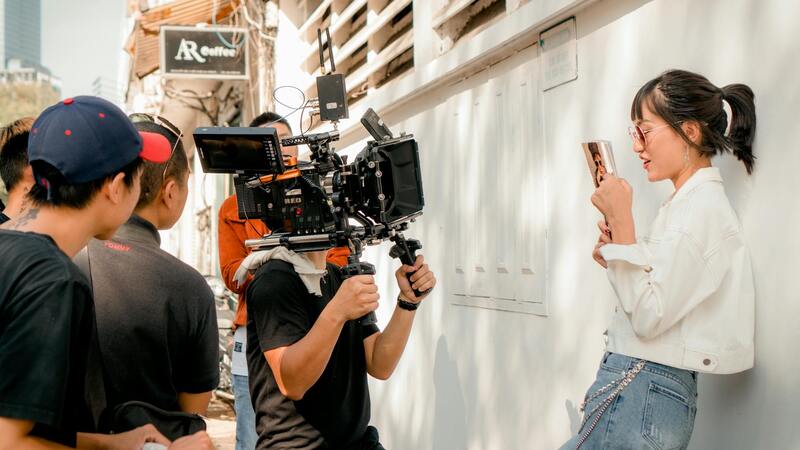
This equipment setup is fundamental for creating compelling visuals that attract potential buyers. Additionally, tripod stabilizers are indispensable for ensuring sharp images, especially in indoor environments with varying light conditions. Using specialized lighting or reflectors can help balance natural light and reduce shadows, emphasizing the property’s best features without harsh contrasts.
Drone Photography as a Game-Changer
Incorporating drone technology into real estate photography offers a unique vantage point that static images cannot provide. Drones equipped with high-resolution cameras can showcase expansive property layouts, aerial views of landscaped gardens, or proximity to notable landmarks. These shots provide context and scale, which can be particularly advantageous for large estates or properties with significant outdoor amenities.
Professionals often utilize advanced post-processing techniques to enhance drone footage, ensuring seamless integration with ground-level images. Proper training and certification in drone operation are essential for capturing compliant, high-quality imagery that adheres to local regulations and delivers striking visuals.
Post-Processing: Elevating Visual Appeal
Effective editing is vital for transforming raw images into compelling marketing assets. Post-processing software such as Adobe Lightroom and Photoshop enables precise adjustments of exposure, contrast, and color balance, ensuring each image accurately represents the property’s ambiance. Techniques like noise reduction and lens correction help produce clean, professional-looking photos.
Masking and retouching can subtly enhance focal points—such as brightening a fireplace or crisping a kitchen backsplash—without overly manipulating the image. Emphasizing natural light effects and eliminating distractions like dust spots or shadows refine the overall presentation. The goal is to maintain authenticity while creating visually engaging photos that appeal to prospective buyers and drive engagement.
Utilizing Advanced Techniques for Superior Results
HDR (High Dynamic Range) photography combines multiple exposures to capture details in both bright and shadowed areas, resulting in balanced images that mirror real-life viewing conditions. Bracketing techniques are particularly effective for interiors with complex lighting scenarios, like a room with large windows and darker corners. Bracketing involves taking multiple shots at different exposures and merging them during post-processing, ensuring all details are visible.
Bringing together the right equipment and refined techniques allows photographers to produce images that are not only visually stunning but also accurately representative of the property. This professional approach boosts the listing’s appeal, supports effective marketing campaigns, and ultimately accelerates the sales process.
Legal and Ethical Considerations
When capturing real estate property photography, adhering to established standards and practices ensures that images are both accurate and trustworthy. Accurate representation begins with the consistent use of approved methods for image capture and processing, which maintain the authenticity of the property as viewed by prospective buyers. It is essential to avoid any alterations that could mislead viewers or exaggerate the property's features.
Transparency in the use of editing tools is pivotal. Professionals should disclose any enhancements made to photos, such as color correction, lighting adjustments, or background modifications. This practice upholds integrity and fosters trust among clients and potential buyers. Employing techniques like masking and retouching should be done subtly to highlight the property's attractive features without creating an unrealistic portrayal.
Respecting property privacy and securing necessary permissions is also fundamental. Obtaining consent from property owners permits unrestricted photography sessions and ensures that withdrawn or sensitive areas are appropriately managed. It safeguards against potential conflicts and maintains professionalism throughout the process.
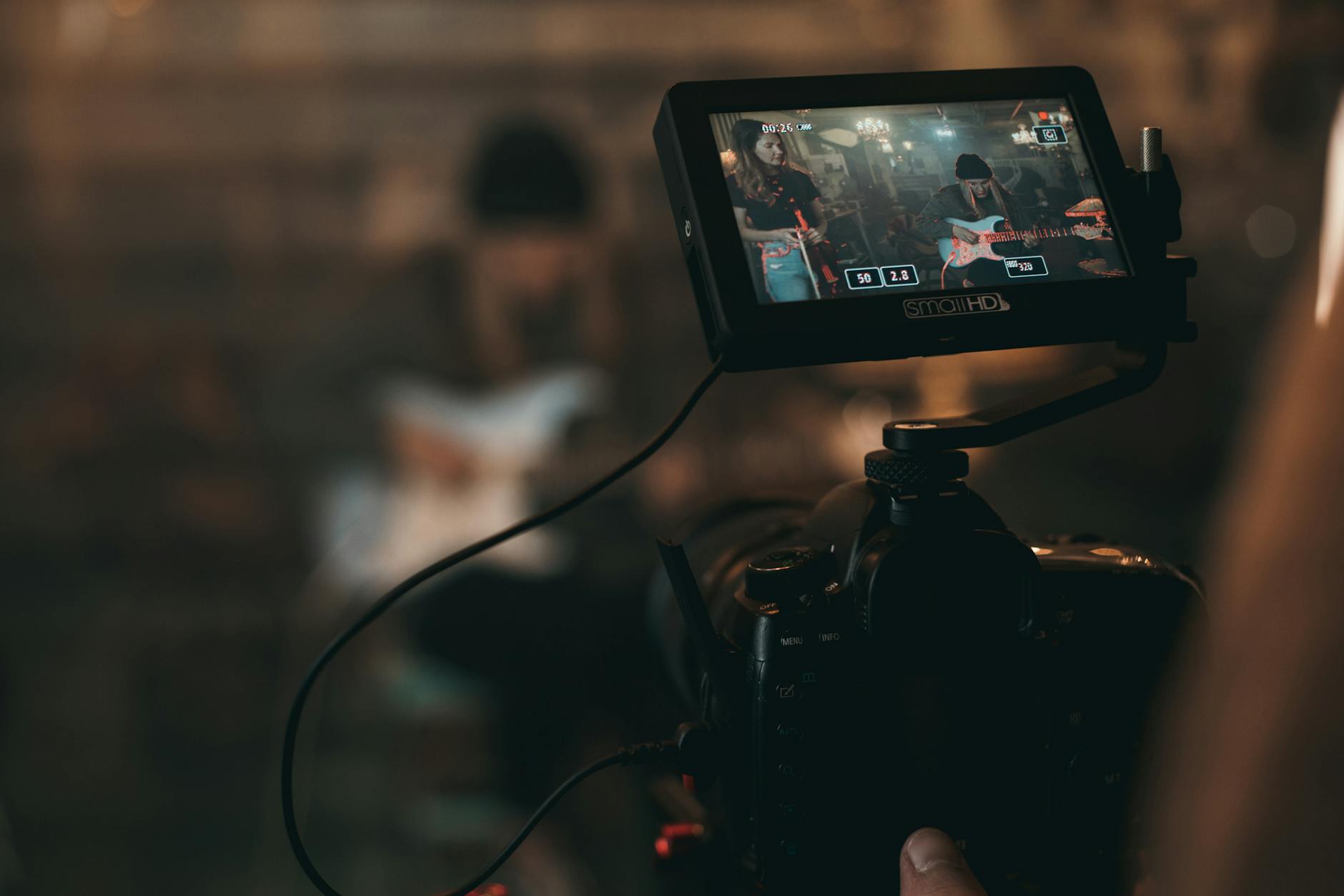
In addition, adhering to local regulations regarding drone flights, if aerial photography is involved, and respecting neighboring properties' privacy rights are critical. By following official guidelines and best practices, photographers can deliver high-quality images that enhance marketing efforts while ensuring ethical compliance.
Utilizing Advanced Editing and Post-Processing Techniques
High-quality real estate photographs are distinguished not only by their initial capture but also by the meticulous post-processing steps that ensure the images are both attractive and truthful. After capturing the images with suitable equipment, professional photographers employ a range of editing methods to enhance the visual appeal without compromising authenticity.
Color correction is critical for achieving an accurate yet vibrant representation of the property. Adjustments to brightness, contrast, and saturation help to bring out natural features and create a warm, inviting atmosphere. These modifications should be subtle to avoid an over-processed appearance that could mislead viewers.
Lighting adjustments, including the use of masking techniques, can help to evenly illuminate areas that may have been underexposed during the shoot. This process involves selectively editing parts of an image to improve visibility and detail, especially in darker corners or shadowed areas.
Background editing or cleaning is another important task to maintain a clutter-free, professional look. Removing distracting elements or minor imperfections ensures the focus remains on the property's strongest features. However, such edits should be clearly documented and not significantly alter the property's natural state.
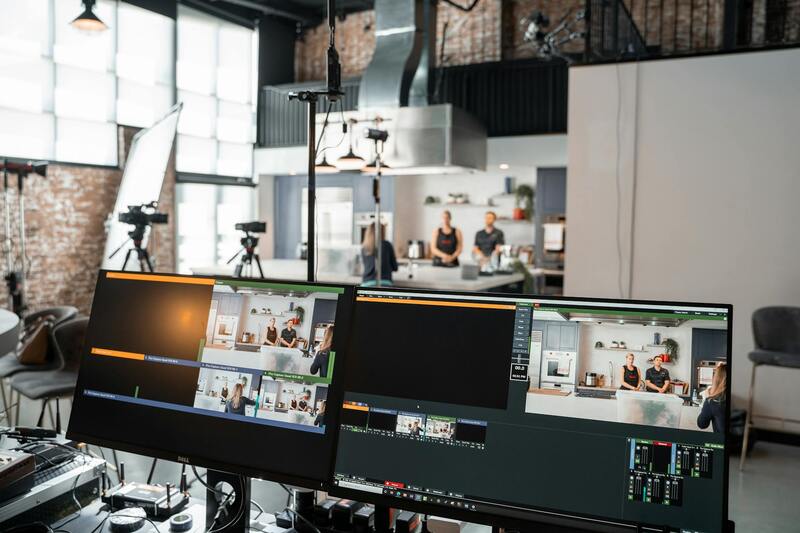
Retouching should be limited to necessary enhancements such as fixing minor blemishes, correcting color inconsistencies, or removing temporary distractions. Over-retouching can distort perception and should be avoided to preserve the integrity of the listing.
Employing specialized software, like Adobe Photoshop or Lightroom, allows for precise control over the editing process. Many professionals also utilize HDR (High Dynamic Range) imaging to effectively capture properties with challenging lighting conditions, blending multiple exposures to create a balanced, true-to-life image.
Ensuring Transparency and Ethical Standards in Photo Editing
While post-processing can elevate the quality of real estate photos, it is vital to maintain transparency regarding edits. Clear documentation of editing procedures helps build trust with clients and prospective buyers. Listing the types of adjustments made or providing before-and-after comparisons can be beneficial in demonstrating integrity.
This commitment to transparency extends to archive and storage practices. Retaining original raw images ensures that any future edits or reviews can be performed with the original data, safeguarding against misrepresentation.
By adhering to strict editing protocols and maintaining openness about the image enhancement process, real estate professionals foster a trustworthy environment that respects the property's true qualities while maximizing visual appeal.
Legal and Ethical Considerations in Real Estate Property Photography
Adhering to proper standards in real estate property photography is essential for maintaining transparency and fostering trust with clients and prospective buyers. Authentic representation of a property is achieved through meticulous attention to detail, ensuring that images accurately reflect the property's condition and features without intentional manipulation that could mislead viewers.
When capturing and editing property images, professionals should incorporate best practices that prioritize honesty. This includes truthful lighting adjustments, realistic color corrections, and avoiding enhancements that significantly alter the actual appearance of the space. Using high dynamic range (HDR) imaging responsibly enables photographers to showcase properties under various lighting conditions, but it should not result in images that distort reality.
Transparency in post-processing is a cornerstone of ethical practice. Documenting edits and making clear distinctions between original and enhanced images helps maintain credibility. For clients and buyers, this practice ensures that the visual content aligns closely with the property's true state, facilitating informed decision-making.
Furthermore, maintaining original raw image files is crucial. These files serve as the foundational record and can be reviewed or reverted to if necessary. This approach supports integrity and demonstrates professional accountability, reinforcing the trustworthiness of the property's visual presentation.
Legal and Ethical Considerations in Real Estate Property Photography
Upholding integrity in real estate property photography is essential for fostering trust and ensuring transparent communication with clients, agents, and prospective buyers. Adhering to official standards and methods maintains the credibility of visual marketing efforts and mitigates potential misunderstandings regarding the property's features or condition.
One fundamental aspect involves accurate representation. Photographers should ensure that images precisely depict the property's current state, avoiding manipulative techniques such as excessive photo editing or misleading angles that could distort perceptions. This means refraining from the use of filters or enhancements that significantly alter lighting, colors, or spatial dimensions beyond what is truthful.
In addition to truthful imagery, documenting all editing processes provides a transparent record of modifications. This includes maintaining original raw image files and detailed records of post-processing adjustments. Such practices establish a clear chain of accountability and allow clients or regulatory bodies to verify the authenticity of visual content, if necessary.
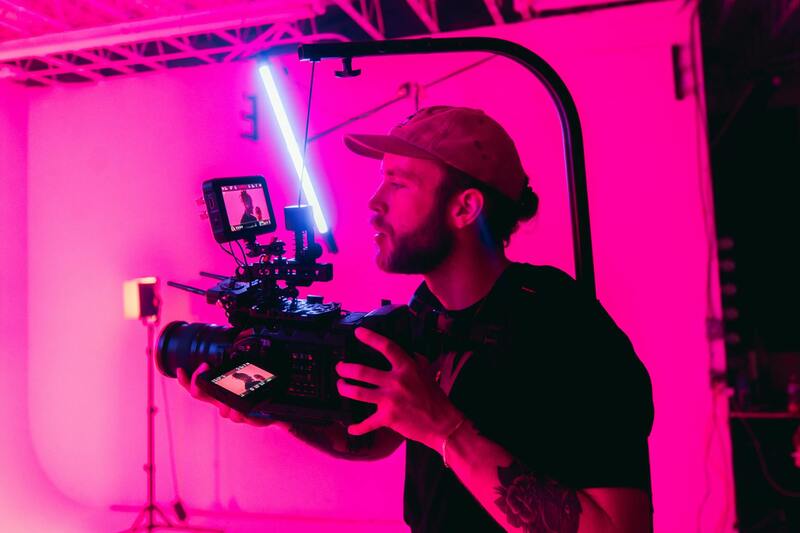
Responsibility also extends to the use of emerging technologies like drone footage or 3D virtual tours. These should be employed ethically, providing an immersive view while accurately recording spatial dimensions and features without exaggeration. Overreliance on digital enhancements or synthetic images can mislead viewers, diluting trust in the marketing visuals.
Clear communication with clients regarding the photographic process is crucial. Clients should be informed about what to expect from the images, including any professional techniques used to optimize lighting or show specific features. Transparency about post-processing methods further underpins the integrity of the visual presentation.
Adhering strictly to these practices not only aligns with official standards but also enhances the reputation of the photography service provider. It demonstrates a commitment to honest, high-quality representations that facilitate informed decision-making for all stakeholders involved in the real estate transaction process.