Importance of Quality Real Estate Photos
In the highly competitive real estate market of Miami, the significance of professionally captured property pictures cannot be overstated. High-quality images serve as the first impression for potential buyers, showcasing the property’s best features and creating an immediate sense of appeal. Well-composed and clear photos not only attract more prospective buyers but also increase the likelihood of your property standing out amidst numerous listings.
Real estate photography is a crucial component of effective marketing strategies. In digital listings, where buyers often make initial decisions based solely on visual cues, the quality of property images can significantly impact engagement rates. Properties with compelling visuals tend to generate more interest, receive higher viewing requests, and sell more quickly than those with subpar imagery. This is particularly relevant in vibrant markets like Miami, where diverse buyers seek properties that stand above the rest.

Furthermore, professional real estate photos help to establish a property’s perceived value, often enabling sellers to command better prices. Clear, well-lit images convey professionalism and attention to detail, fostering trust and confidence in potential buyers. When engaging with the vibrant Miami market or any competitive environment, investing in quality property images provides a strategic edge that accelerates the sales process and maximizes returns.
In addition, the importance of visually appealing property pictures extends beyond online listings. They are instrumental in various marketing channels, including social media, email campaigns, and printed materials. Consistent, high-quality visuals cultivate a strong brand image for real estate agents and property owners, reinforcing credibility and attracting more clients.
Ultimately, high-caliber real estate photography acts as a critical catalyst in turning property listings into successful sales. The investment in capturing attractive images pays dividends by enticing more qualified buyers, reducing time on the market, and ensuring a seamless transaction process. In a thriving market such as Miami, where aesthetic appeal and first impressions are paramount, the power of quality property pictures is undeniable.
Key Elements of Successful Property Photography
Achieving high-quality real estate property pictures requires meticulous attention to detail and an understanding of essential photographic principles. When these elements are expertly combined, they result in images that not only capture the essence of a property but also appeal powerfully to prospective buyers, thereby increasing engagement and interest.
Optimal Lighting Conditions
Lighting is a cornerstone of compelling property photos. Natural light is preferred, especially during the golden hours—shortly after sunrise and before sunset—when the sunlight is warm and soft, creating inviting and balanced images. Properly illuminated rooms reveal the space's true proportions and highlight architectural details. If natural light is insufficient or unavailable, professional lighting equipment should be used to evenly brighten interior spaces without creating harsh shadows or overexposure.
Strategic Angles and Composition
Choosing the right vantage points is critical for creating a sense of space and flow within a property. Wide-angle lenses are often employed to encompass more of the room, giving viewers a realistic impression of size and layout. Key features and focal points, such as fireplaces, open plan areas, or scenic views, should be emphasized through thoughtful angles. Symmetrical compositions and clean framing enhance visual interest, while clutter-free spaces prevent distraction and maintain a professional look.
Staging and Decluttering
Preparing a property involves strategically staging each room to highlight its potential. Minimalist decor and neutral color schemes create an inviting atmosphere that allows prospective buyers to envision their own belongings within the space. Decluttering is essential; personal items, excess furniture, and clutter diminish the visual appeal and distract viewers from the property's best features. A well-staged, tidy setting results in more compelling imagery that resonates with buyers and encourages further inquiry.

Consistent Image Style and Branding
Maintaining a consistent style across all property images establishes a recognizable brand and communicates professionalism. This consistency includes similar color tones, lighting quality, and composition standards, which help to build trust with clients and reinforce the quality of the services provided. Uniformity in visual presentation makes listings more cohesive and appealing when viewed across various marketing channels.
Attention to Detail
Small details can make a significant difference in the quality of real estate photos. Ensuring that windows are clean, beds are neatly made, and floors are spotless creates a polished appearance. Avoiding reflective surfaces and ensuring all appliances and fixtures are in pristine condition contributes to the overall aesthetic. Detail-oriented photography signifies a high level of professionalism and enhances the perceived value of the property.
Techniques for Capturing Attractive Property Images
To produce compelling real estate property pictures, employing professional photography techniques is essential. These methods ensure that each shot accurately represents the space and highlights its unique features, thereby attracting potential buyers effectively.
- Optimal Lighting: Natural light tends to produce the most appealing images. Shooting during the day when sunlight floods the rooms can enhance the brightness and clarity of the photographs. Utilize diffusers or softboxes when shooting indoors to minimize harsh shadows and create a uniform light distribution. Proper lighting not only accentuates the property’s best features but also renders colors more accurately.
- Camera Settings: Use a wide-angle lens to capture more of each room and give viewers a sense of spaciousness. Adjust aperture settings for maximum depth of field, ensuring entire rooms are in sharp focus. A low ISO setting helps avoid graininess, maintaining image crispness. Additionally, shooting in RAW format allows for more flexible post-processing to adjust exposure and color balance without degrading image quality.
- Framing and Composition: Apply the rule of thirds to create balanced, visually appealing shots. Ensure the horizon or main focal point is aligned properly to avoid distorted perspectives. Including relevant architectural features or focal points can make the image stand out. When photographing exteriors, consider capturing from angles that showcase the property's façade and landscaping.
- Use of Tripods: Stabilize your camera using a tripod to achieve sharp, blur-free images, especially in lower light conditions. Tripods also facilitate precise framing and consistency across multiple shots, which is crucial for creating a cohesive series of images.
- Interior Perspective: Use wide lenses to maximize interior space perception but avoid distortion. Position the camera at a height that mimics the eye level, usually around 4 to 5 feet from the ground, to present rooms with a natural perspective. Take multiple shots from different angles to offer a comprehensive view of each room.
Editing and Enhancing Property Photos
Post-processing plays a critical role in refining real estate images. Editing should aim to accurately represent the property while enhancing visual appeal without overstating features or creating misleading impressions. The focus is on brightening, color correction, and minor retouches to present each space at its best.
- Color Correction: Adjust white balance to ensure that colors appear natural and true-to-life. Correct any color casts that may result from indoor lighting or camera settings.
- Brightness and Contrast: Fine-tune brightness levels to illuminate darker areas without overexposing highlights. Boost contrast slightly to add depth and clarity to the images.
- Cropping and Straightening: Remove extraneous elements and align horizons or vertical lines to avoid skewed perspectives. Proper framing helps keep viewers focused on the property's features.
- Removing Distractions: Use retouching tools to eliminate minor imperfections such as stains, clutter, or reflections that detract from the overall quality.
- Wide-Area Enhancement: For exterior shots or large interior spaces, consider stitching multiple images for a panoramic view, providing a comprehensive visual of the property’s surroundings or large interiors.

Utilization of Advanced Shooting Techniques to Enhance Property Visuals
To achieve exceptional real estate property pictures, it is essential to employ advanced professional photography techniques that highlight the unique features of each property. This includes careful management of lighting conditions, strategic placement of camera angles, and the use of specialized equipment that ensures clarity and depth.
For instance, high dynamic range (HDR) photography merges multiple exposures to produce images with balanced light and shadow, capturing both interior brightness and exterior views effectively. This technique is particularly beneficial for properties with large windows or complex lighting environments, ensuring that no area appears overly dark or washed out.
Another critical approach involves the use of tripod stabilization, which minimizes camera shake and enables sharp, crisp images, especially in low-light settings or when shooting at slower shutter speeds. Tripods also facilitate precise framing and consistency across different scenes within a property tour.
Utilizing tilt-shift or perspective correction lenses can help maintain true vertical and horizontal lines, preventing distortions that can occur with wide-angle shots. Proper perspective contributes to a professional, trustworthy appearance in property images, making spaces appear true to size and in correct proportion.

Lighting remains paramount when capturing inviting property images. The use of diffused natural light during daylight hours is preferred, as it renders space more naturally and eliminates harsh shadows. Supplementing natural light with professional external lighting or reflectors ensures even illumination, especially in low-light environments or enclosed rooms.
When composing interior shots, emphasize wide-angle perspectives that encompass the full breadth of rooms, giving potential buyers a comprehensive view of the space. Proper alignment and careful positioning of the camera help accentuate key features such as high ceilings, spacious layouts, or attractive architectural details.
Strategic Use of Equipment and Composition Skills to Maximize Property Appeal
Employing the right equipment and techniques offers a significant advantage in real estate photography. High-resolution, full-frame cameras capture intricate details, allowing viewers to perceive the quality and condition of a property accurately. Combining these with wide-angle lenses ensures that rooms appear spacious and inviting.
Composition principles such as the rule of thirds, leading lines, and framing guide the viewer’s eye toward focal points within the property, creating a narrative that emphasizes its best features. Shooting from elevated angles or at hip height can provide diverse perspectives that showcase the property’s layout and flow.

Additionally, capturing a variety of shots—including wide shots, close-ups of distinctive details, and exterior views—builds a comprehensive visual presentation. These diverse images can be effectively integrated into listings and marketing materials to generate interest and foster engagement from prospective buyers.
Ensuring Authenticity and Accuracy in Property Images
In the realm of real estate marketing, the authenticity of property images plays a crucial role in building trust with prospective buyers. While capturing captivating visuals is essential, it is equally important that these images genuinely represent the property's current condition and features. Utilizing original photographs taken specifically for the listing guarantees that potential clients receive an accurate depiction, reducing the chances of misinterpretation or disappointment upon viewing the property in person.
Official methods for obtaining such images involve hiring professional real estate photographers or videographers who possess the skills and equipment necessary for high-quality results. These experts plan their shots meticulously, considering optimal angles and lighting conditions, to produce photographs that showcase the property's true beauty and unique characteristics. This approach ensures that every image aligns with the property’s actual appearance, fostering transparency and credibility in the marketing process.
Additionally, adhering to proper image management practices helps maintain the integrity of photos. This includes storing original, unaltered images and using professional editing techniques that enhance, rather than distort, the visual information. Avoiding practices like excessive digital retouching or misrepresenting the scope of view through altered perspectives sustains trustworthiness and aligns with best practices within real estate marketing.

By prioritizing authenticity, real estate professionals create a reliable visual narrative that accurately conveys each property's distinct features. This transparency is vital in attracting serious buyers who value honest representation, ultimately leading to a more efficient sales process and a positive reputation within the marketplace.
Techniques for Capturing Attractive Property Images
Achieving visually compelling real estate property pictures requires a combination of strategic techniques and professional expertise. The primary goal is to present each space in a manner that highlights its best features while providing an honest representation. Photographers specializing in real estate employ specific methods to maximize the visual appeal of each shot, ensuring potential buyers or renters are captivated and encouraged to explore further.
Optimal Use of Lighting
Natural light is a key element in producing appealing property images. Shooting during times when sunlight is abundant, such as mornings, early afternoons, or during the golden hour, helps create bright, inviting photographs. Properly managed, natural light reduces the need for extensive editing and emphasizes the true colors and textures of interiors and exteriors. Artificial lighting can also be strategically used to fill shadows and highlight architectural details, especially in spaces where natural illumination is limited.
Arranging and Staging the Space
Careful staging of the property ensures that each room is presented in its best light. This involves decluttering, rearranging furniture to accentuate space and flow, and adding tasteful accessories that complement the overall aesthetic. When photos are taken from the right angles, the space appears larger and more inviting. Organizing each area with a focus on symmetry and balance enhances visual harmony and inspires confidence in the property's quality.
Utilizing Proper Angles and Perspectives
Choosing the right vantage points is crucial in capturing the property’s true essence. Wide-angle lenses are often used to encompass more of the space within a single shot, making rooms look more spacious. Photographers aim for a perspective that showcases the room's dimensions without distorting the proportions. Exterior shots benefit from elevated angles, such as from a drone or a ladder, to depict the property's scale and surroundings effectively. Multiple perspectives are combined to give a comprehensive view of each space, allowing prospective buyers to grasp the layout and features at a glance.
Employing the Right Equipment and Settings
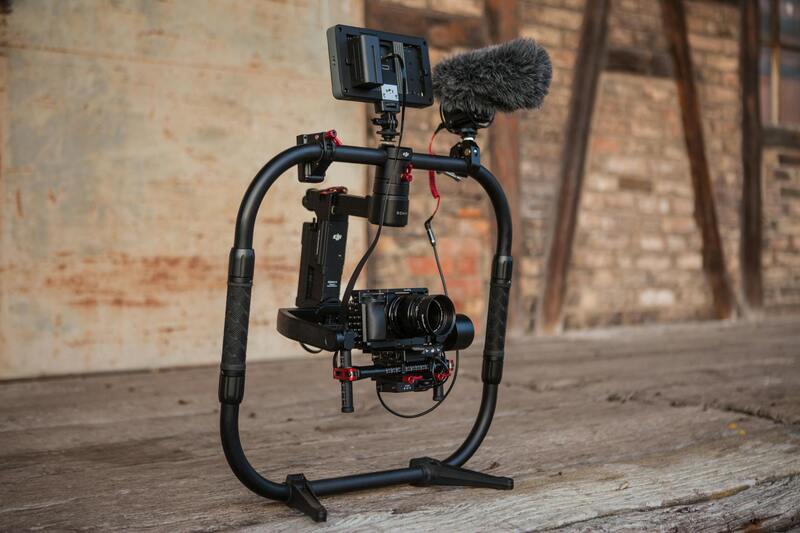
High-quality cameras equipped with wide-angle lenses and stabilized tripods are essential for capturing sharp, distortion-free images. Adjusting camera settings for optimal exposure and depth of field ensures clarity and vibrant color reproduction. Photographers often shoot in RAW format to facilitate fine-tuning during post-processing, preserving the image quality necessary for professional marketing materials.
Consistency Across All Images
Maintaining a consistent style and quality throughout all property pictures helps reinforce a professional image and provides prospective clients with a cohesive visual narrative. This involves using similar lighting, perspectives, and editing techniques across all shots of a property, ensuring that the visual presentation appears unified and polished.
Techniques for Capturing Attractive Property Images
Achieving compelling real estate property pictures requires a strategic approach to photography that emphasizes the property’s best features and creates an inviting atmosphere. One fundamental technique involves the careful placement of the camera to highlight the property's spatial dimensions. Using a wide-angle lens allows for capturing more of the room in a single shot, giving potential buyers a realistic sense of space without distortion. Ensuring the camera is level and aligned with the major focal points in the room minimizes skewed images and promotes a professional appearance.
Lighting plays a critical role in creating vibrant, appealing images. Natural light, when available, is preferred because it produces warm, inviting tones that showcase the property accurately. Photographers often schedule shoots during times of the day when light is soft and diffused, such as early morning or late afternoon. For interiors, supplementing natural light with strategically placed artificial lighting can eliminate shadows and highlight architectural features.
Angles are also crucial in emphasizing a property’s attractive elements. Shooting from the corners of a room can maximize perceived space and depth, while exterior shots from elevated positions or drone footage can showcase the property's curb appeal and surrounding landscape. To avoid unnecessary distractions and clutter, cleaning and decluttering the space prior to shooting is essential for a clean, professional presentation.

When photographing outdoor areas, capturing the property during favorable weather and optimal lighting conditions ensures lush, vibrant imagery. Consider capturing shots during golden hour—shortly after sunrise or before sunset—to add warmth and depth to images. Highlighting features such as landscaped gardens, patios, and scenic views can significantly influence prospective buyers’ interest and engagement.
Consistent framing, perspective, and lighting across all images help establish a cohesive visual narrative. This consistency not only enhances the professional look of the listing but also ensures viewers can easily understand the property's layout and unique features. Fine-tuning camera settings to maintain image clarity and color accuracy before shooting is vital for delivering high-quality visuals that stand out in competitive markets.
Enhancing Your Listings Through Strategic Photo Management
Achieving exceptional real estate imagery transcends simply taking a camera to the property; it involves a meticulous process of management and strategic decision-making to ensure each photo portrays the property in its best light. Once high-quality photographs are captured, the focus shifts to how these images are curated, organized, and presented to maximize their potential impact on prospective buyers.
Image Consistency and Cohesion
Maintaining a consistent style across all property images is vital for creating a cohesive visual narrative. This includes uniform lighting, perspective, and color tones, which help viewers mentally assemble the property's layout and features. Consistency enhances professionalism and minimizes visual confusion, making it easier for viewers to comprehend the property's layout and flow. Additionally, a consistent aesthetic allows listings to stand out in a competitive online environment, attracting more attention from potential buyers.
Optimal Image Organization and Presentation
Effective presentation involves selecting the best images from the photoshoot that highlight key features such as spacious living areas, modern kitchens, luxurious baths, attractive exteriors, and desirable outdoor spaces. Grouping images by room types or feature categories creates a logical flow, guiding viewers through the property as if they are touring it in person. Implementing a strategic sequence—starting with exterior shots, followed by the main living spaces, bedrooms, bathrooms, and special features—enhances viewer engagement and comprehension.

High-resolution images should be resized appropriately for different platforms while preserving their clarity. This ensures rapid loading times without sacrificing detail, which is crucial for maintaining viewer interest, especially on mobile devices. Incorporating interactive elements, such as virtual tours or 360-degree views, can further elevate the presentation, offering prospective buyers an immersive experience that complements static images.
Utilizing Digital Optimization for Broader Reach
Properly optimized images are essential for maximizing visibility on property listing websites, social media, and other digital platforms. This includes employing accurate metadata, descriptive alt texts, and relevant keywords—like 'real estate property pictures'—to improve search engine performance. Consistently updating and refreshing images on listings can also boost engagement, as fresh visuals attract renewed interest and reflect any recent improvements or changes to the property.
Attention to detail in the editing process, including color correction, brightness adjustment, and removing minor imperfections, ensures each image presents the property in a polished, appealing manner. These enhancements should augment the original shot without making the images appear overly artificial or unrealistic.
In sum, managing real estate property pictures with precision and care not only elevates the visual presentation but also significantly influences the perception and desirability of the property. Strategic curation, organization, and presentation of these images provide a competitive edge in the bustling real estate market, ultimately leading to quicker sales and higher transaction values.