Importance of Video Marketing in Miami Real Estate
In the competitive landscape of Miami’s real estate market, the adoption of high-quality property videos has become an essential component of successful marketing strategies. Modern buyers are increasingly utilizing online platforms to narrow down their property searches, placing a premium on visual content that vividly showcases the魅力anda unique features of each listing. Well-produced real estate property videos serve as powerful visual tools that bring properties to life, offering potential buyers an immersive experience that static images alone cannot provide.
The dynamic nature of property videos captures the essence of a home’s layout, space, and ambiance more effectively than traditional photographs. This can significantly reduce the time and effort involved in the decision-making process for buyers, encouraging quicker responses and visits. Additionally, videos that highlight a property’s surroundings, such as nearby amenities, parks, or waterfront views, can give viewers a comprehensive understanding of the lifestyle associated with the property.
For Miami real estate agents and sellers, leveraging professional property videos means reaching a broader audience. Since many prospective buyers begin their search online, a compelling video can set a listing apart from competitors. It improves the visibility on popular listing portals and social media platforms, ensuring the property gains maximum exposure. Strategic use of property videos also aligns with modern digital marketing approaches, which prioritize engaging and shareable content.
Furthermore, professionally crafted property videos contribute to establishing credibility and trustworthiness. Viewers tend to associate the quality of the video with the professionalism of the seller or agent. This establishes a positive initial impression and builds confidence among potential buyers, especially in a high-stakes market like Miami where luxury and sophistication are highly valued.
In real estate, timing is critical. The ability to capture a property’s best features through appealing visuals can accelerate sales cycles and improve overall turnover rates. As technology advances, the integration of high-definition footage and innovative filming techniques continues to elevate the standard of property marketing, making real estate videos an indispensable part of the Miami property selling process.
Creating Engaging and Professional Property Videos
Producing compelling real estate property videos demands a strategic combination of technical skill, creative vision, and an understanding of the target audience. High-quality visuals alone are insufficient; the storytelling aspect of a property video is equally crucial. Start with a well-thought-out script or outline that highlights the property’s unique features, architectural details, and the lifestyle it offers. This narrative approach helps potential buyers connect emotionally and envision themselves living in the space.
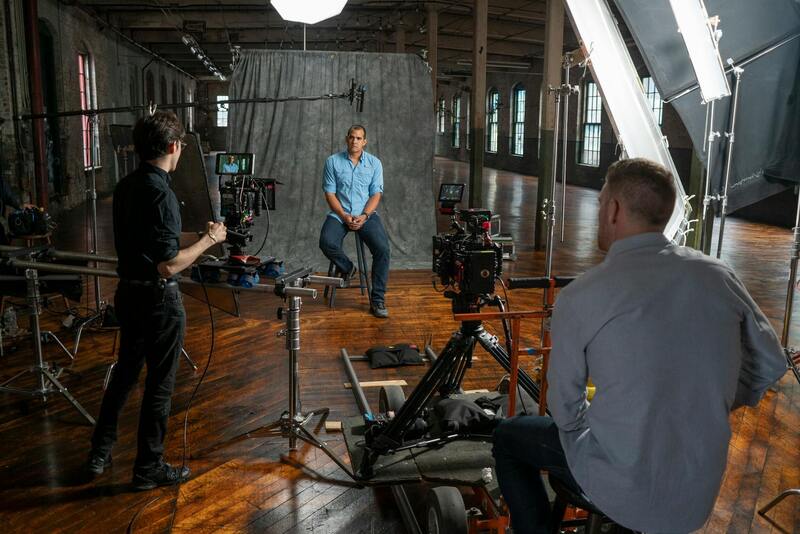
Proper lighting plays a vital role in enhancing the visual appeal of the property. Utilizing professional lighting techniques to minimize shadows and accentuate interior details ensures that rooms appear bright, welcoming, and spacious. When filming interiors, wide-angle lenses are often preferred to capture more of the space in a single frame, providing viewers with a comprehensive perspective.
Smooth camera movements, achieved through stabilization equipment or gimbal systems, contribute to a polished, professional appearance. Avoid jerky or shaky footage, as it can detract from the viewer’s experience. Incorporating dynamic shots such as slow pans, slides, or push-ins can better showcase a property’s flow and architectural design.
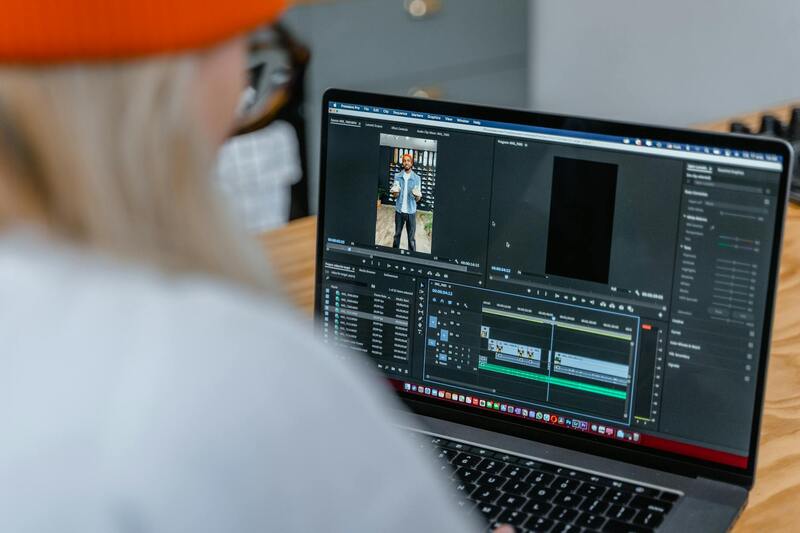
Post-production editing is equally essential in creating engaging property videos. This process involves color correcting footage to ensure visual consistency, adding background music that complements the property's ambiance without overwhelming the narration, and including textual overlays or graphics for key features or contact information. Clear, concise call-to-actions at strategic points guide viewers on the next steps.
Furthermore, tailoring the video length to suit different platforms maximizes engagement. While detailed virtual tours may be 3-5 minutes long, shorter teaser clips of 30-60 seconds are ideal for social media promotion. Ensuring videos are optimized for mobile viewing enhances accessibility, considering that many prospective buyers browse listings on smartphones and tablets.
In addition, including client testimonials, neighborhood highlights, or brief interviews with the listing agent can add credibility and context. Such content humanizes the property, provides valuable insights, and fosters trust. Overall, the goal is to craft a seamless, visually attractive, and informative video experience that effectively communicates what sets the property apart.
Utilizing High-Quality Content for Video Effectiveness
To maximize the impact of real estate property videos, it is essential to focus on the substance and clarity of the content presented. This involves capturing images that accurately reflect the property's unique features, ensuring that each frame demonstrates the space's potential, and providing viewers with an authentic experience that aligns with actual property conditions.
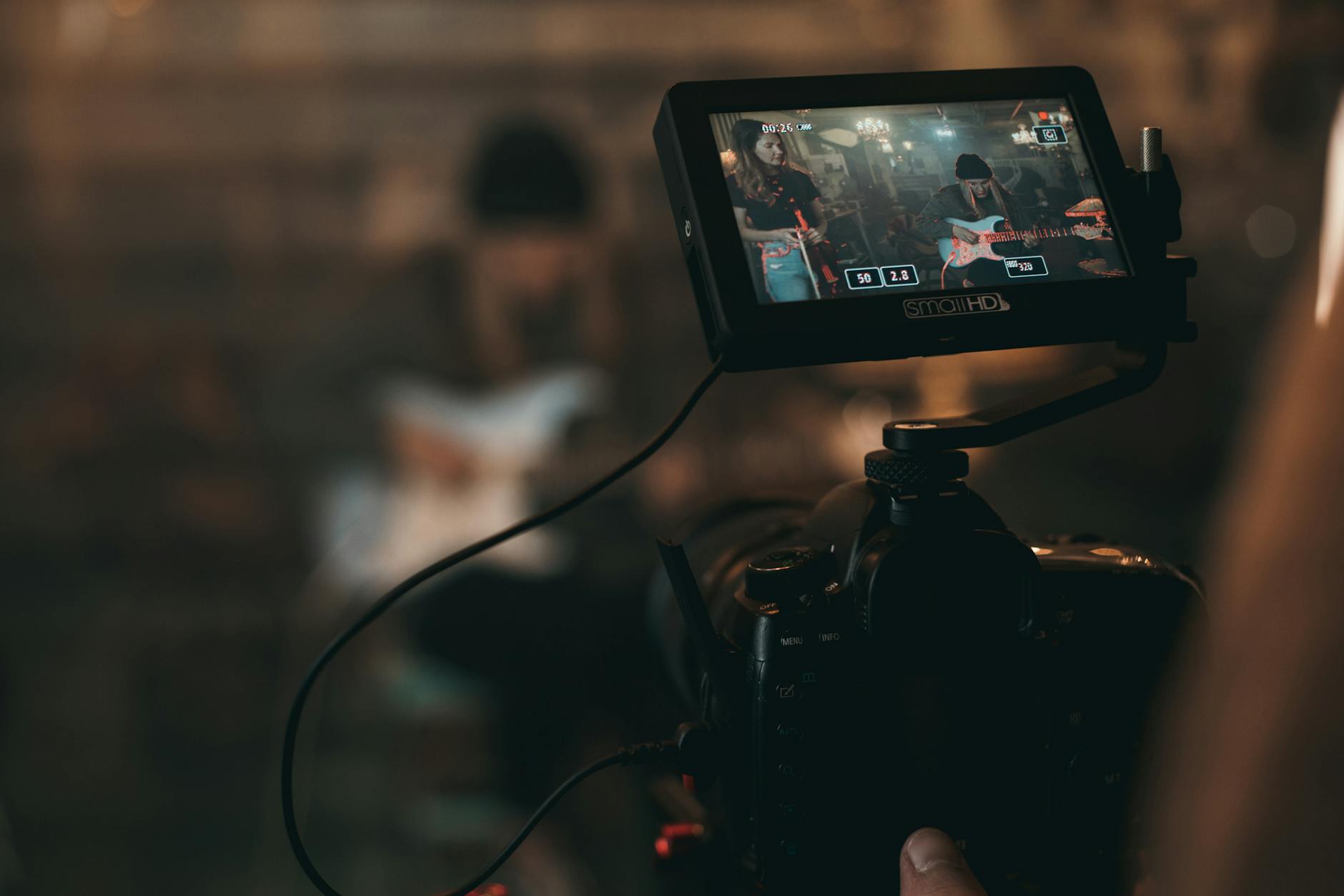
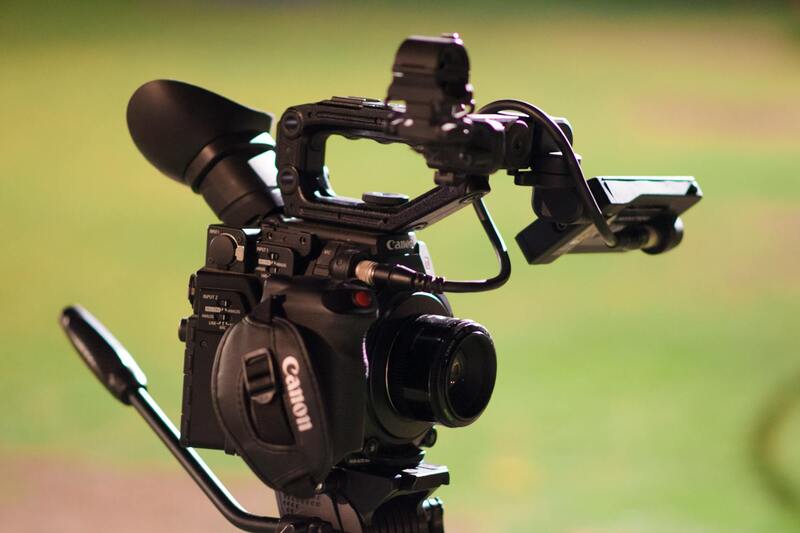
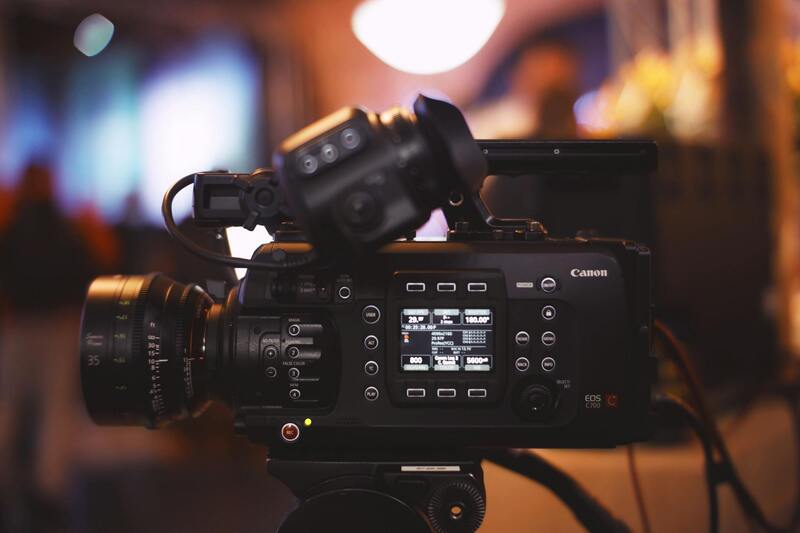
High-definition recording equipment plays a significant role in delivering crisp, clear visuals that showcase details such as architectural nuances, interior finishes, and landscape elements. Utilizing professional-grade cameras with good low-light capabilities ensures consistent quality across different lighting conditions within the property. Proper stabilization tools, such as gimbals or tripods, eliminate shaky footage, further enhancing the viewer's experience.
In addition to equipment, sound quality should not be overlooked. Clear narration, if used, is vital for emphasizing key features and guiding viewers through the tour. External noise should be minimized during recording sessions to maintain a professional tone. When appropriate, background music should complement the property's style, creating an inviting atmosphere that resonates with potential buyers.
Strategic Scriptwriting and Storytelling
Effective property videos incorporate compelling storytelling to engage viewers emotionally. Crafting a concise script that highlights the property’s advantages—such as spacious layouts, modern upgrades, or unique architectural elements—can draw viewers in. The narrative should be tailored to the target audience, emphasizing lifestyle benefits, neighborhood features, and proximity to amenities.
Storytelling also involves sequencing visuals logically, beginning with curb appeal, progressing through interior spaces, and concluding with outdoor features and community highlights. This logical flow allows viewers to envision themselves living in the space, fostering a personal connection that motivates further inquiries.
Advanced Techniques: Lighting and Staging
Proper lighting is fundamental in creating visually appealing videos. Natural light should be harnessed whenever possible, with filming scheduled during times of the day that maximize sunlight exposure. Supplemental lighting fixtures can be used to illuminate darker areas, ensuring consistency and clarity across all shots.
Staging the property with minimal, tasteful furniture allows potential buyers to better visualize the space's scale and versatility. Decluttering, neutral decor, and strategic placement of focal points transform rooms into inviting environments that showcase their full potential. These preparations, combined with professional filming, result in high-quality videos that elevate the property's appeal.
Enhancing Engagement with Visual Dynamics
Incorporating dynamic camera techniques keeps viewers interested and provides a comprehensive view of the property. Techniques such as smooth panoramas, slow slides, and subtle zoom-ins can highlight architectural details and spatial relationships. Transition effects should be used judiciously to maintain a clean and professional appearance, avoiding excessive editing that distracts from the property's attributes.
Including interactive elements like 360-degree views or virtual staging can further enrich the viewing experience, giving prospects a more immersive understanding of the property’s layout and design. These enhancements not only attract attention but also provide a competitive edge in dynamic Miami real estate markets.
Utilizing Professional Equipment and Techniques for Maximum Impact
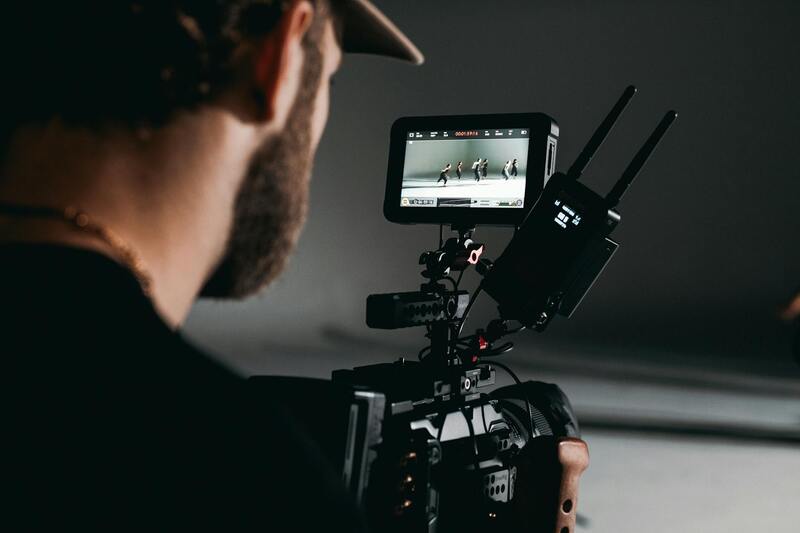
To produce high-quality real estate property videos that effectively showcase a property's unique features, it is essential to employ the latest professional equipment and filming techniques. High-resolution cameras with excellent low-light performance capture every detail with clarity, while stabilizers and gimbals ensure smooth footage that maintains a polished look. Employing high-quality lenses can enhance depth of field and highlight architectural elements, capturing both wide-angle shots to establish space and close-ups to emphasize intricate design details.
In addition to equipment, it's crucial to implement advanced filming techniques that elevate the video's overall presentation. This includes strategic use of camera movements such as slow, controlled pans and tilt shots that highlight room flow and design coherence. Incorporating seamless transitions between scenes can improve narrative flow, making the video feel cohesive and engaging. Proper framing also plays a vital role; focusing on key features, ensuring balanced compositions, and avoiding cluttered or distracting backgrounds keep viewers focused on the property's best aspects.
Post-production editing enhances the video's professionalism through color correction, sound balancing, and precise editing cuts. Enhancing colors boosts visual appeal without oversaturation, while balanced audio ensures clear narration or background music complements the visuals. Using professional editing software allows for meticulous refinement, resulting in a polished final product that accurately represents the property's value and appeal.
Ensuring Video Content Meets Market Expectations and Audience Preferences
Understanding the target audience and the current trends in the Miami real estate market helps tailor property videos to resonate more effectively. For luxury listings, sophisticated visuals, elegant pacing, and detailed shots of high-end finishes demonstrate exclusivity and quality. Lifestyle-oriented content, such as showcasing amenities or nearby attractions, can also appeal to specific buyer segments seeking a comprehensive lifestyle experience.
For properties aimed at first-time homebuyers or families, videos should emphasize space, comfort, and functionality. Clear, well-lit footage that showcases room sizes and flow, coupled with informative narration or captions highlighting key features, can significantly enhance viewer engagement. It’s important to keep videos concise yet comprehensive, allowing potential buyers to grasp the property's value quickly and easily.
Adapting the video style to match the property type and market expectations ensures relevance and maximizes impact. Using professional narration, consistent branding, and high-quality visuals contribute toward building trust and conveying a sense of reliability to viewers. As online platforms continue to prioritize high-quality visual content, investing in professional real estate property videos becomes a vital component of successful marketing strategies in Miami’s competitive real estate scene.
Legal Considerations and Best Practices
Creating and deploying property videos in the Miami real estate market necessitates adherence to established guidelines and best practices that uphold professional standards and respect for legal frameworks. One of the key aspects involves ensuring that all content included in the videos is obtained with rightful permissions. This includes the acquisition of necessary releases from property owners, tenants, and any individuals appearing in or identifiable within the footage. Proper documentation of these releases protects against potential disputes and demonstrates professionalism.
When capturing drone or aerial footage, adherence to regulated flight protocols and safety standards is imperative. Utilizing licensed drone operators who are familiar with Miami’s specific regulations helps mitigate risks associated with aerial filming. This practice not only ensures safety but also maintains the integrity and quality of the footage, which is vital in competitive listings.
Additionally, careful attention should be paid to intellectual property rights. All music, graphics, and supplementary media incorporated into property videos should be either original, licensed, or royalty-free. This approach prevents copyright infringement issues that could compromise a marketing campaign’s credibility and result in legal complications.
Maintaining transparency with clients and viewers about the scope of the video content also fosters trust. Clear disclosures about sponsorships, endorsements, or promotional content should be included when applicable, aligning with best practices for honest representation.

Incorporating these best practices into the production process ensures that property videos not only showcase listings effectively but also adhere to the highest standards of integrity. This approach reinforces the reputation of real estate professionals and enhances client confidence, ultimately contributing to more successful marketing outcomes in a competitive environment.
Legal Considerations and Best Practices
When producing and deploying real estate property videos in Miami, adhering to established legal standards and best practices is essential to maintain professionalism, protect client interests, and uphold industry reputation. This involves a comprehensive understanding of content rights, privacy concerns, and disclosure requirements, which collectively contribute to the effective and compliant marketing of properties.
One fundamental aspect is ensuring that all visual and audio elements within the videos are properly licensed or owned. This includes music tracks, graphics, overlays, and any third-party media incorporated into the footage. Using royalty-free or original content prevents copyright infringement and preserves the credibility of the marketing campaign. Venue-specific restrictions should also be considered, especially when filming in private properties or restricted areas, to avoid unauthorized recording or dissemination of footage.
Privacy concerns are particularly relevant in densely populated Miami neighborhoods. It is important to secure consent from individuals who may be captured unknowingly in filming, especially when drone footage is involved. This can be achieved through clear agreements or notices informing residents and bystanders about filming activities. Respecting privacy not only aligns with best practices but also fosters community trust.
Transparency with clients regarding the scope and purpose of videos is equally critical. Proper disclosure about any sponsorships, endorsements, or paid promotions within the content enhances viewer trust and aligns with ethical marketing standards. When overlaying branding or promotional messages, clarity about the content's origin and intent should be maintained.
Best Practices for Creating and Managing Property Videos
- Obtain necessary permissions: Prior to filming, acquire explicit permission from property owners and relevant authorities. This includes securing access rights for drone flights and ensuring compliance with local ordinances.
- Use licensed equipment and media: Ensure all filming equipment, including drones, is operated by licensed professionals, and all media assets are licensed or created in-house.
- Maintain documentation: Keep detailed records of permissions, licensing agreements, and disclosures related to the video content. This documentation can be valuable in case of questions or disputes.
- Adhere to disclosure norms: Clearly communicate any paid promotions or sponsorships incorporated into the videos to maintain transparency with viewers.
- Respect privacy and community standards: Avoid capturing private moments or property details that could infringe on personal privacy or community sensibilities.
Utilizing Real Estate Property Videos to Enhance Online Visibility
In today’s highly competitive Miami real estate market, effectively leveraging property videos on digital platforms plays a crucial role in capturing potential buyers' attention and fostering engagement. High-quality videos serve as dynamic virtual tours, providing detailed visual insights that static images cannot convey. This immersive experience allows prospective clients to explore the property’s layout, features, and ambiance remotely, fostering a more informed and confident decision-making process.
To maximize impact, property videos should be optimized specifically for online platforms such as real estate listing websites, social media, and search engines. Employing strategic keyword integration within video titles and descriptions can significantly improve search rankings. Additionally, utilizing relevant tags related to Miami’s neighborhoods, property types, and key features increases visibility to targeted audiences.
Ensuring videos load quickly and are compatible with multiple devices enhances user experience, reducing bounce rates. Incorporating compelling thumbnails and engaging captions can encourage clicks and increase viewership. It’s essential to include clear calls-to-action within the video or accompanying descriptions, guiding viewers toward inquiry or scheduling viewings.
Furthermore, embedding videos directly into property listings enhances the overall appeal, making listings more comprehensive and attractive. Using a consistent visual branding and professional editing techniques ensures the videos reflect the high standards of your agency and build credibility with viewers.
Legal Considerations and Best Practices
When producing and sharing real estate property videos in Miami, adherence to established guidelines ensures a seamless and professional marketing process. It is essential to obtain the necessary permissions for filming on private properties, and to respect the rights of individuals appearing in the videos. Clear communication with property owners and stakeholders ensures transparency and fosters trust throughout the marketing campaign.
Incorporating comprehensive property details without overexposing sensitive information helps maintain privacy standards while providing prospective buyers with relevant insights. Video content should clearly highlight key features such as property size, layout, and unique amenities, avoiding misleading representations that could compromise the integrity of the listing.
Procedural best practices include:
- Using accurate and up-to-date footage to reflect the current condition of the property.
- Implementing watermarking techniques to protect original media assets from unauthorized use.
- Ensuring all drone footage complies with local airspace regulations, including obtaining necessary flight permissions and avoiding restricted zones.
- Properly crediting any third-party content or music used within the videos, aligning with licensing requirements.
- Maintaining high production quality standards to ensure the final content accurately and professionally showcases the property’s attributes.
- Embedding hashtags and keywords relevant to Miami’s neighborhoods, property types, and features to maximize discoverability without resorting to spammy or exaggerated tags.
To uphold professional standards and enhance credibility, real estate agents and marketers should continually review platform-specific policies regarding video content. This approach guarantees that the promotional material remains compliant and effectively supports the property’s market positioning. Certainty in these practices not only streamlines the marketing process but also preserves the reputation of the agency as a responsible and trustworthy entity within Miami’s vibrant real estate market.