Importance of Video in Real Estate Marketing
In the fast-paced Miami real estate market, capturing the attention of potential buyers requires innovative and engaging strategies. High-quality real estate videos have become a fundamental component of effective property marketing, offering a dynamic way to showcase homes and commercial spaces. These videos serve as virtual tours that allow prospective buyers to experience a property remotely, highlighting its features, layout, and unique selling points with clarity and appeal.
With the increasing significance of digital platforms in property transactions, professionally produced videos enhance online listings by making them more attractive and informative. This visual content not only increases the property’s visibility but also improves its chances of standing out amidst numerous competing listings. Well-crafted real estate videos evoke an emotional response, enabling viewers to envision themselves living or working in the space, which can accelerate the decision-making process.
In Miami’s diverse and vibrant market, where waterfront properties, luxury condominiums, and expansive estates are prevalent, video marketing becomes even more vital. It provides a comprehensive view of the property’s surroundings, amenities, and lifestyle offerings that static images alone cannot convey. As a result, prospective buyers are more likely to engage with listings that incorporate professional videos, leading to increased inquiries and faster sales closures.
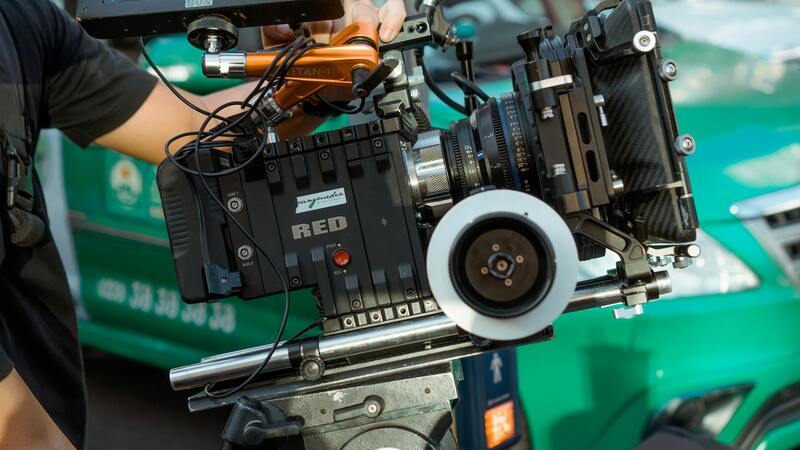
In addition to attracting international and out-of-state buyers, Miami real estate firms leverage video content to establish a competitive edge. As digital consumers increasingly favor visual content, integrating professional videos into marketing campaigns becomes essential. They not only enhance the perceived value of the property but also build trust and credibility with potential clients, demonstrating the seller’s commitment to top-tier presentation standards.
To maximize the benefits of real estate videos, agencies often combine them with virtual tours, drone footage, and 3D walkthroughs. These comprehensive visual tools provide a detailed and immersive viewing experience, allowing buyers to explore properties thoroughly without visiting in person. As a result, real estate professionals gain a powerful asset that aligns with Miami’s fast-moving market dynamics and high expectations for quality presentation.
Key Elements of Effective Real Estate Videos
Successful real estate videos are characterized by several core elements that ensure they effectively engage viewers and accurately represent the property. Clarity and focus are paramount; each shot should highlight the property's best features without unnecessary distractions. Proper lighting, whether natural or professionally enhanced, emphasizes the property’s space and architectural details, creating an inviting atmosphere.
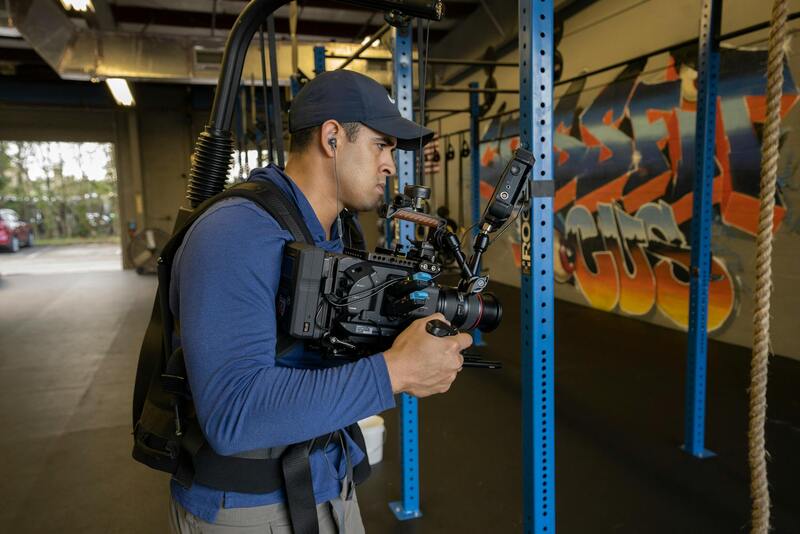
Authentic and smooth camera movements contribute to a professional feel, helping viewers navigate the space naturally. Employing stable stabilizers or gimbals prevents shaky footage, which can detract from the perceived quality of the video. Additionally, well-planned shot composition ensures that the key selling points are prominently displayed, whether it's a modern kitchen, scenic balcony, or lush backyard.
Sound quality, though often overlooked, plays a significant role. Clear narration or background music that complements the property’s ambiance can elevate the viewing experience. When integrating voiceovers, professional scripts synchronized with visuals help convey the property’s story engagingly.
Finally, editing is crucial in crafting a polished final product. Smooth transitions, color correction, and pacing tailored to the property type ensure viewers stay engaged throughout. Effective editing eliminates unnecessary footage, emphasizing the property’s unique selling points and making the video memorable.
Choosing a Miami-based Video Production Agency
Selecting the right video production partner is critical for achieving high-quality real estate marketing content. Local agencies in Miami possess a nuanced understanding of the market’s expectations and aesthetic preferences, which ensures the final product aligns with regional standards.
When evaluating potential agencies, it is essential to review their portfolio to gauge the quality and style of their prior work. A portfolio showcasing a diverse range of property types and visual techniques indicates versatility and expertise. Additionally, client testimonials and case studies can provide insights into the agency’s professionalism, reliability, and ability to meet deadlines.
Communication and collaboration are vital during the production process. An experienced Miami-based firm will provide clear guidance on concept development, filming schedules, and delivery timelines. They should also tailor their approach to your specific property, emphasizing features that will resonate with your target market.
Furthermore, a local agency's familiarity with Miami’s unique neighborhoods, community amenities, and lifestyle enhancements ensures that the videos highlight the property’s best attributes in context, which can significantly boost appeal.
Production Process and Timeline
The process of creating a professional real estate video typically involves several stages, starting with pre-production planning. This includes coordinating shot lists, scheduling filming days, and aligning on creative direction. Clear communication during this phase helps ensure that your vision aligns with the final product.
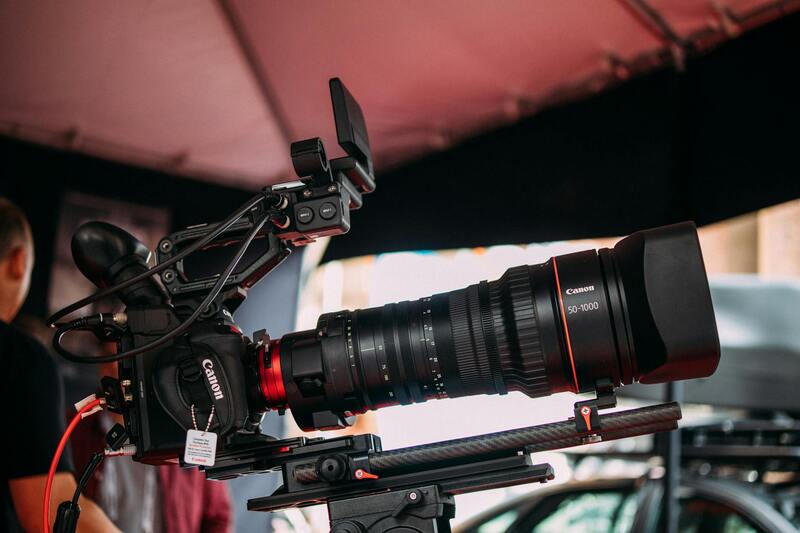
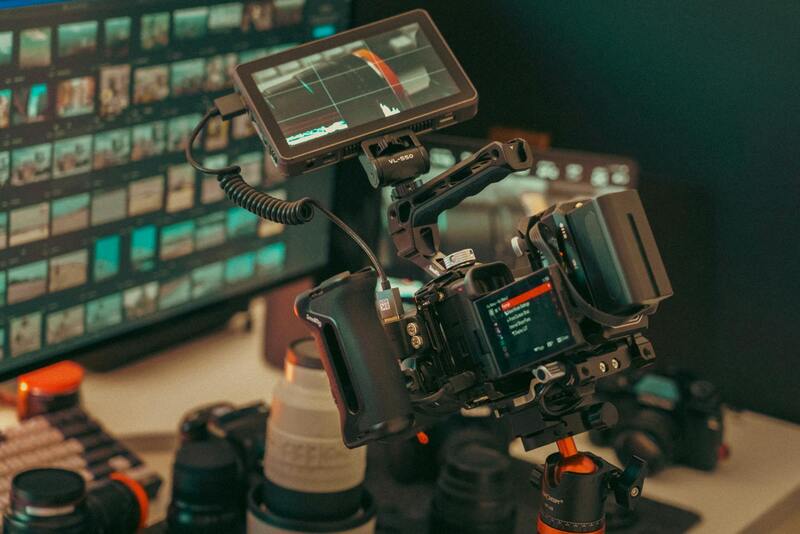
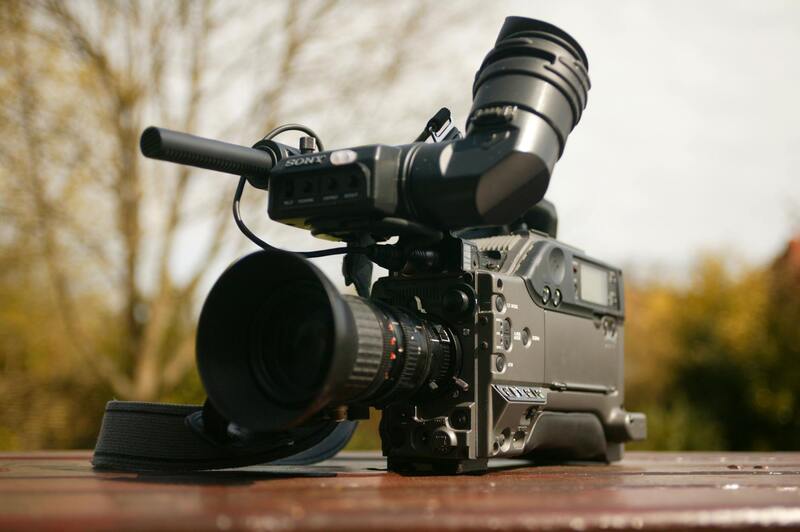
Filming is executed with professional-grade equipment, utilizing techniques like drone footage, interior walkthroughs, and external shots to capture all aspects of the property. High-end gear, such as 4K cameras, gimbals, and stabilizers, guarantees top-quality visuals.
Post-production involves editing footage, color correction, sound design, and adding any necessary graphics or captions. This stage is critical for refining the video's visual appeal and ensuring it communicates your property's strengths effectively.
The full production cycle generally spans from two to four weeks, depending on the complexity of the project and the scope of services requested. Establishing a detailed timeline upfront helps manage expectations and keeps the project on track.
Cost Considerations for Real Estate Videos
Investing in professional real estate video production can vary based on several factors. The complexity of the project, the number of different video formats (such as aerial footage, virtual tours, or neighborhood showcases), and the duration of filming all influence pricing.
On average, Miami-based providers offer a range of packages suited to different needs. Basic packages may focus on interior walkthroughs and external shots, costing a few thousand dollars. More comprehensive services involving drone footage, 3D walkthroughs, and custom editing can range higher.
It is important to consider the value of high-quality visual content in accelerating property sales and attracting more potential buyers. Well-produced videos not only elevate the listing’s appeal but also serve as a lasting marketing asset.
Some agencies offer flexible pricing models, including hourly rates or project-based fees, allowing clients to select options aligned with their marketing budgets. When budgeting, also account for potential additional costs like licensing fees, special licensing for drone use, or expedited delivery.
Legal and Ethical Considerations in Real Estate Video Production
When developing real estate videos within Miami, adherence to specific standards and practices is essential to ensure the content is both respectful and effective. These considerations encompass a range of practices designed to maintain transparency, protect client interests, and uphold community standards.
Securing proper permissions before filming is a fundamental step. This includes obtaining necessary consents from property owners, tenants, or other stakeholders to avoid potential disputes. When capturing aerial footage using drones, it is vital to comply with local regulations governing drone operation, including obtaining any required flight authorizations and respecting privacy boundaries. This proactive approach not only mitigates legal complications but also demonstrates professionalism to clients and viewers.
Content accuracy is another critical aspect. Avoiding misleading information ensures that viewers receive a genuine representation of the property. This builds trust with potential buyers and local communities while safeguarding the agency’s reputation. Accurate depictions include honest portrayals of property features, neighborhood conditions, and available amenities. Any use of images or footage should be current and appropriately edited to reflect reality.
Additionally, professional integrity involves transparent disclosure of sponsorships, partnerships, or paid promotions associated with the video content. Clear labeling of such relationships helps maintain viewer trust and complies with industry standards.
As part of best practices, collaborating with licensed or certified videographers and editors further enhances the quality and compliance of the final product. These professionals are well-versed in existing regulations and ethical standards, which minimizes risk and maximizes content impact.
Respecting Community Guidelines and Cultural Sensitivities
Miami's diverse neighborhoods require sensitive consideration of local customs and community standards. Filming should avoid capturing private or sensitive images without consent. When showcasing specific community features or cultural landmarks, incorporating respectful acknowledgment of local traditions enhances the authenticity and acceptance of the visual content.
Incorporating these legal and ethical practices into your real estate video strategy ultimately supports a transparent, trustworthy, and respectful marketing approach. This not only elevates your service but also reinforces positive engagement with both clients and the broader Miami community.
Legal and Ethical Considerations in Real Estate Video Production
Ensuring adherence to established standards and regulation compliance is fundamental in real estate video production. Employing professional methodologies involves diligent attention to property rights, privacy concerns, and content accuracy. The process begins with obtaining explicit permission from property owners before filming begins, which helps prevent disputes and upholds ethical standards. Consent from individuals who may be captured during shooting is equally important, particularly in residential areas or community spaces, to respect personal privacy and maintain professionalism.
Authenticity in visual content is critical for building trust with prospective buyers. This entails showcasing properties accurately, highlighting both strengths and limitations without exaggeration or misrepresentation. High-quality footage accompanied by precise descriptions ensures that potential clients can make informed decisions, reducing the risk of misunderstandings or dissatisfaction after viewing.
Transparency regarding paid or sponsored content is also essential. When videos include promotional messages for specific properties or partnerships, clear disclosures ensure viewers are aware of these relationships. This practice enhances credibility and aligns with industry standards, ultimately fostering a trustworthy brand image.
Utilizing licensed or certified videographers and editors further strengthens the integrity of the content. These professionals are trained in compliance with relevant standards, which minimizes risks associated with improper content or production practices. Their expertise ensures that footage is captured, edited, and presented in a manner that is both visually appealing and ethically sound.
Respecting cultural sensitivities and community guidelines is equally important in Miami’s diverse neighborhoods. Filming should avoid capturing private or sensitive areas without consent, and respectful acknowledgment of local customs enhances community relations. Incorporating historical landmarks or culturally significant sites with appropriate context demonstrates cultural awareness and promotes positive engagement.
Up-to-date knowledge of regulatory requirements, including local ordinances and industry best practices, supports a legally sound and ethically responsible production process. This comprehensive approach ensures that real estate videos not only serve marketing goals but also uphold the integrity of the brand and foster trust within the Miami community.
Legal and Ethical Considerations
When engaging in real estate video production, it is essential to adhere to established practices that uphold professionalism and credibility. This includes ensuring all footage, images, and branding used within the videos are properly authorized and do not infringe upon intellectual property rights. Securing appropriate permissions before filming on private properties, including personal residences, commercial spaces, or community facilities, sustains transparency and fosters respectful relationships with property owners and stakeholders. Incorporating accurate property information is also critical. This involves verifying that all descriptions, features, and specifications presented are factual, preventing any misleading representations that could compromise the trust of potential buyers or investors. Detailed and truthful portrayals of properties support informed decision-making and reinforce the reputation of the production team. Professionalism in production extends to the ethical use of music, graphics, and visual effects. Utilizing licensed music tracks aligns with intellectual property laws and enhances the video's overall quality without risking copyright infringements. Similarly, all visual enhancements should be transparently labeled or disclosed, especially if they affect the viewer's perception of the property. Respect for community standards and cultural sensitivities is particularly significant within Miami's diverse neighborhoods. Videographers should avoid capturing private or restricted areas without explicit consent and should be mindful of local customs and traditions. Incorporating culturally relevant content, when appropriate, should be done respectfully, ensuring that community members' privacy and traditions are honored. Official industry standards advocate for the use of certified and trained professionals in every stage of video production. Engaging qualified videographers, editors, and legal consultants guarantees adherence to best practices, elevating the quality and integrity of the output. This commitment to professionalism minimizes risks related to improper filming, content misrepresentation, or regulatory non-compliance. Finally, proper documentation and record-keeping of permissions, disclosures, and approvals are essential. Having comprehensive records can serve as evidence of compliance should any concerns arise, reinforcing the integrity of the process. Upholding these practices not only aligns with industry expectations but also fosters a trustworthy and reliable relationship with clients and viewers alike, ultimately supporting the growth and reputation of your real estate marketing strategy.
Legal and Ethical Considerations
When developing a real estate video, it is essential to adhere to established legal and ethical standards that safeguard the interests of all parties involved. Properly obtaining necessary permissions before filming a property ensures that the owner’s rights are respected and that the content produced aligns with official protocols. This process involves securing permissions from property owners, tenants, and any other relevant stakeholders, especially when showcasing interior spaces or private areas.
Transparency plays a crucial role in maintaining credibility. All visual content should be accurately represented without misleading modifications that could skew a viewer’s perception of the property. This includes disclosing any digital edits, enhancements, or staging adjustments made during post-production. Such practices not only uphold professionalism but also foster trust with prospective buyers viewing the videos.
In addition, videographers and producers must be aware of local ordinances and community standards, which may govern aspects such as drone usage, privacy, and the depiction of public spaces. Respect for neighbors and community members should be prioritized by avoiding intrusive filming that encroaches on private property or disrupts neighborhood harmony.
Engaging licensed professionals who understand the legal frameworks, including real estate regulations and intellectual property rights, enhances compliance and reduces potential risks. It's also advisable to document all permissions and approvals in writing. Keeping thorough records serves as a safeguard and demonstrates diligent adherence to prescribed protocols, thereby reinforcing the integrity of your marketing efforts.
By prioritizing these official practices, real estate agents and marketing agencies can build a reputation rooted in integrity and reliability. Such commitment ensures that promotional materials are not only compelling but also ethically produced, aligning with best practices that resonate with discerning clients and regulatory bodies alike.
Legal and Ethical Considerations
When engaging in real estate video production within Miami, maintaining rigorous standards of legality and ethics is paramount. This involves comprehensive adherence to established protocols for securing permissions, respecting privacy, and ensuring content accuracy. All individuals appearing within a property-specific video must have provided informed consent, especially in cases involving residents or tenants, to prevent disputes and uphold transparency.
Moreover, the use of drone technology for aerial footage is subject to specific regulations governing flight paths, altitude restrictions, and no-fly zones. Complying with these guidelines not only aligns with official standards but also mitigates risks associated with unauthorized drone operations. It is beneficial to collaborate with licensed drone operators who are well-versed in local airspace policies and have obtained necessary clearances.
Intellectual property rights, including rights to music, images, and proprietary content, require careful consideration. Utilizing royalty-free or licensed media ensures that the production respects copyright laws and prevents potential infringement issues. Clear documentation of permissions obtained for all content included in the video offers additional legal safeguard.
Ethically, real estate videographers should aim to present properties truthfully, avoiding deceptive enhancements or misrepresentations. Accurate depiction of spaces, features, and surroundings fosters trust with prospective buyers and supports a transparent sales process. Maintaining integrity in visual storytelling not only bolsters a company's reputation but also aligns with professional standards that respect client interests.
Legal and Ethical Considerations in Miami Real Estate Video Production
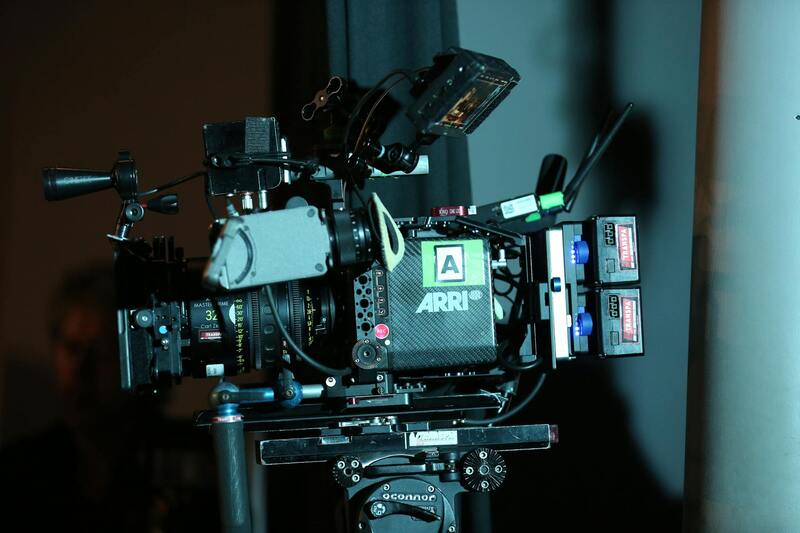
Producing high-quality real estate videos in Miami necessitates adherence to multiple guidelines to ensure respectful and lawful content creation. Securing the appropriate permits before filming is essential, especially when using aerial drone footage or capturing images of private properties. Collaborating with licensed drone operators who are familiar with Miami’s airspace regulations helps prevent violations related to altitude restrictions and designated no-fly zones. This approach not only maintains compliance but also enhances safety and operational efficiency during production.
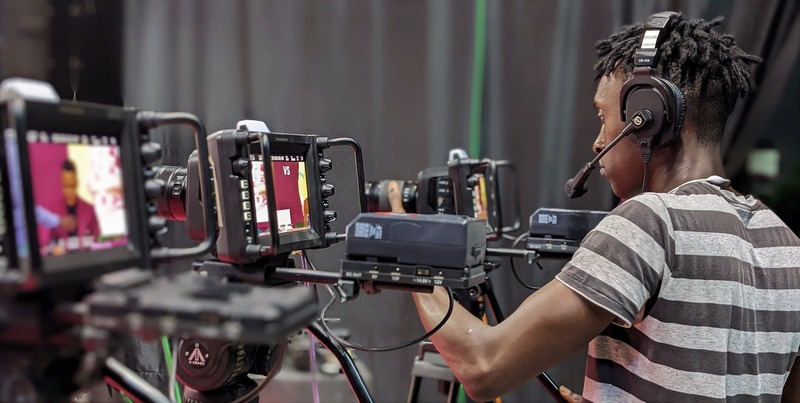
Respecting personal privacy is equally important when documenting properties and neighborhoods. This involves obtaining explicit consent from individuals who might appear in the footage, particularly in communal or occupied spaces. Clear communication about the purpose and scope of the video helps avoid misunderstandings and reinforces professionalism. For properties within private communities or gated areas, gaining approval from relevant authorities or HOA boards is a prudent step, ensuring that filming activities align with community standards and restrictions.
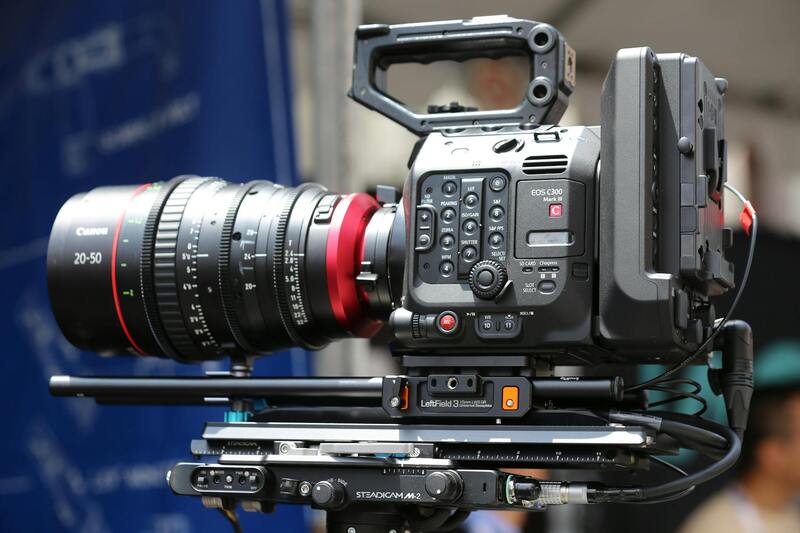
Another critical aspect involves respecting intellectual property rights. All media components, including music, images, and proprietary visuals used in the video, should be licensed or royalty-free. Proper rights management prevents copyright infringements and supports a smooth distribution process. Documenting permissions or licenses obtained at each step of production provides an additional layer of security for both the producer and the client.
Transparency and honesty are fundamental in real estate video storytelling. This means accurately representing property features, avoiding exaggerated claims, and refraining from manipulative editing that could mislead viewers. Authentic presentations foster trust with prospective buyers and uphold the industry’s standards for integrity. Additionally, including disclaimers or clarifications when necessary demonstrates commitment to ethical marketing practices.
By diligently managing permits, permissions, and content integrity, Miami real estate videographers ensure their work reflects professionalism and responsibility. These practices not only mitigate potential issues but also build credibility within a competitive market, helping clients attract genuine interest and closing deals with confidence.