Importance of Professional Realtor Photos
In the competitive real estate market, the presentation of a property plays a crucial role in attracting potential buyers. High-quality realtor photos serve as the first impression for online listings, significantly impacting a viewer's interest and engagement. When prospective buyers browse real estate websites, social media, or listing platforms, their initial decision to explore further is often influenced by the visual appeal of the images presented.
Professional Realtor photos help showcase a property's best features, highlighting both the interior and exterior spaces in a manner that appeals to the target audience. Clear, well-lit images create a sense of transparency and trustworthiness, encouraging viewers to schedule viewings or make inquiries. Moreover, compelling visual content can set a property apart from others on the market, increasing its visibility and accelerating the selling process.
The importance of high-quality photography extends beyond aesthetics; it affects search engine rankings and online algorithms that prioritize attractive and well-presented listings. As a result, investing in professional realtor photography becomes an essential component of an effective marketing strategy, ensuring that your property receives the attention it deserves in a saturated marketplace.
In addition to attracting initial interest, professional images can contribute to a quicker sale. Accurate and appealing photos reduce the likelihood of misrepresentation, manage buyer expectations, and facilitate a more seamless transaction process. Real estate agents recognize that well-executed realtor photos facilitate emotional connections, allowing prospective buyers to envision themselves living in the space.
By consistently utilizing professional photography services, realtors and property owners can elevate their marketing efforts, ensuring their listings stand out in a competitive environment. The improved visual quality not only enhances the overall perception of the property but also conveys a sense of professionalism and dedication to quality service.
Role of Proper Lighting and Composition in Realtor Photos
Effective realtor photos hinge significantly on the utilization of appropriate lighting and skilled composition techniques. The goal is to portray the property in its best light, both literally and figuratively, ensuring that each space appears inviting, spacious, and accurately represented. Proper lighting, whether natural or artificial, eliminates shadows that can obscure details and enhances the aesthetic appeal of each room. Well-balanced lighting accentuates architectural features and highlights the property's best attributes, making it more captivating to potential buyers.
Composition also plays a vital role in creating compelling images. Techniques such as the rule of thirds guide the photographer to position focal points strategically, drawing viewers’ eyes to the property's unique features. Wide-angle lenses are commonly employed to give a sense of space, but they must be used judiciously to avoid distortion that can mislead viewers. Ensuring that lines are straight and perspectives are balanced portrays the house accurately and fosters trust with prospective buyers.
Optimal Use of Space and Angles
Choosing the right angles helps to showcase the flow and layout of the property effectively. Photographers often capture rooms from multiple perspectives to present a comprehensive view. For instance, shooting a living room from a corner offers depth, while bedrooms are best shown from the doorway looking inward to give an impression of size and layout. Incorporating vertical and horizontal lines can guide viewers’ eyes through each image, emphasizing the property’s spatial arrangements.
Utilizing Drone and Aerial Photography
In addition to interior shots, incorporating aerial photography through drones can significantly enhance the listing's appeal, especially for properties with large yards, scenic surroundings, or unique outdoor features. Aerial visuals provide a comprehensive perspective that ground-level shots cannot, capturing the full scope of the property and its environment. The strategic integration of these images can boost online engagement and create a more memorable listing presentation.
Consistent Style and Branding
Maintaining a consistent photographic style across listings helps build a professional brand image for real estate agents and agencies. This consistency involves selecting a color palette, framing style, and editing approach that aligns with the agency’s branding. Recognizable and cohesive visuals foster trust and recognition among potential clients, making it easier for them to associate quality and reliability with your services.
Integrating Lifestyle and Contextual Shots
Besides presenting the physical features of the property, including lifestyle-oriented and contextual images can foster emotional engagement. Shots of nearby amenities, community features, or lifestyle scenes like families enjoying outdoor spaces can help buyers envision a life in the home. These additional perspectives complement traditional shots and provide a more rounded depiction of the property's appeal.
Techniques for Capturing High-Quality Realtor Photos
Securing exceptional realtor photos necessitates a combination of proper equipment, skilled technique, and an understanding of optimal shooting conditions. Professional photographers utilize high-resolution DSLR or mirrorless cameras, which allow for precise control over exposure, focus, and depth of field. Employing wide-angle lenses is essential to capture more of a room or exterior with fewer shots, creating a sense of spaciousness that appeals to potential buyers.
Optimal lighting is another crucial factor. Photographers often shoot during the golden hour—shortly after sunrise or before sunset—when natural light is soft and warm, minimizing harsh shadows and highlighting architectural details. In interior settings, supplemental lighting such as portable flashes or softboxes may be used to evenly illuminate spaces, ensuring that every corner is visible and inviting. Avoiding clutter and ensuring windows are clean and unobstructed enhances natural light entry, further improving the quality of images.
Staging plays a critical role in showcasing a property’s potential. Professional staging involves arranging furniture and decor to accentuate the space’s best features, making rooms appear larger and more functional. Careful attention is given to details such as the placement of furniture, the use of complementary colors, and the inclusion of decorative accents to create a warm, welcoming atmosphere. This preparatory step can significantly influence the outcome of the photos.
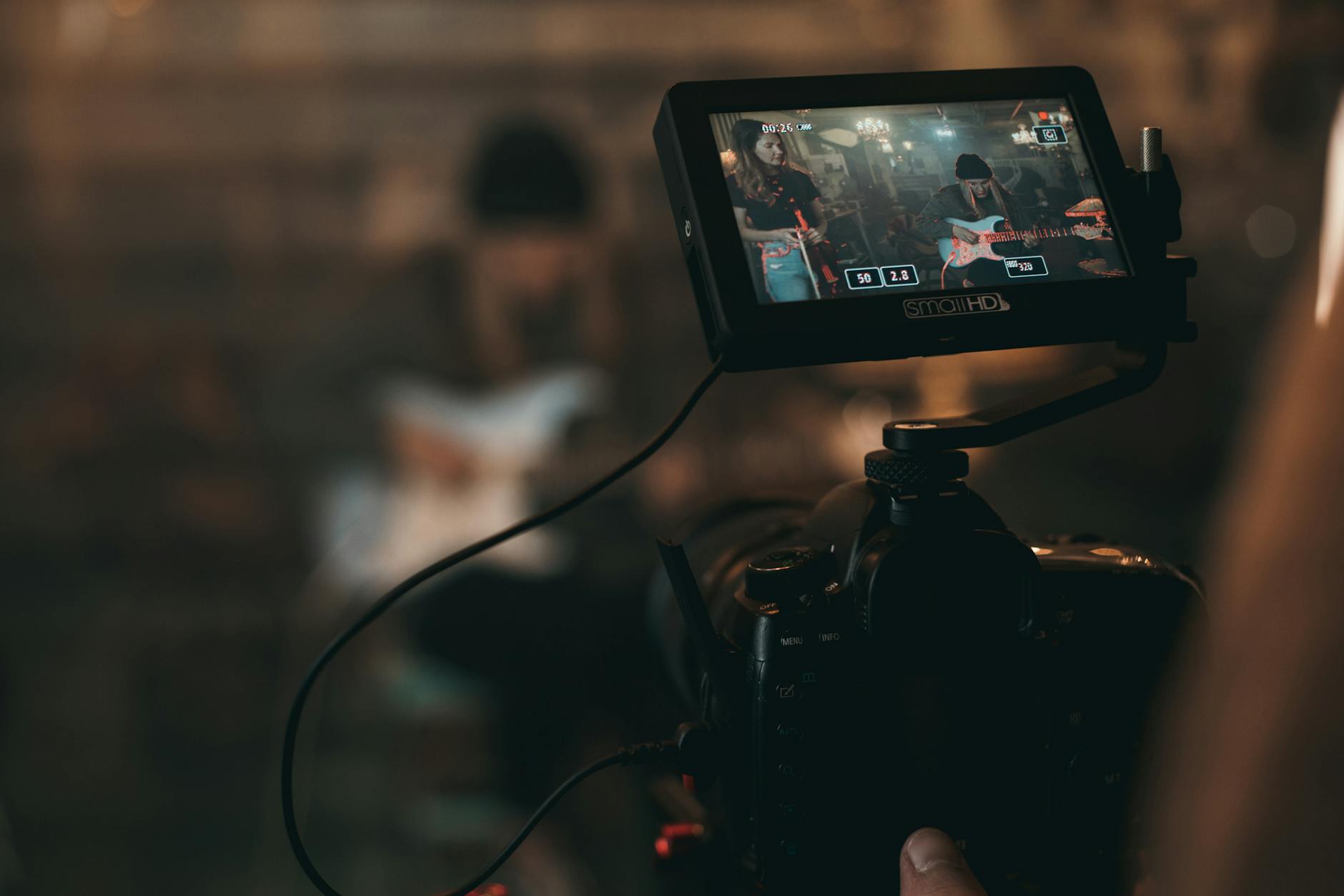
In exterior photography, shooting from optimal angles with the correct lens settings captures the property’s curb appeal and surrounding environment. Consideration of weather conditions and time of day plays a pivotal role; clear, sunny days provide vibrant colors and shadows that enhance visual interest, while overcast days produce even lighting without distracting shadows.
To capture images that truly stand out, some photographers incorporate drone photography for aerial shots. These images offer a comprehensive view of the property layout, landscaping, and proximity to nearby amenities. Combining ground-level and aerial perspectives provides a complete visual narrative that can captivate prospective buyers and inspire interest.
Post-Processing and Editing of Realtor Photos
Post-processing is an essential phase in producing professional realtor photos. Skilled editing ensures images are crisp, color-balanced, and free of distractions. Adjustments may include correcting brightness and contrast, straightening horizons or architectural lines, and retouching minor imperfections such as reflections or shadows. However, it is vital to maintain authenticity to give potential buyers an accurate depiction of the property.
Advanced editing can also involve enhancing specific features within a room, such as highlighting a stunning fireplace or large windows. Noise reduction and sharpening techniques help improve clarity, especially for images taken in low-light conditions. Consistency in editing style across all photos ensures a cohesive and polished presentation that reinforces the professionalism of the listing.
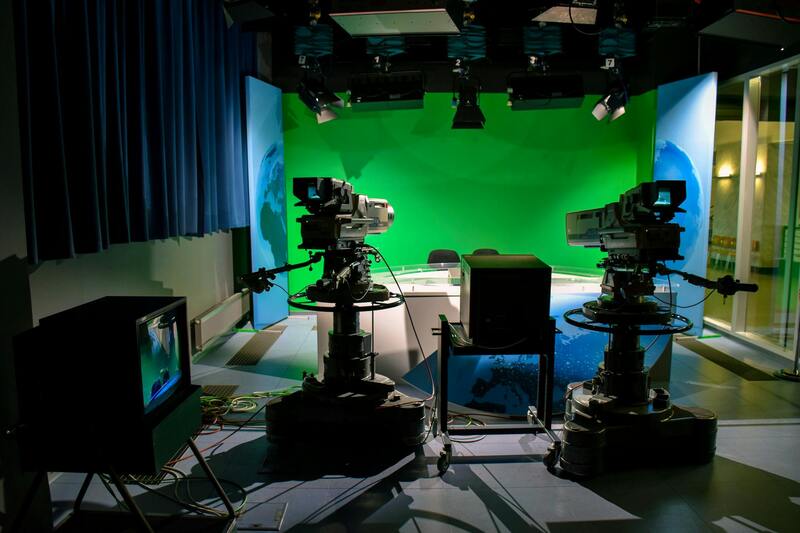
Proper color correction and light adjustments contribute significantly to a polished look. When executed skillfully, these techniques elevate the overall quality of a listing’s visual presentation, making it more enticing and memorable.
Techniques for Capturing High-Quality Realtor Photos
Achieving exceptional realtor photos hinges on the application of precise photographic techniques that emphasize the property's best features while maintaining an authentic representation. Utilizing professional-grade camera equipment is the foundation for capturing high-resolution images that retain clarity across various viewing devices. DSLR or mirrorless cameras equipped with wide-angle lenses are preferred as they accommodate the expansive spaces within a property, providing a comprehensive perspective without distortion. Optimal camera settings are crucial. Using a small aperture (high f-stop number) ensures a greater depth of field, keeping entire rooms in sharp focus. A lower ISO setting minimizes grain and noise, especially in well-lit conditions. Maintaining proper exposure ensures that interior details are neither lost in shadows nor washed out by excessive brightness.
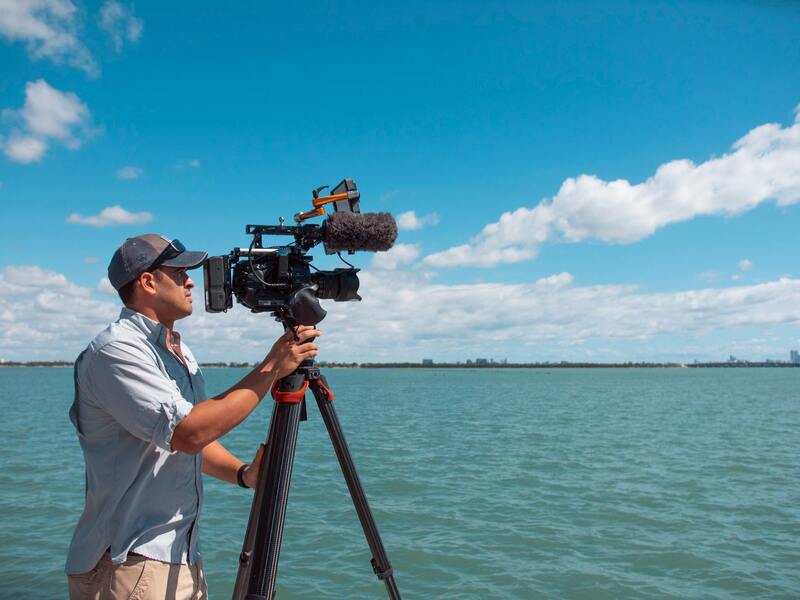
Strategic camera angles can dramatically influence the perceived space and appeal of a property. Shooting from corners allows for a broader perspective, showcasing room dimensions and layout cohesively. Eye-level shots tend to create a natural and inviting viewing experience, but creative angles can highlight architectural features or unique design elements. Equally important is the mastery of natural lighting. Scheduling photo shoots during times of the day with abundant sunlight enhances the vibrancy and warmth of interior spaces. Opening curtains and blinds maximizes natural light flow, reducing the need for artificial lighting that can sometimes result in a harsh or unflattering appearance.
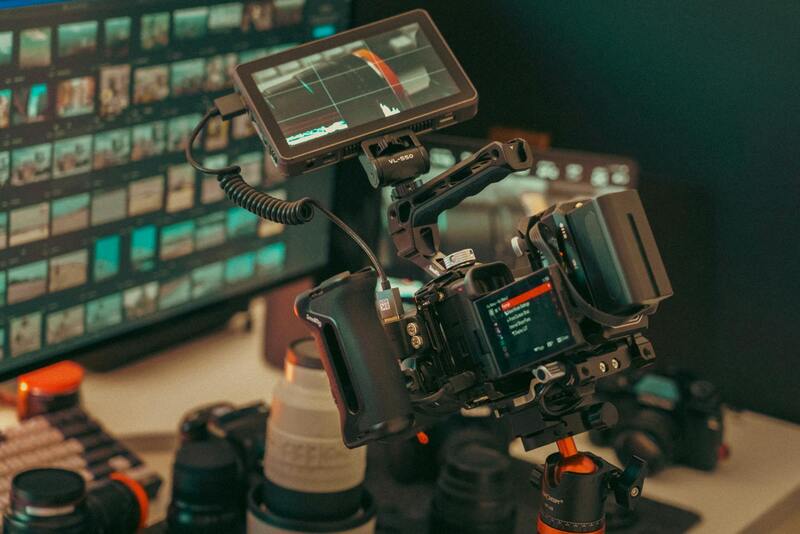
Incorporating additional lighting sources, such as softbox lights or reflectors, can fill shadows and balance overall illumination. When used skillfully, these tools eliminate dark corners or uneven lighting that detracts from photo quality. The combination of well-chosen angles and proper lighting creates dynamic images that appeal strongly to prospective buyers.
Posture and staging also contribute significantly to the photography process. Ensuring furniture is arranged to maximize space and minimize clutter directs focus to the property's strengths. Posing furniture and decor to highlight architectural features and aesthetic appeal guides viewers’ attention toward the home's most attractive elements.
Techniques for Capturing High-Quality Realtor Photos
Achieving superior realtor photos requires a combination of technical skill, equipment proficiency, and an understanding of the property’s unique features. Professional photography begins with selecting the right equipment, such as a high-resolution DSLR or mirrorless camera, which ensures clarity and detail. Wide-angle lenses are particularly effective for capturing more of a room, making spaces appear larger and more inviting. However, it's crucial to use these lenses carefully to avoid distortion that can misrepresent the property.
Mastering lighting is fundamental. Natural light is preferred because it renders true-to-life colors and enhances the overall appeal of spaces. Photographers often schedule property shoots during the golden hours—early mornings and late afternoons—when sunlight is softer and more flattering. To maximize natural illumination, windows should be wide open, and curtains should be pulled back to flood rooms with light. When natural light is insufficient, professional photographers supplement with diffused artificial lighting, such as softboxes or LED panels, to maintain a consistent and appealing ambiance.
Composition plays a vital role in creating attractive realtor images. The rule of thirds, leading lines, and symmetry are compositional techniques that draw viewers' eyes into the shot, emphasizing the property's best features. Shooting from strategic angles—such as corners—creates depth and perspective, making rooms feel more spacious while showcasing architectural details. Eye-level shots foster a natural perspective, enabling potential buyers to envision themselves within the space.
Post-processing is the finishing touch that elevates real estate photographs. Adjustments to brightness, contrast, and color balance help ensure the images accurately represent the property’s appearance. Correcting lens distortions and straightening lines also contributes to a professional look. Over-editing should be avoided to preserve authenticity and ensure potential buyers receive a truthful preview of the home.
To further enhance images, retouching tools can clean up minor imperfections, such as small stains or clutter, without misrepresenting the property's true condition. Proper editing results in bright, crisp photos that stand out in online listings, drawing more prospective buyers' attention to the property.
Investing in high-quality realtor photos through professional techniques offers tangible benefits—better online engagement, increased viewings, and ultimately, faster property sales. The goal is to produce images that not only capture the physical space but also evoke emotional interest, helping buyers visualize a future residence or investment.
Techniques for Capturing High-Quality Realtor Photos
Achieving stunning realtor photos requires employing specific techniques that emphasize the property's best features while maintaining an authentic representation. First and foremost, selecting the appropriate equipment is essential. A camera capable of capturing high-resolution images with good dynamic range will help produce clear, vibrant photos that stand out online. Using a wide-angle lens is beneficial for showcasing entire rooms and architectural details, providing viewers with a comprehensive understanding of the space.
It is also vital to consider lighting as a cornerstone of quality real estate photography. Natural light provides a warm, inviting atmosphere; therefore, scheduling photoshoots during daytime hours with ample sunlight is recommended. Opening curtains, blinds, and turning on interior lights can also help eliminate shadows and brighten the space. When natural light is insufficient, professional lighting kits can be used to evenly illuminate rooms, avoiding harsh shadows and overly bright spots that can distort the appearance of the space.

Angle selection plays a critical role in creating visually compelling realtor photos. Shooting from corners or slightly elevated viewpoints allows captures that reveal the room's full dimensions, thereby creating a sense of depth. Avoid shooting straight into a room from an awkward angle, as this can cause distortion or make spaces look smaller. Instead, aim for eye-level angles that mimic how a viewer would naturally perceive the space.
Staging the property before photography is equally important. Clear clutter, arrange furniture thoughtfully, and add subtle decorative accents to highlight the room’s potential. Ensure windows are unobstructed to maximize natural illumination. These preparatory steps make the photographer's job easier and significantly enhance the visual quality of the images.

Consistency across images also contributes to a cohesive visual story. Maintaining similar perspectives, lighting, and styles ensures the listing appears professional and well-curated. Taking multiple shots from different angles provides options for selecting the most compelling images, which can then be refined during post-processing.
Employing these techniques—using quality equipment, optimizing lighting, choosing strategic angles, and preparing the space—translates to clarity, professionalism, and appeal in every property photograph. Such meticulous attention to detail ensures that the images deliver an accurate and inviting visual narrative, attracting potential buyers and enhancing online engagement.
Enhancing Realtor Photos Through Strategic Post-Processing
Post-processing plays a vital role in elevating the overall quality and appeal of realtor photos. It involves a series of professional editing techniques that refine images to meet high standards of clarity, color accuracy, and visual impact. Precision in editing ensures that real estate images accurately depict the property, highlighting its best features while maintaining a natural look that appeals to prospective buyers.
Key steps in post-processing include color correction to achieve a balanced and inviting palette, exposure adjustment to ensure brightness aligns with real-life conditions, and sharpness enhancement to bring out details in textures and fixtures. Correcting lens distortions and vertical line distortions is also essential to prevent misleading representations of room dimensions, helping maintain the integrity of the property's spatial layout.
Another critical aspect is the removal of minor imperfections such as dust spots, unwanted reflections, or distractions that may distract viewers. These small yet impactful edits contribute to a polished, professional appearance that aligns with the overall branding of the listing.
Utilizing advanced editing software allows photographers to subtly enhance images without overdoing their effects. The goal is to produce photographs that are visually compelling yet faithful to reality. Properly edited images not only attract more attention but also foster trust and confidence among viewers, which are key components of an effective online listing strategy.
Incorporating a consistent editing style across all property images ensures a cohesive visual presentation that elevates the entire listing. This uniformity creates a seamless experience for viewers, emphasizing professionalism and attention to detail. Ultimately, strategic post-processing transforms raw captures into compelling visual stories that communicate the home's value effectively.
Harnessing the Power of Virtual Tours and 3D Walkthroughs
In today’s digital real estate landscape, integrating virtual tours and 3D walkthroughs into online listings significantly elevates property presentation. These immersive visual tools allow prospective buyers to virtually explore a property at their own pace, providing a comprehensive sense of space and layout that static images alone cannot deliver. When executed with high-quality visuals and precise navigation, virtual tours foster a deeper connection with potential buyers, reducing the need for multiple physical visits and streamlining the decision-making process.
Professional realtor photography services in Miami often collaborate with top-tier technology providers to produce engaging virtual tours. These tours incorporate high-resolution images, smoothly transitioning between different rooms, highlighting key features and upgrades, and providing a realistic perspective on scale and flow. The integration of 3D walkthroughs further enhances this experience by allowing viewers to navigate freely through multiple virtual rooms, creating an interactive experience that closely mimics in-person exploration.
Moreover, these digital presentations can be optimized for various devices, ensuring accessibility and clarity whether viewed on a smartphone, tablet, or desktop. Such flexibility guarantees that potential buyers can explore the property conveniently from anywhere, at any time. When combined with engaging high-quality realtor photos, virtual walkthroughs become a powerful marketing tool, increasing the visibility and appeal of Miami properties in a competitive market.
Investing in detailed, professionally crafted virtual tours requires precise planning and execution. From capturing consistent lighting and angles to selecting the right software for rendering the walkthroughs, a specialized approach ensures that the final product accurately reflects the property's true character. With attention to detail in production and post-processing, virtual tours serve as an invaluable extension of traditional realtor photography, delivering a richer, more compelling story about each property.