Importance of Professional Realtor Photoshoot
In the competitive real estate market, the presentation of a property significantly influences its marketability. High-quality Realtor photos serve as the first impression for potential buyers browsing listings online. These images not only showcase the property's best features but also convey professionalism and attention to detail. When prospective buyers view crisp, well-lit, and aesthetically appealing photographs, it increases their interest and encourages them to schedule a visit.
Effective realtor photos capture the property's unique character and layout, providing viewers with an accurate representation before their visit. This can reduce unnecessary showings, saving time for both agents and buyers, by attracting genuinely interested parties. Moreover, professional photos elevate the perceived value of the listing, positioning it as a premium property and generating more engagement.
Studies have shown that listings with professional images receive significantly more views and inquiries compared to those with amateur photos. This underscores the importance of investing in a reputable realtor photoshoot. In a digital age where the majority of home searches start online, compelling visual content is essential to stand out in the crowded real estate marketplace.
Choosing the Right Photography Style and Equipment
When planning a realtor photoshoot, selecting the appropriate photography style is essential to showcase the property in the best light. Professional real estate photographers often utilize wide-angle lenses to capture spaciousness and provide a comprehensive view of rooms, creating an inviting atmosphere for potential buyers. Additionally, the use of HDR (High Dynamic Range) imaging can balance exposures between bright windows and darker interior spaces, ensuring all details are visible and well-lit.
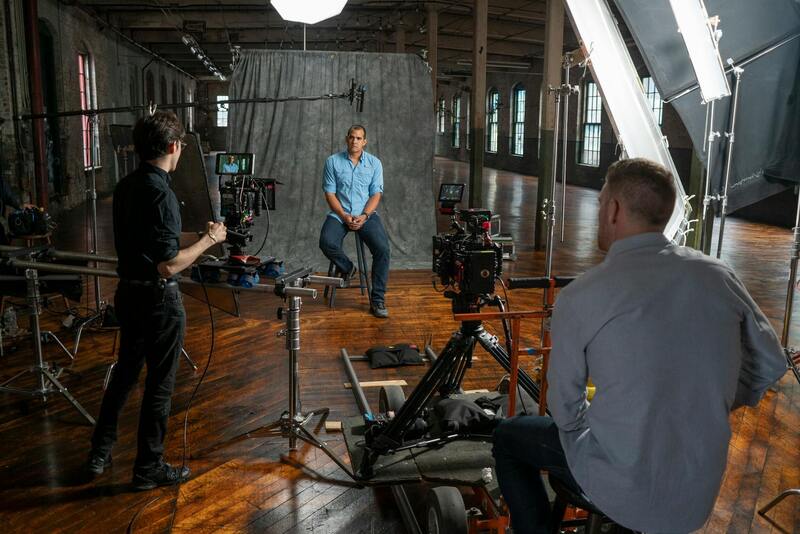
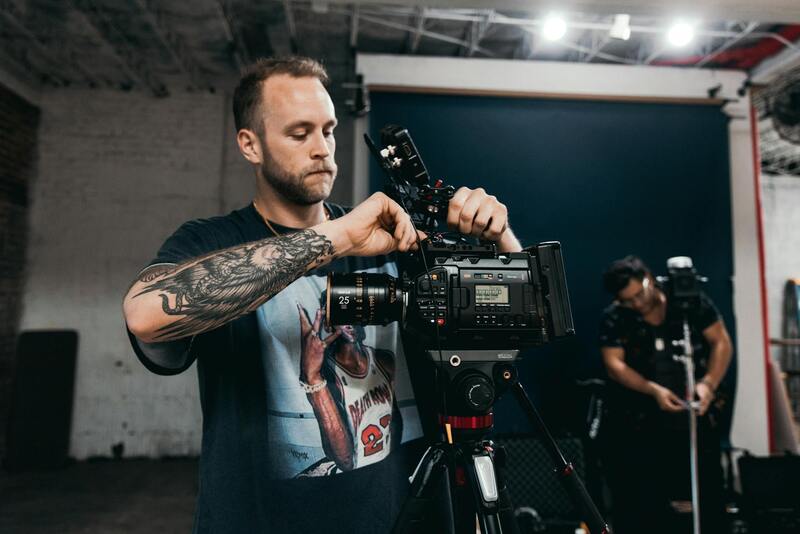
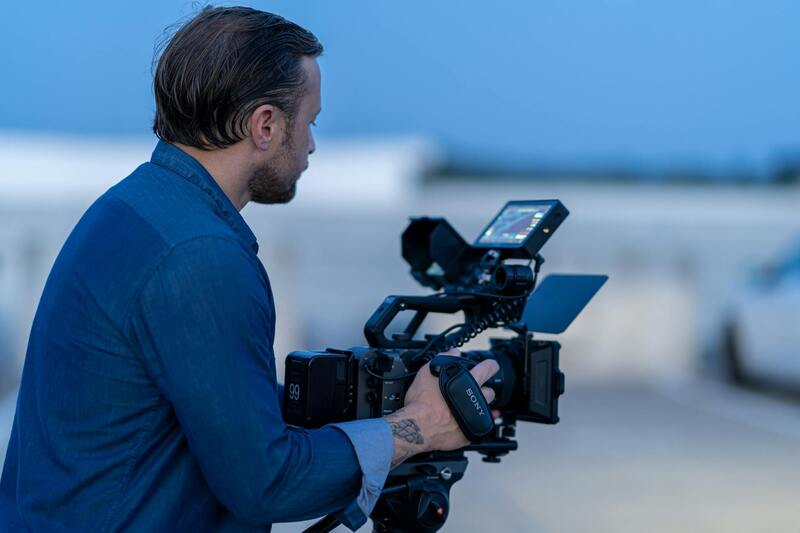
High-quality equipment plays a pivotal role in delivering stunning images. Top-tier cameras with high-resolution sensors are standard, allowing for clarity and detail that can be zoomed into without loss of quality. Tripods are utilized to maintain stability during shots, especially in low-light conditions or when multiple exposures are required for HDR images.
Lighting equipment, including portable flashes and reflectors, helps eliminate shadows, brighten dark corners, and enhance natural light. The goal is to ensure each room is illuminated evenly, accentuating key features and architectural details. Photographers trained in real estate imagery understand how to manipulate lighting conditions to make spaces appear more inviting and open.
Tips for Staging and Decluttering Properties
Effective staging is fundamental to successful realtor photoshoots. It involves organizing, cleaning, and decorating spaces to highlight their best features. Remove personal clutter such as laundry, toys, or excessive decorative items that can distract viewers from the property's architectural qualities.
Neutral color schemes and minimalistic decor tend to appeal to a wider audience, allowing potential buyers to envision their own belongings in the space. Emotional appeal can be heightened by adding fresh flowers, plush textiles, and well-placed artwork that complement the property's style.
Address any minor repairs prior to the shoot, such as fixing leaky faucets, squeaky doors, or chipped paint. These small updates can enhance the property's overall presentation and prevent buyers from noticing flaws in photographs.
Timing and Lighting for Realtor Photoshoots
Scheduling the photoshoot at optimal times of day significantly impacts the quality of images. The soft, warm glow of early morning and late afternoon light—known as the golden hour—provides natural, flattering illumination that highlights a home's best features.
Avoid photographing during harsh midday sun, as direct sunlight can cause overexposed areas or unflattering shadows. Overcast days offer diffuse natural light, which is ideal for maintaining even lighting without harsh contrasts.
Interior lighting should be carefully managed to ensure each room appears bright and welcoming. Turning on all available lights, including lamps and under-cabinet fixtures, when appropriate, can help eliminate dark corners and create a balanced visual effect.
Post-Production and Photo Editing
Post-processing is a critical step in refining realtor images. Skilled editing enhances brightness, contrast, and color balance, ensuring the photos accurately portray the property's appearance. It also involves correcting any minor distortions caused by wide-angle lenses and removing blemishes or distracting elements.
However, it is important to maintain authenticity and avoid overly retouched images that could mislead buyers. Subtle adjustments should highlight the property's true appeal without exaggerating features.
Many professional photographers use specialized software, such as Adobe Lightroom or Photoshop, to fine-tune images. Consistent editing style across all photos creates a cohesive, polished look that strengthens the property's marketing presentation.
Choosing the Right Photography Style and Equipment
When planning a professional realtor photoshoot, selecting the appropriate photography style is essential to showcase a property's best features effectively. Different styles, such as wide-angle shots, detail-focused imagery, or panoramic views, serve specific purposes depending on the property's characteristics and target audience.
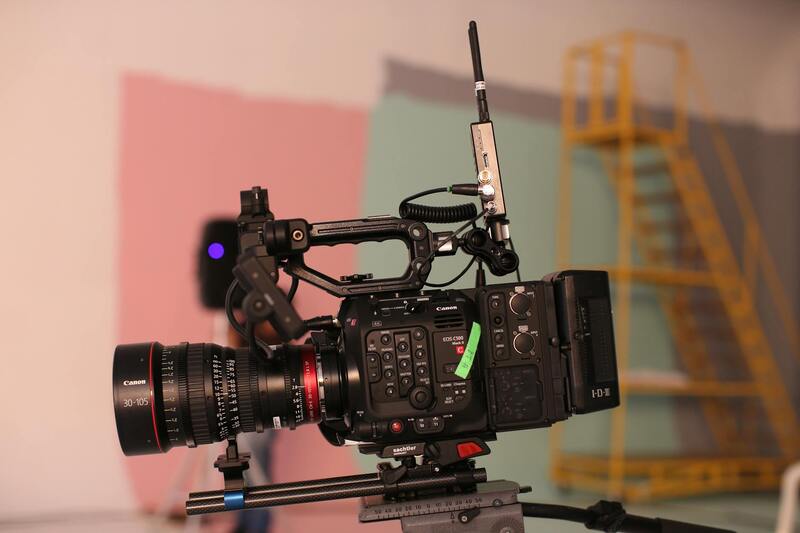
To achieve these styles, photographers rely on advanced equipment tailored for real estate photography. High-resolution DSLR or mirrorless cameras are fundamental, providing clarity and flexibility in various lighting conditions. Wide-angle lenses—typically between 10mm and 24mm—are commonly employed to capture expansive room views, making spaces appear larger and more inviting.
Tripods are vital for maintaining stability, especially in low-light situations or when long exposure times are necessary. Drone technology has also become increasingly popular, offering aerial shots that provide unique perspectives of larger properties, estates, or land plots. Drones can reveal layouts, outdoor amenities, and the property's surrounding environment effectively.
Lighting equipment plays a crucial role in achieving professional-grade images. While natural light is preferred, supplementary lighting like portable strobes, softboxes, and reflectors help illuminate darker areas and eliminate shadows. The goal is to create a balanced, natural look that highlights the property's features without any exaggeration.
In addition to hardware, post-production software like Adobe Lightroom or Photoshop is indispensable for fine-tuning images. These tools allow for adjustments in brightness, contrast, color correction, and distortion correction, ensuring each photo aligns with the authentic appearance of the property.
Choosing the right combination of photographic style and equipment depends on the property’s unique features and the intended marketing approach. The selection of tools directly influences the visual impact of the final images and can significantly enhance the property’s online appeal.
Optimizing Property Presentation with Professional Realtor Photoshoots
The visual narrative of a property begins long before the camera clicks. Ensuring that every shot captures the true essence of the space requires meticulous planning and coordination. Once the property has been staged and decluttered, attention shifts to the technical aspects that elevate the visual presentation.
Optimal Photography Techniques and the Role of Equipment
Incorporating the latest photographic methods and high-quality equipment is fundamental in producing stunning real estate images. Wide-angle lenses are invaluable for capturing expansive room views, giving potential buyers a comprehensive perspective of the space. These lenses help to convey the volume and flow of interior layouts, making rooms appear more inviting and spacious. Tripods contribute substantially to image sharpness and stability, especially under challenging lighting conditions or when longer exposure times are necessary to achieve proper illumination.
Complementing these tools, advanced lighting techniques significantly enhance image quality. Natural light, when skillfully harnessed, offers vibrant and genuine tones; however, supplementary lighting equipment such as portable strobes, softboxes, and reflectors play a pivotal role in illuminating darker corners or during overcast days. Strategic lighting ensures that every detail is clearly visible, emphasizing key features without overexposure or shadows that can detract from the property’s appeal.
The integration of drone technology has opened new avenues for capturing expansive outdoor views and property layouts. Elevated shots provide context to the property’s surroundings, outdoor amenities, and landscape features, offering prospective buyers a holistic impression. Drone footage is particularly effective for large estates, land plots, or properties with impressive outdoor features that benefit from aerial perspective.
Post-Processing for Perfected Images
After capturing the raw images, post-production editing ensures that photos accurately reflect the property's true appearance while enhancing visual appeal. Photo editing software such as Adobe Lightroom or Photoshop allows for fine-tuning brightness, contrast, color balance, and perspective correction. Thoughtful adjustments can mitigate minor imperfections, highlight architectural details, and ensure consistency across all images. These steps are critical for creating a polished visual portfolio that attracts serious buyers and enhances online listings.
While editing improves aesthetics, it’s vital that the images remain authentic to the actual property to maintain trust and transparency. Properly balanced editing ensures that prospective buyers are viewing an honest representation, fostering increased confidence and engagement with the listing. Combining technical expertise in photography with professional editing results in compelling visuals that significantly enhance marketing efforts and draw attention to the property’s unique selling points.
Investing in High-Quality Photos for Property Listings
In the competitive Miami real estate market, the quality of visual presentation can be a decisive factor for potential buyers. High-quality realtor photos not only capture the property's best features but also elevate the overall appeal of the listing. To achieve this, working with a reputable commercial photography team that specializes in real estate visuals ensures that each image is shot with precision and professionalism. These experts utilize advanced DSLR or mirrorless cameras, equipped with wide-angle lenses designed to highlight spacious interiors and architectural details effectively.
Professional photographers also understand the importance of proper lighting, angles, and composition, which are crucial elements in producing striking images. They skillfully manipulate natural light or incorporate supplemental lighting techniques to eliminate shadows, reduce glare, and bring out the property's true colors. The goal is to create images that evoke emotion, making viewers feel a sense of connection with the space before even stepping inside.
Furthermore, high-resolution images lend themselves better to various marketing channels, ensuring clarity whether displayed on websites, social media, or printed materials. These visuals contribute to a cohesive branding strategy, reinforcing a property's unique features and selling points. Ultimately, investing in professional realtor photos is an essential component of a thorough, effective marketing plan aimed at attracting serious buyers and accelerating the sale process.
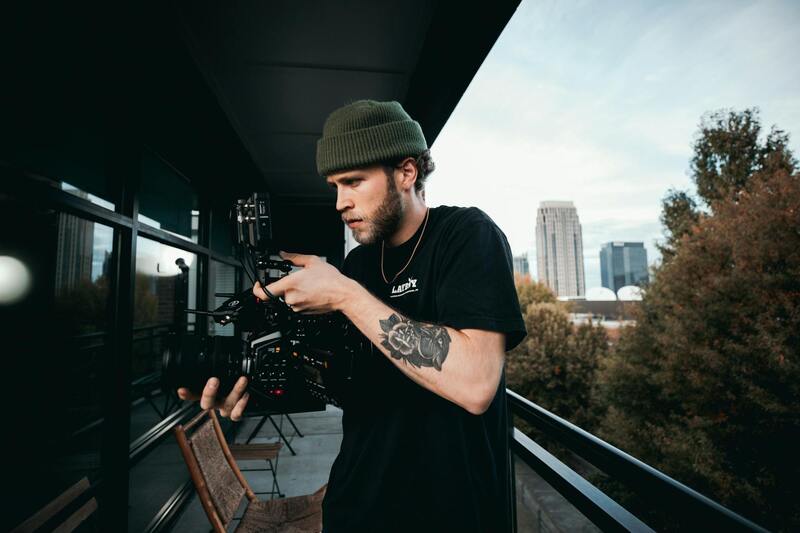
Choosing an experienced Miami-based production agency ensures access to state-of-the-art equipment and creative expertise aligned with current real estate marketing standards. Such professionals understand how to tailor each shoot to the property's unique characteristics, whether it's a modern condo, a historic home, or a sprawling estate. Their knowledge of local market trends translates into images that resonate with target audiences, making listings stand out among competitors.
In addition to photographic skills, these agencies often provide comprehensive services, including virtual tours, drone footage, and 3D walkthroughs, which further enrich the property's presentation. Integrating these elements into your marketing strategy can significantly increase engagement rates, generate more leads, and ultimately facilitate faster sales.
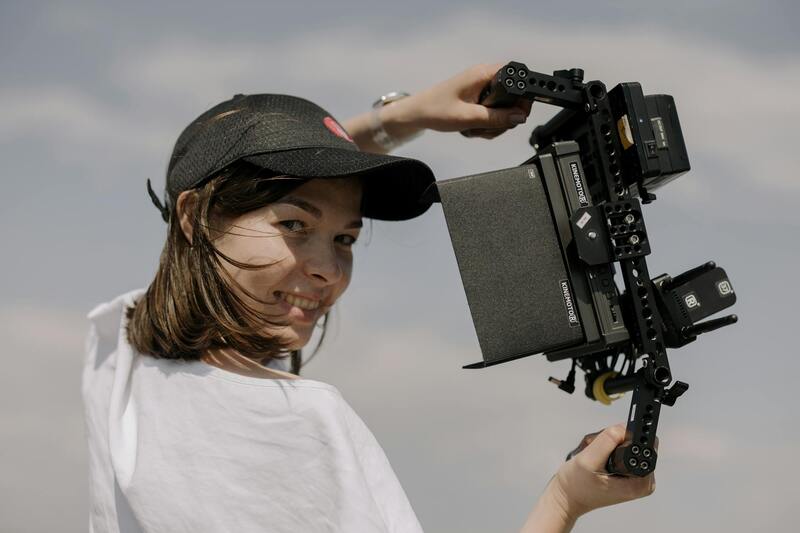
As the demand for eye-catching, authentic property visuals continues to grow, partnering with a seasoned real estate photography service ensures your listings meet high standards of quality and professionalism. Such collaborations unlock the potential to showcase properties in their best light, ultimately leading to more successful transactions and satisfied clients. This commitment to excellence in visual marketing endows your real estate brand with credibility and distinction, fostering a trusted reputation within Miami's thriving market landscape.
Post-Production and Photo Editing
After capturing high-quality images during a realtor photoshoot, the next crucial step involves meticulous post-production work. Skilled photo editing enhances the visual appeal of property images, ensuring they meet the high standards expected in today's competitive real estate market. This process typically includes adjustments to brightness, contrast, and color correction to accurately represent the property's true colors and ambiance. Color grading can be applied subtly to evoke warmth or modernity, depending on the property's style and target audience.
Advanced techniques such as perspective correction help straighten lines and eliminate distortions caused by camera lenses, ensuring that spaces appear true to size and shape. Retouching may also involve removing minor imperfections like blemishes, small flaws, or distracting elements that detract from the property's appeal. However, it's essential to maintain a balance, preserving authenticity so potential buyers receive an accurate view of the property, reducing the risk of mismatched expectations during viewings.
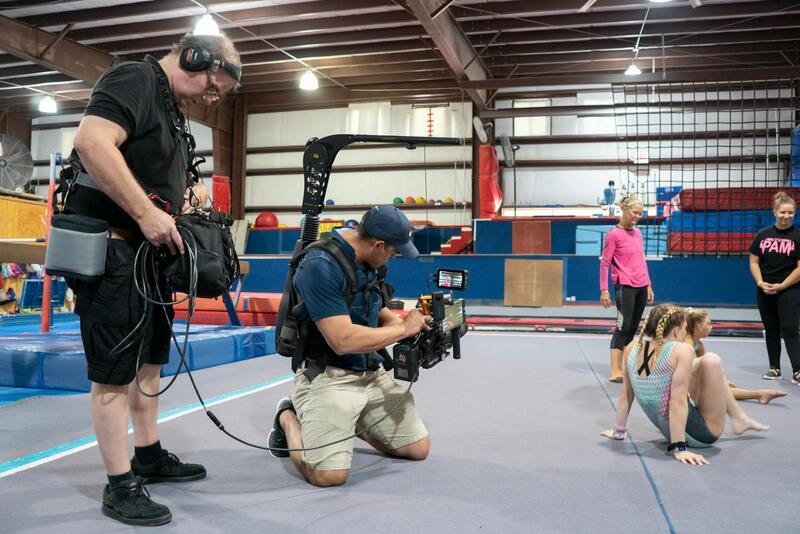
The goal of post-production is to create compelling visual narratives that attract attention online and generate leads. High-quality edits can make a significant difference in how swiftly a property sells, especially when combined with strategic marketing practices. It's advisable to work with experienced editors familiar with real estate photography requirements, ensuring images are polished yet genuine, thereby boosting the property's marketability and fostering trust among prospective buyers.
Using Realtor Photos Effectively in Marketing
Once the images are finalized, integrating them into a comprehensive marketing strategy optimizes their impact. High-resolution photos should be prominently displayed across listings, promotional websites, and social media platforms. Quality visuals serve as the foundation for engaging virtual tours, immersive 3D walkthroughs, and drone footage, creating a cohesive presentation that highlights a property's best features from multiple angles.
Captivating images can also be incorporated into printed marketing materials such as brochures and flyers, extending their reach within the local community and real estate networks. Consistency in visual branding, including the use of similar filters and styles, enhances recognition and reinforces the property's appeal.
Moreover, leveraging compelling realtor photos in targeted online advertising campaigns helps capture the attention of specific buyer demographics. Whether it's through paid social media ads, email newsletters, or real estate portals, professional images increase engagement rates, encouraging prospective buyers to schedule viewings or inquire further about the property.
Selecting a Miami Production Agency for Realtor Photoshoots
Choosing the right professional team is essential to achieve outstanding realtor photos. When selecting a Miami-based production agency, consider their portfolio, experience with real estate photography, and familiarity with local market trends. An agency with a robust understanding of Miami's diverse property landscape—from luxury condos to historic homes—can tailor visual strategies to highlight each property's unique selling points.
Look for agencies that utilize advanced equipment, such as high-resolution cameras, drone technology, and lighting setups that adapt to different property styles. A reputable team should also provide comprehensive services, including pre-shoot consultations, staging advice, and post-production editing, ensuring a seamless workflow from concept to final images.
By partnering with a seasoned Miami production agency, real estate professionals can access a full suite of visual marketing tools that elevate property listings, attract serious buyers, and accelerate sales timelines. The right investment in professional real estate visuals not only enhances property appeal but also reinforces the credibility and reputation of the listing agent or agency in a competitive market environment.
Maximizing the Impact of Realtor Photos in Marketing Campaigns
Once professional realtor images are captured and perfected, the next critical step involves strategic utilization across various marketing channels to attract and engage prospective buyers effectively. High-quality images serve as foundational elements in building a compelling property narrative that resonates with target audiences and enhances overall listing visibility.
In digital listings, such as MLS and real estate portals, incorporating professionally shot images significantly increases click-through rates and viewer engagement. These visuals act as the first impression, offering potential buyers vivid insights into the property’s space, design, and key features. Ensuring each listing is supported by a curated selection of high-resolution images, highlighting both interior and exterior views, allows for a comprehensive presentation that encourages further inquiry.
Beyond listing platforms, realtor photos should be integrated into social media campaigns, where they can be leveraged to create engaging content. Platforms like Instagram, Facebook, and LinkedIn provide ideal opportunities to showcase property highlights through dynamic photo posts, stories, and advertisements. Consistent, high-quality imagery elevates brand credibility and helps foster trust among potential clients.
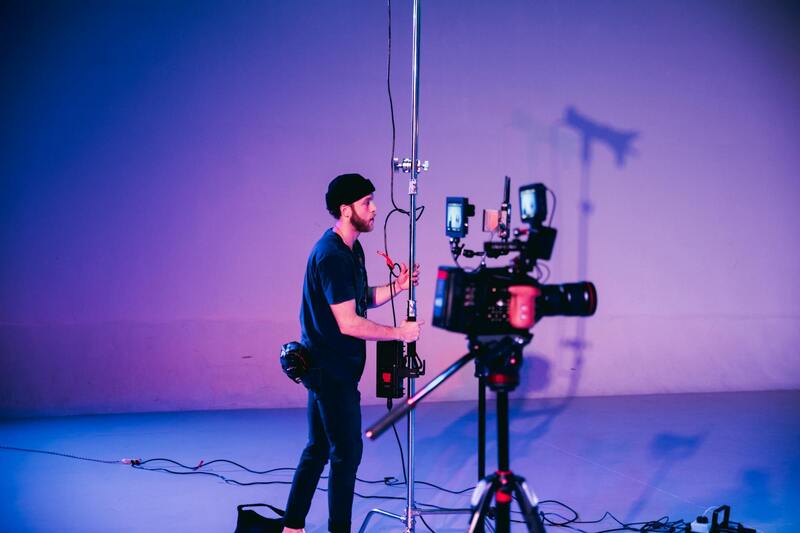
- Develop targeted advertising campaigns using captivating images to reach specific demographics.
- Utilize high-quality photos in email newsletters to nurture leads and maintain top-of-mind awareness among clients.
- Incorporate standout images into print materials, such as brochures and flyers, for local outreach and open house promotions.
Furthermore, integrating realtor photos into virtual tours, 3D walkthroughs, and augmented reality features can immensely boost online interactivity. These immersive experiences allow prospective buyers to explore properties remotely, fostering genuine interest and reducing the need for initial physical visits.
It is equally essential to optimize images for search engines by including relevant keywords in file names and alt tags. This approach enhances the discoverability of property listings through online searches, expanding reach among interested buyers and investors.
The consistent deployment of professionally captured realtor photos across all marketing touchpoints not only amplifies the property's appeal but also reinforces the professionalism of the real estate brand. When combined with targeted messaging and strategic outreach, these visuals elevate marketing effectiveness, shorten sales timelines, and ultimately contribute to a more successful transaction process.
Choosing the Right Photography Style and Equipment
In a realtor photoshoot, selecting an appropriate photography style is crucial for highlighting a property's best features and attracting the right buyers. The style should complement the property type, target demographic, and current market trends. Wide-angle lenses are commonly employed to capture spaciousness and functionality, making rooms appear larger and more inviting. A balanced approach combining natural light with controlled supplemental lighting enhances the overall mood and clarity of images. For modern properties, styles such as staging-focused photography or minimalist aesthetics often resonate well with buyers looking for clean, contemporary designs.
Equally important is investing in high-quality equipment. Professional-grade cameras with full-frame sensors provide superior image resolution and dynamic range, essential for showcasing properties with intricate details and varying lighting conditions. Tripods ensure stability and precision, especially in low-light scenarios or when capturing multiple exposures for HDR imaging. Drones may also be incorporated to offer aerial views of larger properties and provide potential buyers with comprehensive perspectives of the estate and surrounding landscape. The choice of lenses, lighting tools, and editing software collectively influences the final impact of the visual presentation, making technical expertise vital to achieving exceptional results.

Tips for Staging and Decluttering Properties
Effective staging plays a pivotal role in the success of a realtor photoshoot. Clear, open spaces allow natural light to flood interiors and help portray rooms as spacious and functional. Remove personal items, excessive décor, and clutter that can distract buyers from the property's key features. Neutral color schemes and minimal accessories create a versatile backdrop that appeals to a broad audience and enhances visual harmony.
Furniture arrangement should facilitate easy movement and highlight room capabilities. Incorporate accent pieces to add warmth and personality without overwhelming the space. Focus on creating a welcoming atmosphere, ensuring that bedrooms, kitchens, and living areas appear cozy yet uncluttered. Well-maintained outdoor areas, including patios and gardens, should be similarly tidied and staged to emphasize curb appeal.
Timing and Lighting for Realtor Photoshoots
Timing significantly impacts the quality of realtor photos. The optimal time for shooting is during daylight hours, preferably mid-morning or late afternoon, when natural light is soft and warm. Overcast days can also be ideal, as clouds diffuse sunlight, reducing harsh shadows and glare. Planning the shoot around weather conditions ensures consistency and minimizes the need for extensive post-production corrections.
Maximizing natural light involves opening curtains and blinds to flood interiors with sunlight. Additional lighting should be used strategically, with softboxes or reflectors complementing existing light sources. Properly lit spaces look more inviting and help showcase textures and color accuracy. Exterior shots benefit from shooting during the “golden hour,” shortly after sunrise or before sunset, when shadows are softer, and the landscape is bathed in a warm glow. Timing and lighting synchronization ultimately contribute to images that captivate viewers and evoke an emotional response.
Post-Production and Photo Editing
Post-production processing enhances the natural beauty of property images while maintaining authenticity. Adjustments to brightness, contrast, and color balance should be subtle to avoid misrepresentation. Cropping and straightening help improve composition, ensuring that each shot aligns with the visual flow of the property. Techniques such as sharpening bring out details, while noise reduction minimizes graininess, especially in low-light images.
Retouching may include removing minor imperfections like stains or distractions, but it should never alter the true appearance of the property. Consistency across all images is essential for a cohesive listing presentation. Advanced editing tools also enable virtual staging, where furniture and décor can be digitally added to empty rooms, helping buyers visualize potential living spaces. Carefully edited photos not only look polished but also foster trust and transparency with prospective clients.
Using Realtor Photos Effectively in Marketing
High-quality realtor photos serve as a cornerstone of successful marketing strategies. To maximize their impact, images should be tailored to specific channels such as online listings, social media, and print materials. Consistent branding and visual style across all platforms reinforce professionalism and brand recognition. When used in digital listings, professionally captured images help attract more views, generate inquiries, and facilitate quicker sales.
Strategic placement of top-tier images in virtual tours, interactive floor plans, and social media campaigns captures the attention of a wider audience. Incorporating compelling visuals into email marketing can nurture leads and maintain engagement. Physical marketing materials like brochures and postcards benefit from vibrant, clear photos that showcase the property's best qualities. By leveraging professionally shot images in diverse marketing formats, real estate agents can elevate their visibility and accelerate transaction timelines, ultimately leading to more successful property sales.