Importance of Professional Photos for Realtors
In the competitive landscape of real estate, the visual presentation of a property can significantly influence its marketability. High-quality, professionally captured photographs serve as a critical tool for realtors seeking to attract potential buyers and establish trust within the online marketplace. These images are often the first point of contact between a listing and a prospective buyer, making their quality essential for creating a compelling impression.
Effective real estate photos do more than just showcase a property's features; they help convey the lifestyle and emotional appeal associated with the space. When potential buyers browse listings, they rely heavily on visuals to make initial judgments. Clear, well-composed images can highlight a property's best attributes, such as spacious interiors, natural lighting, and modern finishes, which can accelerate the decision-making process.
Furthermore, the perception of professionalism that credible photos generate reinforces a realtor's reputation. Listings accompanied by high-quality images are often viewed as more trustworthy, which can translate into increased inquiries, faster sales, and higher market values. In the digital age, where most property searches begin online, the importance of professional photography cannot be overstated.
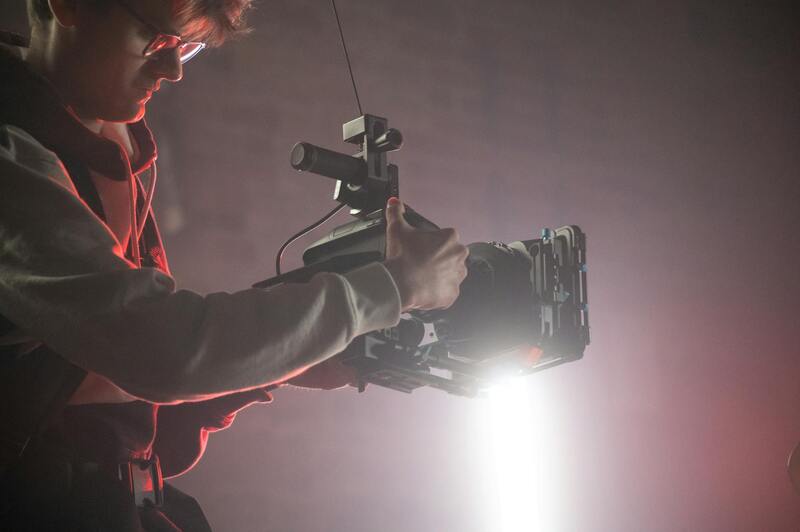
Investing in professional photography services, such as those offered by Miami Video Services, ensures that each listing makes a positive and lasting impression. Skilled real estate photographers understand how to showcase properties in their best light, capturing details that appeal to prospective buyers and inspire confidence in the property’s potential. Ultimately, compelling visuals serve as a powerful marketing asset, helping realtors stand out in a crowded marketplace and accelerate sales cycles.
Key Features of Effective Real Estate Photos
Creating impactful real estate photographs hinges on several critical elements that ensure each property is showcased in the best light. Attention to detail in lighting, composition, and angles plays a pivotal role in capturing images that are both visually appealing and informatively compelling. When these elements are expertly combined, they highlight the property's strengths and inspire confidence among prospective buyers.
Lighting is perhaps the most influential factor; natural light, when harnessed correctly, can illuminate spaces and make interiors appear brighter and more inviting. Proper use of artificial lighting ensures that even properties with limited natural light can be presented in an appealing manner. The goal is to avoid harsh shadows or overexposed areas that diminish the visual clarity of the space.
Composition involves arranging elements within the frame to guide the viewer’s eye through the property, emphasizing key features such as spacious living areas, modern kitchens, or scenic outdoor views. Effective composition techniques, including the rule of thirds and leading lines, help establish balance and harmony in photographs, making the space feel larger and more welcoming.
Angles are equally essential—they determine how a space is perceived. Wide-angle lenses are commonly used to capture a broader perspective, which can make rooms appear more open and spacious. However, it is important to avoid distortion and ensure accurate representation of the property’s dimensions. Choosing the right angles involves a combination of technical skill and an understanding of the property's most attractive aspects.
Preparing Properties for Photo Shoots
Preparation is fundamental to achieving high-quality images. Before scheduling a photoshoot, it is crucial to stage the property to appeal visually and ensure it appears clean, tidy, and welcoming. This involves decluttering, depersonalizing space to allow prospective buyers to imagine themselves living there, and making minor repairs if necessary. Enhancing curb appeal through landscape tidying and exterior cleaning further complements the interior shots, presenting a comprehensive and attractive presentation of the property.
Owners and realtors should also consider time of day for the shoot, aiming for the brightest hours when natural light is abundant. Weather conditions should be taken into account to avoid overcast skies or harsh shadows, which can hinder photo quality. Proper preparation ensures that the photographer can work efficiently and deliver images that truly reflect the property's potential.
Photographic Techniques and Equipment
Employing advanced photographic techniques and professional-grade equipment is vital for capturing compelling real estate images. Wide-angle lenses, tripod stabilization, and high-resolution cameras allow for sharp, expansive shots that depict spaces accurately. Drones are increasingly valuable for capturing aerial views of larger properties and surrounding landscapes, providing prospective buyers with a comprehensive perspective.
Utilizing HDR (High Dynamic Range) photography can balance exposures between bright windows and darker interior areas, ensuring details are visible throughout the image. Proper lens filters and lighting tools may also be employed to manage reflections and shadows, producing evenly lit and visually striking photos.
Editing and Post-Processing of Property Photos
Post-processing is an integral component of professional real estate photography, transforming raw images into polished marketing tools. Editing involves adjustments to brightness, contrast, color balance, and sharpness to enhance detail and vibrancy. It is equally important to correct any distortions or imperfections, ensuring images accurately reflect the actual appearance of the property.
Retouching can be applied selectively to accentuate interior features or highlight outdoor landscapes without misleading viewers. Top-quality post-processing respects the original shot while enhancing its visual appeal, helping properties stand out in digital listings and attracting more attention from potential buyers.
Legal and Ethical Considerations in Real Estate Photography
Adhering to established guidelines around photography involves obtaining proper permissions for shooting on private property and respecting individuals' privacy. It's important to accurately represent the space without altering images in a way that could mislead viewers. Ethical practices include avoiding misleading angles or over-editing that could distort the property's true appearance. Conducting photoshoots with integrity maintains trust with clients and prospects, reinforcing a realtor's professional reputation.
Advanced Equipment and Techniques for Superior Real Estate Photography
Achieving high-quality real estate photographs requires more than just a good camera; it demands advanced equipment and sophisticated techniques. Professional photographers utilize high-resolution DSLR or mirrorless cameras equipped with wide-angle lenses to capture expansive spaces with clarity and depth. Tripods and stabilizers are essential components that ensure sharp images free from blur, especially in low-light conditions or interiors where longer exposures are necessary.
Lighting plays a critical role in real estate photography. Professionals often employ external flash units, strobes, or continuous lighting setups to create balanced illumination that highlights the property's best features. Properly managing natural light through window positioning, reflectors, and diffusers helps achieve naturally appealing images without harsh shadows or overexposure.
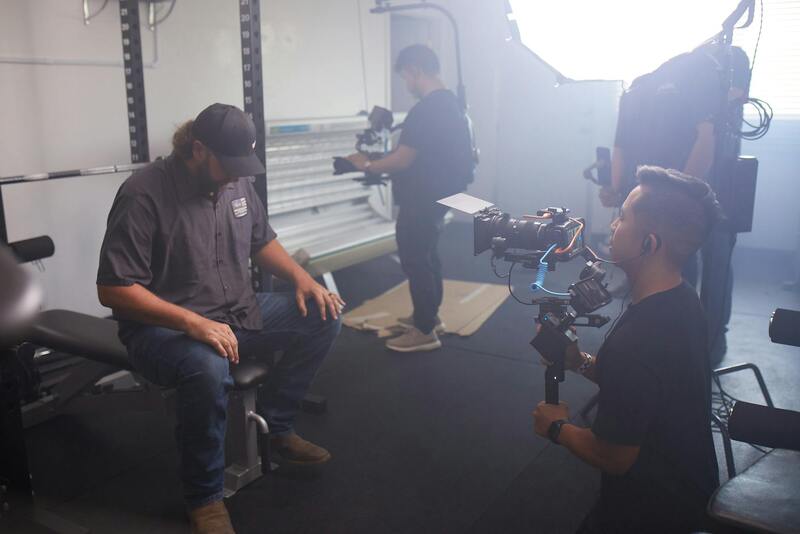
Beyond equipment, mastering photographic techniques such as HDR (High Dynamic Range) imaging allows photographers to capture multiple exposures and blend them into a single image that retains detail in both shadows and highlights. This approach is particularly effective in scenes with significant contrast, like rooms with large windows or outdoor views.
Another innovative technique involves the use of panoramic or 360-degree photography. These methods provide immersive visual experiences, enabling online viewers to virtually walk through properties with ease. This enhances engagement and allows potential buyers to get a comprehensive understanding of each space.
Smart Use of Editing and Post-Processing Tools
Post-processing is crucial in transforming good photos into compelling marketing assets. Professional editors leverage sophisticated software to fine-tune images, adjusting brightness, contrast, color balance, and sharpness to create vibrant, true-to-life visuals. They may also digitally correct lens distortion, straighten crooked horizons, and remove minor imperfections that could distract viewers, such as stray objects or reflections.
Selective retouching can enhance certain interior features, like accentuating a modern kitchen or a scenic outdoor backyard, without misrepresenting the property. The goal is to preserve authenticity while making the images visually appealing and inviting. Over-editing or misleading alterations can diminish trust and lead to mismatched expectations once buyers visit the property.

Maintaining Ethical Standards in Property Photography
Ethical practices in real estate photography involve obtaining necessary permissions before shooting on private property and respecting the privacy of individuals. Photographers and realtors must also ensure that images accurately depict the property without misleading enhancements that alter the perception of space or condition. Honest representation fosters trust and builds credibility with clients and prospects.
It is equally important to avoid using misleading camera angles or over-processed images that could give a false sense of the property's size or features. Employing consistent standards in capturing and editing images ensures transparency and upholds the professional reputation of real estate agents.
Enhancing Visual Appeal Through Strategic Editing
Post-processing of real estate photos plays a pivotal role in presenting properties at their best without compromising authenticity. Skilled editing techniques focus on correcting minor distortions, balancing lighting, and enhancing key features to attract potential buyers. Following industry best practices, real estate photographers prioritize subtle adjustments that elevate the visual appeal while maintaining an honest representation of the property.
For instance, adjusting exposure and contrast can highlight room details, making spaces appear brighter and more inviting. Color correction ensures that whites are true to life and that interior finishes — such as cabinetry, countertops, and flooring — are accurately depicted. When necessary, removing distractions such as clutter, reflections, or stray objects helps viewers focus solely on the property's inviting features.
Selective retouching can draw attention to standout elements like a chef’s kitchen, a landscaped backyard, or modern fixtures. These enhancements should never alter the integrity of the space, thus preserving trust with prospective buyers. Consistent application of editing standards across all images fosters a professional and cohesive listing appearance, amplifying marketing efforts.
Legal and Ethical Considerations in Real Estate Photography
In the realm of real estate marketing, maintaining high standards of honesty and professionalism in photography is crucial. Authentic representation of properties not only builds trust with potential clients but also ensures that listings reflect an accurate portrayal of the homes for sale. When selecting photographs, realtors should prioritize images that faithfully showcase the property's features without misleading viewers.
Adopting standardized practices in photo sessions helps uphold transparency and professionalism. This includes capturing images that highlight the true scale and condition of the property, avoiding manipulations that could distort perceptions. Proper use of lighting and framing techniques ensures that the space appears inviting without exaggeration. Consistent adherence to these principles solidifies credibility within the market and fosters long-term client relationships.
Honest Representation Through Photography
- Accurate Spaciousness: Ensuring that room sizes and layouts are proportionally represented.
- Authentic Color Rendering: Using proper white balance settings to avoid color distortions that could mislead potential buyers.
- Unaltered Features: Disclosing any post-production edits, especially if they significantly modify the appearance of fixtures or features.
- Transparency in Editing: When enhancements are applied, maintaining a clear understanding of their extent to prevent misrepresentation.
Respecting Privacy and Property Integrity
Part of ethical real estate photography involves respecting the privacy of current occupants and safeguarding the property's integrity. This includes obtaining necessary permissions prior to shooting and ensuring sensitive areas or personal items are appropriately concealed or excluded. Photographers should aim to showcase the property's best attributes while respecting the boundaries of privacy and property rights.
Choosing Ethical and Experienced Photography Professionals
Partnering with photographers who adhere to ethical standards is essential. Experienced professionals understand the importance of showcasing properties truthfully and possess the skills to capture images that balance aesthetic appeal with honesty. They are also well-versed in the specific needs of real estate marketing, ensuring that each shot aligns with legal standards and industry best practices.
Implications of Misleading Photography
False or overly manipulated images can lead to misunderstandings that may harm a realtor's reputation and undermine client trust. While enhancing photos for appeal is valuable, overdoing it can result in disillusionment during property visits. To mitigate this, real estate professionals should review images critically and adhere to ethical guidelines, ensuring that the final portfolio accurately reflects the property's true condition.
Photographic Techniques and Equipment
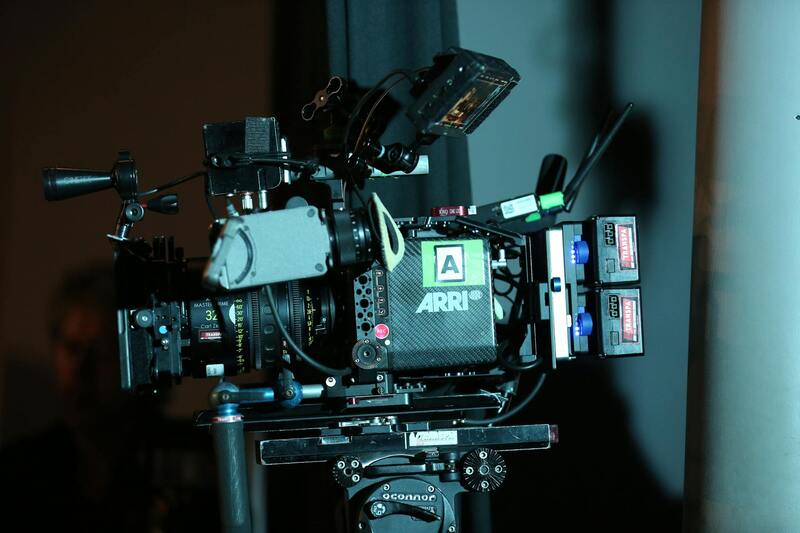
Executing high-quality real estate photos requires a comprehensive understanding of specific techniques and access to professional-grade equipment. Realtors should collaborate with photographers who utilize full-frame digital cameras equipped with wide-angle lenses. Such equipment enables capturing expansive, detailed shots that encompass entire rooms, giving potential buyers a true sense of space and flow within the property.
Lighting is paramount in real estate photography. Photographers often employ external flashes, diffusers, and consider natural light availability to create well-lit images that highlight the property’s best features. Proper exposure settings ensure that interiors are neither washed out nor shadowed, maintaining a balanced appearance that accurately represents the property’s ambiance.
Use of tripod stabilizes the camera, resulting in crisp, distortion-free images, particularly in low-light conditions. Image stabilization technologies further assist in producing sharp photos. The emphasis on straight lines and level horizons can be achieved with the aid of digital leveling tools integrated into many professional cameras or editing software.
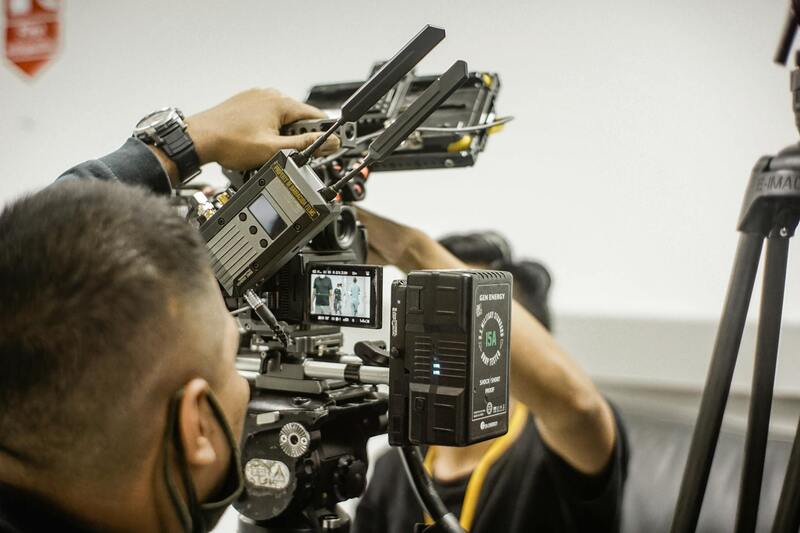
In addition, skilled photographers employ panoramic shots and HDR (High Dynamic Range) imaging to balance exposures between bright and shadowed areas within a room. These techniques help mitigate challenges posed by complex lighting conditions, providing visually appealing images that retain accurate detail across the scene.
Equipment Considerations
- Full-frame digital cameras
- Wide-angle lenses (typically 10-24mm or 14-24mm)
- Tripods for stabilization
- External flash units and diffusers
- HDR imaging tools
- Remote shutter releases or wireless triggers
Investing in and correctly deploying this equipment maximizes the quality of real estate photographs, making listings stand out in a competitive digital marketplace.
Legal and Ethical Considerations in Real Estate Photography
Maintaining high standards in real estate photography involves adhering to established practices that respect the property owner’s rights and accurately represent the property. When engaging in property photoshoots, it is crucial to obtain proper consent from property owners or agents before capturing images. Clear agreements should outline the scope of the shoot, usage rights, and distribution channels to prevent misunderstandings and ensure transparency.
Accurate depiction of the property’s features is fundamental. Photographers must avoid the temptation to manipulate images in ways that could mislead potential buyers or distort the actual state of the property. This includes faithfully representing room sizes, layouts, and features without exaggeration, ensuring that prospective buyers receive an authentic view that supports their decision-making process.
Furthermore, photographers should be cautious about staging or editing images to enhance visual appeal without significantly altering the property's appearance. Subtle adjustments like correcting color imbalance, removing distractions, and enhancing lighting are acceptable practices that improve image quality while maintaining integrity.
Respecting privacy rights and data protection regulations is equally essential when managing photos and related property information. Photographers and real estate agents should ensure that images do not infringe on the privacy of occupants or include sensitive information inadvertently.
By adhering to these professional standards, realtors and photographers can create visually engaging listings that build trust, offer an accurate depiction of the property, and comply with industry best practices. These efforts contribute to a positive reputation for all parties involved and facilitate smoother transactions in the competitive Miami real estate market.
Legal and Ethical Standards in Real Estate Photography
Maintaining the integrity of real estate photos is fundamental to establishing trust and transparency in property listings. When selecting a photographer or photography service, realtors should prioritize adherence to established industry standards that promote genuine representation of properties. This involves ensuring that images accurately portray the property's size, layout, architectural features, and overall condition without resorting to misleading distortions or enhancements.
While professional editing can enhance visual appeal—such as adjusting brightness, contrast, or correcting color inconsistencies—these modifications should never alter the core attributes of the property. For instance, removing or hiding structural flaws, manipulating room dimensions, or fabricating features can undermine the authenticity of the listing, potentially leading to customer dissatisfaction or disputes post-transaction.
Authentic representation also extends to respecting privacy rights and safeguarding occupant confidentiality. Photographers and real estate agents should be diligent in ensuring that images do not inadvertently disclose sensitive information or infringe on individual privacy rights. This includes withholding images of private spaces not meant for public viewing, such as personal bedrooms or confidential areas, and obtaining necessary permissions when key features or individuals are present in the photographs.
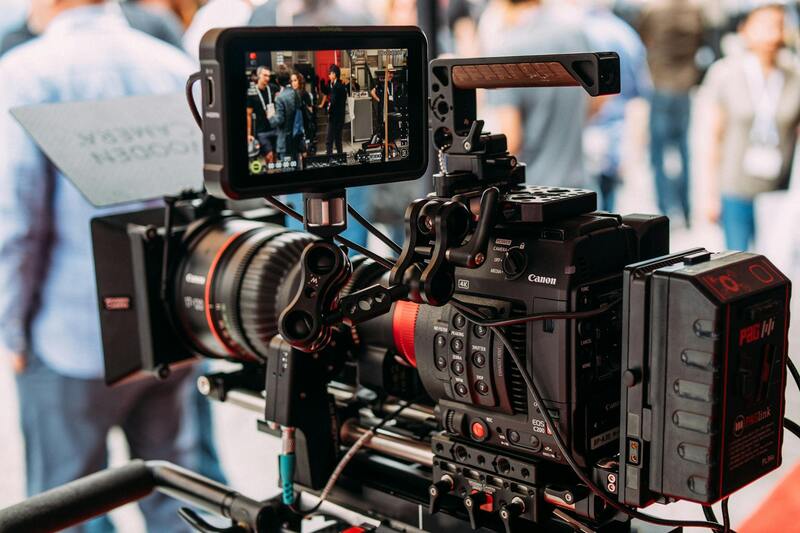
Adherence to ethical standards in real estate photography not only fosters a trustworthy relationship with prospective buyers but also enhances the reputation of both the agent and the listing platform. Each image should serve as a truthful reflection of the property, making sure that buyers receive an accurate preview and can make informed decisions aligned with what is physically available.
Authentic Representation and Fair Marketing
- Use honest lighting techniques that do not artificially inflate or diminish the perceived size or features.
- Ensure that staged furniture and decor, if used, reflect the actual condition of the property or clearly indicate staging purposes.
- Avoid digital alterations that could mislead, such as removing structural imperfections or exaggerating space through editing.
- Incorporate images that provide comprehensive views, including all significant areas relevant to prospective buyers.
- Respect restrictions related to private spaces and individuals' privacy rights during the photo shoot process.
Promoting Transparency in Listings
Transparent and honest photography directly influences the perception of professionalism and reliability. By committing to accurate portrayals, real estate professionals reinforce trust, facilitate smoother transactions, and attract more serious clients through consistent, high-quality visual storytelling. Ultimately, upholding these standards benefits the entire Miami real estate market by fostering an environment of integrity and accountability among all industry stakeholders.