Role of a Realty Photographer
A realty photographer specializes in capturing high-quality images of properties listed for sale or rent. Their primary responsibility is to showcase the property’s best features, creating visually compelling images that attract potential buyers or tenants. These professionals understand the nuances of interior and exterior photography, knowing how to utilize lighting, angles, and composition to highlight the property’s strengths. In the highly competitive real estate market, especially in vibrant areas like Miami, the quality of photographs can significantly influence a property’s visibility and appeal.
The impact of professional photography extends beyond mere aesthetics; it directly affects marketing outcomes. Eye-catching images can generate more interest, increase online engagement, and lead to faster sales. A realty photographer also plays a crucial role in ensuring the images align with the branding and marketing strategies of real estate agents and property owners. Their work helps create a consistent and attractive presentation, which enhances credibility and trustworthiness among prospective buyers.
Effective realty photography involves understanding the target market, the unique features of each property, and the latest techniques to maximize visual appeal. In a competitive real estate environment such as Miami’s, the role of a realty photographer is indispensable for standing out in a crowded marketplace.
Skills and Equipment Needed
- Proficiency in camera operation, including DSLRs and mirrorless systems
- Mastery of lighting, both natural and artificial, to enhance space and ambiance
- Knowledge of editing software to optimize images post-shoot
- Understanding of composition and framing techniques to highlight property features
- Use of wide-angle lenses to capture comprehensive views of interior and exterior spaces
- Utilization of drone photography for aerial shots of larger properties or unique vantage points
Investing in the right skills and equipment ensures the photographer can deliver consistent, high-quality images that meet the evolving standards of digital real estate marketing. In Miami’s dynamic market, staying updated with current technological advancements and industry best practices is essential for delivering standout results.
Importance of Professional Photography in Real Estate
Professional images significantly influence a property’s online presence. Listings with high-quality photos tend to attract more views and generate greater interest, leading to quicker sales and potentially higher offers. The first impression formed by a prospective buyer often hinges on the visual presentation, making it critical that photographs accurately depict the property’s space, lighting, and features.
Moreover, professional photography sets a property apart from amateur visuals that may be cluttered or poorly lit. It also streamlines the marketing process by reducing the need for multiple viewings that result from incomplete or unappealing images. Consequently, investing in skilled realty photography is a strategic decision that can elevate a property’s market position and speed up the transaction timeline.
Skills and Equipment Needed
To excel as a dedicated realty photographer in Miami, a professional must possess a comprehensive skill set that encompasses technical mastery and artistic sensibility. Mastery of composition is fundamental; understanding how to arrange extrinsic elements within a frame ensures that each photograph highlights the property's unique selling points effectively. This includes proficiency in using leading lines, symmetry, and the rule of thirds to create engaging visuals that draw the viewer’s eye naturally to key features.
Lighting is another critical component. A realty photographer must be adept at managing natural light, ensuring that the property appears bright, inviting, and true to life in all conditions. This often involves harnessing reflectors, diffusers, and editing techniques to balance shadows and highlights, making interior spaces seem spacious and welcoming.
Equipment quality directly impacts the clarity and appeal of real estate images. A professional image should be sharp, with accurate color rendition and minimal distortion. Extensive use of wide-angle lenses captures expansive views of interior and exterior spaces, imparting a comprehensive perspective that helps prospective buyers visualize the property. Drone photography equipment has become increasingly relevant, providing high-resolution aerial shots that showcase landscaping and property boundaries from a compelling vantage point.
Beyond camera gear, editing software plays a vital role in refining images. Post-processing allows the photographer to enhance lighting, correct distortions, and ensure consistency across all visuals. This meticulous attention to detail ensures that each property presentation maintains a professional standard that aligns with current market expectations.
Continual education is crucial in Miami’s competitive real estate sector. Attending workshops, staying updated on new photography techniques, and adopting emerging technological tools help realty photographers deliver innovative and impactful visual content that compels potential buyers. As the market evolves, so should the methods used to capture and present property images, ensuring that each assignment elevates the property's market appeal.
Role of a Realty Photographer
A professional realty photographer serves as a visual storyteller for properties, bridging the gap between architectural design and prospective buyers. Their primary responsibility is to craft compelling, high-resolution images that accurately depict the property's features, spatial layout, and unique selling points. These visuals create an emotional connection, allowing potential buyers to envision living in the space even before visiting in person. Beyond capturing static images, a skilled realtor photographer combines artistic vision with technical expertise to enhance lighting, perspective, and composition, ensuring each shot highlights the property's strengths and minimizes any flaws.
Realty photographers often collaborate closely with real estate agents, property owners, and staging professionals. Their role extends beyond mere photography; it involves strategizing the best angles, lighting conditions, and time of day to showcase the property under optimal conditions. Their work can include interior photography, exterior shots, twilight captures, and aerial images using drones to provide a comprehensive visual narrative. Given the competitive Miami real estate landscape, the photographer's skill significantly influences how an online listing stands out among numerous options. A well-executed visual presentation can be the decisive factor in attracting serious buyers and accelerating the sale process.

Skills and Equipment Needed
Successful realty photographers in Miami leverage a combination of technical skills, artistic sensibility, and top-tier equipment. Mastery over camera settings ensures each shot maintains optimal sharpness, color accuracy, and exposure. Wide-angle lenses are standard for interior shots, enabling a broader perspective that emphasizes space and layout. Aerial photography, increasingly prevalent in luxury listings, relies on drone technology equipped with high-resolution cameras, offering stunning views of the property's surroundings and landscaping. Proper drone operation skills are essential to capture smooth, well-composed aerial images safely and effectively.
Lighting equipment such as portable flash units and reflectors can help in creating bright, evenly lit interiors, especially in rooms with limited natural light. Tripods are crucial for stability during long exposures, capturing sharp images in low-light conditions. Post-processing tools like advanced editing software enhance images by correcting distortions, adjusting color balances, and removing minor imperfections. Continuous education on new photography techniques, editing tools, and emerging technologies ensures the realtor photographer maintains a competitive edge in Miami’s dynamic market.
Methods to Verify a Realty Photographer’s Credentials and Experience
Choosing a qualified realty photographer in Miami involves thorough verification of their professional background, skill set, and portfolio. Property owners and real estate professionals benefit from methods that confirm the photographer’s expertise, ensuring their work aligns with the high standards required to effectively market properties.
One of the most reliable ways to evaluate a photographer’s credentials is by reviewing their portfolio. This should include a diverse range of property types, including residential, commercial, and luxury listings. Noticing consistency in image quality, composition, and lighting across various properties indicates a photographer’s proficiency and adaptability. In addition to visual assessments, requesting client references or testimonials provides insight into their working relationships, punctuality, and ability to meet client expectations.
Another important step is to confirm their professional experience in the Miami market specifically. Familiarity with local neighborhoods, architectural styles, and seasonal lighting conditions enables a photographer to tailor their approach for each property. Ask about their familiarity with high-end luxury listings, aerial photography, and virtual tour integration, as these are increasingly important in Miami’s competitive real estate landscape.
Certifications and memberships in professional photography associations also serve as indicators of credibility. These affiliations often require adherence to industry standards and continuous education, ensuring the photographer remains updated on the latest techniques and technological advancements. A certified photographer may hold credentials from recognized industry bodies or specialized training in real estate imaging, which can enhance confidence in their capabilities.
 igure>
Additionally, examining the equipment used by the photographer can reveal their level of professionalism. Top-tier high-resolution cameras, professional lighting setups, and drone technology indicate investment in quality tools that produce superior images. It is advisable to inquire about their editing process, ensuring post-production editing aligns with industry standards for natural, attractive imagery.
In summary, due diligence in evaluating a realty photographer’s credentials and experience fosters a collaborative relationship built on trust and professionalism. This approach guarantees that each property’s visual presentation effectively aligns with marketing strategies, ultimately attracting prospective buyers and closing deals efficiently within Miami’s vibrant real estate market.
Understanding the Local Miami Market
When selecting a conveyance to elevate property listings, familiarity with Miami's distinctive real estate environment is vital. The Miami market is characterized by its diverse architecture, vibrant neighborhoods, and fast-paced sales cycles. A skilled realty photographer must possess an in-depth knowledge of these local nuances to capture properties in ways that resonate with prospective buyers. For example, Miami’s luxury condominiums require a different approach compared to single-family homes in suburban areas, emphasizing the importance of tailored strategies.
Effective real estate imaging in Miami involves more than just high-quality visuals; it encompasses understanding regional aesthetics, cultural influences, and market demand trends. Photographers should be adept in highlighting unique property features such as waterfront views, tropical landscaping, or contemporary interior designs that align with Miami’s lifestyle appeal. This contextual understanding ensures the imagery appeals directly to the target demographic.
Furthermore, a photographer familiar with Miami’s geographic and environmental conditions can better prepare for challenges like sunlight angles, weather variability, and coastal influence on equipment. They can optimize shooting schedules and equipment settings to maximize image quality amid these conditions.
To succeed in Miami’s bustling real estate environment, collaboration with local agents and property owners is essential. This allows photographers to gain insights into specific property selling points and regional marketing trends, tailoring their approach for the most compelling presentation.
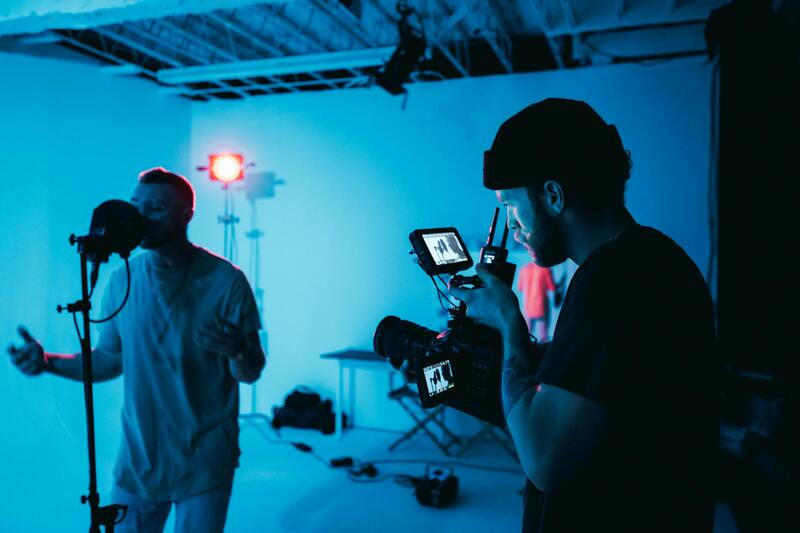
Role of a Realty Photographer
A skilled realty photographer plays an essential role in the marketing and presentation of real estate properties. Their primary responsibility is to capture images that accurately depict the property, highlighting its best features while appealing to the aesthetic preferences of prospective buyers. Beyond simply taking photos, a professional photographer understands market trends, lighting conditions, and regional design preferences, all of which combine to create compelling visual narratives.
They serve as visual storytellers, showcasing a property’s unique attributes—whether it's the breathtaking waterfront views typical of Miami, contemporary interiors, or lush landscaped gardens. A well-executed portfolio can accelerate the sale process by attracting more qualified interest and establishing an emotional connection with potential buyers. Additionally, the imagery produced by a seasoned realty photographer supports various marketing channels, including online listings, social media campaigns, and print advertisements, ensuring consistency across all promotional platforms.
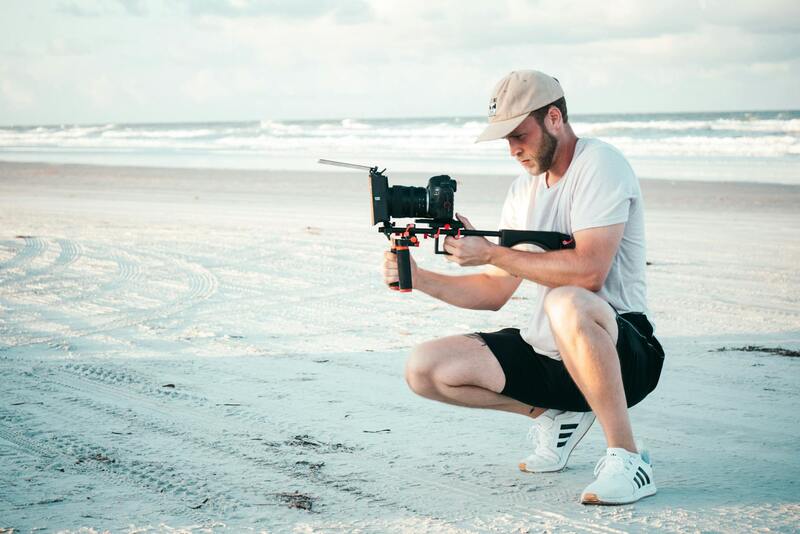
Skills and Equipment Needed
Proficiency in real estate photography requires a blend of technical skills, artistic insight, and the right equipment. An expert photographer maintains mastery over camera settings such as aperture, shutter speed, and ISO to optimize image clarity and lighting. They should be familiar with advanced techniques like HDR (High Dynamic Range) imaging to balance interior and exterior light levels, ensuring the property looks inviting regardless of exposure challenges.
The equipment arsenal typically includes professional-grade DSLRs or mirrorless cameras, wide-angle lenses to capture more expansive views, tripod stabilization to ensure sharp images, and drone technology for aerial shots that provide potential buyers with unique perspectives of the property and its surroundings. Moreover, familiarity with editing software such as Adobe Photoshop or Lightroom is crucial for fine-tuning images, removing imperfections, and enhancing visual appeal.
Approach and Techniques
Effective realty photography combines technical expertise with an artistic eye for composition. The photographer must understand the importance of lighting, particularly in a climate like Miami’s, where natural sunlight plays a significant role in property presentation. Shooting during optimal times of day—such as early mornings or late afternoons—can yield softer, more flattering light.
Composition techniques, including the rule of thirds, leading lines, and strategic framing, help draw attention to focal points within a property. Additionally, incorporating contextually relevant elements, like vibrant tropical landscaping or waterfront views, accentuates the property’s lifestyle appeal.
Incorporating modern trends, such as drone photography for aerial views or 360-degree virtual tours, allows realty photographers to provide potential buyers with immersive experiences. These techniques enable a comprehensive understanding of the property’s layout and surroundings, which can be particularly advantageous in competitive markets like Miami.
Role of a Realty Photographer
A professional realty photographer plays a vital role in the marketing and selling of properties by capturing compelling images that highlight the property's best features. These images serve as the initial impression for prospective buyers browsing online listings, making high-quality visual content crucial for attracting attention and generating interest. A realty photographer’s responsibility extends beyond merely taking pictures; it involves understanding the nuances of property presentation, lighting conditions, and composition to create visually appealing images that convey the lifestyle and ambiance of the home or commercial space.
Additionally, a skilled realty photographer ensures consistency across multiple listings, maintaining an image standard that enhances a real estate agency’s branding. They often collaborate with realtors and property owners to identify the angles and features that will resonate most with potential buyers. In the competitive Miami real estate market, the ability to produce striking, professional images can be the differentiator that propels a listing to the top of search results and attracts qualified leads.
Skills and Equipment Needed
Successful realty photographers possess a blend of technical expertise, artistic sense, and familiarity with advanced equipment. Key skills include proficiency in photogrammetry, understanding of lighting dynamics, and the ability to operate sophisticated cameras and accessories. Equipment necessary for top-tier realty photography incorporates high-resolution DSLR or mirrorless cameras, wide-angle lenses to capture expansive interiors, and tripod stabilization systems to ensure image sharpness.
In addition to camera gear, tools such as drone technology enable aerial shots that provide unique perspectives of waterfront properties or expansive estates. Post-production editing software like Adobe Photoshop or Lightroom is also integral for enhancing images by adjusting brightness, contrast, and color balance, ensuring each photo presents the property in its best light.
Importance of Professional Photography in Real Estate
High-quality photography significantly influences the perception of a property and the speed at which it sells. Listings with professional images tend to receive more views, engagement, and inquiries, ultimately leading to faster sales or higher offers. Good photography helps to:
- Attract more potential buyers online by standing out in crowded listings
- Showcase the property's features accurately and attractively
- Convey a sense of space, light, and lifestyle appeal specific to Miami's vibrant real estate market
- Build trust with prospective clients through consistent, quality presentation
In a market like Miami, where waterfront views, tropical landscaping, and unique architectural styles are prevalent, imagery that emphasizes these features can greatly enhance a property's appeal. Fast-paced and highly visual, Miami’s real estate industry benefits immensely from the strategic use of compelling visual content that only professional photography can deliver.
Understanding the Local Miami Market
Miami's real estate landscape is characterized by its diversity—luxury waterfront estates, modern condos, historic homes, and vibrant urban properties. Familiarity with local market trends helps realty photographers tailor their approach to reflect regional aesthetics, popular architectural styles, and the lifestyle that potential buyers are seeking. Knowledge of popular neighborhoods like Brickell, Miami Beach, or Coral Gables allows photographers to incorporate contextual elements into their images, such as scenic cityscapes, water views, or tropical landscaping, which resonate with prospective buyers’ aspirations for Miami living.
Working with Realtors and Property Owners
An effective partnership between realty photographers, real estate agents, and property owners is essential for maximizing the impact of visual content. Clear communication about the property's unique selling points, preferred angles, and target audience allows photographers to produce images aligned with marketing goals. Scheduling shoots during the optimal times for natural light, understanding the property's features to highlight, and integrating additional services like drone captures or virtual tours further enhance the promotional material. Establishing trust and understanding the marketing objectives ensures that the photographs serve as powerful tools in property promotion, especially in the high-stakes Miami market.
Trends and Techniques in Realty Photography
Modern trends in realty photography include the increased use of drone imagery, 360-degree virtual tours, and immersive video walkthroughs. These techniques enable prospective buyers to experience properties remotely, offering comprehensive views of both interiors and exteriors. Additionally, the adoption of HDR (High Dynamic Range) imaging improves the balance between bright outdoor scenery and interior lighting, producing vibrant and inviting pictures.
Incorporating these techniques requires familiarity with specialized equipment and editing software. For instance, drone photography provides stunning aerial shots that showcase waterfront properties, sprawling estates, or attractive landscaping features. 360-degree virtual tours give viewers an interactive experience, making the property accessible from anywhere, at any time. These innovations keep realty photography aligned with buyer expectations for immediacy, interactivity, and high-quality visual content, which are especially valuable in Florida's luxury market.
Role of a Realty Photographer
A dedicated realty photographer specializes in capturing the unique features of properties to attract potential buyers and investors. Their role extends beyond taking basic photos; they craft visual narratives that highlight a property’s best attributes. This involves understanding architectural details, interior design, and outdoor landscapes to produce images that resonate with prospective clients. A skilled realtor photographer in Miami recognizes the competitive nature of the local market, where high-quality visuals are essential for distinguishing listings. By evaluating each property, a realty photographer plans shot compositions that enhance spatial perception, emphasize key selling points, and evoke emotional responses. They select angles, lighting, and perspectives designed to showcase the property’s character and potential. Whether capturing spacious living rooms, modern kitchens, or luxurious outdoor amenities, their aim is to create a compelling visual story that compels viewers to learn more. Moreover, a professional photographer understands the importance of consistency across a real estate portfolio. This ensures that listings maintain a cohesive aesthetic, reinforcing professionalism and building trust with clients. When executed properly, the imagery becomes a critical component in marketing strategies, helping homes sell faster and often for higher prices within the dynamic Miami real estate environment.
Skills and Equipment Needed
To excel as a realty photographer in Miami, professionals require a blend of technical expertise and artistic sensibility. Mastery of digital cameras, including DSLRs or mirrorless systems, ensures high-resolution images capable of capturing fine details. Knowledge of lens selection is vital; wide-angle lenses are standard in real estate photography as they allow for expansive shots that make rooms appear larger and more inviting. Lighting plays a critical role in realty photography. Skillful use of natural light, complemented by external flashes or continuous lighting setups, eliminates shadows and highlights the best features of a property. Additionally, the use of drone cameras can provide aerial perspectives that showcase expansive estates, waterfront views, or landscaping features uniquely suited to Miami’s diverse properties. Post-processing software such as Adobe Lightroom or Photoshop enables photographers to enhance images subtly, correcting color balance, exposure, and lens distortions. Skilled editing preserves the integrity of the scene while making the property look its best. Staying updated with the latest trends and technological advancements, including virtual staging tools or virtual tour equipment, positions a realtor photographer at the forefront of the industry. Many Miami photographers also invest in stabilizers and tripod systems to ensure crisp, blur-free images, vital in showcasing luxurious and meticulously maintained properties.

Importance of Professional Photography in Real Estate
In the hyper-competitive Miami property market, professional photography acts as a cornerstone for successful property marketing. High-quality images increase online visibility by attracting more clicks and engagement on listing platforms and social media channels. Listings with compelling visuals tend to generate more inquiries, often leading to faster sales. Moreover, superior imagery conveys a sense of professionalism and trustworthiness, assuring prospective buyers of the property's value and the seller’s commitment to quality. This visual credibility enhances the overall perception of the listing, making it stand out amid numerous competing properties. Studies have shown that homes featured with professional photos sell more quickly and often command higher offers. The combination of clear, vibrant images and strategic staging captures the attention of buyers, helping them visualize living in the space, which is especially critical in Miami's luxury market where buyers expect stunning, aspirational visuals. Realty photography also supports virtual viewing experiences, enabling remote buyers to tour properties without visiting physically. High-resolution photos and 3D virtual tours foster engagement and expand the reach of marketing efforts beyond local boundaries, crucial in a city with a large influx of out-of-town and international buyers.
Understanding the Local Miami Market
Effective realty photography in Miami requires a keen understanding of the local market's nuances. Miami’s diverse property types—from waterfront condominiums and sprawling estates to urban apartments—demand tailored photographic approaches. Waterfront properties benefit from aerial shots that emphasize views and access to water, while luxury homes often warrant detailed interior shots highlighting upscale features. Additionally, Miami's vibrant lifestyle, characterized by beaches, entertainment venues, and cultural hotspots, should be reflected creatively in visuals. Photographers should consider capturing scenes that evoke the allure of Miami living, such as outdoor pools, rooftop decks, and landscaped gardens. Seasonal considerations, like golden hour lighting during sunset, can dramatically enhance the city’s scenic appeal. Cultural awareness also plays a role; understanding the preferences and expectations of diverse buyer demographics—local, national, and international—is essential. Adjusting photographic styles and storytelling techniques to resonate with these audiences can significantly improve marketing effectiveness.

Working with Realtors and Property Owners
Successful collaboration with realtors and property owners hinges on clear communication and a shared understanding of goals. Establishing expectations early, including shot lists, preferred angles, and highlighting specific property features, results in more targeted and effective visuals. Professional photographers often conduct pre-shoot consultations to grasp the property's unique selling points and any special characteristics that need emphasis. Scheduling shoots during optimal lighting conditions ensures the best results; for Miami properties, this often means planning around sunrise, sunset, or overcast days to achieve a warm, inviting atmosphere. Responsive interaction during the editing process allows for adjustments aligned with client feedback. Providing quick turnaround times ensures listings remain current and competitive. Maintaining a reliable, professional demeanor fosters trust and encourages repeat business, which is vital in Miami's fast-paced real estate sector. Finally, offering additional services such as virtual staging, drone footage, and virtual tours creates a comprehensive marketing package that appeals to modern buyers and enhances the overall listing presentation.
Trends and Techniques in Realty Photography
The evolving landscape of realty photography incorporates advanced techniques that align with current buyer preferences. Drone photography has become a staple for capturing expansive property views and neighborhood surroundings, especially important in Miami’s waterfront and upscale communities. 360-degree virtual tours and immersive videos allow potential buyers to virtually explore properties from anywhere, increasing engagement and reducing the need for multiple physical visits. These tools are particularly beneficial for international buyers or those relocating from distant markets. HDR (High Dynamic Range) imaging enhances the balance between indoor and outdoor lighting, rendering vibrant images that reflect real-life scenes. This technique is crucial for properties with diverse lighting conditions or contrasting light sources. Post-production editing remains vital, enhancing images without overdoing effects to maintain authenticity. Consistent styling, including modern staging and decluttering, ensures each property’s best features are prominently displayed. Staying ahead of these trends requires continuous education, participation in industry workshops, and investment in cutting-edge equipment, ensuring Miami realty photography remains at the forefront of innovation.
Pricing and Selecting a Realty Photographer in Miami
Pricing for realty photography services in Miami varies based on factors such as property size, scope of services, and specialization (e.g., drone footage, virtual tours). Experienced photographers may charge premium rates reflecting their expertise, equipment quality, and post-processing capabilities. When selecting a realtor photographer, consider their portfolio, familiarity with Miami’s market, and client reviews. A photographer well-versed in the local area can tailor visuals that resonate with the regional audience and highlight community-specific features. Requesting detailed quotes and service packages helps compare options, ensuring transparency in pricing. It’s advisable to verify turnaround times, availability, and the scope of editing included. Balancing cost considerations with quality ensures that the investment in professional imagery yields maximum marketing impact, facilitating quicker sales and higher offers in the competitive Miami real estate landscape.