Understanding Residential Photography
Residential photography is the art and science of capturing high-quality images of residential properties, including single-family homes, apartments, condominiums, and luxury estates. This specialized field focuses on showcasing the unique features, spatial layouts, and aesthetic appeal of a property to attract potential buyers or tenants. Effective residential photography not only highlights the property's best attributes but also conveys a sense of lifestyle and comfort that appeals to prospective occupants.
In the highly competitive real estate market, professional residential photography has become an essential component of marketing strategies. High-resolution images serve as visual gateways that generate interest and drive traffic to listings, whether posted online or in print. Well-composed photos can influence buying decisions by providing an accurate representation of what the property offers, fostering trust and confidence among viewers.
Beyond real estate sales, residential photography also plays a vital role in property management, rental promotions, and staging presentations. By capturing properties in their best light, real estate agents, property managers, and homeowners can effectively communicate the potential and charm of a residence, thereby accelerating the sale or lease process.
Moreover, with the rapid growth of online property platforms, high-quality imagery has become a primary factor in attracting views and inquiries. As digital listings are often the first interaction potential buyers have with a property, investing in professional residential photography ensures that the property stands out amid numerous competing listings.
In summary, residential photography is a crucial element of modern real estate marketing. Its ability to effectively portray a property's best qualities can significantly influence market visibility, reception, and ultimately, the success of a property sale or rental. Professionals in this field use their expertise to craft images that are aesthetically pleasing, accurate, and compelling—making residential photography an indispensable tool in property presentation today.
Equipment and Technology for Residential Photography
The foundation of exceptional residential photography lies in the quality and selection of equipment used by professional photographers. High-resolution digital cameras are the mainstay, offering the ability to capture fine details and deliver crisp, vibrant images that showcase a property's best features. Full-frame sensors are preferred for their superior performance in low-light conditions and their ability to produce images with a wide dynamic range, which is essential for capturing both interior and exterior shots with accuracy.
Lens choice is equally important. Wide-angle lenses, typically ranging from 14mm to 24mm, enable photographers to capture more of a room in a single shot, providing viewers with a comprehensive perspective of the space. However, the use of ultra-wide lenses should be balanced with an understanding of distortion, ensuring images remain realistic and inviting. Tilt-shift lenses can also be employed for more control over perspective, especially in high-ceiling areas or when capturing architectural details.
Tripods are indispensable in residential photography for maintaining stability, particularly when shooting in lower light conditions or with longer exposure times. They help achieve sharp images and enable the use of techniques like bracketing and HDR (High Dynamic Range) imaging, which combines multiple exposures to enhance details in shadows and highlights.
Lighting equipment, whether natural or supplemental, plays a critical role. Professional photographers often utilize external light sources such as strobes or continuous lights to illuminate darker areas and create balanced, inviting atmospheres. Reflectors and diffusers are also used to soften shadows and distribute light evenly, ensuring every corner of a room is well-lit without harsh contrasts.
Post-processing software, such as Adobe Lightroom and Photoshop, is vital for refining images. Skills in these tools allow photographers to correct distortions, adjust color balance, enhance brightness and contrast, and remove minor imperfections that might distract viewers. Advanced editing techniques can also help in achieving a polished and professional appearance that aligns with the property’s true character.
Investing in the right equipment and staying updated with technological advancements ensures that residential photographers can deliver consistent, high-quality results. This level of precision and professionalism significantly boosts the appeal of property listings, making it easier for clients to attract interest and secure transactions.
Best Time of Day and Lighting Conditions
Timing plays a vital role in capturing appealing residential images. The optimal period for outdoor photography is typically during the golden hours shortly after sunrise or before sunset when natural light is warmer and less harsh. This softer light creates inviting shadows and highlights architectural features without producing stark contrasts.
For interior shoots, it’s best to work during the day when ample natural light can fill the space. Opening curtains and blinds allows sunlight to permeate the rooms, demonstrating the property's airy and spacious qualities. Overcast days are also advantageous, as diffuse light reduces harsh shadows and evenly illuminates interiors, resulting in a balanced and natural look.
Properly managing natural light involves adjusting shutter speeds, aperture, and ISO settings to prevent overexposure or underexposure. Using reflectors or supplemental lighting can enhance shadows and highlight details that may otherwise be lost in darker corners. These practices collectively contribute to creating images that are both attractive and true to life, effectively communicating the property's full potential.
Equipment and Technology for Residential Photography
Achieving high-quality residential photographs requires an investment in advanced equipment and the latest technological tools. Professional photographers typically use digital cameras with high-resolution sensors that can capture intricate details and produce sharp, vibrant images. Full-frame DSLR or mirrorless cameras are preferred for their superior image quality and versatility, especially in low-light situations common within interior spaces.
Specialized lenses are essential for residential photography. Wide-angle lenses—ranging from 14mm to 24mm—are most commonly employed to capture entire rooms and architectural features without distortion. Such lenses enable photographers to showcase more of a space in a single shot, making rooms appear larger and more inviting to potential buyers.
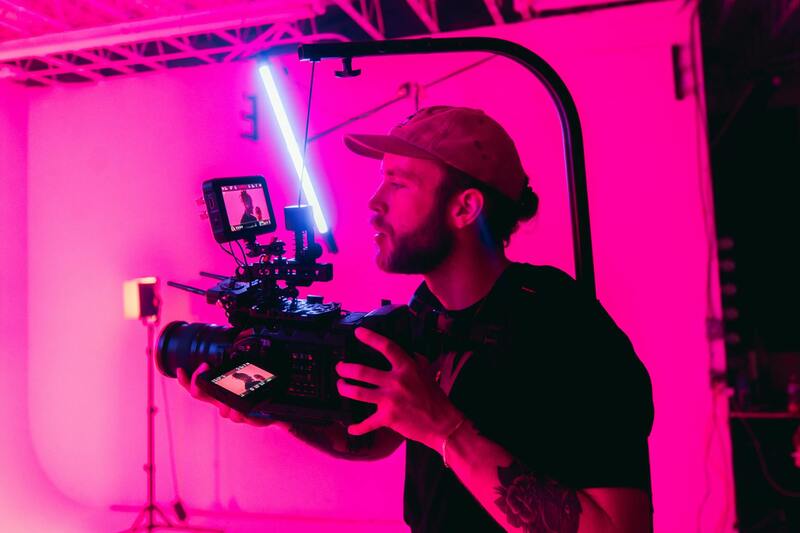
Lighting equipment also plays a pivotal role in creating professional residential images. While leveraging natural light is ideal, supplemental artificial lighting is often necessary to ensure consistent illumination. Portable strobe lights, softboxes, and reflectors help control shadows and highlight key features of a property, especially in poorly lit areas or during overcast days. Proper lighting setup ensures even exposure and enhances the property’s aesthetic appeal.
Image stabilization and tripod mounts are vital for maintaining clarity during long exposures, which are often used in interior shoots to capture more light without introducing motion blur. Post-capture, editing software such as Adobe Photoshop or Lightroom is used for fine-tuning images—adjusting brightness, contrast, correcting color balance, and removing distracting elements. This professional editing ensures the images are polished and communicate the true essence of the property.
Technological advancements, including HDR (High Dynamic Range) imaging and panoramic stitching, enable photographers to produce images with outstanding detail and dynamic range. HDR combines multiple exposures to balance lighting discrepancies between bright windows and darker room corners, resulting in images that faithfully reproduce the property's visual nuances.
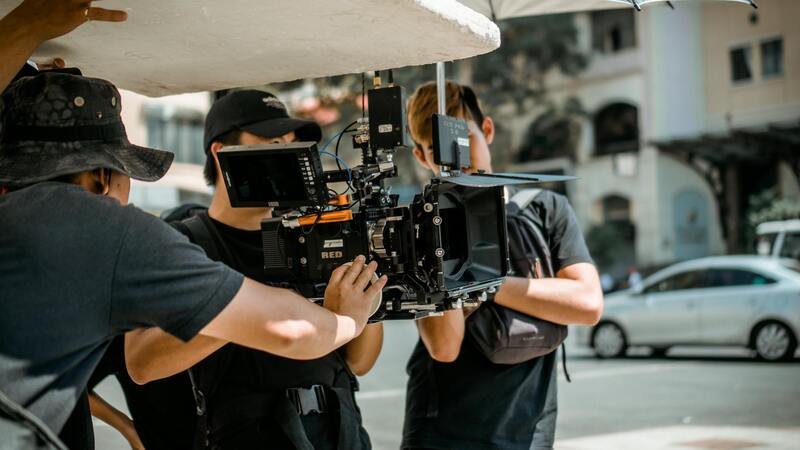
Investing in the right equipment and staying updated with new photography tools and techniques significantly enhances the quality of residential images. With high-end cameras, specialized lenses, lighting equipment, and advanced editing software, photographers can create compelling visuals that resonate with potential clients and elevate property listings to a higher standard.
Understanding Residential Photography
Residential photography plays a critical role in the real estate industry, serving as the visual gateway to attract potential buyers and renters. It involves capturing the essence, layout, and unique features of a property through professionally executed images that resonate with viewers. This specialization demands an eye for detail, technical proficiency, and an understanding of how to showcase a residence's best qualities effectively. The goal is to create a visual narrative that highlights the dwelling’s warmth, space, and design elements, providing viewers with an authentic sense of how it might feel to live there.
Key Elements of Residential Photography
Successful residential photography hinges on several essential elements that collectively ensure the images stand out and truly represent the property:
- Lighting: Proper lighting is fundamental. Utilizing natural light during the day combined with strategic artificial lighting can brighten interior spaces, reveal textures, and eliminate unwanted shadows. The goal is to produce well-balanced images that faithfully depict the property’s ambiance.
- Composition: Thoughtful framing and camera angles help emphasize architectural features and the flow of space. Symmetry, leading lines, and clutter-free shots contribute to a clean, inviting presentation.
- Staging: Decluttering spaces, arranging furniture thoughtfully, and adding subtle decorative touches enhance visual appeal and allow prospective clients to envision themselves in the residence.
- Color and Texture: Capturing true-to-life colors and textures conveys warmth and authenticity. Proper white balance settings during shooting ensure accurate color representation.
- Detail Shots: Highlighting unique design elements, such as custom cabinetry or architectural details, provides depth to the visual story and underscores the property's quality.
Equipment and Technology for Residential Photography
Achieving high-quality residential images relies heavily on specialized equipment and technology. Professional-grade cameras with full-frame sensors are preferred for their ability to capture intricate details and perform well in varied lighting conditions. Wide-angle lenses are essential for interior shots, as they can depict more space within a single frame, giving viewers a comprehensive view of rooms.
Lighting equipment, such as portable softboxes or reflectors, assist in illuminating poorly lit areas and balancing outdoor and indoor lighting contrasts. Tripods are crucial for stability during long exposures, especially in low-light settings, preventing camera shake and ensuring sharp images.
Post-production software like Adobe Lightroom and Photoshop allows for precise adjustments, including color correction, exposure balancing, and minor retouching. These tools help achieve a polished final product that accurately communicates the property’s true essence.
Advancements in technology continue to shape the landscape of residential photography. High Dynamic Range (HDR) imaging merges multiple exposures, balancing lighting discrepancies and revealing details in both shadows and highlights. Panoramic stitching creates expansive views of large properties or outdoor areas, offering viewers a more immersive experience.
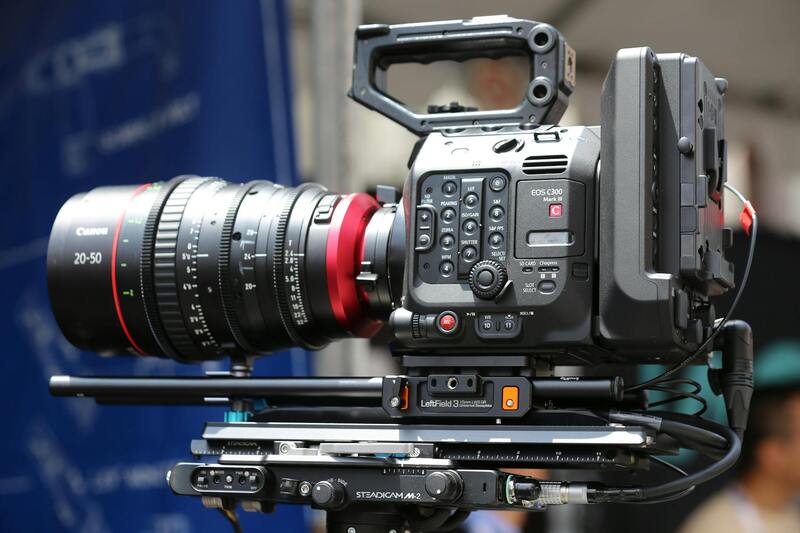
Staying updated with the latest tools, techniques, and equipment is essential for photographers seeking to produce compelling, high-quality visuals that elevate property listings and appeal effectively to potential clients.
Understanding Residential Photography
Residential photography plays a pivotal role in showcasing homes at their best, emphasizing their unique features and creating an emotional connection with potential buyers or renters. It involves capturing the essence, layout, and ambiance of a property through carefully composed images, often emphasizing natural light, spatial flow, and design details. Skilled residential photographers utilize specialized techniques and equipment to provide a compelling visual narrative that not only highlights the property's strengths but also persuades viewers to envision themselves living within its walls.
Key Elements of Residential Photography
To produce captivating residential images, several core elements must be meticulously managed. Composition is fundamental, requiring an eye for framing that accentuates spaciousness and focal points. Proper lighting, both natural and supplemental, ensures that rooms are bright and inviting without overly harsh shadows or blown-out highlights. The strategic use of wide-angle lenses allows for expansive interior shots, giving viewers a comprehensive perspective of the space.
Additionally, attention to detail is crucial in avoiding distractions such as clutter or poorly aligned furniture. Color accuracy and exposure adjustments during post-production further enhance the visual appeal. A balance between authentic portrayal and aesthetic enhancement ensures that images authentically represent the property while captivating potential clients.
Equipment and Technology for Residential Photography

- Camera Bodies: Full-frame DSLRs or mirrorless cameras with high resolution provide sharp detail and enable versatile shooting under various conditions.
- Lenses: Wide-angle lenses are essential for interior shots, capturing more space within each frame without distortion. Tilt-shift lenses are also used to correct perspective distortion in architectural photography.
- Lighting Equipment: Portable softboxes, reflectors, and external flashes help optimize indoor lighting, especially in poorly lit rooms or during overcast days.
- Tripods: Stabilization tools are critical for long exposures, ensuring sharp images when working with low-light environments or HDR techniques.
- Post-Production Software: Adobe Lightroom and Photoshop facilitate color correction, perspective adjustments, and detailed retouching, enhancing the overall quality of the images.
Best Time of Day and Lighting Conditions
The timing of a photoshoot significantly influences the quality of the final images. Early morning or late afternoon often offers the most flattering natural light, characterized by softer, warmer tones that add a welcoming feel to the property. These periods, known as the golden hours, minimize harsh shadows and provide a balanced lighting environment conducive to high-quality photography.
On overcast days, diffuse natural light penetrates evenly through windows, reducing contrast and avoiding hotspots. For interior shoots, it can be advantageous to open curtains or blinds to maximize available light, ensuring rooms appear bright and airy. Supplementing natural light with portable softboxes or reflectors can further control the ambiance, especially in interior spaces with limited windows or during midday when light can become overly intense.
Understanding and leveraging these natural lighting conditions, combined with controlled artificial lighting, ensures that each photograph vividly portrays the property’s textures, colors, and spatial relationships—crucial aspects that influence prospective clients' perceptions and interest in the listing.
Legal and Ethical Considerations in Residential Photography
When conducting professional photography for residential properties, adherence to authorized practices and respect for property rights are fundamental. Ensuring proper permissions are obtained before photographing a property helps maintain transparency and fosters trust with clients and property owners. This includes securing consent from homeowners or property managers, especially when shooting interior spaces or private areas that may contain sensitive items or information.
It is also essential to operate within established regulations regarding the use of drone photography, if applicable. Drone operators must comply with regional aviation guidelines, which often include registration, flight restrictions over private properties, and altitude limitations. Proper training and certification for drone pilots ensure controlled, safe operations that respect residents’ privacy while capturing high-quality aerial images.
Respecting personal privacy extends beyond legal obligations, as maintaining an ethical approach enhances professional reputation. Photographers should avoid capturing intrusive or overly detailed shots of private aspects unless explicitly authorized. Additionally, editing and retouching should be conducted transparently without misrepresenting the property's features or condition. Accurate portrayal sustains credibility and prevents misleading potential buyers or renters.
Documentation and Disclosure
Maintaining thorough documentation of client agreements, permission forms, and related correspondence supports clear communication and accountability. Disclosing any modifications or enhancements made during post-processing safeguards transparency. When listings involve virtual staging or digital alterations, clients should be informed to foster trust and uphold professional integrity.
Use of Licensed Equipment and Software
Utilizing licensed photography equipment and editing software not only complies with copyright laws but also assures clients of professional standards. Investing in reliable cameras, lenses, lighting, and post-production tools guarantees high-quality images that meet industry expectations. Consistently updating technical skills and staying informed about best practices contributes to superior results that adhere to ethical standards.
Legal and Ethical Considerations in Residential Photography
Commercially capturing residential properties demands a nuanced understanding of respectful interaction with clients and residents. Securing explicit permissions prior to photoshoots not only aligns with ethical standards but also fosters trust between photographers and property owners. Domains such as real estate and property management often require comprehensive agreements that outline the scope of photography, ensuring clarity about the use and distribution of images.
Privacy is paramount in residential photography, especially given the intimate nature of private homes. Photographers should exercise diligence by avoiding intrusive shots that reveal personal belongings or sensitive areas that are not intended for public display. When capturing views that involve neighboring properties or public spaces, it's essential to adhere to established boundaries ensuring no breach of privacy occurs.
Transparency in image editing plays a vital role in preserving the integrity of the property's representation. Digital enhancements should accurately reflect the current state of the property, avoiding any form of deceptive portrayal. Clients should be made aware of all modifications, including virtual staging or digital retouching. This openness not only sustains professional credibility but also prevents potential misunderstandings or disputes.
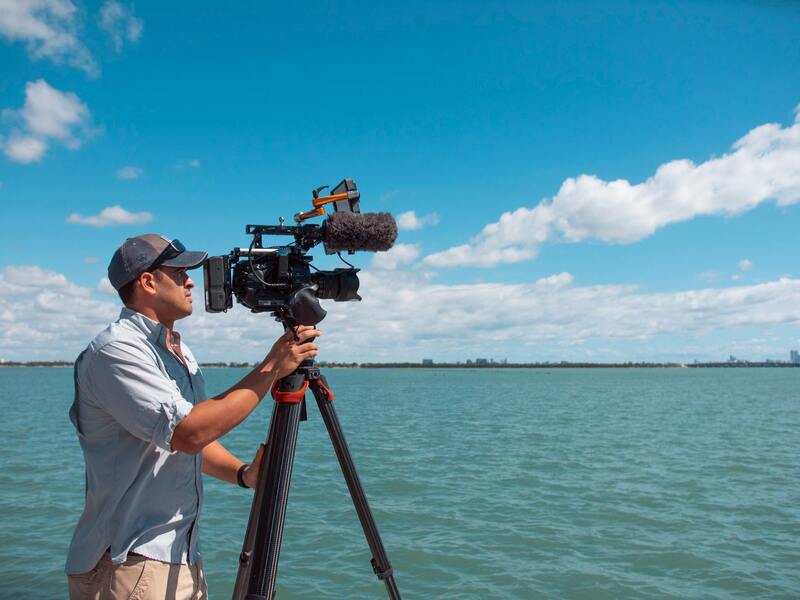
Adhering to official practices involves the use of licensed tools and software. Employing authorized photography equipment, such as high-resolution cameras and professional lighting systems, ensures consistent quality. Similarly, operating with licensed editing programs guarantees that images are enhanced without infringing upon intellectual property rights, thereby upholding industry standards.
Best Practices for Ethical Residential Photography
- Obtain Written Permissions: Always secure clear, written consent from homeowners or residents prior to conducting photoshoots.
- Respect Privacy Boundaries: Avoid capturing or sharing highly personal or private areas that aren’t meant for public viewing.
- Maintain Authenticity: Ensure all image edits are transparent and do not misrepresent the property's features.
- Disclose Modifications: Clearly communicate any digital alterations or virtual staging techniques used in marketing materials.
- Use Certified Equipment: Opt for professional, licensed cameras, lenses, and editing software to guarantee optimal image quality.
- Document Permissions: Keep records of agreements and permissions for each property shoot.
Understanding Residential Photography
Residential photography serves as an essential tool in real estate marketing, aimed at capturing the essence and appeal of a property through visually compelling images. Its primary goal is to highlight key features, maximize space perception, and create an inviting atmosphere that resonates with prospective buyers or tenants. Professional residential photography is meticulously planned, executed, and refined to ensure images reflect the true character and potential of a home, enabling viewers to envision living within its walls. The craft involves not just technical skill but also an understanding of architectural details, interior design, and effective lighting techniques that accentuate the property's best qualities.
Key Elements of Residential Photography
- Lighting: Natural light is preferred, with shoots typically scheduled during the golden hours—early morning or late afternoon—to produce warm, soft illumination. Supplemental lighting, such as strobes or continuous lights, are used to balance interior lighting and eliminate shadows.
- Composition: Effective framing and the use of architectural lines guide the viewer’s eye through the space, emphasizing room proportions and layout flow.
- Angles and Perspectives: Wide-angle lenses are common to capture expansive views of rooms, making spaces appear larger and more inviting. Proper perspective ensures images are true to the space without distortion.
- Detail Shots: Close-ups of unique features like intricate moldings, countertops, or outdoor landscapes add depth to the visual story of the property.
- Staging: Arranging furniture and decor to create an appealing and functional look helps showcase the full potential of each space.
Equipment and Technology for Residential Photography
Utilizing the right equipment is crucial for producing professional-grade images. This includes high-resolution digital cameras capable of capturing detailed images in various lighting conditions. Wide-angle lenses are typically employed to encompass larger areas within a single shot, portraying space effectively. In addition, professional lighting setups, such as softboxes and reflectors, help balance interior lighting and reduce shadows. Tripods ensure stability and consistency across multiple shots, improving overall image sharpness. Advanced editing software, like Adobe Photoshop or Lightroom, allows for precise adjustments and enhancements—such as correcting color balance, straightening lines, and removing minor imperfections—while maintaining authenticity and clarity.
Best Time of Day and Lighting Conditions
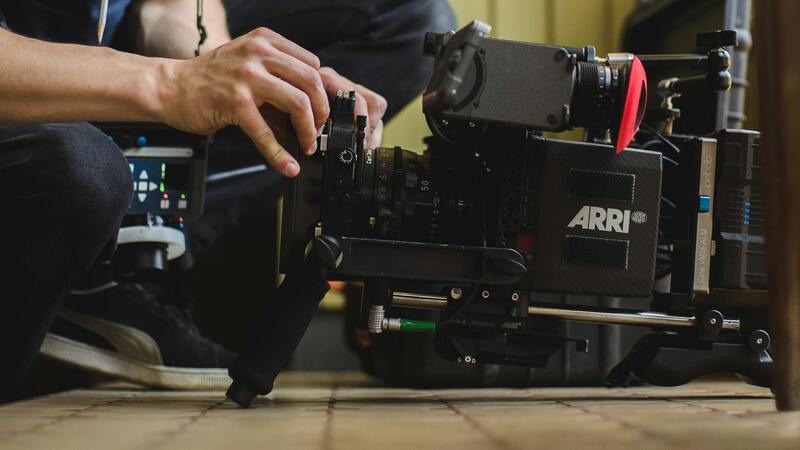
The timing of a photoshoot can dramatically influence image quality. Early morning and late afternoon, known as the golden hours, offer natural light with a warm tone and softer shadows, creating inviting images. Overcast days can also provide diffuse lighting that minimizes harsh shadows and highlights, ideal for interior shots and outdoor scenes. Avoiding direct midday sunlight prevents overexposure and glare, especially in outdoor areas. Additionally, controlling interior lighting with artificial sources ensures consistent brightness and color temperature, resulting in balanced and visually appealing photos.
Staging and Preparing Properties for Photoshoots
Effective staging transforms the space into its best version, emphasizing flow, symmetry, and visual interest. Decluttering countertops and surfaces, opening blinds to maximize natural light, and arranging furniture to highlight architectural features are standard practices. Freshly laundered linens, strategic placement of accent pieces, and the addition of greenery can further enhance the ambiance. Before the shoot, inspecting the property for minor repairs or touch-ups ensures the space appears pristine and well-maintained. Proper preparation not only reduces post-processing time but also ensures the final images genuinely represent the property's true potential, fostering confidence and trust with clients.
Post-Processing and Image Enhancement
After capturing the initial images, meticulous editing enhances their visual impact. Color correction ensures consistency across all images, accurately representing the property's hues. Perspective adjustments rectify any lens distortions, ensuring walls and lines appear straight and true to life. Brightness and contrast are optimized to make images lively without appearing unnatural. Clarity and sharpness are enhanced to ensure fine details are crisp. Virtual staging and digital enhancements can be employed to showcase potential interior arrangements or outdoor landscaping, provided they do not mislead viewers. Maintaining transparency about any digital modifications is vital for preserving trust and credibility, ensuring that the images serve as honest representations of the property.
Legal and Ethical Considerations
Adhering to proper permissions and respecting privacy boundaries are fundamental components of professional residential photography. Securing written consent from property owners or residents prior to the shoot guarantees clarity regarding image use and distribution. Photographers must avoid capturing private areas or personal belongings that are not intended for public display unless explicitly permitted. Authenticity in editing is paramount; images should faithfully depict the property's current state without exaggeration or misrepresentation. When digital enhancements or virtual staging are employed, transparency through disclosures helps maintain integrity. Using certified, licensed equipment and software ensures the high quality of images while reflecting the standards set forth by the industry. Documenting permissions and adhering to ethical practices solidify a professional reputation and foster positive client relationships.
Hiring a Residential Photography Service in Miami
Selecting a qualified residential photographer in Miami involves evaluating several key factors. An experienced photographer's portfolio provides insight into their style and technical proficiency. Reviewing client testimonials and references offers perspectives on reliability and professionalism. Understanding pricing structures and package options helps ensure clarity on services included. It is advisable to verify that the photographer uses professional-grade equipment and editing tools, aligning with the standards for high-quality images. Communication skills, responsiveness, and a clear understanding of client goals also play important roles. Engaging with a reputable local agency or professional ensures that your property is presented in the best possible light, appealing to the target audience and maximizing marketing effectiveness.