Understanding the Role of a Commercial Real Estate Photographer
In the competitive landscape of commercial property marketing, the visual presentation of a property can make a significant difference in attracting potential buyers, tenants, and investors. A professional commercial real estate photographer specializes in capturing high-quality images that highlight the unique features and strengths of a property, ensuring each shot conveys professionalism, clarity, and appeal. Their responsibilities extend beyond simple photography; they understand the nuances of lighting, composition, and the technical aspects required to produce images that stand out in various marketing channels, including online listings, brochures, and presentations.
The importance of their role is rooted in their ability to translate the physical space into a compelling visual story. Commercial real estate photographers meticulously plan each shoot, considering the property's layout, target audience, and the desired marketing message. They utilize advanced equipment, including high-resolution cameras, wide-angle lenses, and drone technology when appropriate, to capture images that accurately depict space dimensions, architectural details, and atmosphere. This detailed approach helps clients communicate the value of their properties effectively, accelerating the leasing or sales process.
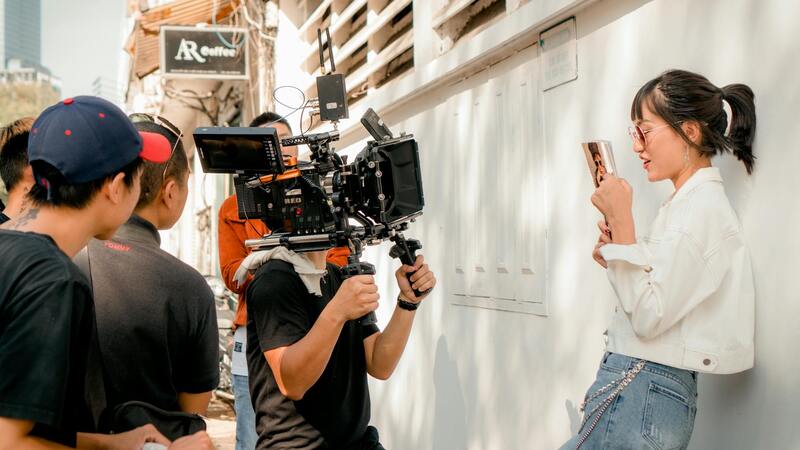
Moreover, a skilled commercial real estate photographer ensures consistent quality across a property's visual collateral, creating a cohesive and professional brand image. This consistency is vital in establishing trust with prospective clients and maintaining a competitive edge in a saturated market. By leveraging their expertise, these photographers help property owners and brokers reduce marketing costs and time-to-sale, making their services an integral part of strategic real estate campaigns.
In essence, a commercial real estate photographer plays a pivotal role in shaping the perception and desirability of a property. Their proficient use of advanced photography techniques guarantees that showcasing spaces in their best light becomes attainable, enabling real estate professionals to reach wider audiences and generate leads more efficiently.
Key Skills and Qualifications for Commercial Real Estate Photographers
To excel as a commercial real estate photographer, professionals must possess a comprehensive set of skills and qualifications that combine technical expertise with an understanding of the real estate market. First and foremost, mastery of advanced camera equipment is essential. This includes proficiency in operating high-resolution digital cameras, wide-angle lenses, and specialized equipment like drone technology for aerial shots. Mastery over these tools enables photographers to capture images that highlight the property’s best features with exceptional clarity and detail.
In addition to technical proficiency, an in-depth understanding of architectural styles and interior design principles is crucial. This knowledge allows photographers to visualize and execute compositions that accentuate space, lighting, and layout effectively. Proper staging, controlled lighting, and post-processing skills further enhance image quality, ensuring that visuals are both appealing and true to the property's appearance.
Strong communication skills also stand out as vital. Commercial real estate photographers often collaborate with brokers, property managers, and marketing teams to understand their objectives and tailor shoots accordingly. They must interpret marketing directives and translate them into compelling imagery that aligns with the property's target audience.
Being adaptable and detail-oriented are additional qualifications that help photographers respond to varying lighting conditions, weather changes during outdoor shoots, and unique architectural features. This flexibility enables capturing consistent, high-caliber images regardless of external circumstances.
Furthermore, a solid grasp of digital editing and photo-enhancement software—like Adobe Photoshop and Lightroom—is critical. Effective post-processing enhances colors, corrects distortions, and removes distractions without altering the authenticity of the space. This refined editing ensures properties look their absolute best, which directly impacts marketing success.
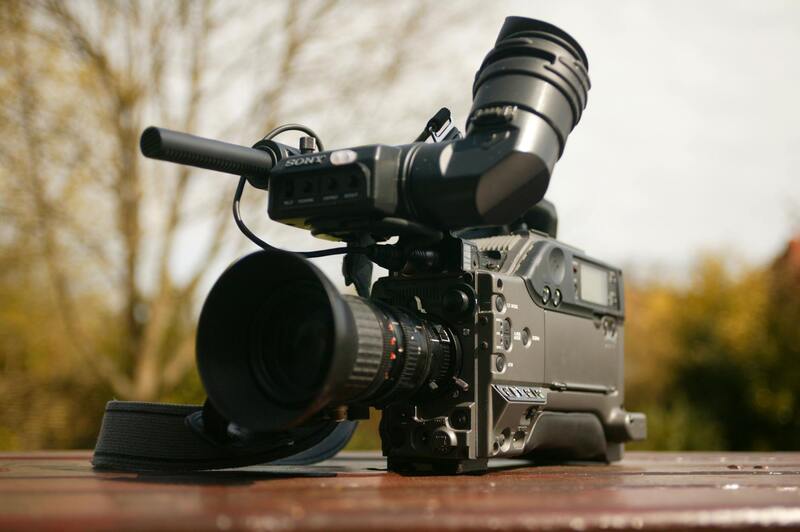
Beyond technical skills, continuous professional development through industry workshops, certifications, and staying updated with emerging technology is imperative. As visual marketing trends evolve, so should the capabilities of a commercial real estate photographer, ensuring their work remains impactful and highly competitive.
Finally, the ability to work efficiently under tight deadlines and manage multiple projects simultaneously enhances a photographer’s reputation. Reliability and professionalism in delivering timely, quality visuals underpin successful client relationships and repeat business.
Legal and Contract Considerations
When engaging a commercial real estate photographer, establishing clear legal and contractual agreements is a fundamental step in protecting all parties involved. These agreements serve to outline the scope of work, rights to images, usage permissions, project timelines, and payment terms, ensuring transparency and mutual understanding from the outset.
A well-structured contract should specify the ownership rights of the photographs, detailing whether the client will have exclusive or non-exclusive usage rights, and define the limitations on how and where the images can be utilized. This prevents misunderstandings regarding permissions for promotional materials, online listings, print advertisements, or other media outlets.
Including clauses related to copyright waivers and licensing rights is crucial. This clarifies that once the project is completed and payment is received, the client has the appropriate rights to utilize the images across designated platforms. Additionally, the contract should address confidentiality provisions if the property details demand discretion.
Payment terms and cancellation policies are also integral components. These specify deposit requirements, payment schedules, and potential fees for project modifications or cancellations. A detailed agreement reduces the risk of disputes and provides legal recourse if either party fails to meet contractual obligations.
In particular, for commercial real estate photography in Miami, it’s important to include clauses related to compliance with local regulations and permitting requirements, especially for drone or aerial photography. Ensuring all necessary permits are obtained and adhered to with legal clarity helps avoid complications during the shoot.
Lastly, maintaining clear documentation of the contractual terms adds a layer of professionalism and demonstrates accountability. This foundation helps foster trust, encourages repeat business, and solidifies a strong client-photographer relationship.
Legal and Contract Considerations in Commercial Real Estate Photography
Securing your investment in commercial real estate photography involves understanding and establishing clear contractual agreements to safeguard all parties involved. These contracts serve as a comprehensive framework outlining the scope of work, usage rights, remuneration, and other essential terms.
One of the fundamental aspects is specifying the scope of services—detailing the number of images, types of shots, and any specific requirements such as drone footage or 360-degree virtual tours. This clarity helps in aligning expectations and reducing misunderstandings.
Usage rights form a critical component of the agreement. They define how the photographs can be used by the client, whether for online listings, brochures, signage, or social media promotions. Highlighting the extent of these rights ensures both parties understand the intended application and prevents potential disputes over unauthorized usage.
Financial arrangements should also be delineated explicitly. Payment schedules, deposit requirements, and conditions for additional charges are typically included to promote transparency. This structure allows for smooth financial transactions and provides recourse if modifications or cancellations occur.
Incorporating confidentiality clauses may be beneficial, especially when dealing with sensitive property details or upcoming development projects. Such provisions help maintain discretion and protect proprietary information.
For projects involving aerial photography or drone usage, it’s imperative to include clauses about obtaining necessary permits and complying with local regulations. This preemptive measure helps to avoid delays or legal complications during the shoot.
Maintaining thorough documentation of all contractual elements reinforces professionalism and ensures accountability. Reliable records foster trust between client and photographer, paving the way for ongoing collaborations and repeat business.
Choosing the Right Commercial Real Estate Photographer in Miami
When selecting a commercial real estate photographer in Miami, it is essential to focus on experienced professionals who are well-versed in showcasing properties in a manner that aligns with current market standards. A photographer with a robust portfolio that highlights diverse commercial properties—ranging from retail centers to office complexes—demonstrates their capability to adapt to various property types and client needs. Verifying their familiarity with local Miami real estate nuances and understanding of the region's architectural styles can significantly impact the quality of the imagery produced.
Prospective clients should assess a photographer’s technical skills, including mastery of advanced photography techniques such as HDR imaging, wide-angle lens use, and strategic lighting. These skills ensure that the images capture the true essence and scale of commercial properties, creating engaging visuals that attract potential tenants or buyers. Additionally, proficiency in post-production editing can enhance photos to further highlight property features without misrepresentation, ensuring that images remain accurate and compelling.
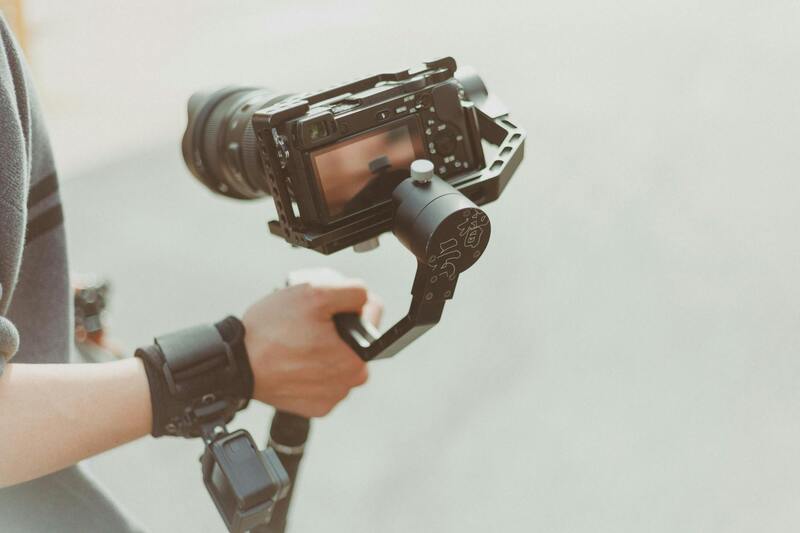
Assessing experience is critical; asking for case studies or references helps determine a photographer’s track record with commercial real estate projects. This practice enables clients to understand the photographer’s approach, reliability, and the kind of results they can expect. Equally important is verifying the availability of specialized equipment, such as drones for aerial shots, to provide comprehensive visual coverage of large or complex properties.
Communication also plays a pivotal role—ensuring the photographer understands your objectives, target audience, and project timelines can lead to smoother collaboration and better results. Photographers who offer customized services, including virtual walkthroughs or 3D visualizations, can further enhance property listings, providing clients with multiple avenues to showcase their properties effectively in a competitive market.
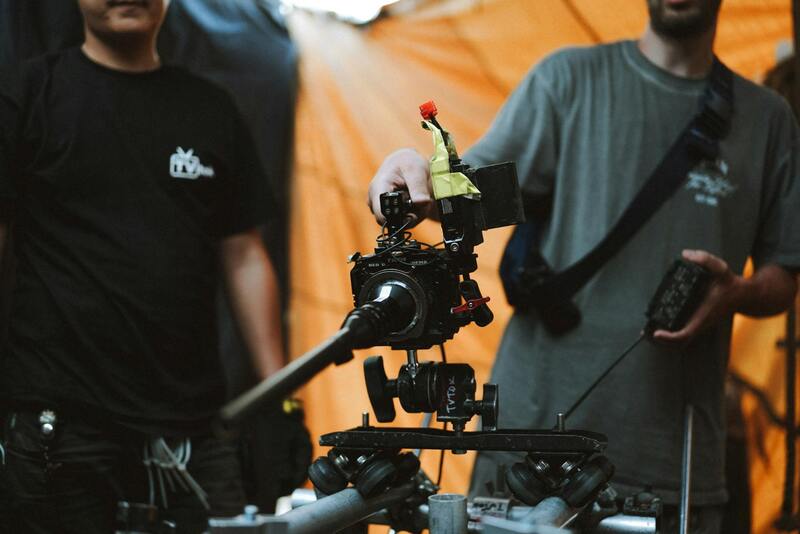
Finally, evaluating a photographer’s capacity for quick turnaround times without sacrificing quality is vital in the fast-paced Miami real estate landscape. Property marketers often need rapid delivery of imagery to meet market demands or upcoming listing deadlines. By establishing clear expectations regarding delivery schedules upfront, clients can ensure timely property promotion while maintaining high standards of visual quality. This strategic approach to selecting the right commercial real estate photographer ensures that the visual presentation of properties can genuinely support heightened marketing efforts, attract quality tenants or buyers, and ultimately contribute to successful transactions in South Florida’s competitive market environment.
Legal and Contract Considerations
Engaging a professional commercial real estate photographer necessitates careful attention to legal and contractual elements that protect both parties and set clear expectations for the project. Establishing a detailed contract upfront helps define the scope of work, rights to the images, usage permissions, and timelines, thereby preventing misunderstandings and ensuring accountability.
One critical aspect is the ownership and licensing rights associated with the photographs. Clear agreements stipulate whether the client has perpetual, exclusive rights to use the images across various marketing channels or if the photographer retains certain rights. This distinction influences future use, reproduction, and licensing opportunities for the property visuals.
Additionally, payment terms should be explicitly outlined. These include deposit requirements, progress payments, and final settlement after delivery and approval of the images. Specifying these terms helps mitigate disputes related to compensation, especially on larger or more complex projects involving multiple locations or specialized equipment.
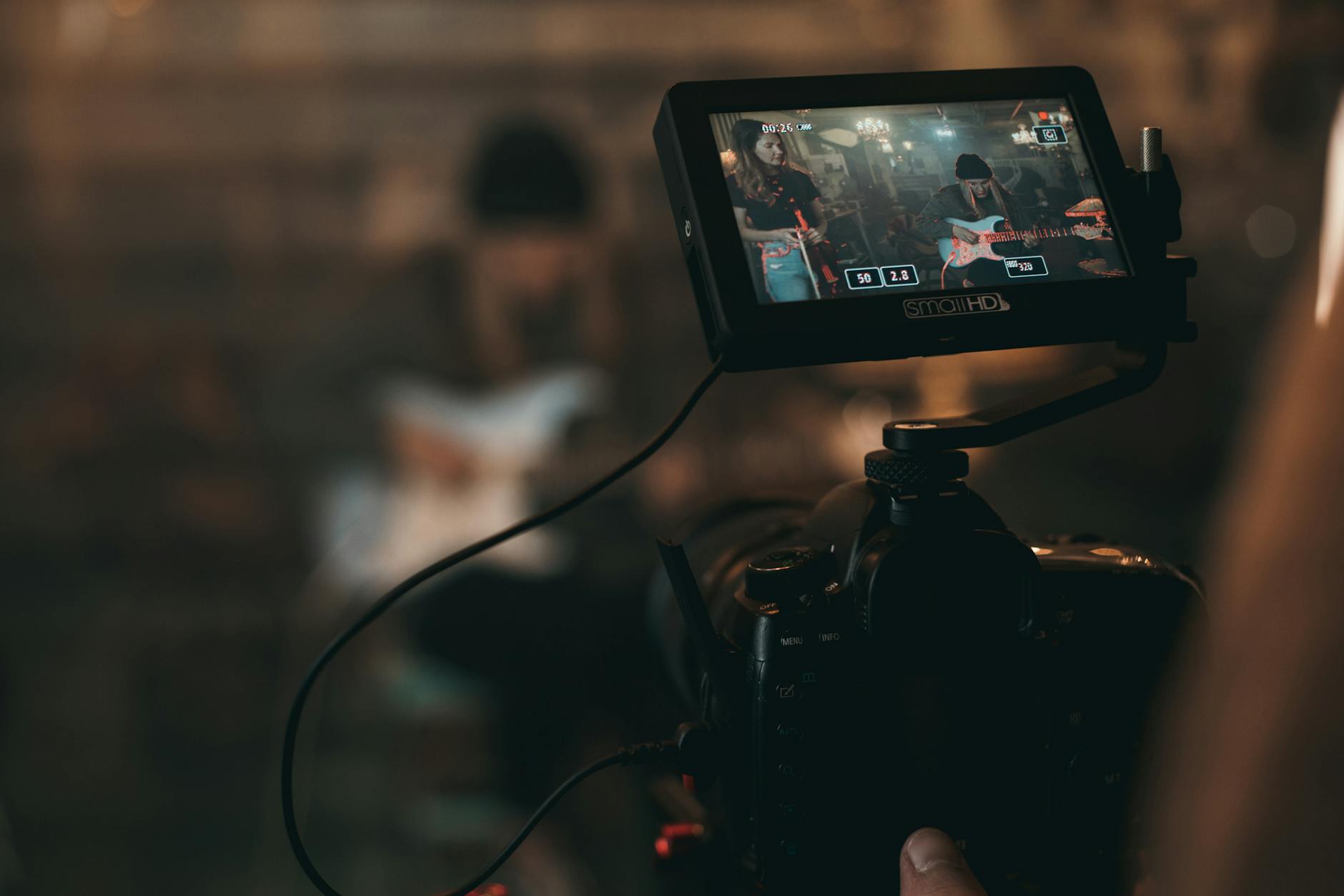
Supporting legal soundness also involves including clauses related to confidentiality, especially if the photography captures sensitive property details or proprietary information. Furthermore, the contract should address cancellation policies, revision processes, and liability limitations to protect both parties in unforeseen circumstances.
Proper documentation and adherence to best practices in contractual agreements streamline the collaboration process, minimize risks, and foster a professional relationship built on transparency. For clients seeking commercial real estate photography in Miami, partnering with professionals who understand these legal nuances ensures a smooth project flow and safeguards valuable visual assets, ultimately supporting successful marketing campaigns and property transactions.
Strategies to Ensure Consistent Quality in Commercial Real Estate Photography
Maintaining high standards in commercial real estate photography is essential to produce impactful visuals that effectively showcase a property’s features and appeal. Establishing a clear workflow and leveraging professional techniques serve as foundational elements to uphold quality throughout the project.
Implementing a detailed pre-shoot planning process is vital. This includes meticulous site assessments, identifying optimal lighting conditions, and understanding the specific client’s marketing goals. A thorough site walkthrough helps identify key areas that require targeted angles, ensuring the photographer captures the property's most compelling aspects.
During the shoot, the use of advanced equipment—such as high dynamic range (HDR) cameras, wide-angle lenses, and drone technology—can significantly enhance image quality and perspective. Proper tripod stability and precise lighting setups contribute to sharp, well-exposed images free of distortions or shadows that could diminish visual appeal.
Post-production editing is another crucial phase to ensure consistency and professionalism. Techniques such as color correction, perspective adjustments, and retouching enhance the visual impact without misrepresenting the property. A collaborative review process with the client helps verify that the images align with the desired marketing message and branding standards.

To guarantee consistent quality across projects, many reputable photographers follow standardized operating procedures and invest in ongoing training. Staying updated with the latest industry trends and technological advancements ensures the delivery of current, competitive visuals. Regular quality audits and client feedback sessions help identify areas for improvement, fostering long-term excellence in commercial real estate photography services.
Leveraging Visuals for Effective Marketing Campaigns
Effective use of commercial property visuals extends beyond static images. Incorporating immersive visual experiences like virtual tours and 3D modeling enhances engagement, providing potential tenants or buyers with comprehensive perspectives of the space. These digital tools facilitate remote viewing, critical in a fast-paced market where quick, decisive action is often required.
Consistent branding across all visual content reinforces a unified marketing message. This includes aligning color schemes, image styles, and thematic elements to match the overall branding strategy. Such cohesion helps establish trust and recognition in a competitive commercial real estate landscape.
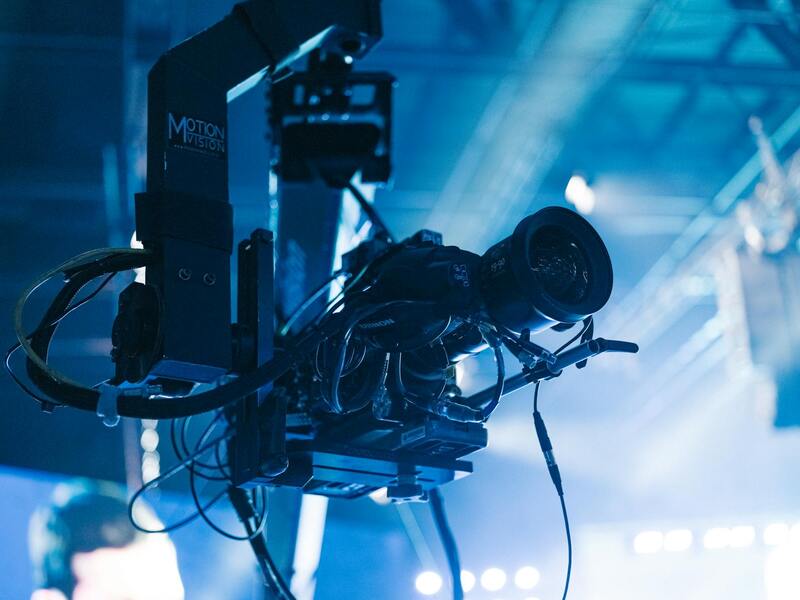
The integration of aerial shots, interior photography, and lifestyle imagery can position a property more compellingly. Tailored content aimed at specific budgets, target audiences, and market segments leads to more effective campaigns and favorable property transactions.
Legal and Contract Considerations in Commercial Real Estate Photography
Engaging in professional commercial real estate photography necessitates clear and comprehensive agreements between the photographer and the client. These agreements should define the scope of work, specifying the number of images, shooting locations, preferred styles, and deliverables timeline. A detailed contract minimizes misunderstandings and sets expectations, ensuring that both parties are aligned from the outset.
Intellectual property rights are a crucial aspect within these arrangements. Typically, the client acquires usage rights for the images, but the photographer retains copyright unless explicitly transferred through a written agreement. Clarifying the extent of image use, such as for marketing materials, online listings, or print advertising, helps prevent conflicts down the line.
Payment terms and conditions form a core part of the contractual process. Typical arrangements include deposits or partial payments upfront with the balance due upon completion. Including clauses on additional charges for extra editing, rush deliveries, or late modifications ensures transparency and helps avoid disputes over financial matters.

Furthermore, contractual agreements should address confidentiality and the handling of sensitive property information. This is particularly pertinent in commercial transactions where proprietary strategies or strategic developments might be involved. Establishing confidentiality clauses ensures that all confidential data remains protected.
In addition to written contracts, maintaining documented correspondence—such as emails and project briefs—serves as a record of agreed-upon terms. Such documentation supports accountability and provides a reference point should any disputes arise, reinforcing a professional approach to the collaboration.