Factors Influencing Video Pricing for Commercial Real Estate
Creating compelling and professional commercial real estate videos requires careful consideration of numerous factors that influence overall costs. Understanding these key elements helps property owners, brokers, and investors make informed decisions when budgeting for visual marketing efforts. Critical factors include project scope, production quality, geographic location, and the complexity of the property being showcased.
First, project scope encompasses the length of the video, the amount of footage needed, and the depth of editing involved. Shorter videos or simple walkthroughs typically incur lower costs, whereas comprehensive presentations with multiple scenes, drone footage, and detailed animations elevate the price. Likewise, the desired production quality significantly impacts pricing. High-definition visuals, cinematic camera work, and advanced post-production effects require specialized equipment and skilled professionals, costing more than basic recordings.
The location of the property also plays a pivotal role. Urban environments or properties situated in hard-to-access areas may necessitate additional logistics, permits, and travel expenses. Remote or sprawling sites might require extended planning and equipment transportation, increasing the overall budget.
Another consideration is whether the project involves specific features or extras, such as aerial drone footage, 3D virtual tours, or augmented reality integrations. Such enhancements demand additional technical expertise and equipment, leading to higher costs. Ultimately, a clear understanding of these factors allows stakeholders to tailor their video projects effectively, aligning quality expectations with budget realities.
Summary of Key Cost Impact Factors
- Project scope and video length
- Production quality and special effects
- Property location and access challenges
- Additional features such as drone footage or animations
Average Pricing in Miami for Commercial Real Estate Videos
Understanding the typical costs associated with commercial real estate videos in Miami is essential for stakeholders aiming to develop effective marketing assets without exceeding their budgets. The prices can vary widely depending on several critical factors, including video complexity, length, and included features. In Miami, a city known for its vibrant real estate market and dynamic property landscape, production costs tend to reflect the high standards and market competitiveness.
For basic virtual tours or simple walkthrough videos, clients can expect to pay approximately $1,000 to $3,000. These videos usually feature straightforward filming, minimal post-production, and standard resolution quality, suitable for listings aiming to showcase properties succinctly without elaborate visual effects. When the project involves more sophisticated elements such as professional narration, branded graphics, or moderate animations, prices generally range from $3,000 to $6,000. These enhancements help create more engaging content that captures attention and provides comprehensive property insights.
For comprehensive promotional videos, especially those incorporating dynamic drone footage and advanced post-production effects, the costs typically span from $6,000 to $15,000 or more. Miami’s unique property locations often necessitate specialized equipment and logistical planning, which can push costs upward. For instance, properties situated in high-rise buildings or in challenging-to-access areas might require additional permitting, transportation, and safety considerations, further influencing pricing.
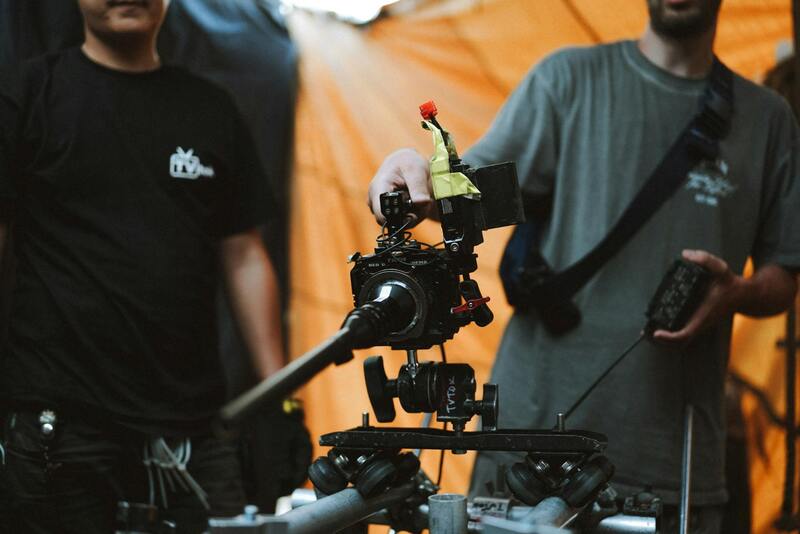
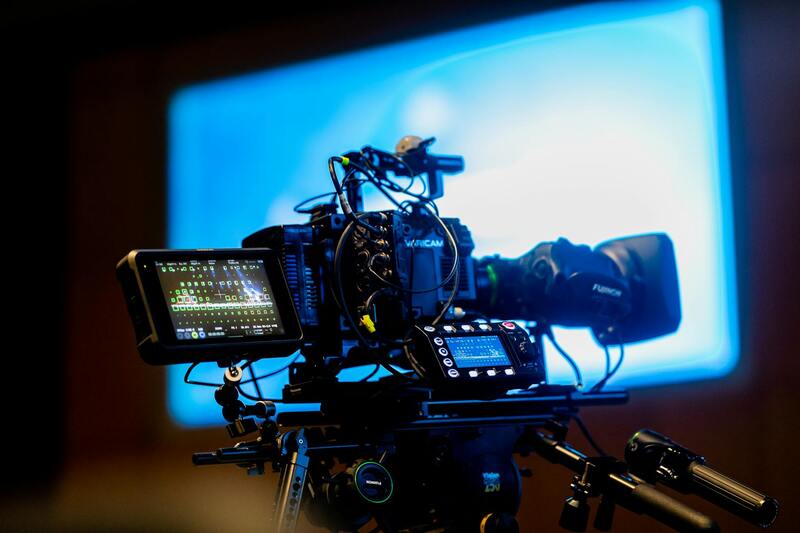
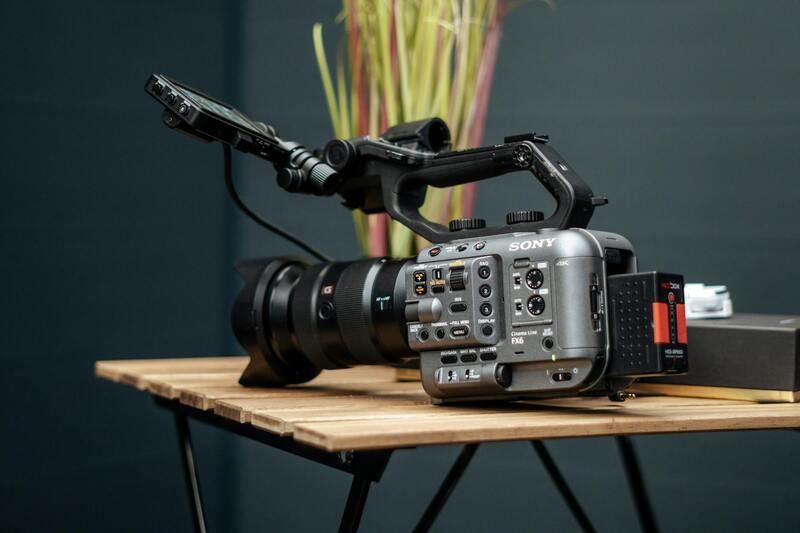
It is worth noting that the choice of production equipment—such as high-definition cameras, steadicams, or aerial drone technology—can significantly impact the overall budget. This is especially evident in Miami, where aerial footage can dramatically enhance promotional quality, providing potential clients with a unique perspective of large or visually striking properties. The inclusion of virtual tours with 3D modeling or augmented reality features also commands higher fees, reflecting their technical complexity and potential marketing value.
In addition to the type of video, the length of the content plays a crucial role. Shorter clips of 1-2 minutes might be priced on the lower end, while extended features spanning 10 minutes or more will naturally incur higher charges. Often, producers offer package options that bundle multiple videos or include supplemental services like scriptwriting or voiceover narration, which can offer cost efficiencies.
Ultimately, investors and property managers should weigh their specific goals against these price ranges to optimize ROI. Engaging with experienced production companies familiar with Miami’s real estate market can also provide tailored estimates, ensuring the final product aligns with both visual ambitions and budget constraints.
Factors Influencing Video Pricing for Commercial Real Estate
Pricing for commercial real estate videos in Miami is determined by a complex array of factors that extend beyond basic filming hours. One key consideration is the scope of the project, which includes pre-production planning, such as location scouting, scripting, and storyboarding. Detailed planning ensures that the final product aligns with marketing goals and property features. The level of technical complexity required also significantly impacts the cost; for instance, aerial drone footage creates stunning visuals but necessitates specialized equipment and licensed operators, adding to the overall price.
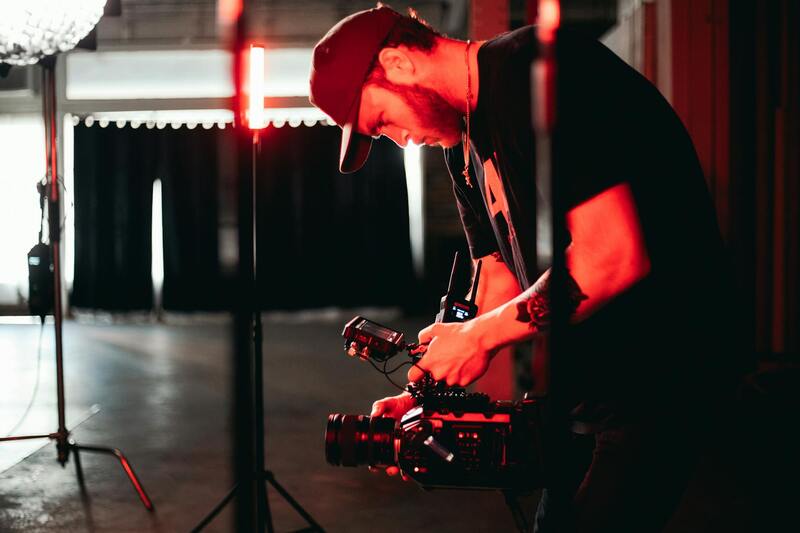
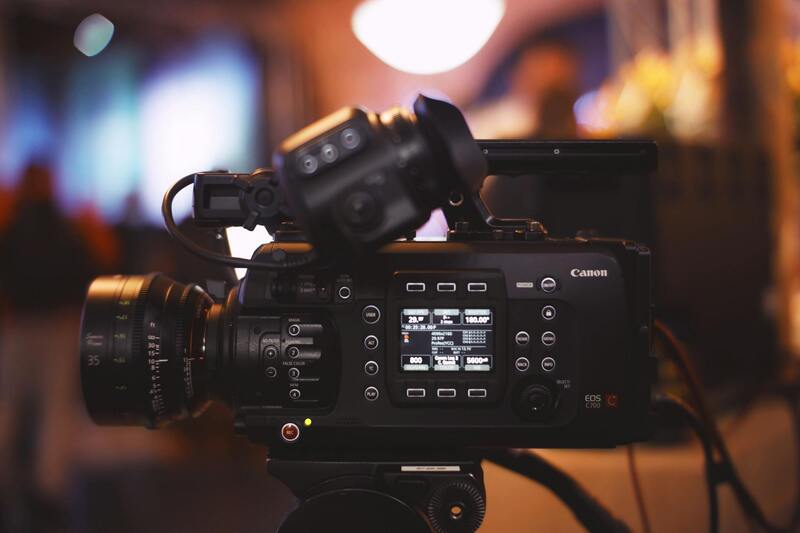
Another crucial element is the sophistication of production tools employed. High-end equipment, such as 4K or 8K cameras, Steadicams, and stabilized gimbals, elevates visual quality but also increases expenses. In Miami, where premium imagery can be a decisive factor in attracting tenants or buyers, investment in cutting-edge technology can be justified. Simultaneously, utilizing virtual reality (VR) integrations or augmented reality (AR) overlays adds an extra layer of innovation, translating into higher project costs due to their technical nature and the expertise required for their implementation.
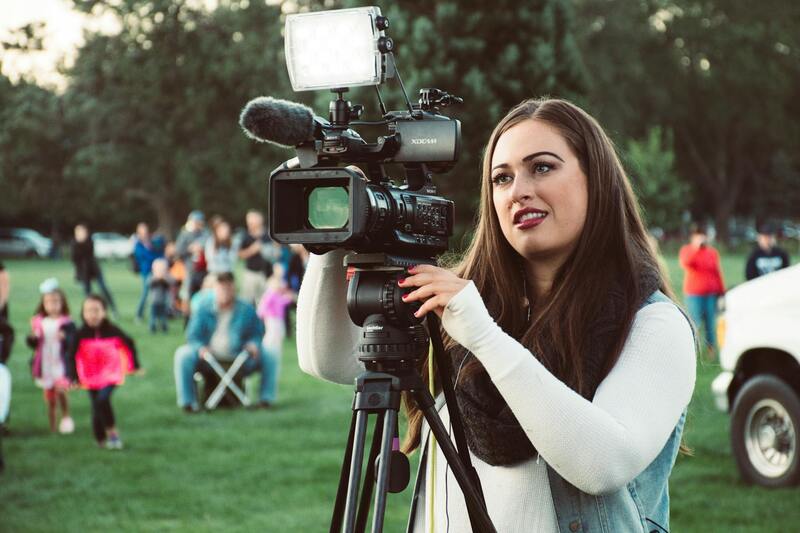
Location access also influences pricing, especially if properties are in hard-to-reach or restricted areas. Gaining permits or coordinating safety measures adds a layer of logistical expense. Moreover, the duration of the final video plays a role; shorter clips focused on key features are typically more affordable, while comprehensive virtual tours or cinematic presentations with extended runtime will command higher fees. Many providers structure their offerings into packages, including multiple videos, drone shots, and post-production editing, allowing clients to select options that best suit their budget and marketing objectives.
Lastly, post-production processes such as color grading, sound design, and motion graphics directly influence the cost. Advanced editing techniques enhance the visual storytelling, thereby increasing production duration and resource requirements. Selecting a production team with substantial experience in Miami's real estate market can lead to more accurate cost estimates and development of content that effectively resonates with local audiences, ultimately maximizing return on investment.
Factors Influencing Video Pricing for Commercial Real Estate
When evaluating the costs associated with producing commercial real estate videos, several critical factors come into play, each impacting the final pricing structure. The complexity of the property, for instance, significantly affects the scope of production. Large commercial spaces, multi-building complexes, or properties with intricate architectural details require more extensive planning, specialized equipment, and additional filming days, which directly influence costs. Additionally, high-value properties often necessitate enhanced production value to effectively showcase their prestige, requiring investments in advanced camera gear, drone photography, or aerial footage.
Geographical location within Miami also holds considerable weight in pricing considerations. Properties situated in remote or restricted areas may incur additional expenses related to obtaining permits, safety protocols, or logistical arrangements. Access limitations can lead to increased scheduling complexities and expenses, particularly if specialized transport or additional crew members are required.
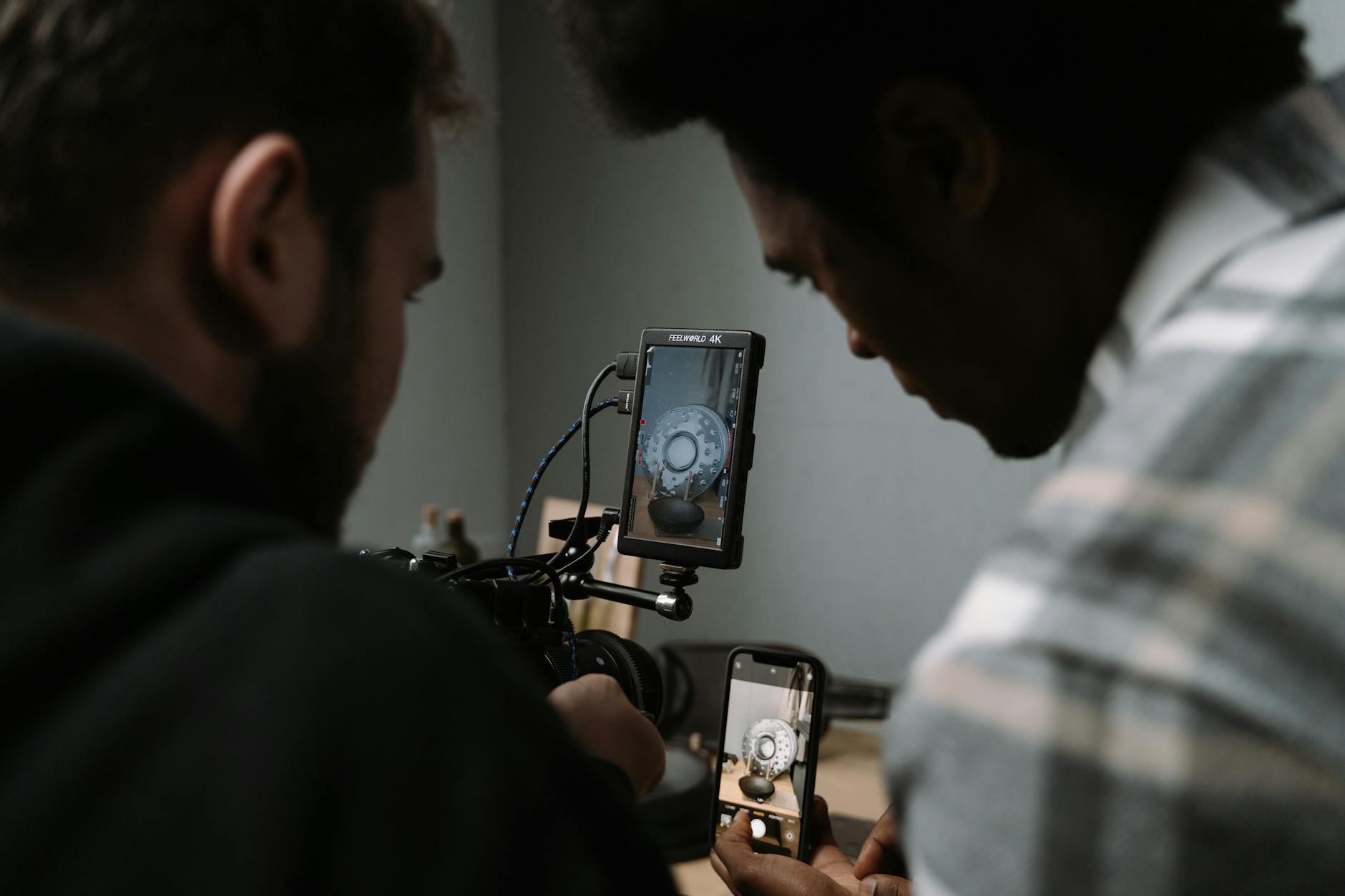
The scope of post-production work is another vital element. Color grading, motion graphics, visual effects, and sound editing enhance visual storytelling but tend to add to overall costs. The more elaborate the editing, the higher the resource allocation, extending timelines and increasing labor expenses. Moreover, the final video length, whether a short highlight reel or an immersive virtual tour, will dictate the level of effort needed, thus impacting pricing. Longer, detailed videos typically require more shooting days and editing time, translating into higher fees.
Production teams with extensive experience and specialized expertise in Miami’s real estate market are likely to provide more precise estimates. Their understanding of local aesthetics, compliance standards, and audience preferences enables the creation of content that maximizes engagement and return on investment, though it may come with a premium price point.
Additional Costs and Expenses to Consider
While base pricing provides a foundation for understanding commercial real estate video costs, several supplementary expenses may influence the final budget. These potential additional costs include permits for drone operations, which are often necessary for aerial shots, especially in urban environments. Securing such permits involves administrative fees and compliance procedures, which can add to logistical expenses.
Other miscellaneous costs might encompass access charges if the property is in a restricted area, necessitating special permissions or escort services. Equipment rentals, such as high-end stabilization gear or 4K/8K cameras, can also elevate production expenses. If certain shots require specialized techniques like night filming or tight indoor spaces, additional lighting, rigging, or crew expertise could be necessary, resulting in higher costs.
Post-production costs can fluctuate based on the desired complexity of the final product. Enhanced visual effects, 3D modeling, or virtual staging require more extensive editing work, which increases labor hours and software licensing fees. Simultaneously, the inclusion of professional voice-overs, on-screen graphics, or custom music can further influence overall pricing.
Promotional distribution, such as paid ads or targeted social media campaigns, might also incur extra charges if integrated within the content strategy. Therefore, it’s critical to clarify these potential expenses upfront with your production partner during the planning phase to ensure comprehensive budgeting.
Choosing the Right Production Partner in Miami
Selecting a production company that specializes in commercial real estate in Miami is vital to achieving impactful video content. A local team possesses nuanced knowledge of the Miami market, including architectural styles, property trends, and audience preferences, which significantly enhances the quality and relevance of the final product.
When evaluating potential partners, consider their portfolio, particularly projects that mirror your property type or industry segment. Experienced agencies are often transparent about their pricing models, providing detailed proposals that itemize costs for filming, editing, and post-production services. This transparency helps in accurately comparing estimates and avoiding unforeseen charges.
Client referrals and testimonials can offer insight into the partner’s ability to meet deadlines, communicate effectively, and deliver media that aligns with strategic objectives. Additionally, a reputable Miami-based firm will understand local permit processes and logistical challenges, streamlining the production process while adhering to regional standards.
Future Trends Affecting Commercial Real Estate Video Pricing
Technological advancements continually reshape the landscape of real estate marketing, impacting video production costs and strategies. The integration of 3D virtual tours, augmented reality, and interactive videos is becoming increasingly popular among property marketers. These innovations often command higher production fees due to their complexity and the specialized skills required.
Moreover, the growing demand for high-resolution content, such as 8K videos and cinematic drone footage, pushes up operational expenses but offers heightened visual clarity and immersive experiences. As consumer expectations evolve, so does the need for richer, more engaging content, which often correlates with increased investment.
Automation in post-production, including AI-driven editing tools and real-time rendering, is expected to reduce some costs in the future while enabling faster turnaround times. However, the initial incorporation of these technologies may entail higher upfront expenses. Additionally, the rise of remote collaboration tools allows for greater flexibility and potentially lowers production costs, but it requires robust digital infrastructure and planning.
Understanding these emerging trends helps stakeholders anticipate future price fluctuations, allowing for strategic budget allocation that aligns with technological capabilities and market demands.

Additional Costs and Expenses to Consider
When budgeting for commercial real estate videos, it is crucial to account for several additional costs beyond the base production fees. These supplementary expenses can significantly influence the overall project budget if not anticipated early in the planning process.
One of the primary considerations involves licensing fees. If proprietary music, branded content, or third-party images are incorporated into the video, securing the appropriate licenses or permissions may incur additional costs. These licensing fees ensure lawful usage and prevent potential copyright issues that could delay project completion or result in legal complications.
Professional editing constitutes a major component of the post-production phase. High-quality editing enhances the visual appeal, ensures seamless transitions, and maintains a consistent narrative tone. Premium editing services, including color grading, motion graphics, and special effects, are priced according to the complexity and the duration of the project. Employing experienced editors and multimedia specialists may increase costs but significantly elevates the final product’s professionalism.
Supplementary equipment or services can also influence the project's price point. For example, utilizing specialized camera equipment such as steadicams, gimbals, or high-end drone systems adds to operational expenses. Similarly, incorporating unique elements like aerial footage, 3D walkthroughs, or virtual staging requires additional equipment rentals or software licenses.
Moreover, certain projects may warrant the inclusion of on-site services like location permits, security measures, or temporary infrastructure setups. These logistical considerations help ensure smooth filming processes and compliance with local regulations, albeit with associated costs.
Finally, revisiting the scope of distribution and delivery is essential. If revisions, multiple versions, or accelerated turnaround times are requested, these will generally command higher fees. Clearly understanding and documenting the scope of work helps prevent unforeseen charges and aligns expectations between clients and production teams.
Factors Influencing Video Pricing for Commercial Real Estate
Commercial real estate video production costs are shaped by a multitude of factors that contribute to the overall pricing structure. Understanding these elements enables property owners and marketers to make informed decisions and allocate their budgets efficiently. One of the primary considerations is the scope and complexity of the project. More intricate videos that involve multiple locations, detailed animations, or specialized footage naturally require additional planning, equipment, and personnel, which elevates the cost.
Another significant element is the level of production quality desired. High-end visuals, advanced editing techniques, and immersive effects demand experienced professionals and state-of-the-art equipment. These higher standards not only enhance the appeal of the video but also increase the overall production expenses. Additionally, the choice of technical components—such as drone footage, 3D virtual tours, or aerial photography—can substantially impact the budget due to equipment rental and operational considerations.
Location and accessibility also play a crucial role. Filming on challenging or restricted sites may require additional permits, security measures, or logistical arrangements, all of which can add to the total cost. Duration of the shoot, timeline for delivery, and the number of revision rounds are further variables that influence pricing. Projects with tight deadlines or multiple revisions typically necessitate more resources and time, translating into higher fees.
Furthermore, the experience and reputation of the production team are reflected in their pricing models. Established firms with extensive portfolios and specialized expertise often command premium rates, but they can also guarantee higher quality and reliability. Employing seasoned editors, drone pilots, or virtual staging professionals can add to the expenses but significantly elevate the final product’s professionalism.
Types of Commercial Real Estate Videos and Their Costs
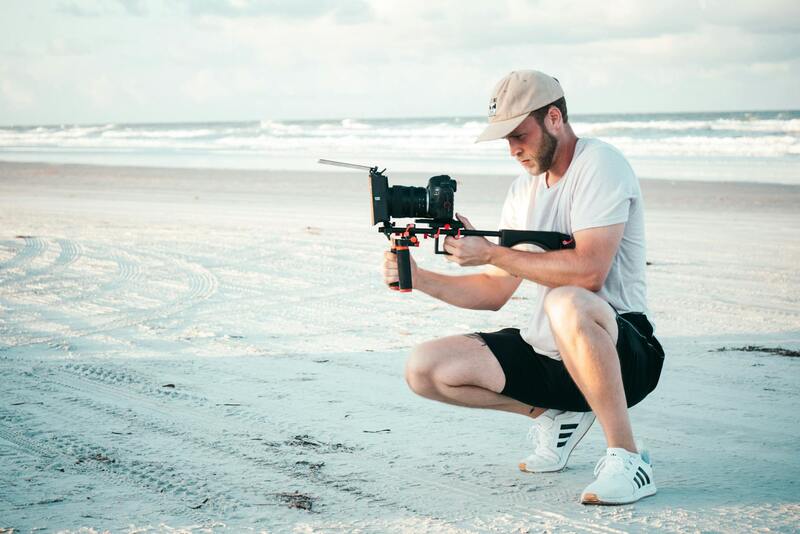
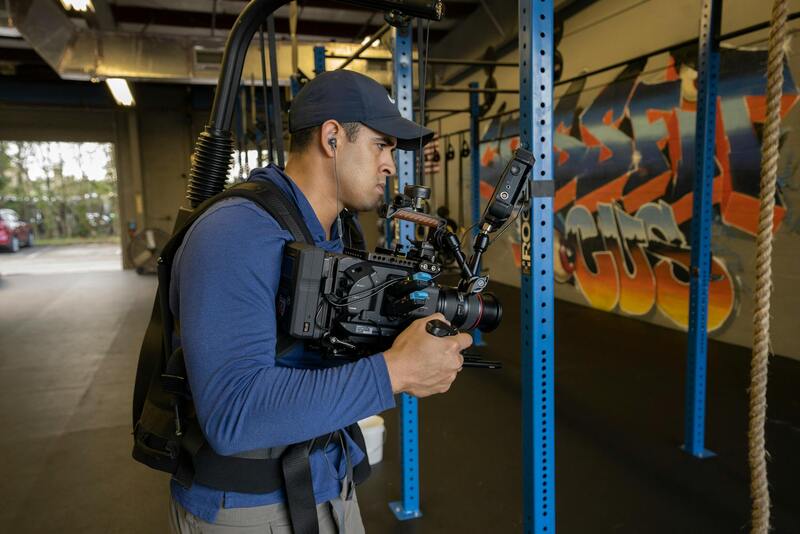
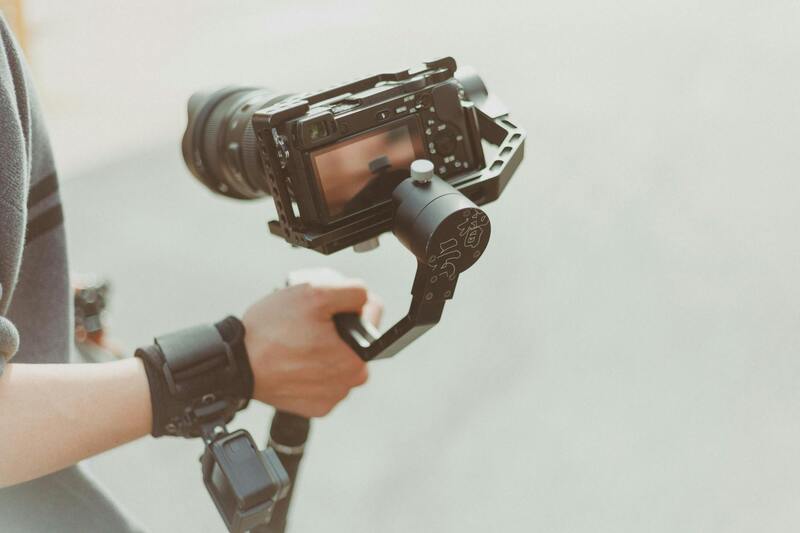
Understanding the different types of videos available helps in estimating appropriate pricing and choosing the right fit for your marketing objectives. Basic property tours, often shot with handheld or stabilized cameras, are generally the least expensive option. These videos highlight key features of a property through straightforward footage, suitable for online listings or preliminary marketing efforts.
More sophisticated options include cinematic walkthroughs and showcase videos. These utilize professional camera equipment, steady cam operations, and strategic editing to produce engaging narratives that captivate viewers. The costs for such productions reflect the higher quality and time investment involved.
Virtual tours and 3D walkthroughs represent an advanced category, often integrated with interactive elements for a more immersive experience. These projects entail specialized software, 3D modeling, and sometimes virtual staging, which contribute to elevated costs. Incorporating aerial footage via drone technology also falls under this category, adding to the total expenses based on flight time and equipment used.
Average Pricing in Miami for Commercial Real Estate Videos
In Miami, the cost spectrum for commercial real estate videos is influenced by local market conditions, production standards, and service provider expertise. Basic property videos, suitable for informational purposes or online listings, generally start around $1,000 to $2,500 per project. These include simple footage, minimal editing, and standard resolution.
Mid-range productions, which often incorporate professional cinematography, multiple angles, and enhanced editing, typically fall in the $2,500 to $5,000 range. These packages are ideal for targeted marketing campaigns or presentations to potential investors.
For premium or complex projects—including drone footage, 3D virtual tours, and extensive post-production work—costs can escalate to $5,000 and beyond. High-end productions often require a dedicated crew, advanced equipment, and expedited timelines, which are reflected in the pricing.
Pricing Models and Packages for Commercial Real Estate Videos
Pricing strategies in the commercial real estate video sector include fixed packages, hourly rates, and customized quotes. Many providers offer tiered packages that bundle essential services like filming, editing, and licensing, making it easier for clients to select a solution aligned with their objectives and budget.
Fixed-price packages often specify deliverables and timelines upfront, providing clarity and predictability. Hourly rates are typically used for projects with fluctuating scope or requiring ongoing content creation, with rates varying based on team expertise and equipment used.
Custom quotes are particularly beneficial for large or highly specialized projects. They allow service providers to tailor their offerings, ensure all client requirements are met, and provide a transparent view of the associated costs. Good communication and detailed project scope documentation are essential to prevent misaligned expectations and unforeseen expenses.
Budgeting Tips for Commercial Real Estate Video Projects
Effective budgeting begins with a clear understanding of your project goals and the scope of work. Begin by assessing the purpose of the video—whether for listings, investor presentations, or virtual tours—and determine the level of production quality necessary to meet those objectives. Setting priorities allows for resource allocation toward essential elements, such as drone footage or advanced editing, while scaling back on less critical features.
It’s advisable to obtain detailed quotes from multiple service providers to compare offerings and pricing structures. Always clarify what is included in each package, such as licensing rights, revisions, and additional deliverables, to prevent discrepancies or hidden charges later.
Contingency planning is vital. Budget for potential extra costs, such as permits, on-site logistics, or additional revisions. Having a contingency buffer of roughly 10-15% of the total project cost helps accommodate unforeseen expenses and ensures the project remains on track financially.
Timing considerations also influence budget planning. Early scheduling allows for better pricing negotiation and reduces the need for expedited fees. Moreover, aligning the shoot with lighting and weather conditions, especially for outdoor or aerial footage, can optimize productivity and cost-efficiency.
Factors Influencing Video Pricing for Commercial Real Estate
Numerous elements impact the cost structure of commercial real estate videos. Understanding these variables enables property owners and marketers to prepare accurate budgets and choose appropriate service providers. Key factors include the complexity of the project, the scope of coverage, desired production quality, and timeline constraints.
Project complexity directly correlates with pricing. A simple walkthrough video featuring interior shots might be less costly than a comprehensive property showcase that includes drone footage, aerial shots, and virtual staging. The more intricate the shots and editing processes, the higher the costs involved.
Coverage scope impacts expenses as well. Factors such as the number of locations, length of the final video, and specific angles or features emphasized contribute to the overall pricing. For example, multi-property tours or videos involving detailed floor plans require additional planning and filming time, which increases costs.
Production quality is another critical element. High-resolution footage, professional voiceovers, animations, and special effects greatly enhance the presentation but also require advanced equipment, skilled editors, and extended post-production time, all of which influence the final price.
Time constraints and project deadlines have a notable effect on pricing. Urgent requests often incur premium charges due to the need for expedited schedules, priority booking, or overtime work. Planning ahead and securing early bookings can help manage these costs effectively.
Additional considerations such as licensing rights, graphics, animations, and revisions also contribute to the overall expense. Clarifying these aspects during the initial quotation ensures transparency and helps avoid unexpected charges at later stages.
Types of Commercial Real Estate Videos and Their Costs
Different types of videos serve varying marketing objectives and come with distinct cost implications. For instance, basic property tours with minimal editing are typically more affordable, while immersive 3D walkthroughs or interactive virtual tours demand higher investments.
- Simple Video Tours: Generally range from $1,500 to $3,000, depending on length and location complexities.
- Drone and Aerial Footage: Adds approximately $500 to $1,500, based on flight duration and permit requirements.
- Virtual Tours and 360-degree Videos: Can cost between $2,500 and $7,000, considering technology and interactivity features.
- Luxury and High-End Productions: May exceed $10,000, incorporating multiple shooting days, professional actors, sophisticated editing, and animations.
Average Pricing in Miami for Commercial Real Estate Videos
In Miami, the market for commercial real estate videos maintains a diverse range of pricing tiers aligned with project complexity and quality demands. A standard 2-3 minute walkthrough video typically costs between $2,000 and $4,000. When integrating drone shots or outdoor aerial footage, prices tend to increase to approximately $3,500 to $6,000.
Virtual tours involving 3D modeling or interactive features generally fall within the $4,000 to $8,000 bracket, reflecting the need for specialized equipment and software. For high-end productions aimed at luxury properties or landmark developments, expect costs to range from $8,000 to over $15,000, emphasizing premium quality and comprehensive coverage.
Pricing Models and Packages for Commercial Real Estate Videos
Service providers typically offer structured pricing models or customizable packages designed to accommodate various project requirements. Common models include:
- Flat-Rate Packages: Fixed prices for specific services such as a standard property tour, ideal for straightforward projects with clear deliverables.
- Hourly Billing: Charged based on actual filming and editing hours, suitable for projects with evolving scope or less predictable timelines.
- Tiered Service Packages: Multiple levels offering different features, such as basic, premium, and luxury tiers, allowing clients to select options aligning with their budget and marketing goals.
Understanding what each package includes—such as the number of revisions, licensing rights, or additional deliverables—helps stakeholders choose the most appropriate financial plan. Transparent quotes that itemize costs for each component foster clarity and facilitate comparisons among providers.
Budgeting Tips for Commercial Real Estate Video Projects
Effective budgeting hinges on detailed project planning and clear communication with your chosen production team. Initiate the process by defining the project scope, intended use, and quality expectations. This foundation assists in accurately estimating costs and identifying essential features versus optional enhancements.
- Prioritize Key Elements: Focus on core segments that directly impact marketing objectives, such as high-quality footage or drone views, and allocate resources accordingly.
- Request Multiple Quotes: Comparing proposals from different providers ensures competitive pricing and exposes available options in terms of features and service levels.
- Allocate Contingency Funds: Plan for unforeseen expenses, including additional edits, permits, or weather-related delays, by reserving around 10-15% of the total project budget.
- Schedule Early: Booking well in advance can secure better rates and availability, especially during peak seasons or busy periods.
Additional Costs and Expenses to Consider
Beyond basic production fees, several extra costs can influence the final budget. These expenses include permit fees for aerial shots, especially in urban Miami landscapes, which may require specific authorizations. Transportation and on-site logistics costs are also pertinent, particularly for multiple locations or complex setups.
Post-production expenses like color grading, motion graphics, and narration add value but can drive costs depending on the desired sophistication. Distribution rights or licensing fees may apply if the content will be broadcast or used publicly beyond initial hosting platforms.
Choosing the Right Production Partner in Miami
Selecting a production partner who understands the Miami real estate market and has experience with commercial projects can significantly affect budgeting accuracy and project success. Evaluate portfolios to confirm quality standards and inquire about workflows, equipment, and client references. Local knowledge is advantageous for navigating permits, logistical challenges, and optimal shooting schedules in Miami’s diverse landscape.