Overview of Commercial Real Estate Video Production
In the competitive landscape of commercial real estate, representing properties effectively to a targeted audience is essential for achieving sales and leasing goals. The strategic use of professional commercial real estate video production has become an integral component of modern marketing efforts. Videos serve as dynamic tools that highlight property features, showcase locations, and communicate value propositions in a compelling manner. High-quality visuals and engaging narratives help potential investors, tenants, and buyers envision the property’s potential, ultimately accelerating decision-making processes.
Effective commercial real estate videos are meticulously crafted to align with marketing objectives and audience interests. They often encompass a range of elements, from detailed exterior shots to comprehensive walkthroughs of interior spaces. The power of visual storytelling not only enhances listing visibility but also establishes credibility and professionalism for real estate entities. As digital platforms and online listing services continue to evolve, the demand for professionally produced videos has surged, making it a vital component in the toolkit of real estate marketing teams.
In Miami’s vibrant and diverse real estate market, leveraging high-caliber video production offers a competitive edge. The city’s dynamic economy, combined with strategic geographic location and upscale developments, necessitates innovative marketing approaches. Professional commercial real estate videos help differentiate listings, attract global investors, and streamline complex sales or leasing transactions. Investing in quality video production translates into increased engagement, higher inquiry rates, and ultimately, more successful deals.
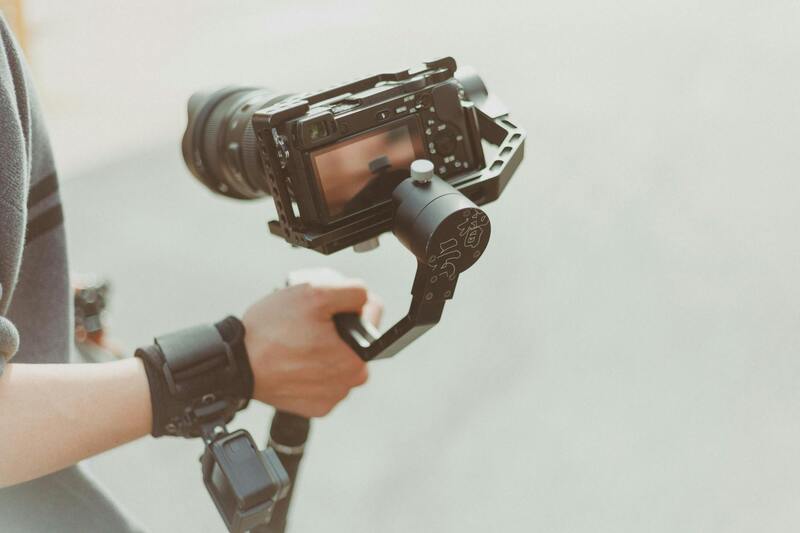
Ultimately, commercial real estate video production is about creating a visual narrative that resonates with prospective clients. Through careful planning, execution, and distribution, professionals can elevate their marketing strategies and foster quicker, more confident transactions. As the digital landscape advances, the significance of high-quality, professional videos in commercial property marketing will only grow, making it an indispensable element for thriving in a competitive market.
Types of Commercial Real Estate Videos
Implementing diverse video formats allows real estate professionals to effectively communicate the unique features and advantages of commercial properties. Each type of video serves a specific purpose within the marketing strategy, reaching different segments of prospective buyers, tenants, or investors.
- Property Tour Videos: These videos provide an immersive walkthrough of the commercial space, highlighting architectural details, layout, and key amenities. They give viewers a realistic sense of spatial relationships and flow, making it easier for them to envision the property as their future location.
- Drone Footage: Aerial shots offer a comprehensive view of the property’s external environment, including neighboring areas, accessibility, and surrounding infrastructure. Drone videos are particularly impactful for large-scale developments, commercial complexes, or properties with significant outdoor assets.
- Customer Testimonials and Case Studies: Sharing client success stories through interview-style videos enhances credibility and demonstrates proven results. Testimonials can emphasize the benefits of the location or the efficiency of the property management.
- Explainer and Promotion Videos: Short, compelling videos that focus on the property’s features, benefits, and investment potential. These are often used in digital advertising campaigns to attract targeted audiences.
- Virtual Reality (VR) and 3D Walkthroughs: Interactive experiences that allow viewers to virtually explore the property at their own pace. These tools are especially valuable for remote investors or tenants who cannot visit physically.
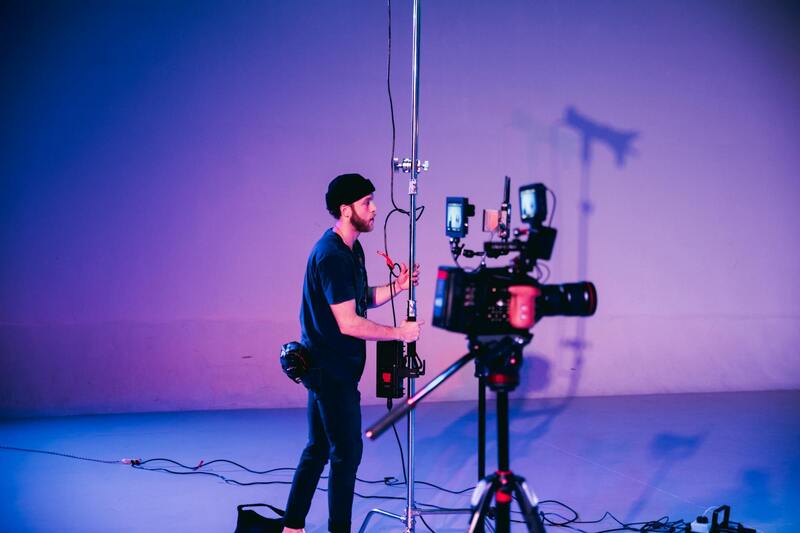
Choosing the appropriate mix of these video types can significantly strengthen a marketing campaign by appealing to various decision-makers and facilitating quicker engagement. When produced with clarity, professionalism, and attention to detail, these videos become powerful tools for building trust and credibility in the competitive Miami commercial real estate landscape.
Key Elements of Effective Commercial Real Estate Videos
Creating impactful commercial real estate videos involves a combination of strategic planning and execution focused on certain core elements.
- Clear Objectives: Define what the video aims to achieve—whether that’s generating leads, informing investors, or promoting leasing opportunities. This ensures that the content remains focused and compelling.
- High-Quality Visuals: Use professional cameras, stabilized shots, and proper lighting to showcase the property at its best. High-resolution visuals convey professionalism and reliability.
- Concise Messaging: Deliver key information succinctly through narration, captions, or on-screen text. This helps retain viewer interest and clearly communicates the property’s value points without overwhelming the audience.
- Engaging Storytelling: Structure the video to tell a story that highlights the property’s unique qualities and context within the Miami market. Engaged viewers are more likely to take action after watching.
- Call to Action: Incorporate a compelling call to action that guides viewers towards the next step, whether it’s contacting the agent, viewing a virtual tour, or scheduling an in-person visit.
- Optimization for Platforms: Adapt the video format for different channels—social media, websites, email campaigns—to maximize reach and engagement.

By meticulously focusing on these key elements, real estate professionals can produce videos that not only showcase properties but also build trust, foster interest, and accelerate the transaction process in Miami’s fast-paced market.
Key Elements of Effective Commercial Real Estate Videos
Creating impactful commercial real estate videos necessitates careful attention to several core elements that collectively serve to elevate the property's presentation and appeal. These components are essential in crafting a visual narrative that resonates with prospective investors, tenants, or buyers, and effectively communicates the unique value propositions of each property.
- Comprehensive Property Showcase: An effective video captures all critical aspects of the property, including exterior architecture, interior layouts, amenities, and surrounding environment. Using a combination of wide-angle shots and close-ups ensures a thorough representation, allowing viewers to get a true sense of the space and scale.
- Consistent Brand Messaging: Embedding consistent branding elements such as logos, color schemes, and slogans reinforces the identity of the property and the agency overseeing the listing. This cohesion builds trust and recognition among target audiences.
- Optimal Lighting and Sound: Proper lighting enhances the visual appeal, highlighting key features without distortions, while clear audio ensures narration or background music does not distract or diminish the video's professionalism. High production quality is vital for attracting serious inquiries and establishing credibility.
- Strategic Use of Cinematic Techniques: Incorporating smooth camera movements, drone footage, and aerial views can add a dynamic dimension to the presentation. These techniques showcase the property within its broader context, emphasizing location advantages and access routes.
- Engaging Narrative Structure: Building a story around the property—such as its history, architecture, or how it fits into the Miami market—can foster emotional connections. A compelling narrative helps viewers visualize themselves within the space and understand its strategic benefits.
- Clear Call to Action: Concluding the video with a direct and visually prominent call to action prompts viewers to take the next step, whether that’s scheduling a viewing, contacting an agent, or exploring further virtual tours. This guidance facilitates lead generation and engagement.
- Platform Optimization: Tailoring the video’s format and length to suit various channels—including social media, website embeds, or email campaigns—maximizes engagement and facilitates distribution across multiple platforms seamlessly.
 igure>
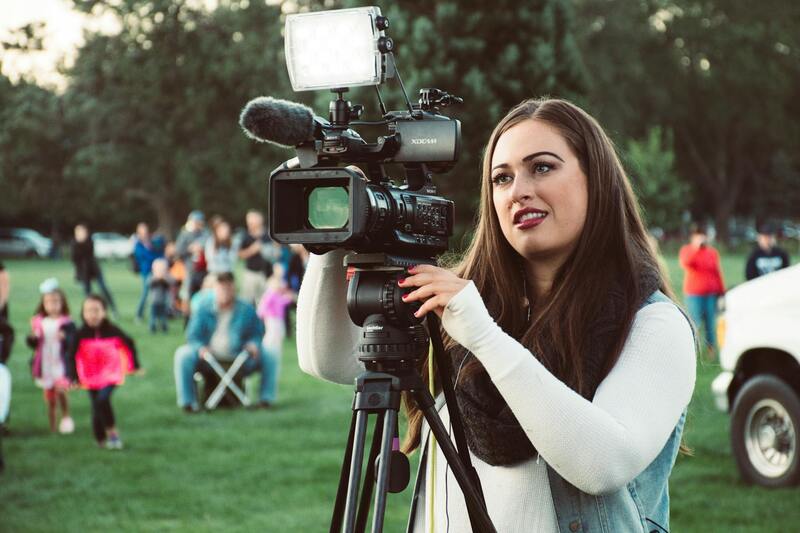
Attention to these key elements ensures that commercial real estate videos do more than just showcase properties—they build confidence, stimulate interest, and accelerate decision-making processes within a competitive market environment. High-caliber video production stands as a critical asset for real estate professionals seeking to leverage digital channels effectively and achieve superior visibility for their listings.
Key Elements of Effective Commercial Real Estate Videos
Creating impactful videos for commercial real estate involves several crucial components that ensure potential investors, tenants, and partners receive a comprehensive and persuasive view of the property. These elements serve as the foundation for producing videos that are not only visually appealing but also strategically effective in communicating value.
Professional Cinematography and Visual Quality
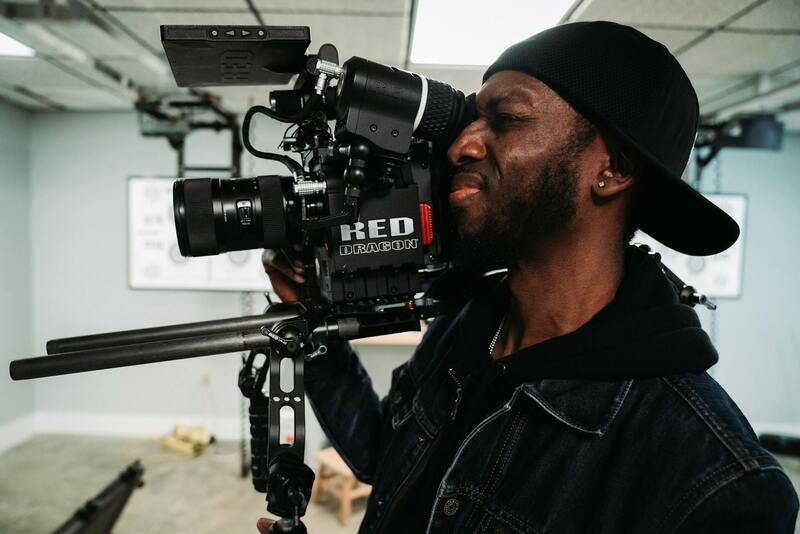
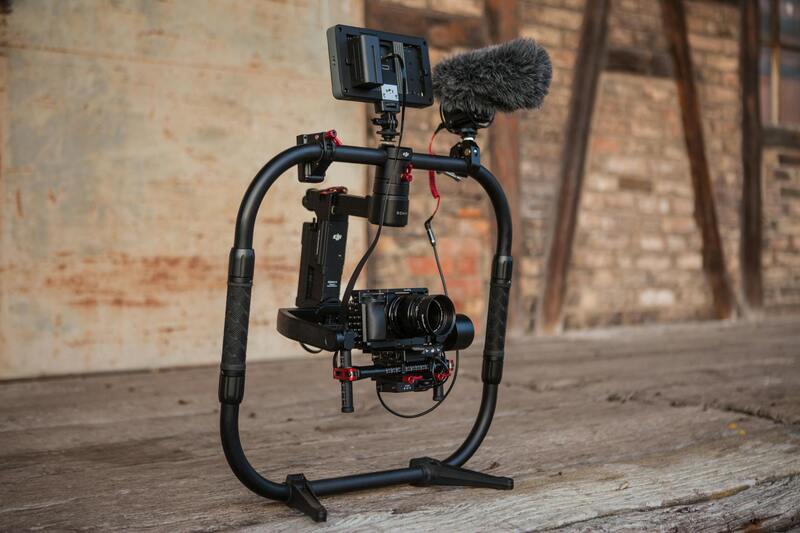
The backbone of any successful commercial real estate video is high-quality cinematography. Skilled videographers utilize advanced equipment, including high-definition cameras, stabilizers, drone footage, and gimbals, to capture crisp, stable images from multiple angles. Proper lighting techniques highlight the property’s best features, emphasizing its architecture, interior spaces, and surrounding environment. The use of aerial shots, detailed close-ups, and smooth walkthroughs collectively present a polished view that elevates the property’s perceived value.
Compelling Storytelling and Narrative
The storytelling aspect is vital for engaging viewers emotionally while conveying the property’s unique selling points. Structuring the video around a clear narrative—such as emphasizing the building’s history, its strategic location in Miami, or its potential for growth—aligns the message with viewers’ interests. A well-crafted story fosters a connection, making viewers more likely to consider the property as a viable investment or leasing opportunity. Including client testimonials, success stories, or visual data can further strengthen this narrative.
Clear and Concise Messaging
Your video should communicate the key benefits and features of the property without overwhelming viewers. Employing succinct, impactful language alongside visual cues ensures that messaging remains direct and memorable. Callouts highlighting square footage, amenities, accessibility, and strategic advantages reinforce the property's value propositions. The video’s tone should resonate with the target audience—professional, informative, and compelling.
High-Quality Production Standards
Investing in professional editing and post-production enhances the video’s overall quality. Techniques such as color correction, sound design, and graphics integration create a seamless viewing experience. Incorporating branded visual elements, overlays, and animated annotations can help highlight important features or data points. High production standards guarantee that each frame aligns with the professional image of your commercial real estate business, instilling confidence in viewers.
Optimized Length and Format
Balancing detailed content with viewer attention span is essential. Typically, a length of 2 to 4 minutes allows sufficient showcase of the property’s highlights without losing viewer engagement. Additionally, each video should be formatted appropriately for its distribution platform—whether optimized for social media, website embedding, or email campaigns. Adaptive formatting ensures the video’s quality remains high across all channels, maximizing reach and impact.
Effective Calls to Action
Concluding the video with a strong call to action guides viewers toward the next step, such as scheduling a viewing, contacting an agent, or downloading additional property details. Visual prompts—like on-screen buttons or contact information—paired with verbal cues create a direct pathway for engagement. This approach turns passive viewers into active leads, increasing the chances of conversion.
Utilizing Drone Footage and Virtual Tours for Enhanced Engagement
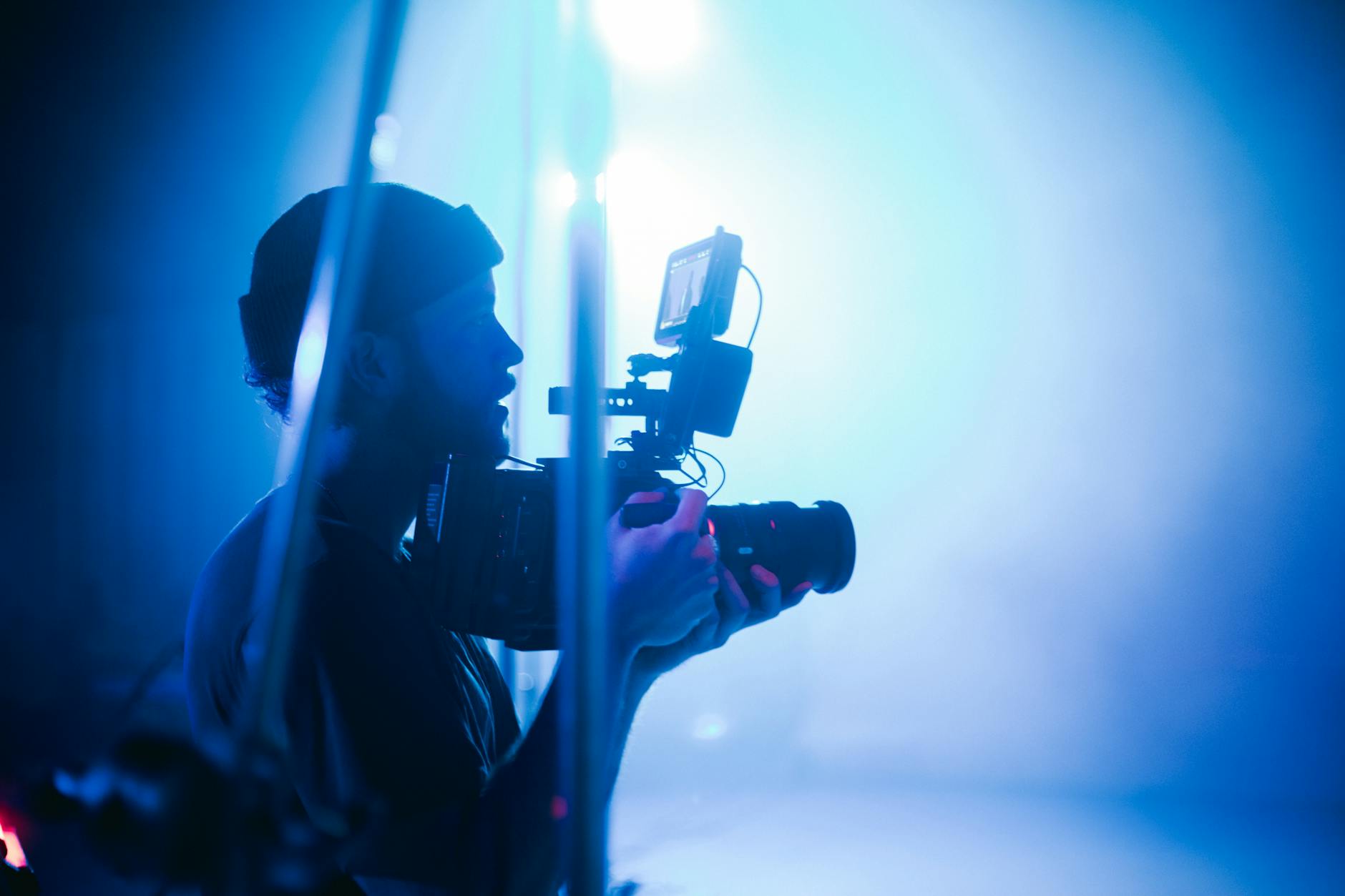
In the realm of commercial real estate video production, integrating innovative visual technologies has become instrumental in capturing the attention of prospective clients and investors. Drone footage, for instance, provides a comprehensive aerial perspective that showcases the property in its entirety, highlighting its scale, proximity to key amenities, and surrounding infrastructure. This bird's-eye view can significantly enhance the perceived value of a property, especially when emphasizing its accessibility and strategic location.
Virtual tours have revolutionized the way commercial spaces are showcased in videos. By offering a 360-degree walkthrough, potential tenants or buyers can explore the property remotely, gaining a realistic sense of space and layout without the constraints of physical visits. Such immersive experiences are particularly valuable in today's fast-paced environment, where prospects seek efficient ways to evaluate multiple properties swiftly. When professionally produced, virtual tours combine high-quality visuals with smooth navigation, ensuring viewers stay engaged and informed throughout their virtual exploration.
Integrating drone footage with virtual tours can create a compelling, multi-dimensional presentation. For example, starting with an aerial shot to establish the property's location, followed by a detailed interior walkthrough, provides a holistic view that enhances decision-making. These advanced visual elements must be executed with precision; stabilization, proper lighting, and clear audio ensure that the content remains professional, trustworthy, and impactful.
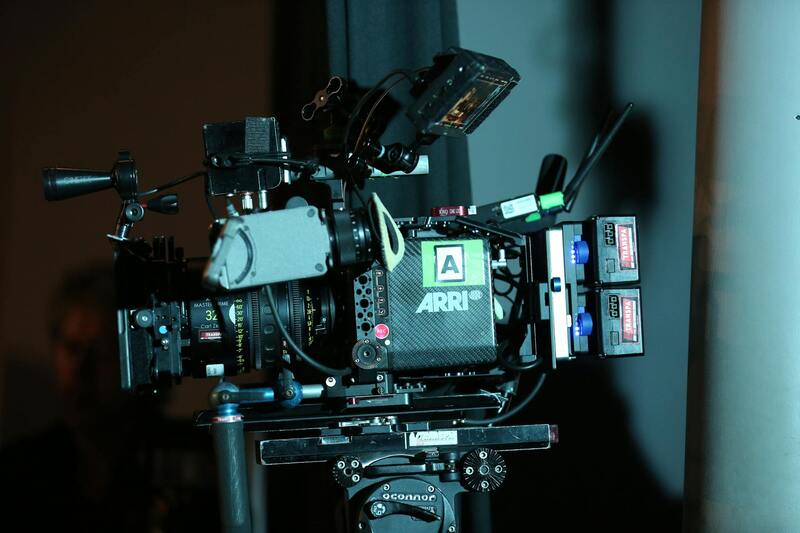
Prioritize high-resolution imaging to ensure clarity across all viewing devices, from desktops to mobile screens. Employing professional editing techniques such as color grading, contrast balancing, and audio enhancement adds polished, compelling aesthetics. Moreover, integrating branding elements, such as logos or animated overlays, reinforces your company's identity and establishes a consistent visual identity.
Strategically, videos should be optimized for various distribution channels. Shortened versions can be tailored for social media ads and platforms, while comprehensive walkthroughs suited for your website or email campaigns can provide more in-depth insights. Proper formatting and compression techniques help maintain video quality without excessive loading times, ensuring the content reaches broader audiences effectively.
Incorporating call-to-action elements within these videos is crucial for converting views into meaningful leads. Clear prompts directing viewers to contact information, scheduling options, or downloadable resources guide them seamlessly toward next steps. When combined with professional, engaging visuals, these strategies increase viewer interaction and facilitate successful property transactions.
Legal and Ethical Considerations in Commercial Real Estate Video Production
Creating compelling commercial real estate videos involves adhering to established methods that respect privacy, consent, and intellectual property rights. These practices not only ensure the integrity of the content but also foster trust with clients and viewers. It is essential to obtain proper permissions when filming on private property or including identifiable features of individuals in footage. Securing clear consent from property owners and stakeholders ahead of production time minimizes unforeseen complications and guarantees that all parties are aligned on the use of the video material.
Leveraging official methods involves meticulous planning and adherence to guidelines for filming public and private spaces. When capturing images of commercial properties, especially in densely populated areas, respecting zones with restricted access or special signage is crucial. Employing high-resolution equipment to produce detailed visuals aligns with professional standards and enhances the quality and credibility of the content.
Another vital aspect is respecting intellectual property rights. This includes avoiding the unauthorized use of music, graphics, or branded content within videos. Incorporating licensed music tracks or royalty-free audio can significantly enhance production value without infringing on rights. Additionally, utilizing properly licensed images and footage ensures the final product maintains compliance with industry standards and avoids potential disputes.
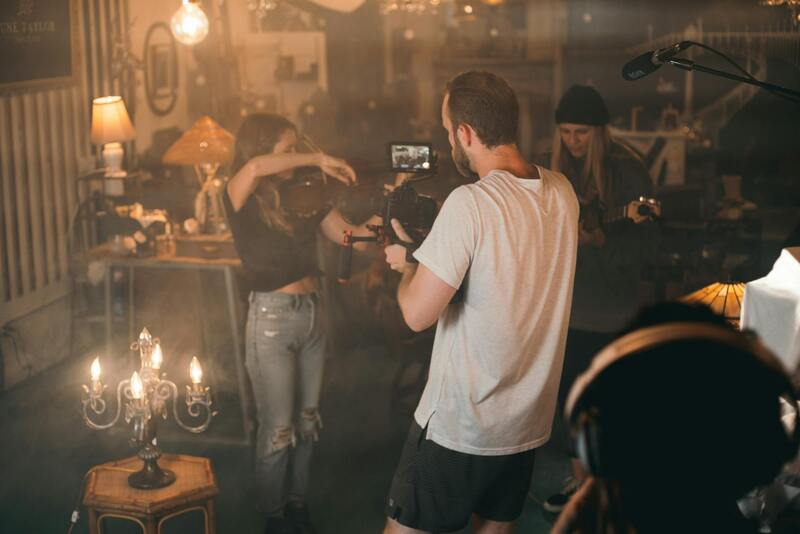
From an operational perspective, following standardized workflows and industry best practices fortifies the production process. This includes creating detailed shot lists, securing necessary permissions upfront, and maintaining records of all legal clearances. Such diligence not only streamlines production but also establishes a transparent process that upholds the professionalism expected in high-stakes real estate marketing.
Incorporating transparency about filming procedures within promotional content also builds confidence with potential clients. Clearly communicating that property visuals are obtained through official channels reassures viewers of your adherence to ethical standards. Additionally, showcasing compliance with local regulations and industry guidelines demonstrates commitment to responsible marketing practices.
Strategies for Ensuring Compliance and Authenticity in Commercial Real Estate Video Production
Maintaining authenticity and adherence to established standards in commercial real estate video production is essential for building trust and credibility with prospective clients. This begins with implementing comprehensive protocols that verify all content used within the videos are ethically sourced and properly authorized. Utilizing reliable licensing agreements for music, graphics, and footage ensures that every element incorporated into the video complies with copyright and intellectual property guidelines. Relying on licensed content not only safeguards against potential disputes but also enhances the professional presentation of the property.
Furthermore, obtaining explicit permissions from property owners, tenants, or stakeholders before filming is vital. Securing written consent for on-site recordings eliminates ambiguities regarding rights and ensures that visual content accurately represents the property while respecting privacy considerations. It is equally important to keep meticulous records of all permissions, licenses, and approvals obtained during the production process. This documentation serves as a clear trail that demonstrates due diligence and adherence to professional standards.
Conducting due diligence on all involved parties and ensuring that any third-party vendors or contractors follow established ethical practices fosters a transparent production environment. This includes verifying the credentials of crew members and suppliers, and confirming that their activities align with the industry’s best practices.
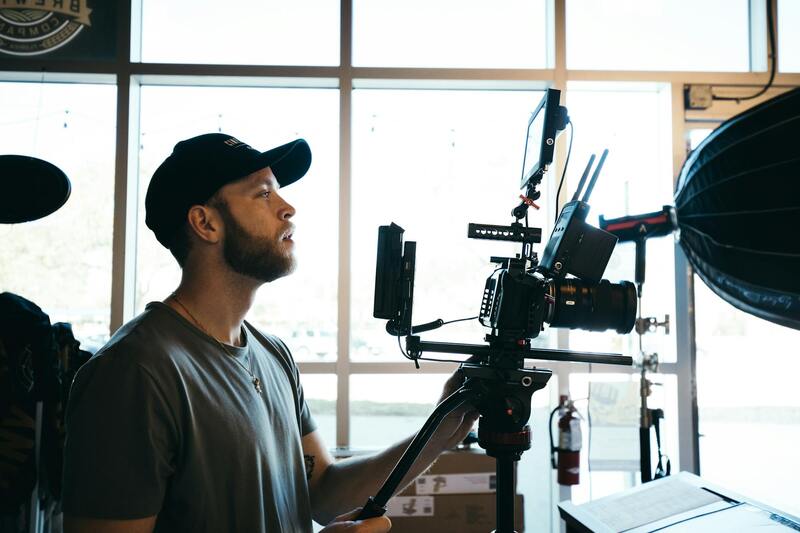
Another critical aspect entails implementing a detailed review process before publishing videos. An internal or third-party review can catch potential issues related to copyright, privacy, or misrepresentation, thereby safeguarding the project’s integrity. Employing professional editing services that confirm all elements are accurately licensed and appropriately used further emphasizes a commitment to producing high-quality, compliant videos.
Maintaining transparency about content sourcing and production practices with clients and stakeholders strengthens confidence and aligns expectations. Clear communication about the steps taken to ensure compliance and the ethical standards upheld during every phase of production reinforces the professionalism of the marketing efforts.
Techniques and Tools to Support Ethical Commercial Real Estate Video Production
Numerous industry-standard tools are available to facilitate responsible content creation. Digital rights management (DRM) platforms assist in tracking licensed content, while project management software helps document permissions and licensing agreements. Using high-quality, royalty-free audio libraries ensures that background music and sound effects meet licensing requirements without sacrificing production quality.
In addition, leveraging geographically accurate mapping and 3D modeling tools enhances the authenticity of virtual tours, offering viewers precise and immersive property representations. These technologies support transparent storytelling and visually demonstrate the property’s features while conforming to content standards.
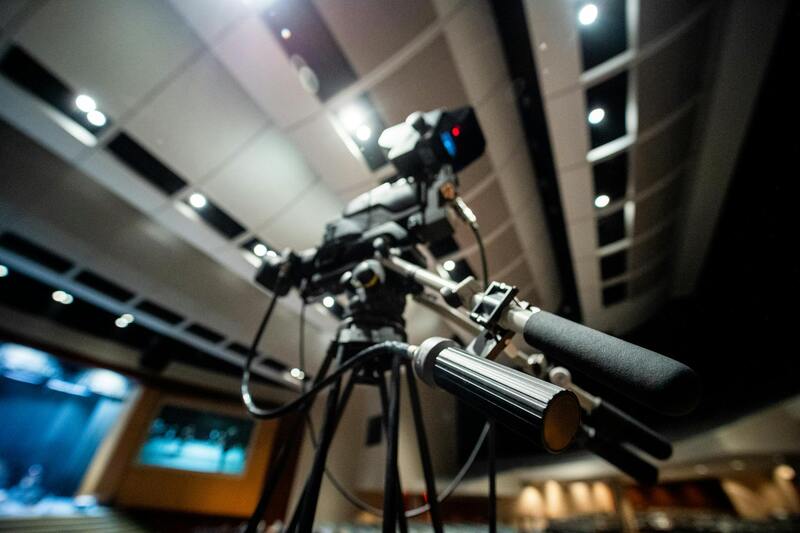
By integrating these practices and technologies, production teams can effectively deliver compelling, trustworthy commercial real estate videos that resonate with viewers and uphold industry standards for ethical marketing.
Implementing Ethical and Effective Commercial Real Estate Video Production Methods
To maximize the impact of commercial real estate videos while maintaining integrity and transparency, it is essential to adhere to established practices that prioritize both quality and credibility. Employing legitimate production methods involves a combination of advanced technology, meticulous planning, and professional execution that aligns with industry standards.
Comprehensive Planning and Pre-Production
The foundation of a successful commercial real estate video begins with detailed planning. This stage involves understanding the specific features and selling points of the property, target audience preferences, and desired messaging. Stakeholders should be involved early to clarify objectives and expectations.
During pre-production, scene planning and shot listing ensure that each segment of the property is showcased effectively. Acquiring high-resolution images and videos requires scheduling shoots during optimal lighting conditions and minimizing disruptions to the venue's operations. Additionally, secure necessary permissions and gather licensing documentation for all media used, including music, graphics, and stock footage.
Utilizing Certified and Quality Equipment
Legitimate production involves the use of industry-grade cameras, stabilizers, drones, and lighting equipment. Equipment should be handled by trained professionals who understand technicalities such as framing, exposure, and stabilization, ensuring that images depict the property accurately and professionally.
Filming with Authenticity and Transparency
During filming, it is crucial to prevent the use of misleading visuals or manipulations that could distort the true appearance or features of the property. Use real-time footage and avoid excessive editing that may alter perceptions. Incorporate virtual tours and 3D walkthroughs generated with mapping software that meet authenticity standards, providing viewers with an accurate representation.
Post-Production and Validation
In the post-production phase, editing should focus on clarity and consistency. Employ authorized music and graphics, ensuring licensing compliance. Techniques such as color correction and image stabilization enhance professionalism without compromising factual accuracy.
All final content must be reviewed and validated for accuracy before distribution. This ensures that the visuals and messages reflect the actual state and features of the property, fostering trust with potential investors or tenants.
Ensuring Content Traceability and Documentation
Maintaining comprehensive documentation throughout the production process—ranging from permits and licensing agreements to editing logs—provides transparency. This documentation demonstrates responsibility and adherence to industry standards.
Leveraging Digital Rights Management and Content Tracking
Tools such as digital rights management (DRM) platforms are instrumental in safeguarding licensed content and ensuring proper attribution. They also support tracking where the videos are used, helping prevent unauthorized duplication and ensuring content integrity.
Embedding Ethical Marketing Practices in Video Content
Beyond technical compliance, embedding ethical principles involves being truthful and respectful of the property’s true features. Explicitly showcasing the property's full scope, avoiding exaggerated claims, and providing supplementary information like floor plans or land dimensions strengthen the video's credibility.
Summary of Best Practices for Ethical Commercial Real Estate Video Production
- Plan thoroughly to align content with property attributes and target audience needs.
- Use high-quality, professional equipment operated by trained specialists.
- Capture footage that accurately represents the property, avoiding manipulations.
- Incorporate approved visuals, music, and graphics that meet licensing requirements.
- Document all permissions, licenses, and production steps for transparency.
- Utilize content tracking and management tools to uphold content integrity.
- Validate final output against original property details to ensure accuracy.
- Engage with verified, reputable production agencies for consistent quality and adherence to policies.