Importance of High-Quality Real Estate Videos
In the highly competitive Miami real estate market, capturing the attention of potential buyers requires more than just outstanding property photos. The advent of high-quality real estate videos has transformed how properties are showcased, providing an immersive experience that static images simply cannot match. Videos offer a dynamic view of a property's space, layout, and ambiance, enabling viewers to develop a genuine feel for the environment even before visiting in person.
Investing in professionally produced real estate videos significantly enhances an agent’s marketing strategy by increasing property visibility across digital platforms and social media. These videos serve as powerful marketing tools that generate higher engagement rates and attract qualified leads. Potential buyers are more likely to spend time viewing comprehensive real estate videos, which build trust and confidence in the property's value.
Moreover, the competitive nature of Miami's real estate scene demands top-tier presentation to stand out. Superior video quality underscores the professionalism of the listing agent or agency, reflecting a serious commitment to quality and client satisfaction. High-resolution visuals with smooth transitions and well-planned shots effectively highlight unique features and architectural details, giving viewers a compelling reason to pursue further interest.
The impact of a well-crafted real estate video extends beyond initial views. It can lead to quicker sales, as engaging content creates a sense of immediacy and excitement. Homes portrayed through high-quality videos tend to receive more inquiries, schedule more showings, and ultimately sell at a faster pace.
Another vital aspect is the potential for increased online presence and SEO benefits. Search engines favor content that encourages longer engagement times, and videos naturally captivate viewers, improving a listing’s ranking and discoverability.
In Miami’s market, where luxury properties and unique architectural styles are common, professional videos become essential in accurately representing the property’s distinctive appeal. They enable sellers to showcase the property’s lifestyle appeal, neighborhood advantages, and amenities in a compelling way.
Ultimately, high-quality real estate videos are a strategic asset that elevates property marketing efforts, differentiates listings in a bustling marketplace, and accelerates successful transactions. For real estate professionals aiming to maximize their property’s exposure, investing in expert video production is a critical step in achieving optimal results.
Pre-Production Planning for Real Estate Videos
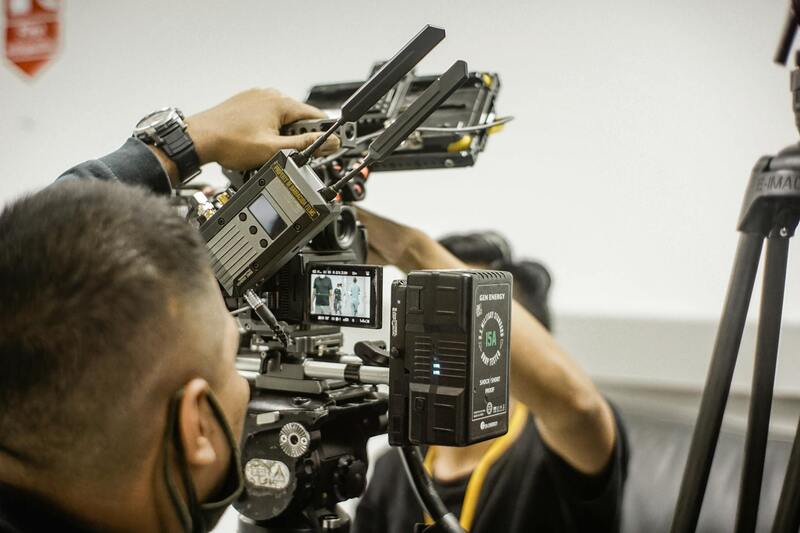
Successful real estate videos commence with meticulous planning during the pre-production phase. This stage involves several critical steps to ensure the final product effectively captures the property's unique features while aligning with marketing goals. Clear objectives must be defined, such as highlighting specific architectural elements, showcasing lifestyle amenities, or emphasizing neighborhood attractions. Establishing a timeline is essential, coordinating with property availability, optimal times of day for natural lighting, and scheduling necessary resources.

Creating a detailed shot list is a vital component, enabling the production team to focus on capturing each significant aspect of the property. This list should include key interior and exterior shots, potential aerial footage, and establishing shots that contextualize the home's setting within its neighborhood. Additionally, pre-visualization allows producers to conceptualize camera angles, movements, and sequences, ensuring that storytelling elements are cohesive.
Coordination with homeowners or agents is also necessary to manage access, staging, and any specific features they wish to highlight. Consideration of necessary permits for drone footage or aerial shots should be addressed beforehand to prevent delays. Preparing a checklist for necessary equipment, such as lighting, stabilization gear, and lenses, can minimize disruptions during filming.
In this phase, selecting the right crew — including videographers, drone operators, and production coordinators — significantly impacts the quality and aesthetics of the final video. Briefing the team about the property's unique selling points ensures everyone understands the project's goals and helps facilitate creative execution aligned with marketing strategies.
Key Steps in the Planning Process
- Defining clear objectives for the video content
- Scheduling shoots at optimal times for lighting and availability
- Developing a comprehensive shot list focusing on highlighted features
- Coordinating with property owners and agents for access and staging
- Acquiring necessary permits and permissions for aerial footage
- Assembling a skilled crew with the right equipment
- Pre-visualizing scenes to ensure storytelling coherence
Thorough pre-production planning minimizes on-site issues, maximizes efficiency, and ensures the delivery of a compelling visual story that draws prospective buyers and enhances online listings.
Techniques for Shooting Effective Real Estate Videos
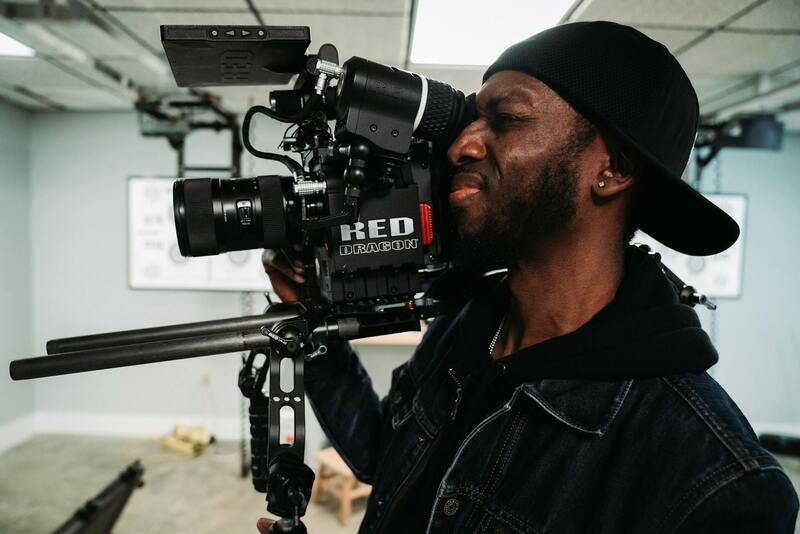
Shooting high-quality real estate videos requires a combination of precision, skill, and technical expertise. Achieving visual excellence begins with understanding the significance of proper camera techniques, lighting, and staging. Professional videographers employ advanced camera setups, including stabilization systems, wide-angle lenses, and smooth motion techniques to capture the property’s best features. These methods ensure that the visuals are clear, appealing, and immersive, drawing potential buyers into the space.
Lighting plays a pivotal role in real estate videography. Natural light should be maximized by scheduling shoots during daylight hours, with an emphasis on capturing properties in the most flattering light. When necessary, supplementary lighting equipment is used to eliminate shadows and highlight details. This balanced lighting setup enhances the property's natural appeal and accuracy, making the space look inviting and authentic.
Movement within the video must be deliberate and fluid. Techniques like slow pans, gentle zooms, and strategic transitions guide viewers through the property, emphasizing key areas without disorienting them. The use of drone footage adds a dynamic perspective, showcasing the property's exterior, landscaping, and surrounding environment from an elevated vantage point. Utilizing drone technology not only provides expansive views but also demonstrates the property's scale and location context, which are highly attractive features for prospective buyers.
In addition to technical execution, attention must be paid to staging and composition. Clear, clutter-free spaces with strategic positioning of furniture and decor help to create an aspirational look that appeals to the target audience. Properly staged scenes paired with professional videography methods result in footage that communicates lifestyle possibilities and property value effectively.
Sound quality should not be overlooked; background music or voiceovers must be chosen to complement the visuals, ensuring the video remains professional and engaging. Editing techniques, including color grading, transitions, and adding property information overlays, can further enhance the presentation, making the video a compelling marketing tool.
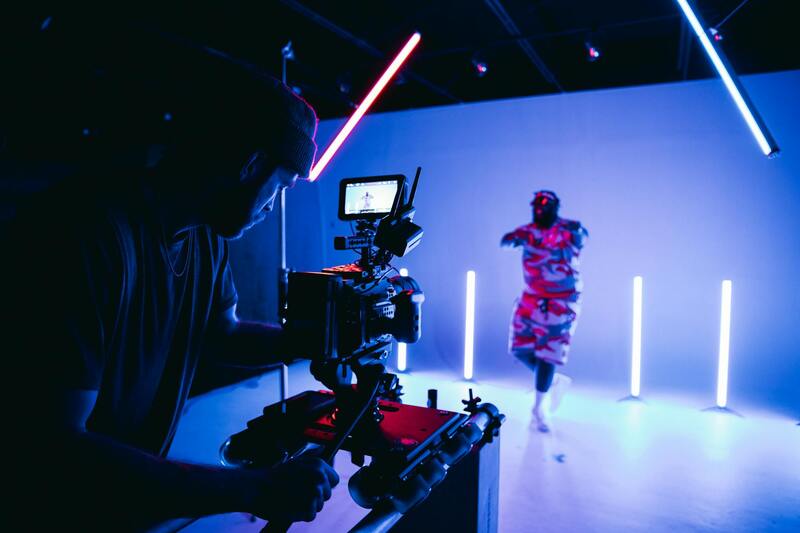
Employing these proven techniques in combination with a strategic approach to shot composition and post-production results in impactful real estate videos. These videos serve as powerful demonstrations of the property's features, aesthetics, and neighborhood appeal—all essential elements for capturing the interest of qualified buyers and maximizing online listings' effectiveness.
Post-Production and Editing Tips
Once the footage collection phase is complete, the post-production process becomes pivotal in transforming raw clips into a polished, captivating real estate video. Effective editing enhances visual appeal, emphasizes key property features, and ensures the final product communicates the property’s value convincingly.
Begin by reviewing all footage meticulously to select the shots that best showcase the property's unique aspects. High-definition footage should be color graded to match the property's aesthetic and to enhance natural light, making spaces appear more inviting and authentic. Consistent color grading lends a professional continuity to the video, avoiding abrupt shifts that can distract viewers.
Transition effects should be employed judiciously, serving to create smooth flow between scenes without overwhelming viewers. For example, subtle crossfades or wipes can facilitate a seamless narrative progression, guiding viewers fluidly through different areas of the property. Overlaying key property details — such as square footage, room dimensions, and special features — can provide viewers with quick, digestible information that complements visual storytelling.
Audio plays a crucial role in crafting an immersive experience. Selecting background music that aligns with the property's style enhances emotional appeal, while voiceovers can provide additional context or highlight important features. Ensuring sound synchronization with visuals is critical for a cohesive production quality.
Advanced editing techniques such as motion tracking, time-lapse sequences, and strategic zoom-ins help emphasize unique architectural details or landscapes. Incorporating animated graphics or text overlays can further highlight community amenities, nearby attractions, or unique selling points, making the video more engaging.

Final review should focus on consistency in branding, clarity of messaging, and overall impact. A well-edited video not only elevates the property's perceived value but also facilitates memorability and viewer engagement across various online platforms. The goal is to create a compelling visual story that captures the essence of the property and entices prospective buyers to take the next step.
Techniques for Shooting Effective Real Estate Videos
Capturing high-quality footage is a fundamental step in creating compelling real estate videos that resonate with prospective buyers. It begins with meticulous preparation, including selecting the right equipment, understanding the property’s unique features, and scouting the location for optimal lighting conditions. Utilizing professional-grade cameras with high resolution and stability tools, such as gimbals or steadicams, ensures smooth footage that highlights the property’s best angles.
Lighting plays an essential role in making spaces appear inviting and spacious. When shooting indoors, take advantage of natural light by filming during daylight hours and opening curtains or blinds to maximize light flow. Supplementary lighting equipment can be used to reduce shadows and evenly illuminate interior details. Outdoors, shooting during the golden hour—shortly after sunrise or before sunset—can add a warm, appealing glow to exterior shots, making the property look more attractive.

Effective camera movements and composition are vital. Employing slow, deliberate pans and zooms helps create a smooth and engaging viewing experience. Using a wide-angle lens can capture more of a space, making rooms appear larger and more open. It is also beneficial to film from eye level, which offers a natural perspective that helps viewers envision themselves within the space.
Sound quality, while sometimes overlooked, is equally important. Clear audio—whether from voiceovers, on-site recordings, or background music—can significantly influence the viewer’s emotional response. Consider using external microphones for better sound capture and minimizing background noise to ensure a professional presentation.
Innovative shooting techniques can also elevate the production quality. Drone footage provides breathtaking aerial views that showcase the property’s exterior, surroundings, and landscape — especially valuable for larger estates or properties with scenic amenities. Time-lapse photography can highlight the property's curb appeal over a period, emphasizing outdoor features or garden transformations throughout the day. Additionally, strategic use of interior camera angles can accentuate spaciousness and architectural details that make the property stand out.
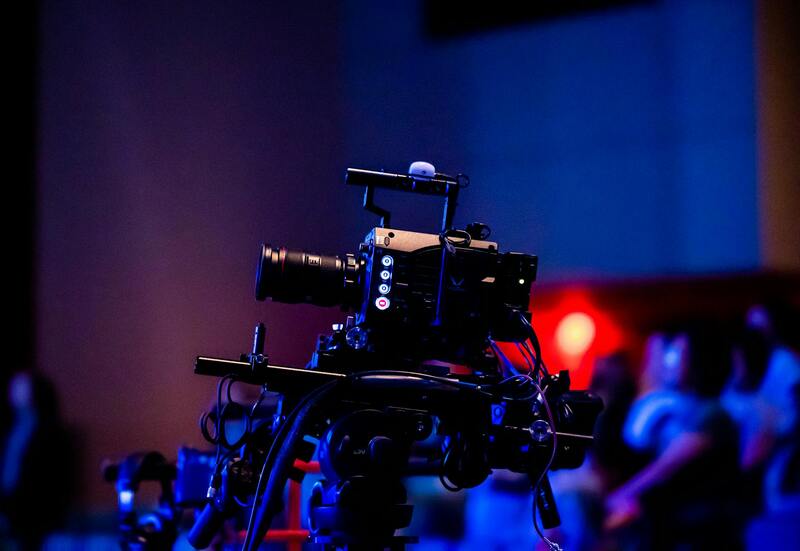
In terms of scene continuity, maintaining consistent framing and camera settings throughout the shoot ensures uniform visual quality. This consistency facilitates seamless editing, ultimately resulting in a polished final product that effectively communicates the property's essence without distractions. Incorporating cinematic techniques, such as shallow depth of field or gentle focus pulls, can guide the viewer’s attention toward key features or details.
Storyboarding the video beforehand allows for a logical flow that highlights the most enticing aspects of the property. Planning shots to tell a visual narrative minimizes unnecessary retakes and ensures that all critical features are covered. This strategic approach guarantees an engaging experience that holds viewers’ interest from start to finish, increasing the likelihood of converting interest into inquiries or visits.
Post-Production and Editing Tips
Effective post-production and editing are crucial steps in transforming raw footage into compelling real estate videos that captivate potential buyers and make a lasting impression. Recognizing that viewers often decide within seconds whether to continue watching, a polished and professional editing process ensures the property's features are presented in the best light while maintaining viewer engagement.
One of the primary focuses during editing is pacing. An optimal length for real estate videos generally ranges between 2 to 4 minutes, balancing thoroughness with viewer retention. Rapid cuts or smooth transitions between scenes help maintain interest and create a dynamic flow that guides viewers seamlessly through the property's narrative. Using a combination of wide shots to establish context and close-ups to highlight specific details ensures a comprehensive viewing experience.
Color grading plays a vital role, as it enhances visual consistency and elevates the overall aesthetic of the video. Correcting color discrepancies, adjusting contrast, and subtly enhancing natural tones make interiors and exteriors appear more inviting and pristine. Proper color grading ensures that every shot looks professional and harmonious, reinforcing the property's appeal.
Sound quality significantly influences viewer perception. Integrating background music that complements the property's style can evoke emotional responses and set the tone for the video. Clear narration or voice-overs are essential for emphasizing particular features or providing context, guiding viewers through the property’s main selling points without distraction. Eliminating background noise and balancing audio levels ensures clarity and professionalism.
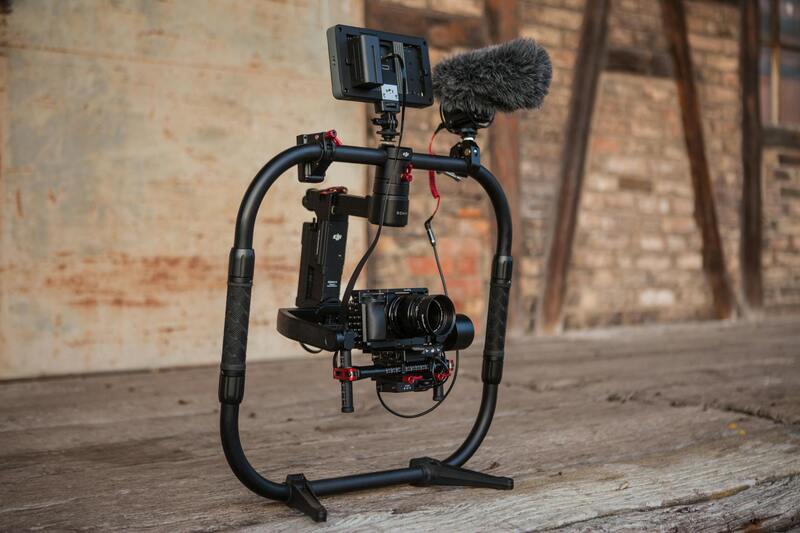
Incorporating cinematic techniques during editing can further elevate the production. Implementing slow-motion sequences for key features, strategic use of focus pulls, or animated text overlays can draw attention to specific aspects such as spaciousness, luxury finishes, or scenic views. These subtle enhancements reinforce the property’s unique characteristics and create a memorable viewing experience.
Moreover, optimizing videos for online platforms involves precise attention to technical specifications. Exporting videos in appropriate formats and resolutions ensures compatibility across different devices and channels. Compressing the file size without compromising quality facilitates faster streaming and downloads, ultimately improving viewer experience on websites and social media.
Metadata optimization, including detailed descriptions, relevant keywords, and timestamps when applicable, enhances discoverability in search results. A well-structured thumbnail or cover image also plays a vital role in encouraging clicks, as it visually summarizes the property’s appeal and entices viewers to watch the entire video.
By meticulously refining each aspect of post-production, real estate professionals can generate highly engaging, visually appealing videos that significantly increase online visibility and attract qualified inquiries. Well-edited videos serve as a powerful marketing tool that drives interest and facilitates faster property sales.
Enhancing Viewer Engagement Through Effective Video Optimization
After producing high-quality content, the next crucial step is ensuring that the videos reach the right audience and make a significant impact. Optimizing real estate videos for online platforms involves a blend of technical adjustments and strategic presentation—aimed at maximizing visibility, clarity, and viewer interaction. This process begins with understanding the specific technical requirements of various platforms, ensuring that videos are formatted correctly to maintain visual integrity across devices, whether desktops, tablets, or smartphones.
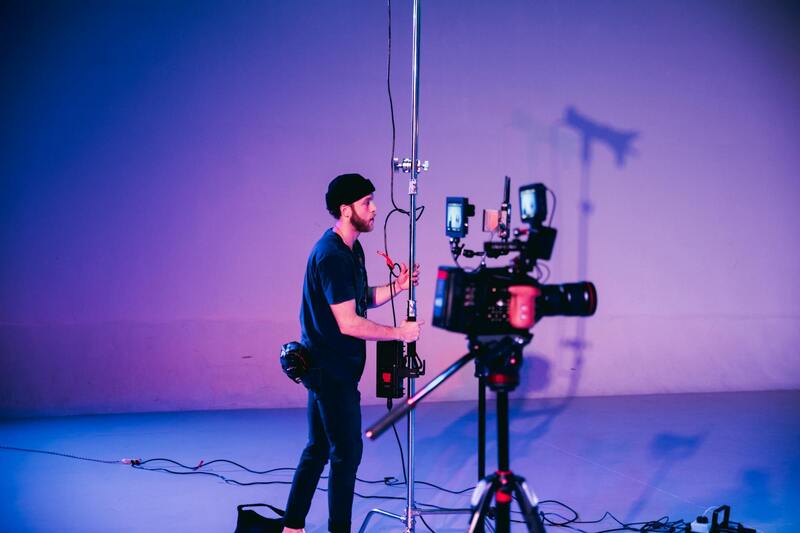
Choosing the appropriate resolution is vital; high-definition videos with resolutions of 1080p or higher are preferred for their clear and crisp visuals, especially when showcasing intricate property details. However, balancing quality with file size is essential to facilitate quick load times and smooth streaming experiences. Compression tools allow for reducing file size without significant quality loss, making videos easier to upload and quicker for viewers to access.
Thumbnails or cover images serve as the visual gateway to the video, acting as a teaser that should accurately reflect the property's appeal. A compelling thumbnail can significantly increase click-through rates by enticing viewers with a preview of the property's most attractive features. Additionally, including relevant keywords and detailed descriptions enhances search engine optimization, helping videos appear in relevant searches and recommended feeds.
Metadata and Tagging Strategies
- Keyword Integration: Use descriptive keywords related to the property location, features, and target audience to improve searchability.
- Timestamps: For longer videos, adding timestamps allows viewers to navigate directly to sections of interest, increasing engagement.
- User Engagement: Incorporate calls-to-action within descriptions, encouraging viewers to contact agents, schedule visits, or explore additional listings.
Leveraging Platform-Specific Features
Different online platforms offer unique features that can enhance the effectiveness of real estate videos. For instance, YouTube provides options for end screens and annotations that promote other videos or contact forms, while social media channels like Facebook and Instagram support short clips and Stories that attract quick attention. Utilizing these features appropriately can help maintain viewer interest and generate more leads.
Furthermore, embedding videos directly into property listings on websites enhances user engagement, providing immersive experiences that encourage longer visits and higher interaction levels. Making videos easily shareable across social networks also expands their reach, drawing in a broader audience of potential buyers and investors.
Tracking and Analyzing Performance Metrics
Monitoring how videos perform offers valuable insights into viewer preferences and behaviors. Tracking views, engagement rates, click-throughs, and conversions helps identify what aspects resonate most and which areas require improvement. Continuous analysis ensures that your video marketing strategies evolve effectively, staying aligned with industry trends and consumer expectations.
Implementing these optimization techniques ensures that each professionally produced real estate video delivers maximum impact—drawing in interested buyers and accelerating the sales process through precise and targeted online outreach efforts.
Maximizing the Reach Through Strategic Distribution
To ensure that high-quality real estate videos generate the maximum return on investment, strategic distribution plays a crucial role. Once the videos are crafted to showcase the property's unique features, deploying them across carefully chosen channels is essential. This involves a combination of organic and paid strategies to reach the target audience effectively.
- Social Media Campaigns: Leveraging platforms such as Facebook, Instagram, LinkedIn, and Twitter allows real estate professionals to target specific demographics based on location, interests, and behaviors. Short-form content like clips and Stories catch attention quickly, encouraging viewers to explore the full video or contact the agent directly.
- Email Marketing: Embedding videos in email campaigns sent to curated mailing lists enhances engagement. Personalized messages that highlight property details alongside a compelling video motivate prospective buyers to take action.
- Property Listing Websites: Embedding videos within property listings on popular online portals improves user experience, leading to higher engagement rates. Optimized videos decrease bounce rates and keep potential buyers interested longer, boosting the chances of inquiry or visit scheduling.
- Search Engine Optimization (SEO): Properly optimized videos with relevant keywords, descriptive titles, and captions increase visibility on search engines. Embedding videos on your website further enhances SEO performance, driving organic traffic to your listings.
- Paid Advertising: Utilizing targeted ads on social media and search engines can effectively reach interested buyers. Well-placed ad campaigns that promote high-quality videos often yield a higher return, translating into more inquiries and faster sales.
Integrating these distribution methods ensures that professionally produced videos reach a broad yet targeted audience, significantly increasing property visibility and engagement. This multi-channel approach promotes a seamless experience for viewers and helps establish a strong online presence that attracts motivated buyers.

Tracking Outcomes and Refining Strategies
Critical to ongoing success is the ability to analyze performance data meticulously. Metrics such as views, click-through rates, engagement duration, and conversion rates provide insight into what aspects of the videos resonate most with viewers. This data-driven approach enables real estate professionals to refine their content, delivery timing, and distribution channels.
Using analytics tools, agents can identify patterns like the best times to post, preferred video formats, and audience preferences. These insights allow for continuous improvement, setting the stage for future campaigns that are increasingly targeted and effective.
Additionally, soliciting feedback from viewers and clients can shed light on perceived quality and relevance, guiding adjustments that enhance credibility and appeal.