Importance of Professional Property Photography
In the highly competitive Miami real estate market, the visual presentation of a property can significantly influence buyer interest and engagement. Professional property photography serves as a vital tool for real estate agents and property owners aiming to maximize their listing visibility and accelerate sales. High-quality images not only capture the property's best features but also help create an emotional connection with potential buyers, enticing them to explore further.
Stunning, well-composed photographs are often the first impression prospective buyers have of a property online. In an era where digital research dominates the home-buying process, these images are crucial for standing out amidst numerous listings. They can effectively communicate the property’s layout, space, lighting, and unique attributes, providing viewers with a comprehensive understanding without even visiting in person.
From luxury waterfront estates to condominium units, professional property photography ensures that each space is presented in the most appealing way. This is particularly important in Miami, where diverse architectural styles and vibrant surroundings demand images that can highlight the property’s connection to its environment. Utilized correctly, high-quality photography can lead to increased online traffic, more inquiries, and a faster sale process.
Moreover, professional images serve as a cornerstone of online marketing campaigns. They are used across multiple channels such as real estate websites, social media platforms, and email marketing, all designed to reach a diverse pool of potential buyers. For developers and investors, compelling visual content can enhance brand reputation and establish a consistent, polished presence in the property market.
Ultimately, investing in professional property photography yields a high return by transforming ordinary listings into powerful marketing tools. The emotion, clarity, and quality conveyed through expert photography resonate more effectively with buyers, encouraging them to take the next step — whether that means scheduling a viewing or making an offer.
In Miami's vibrant real estate landscape, where visual impressions significantly influence purchasing decisions, professional property photography emerges as an essential element of successful property marketing strategies.
Choosing the Right Equipment and Techniques
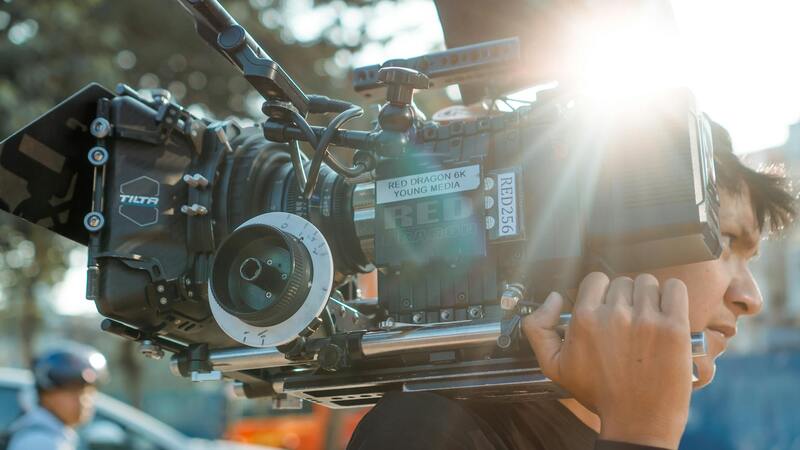
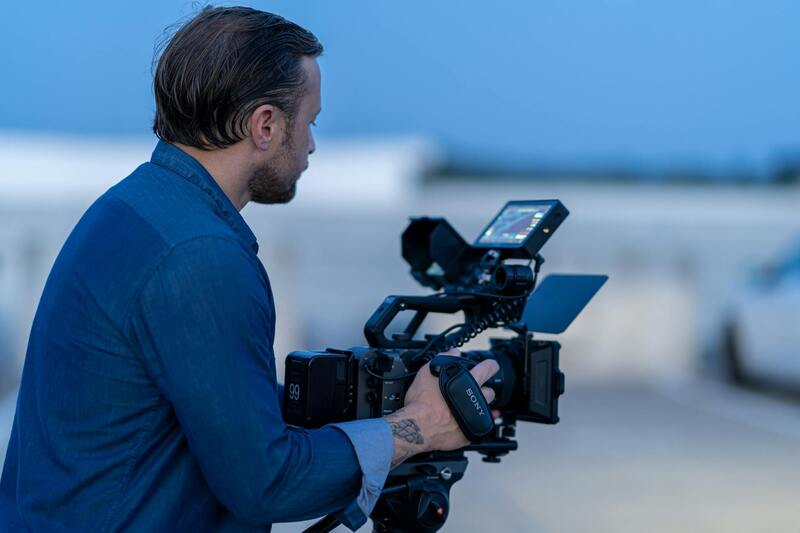
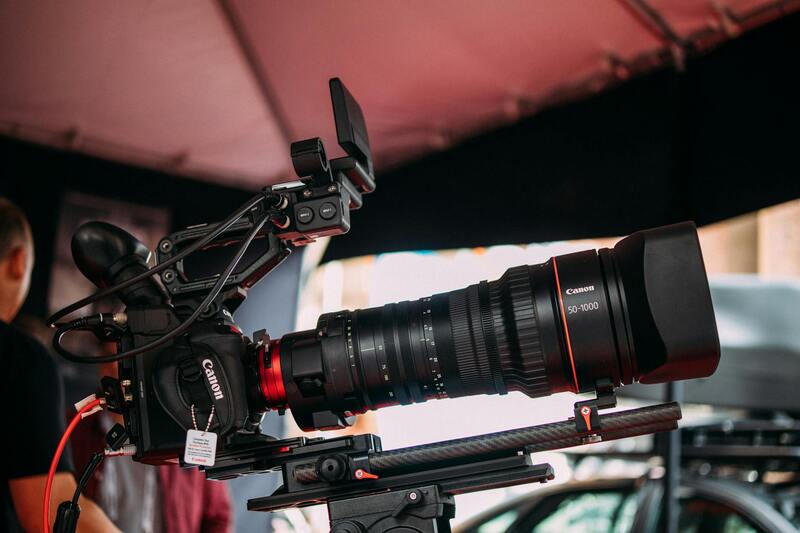
To achieve exceptional property images that truly capture the essence of each space, selecting appropriate equipment and employing effective techniques are crucial. High-resolution digital cameras with full-frame sensors are the backbone of quality property photography. These cameras are capable of capturing detailed images with vibrant colors and sharpness, which are vital for showcasing a property’s best features.
Lenses also play a vital role. Wide-angle lenses facilitate the inclusion of more space within a single frame, making rooms appear larger and more inviting. However, using ultra-wide lenses should be balanced with attention to distortion, ensuring that proportions remain accurate and appealing.
Proper lighting equipment is essential to eliminate shadows and highlight architectural details. Natural light, when harnessed correctly, produces warm, inviting images. Supplementing natural light with professional lighting setups or reflectors can further enhance the clarity and brightness of interior shots.
Techniques such as high dynamic range (HDR) imaging enable photographers to capture images with balanced exposure, revealing both shadowed and brightly lit areas simultaneously. Tripods are indispensable—they ensure stability and sharpness, especially in low-light conditions or interiors.
Understanding and implementing these equipment choices and techniques lead to consistently high-quality images that convey the true ambiance and appeal of Miami properties.
Staging and Preparing Properties for Photoshoots
Effective staging sets the scene, making each property appear as desirable and well-maintained as possible. Prior to the shoot, decluttering and deep cleaning are essential to create a clean, inviting environment. Remove personal items and excess furniture that may obstruct views or make spaces appear smaller.
Arranging furniture thoughtfully can enhance flow and highlight the room’s best features, such as a scenic view or architectural details. Small decor elements like fresh flowers or tasteful artwork add warmth and character without overwhelming the space.
The timing of the shoot is also critical; scheduling during peak daylight hours with abundant natural light results in images that are bright and vibrant. In spaces with limited natural light, professional lighting can be used to mimic daylight, ensuring consistency across images.
Furthermore, attention to minor details—such as ensuring windows are spotless and beds are neatly made—can make a significant difference in the final presentation.
High-quality property images are the result of thorough preparation, which ensures each shot communicates the full potential and appeal of the space.
Optimizing Photos for Online Listings and Marketing
Once capturing high-quality images, the next step involves optimizing them for online platforms. Photo editing software can be used to correct color balance, straighten horizons, and enhance details without altering the genuine appearance of the property.
Compressing images without sacrificing quality improves load times, which is crucial for maintaining user engagement on property listing sites and social media. Additionally, using consistent aspect ratios and resolutions ensures a uniform and professional appearance across all marketing channels.
Creating a diverse gallery with wide shots to showcase entire rooms, along with close-ups highlighting unique features, provides potential buyers with a comprehensive view of each property. Virtual staging and 360-degree images can further expand online engagement, allowing viewers to explore spaces more interactively.
Meta tags and keyword-rich descriptions accompanying the images improve search engine visibility, driving more traffic to listings. Properly optimized visuals stand out more prominently in online searches, increasing the likelihood of inquiries and viewings.
High-quality, well-optimized images serve as effective digital assets, capturing attention and inciting interest among prospective buyers in Miami’s competitive real estate market.
The Role of Aerial and 3D Imaging in Property Marketing
Incorporating aerial photography, typically through drone footage, provides a unique perspective that showcases a property’s exterior, lot size, landscaping, and surrounding amenities. Aerial images are particularly compelling for properties with impressive grounds, waterfronts, or significant architectural features, offering potential buyers a comprehensive view from above.
3D imaging and virtual tours take interaction to the next level, allowing prospective buyers to navigate through a property remotely. These technologies create immersive experiences that simulate walk-throughs, highlighting spatial relationships and layout details more effectively than static images.
Utilizing aerial and 3D imagery in Miami’s vibrant real estate market attracts tech-savvy buyers and distinguishes listings from competitors. These tools not only augment visual storytelling but also facilitate remote viewing, expanding the reach to international and out-of-town buyers.
The integration of drone photography and 3D virtual tours into property marketing strategies results in multidimensional presentations that significantly boost engagement, enhance perceived value, and accelerate the sales process.
Legal and Ethical Considerations in Property Photography
Ensuring that property marketing photography is conducted within appropriate frameworks involves adherence to established standards and practices that respect privacy, intellectual property, and safety regulations. Professional property photographers operate with a clear understanding of these guidelines, which safeguards the interests of clients and maintains industry integrity.
In the realm of property marketing, it is essential to obtain proper permissions for photographing private spaces, especially when featuring interiors or secluded outdoor areas. This includes securing consent from property owners and respecting tenant rights where applicable. Clear communication and documentation help prevent misunderstandings and foster trust between photographers and clients.
Utilizing drone photography mandates adherence to specific operational regulations intended to uphold safety and privacy. This involves working with licensed drone pilots who are trained to manage airspace restrictions, avoid privacy infringements, and mitigate risks associated with aerial imaging. Implementing these practices ensures imagery captures are responsibly produced without infringing on individual rights.
Proper editing and post-production techniques also play a vital role in presenting properties attractively while maintaining honesty and transparency. Overly manipulated images that distort representations can mislead prospective buyers, which can affect credibility and buyer trust. Balancing enhancement with authenticity is key to creating compelling yet accurate visual content.
By partnering with experienced professionals who uphold these ethical principles, real estate agents and property owners can effectively showcase their listings while respecting legal boundaries and ethical norms, thereby elevating the credibility of their marketing campaigns.
Legal and Ethical Considerations in Property Photography
Ensuring adherence to official protocols during property photography not only maintains professionalism but also safeguards the interests of all parties involved. Photographers must be diligent in verifying permissions before capturing images, particularly in private or restricted areas. This entails obtaining explicit consent from property owners or authorized representatives, which helps establish a clear understanding of the scope of the shoot and prevents potential disputes.
Respecting tenant rights and privacy is paramount. When photographing rental units or occupied homes, it is essential to coordinate with tenants and ensure they are aware of the recording process. Providing sufficient notice and securing written agreements can facilitate smoother interactions and foster trust. Additionally, respecting designated privacy zones within the property and avoiding intrusive angles preserves personal boundaries and complies with established standards.
Incorporating aerial photography and drone imaging introduces additional layers of regulation. Working exclusively with licensed drone operators ensures that flight paths adhere to airspace guidelines and local ordinances. Such professionals are trained to navigate complex regulations, avoid capturing private property features unintentionally, and operate safely in various environments. This practice prevents accidental infringements on privacy and enhances the quality of aerial visuals.
Post-production editing must also reflect ethical standards. While enhancing images to improve clarity and color accuracy is common, it is essential to avoid misleading potential buyers or tenants. Overly manipulated visuals can distort the property's true features, leading to mismatched expectations. Maintaining transparency in editing preserves credibility and reinforces trust with the audience.
Professional photographers should familiarize themselves with relevant laws and guidelines governing property marketing imagery. This includes understanding local and federal regulations, respecting intellectual property rights, and ensuring all media produced aligns with clear contractual agreements. By doing so, they uphold the integrity of the marketing process and contribute to a fair and transparent real estate environment.
Legal and Ethical Considerations in Property Photography
In the realm of property marketing photography, adherence to established standards ensures that visual content respects privacy, rights, and factual representation. When capturing images, professionals must be mindful of privacy boundaries, obtaining necessary permissions when photographing private spaces or neighboring properties. This prevents inadvertent intrusion and fosters trust with clients and the community.
It is crucial to employ transparent editing and post-production processes. Enhancements should focus on showcasing the property's best features without altering its true appearance. Overly manipulated images risk creating unrealistic expectations, which can undermine credibility and lead to dissatisfaction among prospective buyers or tenants.
Furthermore, professionals should familiarize themselves with copyright and intellectual property rights related to their images. Using licensed or original content ensures that the marketing material is authentic and legally compliant. This includes securing proper rights for any third-party content incorporated into the visuals, such as artwork or images of exterior amenities.
Respect for local regulations regarding drone usage and aerial photography is integral when capturing images from elevated perspectives. Working with licensed operators guarantees that flying environments are navigated safely and within permitted airspace, minimizing privacy infringements and potential hazards.
Maintaining detailed records of consent and permissions related to image capture and distribution supports accountability. These documentation practices are especially important when creating marketing materials that will be disseminated widely across various platforms.
Ultimately, ethical property photography aligns with a professional code of conduct that emphasizes transparency, respect for rights, and honest representation. By following these principles, real estate professionals and photographers uphold the integrity of property marketing and contribute to a fair, trustworthy marketplace.
Legal and Ethical Considerations in Property Photography
In the realm of property marketing, adherence to established standards is paramount to ensure that visual representations are both trustworthy and compliant with industry norms. Professional property photographers must operate within a framework that respects privacy, intellectual property rights, and safety protocols. This entails obtaining necessary permissions from property owners before capturing images, particularly when it involves sensitive areas or personal spaces. Securing explicit consent mitigates potential disputes and maintains the integrity of the marketing campaign.
Another critical aspect involves understanding and respecting the rights related to the visual content created. This includes ensuring that all images used in promotional materials are either original, licensed, or properly attributed if sourced externally. Such practices help avoid copyright infringements and uphold the professional reputation of the photographer or agency.

Respecting privacy rights plays a key role as well. When capturing images of neighborhoods or external views, photographers should be mindful of the potential for intrusive or invasive photography. It’s advisable to avoid capturing images that could unintentionally disclose private information or violate individuals' rights. In the case of drone photography, compliance with aerial regulations and avoiding privacy breaches are especially important, necessitating collaboration with licensed operators who understand airspace restrictions.
Beyond legal considerations, maintaining ethical standards is central to fostering trust among clients and the public. Photographers should aim for honest and accurate representations of properties, avoiding misleading angles or filters that could distort the property's true appearance. Clear and truthful depiction ensures prospective buyers or tenants receive a genuine view of what they can expect, thereby facilitating more informed decisions.
Documentation of permissions, consent forms, and correspondence related to image rights and usage are vital. Such records provide accountability and transparency throughout the marketing process, reinforcing the professionalism of the service provided.
By adhering to these principles, real estate professionals contribute to a fair and respectful marketplace where visual content upholds integrity and fosters confidence. Ethical property marketing photography not only complies with relevant standards but also reflects a commitment to responsible and respectful business conduct.
Legal and Ethical Considerations in Property Photography
When engaging in property marketing photography, adherence to both legal standards and ethical practices is essential to maintain professionalism and foster trust with clients and prospective buyers. These considerations encompass various aspects, including respecting privacy rights, obtaining necessary permissions, and accurately representing the property.
One of the primary concerns in property photography is safeguarding the privacy of residents and neighboring properties. Photographers must ensure that images do not inadvertently capture private spaces or confidential information, such as personal belongings, security devices, or sensitive documents. This approach not only preserves individual privacy but also upholds the integrity of the marketing process.
Obtaining explicit permissions before capturing images, especially for interiors or private outdoor areas, is a standard practice. This may involve securing consent from property owners or tenants, particularly when shooting in residential environments. Such permissions are often documented through signed releases or agreements, providing a clear understanding of how the images will be used.
Transparency in image depiction is necessary to avoid misleading representations. Photographers should use appropriate angles and daylight conditions to portray the property accurately, avoiding exaggerated perspectives or filters that distort the property's true appearance. Accurate photography ensures that potential buyers or tenants have a realistic expectation, thereby reducing misunderstandings or disputes later in the process.
In addition, compliance with local regulations concerning aerial photography and drone usage is critical. Engaging licensed operators who understand airspace restrictions helps prevent privacy breaches and unauthorized inspections. Maintaining records of permissions, flight logs, and consent forms enhances accountability and demonstrates professionalism.
Ethical property marketing photography goes beyond legal obligations, reflecting a commitment to integrity, honesty, and respect for all parties involved. It involves providing authentic visual content that accurately illustrates the property's features and condition, fostering confidence among clients and prospective buyers. When photographers incorporate these principles into their practices, they contribute to a transparent, respectful, and fair real estate marketplace.
Maximizing the Effectiveness of Property Visuals in the Digital Age
In today’s competitive real estate market, the way a property is presented through visual content significantly impacts its appeal and marketability. Ensuring that property marketing photography adheres to official standards involves meticulous planning, execution, and ethical considerations. These images serve as the first point of engagement for potential buyers or tenants browsing online listings, making their quality and authenticity crucial in influencing decision-making. Therefore, integrating professional techniques and maintaining compliance with industry standards is essential for real estate professionals looking to stand out and build trust with their audience.
Adopting Industry-Standard Methods for Quality Assurance
Professional property photography relies on established methods that ensure images are both appealing and accurate. Utilizing high-resolution cameras set at optimal angles ensures clarity, while proper lighting—preferably natural daylight—helps showcase the property in its best light. Photographers often use drone technology for aerial shots to highlight land size, surrounding amenities, or unique architectural features that ground photos cannot capture. These methods, when executed with precision, guarantee that each image aligns with the true condition and spatial layout of the property, thereby elevating the credibility of the listing.
Controlled Use of Aerial and 3D Imaging
Advanced imaging techniques such as aerial drone photography and 3D virtual tours have become standard components of comprehensive property marketing. These visuals provide potential buyers with immersive perspectives of the property’s exterior, landscaping, and neighborhood context—elements often difficult to convey through traditional photos. Proper licensing and adherence to airspace regulations are crucial during aerial shoots, ensuring ethical practices and respect for privacy. In addition, integrating 3D walkthroughs allows prospects to explore the property remotely, offering a detailed experience that replicates on-site visits.
Implementing Ethical and Transparent Marketing Strategies
Transparency remains a cornerstone of effective property marketing photography. Accurate depictions, free from exaggerated angles or filters that misrepresent the property’s true condition, foster trust and diminish disputes or misunderstandings. Photographers should employ standardized protocols, including signed agreements regarding image usage, and maintain detailed records of permissions and releases. Respectfulness in capturing both the property and surrounding environment underscores a commitment to professionalism and ethical integrity, which is vital in cultivating long-term client relationships and upholding industry standards.
Staging and Preparing Properties Meticulously
Preparation is key to capturing compelling property images. This involves decluttering, cleaning, and strategically arranging furniture and décor to showcase the property’s potential. Natural lighting should be optimized by scheduling shoots during daylight hours and using reflectors or additional lighting when necessary. The goal is to depict the property authentically while highlighting its most attractive features, ensuring that prospective buyers receive a realistic impression that aligns with their expectations.
Optimizing Visual Content for Digital Platforms
Once captured, images must be optimized for various online marketing channels. This includes resizing images for website galleries, social media, and mobile-compatible listings while maintaining quality. Proper metadata, such as descriptive tags and accurate property details, enhances search engine visibility. Fast-loading, high-quality images also improve user experience, encouraging longer engagement and increasing the likelihood of inquiries. A consistent visual style and branding within all marketing materials reinforce professionalism and trustworthiness, crucial elements in property promotion.
Maintaining Compliance and Confidentiality
While leveraging innovative imaging techniques, adherence to privacy standards and sensitive site considerations is paramount. Avoid capturing images that may infringe on neighboring properties' privacy, or disclose confidential information. Employing off-market or restricted-access visuals ensures that marketing efforts respect legal boundaries and uphold ethical standards. Documenting all permissions and maintaining a professional approach demonstrate a commitment to best practice and establish a reliable reputation in property marketing.