Understanding the Real Estate Drone Photography Market in Miami
Miami’s real estate sector is renowned for its vibrant, fast-paced developments and a high demand for visually compelling property listings. As the city continues to grow as a prime destination for luxury homes, commercial properties, and waterfront estates, the role of drone photography has become increasingly vital in showcasing properties from unique aerial perspectives. Real estate drone photography services capitalize on this trend by providing high-quality, engaging imagery that helps properties stand out in a competitive marketplace.
The demand for drone photography in Miami is driven by various stakeholders within the real estate industry, including real estate agents, brokers, developers, and property management firms. These professionals seek to enhance their marketing by offering potential buyers and investors immersive visual experiences. Aerial shots and videos offer a comprehensive view of property features, surrounding landscapes, and neighborhood amenities, enabling clients to better understand the scale and attractiveness of a property before arranging viewings.
Furthermore, Miami’s unique geographic and architectural landscape makes drone photography especially effective. From beachfront estates with stunning ocean views to sprawling residential communities and commercial complexes in prime locations, drones allow for a spectacular presentation that photos alone cannot achieve. This visual advantage can serve as a decisive factor in property sales, prompting many real estate professionals to integrate drone visuals into their marketing campaigns.
Professionals entering the Miami real estate drone photography market should develop a keen understanding of the specific needs of their target audience. Real estate agents and developers are increasingly looking for quick turnaround times, high-resolution images, and engaging video content that can be integrated seamlessly into online listings, virtual tours, and promotional materials. By aligning service offerings with these expectations, drone photography businesses can position themselves as essential partners in Miami's competitive real estate environment.
Additionally, with Miami’s diverse neighborhoods—from downtown high-rises to suburban communities and luxury beachfront properties—tailoring services to the unique features of each area can enhance marketing efficacy. For instance, targeting high-end properties with stunning aerial vistas or commercial spaces with comprehensive neighborhood overviews can expand a drone photography business’s client base. Understanding these market dynamics enables drone service providers to craft compelling offerings that meet the evolving needs of Miami's real estate professionals.
In sum, the Miami real estate market presents a fertile environment for drone photography services. Its high-value properties, continuous development, and the importance of striking visual presentation create a strong foundation for a successful business. By focusing on market needs, understanding regional nuances, and consistently delivering top-tier visuals, entrepreneurs can establish a reputable presence in Miami’s thriving property scene.
Equipment and Technology Needed for Real Estate Drone Photography
To establish a high-quality real estate drone photography business in Miami, selecting the right equipment is a fundamental step. The technological choices directly influence image clarity, flight stability, and overall service efficiency. A comprehensive setup includes a reliable drone platform, professional-grade cameras, and advanced accessories that cater specifically to real estate imaging needs.
When choosing a drone, opt for models that offer stability in windy conditions, extended flight times, and precise control for complex shots. Multirotor drones with GPS stabilization are highly recommended for their maneuverability and ease of operation during shoots. The integration of intelligent flight modes allows for automated flight paths, ensuring consistency and efficiency in capturing multiple angles and perspectives of properties.
Camera quality is equally critical. High-resolution sensors, ideally 4K or higher, enable crisp, clear images that highlight property features accurately. A tilt-enabled gimbal stabilizer ensures smooth video footage and sharp still images, preventing motion blur and jitters that could compromise visual appeal.
Apart from the drone and camera, a selection of necessary accessories enhances operational versatility. These include extra batteries for extended shooting sessions, high-capacity SD cards for ample storage, and portable charging stations for field recharges. Additionally, intelligent flight planning apps are indispensable, providing real-time mapping, obstacle avoidance, and no-fly zone alerts to optimize safety and compliance during operations.
For Miami-based operations, weather-resistant equipment is advisable given the city’s occasional humidity and pop-up showers. Rugged cases and environmental enclosures protect delicate electronics during transit and storage, ensuring reliability for scheduled shoots. The use of calibrated sensors and drone-specific editing software further refines footage, delivering professional-grade visuals tailored to property marketing.
Investing in top-tier equipment and staying updated with technological advances guarantees that your drone photography business remains competitive. High-quality visuals not only attract more clients but also cement a reputation for delivering consistent, compelling content in Miami’s dynamic real estate market.
Choosing Official and Certified Methods for Drone Operations in Miami
To establish a successful and reputable real estate drone photography business in Miami, adhering to official procedures for drone operations is essential. This process involves thorough registration with relevant authorities and certification of drone pilots, which demonstrates a commitment to professional standards and operational safety.
Miami-specific regulations require drone operators to register their aircraft with the Federal Aviation Administration (FAA) and obtain any necessary certifications. This includes passing knowledge tests that cover airspace rules, safe flight operations, and understanding the regional restrictions affecting Miami’s airspace. These certifications ensure drone pilots are well-versed in compliance measures, safeguarding their business from potential violations and operational disruptions.
In addition to FAA registration, local authorities may have specific guidelines or permits for commercial drone use, particularly within designated protected areas or near sensitive infrastructures. Securing these permissions ahead of shoot schedules helps avoid legal complications, ensures unobstructed access to properties, and reinforces a professional image for your business.
Operational best practices also include implementing comprehensive safety protocols. Conduct pre-flight assessments, check weather conditions carefully, and maintain detailed flight logs. Using officially approved flight planning tools with real-time obstacle detection and geo-fencing features can significantly mitigate risks. Furthermore, maintaining a remote pilot certificate and continuous training ensures your team remains up-to-date with evolving standards and best practices.
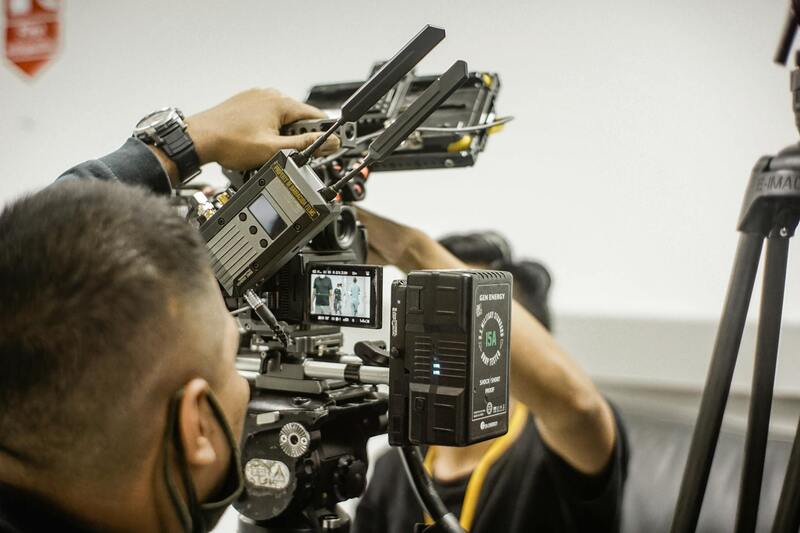
Certification processes involve not only obtaining the necessary documents but also ensuring all equipment meets specified standards. Using FAA-compliant drones with modern safety features, such as obstacle sensors and geofencing, is an effective approach. These measures mitigate hazards and reinforce the legitimacy of your services, giving clients confidence in your operational competence.
Additionally, investing in professional liability insurance tailored for drone operations enhances your business’s credibility and offers protection against unforeseen incidents. This coverage, combined with adherence to official procedures, demonstrates a responsible approach that aligns with industry best practices, ultimately fostering trust among real estate professionals seeking high-quality visual content.
Equipment and Technology Needed for Real Estate Drone Photography
Launching a successful real estate drone photography business in Miami requires investing in high-quality equipment that meets industry standards for imaging and safety. The core of your toolkit should include a drone equipped with a high-resolution camera capable of capturing detailed images and ultra-wide-angle shots. Modern drone models often feature gimbal stabilization systems that ensure smooth footage even in less-than-ideal wind conditions, which are common in coastal areas like Miami.
Beyond the drone itself, complement your fleet with advanced accessories such as spare batteries, propeller guards, and landing gear designed for multiple terrains. This equipment ensures continuous operation during busy shooting schedules while safeguarding your assets against potential damage.
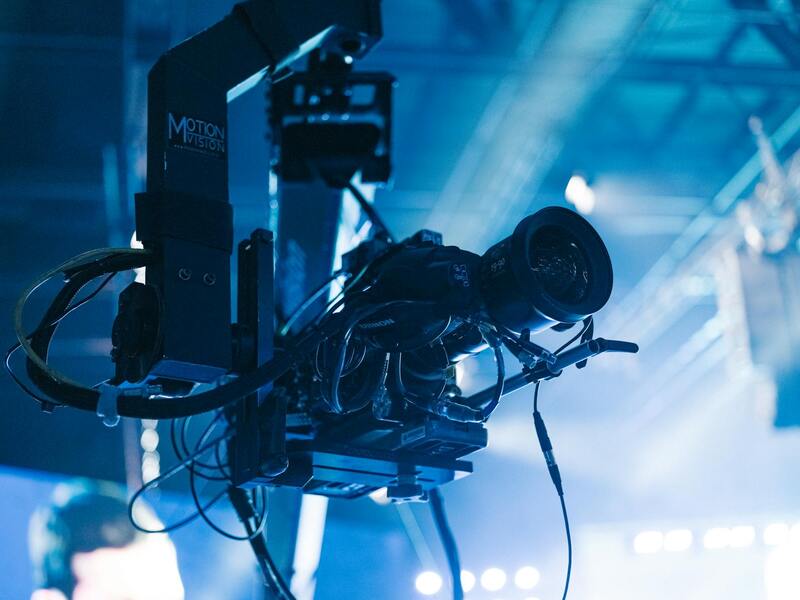
Integrating the latest technology also enhances your service offerings. Utilize software for mission planning that allows precise flight path creation, automated camera settings, and obstacle avoidance systems. Many platforms provide real-time telemetry and GPS tracking, which is essential for maintaining safety and accuracy during aerial shoots. In Miami’s bustling neighborhoods, the ability to plan and execute complex flight paths efficiently results in more compelling visual content without compromising safety.
To stay ahead, consider drones with features like thermal imaging and high dynamic range (HDR) photography. These capabilities enable capturing properties in various lighting conditions and can highlight subtle architectural details. Incorporating such features into your equipment arsenal will distinguish your services from competitors and align your business with industry best practices.
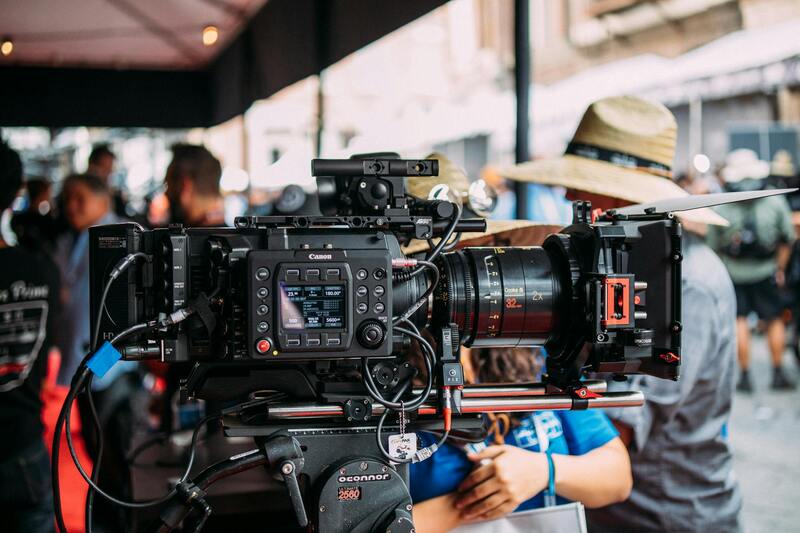
Finally, investing in editing tools that integrate seamlessly with your drone outputs helps you produce polished, market-ready images. Software solutions with features like color correction, image stitching, and 3D modeling assist in crafting appealing property presentations tailored to the Miami real estate scene. Maintaining reliable, professional-grade equipment and software ensures your business can consistently deliver top-tier visual content that meets the expectations of local agents and property developers.
Equipment and Technology Needed for Real Estate Drone Photography
Establishing a successful real estate drone photography business in Miami requires an investment in cutting-edge equipment and reliable technology. The core of your setup should include a high-quality drone equipped with advanced camera capabilities, stabilizing gimbals, and intelligent flight features. These components are essential for capturing crisp, professional-grade images that highlight the unique architectural features of Miami’s diverse properties.
Opt for drones with integrated GPS and obstacle detection systems to ensure safe operation in the dense and dynamic environments typical of Miami neighborhoods. Automated flight planning software helps create precise shooting routes, maximizing efficiency while reducing the risk of mishaps. Features such as return-to-home, auto-hover, and geofencing further enhance operational safety and reliability.
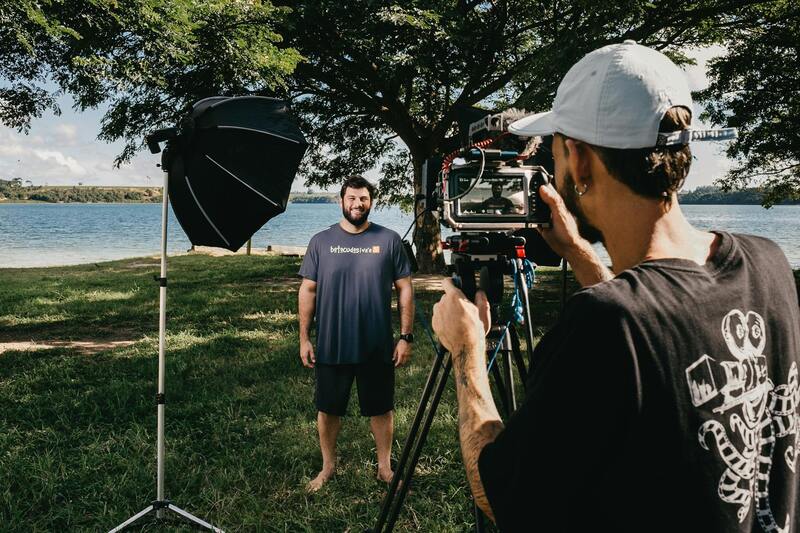
Camera specifications are critical — sensors with at least 1-inch CMOS sensors provide high-resolution images capable of capturing fine details, even in challenging lighting conditions. For Miami’s bright coastal sunlight or shaded urban areas, HDR (High Dynamic Range) capabilities enable balanced exposures across varied lighting, ensuring that property features are vividly represented.
Another vital consideration is the lens. Wide-angle lenses facilitate broad, sweeping views of property exteriors, while telephoto lenses can help capture detailed textures from a safe distance. For interior shots, consider drones capable of stable indoor flights or complementary equipment such as handheld gimbals or 3D scanning devices to enhance virtual tours and interactive property presentations.
Beyond cameras, high-performance editing software plays a pivotal role. Programs that support panoramic stitching, color correction, and 3D modeling allow you to refine images and create immersive virtual experiences. In addition, integrating drone data with 3D mapping tools positions your service as a comprehensive solution for real estate marketing in Miami.
Operational efficiency also hinges on choosing the right accessories and auxiliary tools. Extra batteries enable extended shooting sessions, while portable chargers support rapid recharging on location. Stabilization accessories and landing pads help ensure safe, steady operations, especially when working on uneven terrain or rooftop settings common across Miami's architectsurally diverse neighborhoods.
Training and certification programs are invaluable for mastering drone operation, ensuring safety, and adhering to current guidelines. Investing in ongoing education enhances your skills—allowing you to adapt to technological advancements and diverse property types efficiently.
Operational Best Practices and Client Management
Establishing operational excellence begins with meticulous planning and execution. Prior to each shoot, conduct comprehensive site assessments to identify potential hazards, access points, and specific client requirements. Clear communication with clients about shoot logistics, desired perspectives, and timing ensures expectations are aligned, leading to smoother operations.
Enhancing safety and efficiency during drone operations is paramount. Implement standardized pre-flight checklists that include battery levels, camera settings, obstacle checks, and equipment inspections. Utilizing advanced flight planning software can optimize flight paths, conserve battery life, and minimize flight durations, reducing turnaround times.
Client management extends beyond the shoot itself. Provide detailed consultations on how drone footage can be best integrated into their marketing strategies. Deliver high-quality onboarding materials that explain the delivery process, usage rights, and potential applications of the footage.
Maintaining transparency about workflows and timelines builds trust and encourages repeat business. Post-project follow-ups and soliciting client feedback serve to identify areas for improvement and foster long-term relationships. Offering supplementary services such as virtual staging or interactive property tours can also elevate your service package.
Furthermore, investing in ongoing training for your team regarding drone safety protocols, technological updates, and customer service best practices will keep your business adaptable and professional. Regularly reviewing operational procedures and integrating new tools can streamline workflows, reduce errors, and enhance overall client satisfaction.
Developing Effective Pricing Strategies for Your Miami Drone Photography Business
Establishing the right pricing structure is vital for attracting clients while ensuring your business remains profitable and sustainable. Several factors come into play when creating service packages tailored to Miami’s vibrant real estate market.
Begin by analyzing the scope of each project, considering the size and complexity of the property, the desired footage style, and client expectations. Larger estates or commercial properties often require more comprehensive coverage, including multiple videos from different angles, aerial photos, and virtual tours, all of which should be reflected in pricing.
Consider offering tiered packages that include basic drone footage, enhanced editing, and customized content for premium listings. For instance:
- Standard Package: A set number of aerial images and a brief video tour suitable for modest residential listings.
- Premium Package: Extensive aerial footage, high-resolution images, and highlight videos for luxury properties.
- Customized Solutions: Tailored services such as twilight shots, 3D modeling, or immersive virtual tours for high-end real estate developers and commercial clients.
Pricing should also account for turnaround times, travel distances within Miami, and additional services like post-production editing or real estate listing integration. Offering discounts for repeat clients or volume projects can build loyalty, while flexible payment options attract a broader customer base.
Transparency in your pricing model is crucial. Clearly communicate what each package includes, potential add-ons, and any extra costs. This approach not only fosters trust but also simplifies the decision-making process for clients exploring your services.
Adjusting your pricing model based on market demand and competitor analysis ensures your offerings stay competitive. Regularly review your rates and services, incorporating feedback from clients to refine your packages and optimize profitability in Miami’s dynamic real estate landscape.
Operational Best Practices and Client Management
To sustain a successful real estate drone photography business in Miami, maintaining high operational standards and effective client management are essential. This involves establishing clear communication channels, setting realistic expectations, and delivering consistent quality to foster long-term relationships with real estate professionals and developers.
When engaging with clients, it is critical to develop detailed service agreements that outline the scope of work, delivery timelines, and pricing structures. This ensures transparency and helps mitigate misunderstandings. Regular updates during the project lifecycle keep clients informed and engaged, fostering trust and satisfaction.
Pre-Flight Planning and Site Assessment
Thorough pre-flight planning is a fundamental step in executing successful drone operations. This includes assessing the property’s layout, understanding potential flight restrictions, and determining optimal flight paths to capture compelling visuals. Conducting site assessments ahead of scheduled shoots allows for efficient use of time on the day of filming, reducing delays and ensuring comprehensive coverage of the property.
Post-Production and Delivery
Post-processing is a critical phase that transforms raw footage into polished marketing assets. High-quality editing, color correction, and motion graphics can significantly enhance the visual appeal of the final product. Providing clients with a variety of delivery formats—such as online links, downloadable files, or integrated listing content—ensures accessibility and ease of use for marketing campaigns.
Client Relationship and Feedback Management
Building strong client relationships involves proactive follow-up, soliciting feedback, and demonstrating a commitment to excellence. Client testimonials and referrals serve as powerful tools for expanding your portfolio and establishing credibility within the Miami real estate market. Adjusting your services based on client input can also help tailor your offerings to meet evolving market demands.
Compliance and Safety Standards
Adhering to established operational standards guarantees safety and efficiency. This includes routine equipment maintenance, comprehensive pilot training, and adherence to flight protocols. Implementing safety checklists prior to each flight minimizes risks and ensures smooth operations, ultimately safeguarding your reputation and business continuity.
Operational Efficiency and Workflow Optimization
Optimizing workflows through scheduling tools, project management software, and standardized procedures enhances productivity. Creating a checklist for each project—from initial inquiry to final delivery—streamlines operations and reduces oversight. Such systematic approaches enable timely project completions and reliable service delivery.
The effective management of operations and client relations not only elevates your service quality but also positions your Miami-based real estate drone photography business for sustained growth amidst the competitive real estate environment.