Importance of HD Real Estate Photos in Property Sales
In the competitive Miami real estate market, high-definition (HD) photos have become an essential tool for attracting prospective buyers and closing deals more efficiently. Superior image quality enhances the visual appeal of property listings, allowing potential buyers to experience the property’s details and ambiance remotely. HD imagery captures the true essence and character of a property, emphasizing its best features effectively. This level of clarity is especially critical when showcasing homes with intricate architectural details, luxurious interiors, or scenic outdoor spaces.
High-quality visuals help listings stand out amidst numerous options, making a lasting impression on viewers. When prospective buyers browse online listings, the initial visual impression often determines whether they will consider a property further. HD images allow buyers to evaluate the space’s size, layout, and flow with a clarity that low-resolution photos cannot provide. Additionally, sharp and vivid images foster trust and professionalism, reflecting well on the seller or agent’s commitment to quality.
In Miami's dynamic real estate market, where properties often command premium prices, compelling visuals can significantly influence the perception of value. Improved image quality may lead to increased inquiries, schedule more showings, and ultimately, higher sale prices. Furthermore, properties presented with HD photos tend to spend less time on the market, as the striking visuals expedite decision-making for potential buyers.

Ultimately, investing in HD real estate photography boosts listing visibility across digital platforms such as websites and social media, ensuring properties reach a wider audience. As Miami's property market continues to grow, the importance of crisp, detailed visuals becomes increasingly evident for sellers looking to optimize their sale potential and make a lasting impression.
Key Features of Effective Real Estate HD Photography
Creating high-quality HD images that effectively showcase a Miami property requires attention to several core features. These elements are fundamental in capturing visuals that highlight a home's best aspects with clarity and appeal, ultimately compelling prospective buyers to engage with the listing.
- Optimal Lighting: Natural light is the cornerstone of compelling real estate photography. Properly illuminated spaces reveal true colors, emphasize architectural features, and create a warm, inviting atmosphere. During the shoot, photographers often schedule sessions during daylight hours, utilizing window light and supplementary lighting to eliminate shadows and ensure consistent brightness throughout each image.
- Strategic Angles: Selecting the right vantage points magnifies the sense of space and flow within the property. Wide-angle lenses are commonly used to encompass more area within a single shot, providing viewers with a comprehensive perspective. Angle choices should accentuate key features like high ceilings, spacious rooms, and scenic views characteristic of Miami properties.
- Clarity and Resolution: High-definition images must be sharp, with distinct details that allow viewers to perceive textures, finishes, and features clearly. Proper focus, stable camera settings, and high-resolution sensors contribute to images that do not appear blurry or pixelated, even when viewed in larger formats.
- Effective Staging: Proper staging involves arranging furniture and decor to highlight each space's functionality and aesthetic appeal. In Miami's vibrant real estate landscape, showcasing stylish interior design, modern furnishings, and inviting outdoor living areas enhances the property's attractiveness. Staged spaces are more relatable, helping potential buyers envision themselves living there.
- Consistent Composition: Cohesive framing, balanced composition, and aligned perspectives guide viewers through the property's key areas smoothly. Ensuring consistency across images helps create a seamless visual story, which is vital when presenting an entire property online or in marketing brochures.
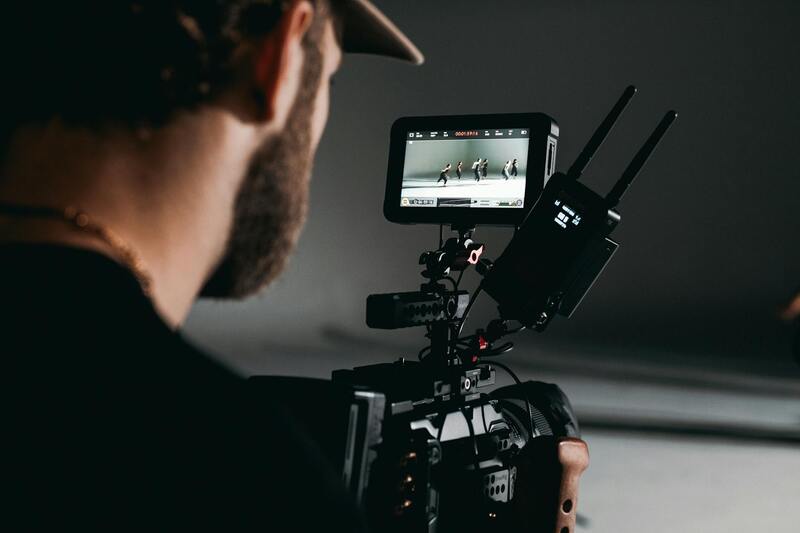
Precision in these features directly impacts the effectiveness of real estate images in attracting interest and accelerating sales. In Miami’s competitive market, where properties are often distinguished by unique features and luxurious design, well-executed HD photography can make all the difference in standing out among numerous listings. Focused attention to detail in each aspect ensures that images genuinely reflect the property's value and appeal, making a lasting impression on prospective buyers.
Choosing the Right Equipment for HD Real Estate Photography
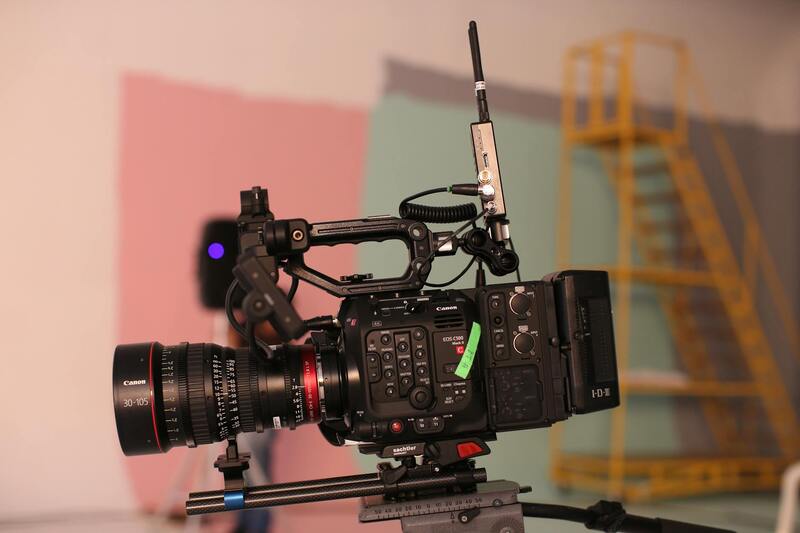
To capture stunning real estate images that stand out in a competitive market, selecting the appropriate equipment is essential. The foundation of high-quality HD photos lies in the right camera, lenses, and accessories that enable precision, clarity, and vibrant color reproduction. Professional photographers often opt for full-frame DSLR or mirrorless cameras, as these models provide superior image quality with larger sensors capable of capturing more light, resulting in clearer and more detailed photos.
Lens selection plays a critical role in real estate photography. Wide-angle lenses, typically ranging from 10mm to 24mm, are preferred for interior shots because they allow capturing more of a room in a single frame, providing viewers with a sense of space and scale. Tilt-shift lenses can be utilized to correct perspective distortions, ensuring vertical lines remain straight—an important aspect in showcasing property's architecture accurately. Macro lenses, though less common, are useful for highlighting fine details such as fixtures or textured surfaces.
Essential Accessories for Professional Real Estate Photography
- Tripods: Stability is crucial for sharp images, especially in low-light conditions or when using slow shutter speeds.
- Remote Shutters or Timers: Minimizes camera shake by allowing shots to be taken without manual pressing.
- External Flashes or Lighting Systems: Supplement ambient light to brighten interiors consistently and eliminate shadows.
- Drone Cameras or Aerial Devices: For exterior shots and panoramic views, aerial photography provides dynamic perspectives that enhance property listings.
- Gimbals or Stabilizers: Useful for capturing smooth videography or walkthrough sequences that complement still images.
Investing in quality equipment tailored for real estate photography ensures images are sharp, correctly exposed, and capable of showcasing properties in their best light. Proper gear, combined with skillful operation, transforms ordinary spaces into appealing visual stories that accelerate buyer interest and engagement.
Optimal Shooting Techniques for Maximum Image Impact
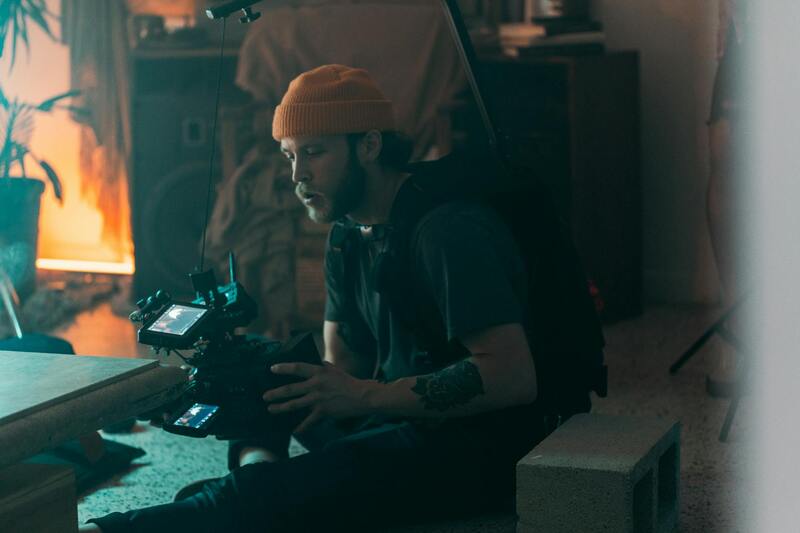
Achieving stunning real estate HD photos requires a strategic approach to shooting that emphasizes precision and attention to detail. The goal is to present each space in a way that highlights its best features while maintaining authenticity. Proper framing begins with selecting the right vantage point—shoot from a corner to capture the room's depth and natural flow, avoiding unnecessary clutter that can distract viewers. Using a wide-angle lens is paramount to encapsulate the full scope of the interior; however, care must be taken to prevent excessive distortion which can misrepresent the space. Lighting plays a critical role in real estate photography. Natural light should be utilized whenever possible, with curtains drawn back to maximize daylight exposure. For interiors that require additional illumination, external flashes or synchronized lighting systems help achieve even, shadow-free brightness. When setting up shots, consider the direction of light—position the camera to avoid glare or uneven lighting that could undermine image quality. Composition techniques such as the rule of thirds can aid in creating balanced, aesthetically pleasing images. Including elements like furniture or decorative accents can provide perspective and scale, making rooms appear more inviting and functional. Prior to shooting, staging the space to remove personal items and excessive clutter helps in presenting a clean, appealing environment. Employing a tripod ensures stability for sharp images, especially in low-light conditions or when using longer exposures to enhance interior brightness without introducing motion blur. Remote shuttles or timers prevent camera shake during the shot, delivering crisp, professional results. For exterior shots, drone photography offers elevated perspectives and panoramic views that add depth and appeal to listings. Furthermore, capturing multiple angles of key spaces—living rooms, kitchens, bedrooms, and bathrooms—provides potential buyers with a comprehensive understanding of the property's layout and features. Consistent exposure settings across images maintain a cohesive and polished appearance within listings. To avoid common pitfalls such as skewed vertical lines or distorted proportions, employing tilt-shift lenses or correcting perspective during post-processing is advisable. Ultimately, the combination of technical proficiency and deliberate composition will produce high-definition images that effectively showcase property strengths, attracting more interest from prospective buyers.
Using HD Images for Digital and Print Marketing
High-definition images play a crucial role in a comprehensive marketing strategy for real estate. In digital platforms, such as property websites, social media, and email campaigns, crisp, detailed photos can significantly enhance the visual appeal and draw potential buyers' attention. They enable viewers to appreciate the property's features clearly and foster a sense of trust and professionalism. When prospective buyers view high-resolution images, they are more likely to engage with the listing, schedule viewings, and consider making an offer.
In addition to digital use, HD images are equally impactful in print marketing materials, including brochures, flyers, postcards, and market reports. Printed materials with high-quality visuals stand out in competitive markets, allowing real estate agents to showcase the property in the best light. The print medium’s larger size highlights the sharpness and detail captured in high-definition photos, helping to communicate the property’s spaciousness, design elements, and unique features effectively.
To maximize marketing impact, it is essential to optimize the resolution and format of images for each platform. Digital images typically benefit from sizes that balance quality with fast loading speeds, while print images require higher resolutions, often 300 dpi, to preserve clarity and detail when printed. Properly color-corrected and curated images ensure consistency across all marketing avenues, reinforcing brand professionalism and building trust with potential clients.
Legal Considerations and Best Practices in Real Estate Photography
Successful real estate marketing hinges on adherence to established standards that maintain transparency, quality, and integrity throughout the photographic process. When capturing and utilizing HD images, it is vital to follow proven protocols that protect both property owners and real estate professionals while delivering exceptional visual content.
Obtaining Proper Permissions and Consents
Before any photography session begins, ensuring all necessary permissions are secured is fundamental. This involves coordinating with property owners or authorized stakeholders to confirm consent for the specific use of high-definition images across various platforms. Clear communication about how these images will be used helps prevent misunderstandings and legal complications, fostering a smooth collaboration. In multi-unit properties or shared spaces, additional permissions might be required, especially if images include common areas or neighboring properties.
Respecting Privacy and Confidentiality
Photographers should exercise discretion to avoid capturing private or sensitive areas that are not intended for public view. This includes safeguarding personal belongings, private outdoor spaces, or areas with sensitive installations. Employing meticulous framing and strategic angles can highlight the property's best features while respecting the privacy of current occupants or neighbors. Additionally, if images are to feature existing occupants, obtaining their consent ensures respectful representation and compliance with privacy expectations.
Ensuring Accuracy and Honest Representation
High-quality images must accurately depict the property's condition and features. While post-processing can enhance visual appeal, it should never be used to distort reality or create misleading impressions. Authenticity in presentation builds trust with potential buyers and avoids potential disputes. Realtors and photographers should collaboratively establish guidelines for editing, emphasizing enhancements that improve clarity, lighting, and color accuracy without altering the property's fundamental attributes.
Maintaining Consistency and Branding Standards
To uphold a professional image, HD photography should align with branding standards set by real estate agencies. Consistent color profiles, stylistic elements, and branding elements like logos or watermarks should be incorporated appropriately. This uniformity not only reinforces brand recognition but also assures clients of professionalism across all visual marketing efforts.
Implementing Best Practices for Image Storage and Management
Proper management of digital assets involves labeling, organizing, and backing up high-resolution images systematically. Maintaining organized archives facilitates easy retrieval for marketing campaigns and ensures that only approved versions are used across listings, websites, and printed materials. Additionally, storing images in secure locations reduces risks associated with data loss or unauthorized access.
Optimizing Usage Across Platforms
- Digital Listings: High-resolution images should be optimized for fast loading without compromising quality. Consider resizing images for different devices and platforms for better user experiences.
- Social Media: Adapt images to platform-specific aspect ratios and sizes, ensuring they retain clarity and visual impact.
- Printed Materials: Use images with resolutions of at least 300 dpi to maintain detail and sharpness in brochures, flyers, and other physical marketing assets.

Legal Considerations and Best Practices in Real Estate Photography
When producing and utilizing high-definition real estate images, adhering to established standards for consent and intellectual property rights is essential. Securing appropriate permissions before capturing photos, especially when photographing interiors or unique features, ensures smooth marketing processes and maintains transparent relationships with property owners. Clear communication about where and how the images will be used helps prevent misunderstandings or disputes down the line.
Property owners or stakeholders should be informed about the purpose of the photos and agree to their use across various marketing channels. This step not only demonstrates professionalism but also fosters trust and respect for privacy. Maintaining records of consent is a vital administrative task that supports compliance with industry norms and facilitates accountability.
Intellectual property considerations refer to the ownership rights associated with the images. Using images created by professional photographers who retain certain rights might require licensing agreements, especially if the images are widely distributed or used in commercial campaigns. Proper licensing ensures that the images are legally protected, and their use aligns with the rights granted by the creator.
Ethical standards in real estate photography extend beyond legal compliance. Photographers should avoid digitally altering images in ways that misrepresent the property's true appearance. Overly manipulated images can lead to a mismatch between customer expectations and actual property features, which could harm reputation and client trust.
In addition, photographers should respect the privacy and security of their subjects. Avoid capturing sensitive areas or identifying personal belongings unless expressly permitted. Respect for privacy should also extend to notifying residents or tenants when a photoshoot is scheduled, minimizing disruption and ensuring comfort.
Legal Considerations and Best Practices in Real Estate Photography
Accurate and high-quality imagery plays a crucial role in effectively showcasing properties, but adherence to ethical and professional standards secures the trust of clients and prospective buyers. Employing legitimate methods of sourcing and utilizing images ensures that all marketing efforts align with industry standards and uphold the integrity of the real estate transaction process.
One of the fundamental practices involves obtaining proper permissions before capturing or using images of a property. This includes securing consent from property owners or tenants to avoid misunderstandings or disputes. Transparency about the purpose of the photography and respecting individuals' privacy fosters an environment of trust and professionalism. Notifying residents beforehand helps mitigate disruptions and demonstrates respect for their privacy.

Using images legally also entails understanding intellectual property rights. When working with professional photographers or stock images, it is vital to obtain appropriate licensing agreements. These agreements clarify usage rights, distribution channels, and ownership, preventing unauthorized use and potential legal complications. Licensing ensures that images are protected and can be confidently embedded in online listings, brochures, and other marketing materials.
Accurate Representation
High-quality HD images should accurately represent the property's features without digital manipulation that could mislead viewers. Over-enhancement or excessive editing might create expectations that the property cannot meet, potentially leading to client dissatisfaction and reputational damage. Maintaining authenticity in visuals supports transparency and helps buyers make informed decisions based on truthful representations.
Maintaining Record of Permissions and Use
Documenting all permissions, licensing agreements, and consent forms related to images is essential for organizational accountability and compliance. This record-keeping facilitates efficient management of image rights and serves as proof of legitimate usage in case of any disputes or inquiries.
Respect for Projects and Privacy
Images should be captured without infringing on personal privacy or security. Avoid including sensitive areas or personal belongings unless explicitly permitted. Respecting privacy extends to minimizing disruptions during photoshoots, especially in occupied properties. Proper planning and communication with residents or tenants are key components of professional conduct in real estate photography.
Partnering with Professionals
Collaborating with licensed, reputable photography agencies that specialize in real estate imaging guarantees adherence to these best practices. Such agencies possess a deep understanding of legal and ethical standards and can provide comprehensive services that include obtaining necessary permissions, licensing images appropriately, and delivering authentic, high-quality HD visuals. Partnering with a Miami-based production agency, renowned for their familiarity with local regulations, ensures that your marketing content is compliant and professionally produced.