Understanding the Role of Real Estate Photography Specialists
In the competitive realm of real estate, visual presentation plays a crucial role in attracting potential buyers and accelerating property sales. Real estate photography specialists are trained professionals who dedicate their expertise to capturing stunning, high-quality images that highlight the unique features of each property. Their responsibilities extend beyond simple picture-taking; they focus on showcasing properties in the most appealing way possible to maximize interest and engagement. These specialists are well-versed in industry standards and possess an eye for detail, ensuring every photograph accurately reflects the property's best angles and lighting conditions.
Effective real estate photography can significantly influence a property’s market perception. High-resolution images, taken with a strategic approach, allow potential buyers to get a clear, inviting view of the property, often before they schedule an on-site visit. This initial visual impact creates a sense of professionalism, credibility, and trustworthiness, setting the foundation for successful marketing campaigns.
Furthermore, real estate photography specialists often work closely with real estate agents, sellers, and marketing teams to understand the property’s key selling points. They help craft a compelling visual narrative that emphasizes space, light, and architectural features. Their work is integral to creating virtual tours, online listings, and promotional materials that can reach larger audiences across multiple platforms. Properly executed, real estate photography becomes an essential tool in the property marketing arsenal, fostering quicker sales and higher property values.
Skills and Qualifications of Real Estate Photography Experts
Professional real estate photography specialists possess a robust combination of technical expertise, industry experience, and formal certifications that set them apart. Their proficiency in handling advanced camera systems, lighting equipment, and specialized lenses enables them to capture images that highlight a property's best features effectively. Many experts often undergo training in architectural photography, digital imaging, and color correction to refine their craft, ensuring that each photograph accurately portrays the space's ambiance and architectural details.
Certification programs from recognized industry bodies or technology companies validate the photographer's skills in both technical and artistic domains. For example, certifications in drone operation ensure safe and compliant aerial photography, which is increasingly vital in showcasing larger properties and unique landscapes. Experience plays a key role; seasoned specialists understand how to navigate various property types, lighting conditions, and architectural styles to produce consistent high-quality results. Their familiarity with local markets and trends also influences the imagery's appeal, aligning visual storytelling with buyer expectations.
In addition to technical skills, effective communication and collaboration with real estate agents and property owners contribute significantly to the success of a project. Understanding clients' marketing goals allows specialists to tailor their approach, ensuring that the images resonate with target audiences. Furthermore, many photographers hold accreditation in post-processing and editing, granting them the ability to enhance images while maintaining authenticity, which is critical for transparent marketing practices.
Key Equipment and Technology Used
Successful real estate photography relies heavily on cutting-edge equipment. High-resolution cameras equipped with wide-angle lenses are standard tools that allow specialists to capture comprehensive views of interior and exterior spaces. Tripods provide stability needed for sharp images, especially in low-light conditions or when capturing long exposures. Lighting equipment, including portable flashes and reflectors, helps balance interior lighting to eliminate shadows and highlight textures.
Drone technology has become indispensable for capturing expansive outdoor views and property perimeters from elevated perspectives. These aerial images not only add depth to listings but also provide potential buyers with a better sense of property layout and surroundings. Specialized software for HDR (High Dynamic Range) photography allows specialists to combine multiple exposures into one well-lit, detailed image. Post-processing tools facilitate color correction, distortion removal, and image enhancements, ensuring each photograph aligns with the property's true appearance and appeal.
Best Practices for Capturing High-Quality Property Photos
Executing effective real estate photography requires meticulous preparation and technical proficiency. Starting with a thorough inspection of the property helps identify the best angles and lighting conditions. During shoots, specialists optimize natural light by scheduling sessions during daylight hours, opening curtains, and utilizing supplemental lighting when necessary.
Composition principles such as the rule of thirds, leading lines, and symmetry guide photographers in framing shots that draw viewers’ eyes to key features. Ensuring that rooms are tidy, staged, and free of clutter enhances the property's appeal. Shooting from eye level with a wide-angle lens allows capturing the full scope of rooms, making spaces appear larger and more inviting.
Attention to detail extends beyond just the visuals; specialists also ensure that exterior shots include well-maintained landscaping and clear views of the property’s entry points. For exterior photos, the ideal time is during the golden hour—shortly after sunrise or before sunset—to maximize natural light and reduce harsh shadows, adding warmth and vibrancy to images.
Importance of Aerial and Drone Photography
Aerial imagery provides unique perspectives that ground-level photos cannot achieve. Drones equipped with high-resolution cameras grant real estate specialists the ability to capture entire property layouts, nearby amenities, and landscape features from above. These visuals are particularly beneficial for large estates, commercial properties, or properties situated in scenic locations.
The use of aerial photography can significantly enhance online listings by offering a comprehensive view, which helps prospective buyers visualize the property’s scale and surroundings. Proper drone operation also involves adherence to safety standards, flight planning, and capturing images in optimal weather conditions to avoid distortion or missed details.
Editing and Post-Processing Techniques
Post-processing plays a crucial role in transforming raw images into polished marketing materials. Professional specialists utilize editing software to enhance lighting, correct color imbalances, and adjust contrast, ensuring that images accurately reflect the property's true appearance. Techniques such as HDR blending can reveal details in both bright and shadowed areas within the same shot, producing well-balanced visuals.
Clarity and sharpness are optimized through sharpening filters, while minor distortions caused by wide-angle lenses can be corrected digitally. Maintaining authenticity during editing is essential to avoid misleading potential buyers. Skilled specialists also remove distractions like clutter, reflections, or unwanted objects to ensure a clean presentation of each space.
Color grading can subtly influence the mood of images, making rooms feel warmer, cooler, or more inviting, aligning with the property's branding and target buyer preferences. These refined images enhance online visibility and attract more engagement, ultimately leading to increased interest and quicker sales.
Understanding the Role of Real Estate Photography Specialists
Real estate photography specialists serve as the visual architects of property marketing, transforming spaces into compelling visual stories that resonate with potential buyers. Their role extends beyond simply snapping pictures; they strategically craft a visual narrative that highlights each property's unique features, layout, and ambiance to foster emotional connections. These specialists have a deep understanding of architecture, interior design, and lighting, allowing them to showcase properties in their best light. They ensure that each photograph adheres to the highest standards of clarity, composition, and color accuracy, providing real estate agents and property owners with images that stand out in a competitive market. The meticulous process involves pre-shoot planning, understanding the target clientele, and selecting the appropriate tools to capture the property's essence seamlessly across multiple visual mediums, including high-resolution images, virtual tours, and aerial shots. Their work ultimately contributes to attracting quality leads, accelerating sales cycles, and maximizing property value through engaging visual content.
Skills and Qualifications of Real Estate Photography Experts
Professionals in this field boast a comprehensive skill set that combines technical proficiency with a keen artistic eye. They possess advanced knowledge of camera equipment, including DSLR and mirrorless cameras capable of capturing high-detail images in varying lighting conditions. Mastery in lighting techniques—both natural and artificial—is essential to simulate natural light that makes spaces appear inviting and open. Many specialists are also adept in drone operation, allowing for aerial perspectives that showcase property size and surroundings, providing potential buyers with a contextual understanding of the property’s location. Post-processing skills are equally critical: specialists utilize editing software such as Adobe Lightroom and Photoshop to enhance images, correct distortions, and ensure accurate color representation without misleading viewers. An eye for composition ensures that every shot emphasizes the property’s best features, whether it’s a cozy living room or a sprawling backyard. Certifications and ongoing training further validate their expertise, keeping them updated on the latest industry standards and technological advances.
Importance of Aerial and Drone Photography
Incorporating aerial imagery into property marketing offers distinct advantages that ground-level photos cannot achieve alone. Drone photography provides expansive views of the property, showcasing its layout, landscaping, and proximity to amenities or scenic surroundings. Such visuals are invaluable for demonstrating property size and its relationship to neighboring features, which can be pivotal in making buying decisions. Proper drone operation requires technical expertise and adherence to safety guidelines to capture smooth, stable footage under optimal weather conditions. Strategic planning is essential to position shots that highlight key selling points, such as pool areas, gardens, or unique architectural features. The integration of aerial perspectives can significantly increase online engagement, as these high-quality images generate more interest and give potential buyers a comprehensive understanding of the property’s scale and allure.
Editing and Post-Processing Techniques
Post-processing transforms raw photography into polished marketing assets that draw attention online and in print. Specialists utilize industry-standard editing programs to refine images, balancing exposure and contrast to ensure clarity across all visual elements. High Dynamic Range (HDR) blending brings out details in both overly bright and shadowed areas, creating images that reflect real-life lighting conditions accurately. Techniques such as color grading subtly influence the mood of images—making rooms appear warmer or cooler to match branding or target audience preferences. Digital corrections address lens distortions common with wide-angle photography, ensuring the images are free of skewed lines or unnatural perspectives. Distractions like clutter, reflections, or unwanted objects are meticulously removed, emphasizing the property's features and maintaining an authentic appearance. These refined images are instrumental in capturing attention on digital platforms, driving traffic to listings, and facilitating faster property sales.
Understanding the Role of Real Estate Photography Specialists
Real estate photography specialists play a crucial role in the visual presentation of properties, serving as the bridge between a property's physical features and the potential buyer’s perception. Their expertise encompasses more than just capturing images; it involves a strategic approach to showcasing a property's best attributes, creating compelling narratives through visuals that motivate buyers to take action. These professionals are adept at assessing each property’s unique features and tailoring their photographic techniques to highlight them effectively. Their work extends beyond operational skills, requiring an understanding of current real estate market trends and consumer preferences to produce images that resonate with target audiences.
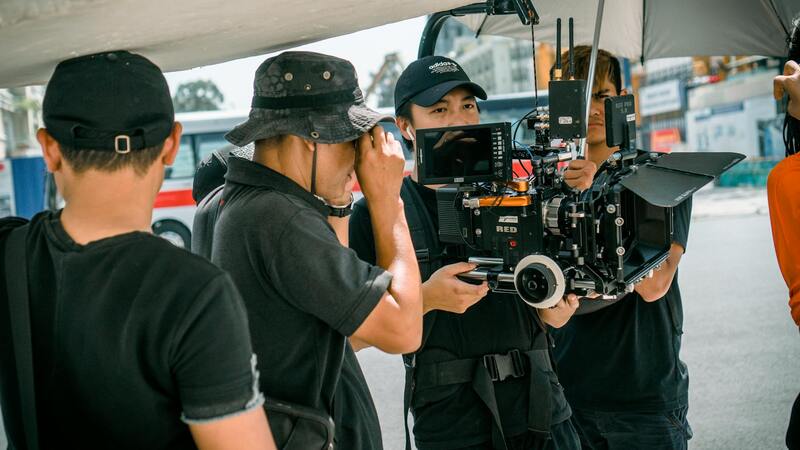
The importance of their role is amplified by the competitive nature of Miami’s real estate market, where high-quality visuals can significantly influence a property’s online visibility and attractiveness. Specialists understand that prospective buyers increasingly rely on digital platforms to explore listings, making professional photography a vital component of effective property marketing. Their ability to deliver consistent, high-resolution, and stylistically coherent images ensures listings stand out amid the digital clutter, facilitating quicker sales and often commanding higher price points.
Moreover, real estate photography specialists are proficient in various specialized techniques, including soft lighting, wide-angle shots, and precise staging photography, which collectively provide a comprehensive view of the property. This cohesive visual storytelling not only captures attention but also builds trust, as buyers feel more confident in a property's true condition when presented professionally.
Having a dedicated specialist also guarantees that the images adhere to technical standards required for print and digital marketing, avoiding common pitfalls such as poor lighting or distortions that can undermine a property’s appeal. Ultimately, these specialists are partners in the property selling process, leveraging their skills to attract qualified buyers and expedite transactions.
Skills and Qualifications of Real Estate Photography Experts
The proficiency of real estate photography specialists is reflected across a range of skills and qualifications that ensure they deliver top-tier images. First and foremost, they possess a deep understanding of photography fundamentals, including composition, lighting, and perspective, tailored specifically to real estate contexts. Their expertise in framing shots to maximize space and highlight architectural features helps create inviting and aspirational visuals for potential buyers.
Technical mastery of specialized equipment is another key aspect. This includes the use of high-resolution cameras equipped with wide-angle lenses, tripod stabilization systems, and advanced lighting setups that improve image clarity and depth. Many specialists also have certifications or training in the latest photography techniques and software, ensuring their work remains aligned with industry standards and evolving visual trends.
Additionally, an eye for staging plays a vital role in their skill set. They often collaborate with interior designers or stagers to optimize the arrangement and aesthetic appeal of interiors before shooting. Their knowledge extends to understanding color schemes, interior decor, and Feng Shui principles—elements that enhance the property's ambiance and visual appeal.
Professionalism and attention to detail are fundamental qualities. Specialists meticulously plan each shoot, considering natural light availability, shooting angles, and the most advantageous times of day for exterior shots. Post-shoot, their skills extend into image editing and retouching, utilizing advanced software to enhance images without compromising authenticity. This comprehensive skill set ensures that each photograph attracts attention and accurately conveys a property’s value.
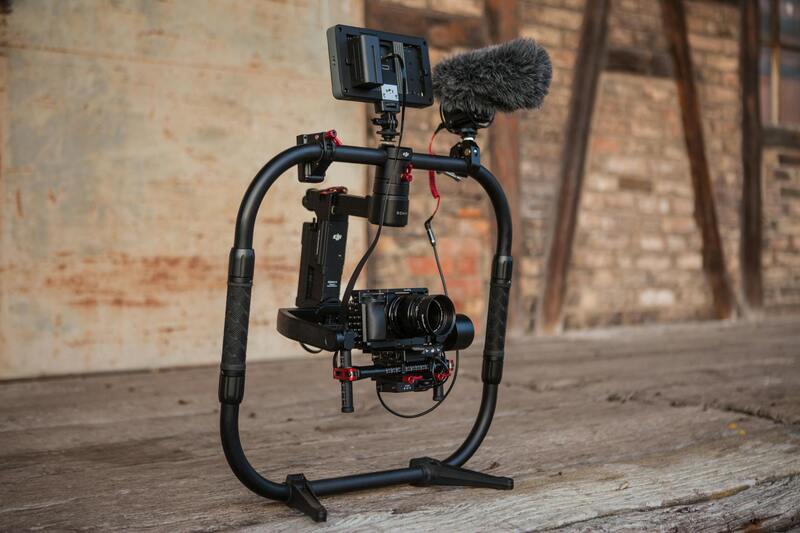
Ultimately, the combination of technical expertise, aesthetic sensibility, and market knowledge defines the competence of real estate photography specialists. Their ability to produce stunning, authentic images that align with marketing objectives is what elevates property listings, fostering buyer interest and accelerating sales in competitive markets like Miami.
Advanced Techniques in Editing and Post-Processing
Effective editing and post-processing are crucial components in delivering stunning real estate images that stand out in a competitive Miami market. Real estate photography specialists utilize a suite of professional software tools to refine images, ensuring they accurately represent a property’s features while enhancing visual appeal. These techniques include exposure adjustments to balance lighting, color correction to align images with true-to-life hues, and perspective correction to eliminate distortions caused by wide-angle lenses. Skilled editors also employ masking and retouching to address imperfections without compromising the authenticity of the photos.
High Dynamic Range (HDR) imaging is frequently used to capture a broad spectrum of light within a scene, especially in environments with challenging lighting conditions. This method combines multiple exposures, resulting in images that showcase both interior and exterior details with clarity and vibrancy. Additionally, specialists leverage noise reduction algorithms and sharpening techniques to produce crisp, clean visuals that attract potential buyers.
In the context of Miami’s dynamic real estate environment, where first impressions are vital, such professional post-processing ensures that every image is optimized for online listings, brochures, and digital campaigns. These enhancements also help maintain consistency across a portfolio of property images, reinforcing brand identity for real estate agencies and professionals.
How to Choose the Right Real Estate Photography Specialist in Miami
Selecting a proficient real estate photography specialist involves assessing several key factors. First, review their portfolio to gauge their style, consistency, and ability to capture properties under diverse conditions. A diverse set of high-quality images that highlight both interior and exterior features indicates experience and versatility.
- Experience and Local Knowledge: Opt for specialists familiar with Miami's unique market dynamics and architectural styles. Local expertise ensures they understand lighting conditions, neighborhood aesthetics, and the best angles to emphasize a property’s value.
- Equipment and Technology: Confirm that they utilize advanced cameras, drone technology, and editing software. Modern equipment translates into higher image quality and more creative shot options.
- Professionalism and Reliability: Reliable specialists are punctual, communicative, and adhere to deadlines. Their professionalism contributes to a seamless collaboration process and timely delivery of images.
- Client Testimonials and Reviews: Positive feedback from previous clients is an indicator of their ability to meet expectations and deliver results that can enhance a property’s marketability.
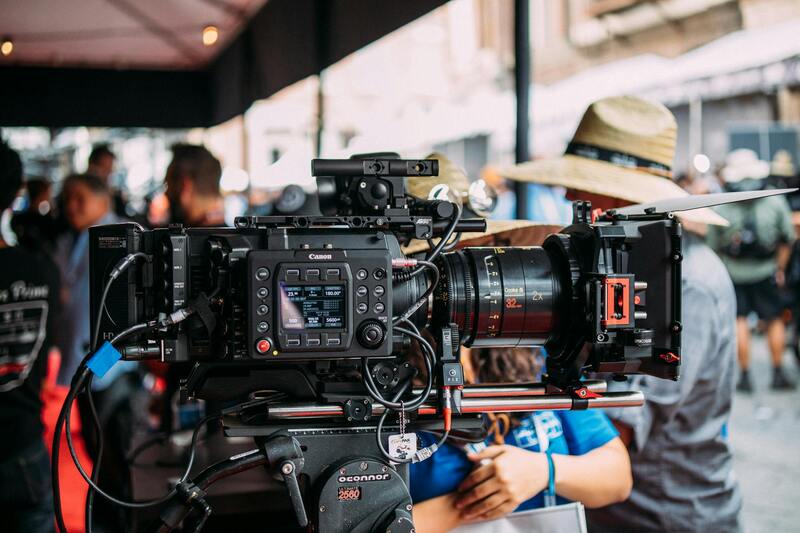
Maximizing Property Marketing with Professional Photography
Harnessing the power of professionally captured images significantly impacts the overarching marketing strategy for real estate in Miami. High-quality visuals increase online engagement, draw more potential buyers, and facilitate faster sales. Listings with compelling photographs often see higher click-through rates and generate more interest through social media and digital advertising.
Moreover, professional photography creates a compelling narrative around each property, highlighting its unique features and aesthetic appeal. Visually striking images can evoke emotional responses, making properties memorable and desirable. This strategic use of imagery enhances the overall branding efforts of real estate professionals and supports their efforts in positioning properties as premium listings.
Investing in expert photography not only elevates a property’s profile but also reflects a commitment to quality, professionalism, and market knowledge. For Miami's vibrant real estate landscape, where aesthetics and perception are paramount, partnering with skilled specialists ensures that property marketing efforts translate into tangible results, whether in high-volume sales or premium listings.
Importance of Aerial and Drone Photography
In the competitive Miami real estate market, aerial and drone photography have become essential tools for showcasing properties. These innovative imaging methods provide unique perspectives that cannot be captured with traditional ground-level photography. By utilizing drones, real estate photography specialists can highlight a property’s size, layout, and surrounding environment more effectively, giving potential buyers a comprehensive visual understanding.
High-quality drone footage can reveal the full scope of a property’s outdoor space, including swimming pools, gardens, and outdoor entertainment areas, which are significant selling points in Miami's luxurious homes and waterfront properties. Furthermore, aerial photography can emphasize proximity to notable landmarks, beaches, or commercial hubs, appealing to buyers looking for convenient lifestyles.
Employing cutting-edge drone technology requires competence and precision. Certified operators ensure safety protocols are followed, preventing damage and maintaining professionalism. These experts possess detailed knowledge of Miami's airspace regulations, ensuring all aerial shots are compliant and obtained legally. The seamless integration of aerial content into marketing materials enhances a listing’s visual narrative, making it stand out in listings, social media campaigns, and virtual tours.
Understanding the Role of Real Estate Photography Specialists
Real estate photography specialists serve as the visual architects of property marketing, transforming static spaces into compelling narratives that resonate with potential buyers. These professionals possess a deep understanding of how to capture a property's best features through techniques that enhance its appeal, create emotional connections, and facilitate faster sales. Their role extends beyond simply taking pictures; they strategically craft a visual story that highlights the unique character of each property, whether it’s a modern waterfront condo or a sprawling family estate.
Their expertise involves recognizing which angles, lighting conditions, and details will resonate most effectively with target audiences. They coordinate with real estate agents to align photography style with market expectations, ensuring the images accurately represent the property’s true value while making it stand out amidst fierce competition. From capturing nuanced interior lighting to showcasing expansive outdoor spaces, these specialists are custodians of a property’s visual first impression.
Skills and Qualifications of Real Estate Photography Experts
Proficiency in composition, lighting, and post-processing distinguishes seasoned real estate photography specialists. They often hold certifications in photography techniques and digital editing, ensuring their work meets high standards of clarity and visual impact. An understanding of real estate marketing and local market nuances allows them to tailor images for maximum appeal in Miami's diverse property landscape.
- Technical mastery in camera settings and lighting adjustments
- Knowledge of editing software such as Adobe Photoshop and Lightroom
- Experience with virtual tours, 3D imaging, and aerial photography technologies
- Familiarity with Miami’s cultural and architectural diversity to best showcase properties
Key Equipment and Technology Used
The foundation of high-quality real estate photography lies in the right tools. Professionals rely on professional-grade DSLR or mirrorless cameras equipped with wide-angle lenses to capture expansive interior shots. They also utilize tripod stabilization for sharpness and consistency, especially in low-light conditions. Advanced lighting equipment, including diffusers and external flashes, enhances the ambiance of indoor spaces.
For aerial shots, drone technology equipped with high-resolution cameras offers unique perspectives that ground photography cannot achieve. Gimbals and stabilization systems ensure smooth footage, while software integrations enable seamless editing and processing. State-of-the-art editing tools refine images, correct distortions, and optimize visual clarity, helping listings stand out in crowded markets.

Best Practices for Capturing High-Quality Property Photos
Achieving professional-grade images requires meticulous planning and execution. Photographers schedule shoots during optimal lighting conditions, often early morning or late afternoon, to leverage natural light. They prepare the property by decluttering spaces, opening curtains, and ensuring all lights are functional to maximize brightness and preserve true color tones.
Camera settings are carefully adjusted to balance exposure and highlight details without overexposure or underexposure. Wide-angle lenses are preferred for interior shots, providing a comprehensive view of rooms, while HDR (High Dynamic Range) techniques amalgamate multiple exposures to maintain detail in bright and dark areas simultaneously.
The framing of each shot emphasizes the property's strengths, such as spaciousness, unique architectural features, or scenic outdoor areas. Post-processing enhances these images further by correcting color balance, straightening lines, and removing distractions to produce polished visuals ready for marketing platforms.
Importance of Aerial and Drone Photography
In Miami's real estate market, aerial photography plays a pivotal role in illustrating a property's full scope. Drones capture sweeping views of waterfront properties, lush landscapes, and nearby amenities that ground shots cannot adequately showcase. These images help buyers understand spatial relationships, outdoor layouts, and neighborhood context—crucial factors in decision-making.
Drones also enable the depiction of proximity to landmarks, beaches, and commercial districts, especially valuable in Miami's vibrant lifestyle-driven market. Certified drone operators ensure that aerial shots are compliant with local airspace regulations, maintaining safety standards without compromising artistic quality. The seamless integration of aerial visuals into marketing efforts enhances listings' attractiveness across digital, print, and virtual formats.
Understanding the Role of Real Estate Photography Specialists
Real estate photography specialists are trained professionals dedicated to capturing properties in a manner that highlights their best features and appeals to prospective buyers. Their expertise extends beyond merely taking pictures; they understand the nuances of lighting, composition, and staging to produce images that evoke emotion and interest. These specialists play a crucial role in the property marketing process, serving as visual storytellers who create compelling digital representations of homes and commercial spaces.

Their work often begins with a consultation to understand the property's unique selling points and the target audience. They then plan the shoot to showcase the property's best angles, ensuring that each shot aligns with marketing strategies. By utilizing their skills and industry knowledge, these specialists help real estate agents and property owners achieve higher engagement rates, increased listing visibility, and more rapid sales.
Skills and Qualifications of Real Estate Photography Experts
Successful real estate photography specialists possess a combination of technical proficiency and artistic sensibility. They are well-versed in camera settings, lenses, lighting, and staging techniques to accurately portray spaces. Many professionals also have a background in photography, interior design, or visual arts, which enhances their ability to capture spaces with an eye for detail and aesthetics.
- Technical Proficiency: Mastery of DSLR or mirrorless cameras, tripod usage, and optimal exposure settings.
- Lighting Skills: Ability to manipulate natural and artificial light to eliminate shadows and highlight architectural features.
- Post-Processing Expertise: Knowledge of editing software to enhance images without compromising authenticity.
- Knowledge of Marketing Trends: Understanding of visual trends and platform specifications to produce images that maximize platform engagement.
- Attention to Detail: Precise framing, straightening lines, and removal of visual distractions ensure professional quality images.
Training and Certifications
Many real estate photography specialists undergo professional training and certification programs that validate their skill sets. Certifications from industry-recognized organizations demonstrate their commitment to quality and adherence to best practices. Continuing education also allows them to stay updated with the latest equipment, techniques, and market preferences.
Key Equipment and Technology Used
Modern real estate photography relies on advanced tools that facilitate high-quality images. Specialists typically use high-resolution DSLR or mirrorless cameras equipped with wide-angle lenses to capture expansive property views. Tripods stabilize shots for sharpness, particularly in low-light conditions or interior spaces.
In addition to traditional photography gear, specialists employ the latest software for image processing, HDR imaging, and virtual staging. Drones equipped with high-resolution cameras provide drone photography and videography, showcasing properties from a bird's-eye view that ground-based photos cannot achieve. These UAVs are operated by certified pilots who ensure compliance with airspace regulations, maintaining safety during aerial shoots.
Best Practices for Capturing High-Quality Property Photos
Achieving professional-quality images involves a combination of technical execution and strategic planning. Practitioners follow specific best practices to ensure consistency, appeal, and accuracy:
- Preparation: Declutter and stage the space to highlight the property's best features. Adjust lighting, open curtains, and prepare outdoor areas.
- Optimal Timing: Schedule shoots during daylight hours when natural light enhances interior spaces, avoiding harsh shadows or overexposure.
- Proper Framing: Use wide-angle lenses to capture entire rooms, ensuring each shot emphasizes size and flow.
- Use of Tripods and Stabilizers: Stabilization tools prevent blurring and maintain consistent framing across shots.
- Multiple Exposures and HDR Techniques: Combine images with varying exposures to retain detail in highlights and shadows.
- Post-Processing: Correct color balance, straighten lines, and eliminate distractions for a polished look.
Importance of Aerial and Drone Photography
In the Miami real estate market, aerial imagery plays a pivotal role in providing comprehensive property views. Drones allow photographers to create stunning visuals that encompass entire estates, waterfronts, and outdoor amenities. These images not only showcase the property's physical extents but also help potential buyers understand its placement within the neighborhood context.
Certified drone pilots ensure all aerial shots are compliant with local airspace regulations, delivering safe and high-quality visuals. Incorporating drone images into listings enhances visual storytelling and attracts a broader audience by highlighting unique features such as large driveways, landscaped yards, or proximity to landmarks. The versatility of aerial shots complements interior and ground-level photography, creating a comprehensive marketing package for property listings.
Editing and Post-Processing Techniques
Post-processing elevates raw images to their highest potential. Real estate photography specialists employ advanced editing techniques that emphasize clarity, appeal, and accuracy. These include:
- Color Correction: Ensuring natural, vibrant hues that accurately depict the property’s look and feel.
- Line Straightening: Correcting perspective distortions to maintain architectural integrity.
- Sky Replacement: Replacing dull or overcast skies to add drama or freshness to exterior shots.
- Removal of Distractions: Eliminating clutter, shadows, or other visual nuisances that detract from the focal points.
- Enhancement of Details: Sharpening key features and textures to create depth and interest.
While editing enhances visual impact, each image remains a true representation of the property, maintaining trust with viewers and prospective buyers. Skilled post-processing ensures images are ready for various platforms, from online listings to print brochures, and virtual tours.